+ 86-632-3621866
- English
- Chinese
- French
- German
- Portuguese
- Spanish
- Russian
- Japanese
- Korean
- Arabic
- Irish
- Greek
- Turkish
- Italian
- Danish
- Romanian
- Indonesian
- Czech
- Afrikaans
- Swedish
- Polish
- Basque
- Catalan
- Esperanto
- Hindi
- Lao
- Albanian
- Amharic
- Armenian
- Azerbaijani
- Belarusian
- Bengali
- Bosnian
- Bulgarian
- Cebuano
- Chichewa
- Corsican
- Croatian
- Dutch
- Estonian
- Filipino
- Finnish
- Frisian
- Galician
- Georgian
- Gujarati
- Haitian
- Hausa
- Hawaiian
- Hebrew
- Hmong
- Hungarian
- Icelandic
- Igbo
- Javanese
- Kannada
- Kazakh
- Khmer
- Kurdish
- Kyrgyz
- Latin
- Latvian
- Lithuanian
- Luxembou..
- Macedonian
- Malagasy
- Malay
- Malayalam
- Maltese
- Maori
- Marathi
- Mongolian
- Burmese
- Nepali
- Norwegian
- Pashto
- Persian
- Punjabi
- Serbian
- Sesotho
- Sinhala
- Slovak
- Slovenian
- Somali
- Scots Gaelic
- Shona
- Sindhi
- Sundanese
- Swahili
- Tajik
- Tamil
- Telugu
- Thai
- Ukrainian
- Urdu
- Uzbek
- Vietnamese
- Welsh
- Xhosa
- Yiddish
- Yoruba
- Zulu
- Kinyarwanda
- Tatar
- Oriya
- Turkmen
- Uyghur


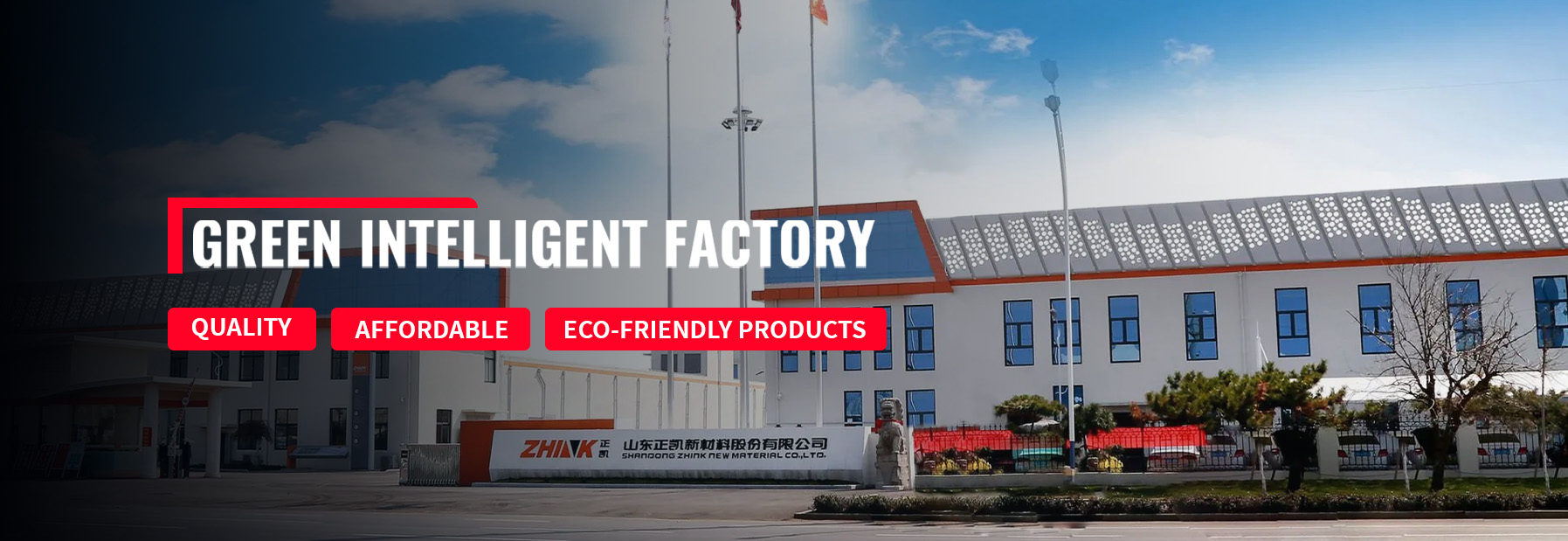
Wholesale Cotton Polyester Yarn | Factory Price & OEM Supplier
2026-10-12
- What Is Cotton Polyester Yarn? Composition and Structure
- Key Benefits of Sourcing Cotton Polyester Blends
- Common Blend Ratios and Their Applications
- How Zhink New Material Ensures Premium Quality Through Digital Manufacturing
- Technical Specifications and Performance Metrics
- Applications Across Industries
- Selection Guide: How to Choose the Right Supplier
- Common Challenges in Cotton Polyester Yarn Processing
- FAQ: Frequently Asked Questions About Cotton Polyester Yarn
- Why Partner with Zhink New Material?
- Conclusion and Next Steps
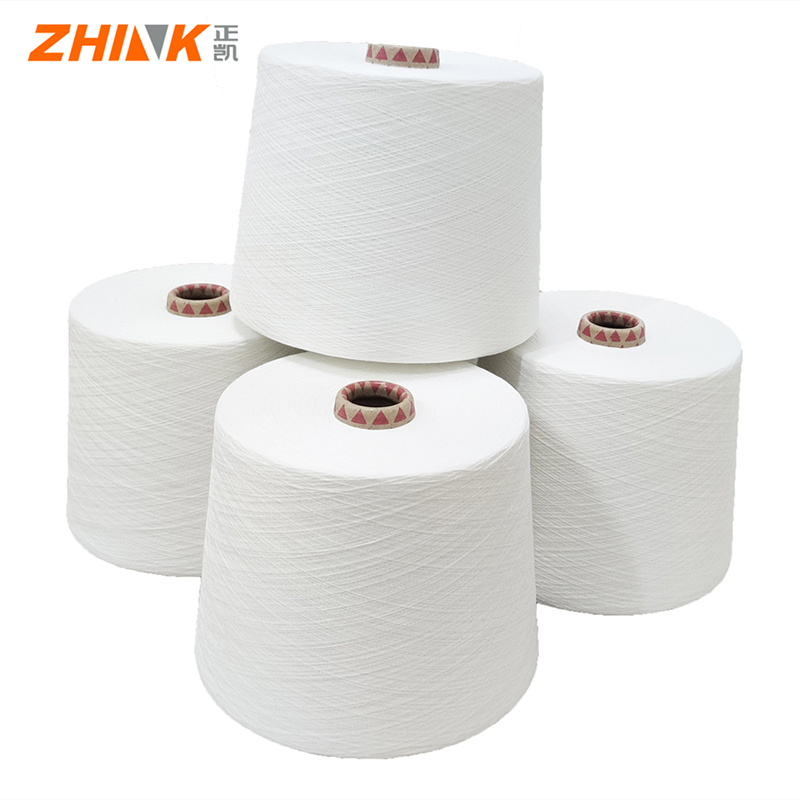
Cotton polyester yarn is a blended textile fiber combining the breathability and softness of natural cotton with the durability, wrinkle resistance, and cost-efficiency of synthetic polyester. This hybrid structure creates a versatile material widely used in apparel, home textiles, and industrial applications. For B2B buyers, sourcing high-quality blended yarn requires a supplier capable of maintaining consistent blend ratios, ensuring uniform tensile strength, and offering flexible OEM customization. As a national-level high-tech enterprise, Zhink New Material leverages advanced digital manufacturing to deliver premium cotton polyester blends at competitive factory prices, supporting global textile brands with reliable, scalable production solutions.
What Is Cotton Polyester Yarn? Composition and Structure
Cotton polyester yarn, often abbreviated as CVC (Chief Value Cotton) or TC (Tetron Cotton) depending on the ratio, is engineered by spinning cotton fibers and polyester filaments or staple fibers together. The resulting yarn inherits the best properties of both constituents. Cotton provides hydrophilicity, comfort against the skin, and excellent dyeability. Polyester contributes mechanical strength, dimensional stability, and rapid drying capabilities.
The manufacturing process typically involves open-end spinning or ring spinning techniques. In ring spinning, the fibers are drawn, twisted, and wound onto bobbins, creating a smoother, stronger yarn ideal for high-end apparel. Open-end spinning produces a bulkier, more absorbent yarn suitable for towels and denim. The precise control of fiber mixing during the carding and drawing stages is critical. Any inconsistency here leads to barre effects in dyed fabrics or uneven wear in finished products.
Understanding the microstructure is essential for procurement. Polyester fibers are thermoplastic, meaning they can be heat-set to retain shape. Cotton fibers are cellulosic and prone to shrinkage. By blending them, manufacturers mitigate cotton’s shrinkage while reducing polyester’s static buildup. This synergy makes cotton polyester yarn a dominant choice in the global textile market, balancing performance with economic viability.
Key Benefits of Sourcing Cotton Polyester Blends
For textile manufacturers and fashion brands, switching to or expanding cotton polyester yarn usage offers distinct operational and product advantages. These benefits extend beyond simple cost reduction, impacting the entire lifecycle of the textile product.
- Enhanced Durability: Polyester reinforces the cotton matrix, significantly increasing abrasion resistance. Garments made from this blend withstand repeated washing and wearing without losing structural integrity.
- Wrinkle and Shrinkage Resistance: Unlike 100% cotton, which requires careful ironing and shrinks easily, cotton polyester blends maintain their shape. This reduces return rates for apparel retailers and enhances user satisfaction.
- Cost Efficiency: Polyester is generally less expensive than high-grade cotton. Blending allows manufacturers to lower raw material costs while maintaining a “natural feel” that consumers prefer.
- Faster Drying Time: The hydrophobic nature of polyester wicks moisture away, allowing fabrics to dry faster. This is crucial for sportswear, uniforms, and bed linens in humid climates.
- Color Retention: While cotton absorbs dye deeply, polyester holds color well against fading. The blend ensures vibrant colors that last longer through multiple wash cycles.
Common Blend Ratios and Their Applications
Selecting the right blend ratio is the first step in product development. The ratio determines the hand feel, performance, and end-use suitability. Below is a detailed breakdown of standard industry ratios and their typical applications.
| Blend Ratio | Characteristics | Primary Applications |
|---|---|---|
| 65% Polyester / 35% Cotton (TC) | High strength, excellent wrinkle resistance, smooth surface, lower cost. | Workwear, uniforms, bed sheets, pocketing fabric, industrial textiles. |
| 50% Polyester / 50% Cotton | Balanced comfort and durability, moderate shrinkage, good breathability. | T-shirts, casual shirts, dresses, children’s clothing, light upholstery. |
| 35% Polyester / 65% Cotton (CVC) | Soft hand feel, high absorbency, premium look, closer to pure cotton performance. | High-end apparel, luxury bedding, towels, baby clothes, fashion garments. |
| 80% Polyester / 20% Cotton | Maximum durability, minimal shrinkage, synthetic feel, very low cost. | Heavy-duty workwear, outer shells, lining materials, technical fabrics. |
When sourcing, it is vital to specify the exact ratio required. A deviation of even 2-3% can alter the dyeing uptake and fabric weight, leading to quality rejection. Reliable suppliers use automated blending systems to ensure precision.
How Zhink New Material Ensures Premium Quality Through Digital Manufacturing
Quality consistency is the biggest challenge in yarn production. Traditional mills often struggle with batch-to-batch variations due to manual interventions and outdated machinery. Zhink New Material addresses this by integrating Industry 4.0 technologies into its core production workflow. As a strategic supplier to well-known textile companies, Zhink has redefined what reliability means in the spinning sector.
The company’s smart manufacturing project, launched in November 2020, marked the beginning of the “Digital Zhink” era. This facility utilizes internationally advanced automation and digital technology to eliminate human error. One of the key innovations is the implementation of small batch and multi-variety APS (Advanced Planning and Scheduling) intelligent production scheduling. This system allows Zhink to handle complex OEM orders with rapid turnaround times without compromising efficiency.
Furthermore, the high integration of ERP (Enterprise Resource Planning) and MES (Manufacturing Execution Systems) ensures real-time monitoring of every production stage. RFID intelligent identification tracks materials from raw fiber intake to finished yarn packaging. This traceability is crucial for B2B buyers who require certification and proof of origin. Material traceability and quality online detection systems fill numerous gaps in the domestic field, ensuring that every bobbin meets strict tolerance levels.
By developing the industry’s first large-scale customized intelligent integrated management platform, Zhink New Material has achieved significantly lower production costs and a considerably shorter R&D cycle. This technological edge translates directly to better pricing and faster delivery for international clients.
Technical Specifications and Performance Metrics
When evaluating cotton polyester yarn for procurement, technical parameters serve as the objective basis for quality assessment. Buyers should request detailed specification sheets that cover the following metrics.
Yarn Count and Uniformity
Yarn count (Ne or Tex) indicates the fineness of the yarn. Common counts for blends range from Ne 10s (coarse) to Ne 60s (fine). Higher counts require longer staple fibers and more precise spinning. Zhink’s digital spinning lines maintain a CV% (Coefficient of Variation) of less than 10% for evenness, ensuring smooth weaving and knitting processes.
Tensile Strength and Elongation
Tensile strength determines how much force the yarn can withstand before breaking. Polyester enhances this metric significantly. Standard tests measure strength in cN/tex. Elongation at break indicates elasticity. For knitting applications, higher elongation is preferred to prevent yarn breakage during loop formation.
Hairiness and Pilling Resistance
Hairiness refers to the fibers protruding from the yarn surface. Excessive hairiness leads to pilling in finished fabrics. Advanced compact spinning techniques used by Zhink reduce hairiness by aligning fibers more tightly. This results in cleaner fabrics with superior aesthetic appeal.
Moisture Regain
Cotton has a moisture regain of about 8.5%, while polyester is around 0.4%. The blend’s regain depends on the ratio. This affects the weight calculation during trading (commercial weight vs. oven-dry weight). Accurate moisture control during packaging prevents mold growth during international shipping.
Applications Across Industries
The versatility of cotton polyester yarn allows it to penetrate various market segments. Understanding these applications helps buyers align their product development with market trends.
Apparel and Fashion
In the fashion industry, the demand for sustainable yet durable fabrics is rising. CVC blends are popular for premium t-shirts and polo shirts because they offer the softness of cotton with the longevity needed for retail. TC blends are standard for corporate uniforms and school uniforms due to their ability to maintain a crisp appearance after repeated industrial laundering.
Home Textiles
Bed linens, curtains, and upholstery fabrics benefit greatly from this blend. The wrinkle resistance of polyester reduces the need for ironing, a key selling point for modern consumers. Additionally, the strength of the yarn ensures that sheets do not tear easily at the seams, extending the product’s lifespan.
Medical and Hygiene Products
While pure cotton is often used for medical gauze, cotton polyester blends are increasingly used in reusable surgical gowns and drapes. The blend provides a barrier against fluids while remaining breathable. The durability allows these items to withstand sterilization processes involving high temperatures and harsh chemicals.
Industrial Textiles
Filter cloths, conveyor belts, and protective gear utilize high-tenacity cotton polyester yarns. The chemical resistance of polyester combined with the heat resistance of cotton creates a robust material suitable for harsh industrial environments.
Selection Guide: How to Choose the Right Supplier
Choosing a supplier for cotton polyester yarn involves more than comparing price per kilogram. B2B buyers must evaluate several critical factors to ensure supply chain stability and product quality.
- Production Capacity and Lead Time: Can the supplier handle your volume? Zhink New Material’s APS system enables rapid response to fluctuating demands, ensuring on-time delivery even for urgent orders.
- Quality Control Systems: Look for suppliers with automated online detection. Manual inspection is prone to error. Zhink’s integration of MES and RFID ensures that defective yarn is identified and removed before shipping.
- R&D Capability: A supplier with a provincial enterprise technology center, like Zhink, can assist in developing custom blends. Whether you need a specific twist level or a unique fiber combination, an R&D-focused partner adds value to your product line.
- Digital Transparency: In 2026, digital connectivity is a marker of reliability. Suppliers using 5G+ industrial scenarios and big data support, as Zhink does, provide greater visibility into production status and inventory levels.
- Sustainability Practices: Check for certifications and eco-friendly processes. While polyester is synthetic, efficient production reduces waste. Zhink’s focus on “quality first, constant innovation” includes optimizing energy usage in their smart factories.
Common Challenges in Cotton Polyester Yarn Processing
Even with high-quality yarn, processing issues can arise if not managed correctly. Being aware of these challenges helps manufacturers optimize their downstream operations.
Dyeing Uniformity
Cotton and polyester require different dyes (reactive/direct for cotton, disperse for polyester). Achieving a solid shade requires a two-bath or one-bath two-step dyeing process. Poor temperature control can lead to “two-tone” effects where the fibers appear different colors. Suppliers who provide detailed dyeing recommendations can help mitigate this.
Static Electricity
Polyester generates static, which can cause processing issues in weaving and knitting, such as yarn repulsion or machine stoppage. Anti-static agents or proper humidity control in the production environment are necessary. Blending with cotton naturally reduces this issue compared to 100% polyester.
Pilling in Knitted Fabrics
While blends are durable, loose fibers can form pills on the surface. Using compact spun yarns reduces this risk. Additionally, optimizing the knit structure and finishing processes, such as singeing and anti-pilling treatments, enhances the final fabric quality.
FAQ: Frequently Asked Questions About Cotton Polyester Yarn
What is the difference between CVC and TC yarn?
The primary difference lies in the fiber ratio. TC (Tetron Cotton) typically contains more polyester than cotton (e.g., 65/35), making it stronger and cheaper. CVC (Chief Value Cotton) contains more cotton than polyester (e.g., 60/40 or 65/35 cotton/poly), offering a softer feel and higher absorbency, positioning it as a premium product.
Is cotton polyester yarn eco-friendly?
It is more sustainable than 100% synthetic fibers in terms of biodegradability due to the cotton content, but less so than 100% organic cotton. However, its durability extends the lifecycle of garments, reducing overall waste. Some suppliers, including Zhink, are exploring recycled polyester options to enhance sustainability.
Can cotton polyester yarn be used for high-speed knitting?
Yes, provided the yarn has low hairiness and high strength. Ring-spun blends are ideal for high-speed knitting machines. The consistency provided by Zhink’s digital production ensures that the yarn runs smoothly without breakage, maximizing machine efficiency.
How does Zhink New Material handle small batch orders?
Through its pioneering APS intelligent production scheduling, Zhink can efficiently manage small batch and multi-variety orders. This flexibility allows brands to test new designs without committing to massive minimum order quantities, reducing inventory risk.
What certifications does Zhink New Material hold?
As a national-level high-tech enterprise, Zhink adheres to strict international standards. While specific certifications may vary by product line, the company’s provincial enterprise technology center ensures compliance with global quality and safety norms. Buyers should request current certification documents relevant to their target market.
Why Partner with Zhink New Material?
In the competitive landscape of global textile sourcing, Zhink New Material stands out by merging traditional textile expertise with cutting-edge digital innovation. The company’s philosophy of “quality first, constant innovation, rapid response” is not just a slogan but a operational reality enabled by its smart factory infrastructure.
By introducing 5G technology and establishing 5G+ industrial scenario applications, Zhink has created a highly responsive supply chain. The connection between the intelligent integrated management platform and the AGV (Automated Guided Vehicle) control system provides real-time big data support for business operations. This means faster decision-making, reduced downtime, and consistent product quality.
For international buyers, this translates to reliability. Products shipped from Zhink reach several nations and areas all over the world, backed by a reputation for excellence. The company’s ability to lower production costs through digital efficiency allows them to offer competitive factory prices without sacrificing quality. Whether you need standard TC yarn for uniforms or specialized CVC blends for fashion collections, Zhink provides the technical support and manufacturing capability to meet your needs.
Conclusion and Next Steps
Cotton polyester yarn remains a cornerstone of the textile industry, offering an unbeatable combination of comfort, durability, and cost-effectiveness. For businesses looking to secure a stable supply of high-quality blended yarn, partnering with a technologically advanced manufacturer is crucial. Zhink New Material offers the perfect blend of traditional craftsmanship and digital precision, ensuring that every shipment meets the highest standards.
If you are seeking a reliable OEM supplier for cotton polyester yarn, consider the advantages of Zhink’s smart manufacturing capabilities. From small batch flexibility to large-scale production, our digital infrastructure supports your business growth.
Ready to optimize your textile supply chain?
Contact Zhink New Material today to request samples, discuss custom specifications, or learn more about our digital production capabilities. Let us help you deliver superior textile products to your customers.