+ 86-632-3621866
- English
- Chinese
- French
- German
- Portuguese
- Spanish
- Russian
- Japanese
- Korean
- Arabic
- Irish
- Greek
- Turkish
- Italian
- Danish
- Romanian
- Indonesian
- Czech
- Afrikaans
- Swedish
- Polish
- Basque
- Catalan
- Esperanto
- Hindi
- Lao
- Albanian
- Amharic
- Armenian
- Azerbaijani
- Belarusian
- Bengali
- Bosnian
- Bulgarian
- Cebuano
- Chichewa
- Corsican
- Croatian
- Dutch
- Estonian
- Filipino
- Finnish
- Frisian
- Galician
- Georgian
- Gujarati
- Haitian
- Hausa
- Hawaiian
- Hebrew
- Hmong
- Hungarian
- Icelandic
- Igbo
- Javanese
- Kannada
- Kazakh
- Khmer
- Kurdish
- Kyrgyz
- Latin
- Latvian
- Lithuanian
- Luxembou..
- Macedonian
- Malagasy
- Malay
- Malayalam
- Maltese
- Maori
- Marathi
- Mongolian
- Burmese
- Nepali
- Norwegian
- Pashto
- Persian
- Punjabi
- Serbian
- Sesotho
- Sinhala
- Slovak
- Slovenian
- Somali
- Scots Gaelic
- Shona
- Sindhi
- Sundanese
- Swahili
- Tajik
- Tamil
- Telugu
- Thai
- Ukrainian
- Urdu
- Uzbek
- Vietnamese
- Welsh
- Xhosa
- Yiddish
- Yoruba
- Zulu
- Kinyarwanda
- Tatar
- Oriya
- Turkmen
- Uyghur


Wholesale Recycled Polyester Yarn | Certified Supplier & Factory Price
2026-10-12
- What Is Recycled Polyester Yarn and How Is It Made?
- Key Benefits of Sourcing Recycled Polyester Yarn
- Technical Specifications and Quality Standards
- Recycled Polyester vs. Virgin Polyester: A Detailed Comparison
- Applications of Recycled Polyester Yarn in 2026
- How to Choose a Certified Recycled Polyester Yarn Supplier
- Common Challenges and Solutions in Using rPET Yarn
- Frequently Asked Questions (FAQ)
- Why Zhink New Material Is Your Strategic Partner for Recycled Yarn
- Conclusion: Elevate Your Supply Chain with Sustainable Innovation
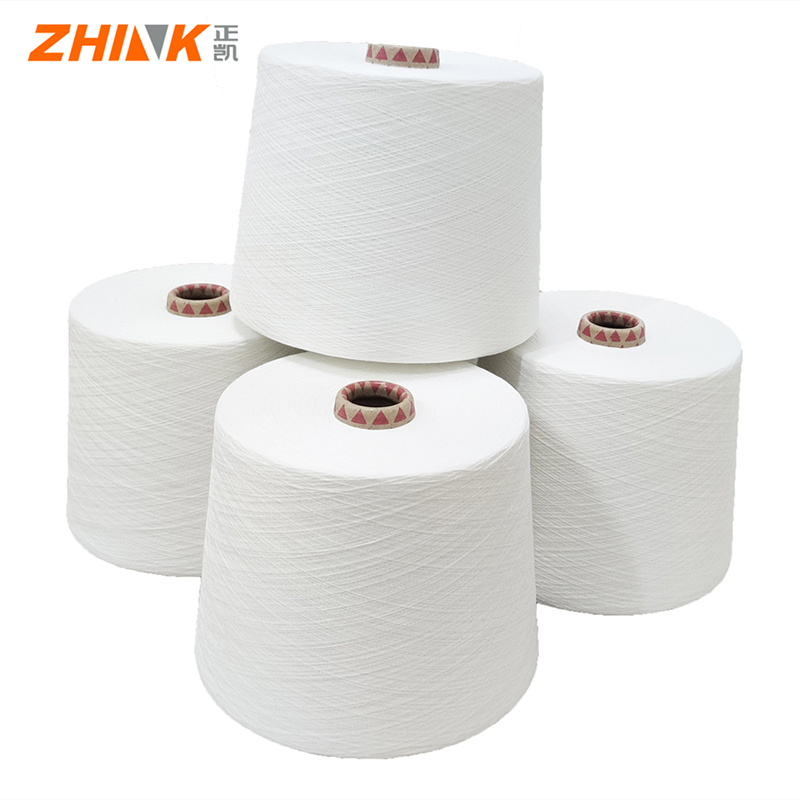
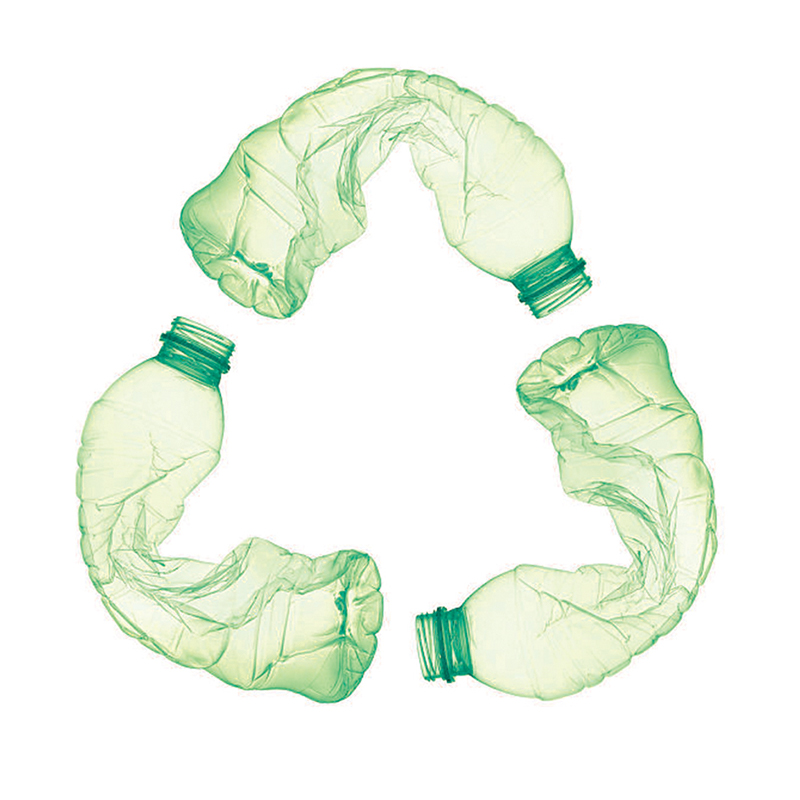
Recycled polyester yarn, often abbreviated as rPET yarn, is a high-performance textile fiber produced by reprocessing post-consumer plastic waste, primarily PET bottles, or industrial polyester scraps. Unlike virgin polyester, which relies on petroleum extraction, recycled polyester yarn significantly reduces carbon emissions and energy consumption while maintaining comparable tensile strength, durability, and dyeability. For B2B buyers, sourcing from a certified supplier ensures compliance with global sustainability standards such as GRS (Global Recycled Standard) and Oeko-Tex. This guide details the manufacturing process, technical specifications, and strategic advantages of integrating rPET into your supply chain, highlighting how advanced digital manufacturing enhances quality consistency and cost-efficiency.
What Is Recycled Polyester Yarn and How Is It Made?
Recycled polyester yarn represents a critical shift in the textile industry toward circular economy principles. The core material is polyethylene terephthalate (PET), the same polymer used in water bottles and food containers. By diverting this waste from landfills and oceans, manufacturers create a valuable raw material for fabrics used in apparel, home textiles, and industrial applications.
The production process generally follows two main pathways: mechanical recycling and chemical recycling. Mechanical recycling is the most common method for producing staple fiber and filament yarn. It involves collecting, sorting, and cleaning PET waste, followed by shredding it into small flakes. These flakes are then melted and extruded into new polyester chips or directly spun into yarn. While effective, this process can sometimes lead to slight variations in viscosity if not strictly controlled.
Chemical recycling, though less common due to higher costs, breaks down the PET polymer into its basic monomers. These monomers are then repolymerized to create virgin-quality polyester. This method allows for infinite recycling without quality degradation. However, for most commercial applications, high-quality mechanically recycled yarn offers the best balance of performance, sustainability, and cost.
The Role of Digital Manufacturing in Yarn Quality
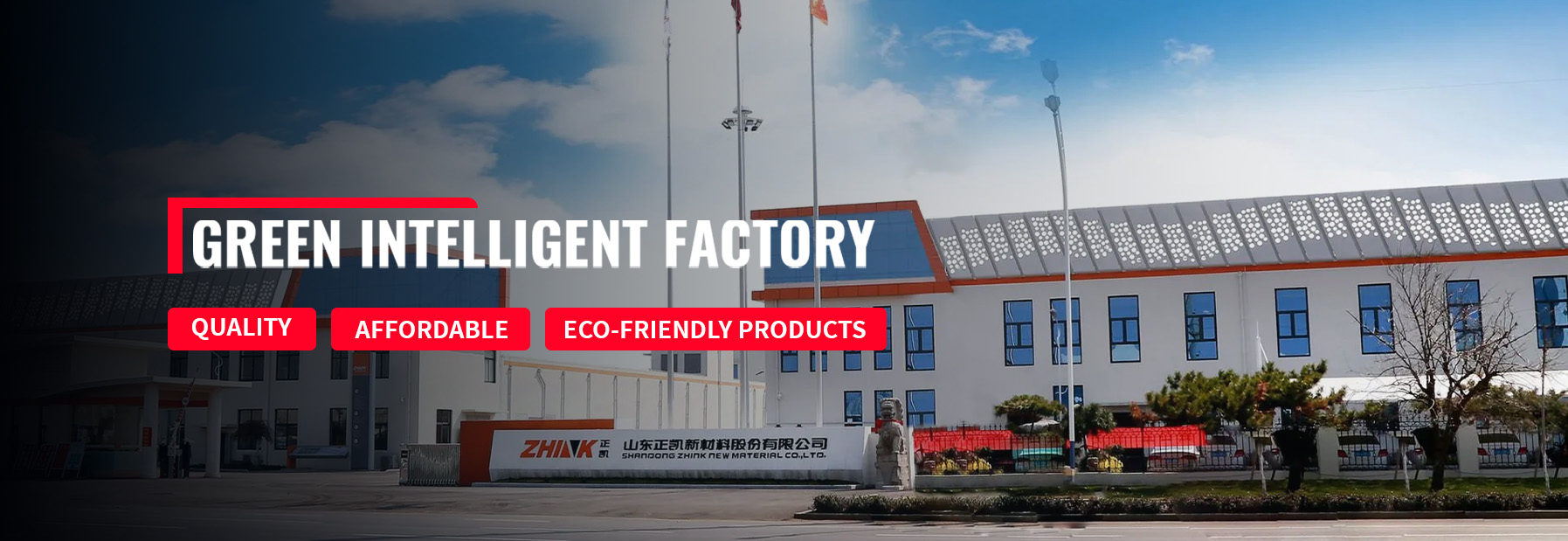
Traditional recycling processes often suffer from inconsistency in fiber thickness and strength. This is where modern manufacturing technology becomes a differentiator. Zhink New Material, a national-level high-tech enterprise, has revolutionized this sector by implementing a world-class digital production line. Since launching its smart manufacturing project in November 2020, Zhink has entered the “Digital Zhink” era, utilizing internationally advanced automation to ensure every spool of recycled polyester yarn meets rigorous standards.
By pioneering the implementation of small batch and multi-variety APS (Advanced Planning and Scheduling) intelligent production scheduling, the facility can handle complex orders with precision. The high integration of ERP (Enterprise Resource Planning) and MES (Manufacturing Execution Systems) allows for real-time monitoring of production parameters. This means that variables such as temperature, extrusion speed, and cooling rates are automatically adjusted to maintain uniformity. For buyers, this translates to consistent yarn count, reduced breakage rates during weaving, and superior fabric quality.
Key Benefits of Sourcing Recycled Polyester Yarn
Switching to recycled polyester is not just an environmental decision; it is a strategic business move. Brands and manufacturers face increasing pressure from consumers and regulators to reduce their carbon footprint. Using rPET yarn helps companies meet these demands while offering tangible operational benefits.
- Environmental Impact: Producing recycled polyester consumes approximately 59% less energy than virgin polyester and reduces CO2 emissions by up to 32%. It also decreases dependence on crude oil, a non-renewable resource.
- Regulatory Compliance: Many international markets are introducing stricter regulations on textile waste and recycled content. Sourcing certified rPET yarn ensures compliance with emerging laws in the EU and North America.
- Brand Reputation: Consumers are increasingly eco-conscious. Products labeled with “Made from Recycled Materials” often command higher market preference and brand loyalty.
- Cost Stability: While virgin polyester prices fluctuate with oil markets, recycled polyester offers a more stable pricing structure, especially when sourced from suppliers with efficient, low-cost production models like Zhink New Material.
Technical Specifications and Quality Standards
When evaluating suppliers, understanding the technical parameters of recycled polyester yarn is crucial. The quality of rPET yarn has improved significantly, now rivaling virgin polyester in many applications. Key specifications include denier (thickness), tenacity (strength), elongation, and luster.
| Parameter | Standard Range for rPET Yarn | Impact on Final Fabric |
|---|---|---|
| Denier (D) | 75D – 600D (Customizable) | Determines fabric weight and hand feel. Lower denier for silky fabrics, higher for durable upholstery. |
| Tenacity | 4.0 – 5.5 g/d | Higher tenacity ensures durability and resistance to tearing during weaving and end-use. |
| Elongation at Break | 20% – 35% | Affects the stretch and recovery of the fabric. Critical for sportswear and activewear. |
| Luster | Bright, Semi-Dull, Full Dull | Influences the visual appearance. Semi-dull is most common for apparel to reduce shine. |
| Cross-section | Round, Triangular, Hollow | Special shapes can enhance moisture-wicking or insulation properties. |
Zhink New Material leverages its provincial enterprise technology center to innovate in these areas. The use of RFID intelligent identification and material traceability systems ensures that every batch of yarn can be tracked back to its source. This level of transparency is essential for brands requiring proof of recycled content for certification purposes. Furthermore, the company’s quality online detection and control systems identify defects in real-time, ensuring that only premium-grade yarn reaches the customer.
Recycled Polyester vs. Virgin Polyester: A Detailed Comparison
Buyers often ask whether recycled polyester can truly replace virgin polyester. The answer depends on the application, but for the majority of textile uses, rPET is a viable and superior alternative due to its sustainability profile. Below is a detailed comparison to aid in decision-making.
| Feature | Recycled Polyester (rPET) | Virgin Polyester |
|---|---|---|
| Raw Material Source | Post-consumer PET bottles, industrial waste | Petroleum (Crude Oil) |
| Carbon Footprint | Low (Significant reduction in GHG emissions) | High (Energy-intensive extraction and processing) |
| Energy Consumption | ~59% less than virgin | High |
| Quality & Performance | Comparable to virgin; high consistency with digital manufacturing | Consistent, high purity |
| Price Volatility | More stable, less tied to oil prices | Fluctuates with global oil markets |
| Certification Availability | GRS, RCS, Oeko-Tex Standard 100 | Oeko-Tex Standard 100 |
| Market Perception | Premium, Eco-friendly, Innovative | Standard, Commodity |
It is important to note that early generations of recycled yarn faced challenges with color consistency and strength. However, with the advent of Industry 4.0 technologies, these issues have been largely resolved. Zhink New Material’s use of 5G technology in the textile industry allows for precise control over the spinning process. The intelligent integrated management platform connects with AGV (Automated Guided Vehicle) control systems, providing big data support for production optimization. This results in yarn that is not only eco-friendly but also technically robust, suitable for high-end fashion and functional textiles.
Applications of Recycled Polyester Yarn in 2026
The versatility of recycled polyester yarn has expanded its use across various sectors. As technology advances, the quality of rPET allows it to penetrate markets previously dominated by virgin fibers or natural materials.
Apparel and Fashion
This is the largest segment for rPET yarn. It is widely used in sportswear, outdoor gear, and casual clothing. The fiber’s moisture-wicking properties make it ideal for athletic wear. Additionally, its ability to hold dye well allows for vibrant colors in fashion collections. Brands are increasingly using rPET for jackets, pants, shirts, and even lingerie, driven by consumer demand for sustainable fashion.
Home Textiles
Recycled polyester is extensively used in home furnishings, including curtains, bedding, upholstery, and carpets. Its durability and resistance to shrinking and stretching make it a practical choice for items that undergo frequent washing. The semi-dull luster of rPET provides a soft, matte finish that is aesthetically pleasing for interior design.
Industrial and Automotive
In the industrial sector, rPET yarn is used for geotextiles, filtration materials, and reinforcement composites. The automotive industry is also adopting recycled polyester for seat covers, door panels, and trunk liners. This shift is driven by automotive manufacturers’ goals to increase the recycled content in vehicles to meet environmental regulations.
Packaging and Non-Wovens
Beyond traditional weaving, recycled polyester staple fiber is used in non-woven fabrics for shopping bags, medical supplies, and hygiene products. The strength and hygienic properties of the fiber make it suitable for these single-use or limited-use applications, contributing to a broader circular economy.
How to Choose a Certified Recycled Polyester Yarn Supplier
Selecting the right supplier is critical for ensuring product quality and supply chain integrity. In 2026, buyers should look beyond price and consider technological capability, certification, and responsiveness.
- Verify Certifications: Ensure the supplier holds valid GRS (Global Recycled Standard) or RCS (Recycled Claim Standard) certificates. These certifications verify the recycled content and chain of custody. Oeko-Tex Standard 100 is also essential to ensure the yarn is free from harmful substances.
- Assess Technological Capability: Look for suppliers with advanced manufacturing technologies. Zhink New Material’s adoption of 5G+ industrial scenario applications and intelligent integrated management platforms demonstrates a commitment to quality and efficiency. Such technologies enable small batch, multi-variety production, allowing for greater flexibility and customization.
- Evaluate R&D Strength: A supplier with a dedicated technology center, like Zhink’s provincial enterprise technology center, is better equipped to innovate and solve technical challenges. This leads to shorter R&D cycles and faster time-to-market for new products.
- Check Traceability Systems: Transparency is key. Suppliers using RFID and blockchain-like traceability systems can provide detailed information about the origin of the recycled material. This builds trust and simplifies compliance reporting for brands.
- Consider Response Speed: In a fast-moving market, rapid response is vital. Zhink New Material’s business philosophy of “quality first, constant innovation, rapid response” ensures that client needs are met promptly, from sample requests to bulk delivery.
Common Challenges and Solutions in Using rPET Yarn
While recycled polyester offers numerous benefits, users may encounter specific challenges. Understanding these issues and their solutions can help optimize production.
Issue: Variation in Melt Viscosity
Cause: Mixed sources of recycled PET can have different molecular weights.
Solution: Advanced sorting and cleaning processes, combined with precise extrusion control, mitigate this. Zhink’s digital production line monitors viscosity in real-time, adjusting parameters to ensure consistent spinability.
Issue: Color Consistency
Cause: Residual dyes from original PET products can affect the final color.
Solution: High-quality washing and de-colorization steps are essential. For sensitive applications, using semi-dull or full-dull yarns can mask minor variations. Working with a supplier that uses online quality detection ensures that off-spec batches are identified before shipping.
Issue: Microplastic Shedding
Cause: Like all synthetic fibers, polyester can shed microfibers during washing.
Solution: Innovations in fiber cross-sections and yarn twisting techniques can reduce shedding. Additionally, educating consumers on proper washing methods (e.g., using filtering bags) helps mitigate environmental impact.
Frequently Asked Questions (FAQ)
Is recycled polyester yarn as durable as virgin polyester?
Yes, modern recycled polyester yarn, especially when produced using advanced digital manufacturing techniques, offers durability comparable to virgin polyester. The tensile strength and abrasion resistance are sufficient for most apparel and industrial applications. The key is sourcing from suppliers who utilize high-quality feedstock and precise production controls.
What certifications should I look for in recycled polyester yarn?
The most important certifications are GRS (Global Recycled Standard) and RCS (Recycled Claim Standard), which verify the recycled content. Oeko-Tex Standard 100 is crucial for ensuring the yarn is free from harmful chemicals. Some buyers may also require ISO 9001 for quality management systems.
Can recycled polyester yarn be dyed easily?
Yes, recycled polyester accepts disperse dyes similarly to virgin polyester. However, due to potential residual colors from the source material, achieving very light or bright pastel shades may require additional bleaching or careful selection of feedstock. Most suppliers offer a range of luster options (bright, semi-dull, full dull) to help manage color appearance.
How does the price of recycled polyester compare to virgin polyester?
Historically, rPET was more expensive due to collection and processing costs. However, with economies of scale and technological advancements, the price gap has narrowed. In many cases, rPET is now competitively priced, especially when considering the stability of supply compared to oil-dependent virgin polyester. Suppliers with efficient digital factories, like Zhink New Material, can offer lower production costs, passing savings to buyers.
What is the minimum order quantity (MOQ) for recycled polyester yarn?
MOQs vary by supplier and yarn specification. Traditional manufacturers often require large MOQs due to setup costs. However, suppliers with intelligent production scheduling, such as Zhink’s APS system, can accommodate smaller, multi-variety orders. This flexibility is ideal for brands testing new sustainable lines or requiring customized specifications.
Why Zhink New Material Is Your Strategic Partner for Recycled Yarn
In the evolving landscape of textile manufacturing, Zhink New Material stands out as a leader in intelligent development. As a national-level high-tech enterprise, the company does not just produce yarn; it engineers solutions. The completion of its smart manufacturing project in 2020 marked the beginning of a new era in textile production, characterized by data-driven precision and sustainability.
Zhink’s adherence to “quality first, constant innovation, rapid response” is not just a slogan but a operational reality. The integration of 5G technology, ERP, MES, and RFID systems creates a transparent, efficient, and responsive supply chain. For global buyers, this means reliable quality, shorter lead times, and the ability to customize products to specific market needs. The company’s status as a strategic supplier to well-known textile companies underscores its reliability and expertise.
By choosing Zhink New Material, you are partnering with a factory that fills numerous gaps in the domestic field and has developed the industry’s first large-scale customized intelligent integrated management platform. This results in consistent production quality, significantly lower costs, and a considerably shorter R&D cycle. Your products reach the market faster, with a verified sustainability story that resonates with today’s consumers.
Conclusion: Elevate Your Supply Chain with Sustainable Innovation
Recycled polyester yarn is no longer a niche product; it is a cornerstone of the modern textile industry. Its ability to combine environmental responsibility with high performance makes it an essential choice for forward-thinking brands. However, the quality of rPET yarn varies significantly depending on the manufacturing process. Partnering with a technologically advanced, certified supplier is crucial to realizing the full benefits of recycled materials.
Zhink New Material offers the perfect blend of sustainability, technology, and reliability. With its world-class digital production line, rigorous quality control, and commitment to innovation, Zhink ensures that every yard of yarn contributes to a greener future without compromising on quality. Whether you are producing high-performance sportswear, durable home textiles, or innovative industrial fabrics, Zhink’s recycled polyester yarn provides the foundation for success.
Ready to transform your product line with high-quality, certified recycled polyester yarn?
Contact our expert team today to discuss your specific requirements, request samples, or learn more about our custom manufacturing capabilities. Let us help you achieve your sustainability goals while enhancing your product quality and market competitiveness.
Explore Our Recycled Polyester Yarn Products & Technical Solutions