+86-632-3621866
- Chinese
- French
- German
- Portuguese
- Spanish
- Russian
- Japanese
- Korean
- Arabic
- Irish
- Greek
- Turkish
- Italian
- Danish
- Romanian
- Indonesian
- Czech
- Afrikaans
- Swedish
- Polish
- Basque
- Catalan
- Esperanto
- Hindi
- Lao
- Albanian
- Amharic
- Armenian
- Azerbaijani
- Belarusian
- Bengali
- Bosnian
- Bulgarian
- Cebuano
- Chichewa
- Corsican
- Croatian
- Dutch
- Estonian
- Filipino
- Finnish
- Frisian
- Galician
- Georgian
- Gujarati
- Haitian
- Hausa
- Hawaiian
- Hebrew
- Hmong
- Hungarian
- Icelandic
- Igbo
- Javanese
- Kannada
- Kazakh
- Khmer
- Kurdish
- Kyrgyz
- Latin
- Latvian
- Lithuanian
- Luxembou..
- Macedonian
- Malagasy
- Malay
- Malayalam
- Maltese
- Maori
- Marathi
- Mongolian
- Burmese
- Nepali
- Norwegian
- Pashto
- Persian
- Punjabi
- Serbian
- Sesotho
- Sinhala
- Slovak
- Slovenian
- Somali
- Samoan
- Scots Gaelic
- Shona
- Sindhi
- Sundanese
- Swahili
- Tajik
- Tamil
- Telugu
- Thai
- Ukrainian
- Urdu
- Uzbek
- Vietnamese
- Welsh
- Xhosa
- Yiddish
- Yoruba
- Zulu
- Kinyarwanda
- Tatar
- Oriya
- Turkmen
- Uyghur


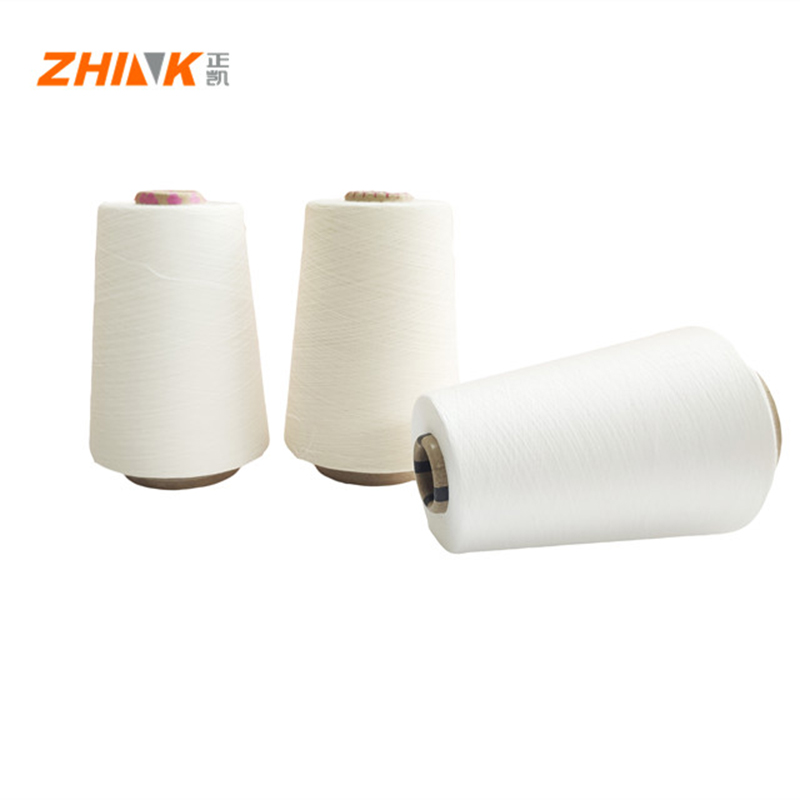
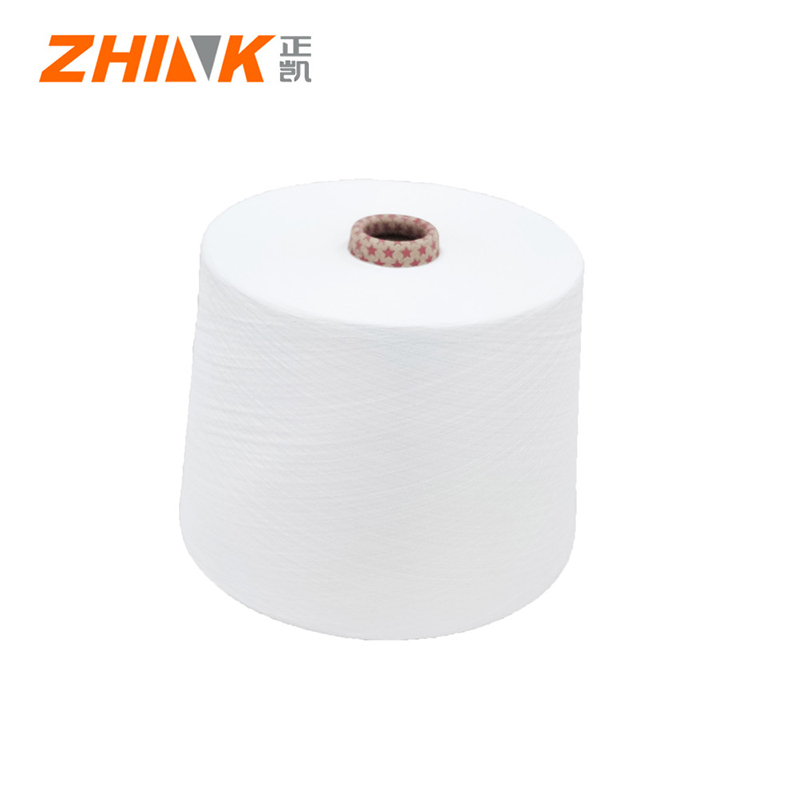
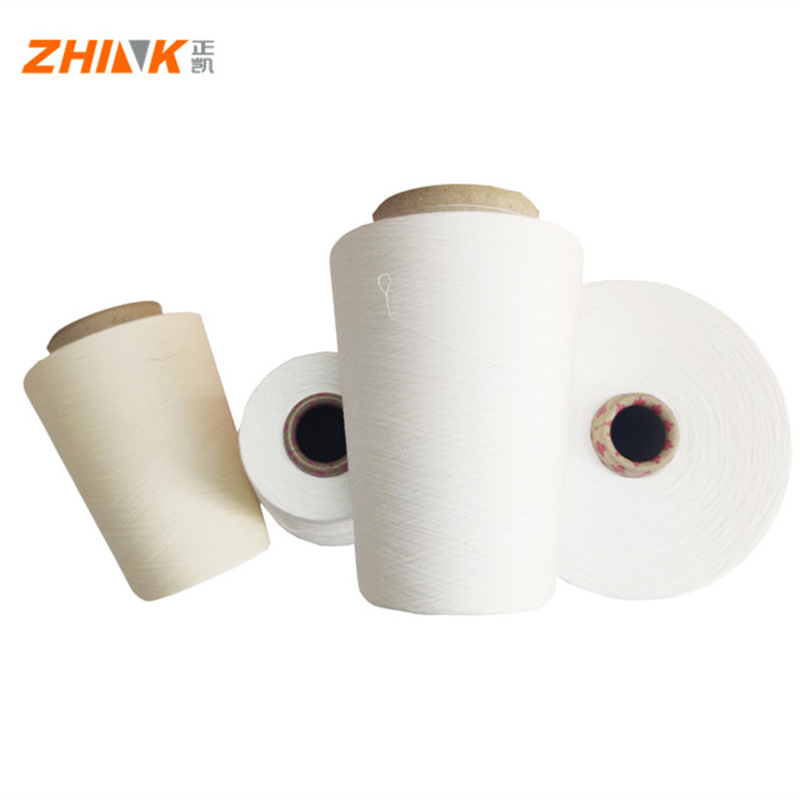
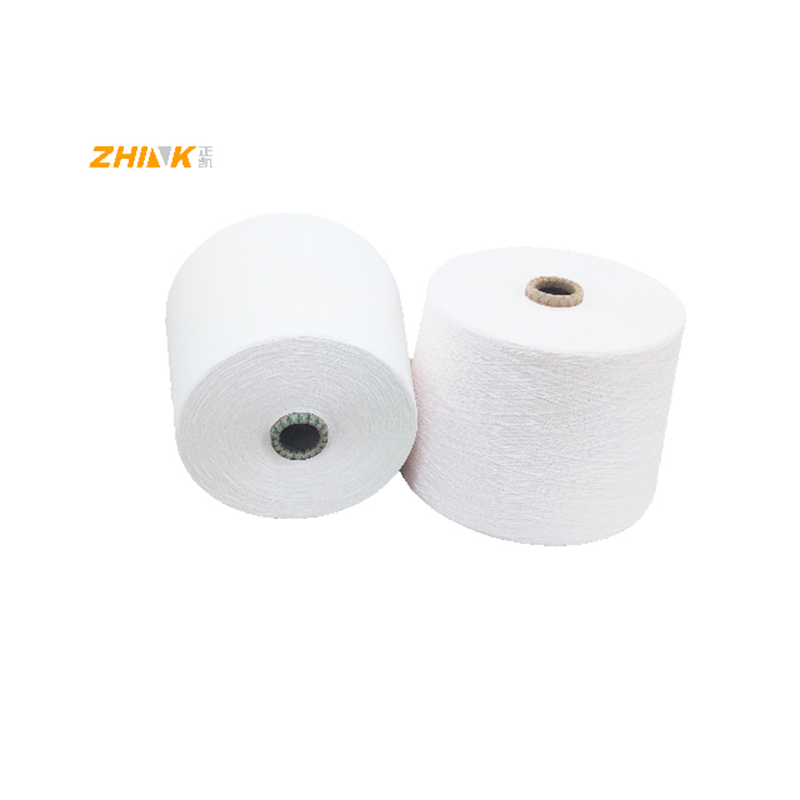
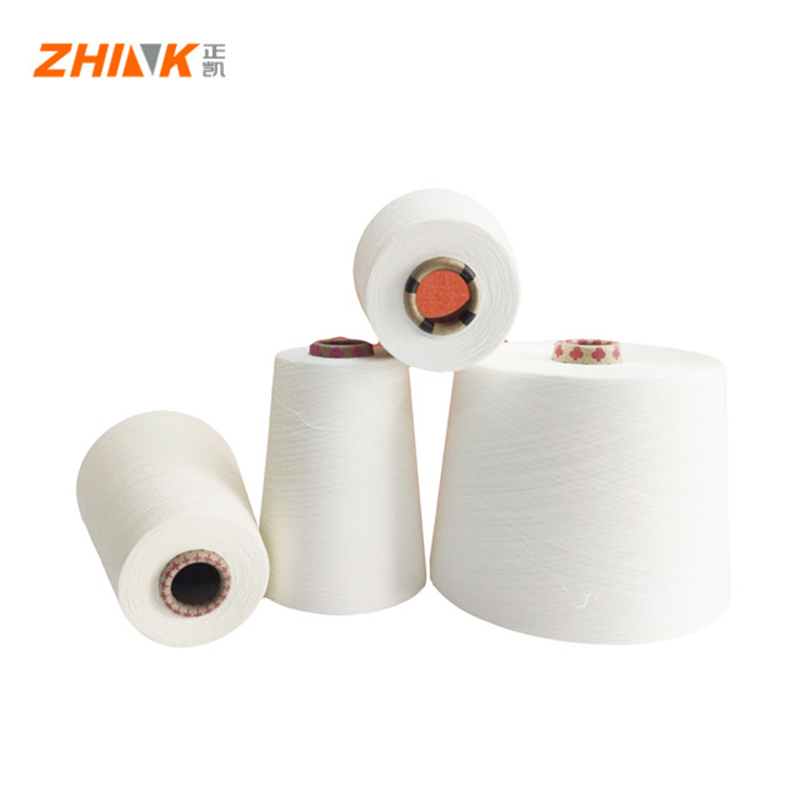
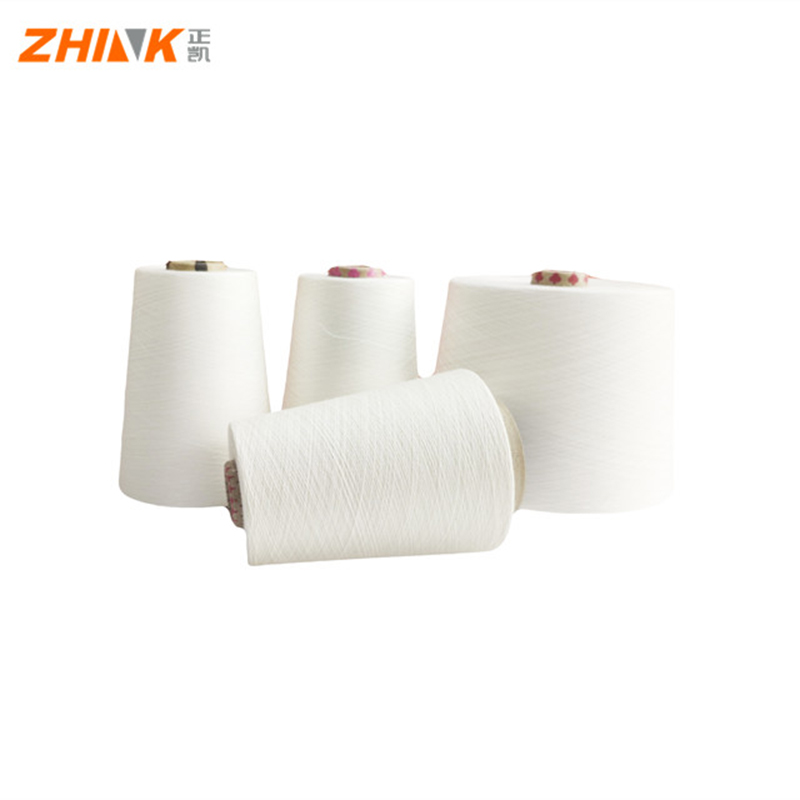
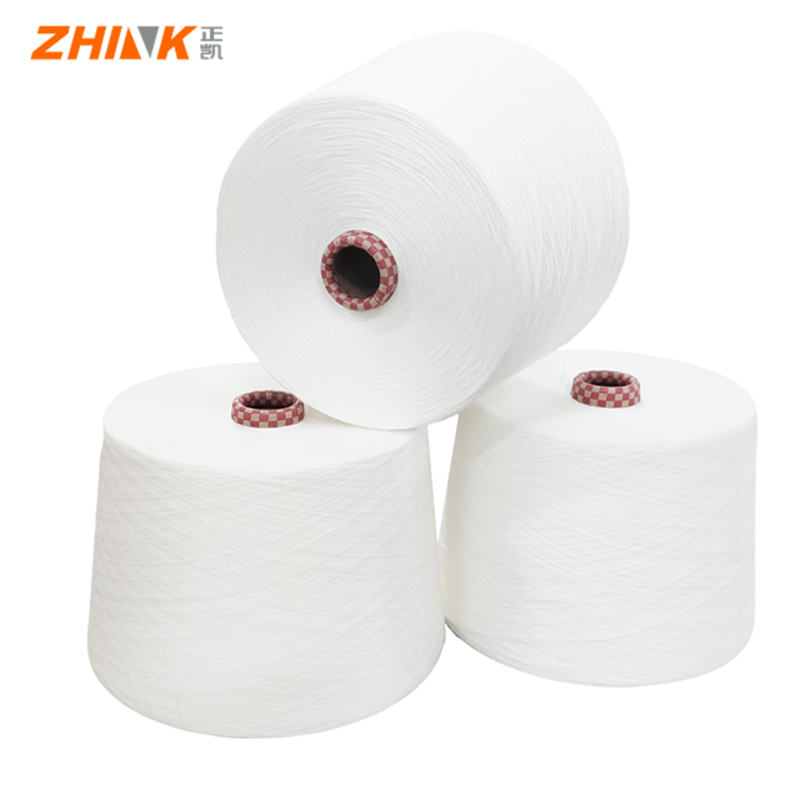
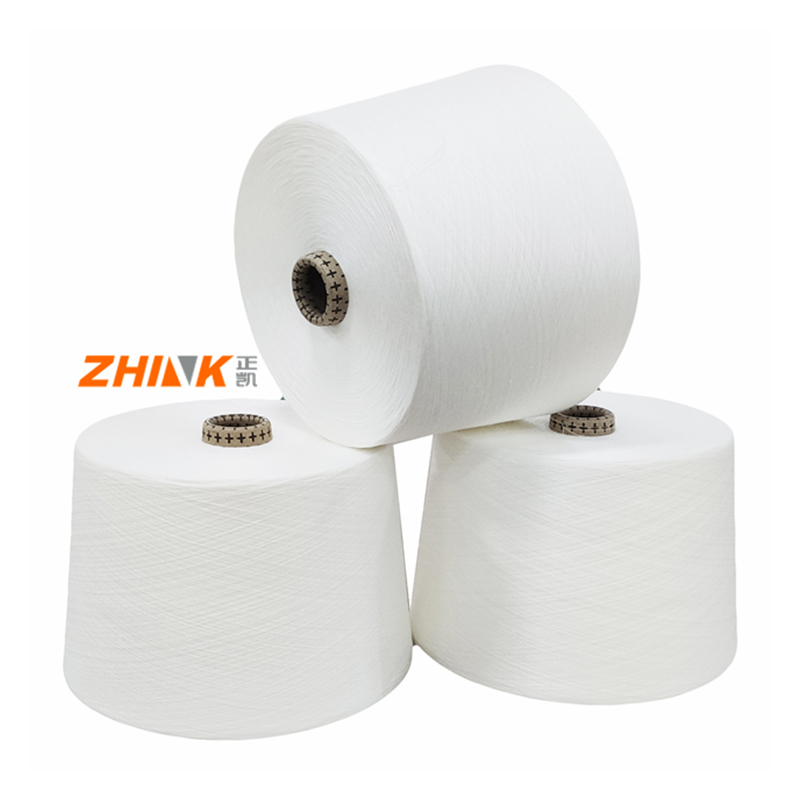
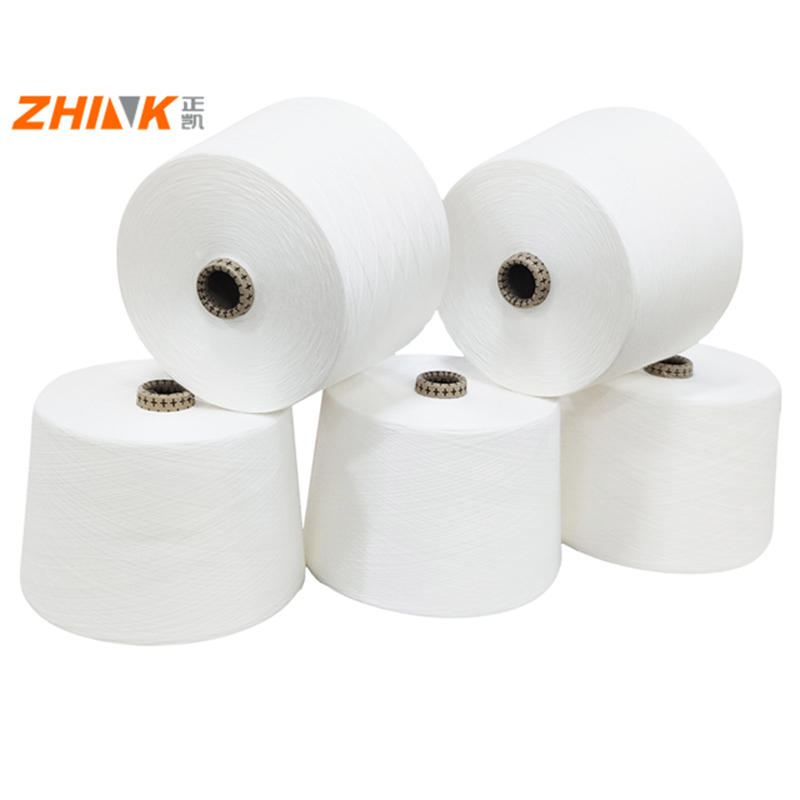
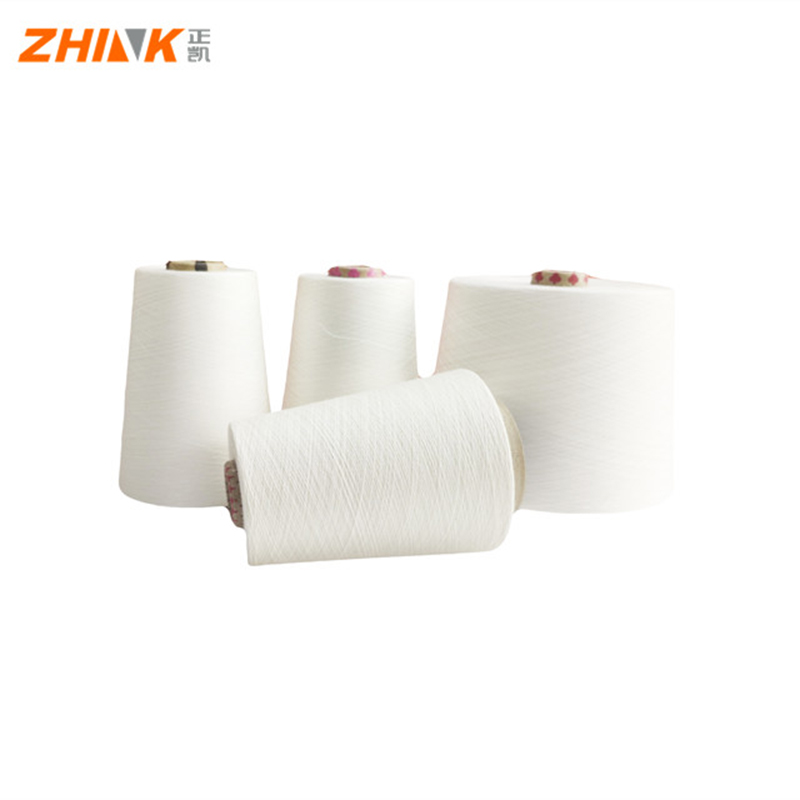
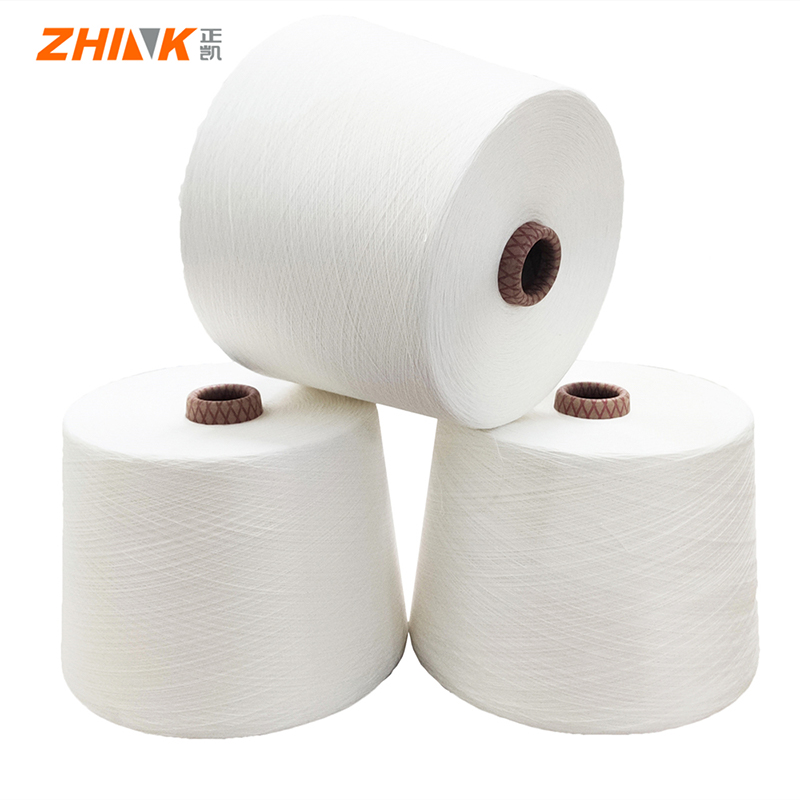
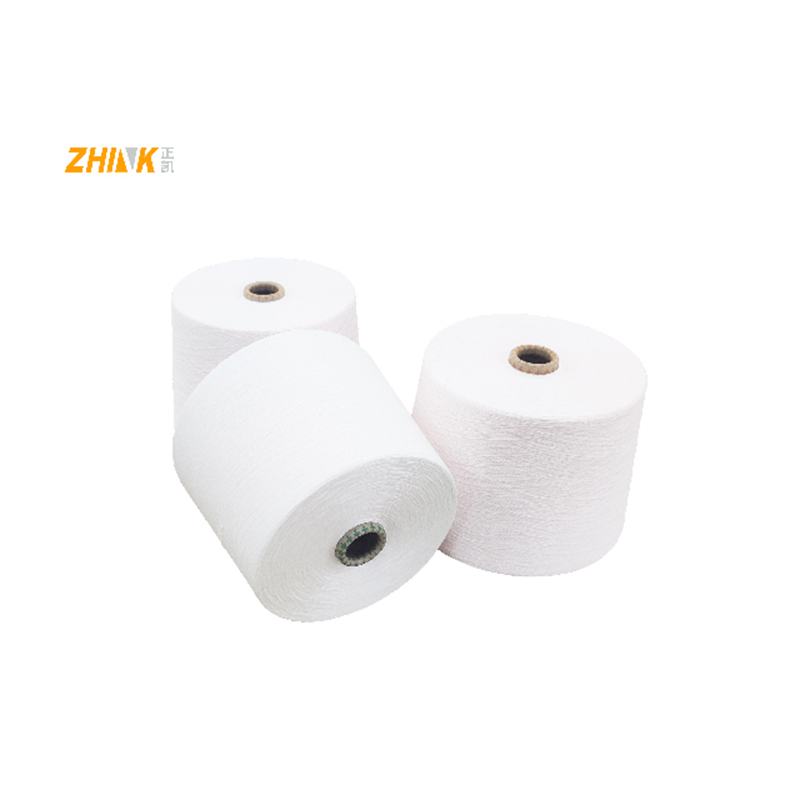
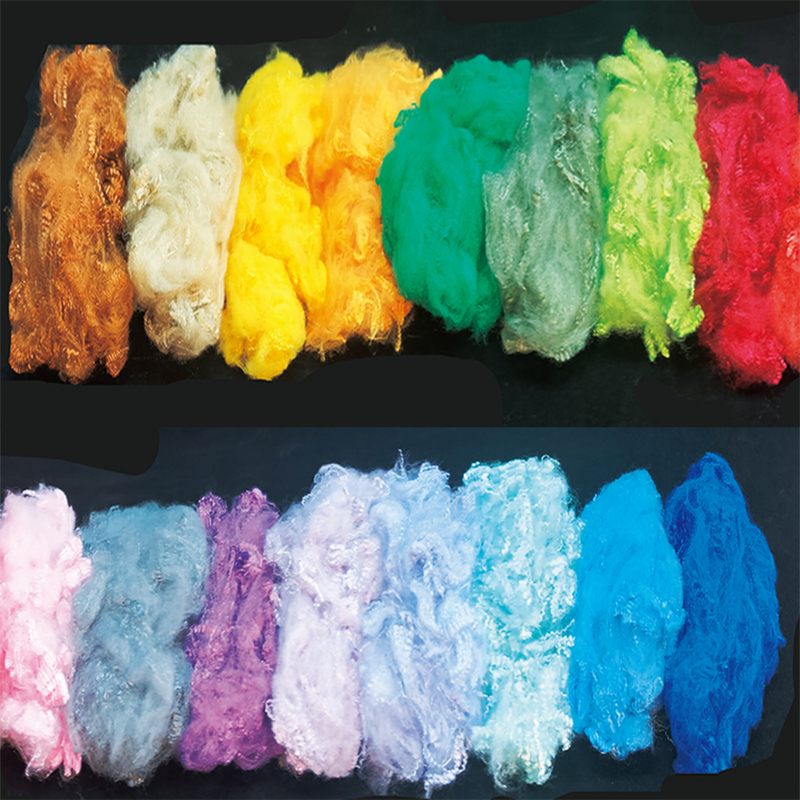
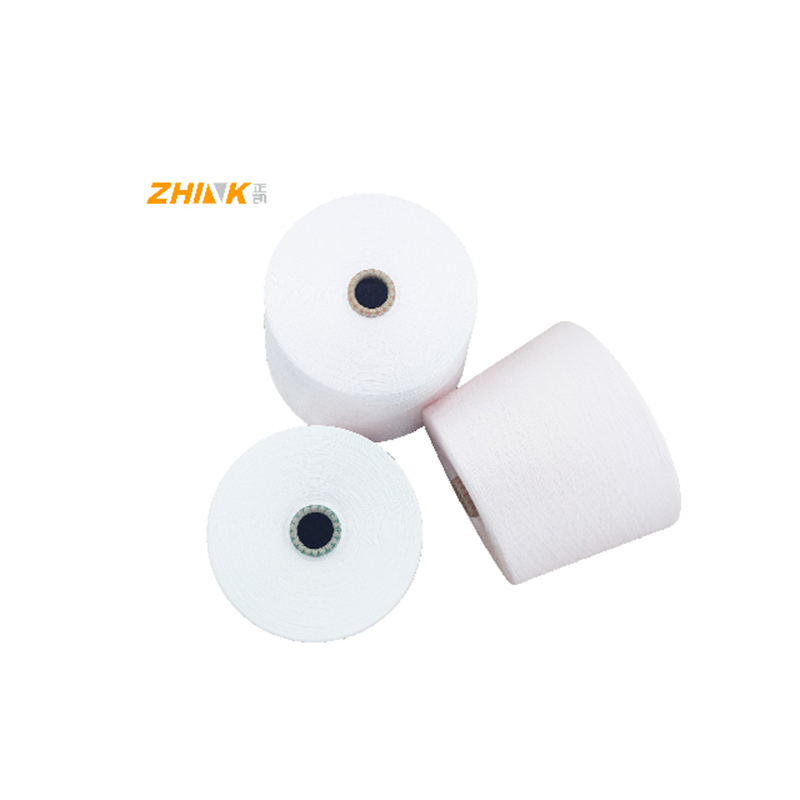
Solid acrylic fiber yarn
The Versatility of Solid Acrylic Fiber Yarn
Often overlooked, solid acrylic fiber yarn offers an intriguing mix of features that cater to a variety of textile applications, from casual garments to high-performance fabrics. This article explores its attributes, common misconceptions, and practical insights from the industry.
Understanding Acrylic Fiber Yarn
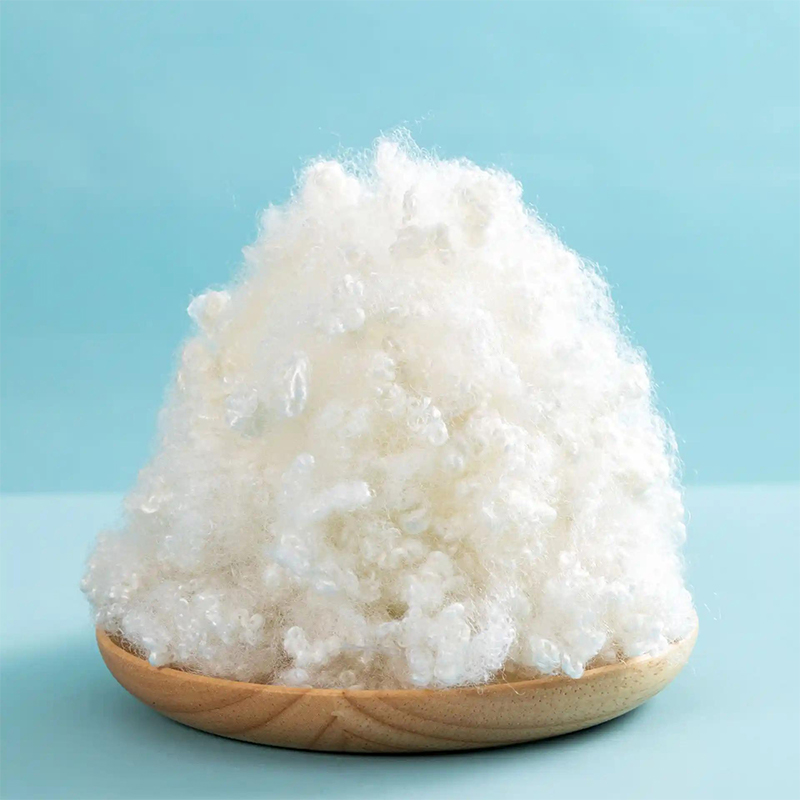
When you first encounter solid acrylic fiber yarn, it might just seem like any other yarn. However, dig a little deeper and there's a world of difference. Primarily, it mimics the softness of wool but without the cost or allergic reactions some experience with natural fibers. But the real secret weapon? Its incredible resilience and color retention.
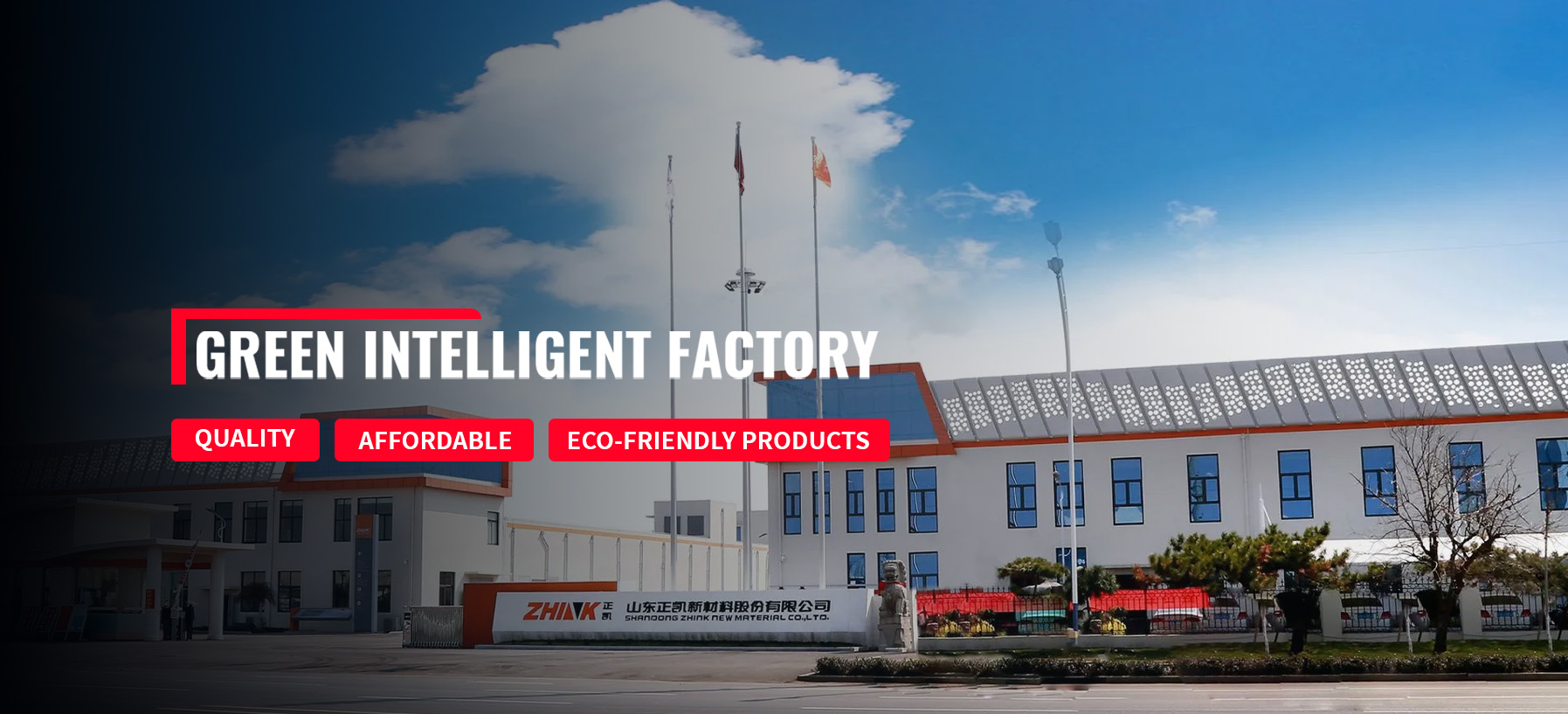
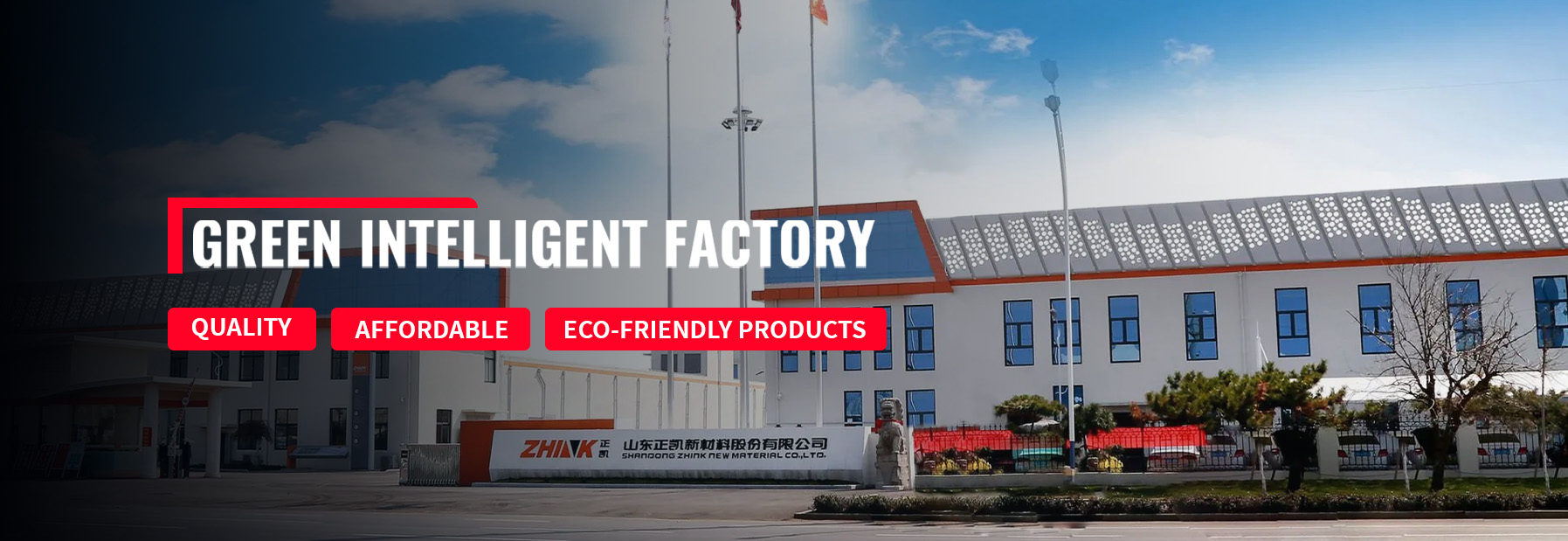
In the textile industry, this yarn type isn't new. Brands like SHANDONG ZHINK NEW MATERIAL CO., LTD (https://www.zhinkyarn.com) have been innovating with acrylic fibers for years, guiding its evolution to meet the ever-changing demands of fashion and industrial applications.
Acrylic's durability is well-noted, but what's often misunderstood is how it responds to wear and environmental conditions. It resists UV degradation better than many natural fibers, making it suitable for both indoor and outdoor uses, including sun-exposed settings.
Challenges in Production
Not everything is smooth sailing. Manufacturing this yarn presents its own set of challenges. Temperature control during production is crucial, as mismanagement can lead to inconsistencies in quality. I've witnessed operations halt due to minor variations—sometimes just a few degrees off can spell disaster.
SHANDONG ZHINK NEW MATERIAL CO., LTD takes meticulous care in their procedures, ensuring that each batch meets rigorous standards. This dedication to quality helps maintain their reputation in the industry.
Even when everything aligns, another common issue is static buildup. Though it's a minor inconvenience, it often requires additional treatment steps to rectify, increasing production time and costs.
Applications and Innovations
One thing that's notable is how solid acrylic fiber yarn has found its place beyond just traditional textiles. From fleece jackets to knitting yarn for hobbyists, its applications are diverse. It's appreciated for being hypoallergenic and lightweight, often chosen for baby clothes and outdoor gear.
At Zhink New Material, innovation is at the heart of everything. They continue to experiment with blending acrylic fibers with others to create unique composites that enhance moisture-wicking or thermal properties, broadening their market reach.
There are also eco-friendly initiatives in the works, focusing on blending recycled materials to minimize environmental impact without sacrificing the yarn's beloved characteristics.
Market Perception and Consumer Feedback
There's a noticeable divide in consumer perception; some still falsely associate acrylic with inferior quality due to past experiences. However, advancements over the years have dramatically improved its reputation. Consumers now report a satisfactory balance of affordability and performance.
Feedback from users of Zhink New Material's products reflects this shift. Customers are increasingly recognizing the benefits of modern acrylic fibers, which often outperform older cotton and wool blends in durability tests.
Educating consumers is still key. Continuous engagement through social media and customer outreach helps clarify misapprehensions, painting a clearer picture of what today's acrylic fiber yarn truly offers.
The Future of Acrylic Fiber Yarns
Looking ahead, the trajectory for solid acrylic fiber yarn seems promising. Innovations are constantly unfolding, with companies like SHANDONG ZHINK NEW MATERIAL CO., LTD leading the charge in tackling sustainability challenges and enhancing material properties.
One area of potential is smart textiles. As technology integrates more with clothing, acrylic fibers could play a role due to their adaptability and compatibility with various electronic components.
In sum, while challenges exist, the potential benefits and vast improvements continue to push acrylic fibers to the forefront of textile discussions. If trends hold, expect to see even more innovative uses and growing preference in both consumer and industrial contexts.
Related Products
Related Products