+86-632-3621866
- Chinese
- French
- German
- Portuguese
- Spanish
- Russian
- Japanese
- Korean
- Arabic
- Irish
- Greek
- Turkish
- Italian
- Danish
- Romanian
- Indonesian
- Czech
- Afrikaans
- Swedish
- Polish
- Basque
- Catalan
- Esperanto
- Hindi
- Lao
- Albanian
- Amharic
- Armenian
- Azerbaijani
- Belarusian
- Bengali
- Bosnian
- Bulgarian
- Cebuano
- Chichewa
- Corsican
- Croatian
- Dutch
- Estonian
- Filipino
- Finnish
- Frisian
- Galician
- Georgian
- Gujarati
- Haitian
- Hausa
- Hawaiian
- Hebrew
- Hmong
- Hungarian
- Icelandic
- Igbo
- Javanese
- Kannada
- Kazakh
- Khmer
- Kurdish
- Kyrgyz
- Latin
- Latvian
- Lithuanian
- Luxembou..
- Macedonian
- Malagasy
- Malay
- Malayalam
- Maltese
- Maori
- Marathi
- Mongolian
- Burmese
- Nepali
- Norwegian
- Pashto
- Persian
- Punjabi
- Serbian
- Sesotho
- Sinhala
- Slovak
- Slovenian
- Somali
- Samoan
- Scots Gaelic
- Shona
- Sindhi
- Sundanese
- Swahili
- Tajik
- Tamil
- Telugu
- Thai
- Ukrainian
- Urdu
- Uzbek
- Vietnamese
- Welsh
- Xhosa
- Yiddish
- Yoruba
- Zulu
- Kinyarwanda
- Tatar
- Oriya
- Turkmen
- Uyghur


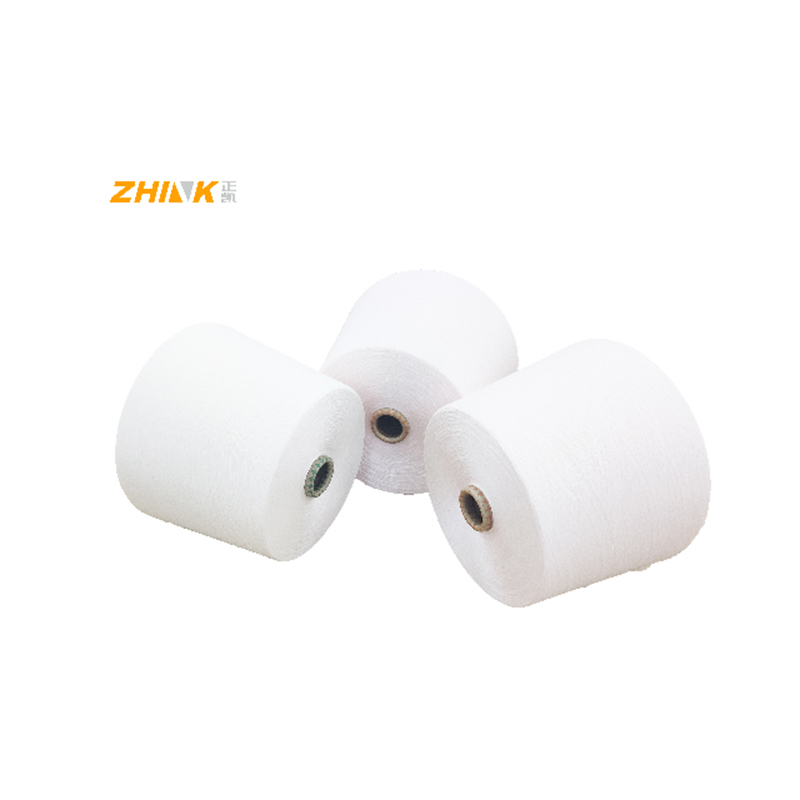
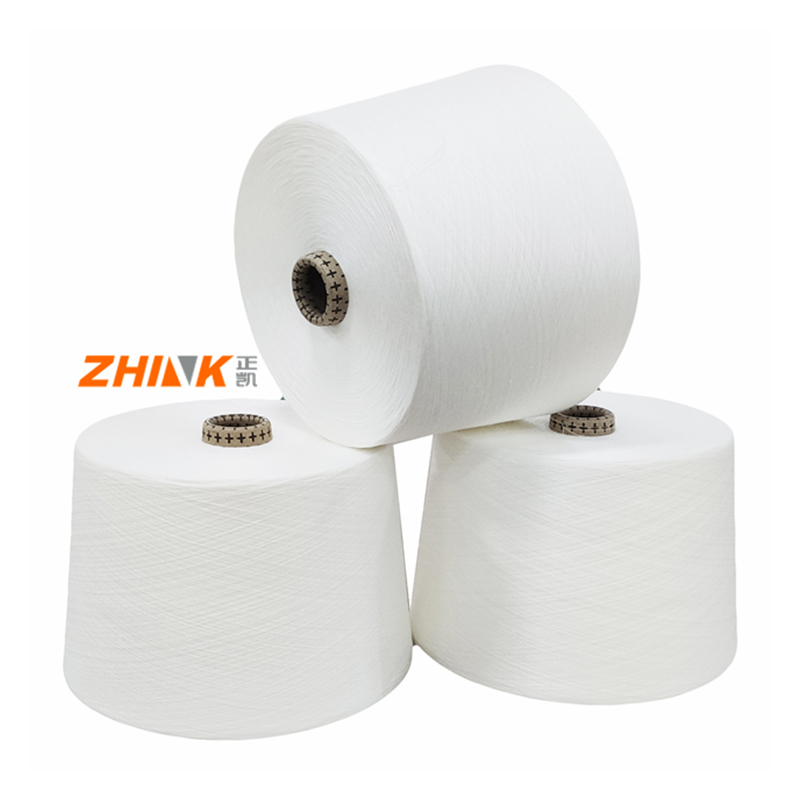
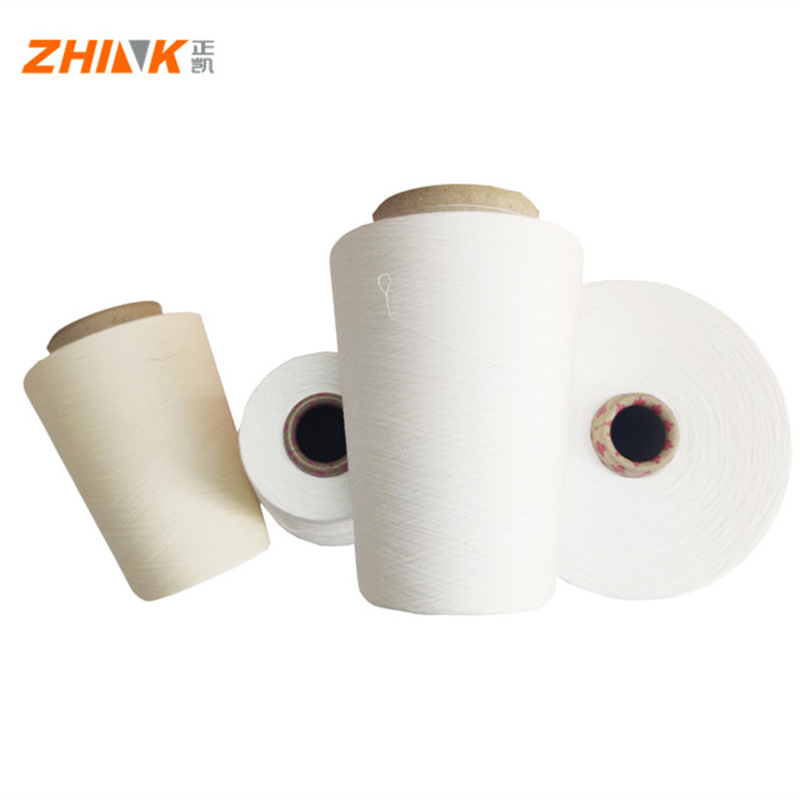
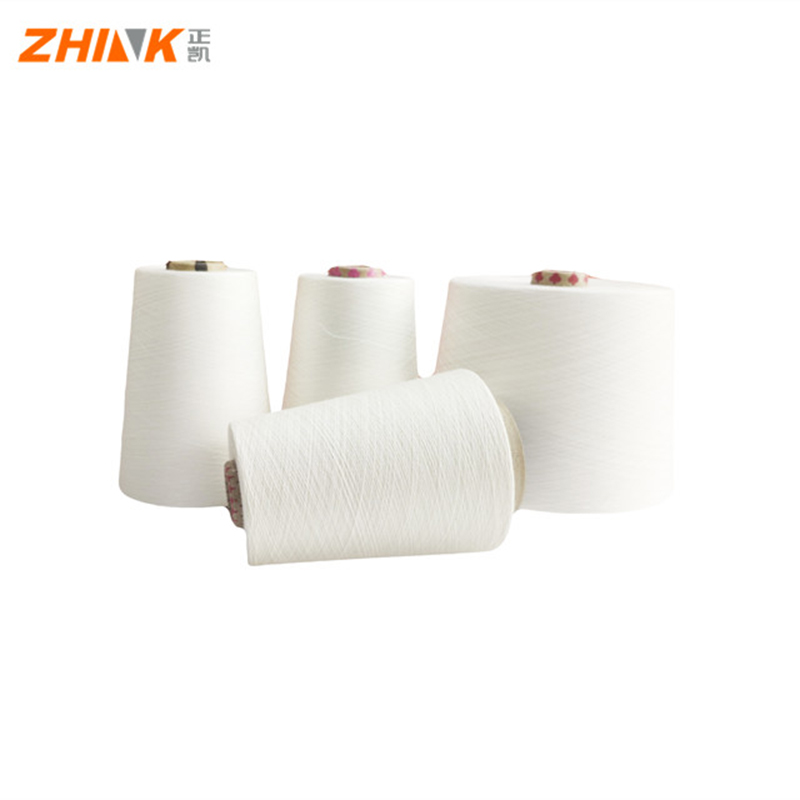
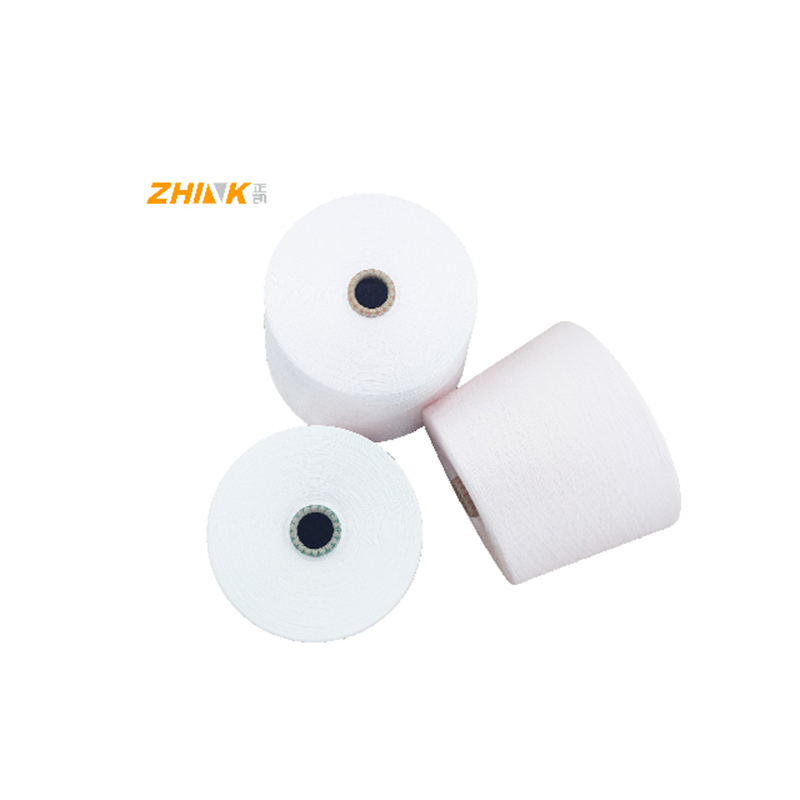
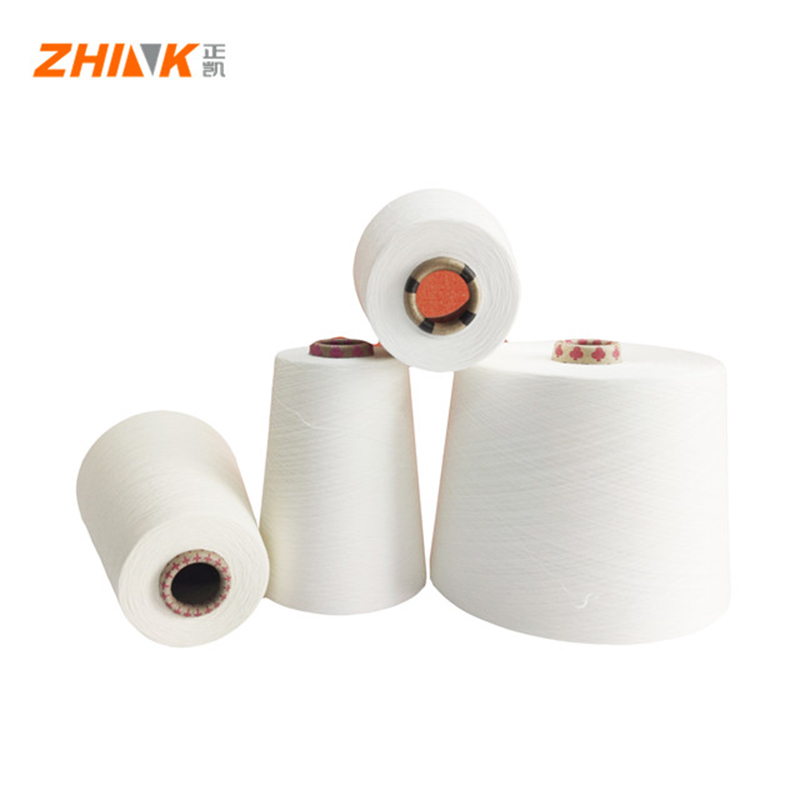
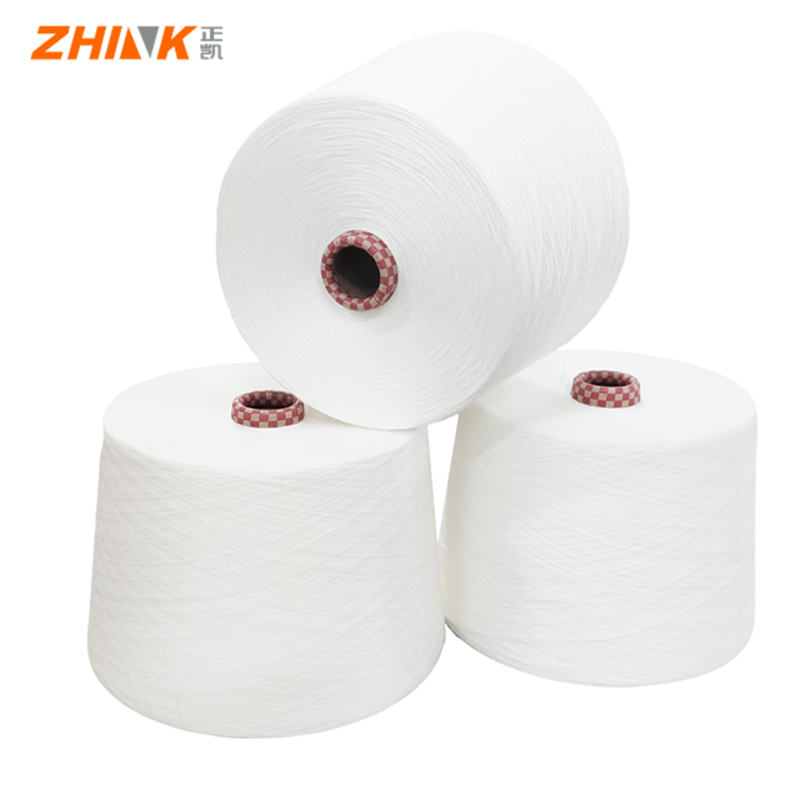
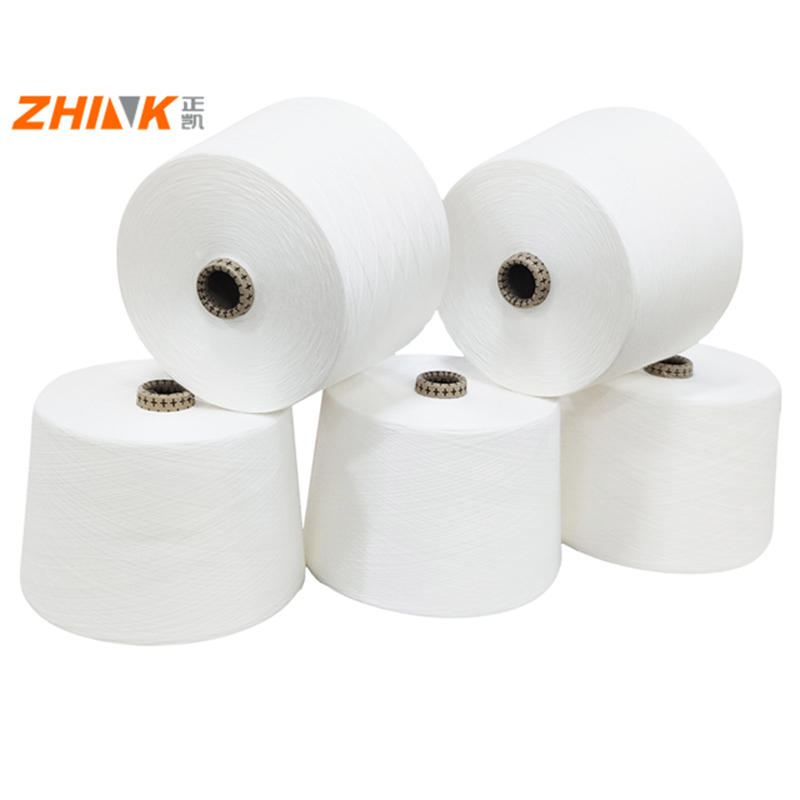
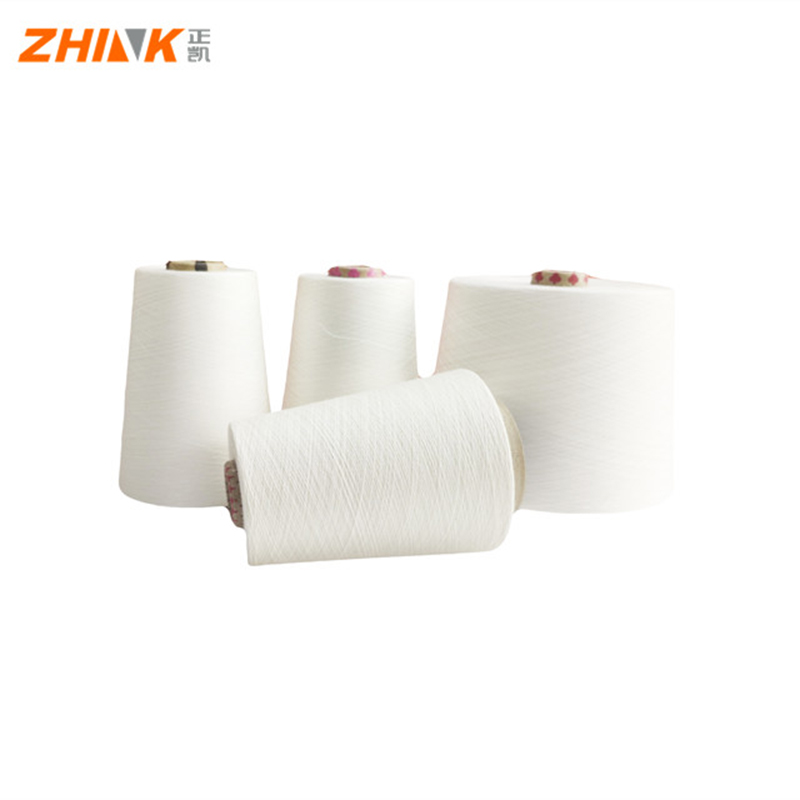
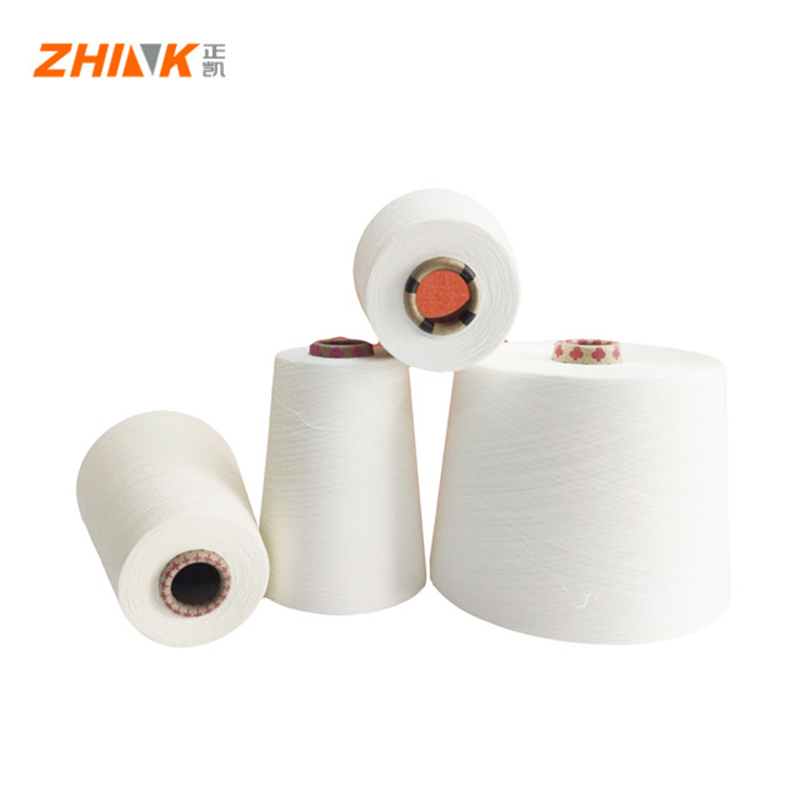
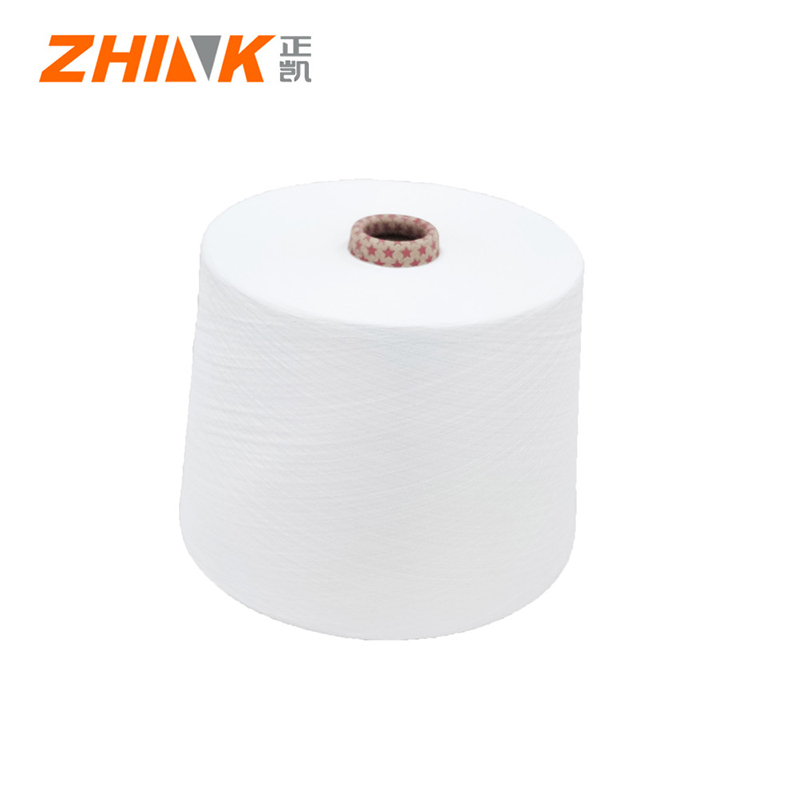
Solid acrylic short fiber yarn
Understanding Solid Acrylic Short Fiber Yarn: Insights from the Field
Solid acrylic short fiber yarn—sounds technical, doesn't it? But dive into any textile workshop, and you'll see why it's more than just jargon. The yarn's versatility and robustness have won it a firm place in the industry, yet misconceptions about its properties persist. Let's debunk some myths and see what this material is really about.
Getting to Know the Basics
First off, what exactly is solid acrylic short fiber yarn? It's made from acrylic fibers that have been spun into short strands, which are then twisted together to create the yarn. The solid aspect refers to its dense and uniform structure, which is what gives it such appealing strength and consistency. For folks in the textile business, these properties make it a go-to choice for various applications—from woven fabrics to knitted garments.
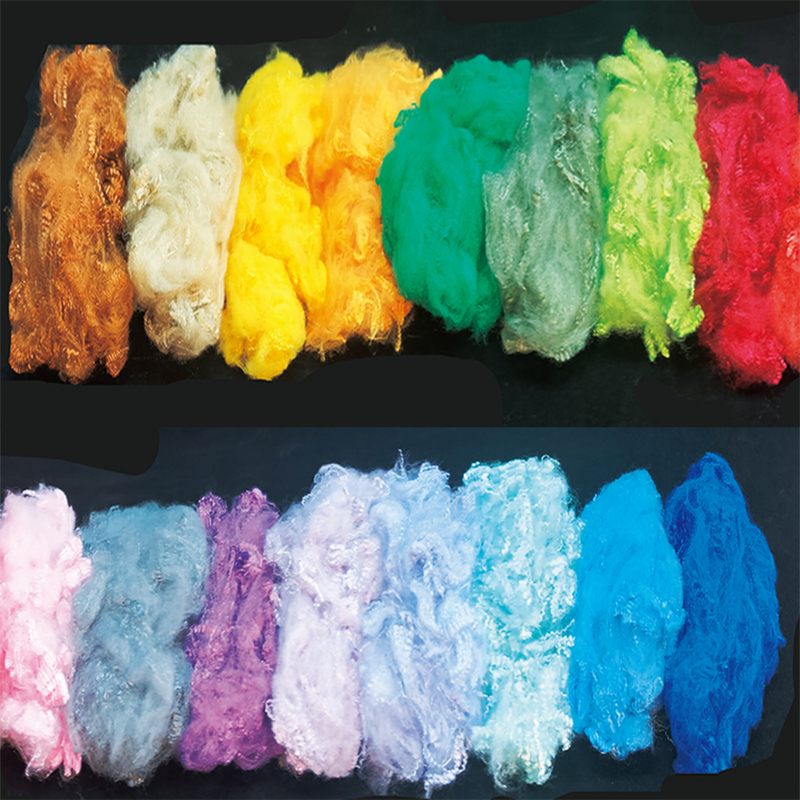
I recall one instance during my early days in a textile mill where we experimented with blending these fibers with natural ones. The experiment demonstrated the yarn’s capacity to hold color brilliantly and withstand significant wear and tear. The results were impressive—and educational, to say the least.
Often, the challenges arise when considering the compatibility of acrylic yarn with other fibers. Mixing them requires precise conditions, slightly different machinery settings, or sometimes even a touch of instinct gathered from years on the factory floor.
Industry Misconceptions
A common misunderstanding is that acrylic yarn is inferior to natural fibers. While each has its strengths, solid acrylic short fiber yarn offers distinct advantages—it's lightweight, resistant to moth damage, and can mimic the look and feel of expensive wools at a fraction of the cost.
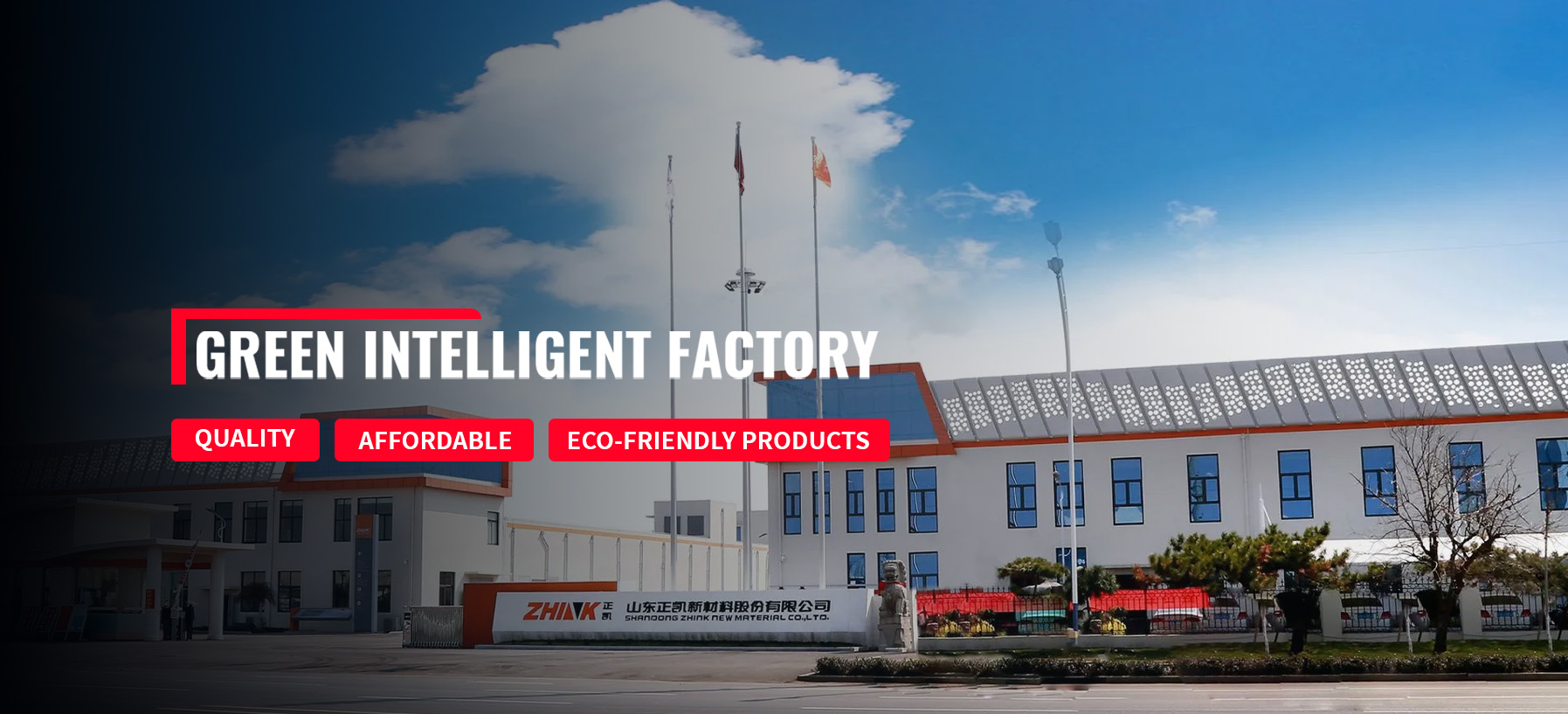
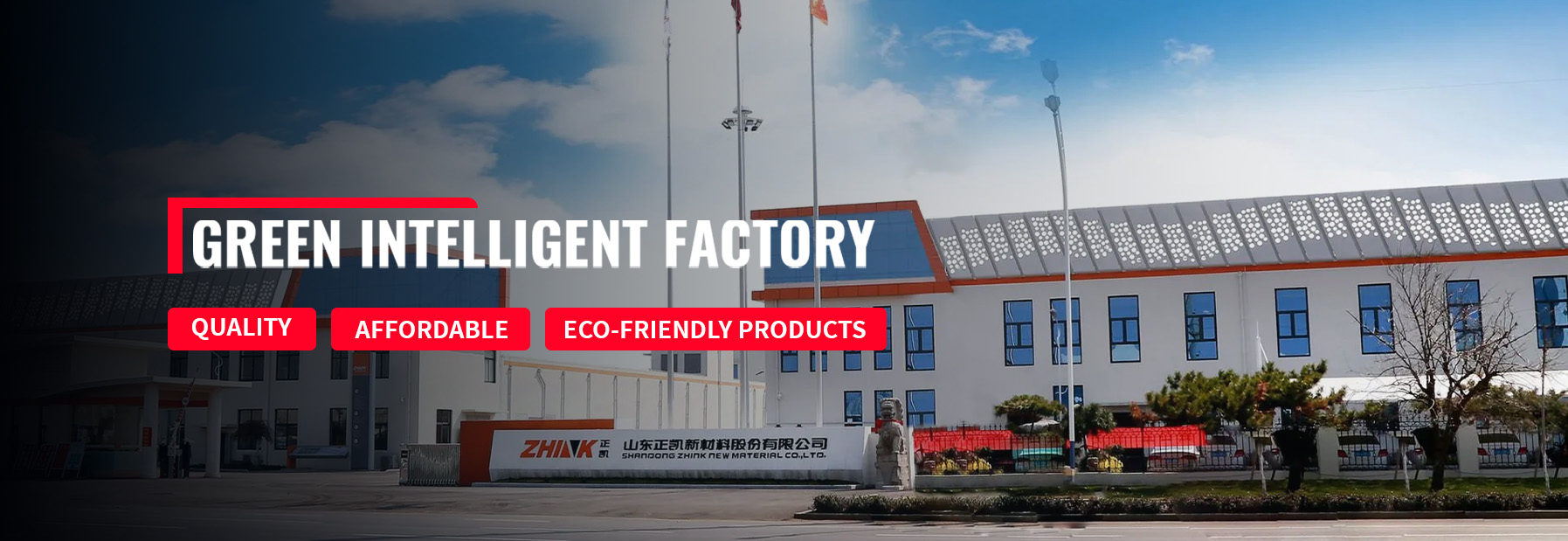
Working at SHANDONG ZHINK NEW MATERIAL CO., LTD shines light on how much R&D goes into products like this. We're constantly developing new blends and testing properties to push the boundaries of what acrylic yarn can achieve. More on this can be found at our website, www.zhinkyarn.com.
Yet, when we're trying to tailor a fabric specifically to a client's demand, there can be hurdles. Adjusting fiber lengths or achieving a precise weight sometimes involves trial and error—painting a vivid picture of how practice often drives innovation.
Applications and Versatility
The applications for solid acrylic short fiber yarn are broad. Industries ranging from clothing to automotive upholstery leverage its versatility. One project we recently supported involved creating weather-resistant outdoor fabrics; the acrylic yarn's resilience was key in ensuring durability.
Designers appreciate its ability to mimic natural fibers without the high maintenance. End-users love the ease—acrylic yarn products are generally easy to wash, dry quickly, and hold their shape well, making them particularly appealing in everyday wear.
In a specific case of fabric innovation, acrylic yarn was blended with spandex to create a fabric that combined stretch with resilience—ideal for athletic wear. As we continue to experiment, the potential applications seem limitless.
Challenges in Production
With any manufacturing process, there are challenges, especially in scaling production while maintaining quality. One hiccup we often encounter is maintaining fiber consistency during high-volume runs. Even minor deviations can lead to significant issues downstream.
At SHANDONG ZHINK NEW MATERIAL CO., LTD, strategic planning and constant quality checks help mitigate these risks. But even with such measures, periodic surprises enforce the need for adaptability—a key learning for anyone embarking on large-scale textile production.
Another consideration is environmental impact. We've been investing in eco-friendly production methods, lessening the carbon footprint of our operations. As the industry evolves, such sustainable practices are slated to become more prominent.
Future Perspectives
Looking ahead, solid acrylic short fiber yarn will likely continue to adapt and diversify. With advancements in technology and a growing emphasis on sustainability, the landscape is set to evolve excitingly.
One aspect worth exploring further is the recyclability of acrylic yarn. While current methods pose challenges, collaborative R&D efforts might soon pave the way for more eco-friendly solutions.
Ultimately, the story of this yarn type is ongoing, marked by innovation and learning. And as we unravel its complexities, one stitch at a time, we contribute to a richer, more efficient textile future. At Zhink New Material, we remain committed to this journey, continually exploring the limitless possibilities of yarns. Visit us at www.zhinkyarn.com to learn more about our work and innovations.
Related Products
Related Products