+86-632-3621866
- Chinese
- French
- German
- Portuguese
- Spanish
- Russian
- Japanese
- Korean
- Arabic
- Irish
- Greek
- Turkish
- Italian
- Danish
- Romanian
- Indonesian
- Czech
- Afrikaans
- Swedish
- Polish
- Basque
- Catalan
- Esperanto
- Hindi
- Lao
- Albanian
- Amharic
- Armenian
- Azerbaijani
- Belarusian
- Bengali
- Bosnian
- Bulgarian
- Cebuano
- Chichewa
- Corsican
- Croatian
- Dutch
- Estonian
- Filipino
- Finnish
- Frisian
- Galician
- Georgian
- Gujarati
- Haitian
- Hausa
- Hawaiian
- Hebrew
- Hmong
- Hungarian
- Icelandic
- Igbo
- Javanese
- Kannada
- Kazakh
- Khmer
- Kurdish
- Kyrgyz
- Latin
- Latvian
- Lithuanian
- Luxembou..
- Macedonian
- Malagasy
- Malay
- Malayalam
- Maltese
- Maori
- Marathi
- Mongolian
- Burmese
- Nepali
- Norwegian
- Pashto
- Persian
- Punjabi
- Serbian
- Sesotho
- Sinhala
- Slovak
- Slovenian
- Somali
- Samoan
- Scots Gaelic
- Shona
- Sindhi
- Sundanese
- Swahili
- Tajik
- Tamil
- Telugu
- Thai
- Ukrainian
- Urdu
- Uzbek
- Vietnamese
- Welsh
- Xhosa
- Yiddish
- Yoruba
- Zulu
- Kinyarwanda
- Tatar
- Oriya
- Turkmen
- Uyghur


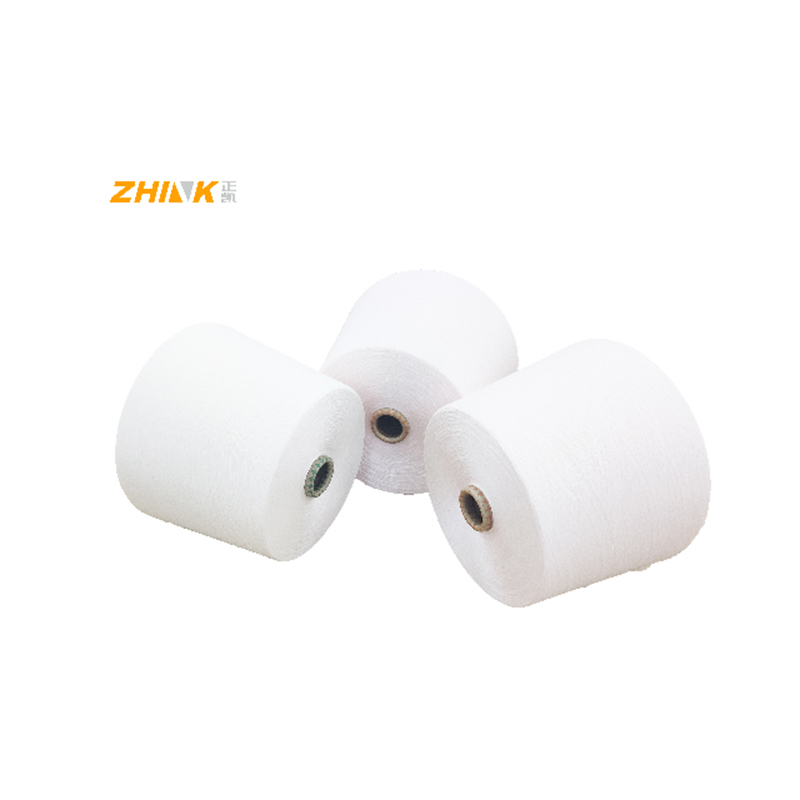
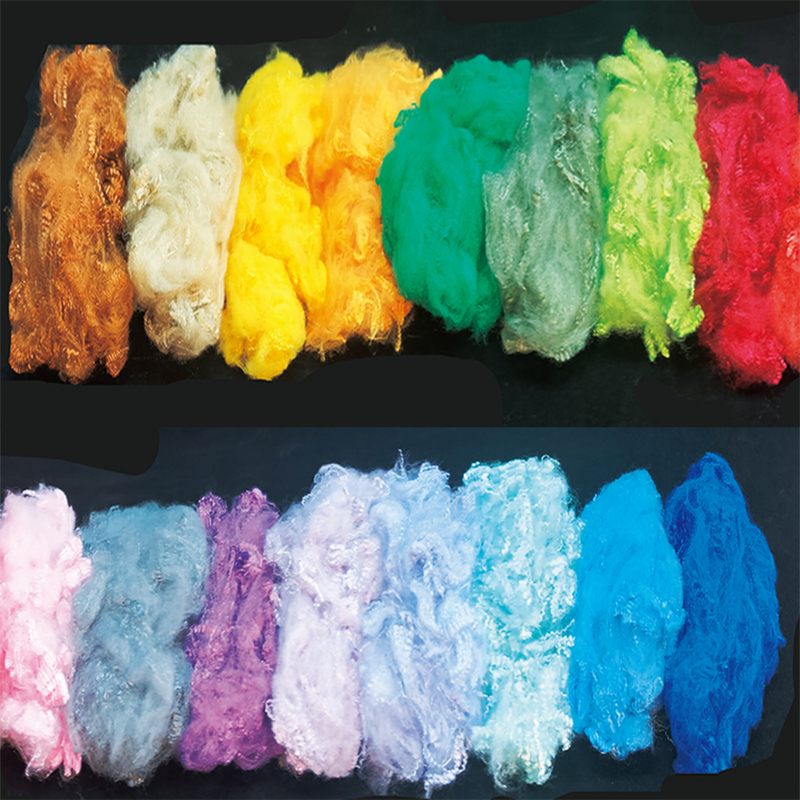
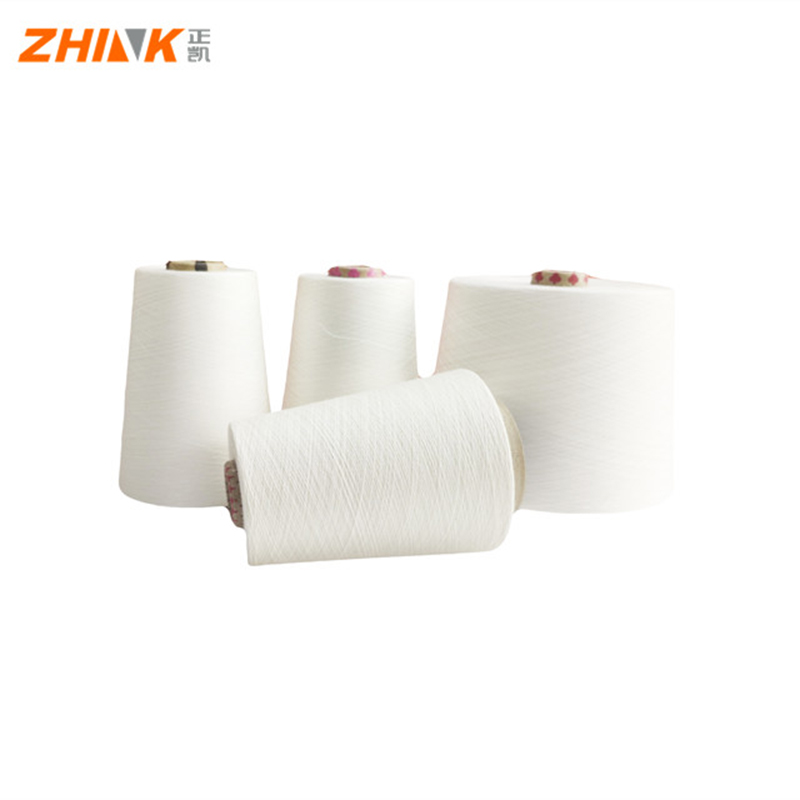
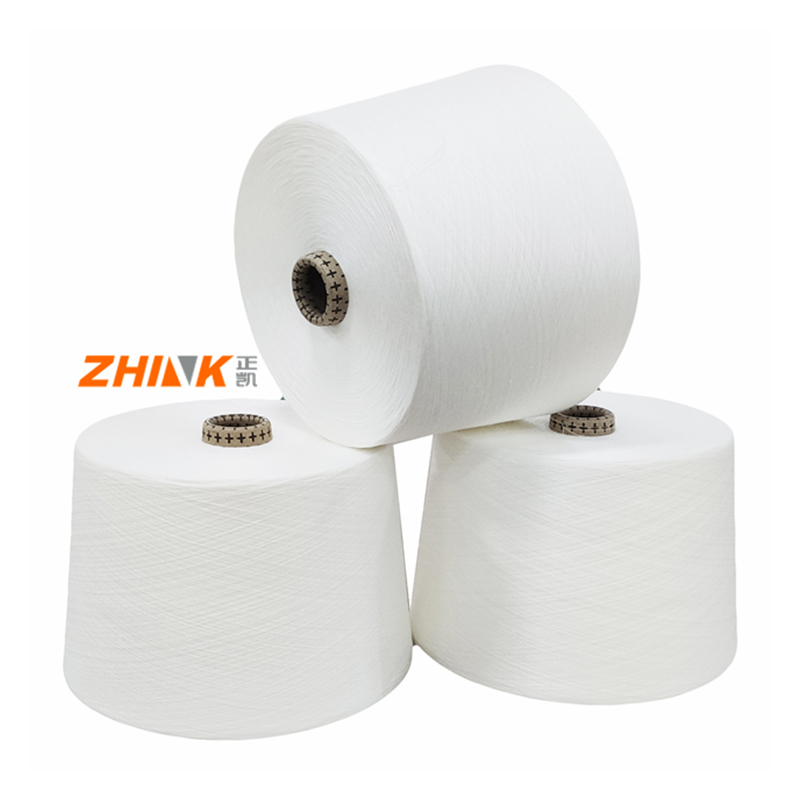
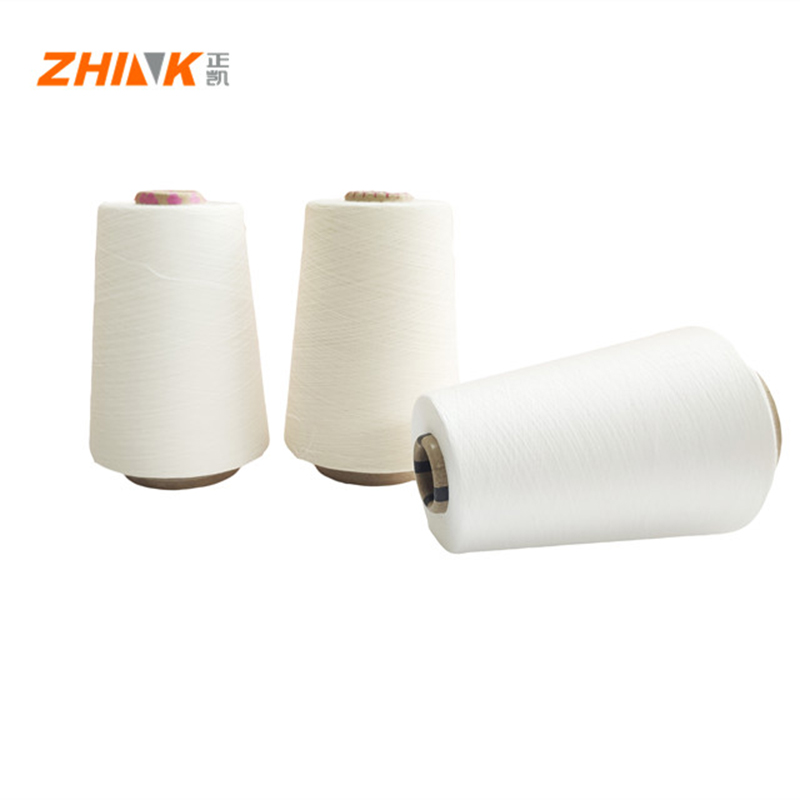
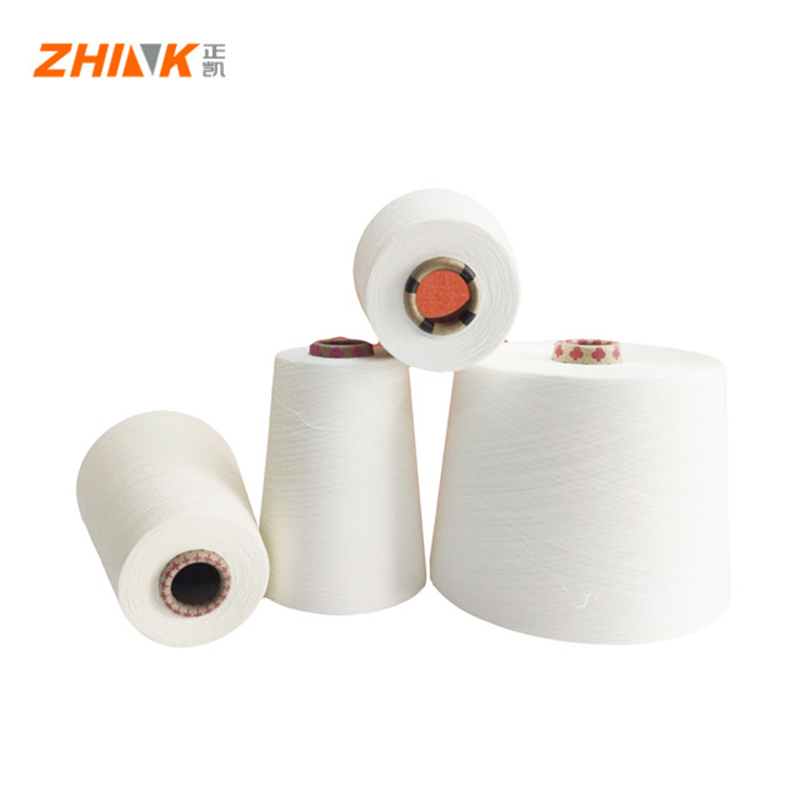
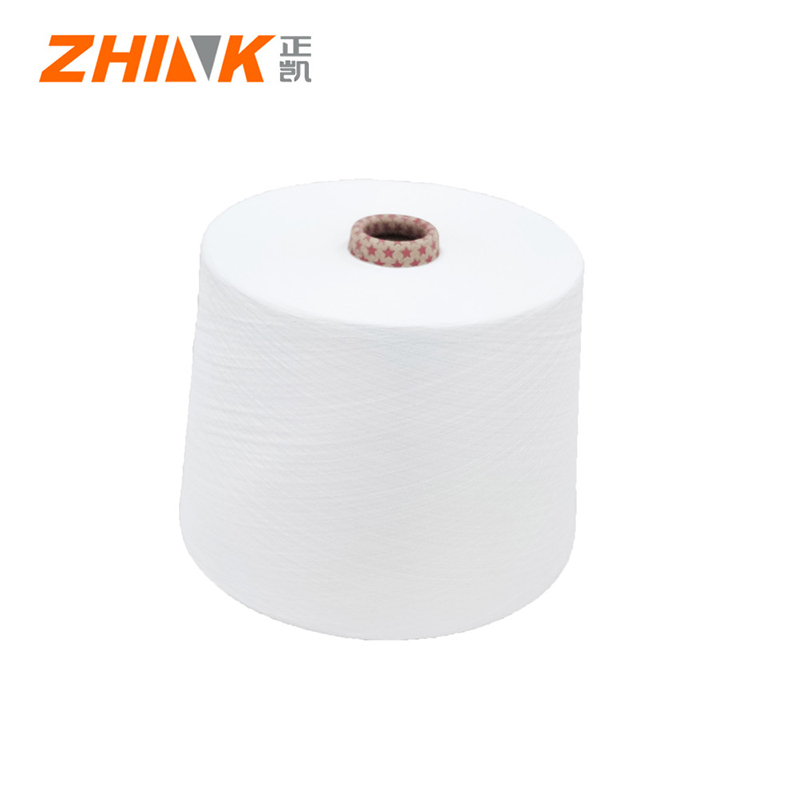
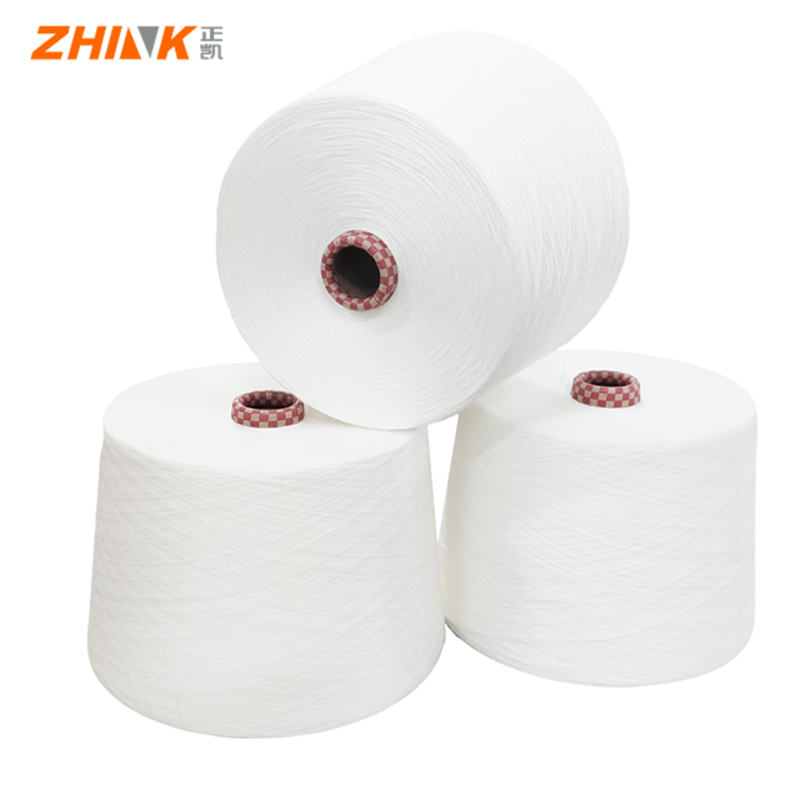
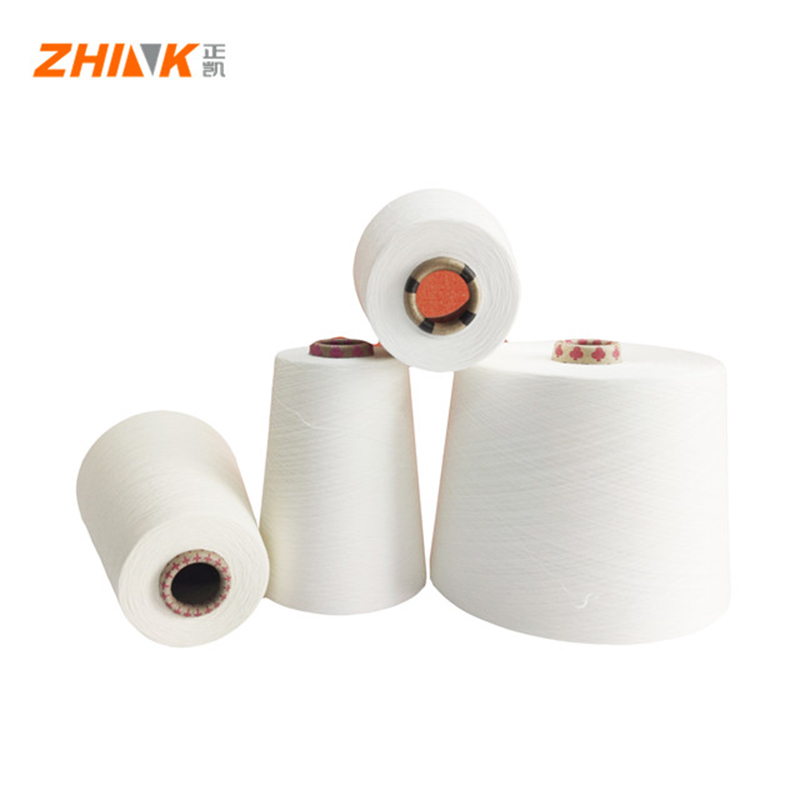
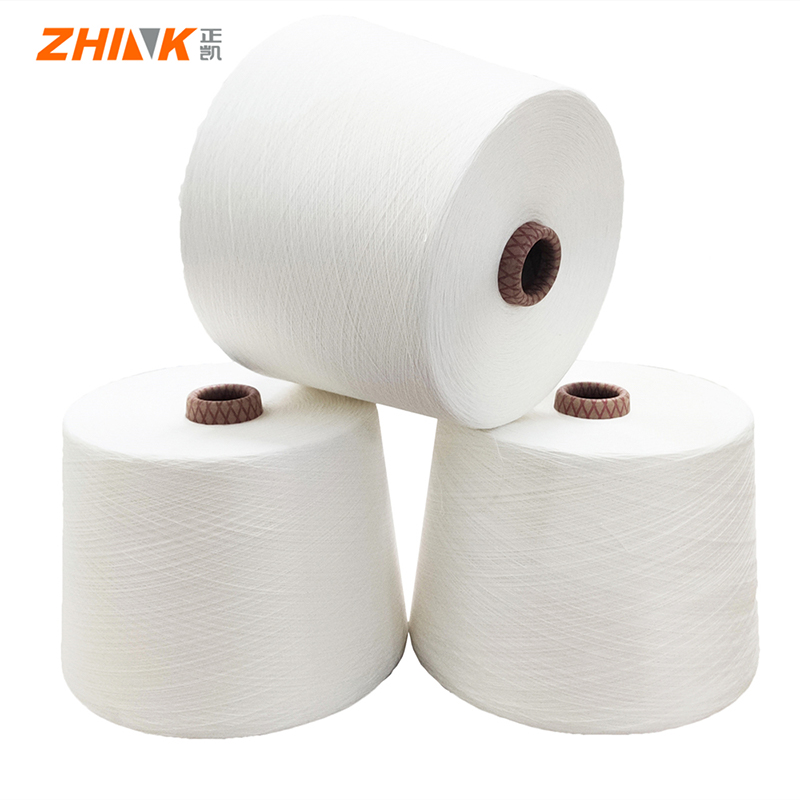
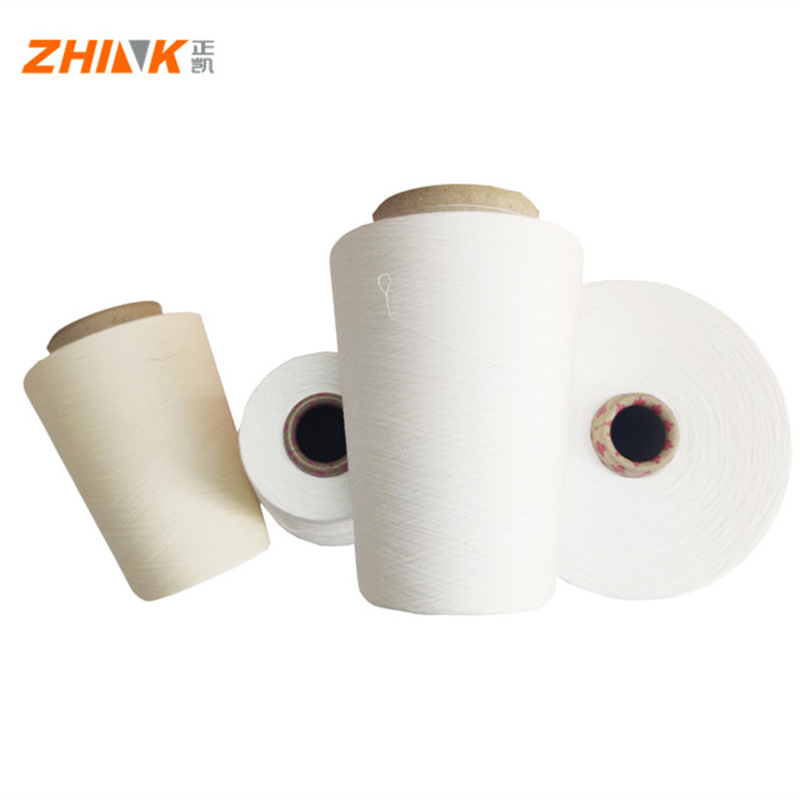
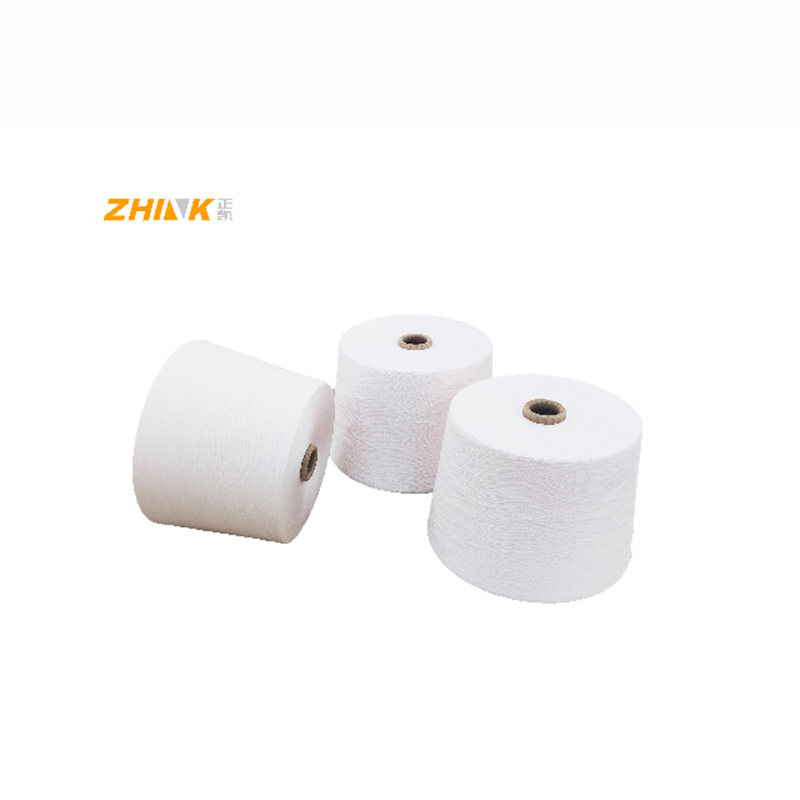
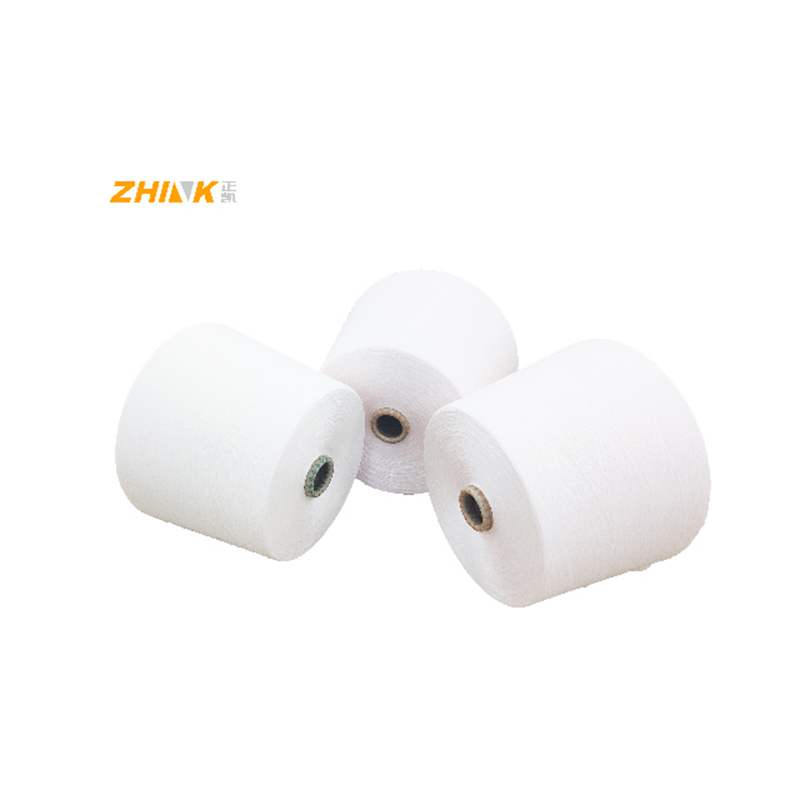
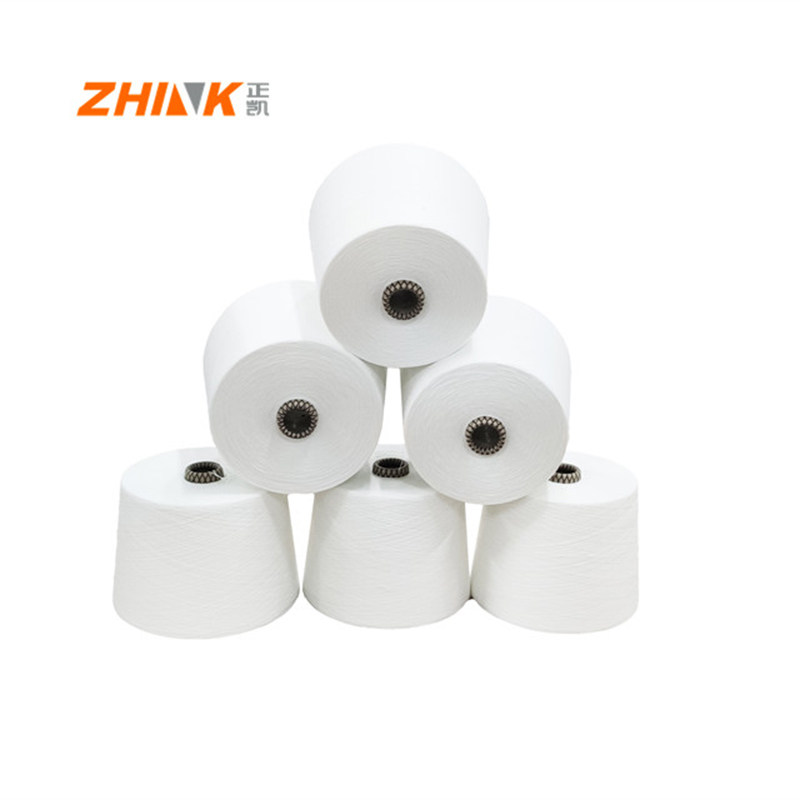
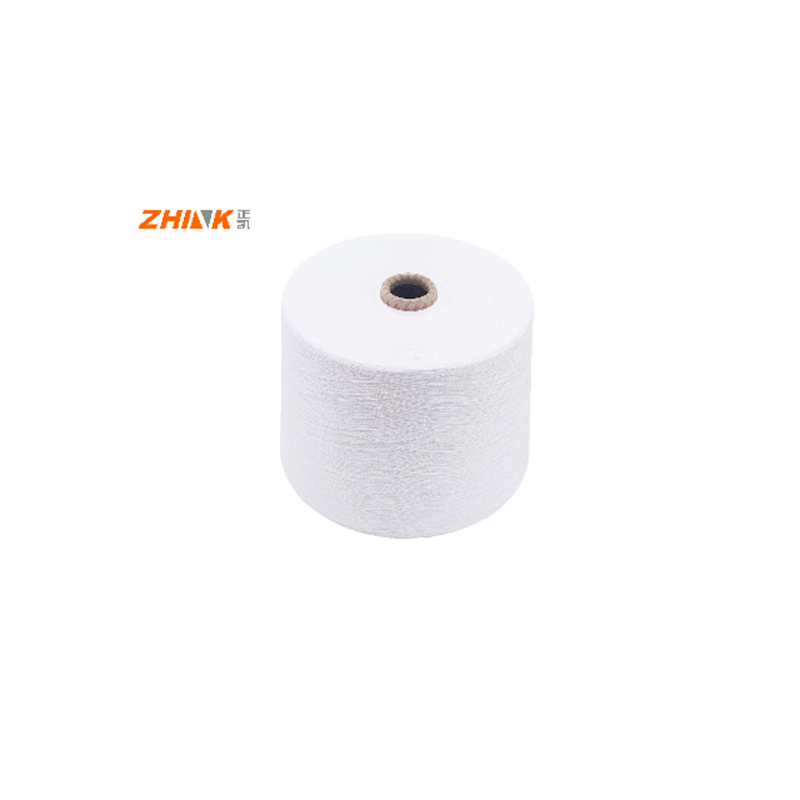
Solid acrylic staple fiber yarn
The Nuanced World of Solid Acrylic Staple Fiber Yarn
In the realm of textile materials, solid acrylic staple fiber yarn stands out—not just for its versatility but for the misconceptions surrounding its application and quality. With industry veterans often sidelining its potential, there's a need to delve deeper into this material that, when maneuvered right, offers extensive possibilities.
Acrylic Fibers: The Misunderstood Sibling
Starting out, the general perception is that acrylic fibers are the 'cheap' cousin to more established materials like cotton or wool. But when it comes to solid acrylic staple fiber yarn, things are a bit more complex. This yarn type is not just about cost efficiency; it's about adapting to a rapidly evolving textile landscape.
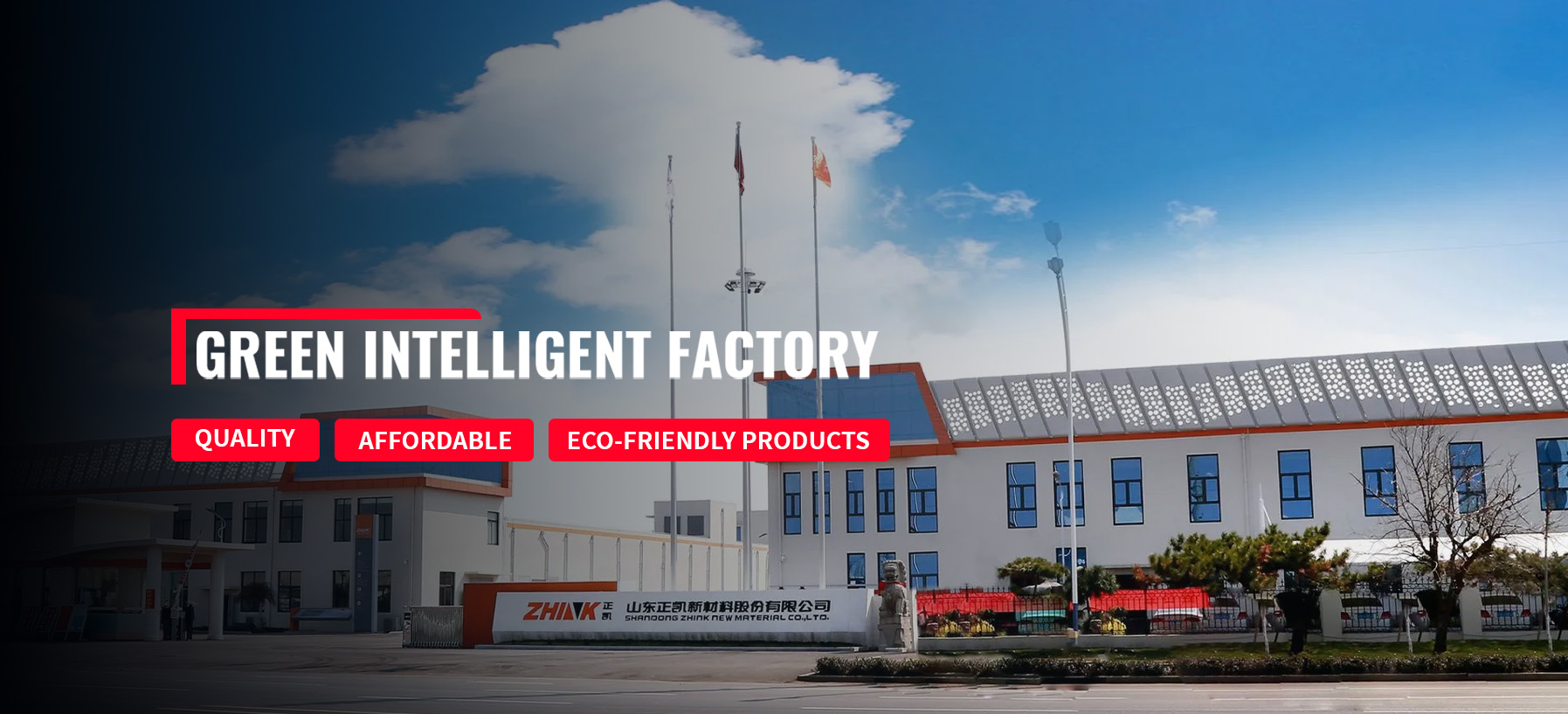
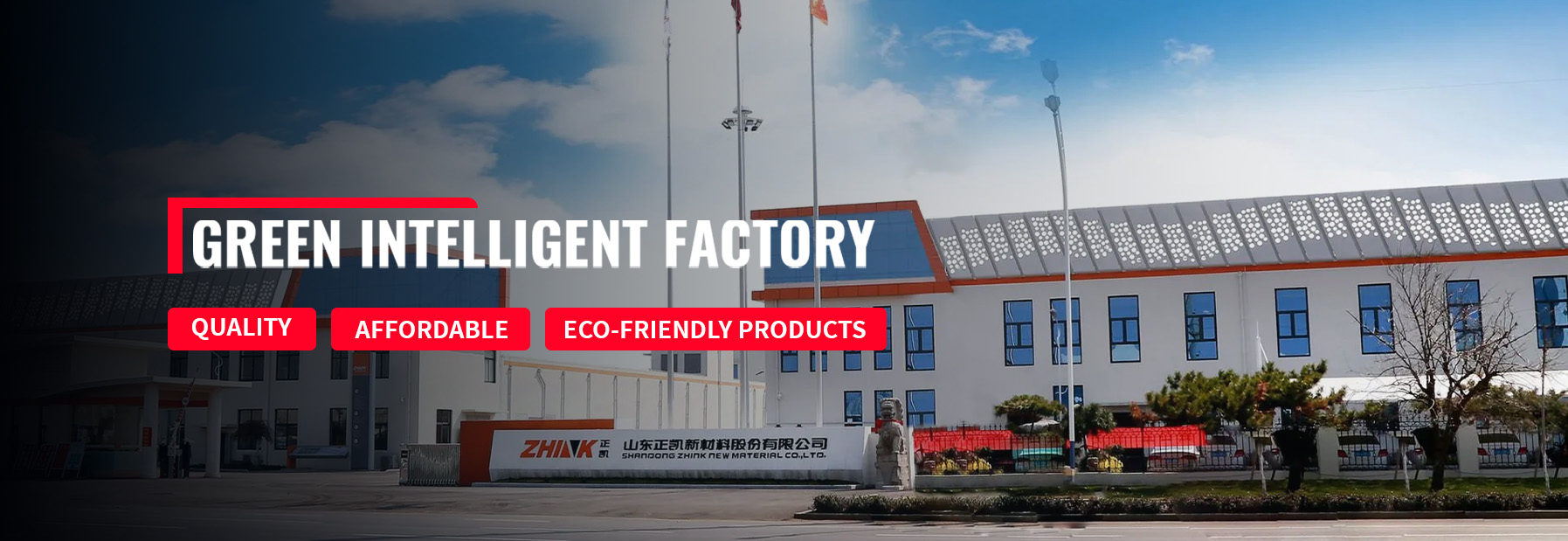
One might recall early experiences with acrylic—a sweater that pilled too easily or lost its luster after a few washes. However, with advancements from companies like SHANDONG ZHINK NEW MATERIAL CO., LTD, those stereotypes are increasingly outdated. Modern techniques have significantly enhanced durability and appearance, making this yarn quite attractive.
SHANDONG ZHINK's innovation lies in their meticulous approach, ensuring quality remains uncompromised. By visiting their site at ZHINK Yarn, you get a glimpse of how serious they are about revolutionizing perceptions.
Explorative Applications and Experiments
When I first delved into working with solid acrylic staple fiber yarn, it was mainly for economical reasons. But soon, I realized the material's potential to mimic natural fibers while offering unique qualities like hypoallergenic features—a boon for sensitive skin types.
Experimentation led to some unexpected outcomes. For instance, mixing a small percentage with a natural yarn resulted in a surprisingly resilient fabric that retained the natural hand feel while being machine-washable. This hybrid approach can be quite transformative for brands targeting practical yet premium collections.
However, it's not all smooth sailing. Managing dye consistency can be a hurdle, as acrylic fibers respond differently compared to their natural counterparts. Yet, companies such as SHANDONG ZHINK continue to improve dyeing technologies, closing the gap between expectation and reality.
Challenges in Perfecting the Craft
No exploration is without its challenges. One striking issue with solid acrylic staple fiber yarn is environmental impact—a concern I can't ignore. It's true; acrylics aren't biodegradable. But it's worth noting that companies are exploring sustainable production methods.
In a project, we tried implementing a recycling loop that reduced waste significantly. Although in its infancy, this approach shows promise. It’s essential to think about the lifecycle impact, something that companies like SHANDONG ZHINK are likely keeping in mind as they advance their R&D efforts.
Further, communication with suppliers about origin and manufacturing processes is crucial. Open dialogues lead to better material choices that align with both environmental and production goals. Visiting suppliers and understanding processes in person can provide invaluable insights.
Educational Endeavors and Community Involvement
Spreading awareness is another facet I find crucial. Workshops and seminars, particularly for designers, can significantly shift the narrative around solid acrylic staple fiber yarn. Many hold onto outdated perceptions simply due to lack of exposure to current advancements.
Incorporating educational resources from industry players like ZHINK New Material can be a game changer. Their focus on innovation and practicality provides a roadmap for others in the industry. It's not only about what the yarn is today but what it can become.
Ultimately, forming a community that shares experiences and techniques enhances everyone's understanding. It’s all about partnership and collaboration, much like the networking events that bring together manufacturers, designers, and product developers.
The Future and Final Thoughts
Looking to the future, I find the evolution of solid acrylic staple fiber yarn to be promising. With continued innovation and a focus on sustainability, this material could help redefine industry standards. The shift is slow but tangible.
Companies pioneering these changes, like SHANDONG ZHINK NEW MATERIAL CO., LTD, set significant milestones. Their dedication to refining this material is a testament to the potential that can be unlocked through dedicated research and development.
So, while skepticism may linger, it's clear that the narrative around acrylic yarns is changing. Whether for its economy, versatility, or evolving sustainability credentials, it deserves more than just a second look.
Related Products
Related Products