+86-632-3621866
- Chinese
- French
- German
- Portuguese
- Spanish
- Russian
- Japanese
- Korean
- Arabic
- Irish
- Greek
- Turkish
- Italian
- Danish
- Romanian
- Indonesian
- Czech
- Afrikaans
- Swedish
- Polish
- Basque
- Catalan
- Esperanto
- Hindi
- Lao
- Albanian
- Amharic
- Armenian
- Azerbaijani
- Belarusian
- Bengali
- Bosnian
- Bulgarian
- Cebuano
- Chichewa
- Corsican
- Croatian
- Dutch
- Estonian
- Filipino
- Finnish
- Frisian
- Galician
- Georgian
- Gujarati
- Haitian
- Hausa
- Hawaiian
- Hebrew
- Hmong
- Hungarian
- Icelandic
- Igbo
- Javanese
- Kannada
- Kazakh
- Khmer
- Kurdish
- Kyrgyz
- Latin
- Latvian
- Lithuanian
- Luxembou..
- Macedonian
- Malagasy
- Malay
- Malayalam
- Maltese
- Maori
- Marathi
- Mongolian
- Burmese
- Nepali
- Norwegian
- Pashto
- Persian
- Punjabi
- Serbian
- Sesotho
- Sinhala
- Slovak
- Slovenian
- Somali
- Samoan
- Scots Gaelic
- Shona
- Sindhi
- Sundanese
- Swahili
- Tajik
- Tamil
- Telugu
- Thai
- Ukrainian
- Urdu
- Uzbek
- Vietnamese
- Welsh
- Xhosa
- Yiddish
- Yoruba
- Zulu
- Kinyarwanda
- Tatar
- Oriya
- Turkmen
- Uyghur



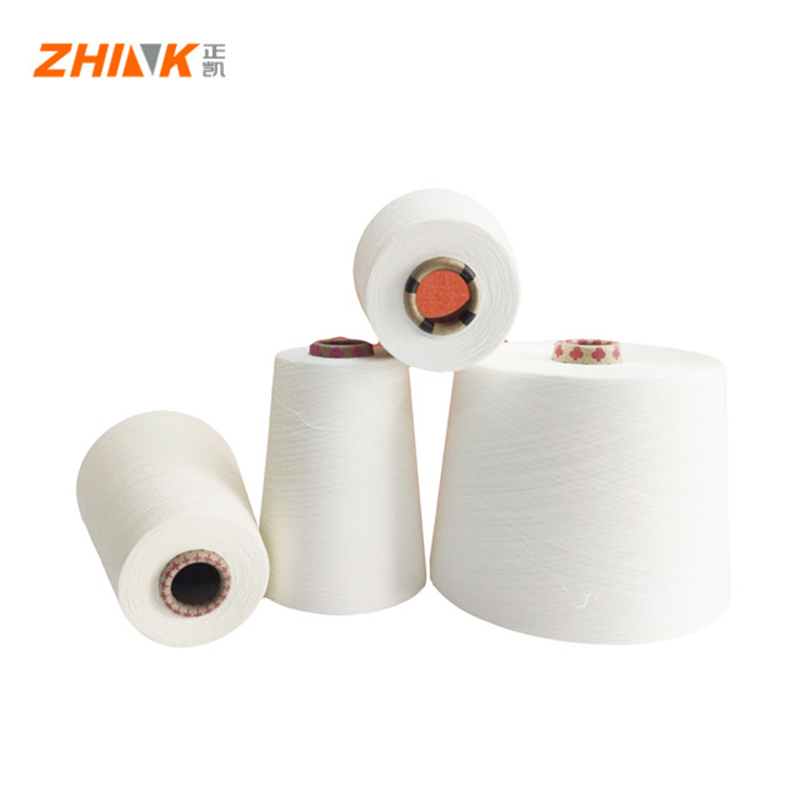
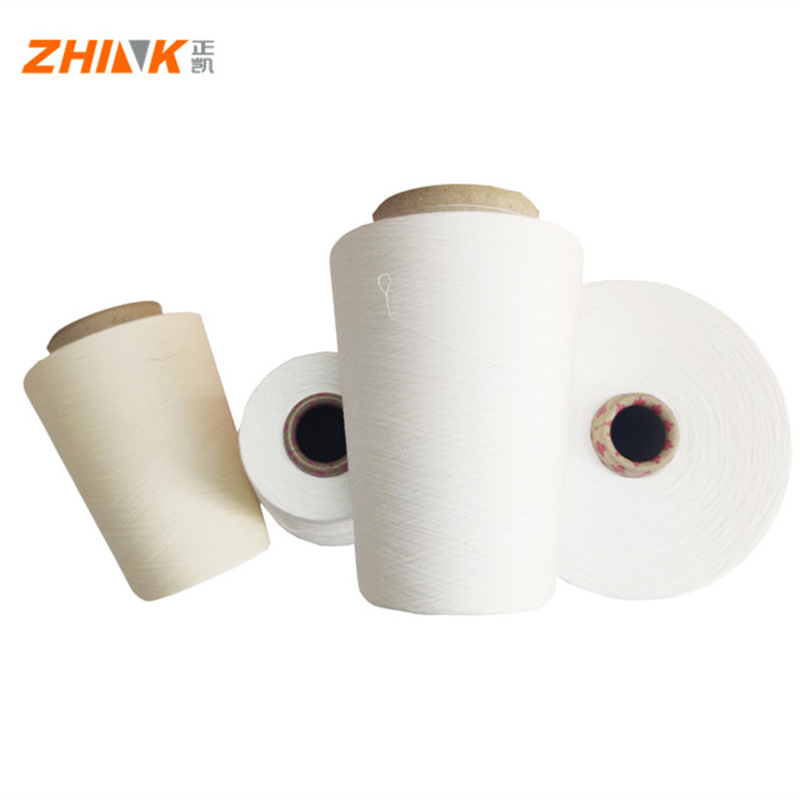
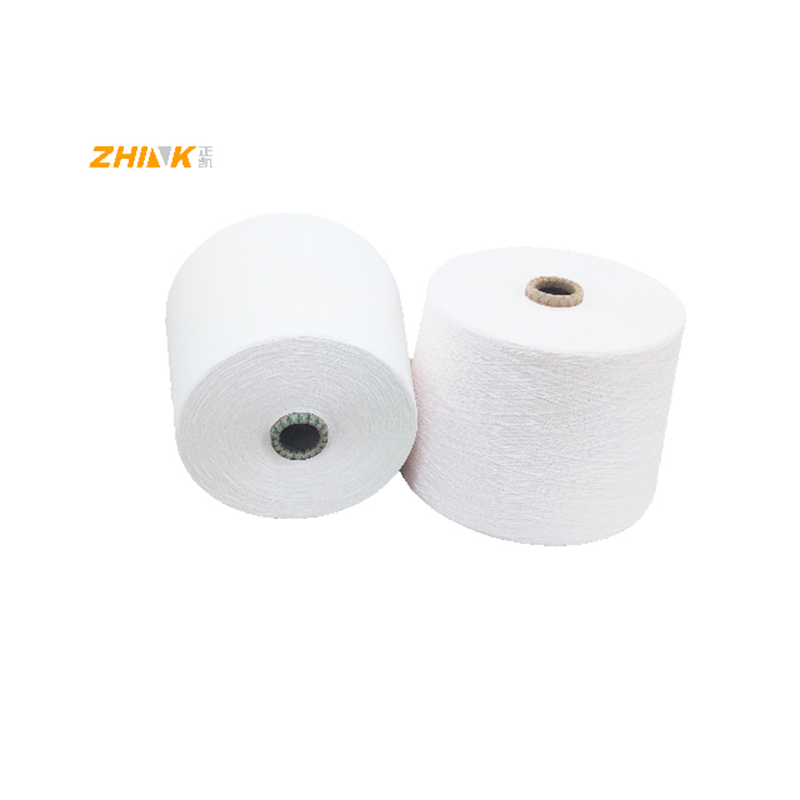
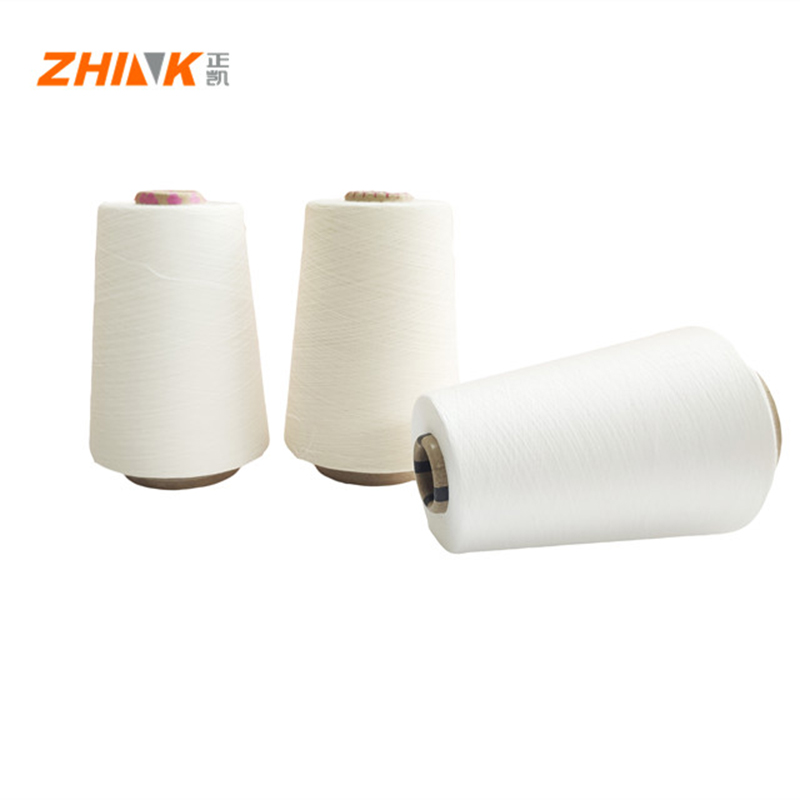
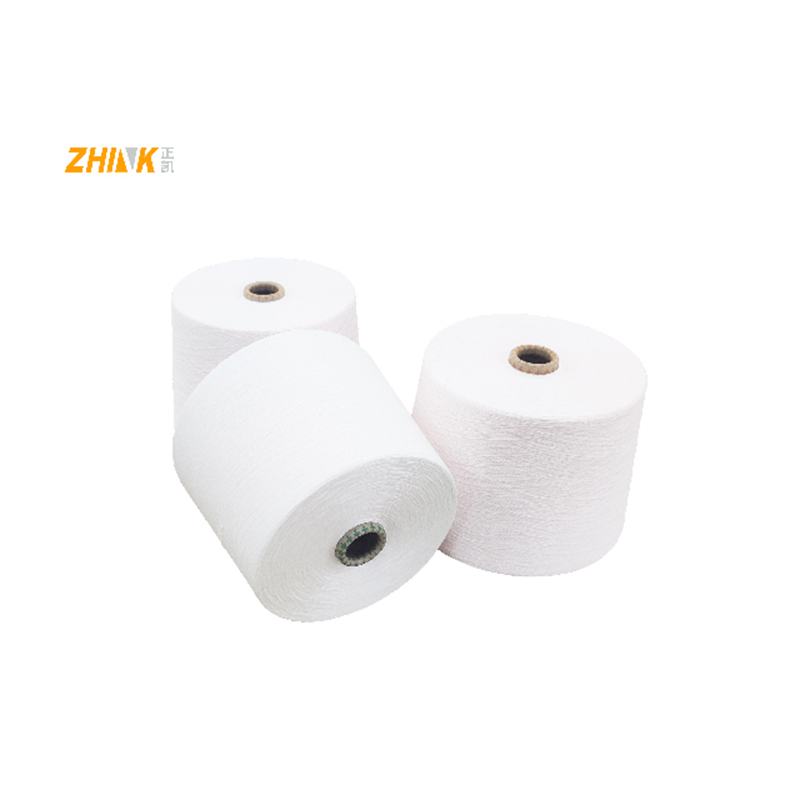
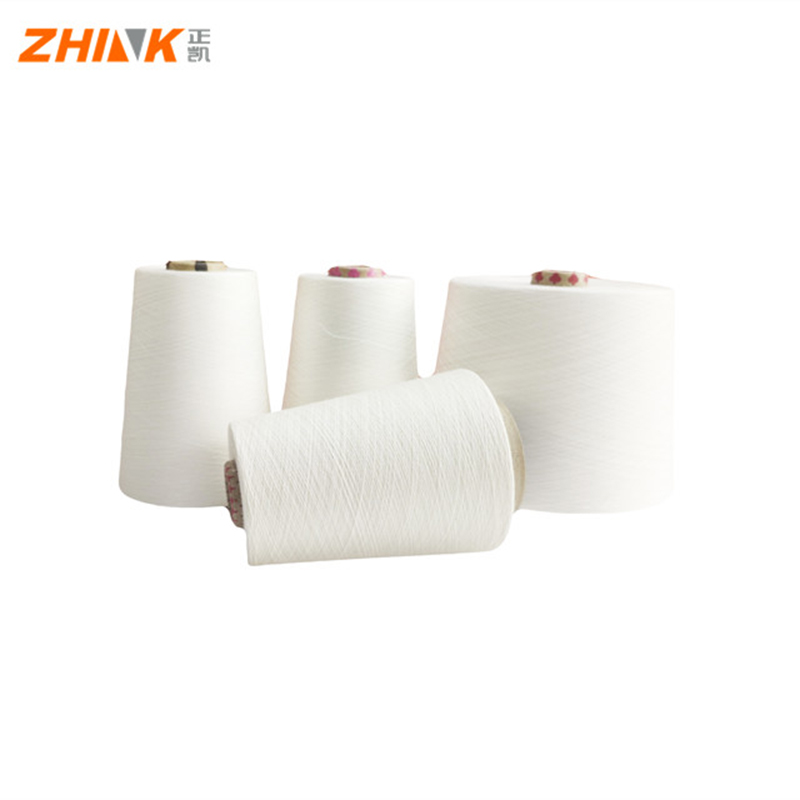
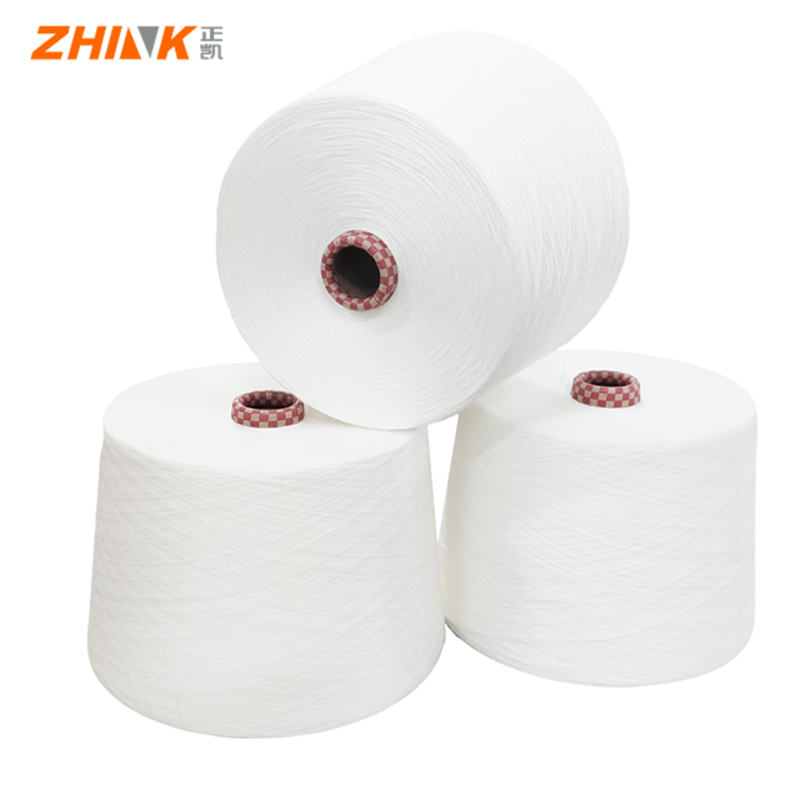
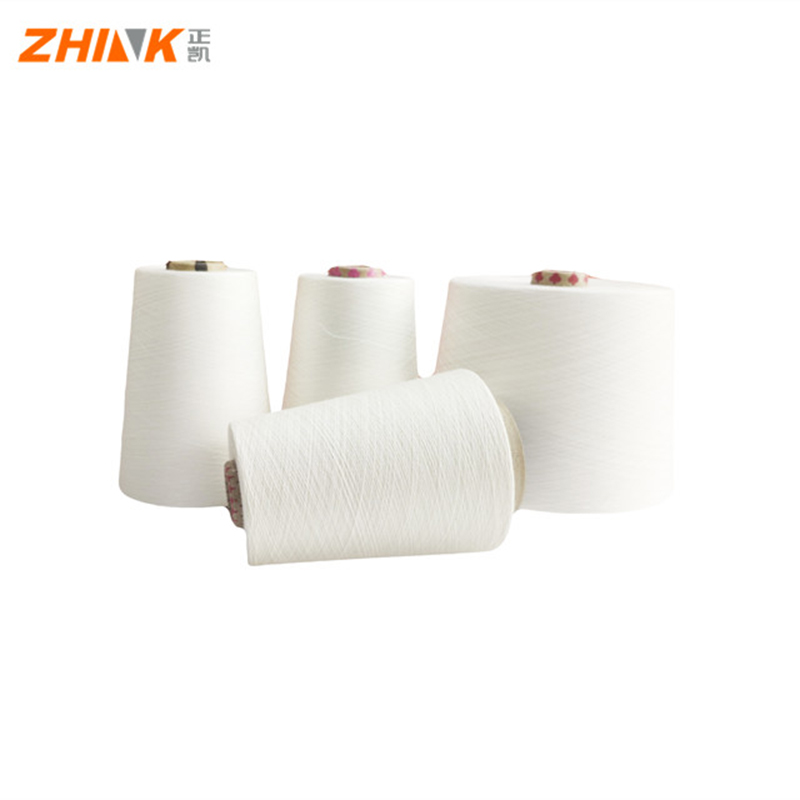
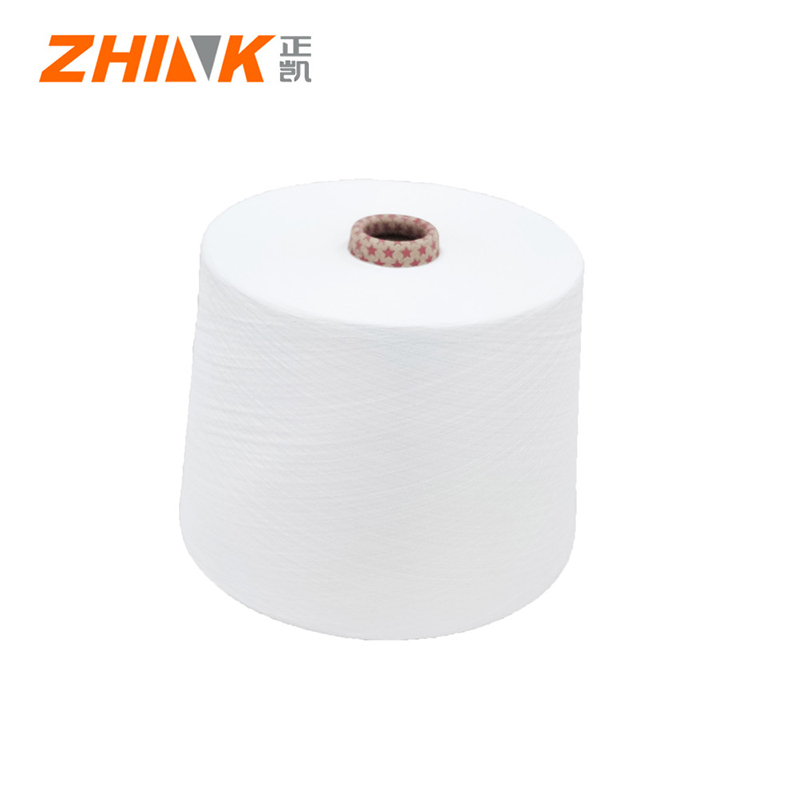
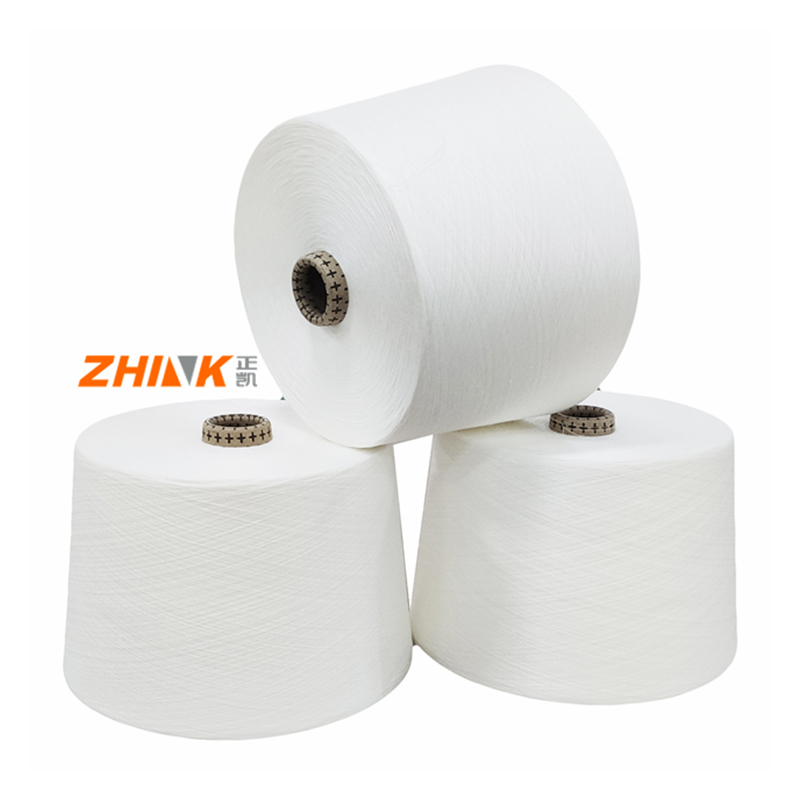
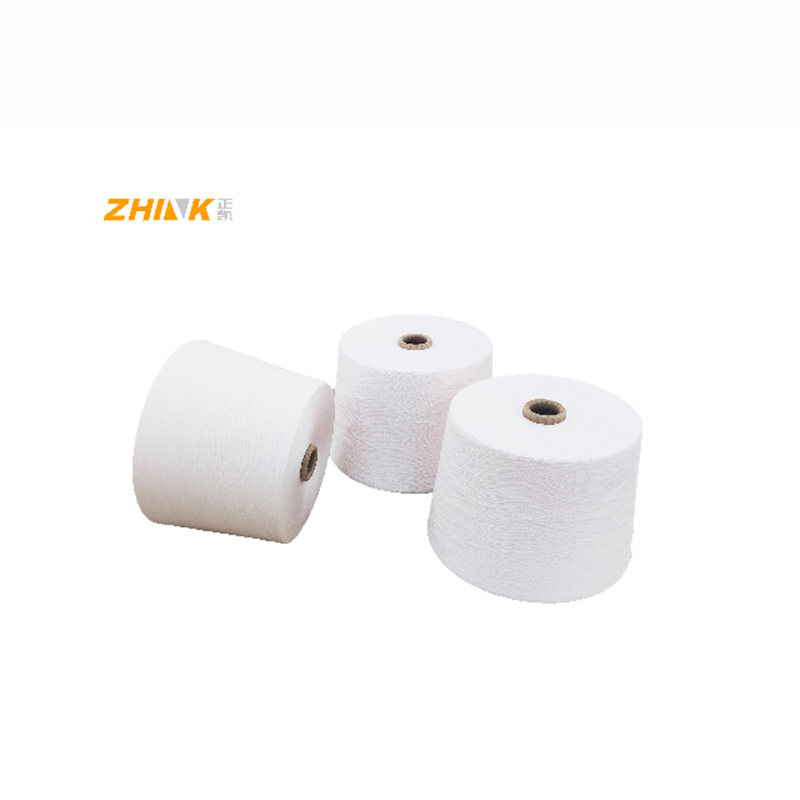
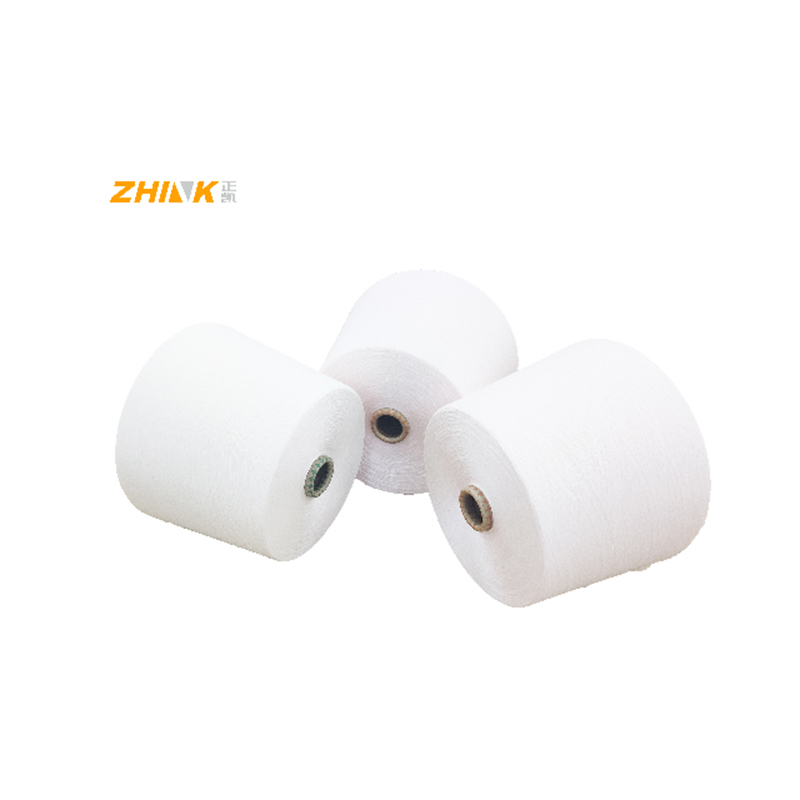
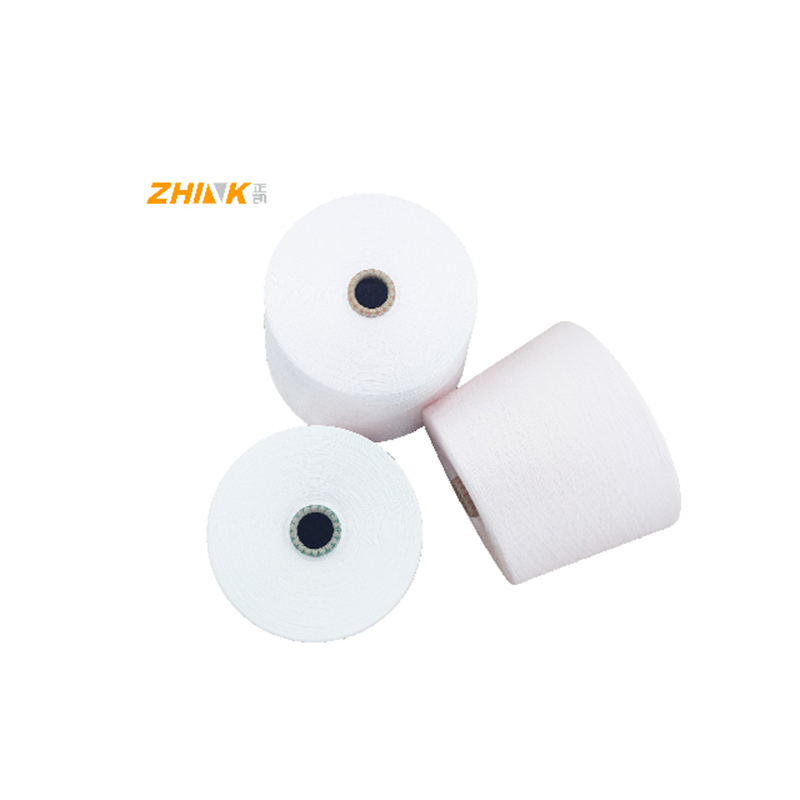
Solid acrylic/viscose 50/50 yarn
The Versatility of Solid Acrylic/Viscose 50/50 Yarn in Textiles
Solid acrylic/viscose 50/50 yarn is a blend that has quietly taken its place among essential textile materials. While it might not boast the luxury status of silk or the ubiquitous presence of cotton, its unique characteristics make it a staple for practical and innovative applications. Whether you’re in fashion design or textile manufacturing, understanding this yarn's potential can spark creativity and functionality in your projects.
Understanding the Blend: Acrylic and Viscose
When we talk about a 50/50 yarn blend of acrylic and viscose, we’re discussing a combination that leverages the best properties of both fibers. Acrylic is known for its durability and warmth, often mimicking wool but without some of the associated drawbacks like itchiness. Viscose, derived from cellulose, brings a silk-like feel, excellent drape, and vibrant coloration to the table.
In practice, this blend capitalizes on these assets. I've seen designers choose it for knitwear and versatile garments that need to balance comfort and longevity. The challenge, however, lies in maintaining those desirable surface qualities while ensuring the structural integrity over repeated use.
More than once, colleagues and I have spotted this blend’s ability to hold intense colors—something purely synthetic fibers sometimes struggle with. In a world where individuality often manifests through vibrant hues and patterns, its color retention is no small advantage.
Application in Everyday Wear
I remember when a small boutique I worked with decided to experiment with solid acrylic/viscose 50/50 yarn for their fall collection, incorporating it into sweaters and scarves. The results were well-received, not just for the comfort and warmth—the yarn's weight is just right for transitional seasons—but also for the easy maintenance. With proper care, products manufactured from this blend retain their shape and vibrancy.
Using this yarn also offered insight into the practicalities of production. There were initial hesitations about combining fibers with different properties—how would they react to industrial washing and finishing? These are valid concerns. We found that understanding textile production nuances and precise machinery settings were key to avoiding pitfalls.
Such firsthand experiences demonstrate that despite any manufacturing challenges, the benefits often outweigh the risks, especially when supported by a knowledgeable team like that at SHANDONG ZHINK NEW MATERIAL CO., LTD, known for their expertise in textile innovation.
Challenges and Solutions in Production
It’s not uncommon to hit a snag when working with blended yarns, and the acrylic/viscose combination is no exception. I've observed production lines and noticed that maintaining tension and correctly setting temperatures during processing can be tricky. Failure in this can lead to an uneven texture or even damage the fibers.
However, companies like Zhink New Material are pioneering solutions by investing in advanced machinery and ongoing research. They meticulously fine-tune their processes to ensure the qualities of both acrylic and viscose are preserved, resulting in a superior end product.
Their insights have been instrumental in enhancing our collective understanding of how to handle this blend, showcasing how industry dedication to innovation can bridge the gap between a material's potential and practical application.
Market Trends and Consumer Preferences
In recent years, there’s been a noticeable shift towards material blends like solid acrylic/viscose 50/50 yarn. This shift aligns closely with a consumer base increasingly aware of comfort, sustainability, and versatility in fashion.
From observing market trends, it's clear that consumers appreciate garments that perform well under various conditions—think warmth without bulk, comfort without weight. This blend’s ability to meet these demands has sparked increased interest from both established brands and emerging designers.
This trend is encouraging news for producers, pushing them to explore and expand their offerings, thus keeping pace with evolving consumer expectations. SHANDONG ZHINK NEW MATERIAL CO., LTD's https://www.zhinkyarn.com showcases how a focus on research and development taps directly into these market needs.
Conclusion: The Path Forward
In conclusion, solid acrylic/viscose 50/50 yarn isn't just a blend of fibers; it’s a fusion of benefits that meet the complex demands of today’s textile industry. Whether you're designing for practicality, aesthetic, or both, this yarn offers a reliable foundation.
Of course, understanding its makeup and handling remains essential. Standing out in the textile market requires innovation and dedication to quality—traits exemplified by companies like SHANDONG ZHINK NEW MATERIAL CO., LTD. Their approach serves as a reminder that continuous learning and adaptation are key to unlocking a material's full potential.
Ultimately, embracing this versatile blend can lead to creations that resonate, functionally and fashionably, with consumers across the globe.
Related Products
Related Products