+86-632-3621866
- Chinese
- French
- German
- Portuguese
- Spanish
- Russian
- Japanese
- Korean
- Arabic
- Irish
- Greek
- Turkish
- Italian
- Danish
- Romanian
- Indonesian
- Czech
- Afrikaans
- Swedish
- Polish
- Basque
- Catalan
- Esperanto
- Hindi
- Lao
- Albanian
- Amharic
- Armenian
- Azerbaijani
- Belarusian
- Bengali
- Bosnian
- Bulgarian
- Cebuano
- Chichewa
- Corsican
- Croatian
- Dutch
- Estonian
- Filipino
- Finnish
- Frisian
- Galician
- Georgian
- Gujarati
- Haitian
- Hausa
- Hawaiian
- Hebrew
- Hmong
- Hungarian
- Icelandic
- Igbo
- Javanese
- Kannada
- Kazakh
- Khmer
- Kurdish
- Kyrgyz
- Latin
- Latvian
- Lithuanian
- Luxembou..
- Macedonian
- Malagasy
- Malay
- Malayalam
- Maltese
- Maori
- Marathi
- Mongolian
- Burmese
- Nepali
- Norwegian
- Pashto
- Persian
- Punjabi
- Serbian
- Sesotho
- Sinhala
- Slovak
- Slovenian
- Somali
- Samoan
- Scots Gaelic
- Shona
- Sindhi
- Sundanese
- Swahili
- Tajik
- Tamil
- Telugu
- Thai
- Ukrainian
- Urdu
- Uzbek
- Vietnamese
- Welsh
- Xhosa
- Yiddish
- Yoruba
- Zulu
- Kinyarwanda
- Tatar
- Oriya
- Turkmen
- Uyghur



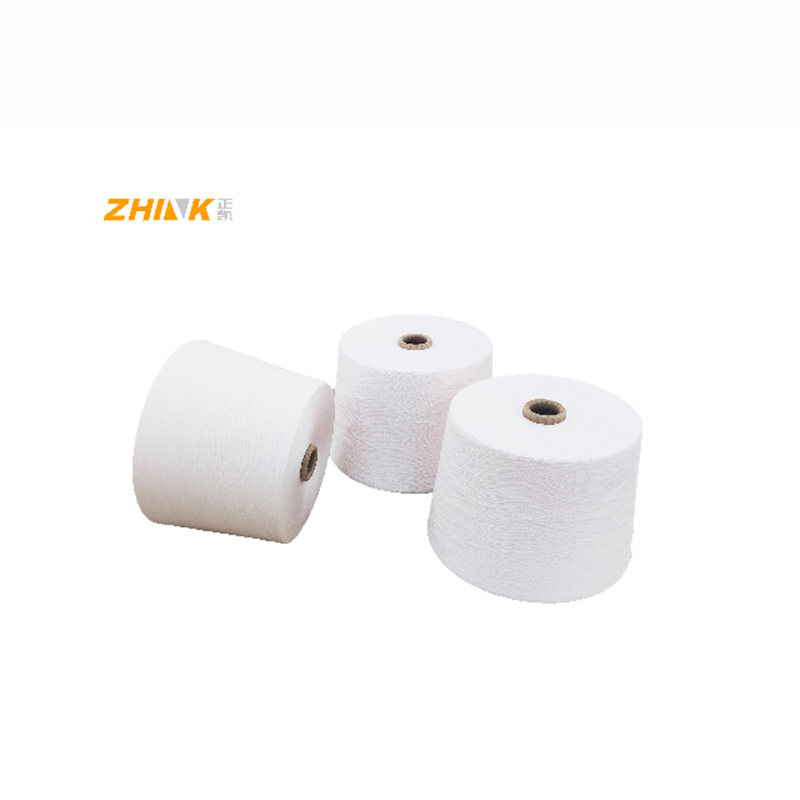
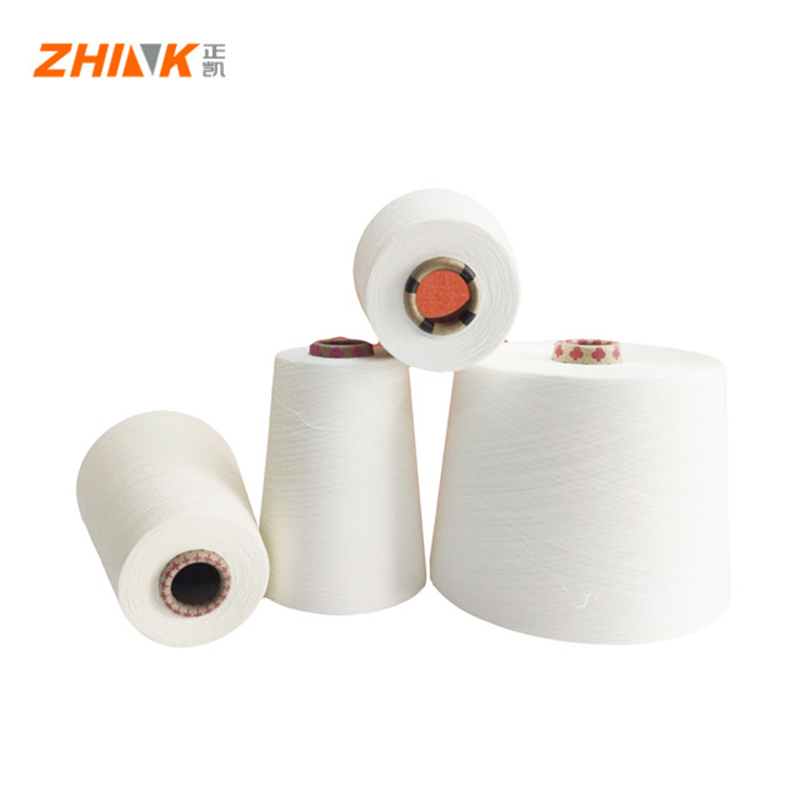
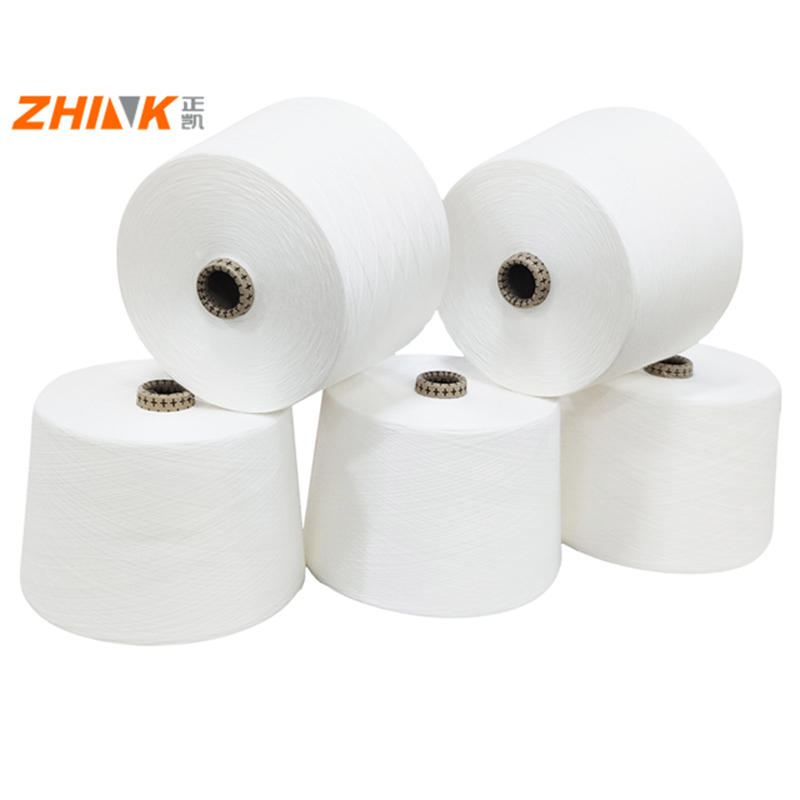
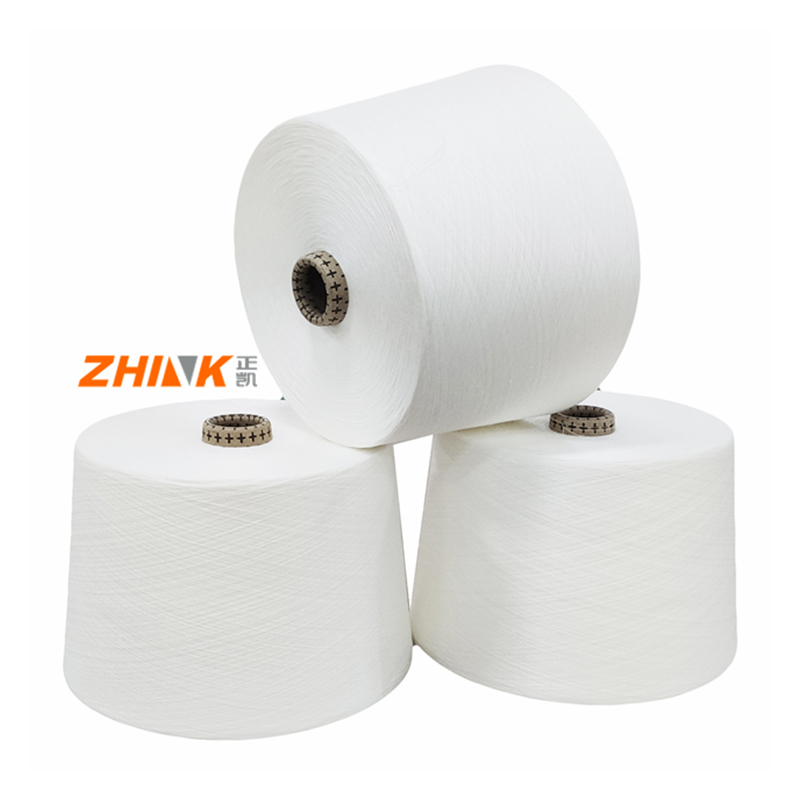
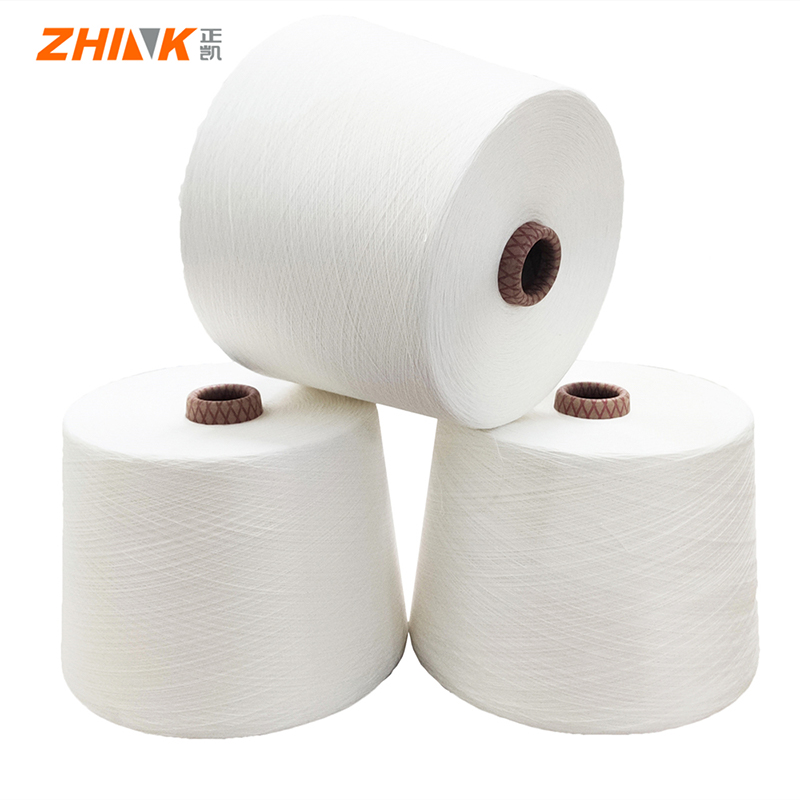
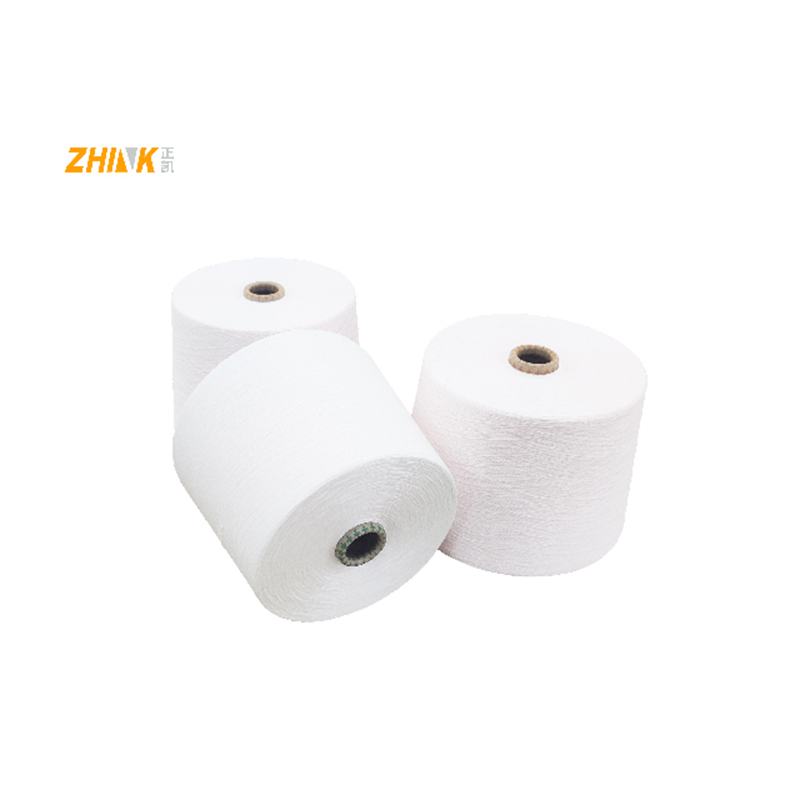
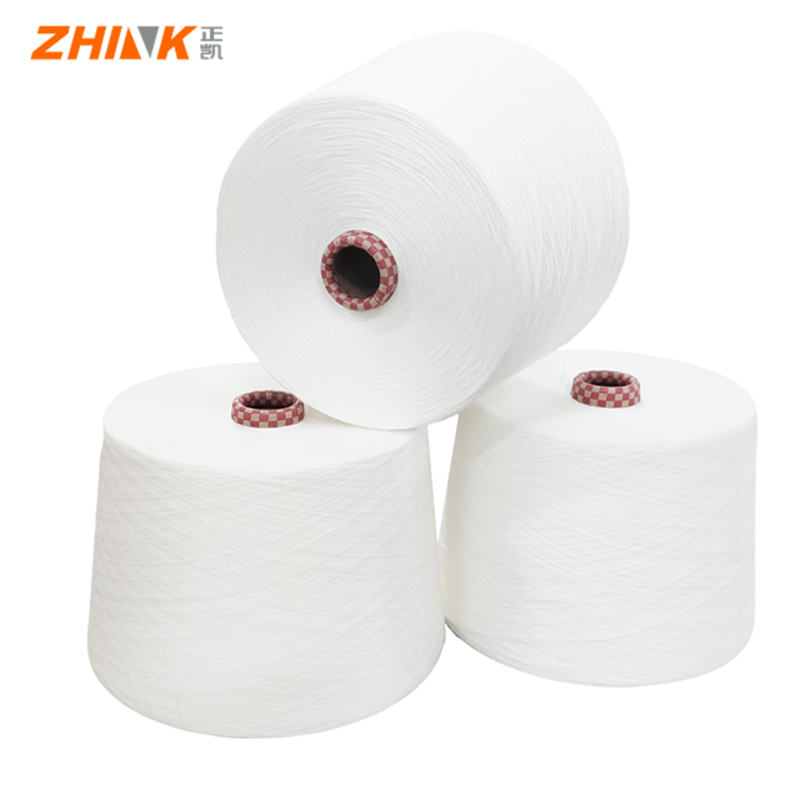
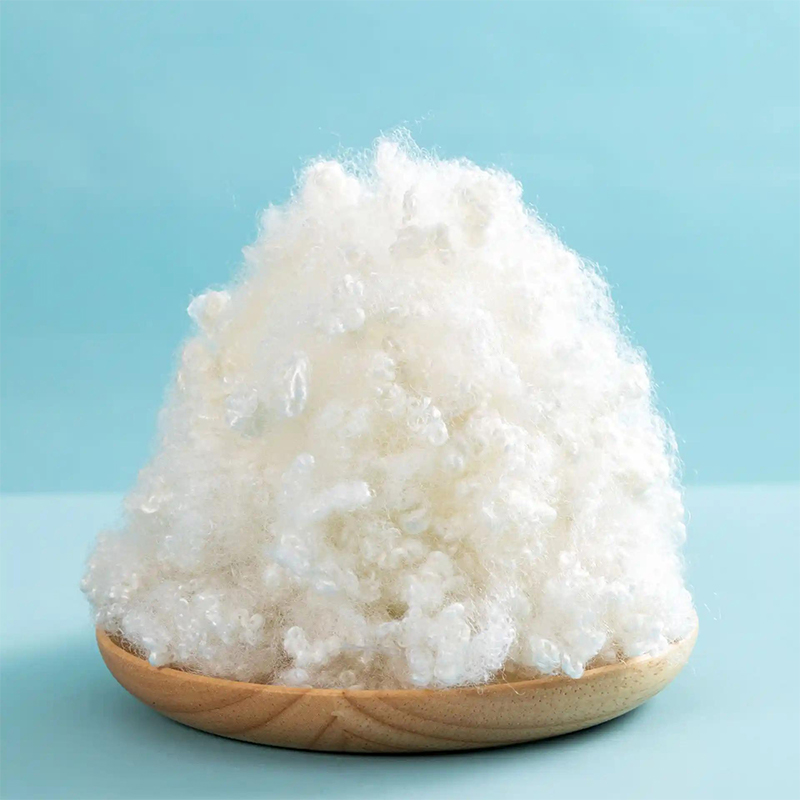
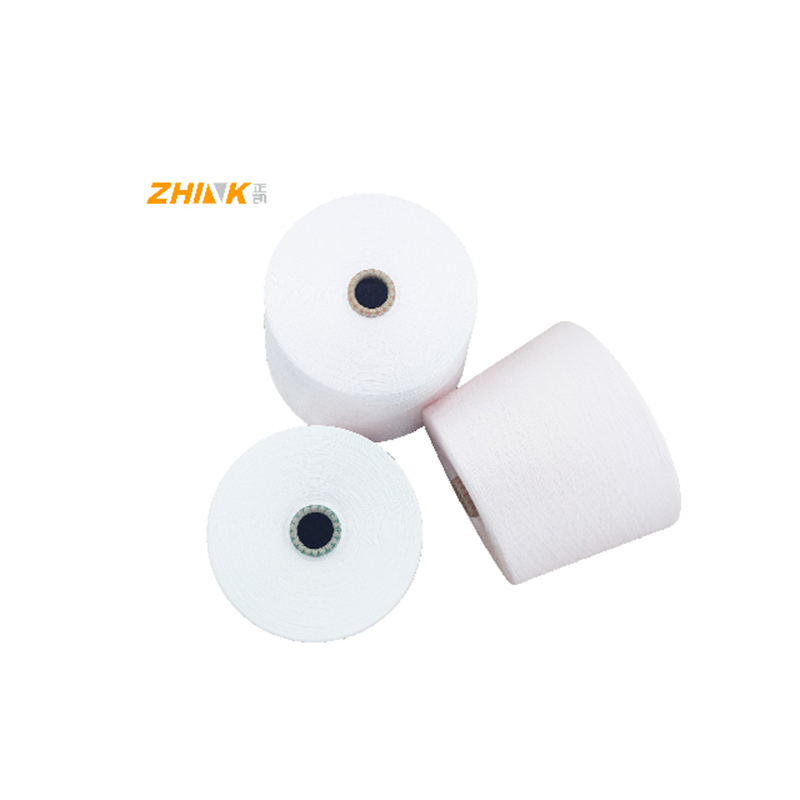
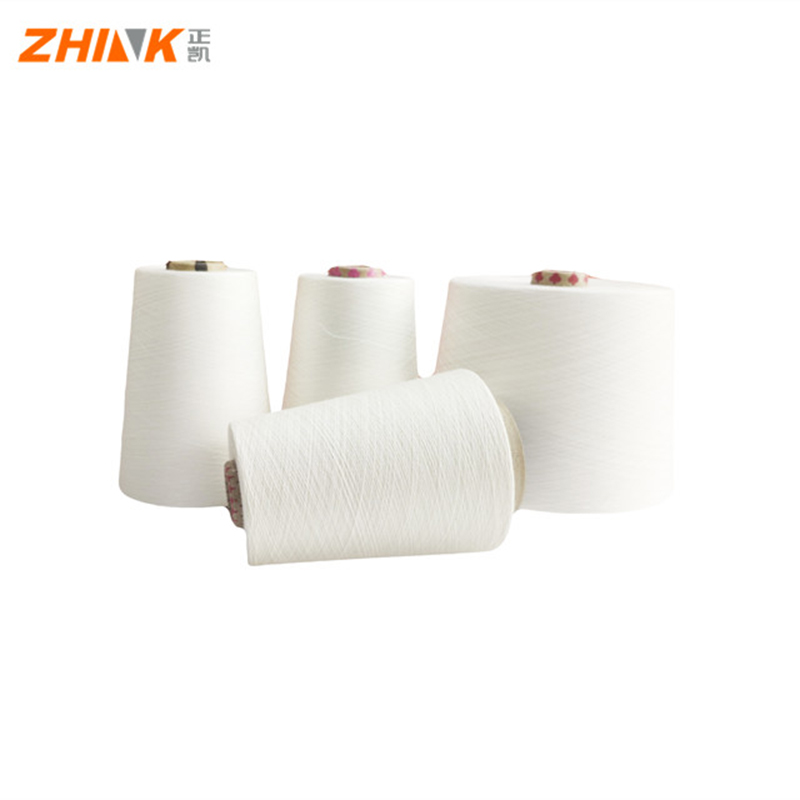
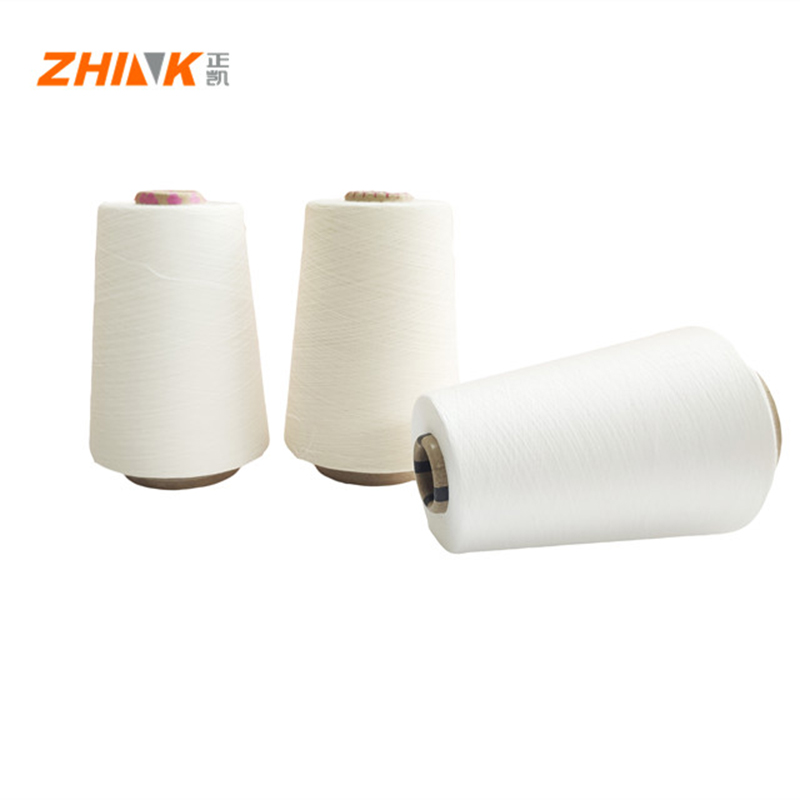
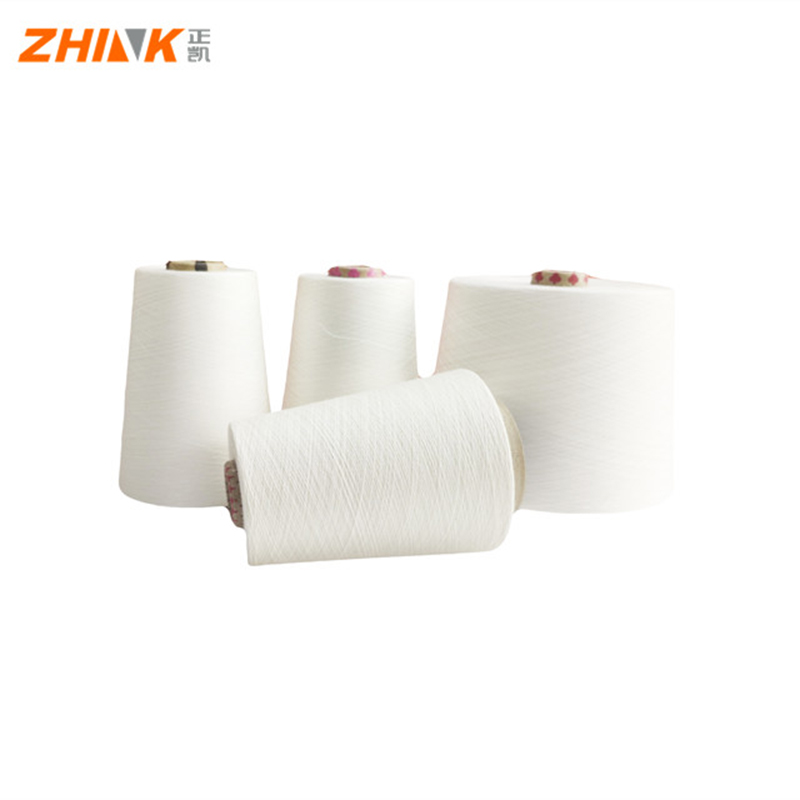
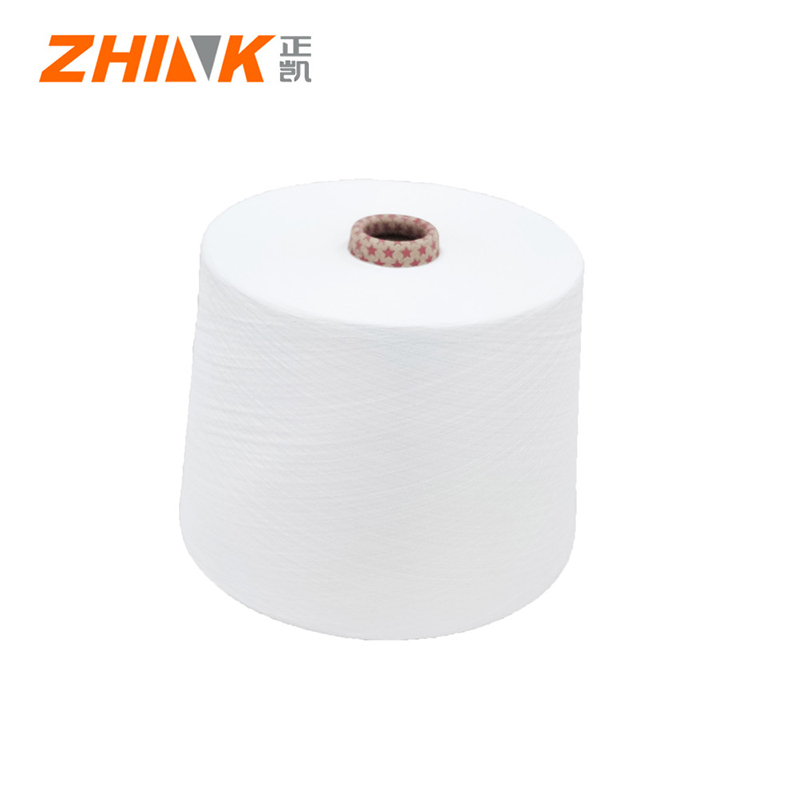
Solid acrylic /viscose blended yarn
Understanding Solid Acrylic/Vicose Blended Yarn
When it comes to solid acrylic/viscose blended yarn, there's often confusion about what it really entails and its best applications. While it's popular, misconceptions persist, especially around its durability and versatility. Let's delve into this fascinating blend, exploring its strengths and potential pitfalls.
The Basics of Blended Yarns
Blended yarns, like solid acrylic/viscose, combine various fibers to capitalize on their respective strengths. Acrylic offers resilience and warmth, while viscose adds sheen and breathability. This balance makes them suitable for a myriad of applications in fashion and home textiles. However, it’s not a miracle solution for every project.
One critical aspect is understanding the fiber composition ratio. A higher acrylic content provides durability and elasticity, but may compromise the yarn’s drape and softness. Conversely, more viscose yields a softer, more elegant fabric, yet might affect longevity. Balancing these elements is crucial for achieving the desired outcome.
Beyond basic composition, processing techniques also influence the final product. Attention to detail in spinning ensures consistency, while dyeing impacts colorfastness. Companies like SHANDONG ZHINK NEW MATERIAL CO., LTD, which specializes in innovative textiles, can play a pivotal role here. They fuse advanced R&D with practical manufacturing, as seen on their website, zhinkyarn.com.
Applications of Acrylic/Viscose Blends
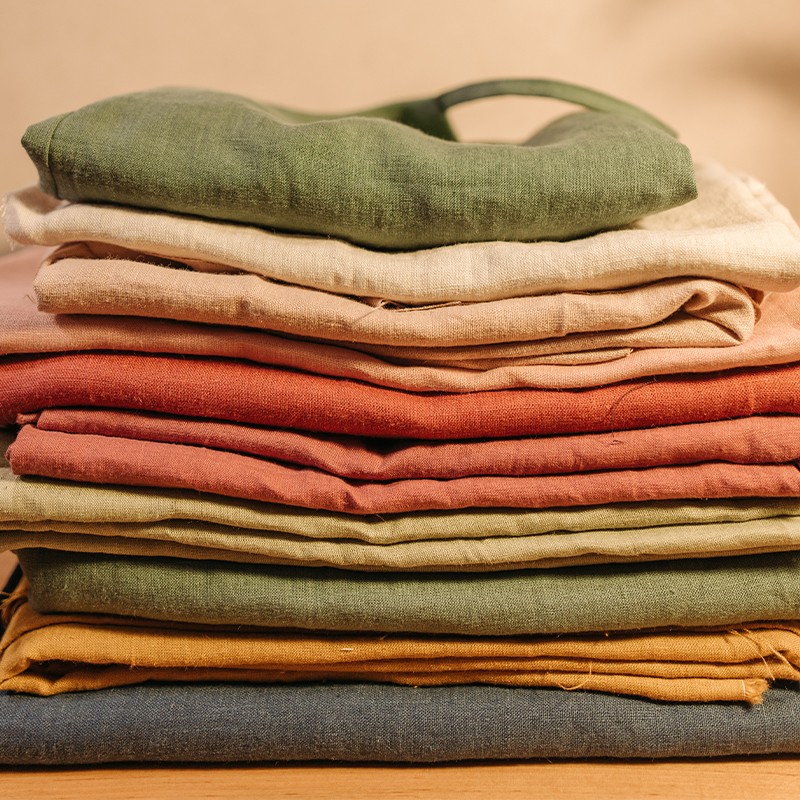
The flexibility of these blends makes them a favorite in producing knitwear, scarves, and lightweight sweaters. Their capability to imitate the feel of natural fibers while maintaining enhanced durability is a key selling point.
In practical terms, these yarns work well in climates that demand both warmth and breathability. They're excellent for crafting garments that transition between seasons. Yet, not every project benefits. For example, high-friction wearables might show pilling over time due to the acrylic component.
Interestingly, solid acrylic/viscose blended yarn has found its way into home furnishings like cushion covers and throws. The blend's durability paired with attractive aesthetics pleases both manufacturers and consumers alike. However, these applications require mindful care to retain their appeal.
Challenges and Missteps
Despite their versatility, these yarns are not without challenges. Care instructions are vital; improper washing can lead to felting or distortion. Sizing is another consideration—predicting shrinkage can be tricky, especially if the blend leans heavily on viscose.
Experimenting with dye can be a double-edged sword. While acrylic and viscose both take dye well, differences in uptake can result in uneven coloring if not managed correctly. Manufacturers like Zhink New Material are adept at navigating these quirks, ensuring quality and consistency.
There’s also the issue of cost vs. benefit. While beneficial for mid-budget markets, these blends might not offer the premium feel sought in high-end fashion. Still, their value in cost-effective, everyday garments remains significant.
Refinements in Blended Yarn Production
Another interesting facet is innovation within the field of blended yarns. By leveraging cutting-edge technology, companies are refining spinning processes to enhance feel and performance. Understanding customer needs is fundamental here.
This refinement isn’t just technical. Marketing plays a role, especially in distinguishing these blends from their pure fiber counterparts. Their story—balancing luxury with practicality—resonates strongly when communicated effectively.
Companies like SHANDONG ZHINK NEW MATERIAL CO., LTD are at the forefront, integrating consumer feedback with technical prowess. Their commitment to evolving yarn standards is evident in their operations and offerings.
The Future of Solid Acrylic/Viscose Yarns
The eco-conscious movement is shaping the future of textile manufacturing, and blends are no exception. As sustainability becomes central, innovations in environmentally friendly production processes will gain prominence.
Recycled fibers and advanced dyeing techniques might soon become standard, reinforcing the appeal of these versatile yarns in a greener market. For manufacturers like Zhink New Material, leading such change represents not just an opportunity but a necessity.
In summary, while solid acrylic/viscose blended yarn is complex and sometimes unpredictable, its potential remains undeniable. Navigating its intricacies with expertise and care can transform challenges into innovations, maintaining its status as a staple in textile production.
Related Products
Related Products