+86-632-3621866
- Chinese
- French
- German
- Portuguese
- Spanish
- Russian
- Japanese
- Korean
- Arabic
- Irish
- Greek
- Turkish
- Italian
- Danish
- Romanian
- Indonesian
- Czech
- Afrikaans
- Swedish
- Polish
- Basque
- Catalan
- Esperanto
- Hindi
- Lao
- Albanian
- Amharic
- Armenian
- Azerbaijani
- Belarusian
- Bengali
- Bosnian
- Bulgarian
- Cebuano
- Chichewa
- Corsican
- Croatian
- Dutch
- Estonian
- Filipino
- Finnish
- Frisian
- Galician
- Georgian
- Gujarati
- Haitian
- Hausa
- Hawaiian
- Hebrew
- Hmong
- Hungarian
- Icelandic
- Igbo
- Javanese
- Kannada
- Kazakh
- Khmer
- Kurdish
- Kyrgyz
- Latin
- Latvian
- Lithuanian
- Luxembou..
- Macedonian
- Malagasy
- Malay
- Malayalam
- Maltese
- Maori
- Marathi
- Mongolian
- Burmese
- Nepali
- Norwegian
- Pashto
- Persian
- Punjabi
- Serbian
- Sesotho
- Sinhala
- Slovak
- Slovenian
- Somali
- Samoan
- Scots Gaelic
- Shona
- Sindhi
- Sundanese
- Swahili
- Tajik
- Tamil
- Telugu
- Thai
- Ukrainian
- Urdu
- Uzbek
- Vietnamese
- Welsh
- Xhosa
- Yiddish
- Yoruba
- Zulu
- Kinyarwanda
- Tatar
- Oriya
- Turkmen
- Uyghur



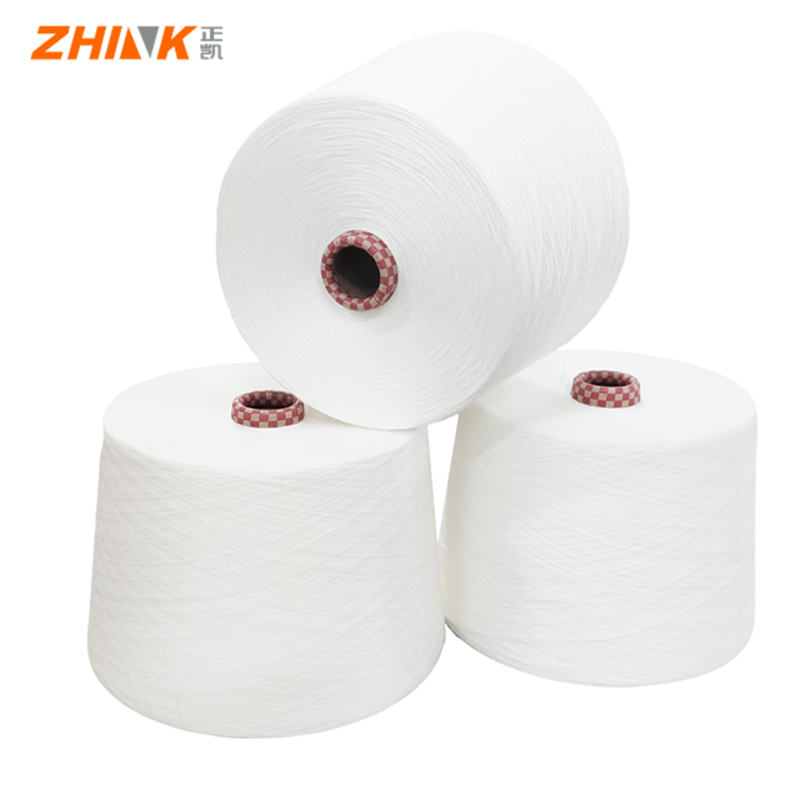
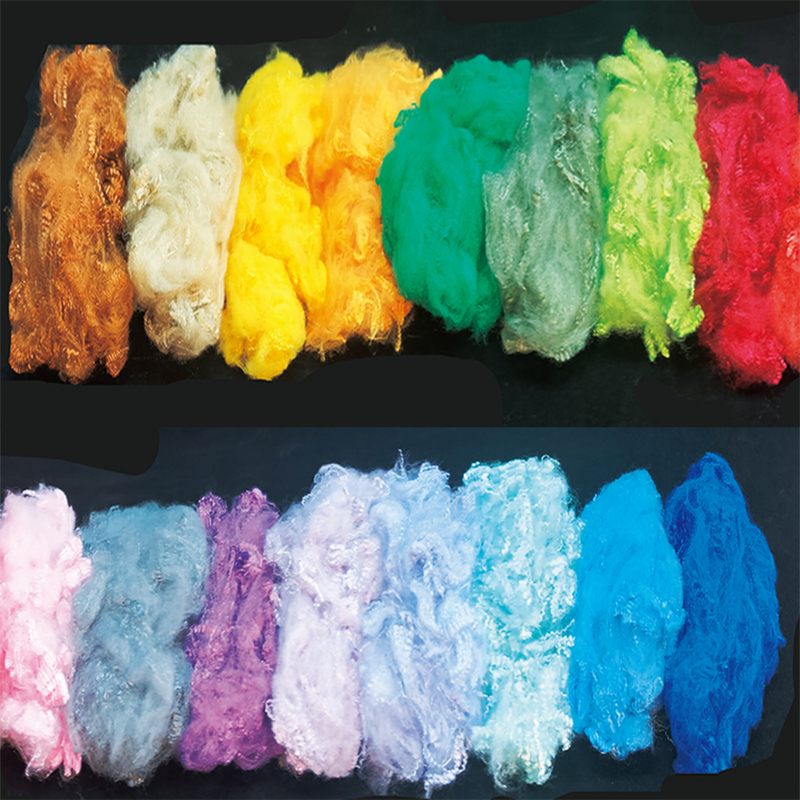
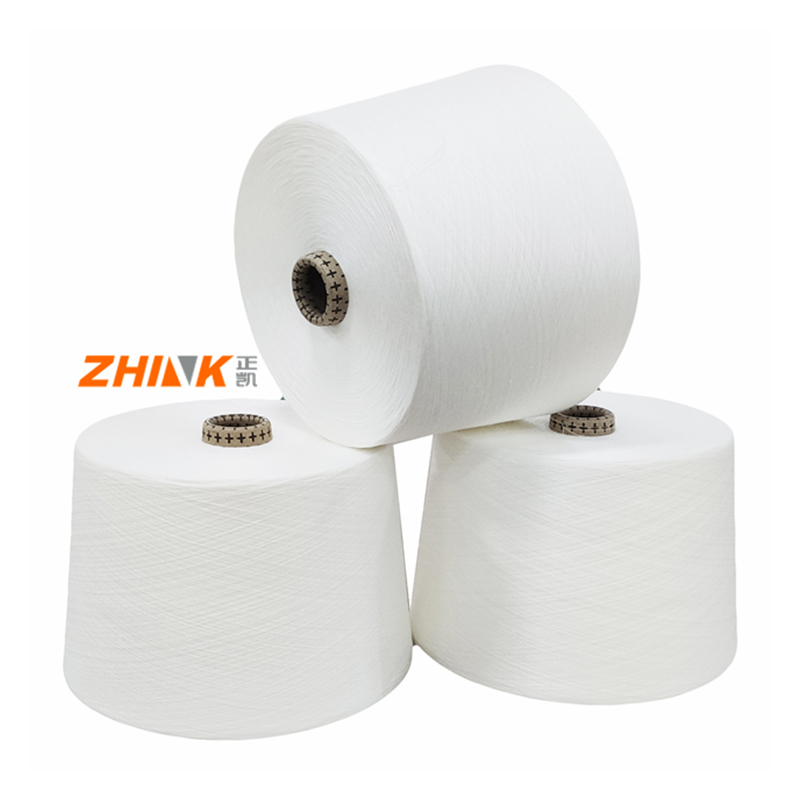
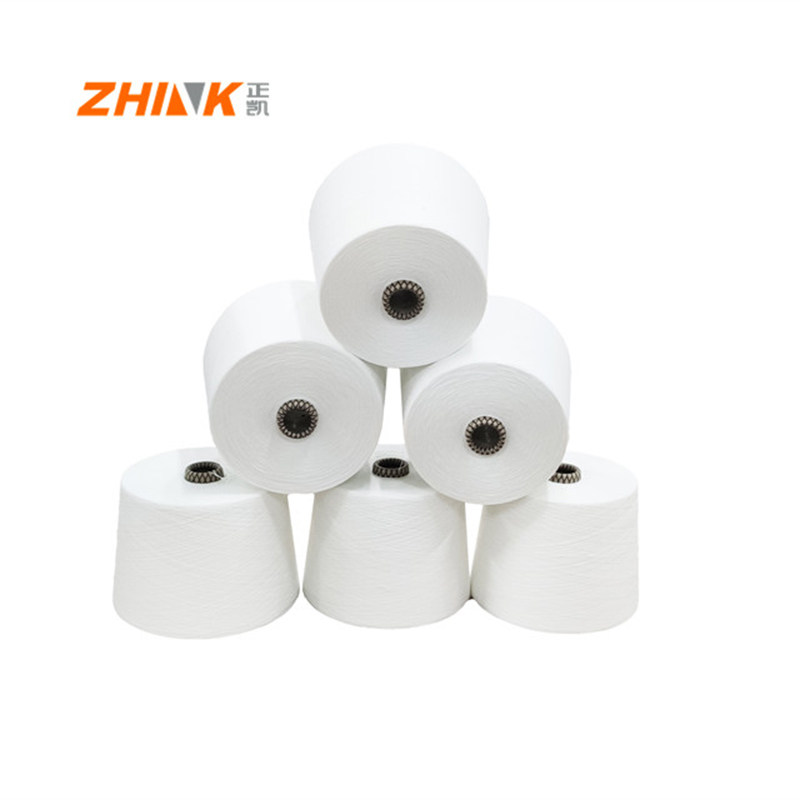
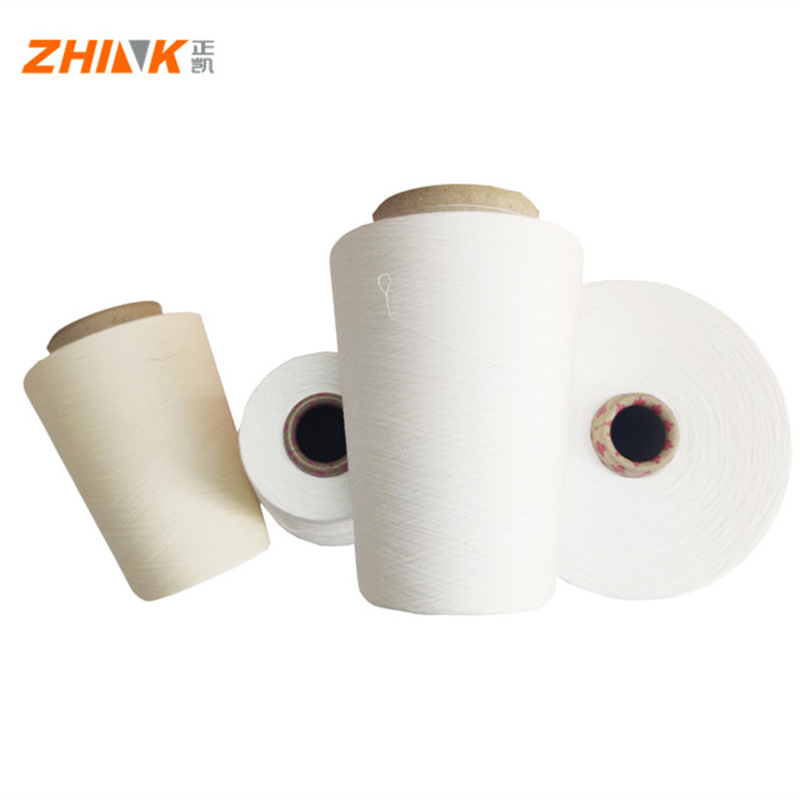
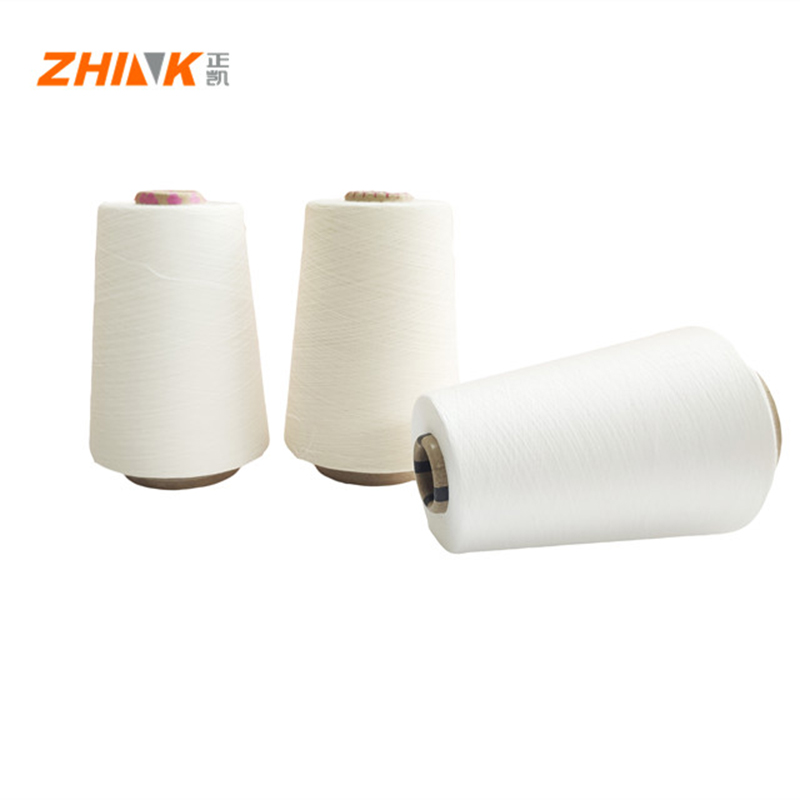
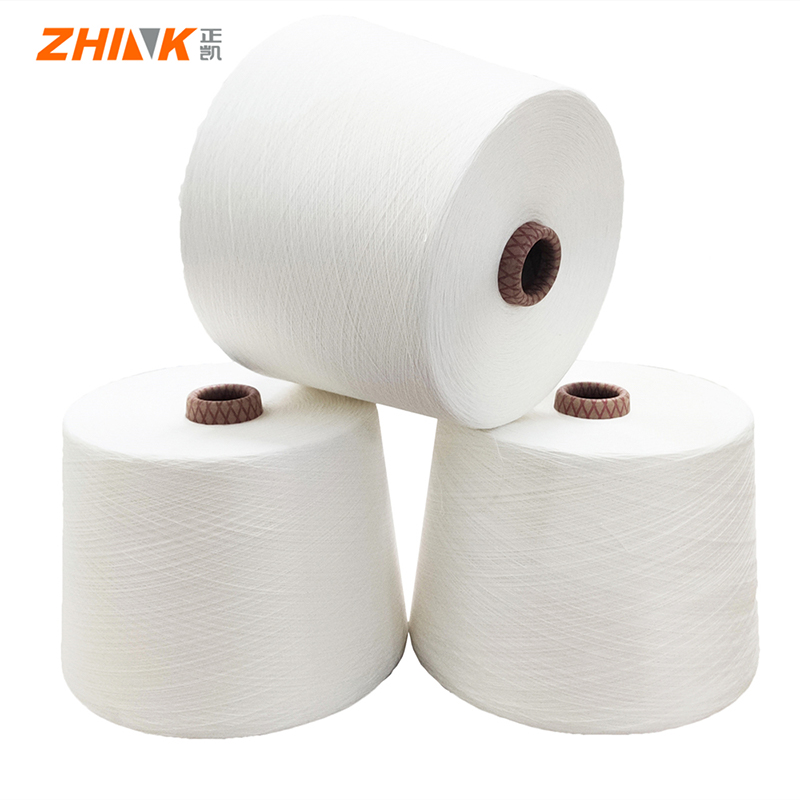
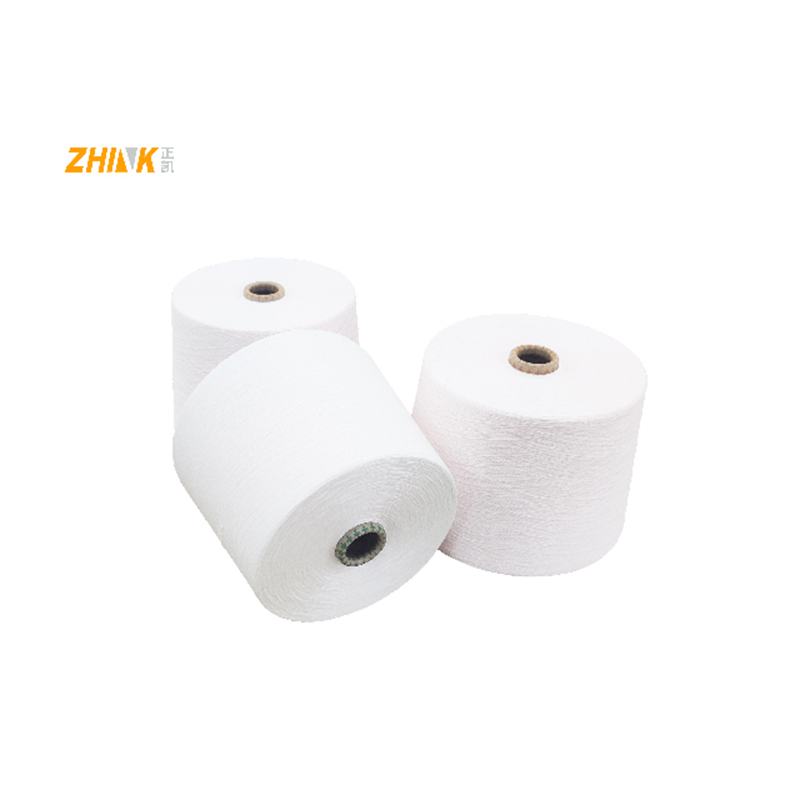
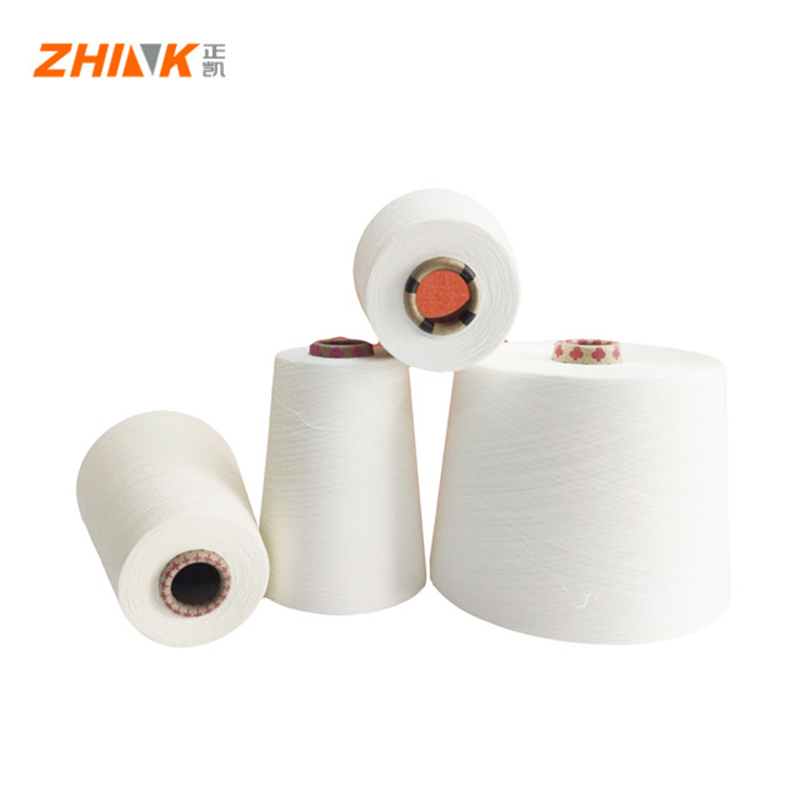
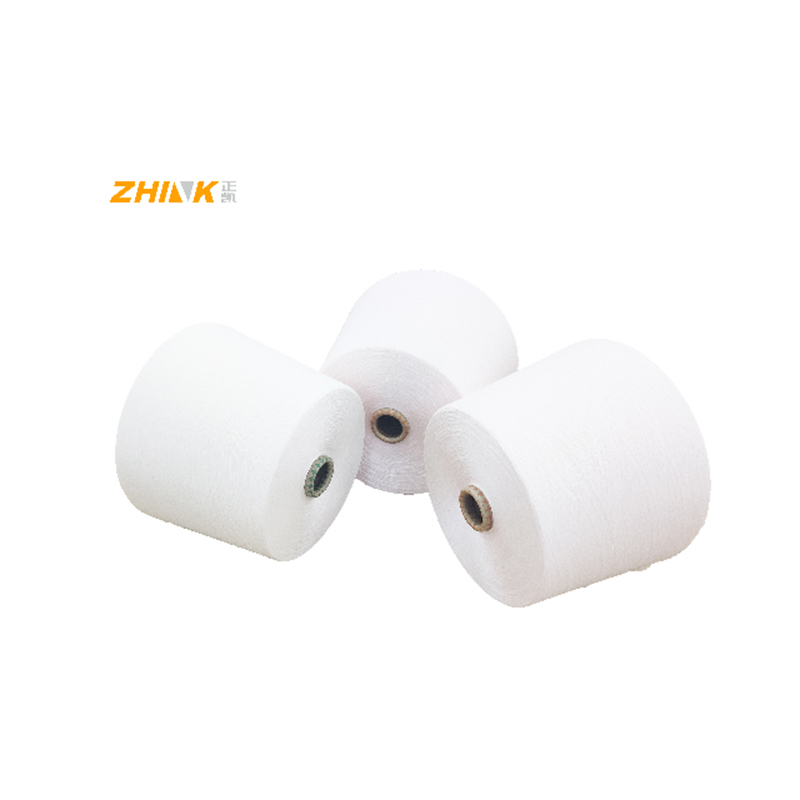
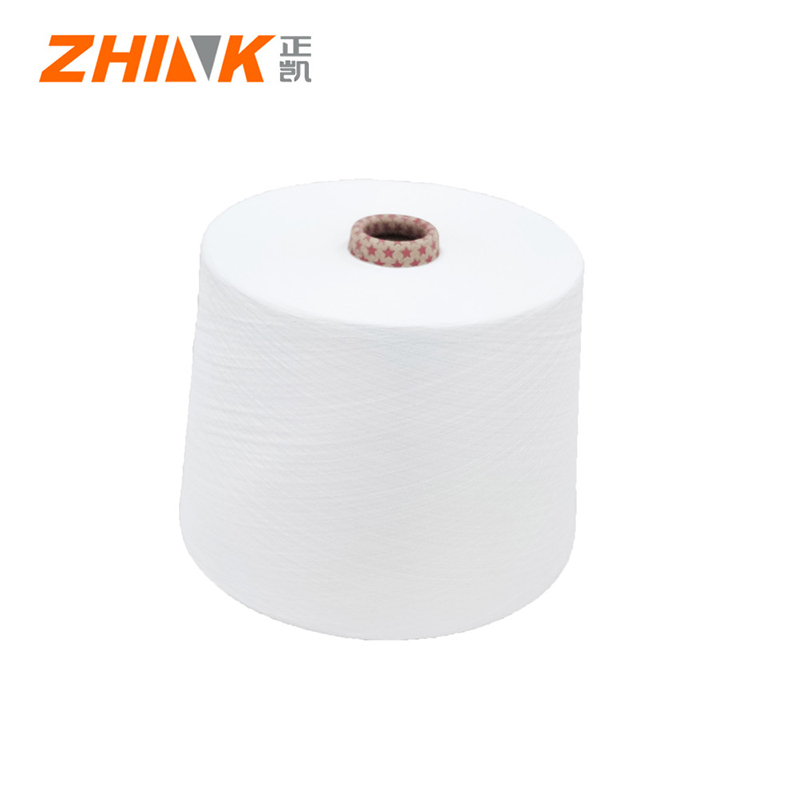
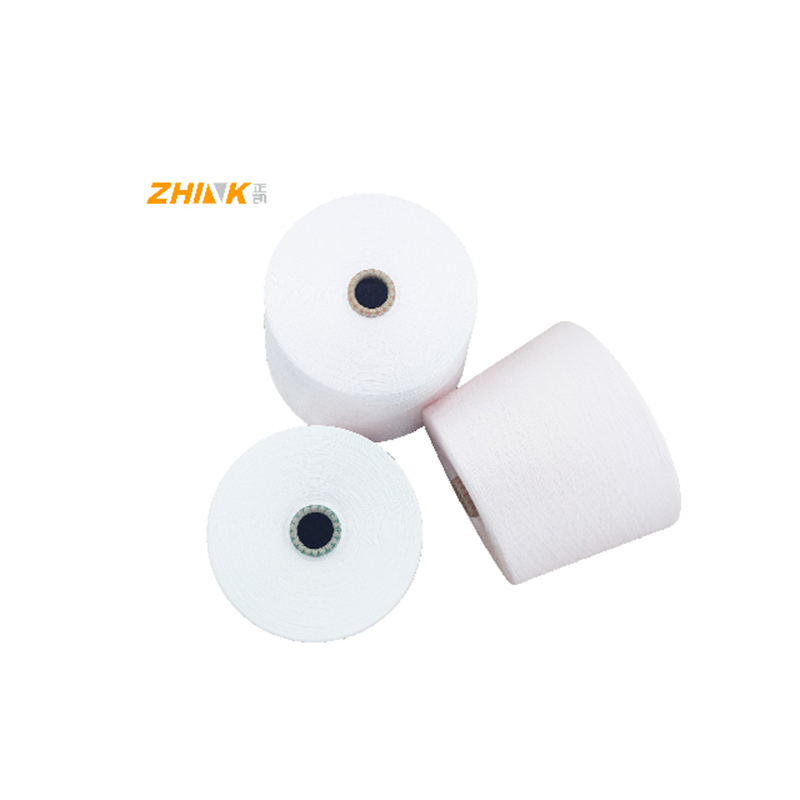
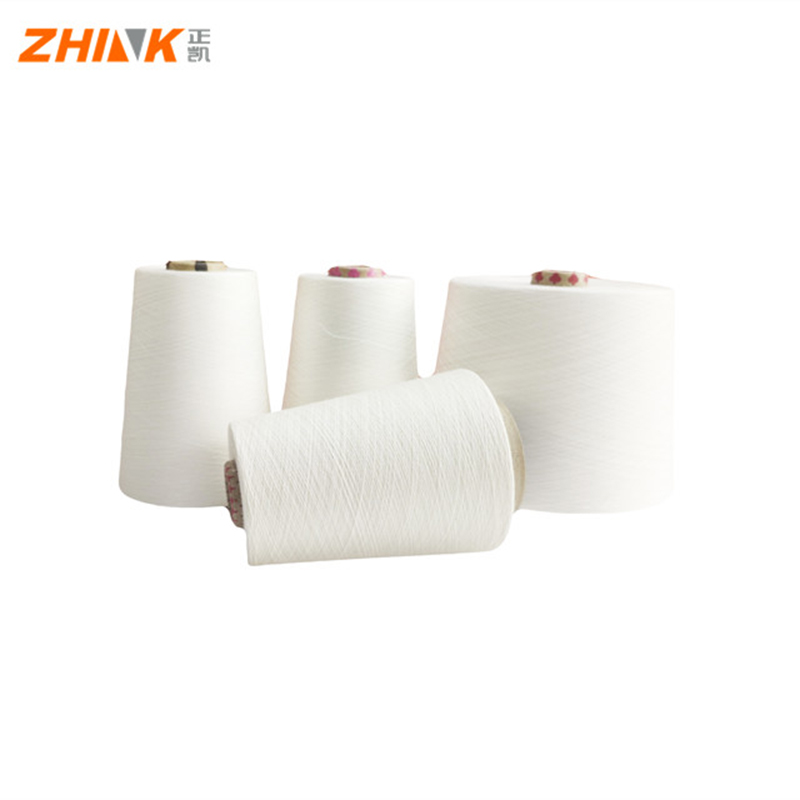
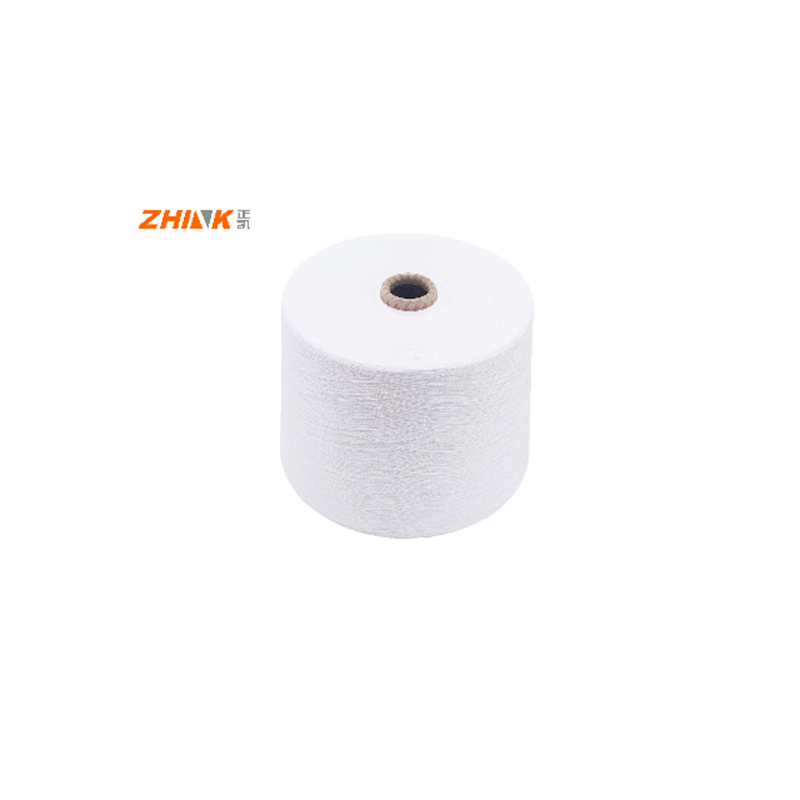
Solid acrylic/viscose mvs yarn
Diving into the World of Solid Acrylic/Viscose MVS Yarn
The realm of textile fibers can be intricate, but for those in the industry, understanding the nuances of materials like Solid acrylic/viscose MVS yarn is key. Often overshadowed by more mainstream fibers, these yarns have unique properties that serve specialized applications but are sometimes misunderstood. This article illuminates their characteristics, advantages, and practical applications.
Understanding MVS Yarn Composition
When we talk about Solid acrylic/viscose MVS yarn, a few things immediately stand out. First, the blend: acrylic fibers bring durability and resistance to the table, while viscose lends a natural feel and sheen. The combination is more than mere cohabitation of fibers; it's about mastering the balance between aesthetics and functionality. The MVS, or Murata Vortex Spinning, process adds another layer of complexity, producing yarns that boast greater uniformity and reduced hairiness.
From firsthand experience, achieving the right blend ratio is crucial. The synergy between acrylic and viscose can vary—sometimes even subtle tweaks in the mixing process can lead to significant differences in the final product. It’s not just about spinning; it’s a dance of temperature, humidity, and tenacity.
In practice, we often see applications in garments that require softness without sacrificing strength. The spinning technology used ensures that these yarns handle stress well, making them suitable for sportswear as well as elegant dresses.
Challenges in Production
Let’s not glaze over the challenges. Working with Solid acrylic/viscose MVS yarn sometimes feels like a chess game—many moves ahead need consideration. One persistent issue is achieving color consistency. Due to the different absorbency rates of acrylic and viscose, dyeing these yarns requires precision. A slight misstep can result in a blotchy appearance.
Moreover, the MVS process itself, while advantageous in many respects, demands a high level of technical know-how. Machines require regular calibration to maintain the ideal tension and twist levels. It’s a lesson learned the hard way for many in the industry, including those at SHANDONG ZHINK NEW MATERIAL CO., LTD.
A visit to their facility (more on https://www.zhinkyarn.com) reveals cutting-edge setups that epitomize the latest in spinning technology. Their focus on innovation helps mitigate many of the common issues faced during production.
The Market Dynamics
The market for these unique yarns is nuanced. On one hand, the versatility of Solid acrylic/viscose MVS yarn makes it an attractive choice for various sectors. On the other hand, the competition is fierce, with producers constantly innovating to offer something a bit different.
Interestingly, what makes one yarn preferable over another often comes down to personal relationships and past experiences with material failings. Those who've faced issues with yarn breakage tend to be more cautious and selective. In this light, supplier reliability becomes a defining factor, an aspect where Zhink New Material has excelled.
Their products are designed not just with utility in mind, but with an eye towards sustainability and environmental friendliness, capitalizing on the increasing demand for eco-conscious textile solutions.
Case Studies and Real-World Applications
Consider some real-world scenarios. In the production of outdoor apparel, where durability cannot be compromised, Solid acrylic/viscose MVS yarn shines. The materials withstand the elements without losing form or function, a critical characteristic for consumer satisfaction.
Another example is luxury home textiles. Here, the yarn's ability to hold vivid dyes makes it a favorite for creating visually striking products. The MVS process aids in reducing piling, maintaining the aesthetic appeal over time.
And let's not underestimate the role of such yarns in reducing overall production costs. While the yarns may be premium, the reduced need for touchups and product returns offers long-term savings in various manufacturing contexts.
Future Trends and Developments
What is the future holding for Solid acrylic/viscose MVS yarn? With technology continually evolving, the possibilities appear boundless. Currently, there’s much interest in enhancing the sustainability of these yarns further by incorporating recycled materials and improving biodegradability.
New research and development, possibly spearheaded by companies like Zhink New Material, aim to break new ground. As they focus on expanding their techniques and material bases (check out https://www.zhinkyarn.com), they pave the way for innovations that could redefine the industry standards.
In summary, while the journey with these yarns includes challenges, the rewards are equally compelling. From specialty clothing to high-demand industrial uses, their application is as varied as it is vital within the ever-evolving textile market.
Related Products
Related Products