+86-632-3621866
- Chinese
- French
- German
- Portuguese
- Spanish
- Russian
- Japanese
- Korean
- Arabic
- Irish
- Greek
- Turkish
- Italian
- Danish
- Romanian
- Indonesian
- Czech
- Afrikaans
- Swedish
- Polish
- Basque
- Catalan
- Esperanto
- Hindi
- Lao
- Albanian
- Amharic
- Armenian
- Azerbaijani
- Belarusian
- Bengali
- Bosnian
- Bulgarian
- Cebuano
- Chichewa
- Corsican
- Croatian
- Dutch
- Estonian
- Filipino
- Finnish
- Frisian
- Galician
- Georgian
- Gujarati
- Haitian
- Hausa
- Hawaiian
- Hebrew
- Hmong
- Hungarian
- Icelandic
- Igbo
- Javanese
- Kannada
- Kazakh
- Khmer
- Kurdish
- Kyrgyz
- Latin
- Latvian
- Lithuanian
- Luxembou..
- Macedonian
- Malagasy
- Malay
- Malayalam
- Maltese
- Maori
- Marathi
- Mongolian
- Burmese
- Nepali
- Norwegian
- Pashto
- Persian
- Punjabi
- Serbian
- Sesotho
- Sinhala
- Slovak
- Slovenian
- Somali
- Samoan
- Scots Gaelic
- Shona
- Sindhi
- Sundanese
- Swahili
- Tajik
- Tamil
- Telugu
- Thai
- Ukrainian
- Urdu
- Uzbek
- Vietnamese
- Welsh
- Xhosa
- Yiddish
- Yoruba
- Zulu
- Kinyarwanda
- Tatar
- Oriya
- Turkmen
- Uyghur



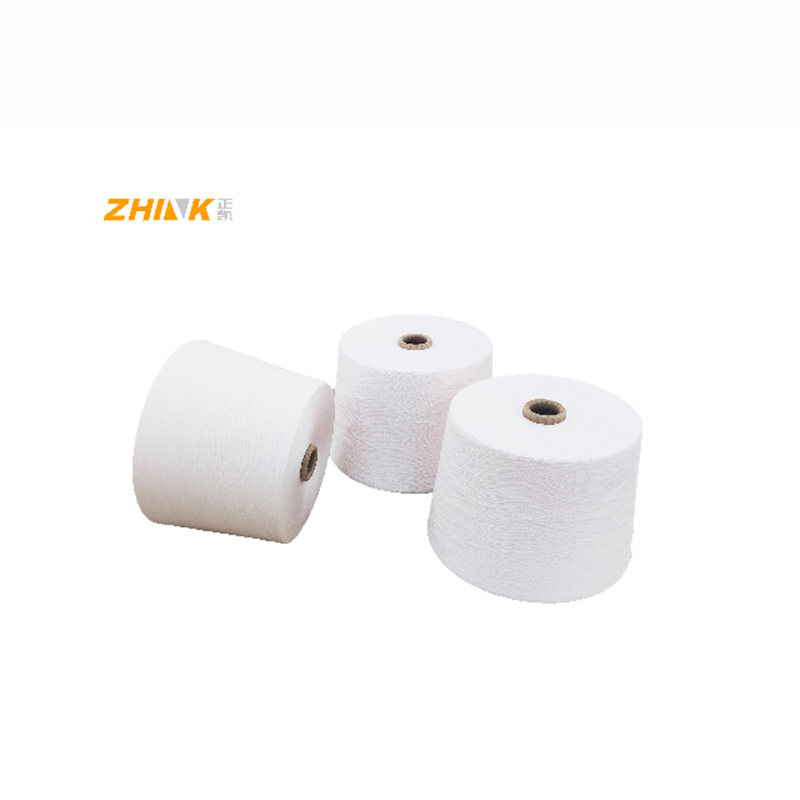
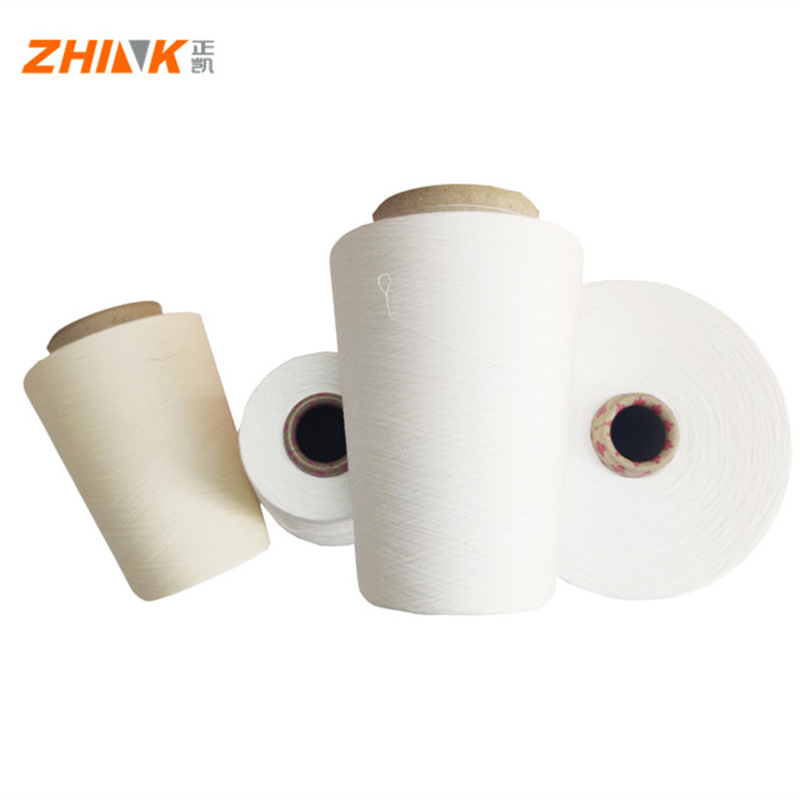
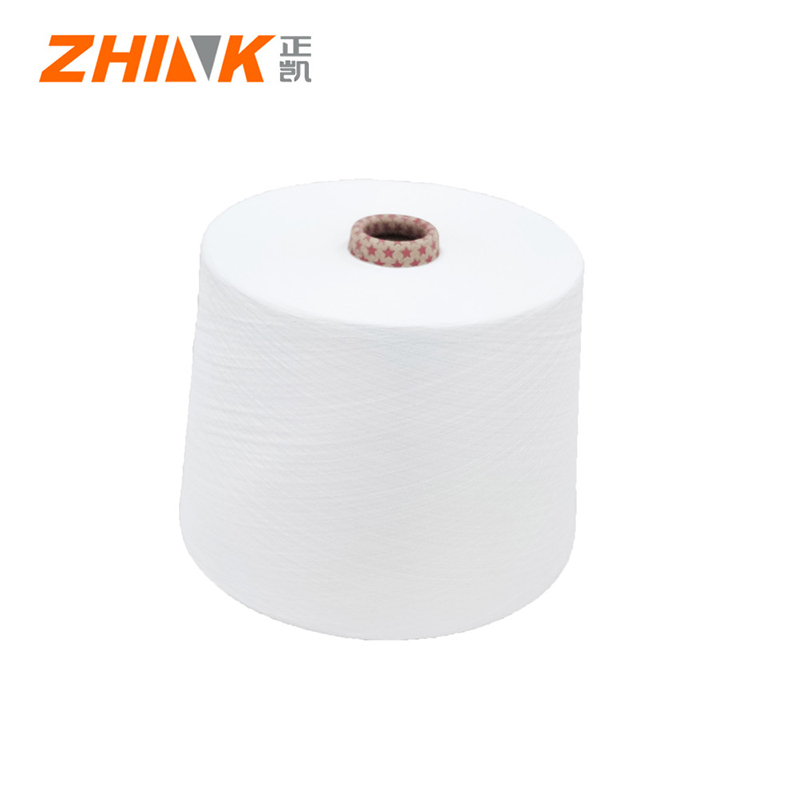
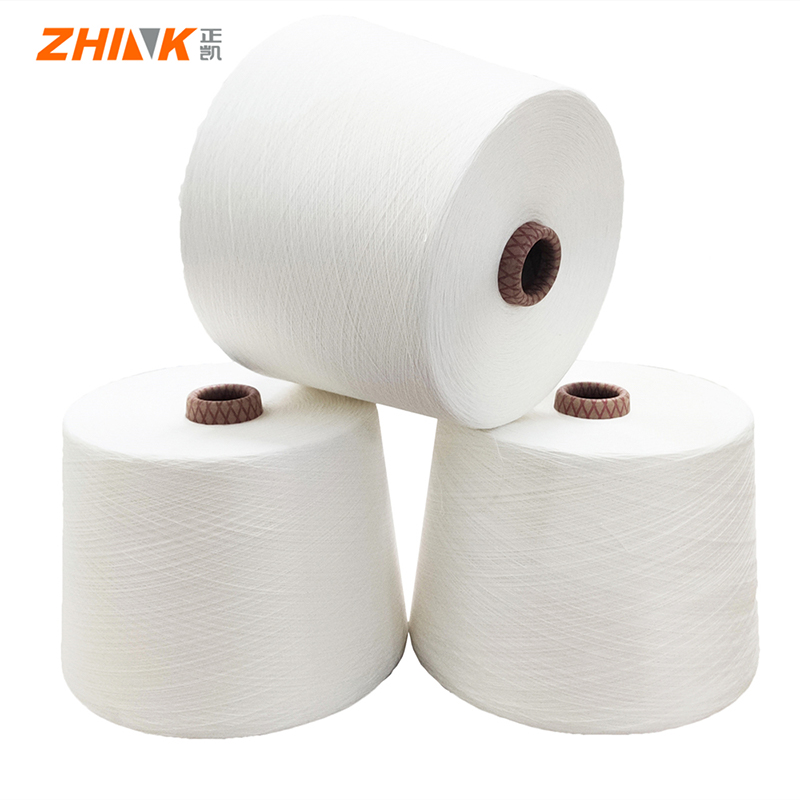
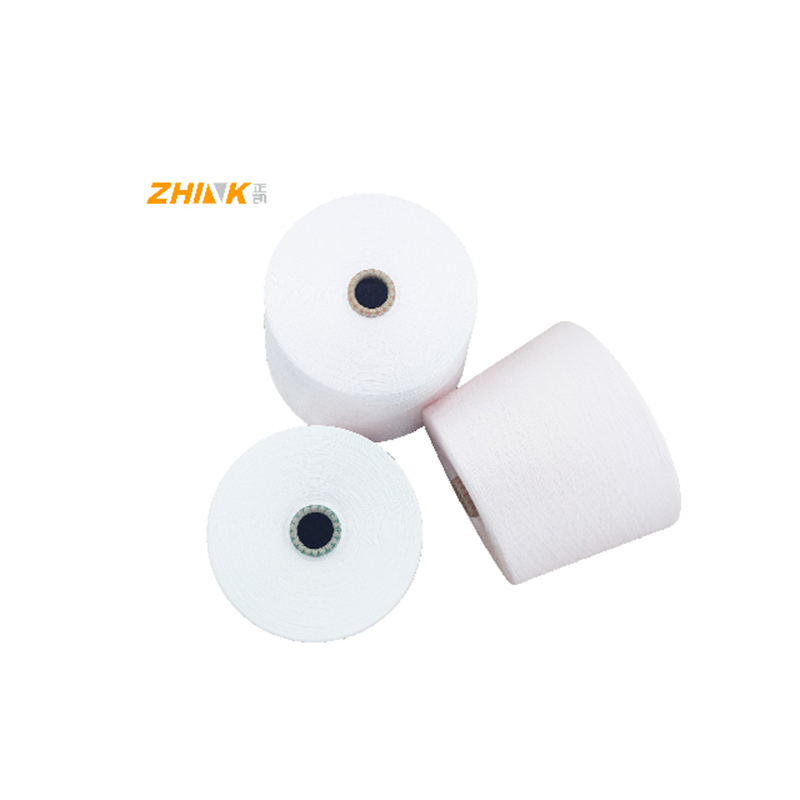
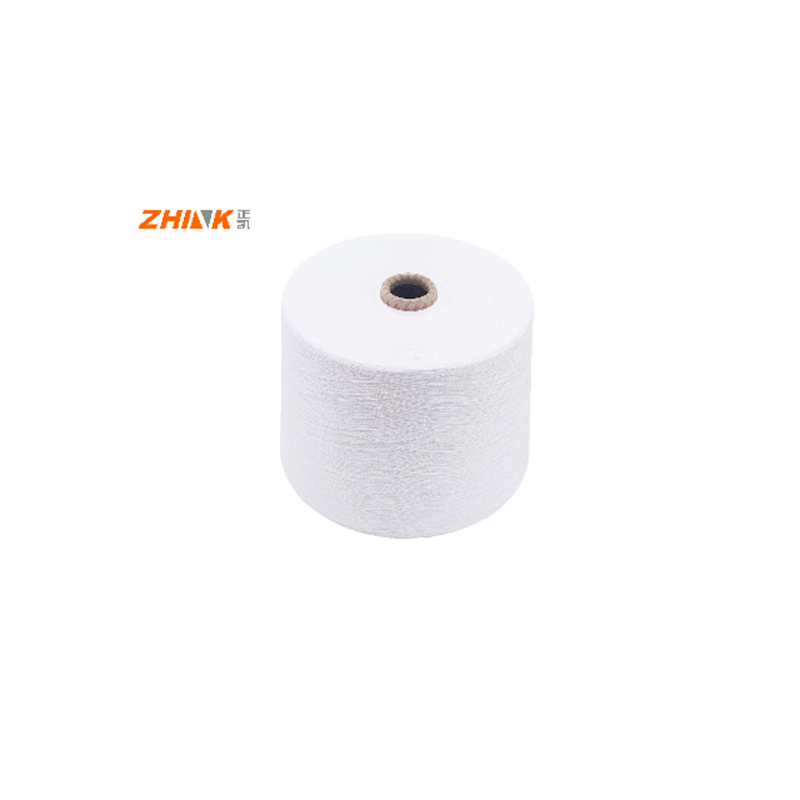
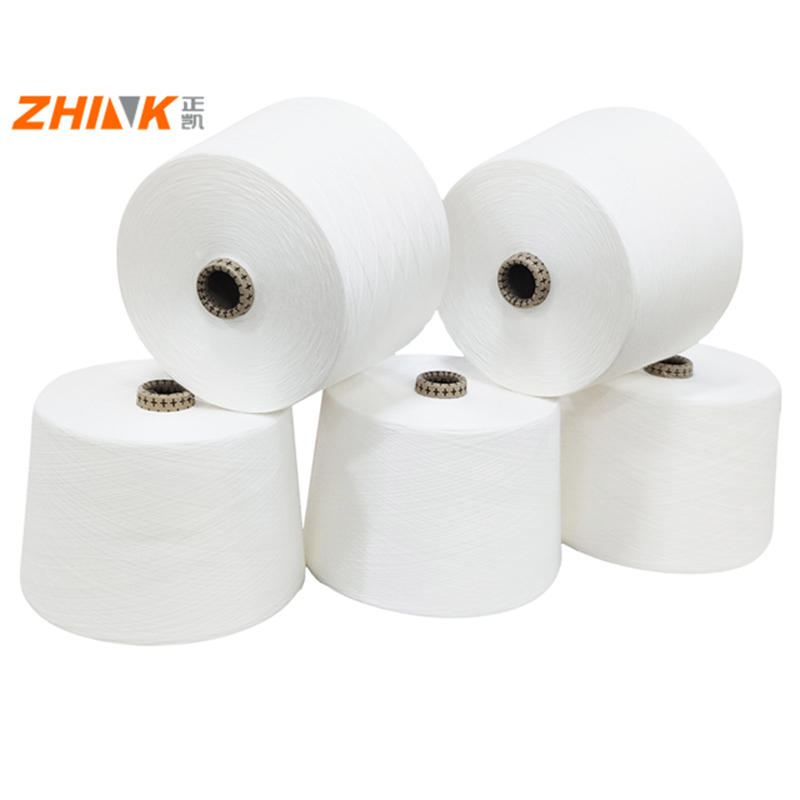
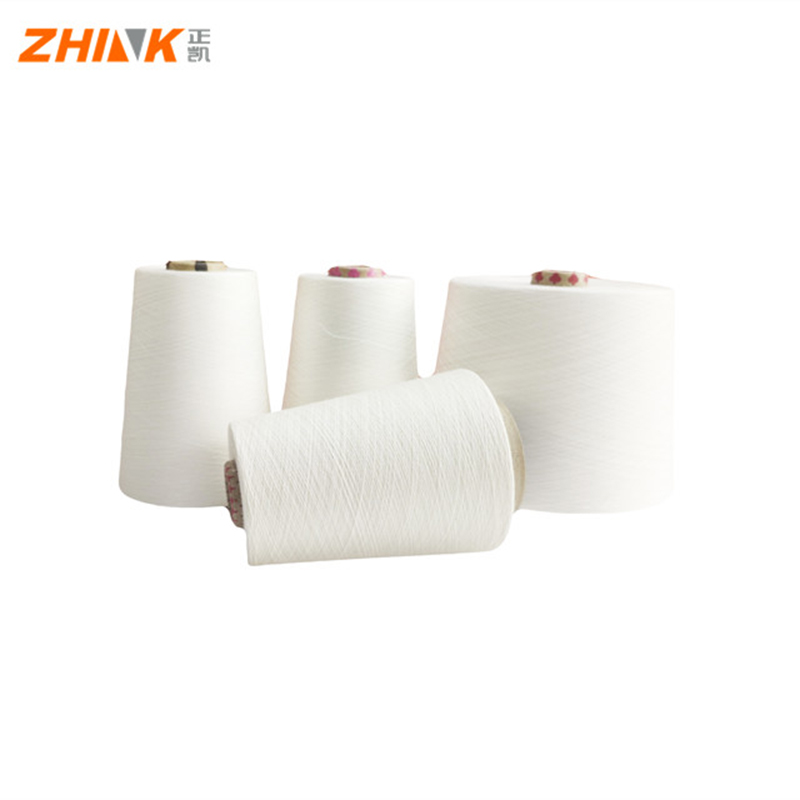
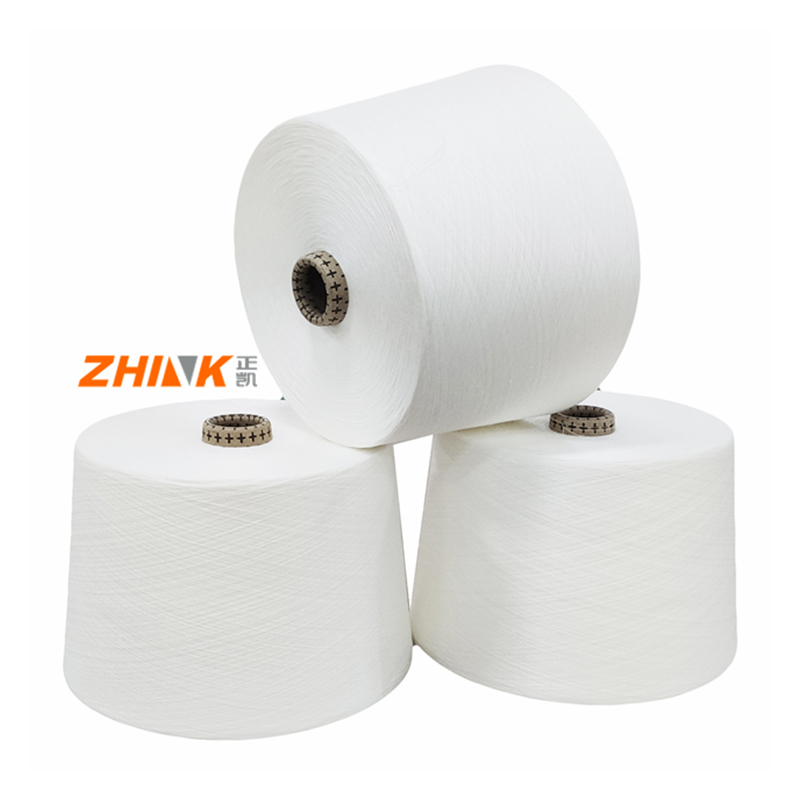
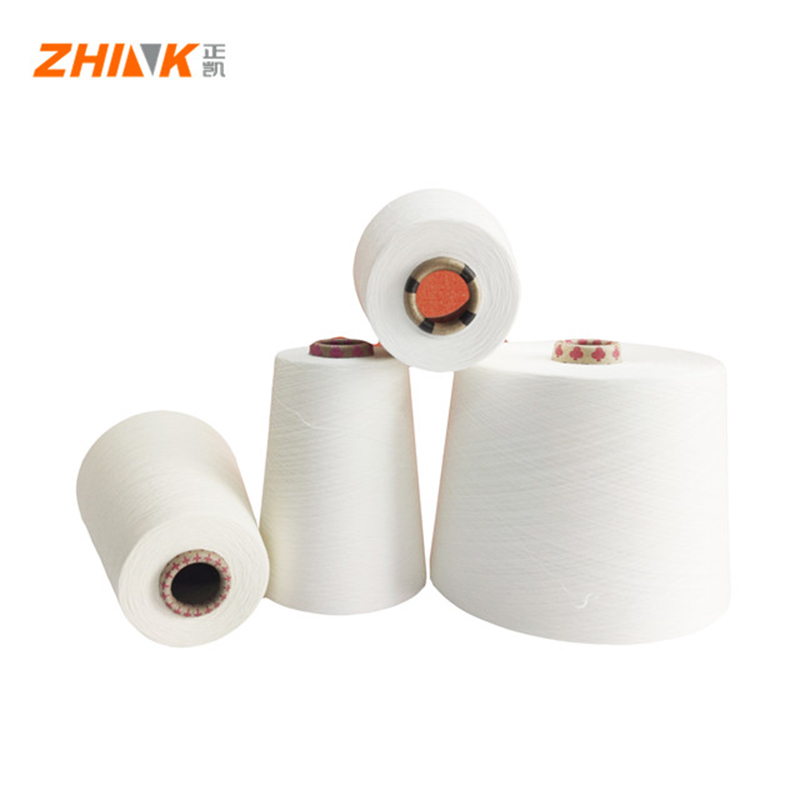
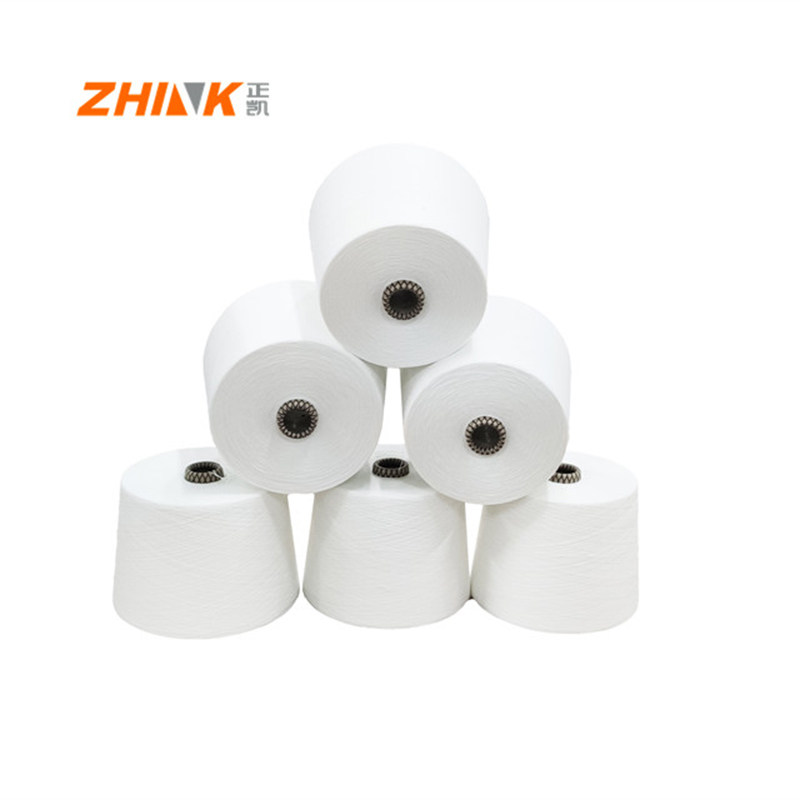
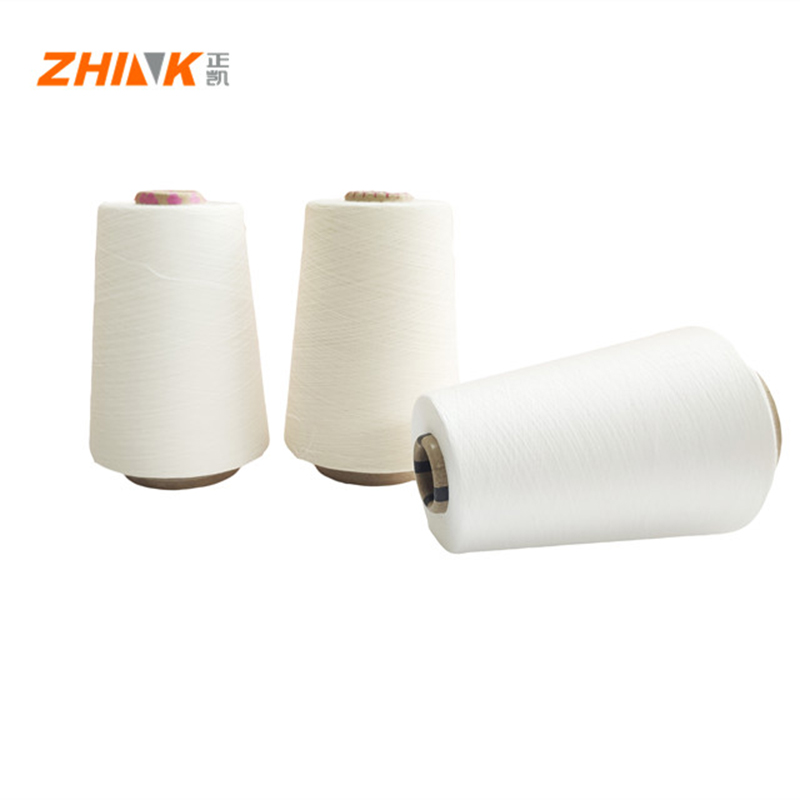
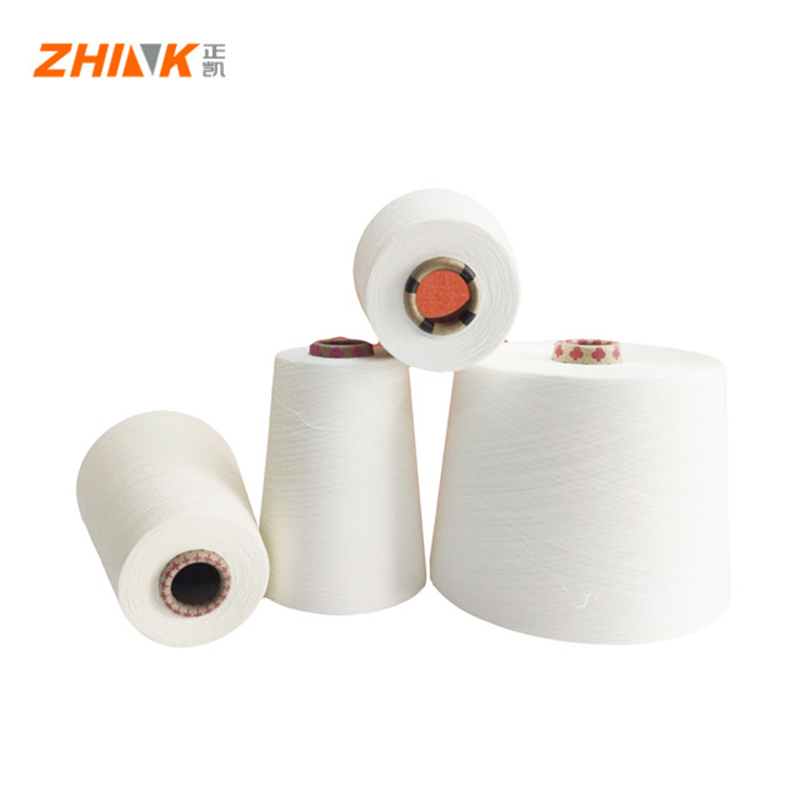
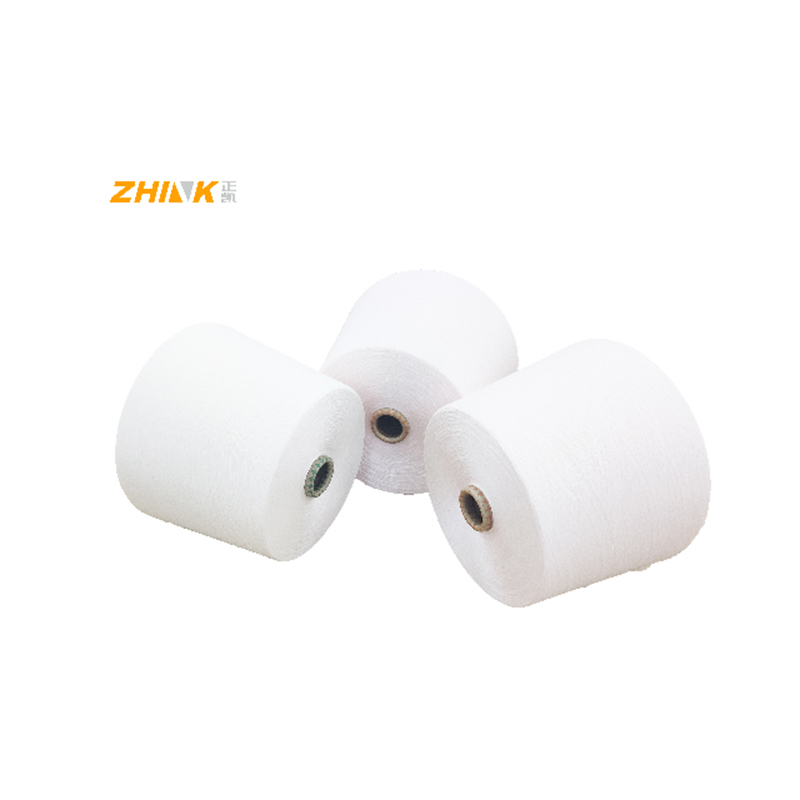
Solid acrylic/viscose ring spun yarn
The Intricacies of Solid Acrylic/Viscose Ring Spun Yarn
Compact yarn production is a bit like alchemy, especially when dealing with solid acrylic/viscose ring spun yarn. It’s not just about the fibers or the spinning method—though, don't underestimate their importance. It's a balance, an art, and frankly, a bit of a science experiment. Some say it’s straightforward; I’d argue those folks might be missing some complexity. In this piece, let's navigate some of the nuances and unexpected twists in crafting this specific yarn type.
The Blend of Ingredients
Now, starting with the basics: the materials themselves. Acrylic and viscose each bring something to the table. Acrylic is known for its durability and resilience. Meanwhile, viscose—derived from plant cellulose—adds that touch of natural luster and softness. Combine these, and theoretically, you get this marvelous yarn that boasts both strength and aesthetic appeal. Yet, that's in theory.
From experience, the proportions matter immensely. Too much acrylic, and you lose that desired suppleness. Tilt too much towards viscose, and durability might take a hit. Many in the industry, including my colleagues at SHANDONG ZHINK NEW MATERIAL CO., LTD, understand that mere intuition isn't enough. It’s about iterative testing—striking that elusive balance between the two.
Interestingly, I recall a batch we once produced that revealed too much twist during testing. Minor tweaks in the blend ratio can sometimes yield unpredictable results. It's like being a chef but without a precise recipe book.
The Ring Spinning Process
Ring spinning, it's often the cornerstone of quality yarn production. But why specifically choose it for our solid acrylic/viscose ring spun yarn? It's the balance of finesse and control it offers, particularly crucial when you're dealing with mixed fibers. The cohesion it provides can’t be overstated.
In practice, however, getting the tension right during spinning is vital. Too tight, and you might end up with a yarn that's harsh to the touch. Too loose, and the strength falters. Experienced spinners, like those at Zhink New Material, know it's about listening to the machines—almost like they communicate back.
There was a time when a minor mechanical fault led to a dozen spindles producing subpar texture. The lesson? Timely maintenance and an ear for operational shifts can make all the difference.
Market and Applications
This yarn isn’t just another product; it's a solution for multiple applications. From fashion garments that require a beautiful drape to home textiles demanding robustness, this blend finds its way into various niches. But we’ve found it excels particularly in areas where aesthetic and performance are equally prioritized.
For instance, in upscale garment manufacturing, the softness complements high-end fashion requirements. Meanwhile, its durability makes it suitable for extensive use in home textiles. In conversation with designers, what stands out often is how the yarn behaves in different fabrics, something not always predictable from mere specs.
Yet, diving into certain markets unprepared can be a pitfall. Once, we overcommitted stock for a fashion line, only to find a sudden shift in seasonal trends. A clear reminder to balance production with forecasting.
Challenges and Problem Solving
Like any material, this yarn isn’t without its challenges. One notable issue is dye retention—acrylic behaves differently than viscose. When dyeing, if not carefully managed, the result can be inconsistent hues, a common complaint I’ve encountered in less experienced environments.
In our production lines at Zhink, meticulous attention to the dye bath composition and temperature is crucial. It’s not just about the formula but also real-time adjustments based on the batch's response. Colleagues often swap stories about unexpected shifts during dyeing, particularly when pushing boundaries with new color palettes.
Once, a particularly stubborn batch refused to take deeper shades, teaching a valuable lesson in patience and experimentation. In industries like ours, failures, however small, build the pathway to better processes.
Technological Innovations in Production
Innovation clouds every corner of textile production, and ring-spun yarns are no exception. We've seen advancements not just in machinery but in the very fabric of material science that enhance production capabilities. For example, smarter spinning machines now predict anomalies faster than a human could.
SHANDONG ZHINK NEW MATERIAL CO., LTD stays at the forefront by integrating these technologies, though integrating new tech can ruffle the usual flow. There's a steep learning curve, and adaptation periods are real. The trick is balancing cutting-edge processes with the tried and true—rather than jumping headlong into the newest trends.
It's always tempting to chase the latest tech, but sometimes, it’s about knowing which innovations genuinely bring value rather than change for change's sake.
Conclusion and Final Thoughts
With solid acrylic/viscose ring spun yarn, the journey through selection, production, and refinement tells a story of innovation and tradition. Each step is tinged with challenges, requiring both expertise and adaptability. Drawing from the frameworks at companies like ZHINK New Material, it's clear that mastery lies in acknowledging and engaging with these nuances.
Every yarn has a story, and much like a skilled artisan, those in production must weave that story with precision and insight. Whether it's through mastering machinery quirks or adjusting compositions on the fly, the tale of this yarn is as much about the process as it is the final product.
Related Products
Related Products