+86-632-3621866
- Chinese
- French
- German
- Portuguese
- Spanish
- Russian
- Japanese
- Korean
- Arabic
- Irish
- Greek
- Turkish
- Italian
- Danish
- Romanian
- Indonesian
- Czech
- Afrikaans
- Swedish
- Polish
- Basque
- Catalan
- Esperanto
- Hindi
- Lao
- Albanian
- Amharic
- Armenian
- Azerbaijani
- Belarusian
- Bengali
- Bosnian
- Bulgarian
- Cebuano
- Chichewa
- Corsican
- Croatian
- Dutch
- Estonian
- Filipino
- Finnish
- Frisian
- Galician
- Georgian
- Gujarati
- Haitian
- Hausa
- Hawaiian
- Hebrew
- Hmong
- Hungarian
- Icelandic
- Igbo
- Javanese
- Kannada
- Kazakh
- Khmer
- Kurdish
- Kyrgyz
- Latin
- Latvian
- Lithuanian
- Luxembou..
- Macedonian
- Malagasy
- Malay
- Malayalam
- Maltese
- Maori
- Marathi
- Mongolian
- Burmese
- Nepali
- Norwegian
- Pashto
- Persian
- Punjabi
- Serbian
- Sesotho
- Sinhala
- Slovak
- Slovenian
- Somali
- Samoan
- Scots Gaelic
- Shona
- Sindhi
- Sundanese
- Swahili
- Tajik
- Tamil
- Telugu
- Thai
- Ukrainian
- Urdu
- Uzbek
- Vietnamese
- Welsh
- Xhosa
- Yiddish
- Yoruba
- Zulu
- Kinyarwanda
- Tatar
- Oriya
- Turkmen
- Uyghur



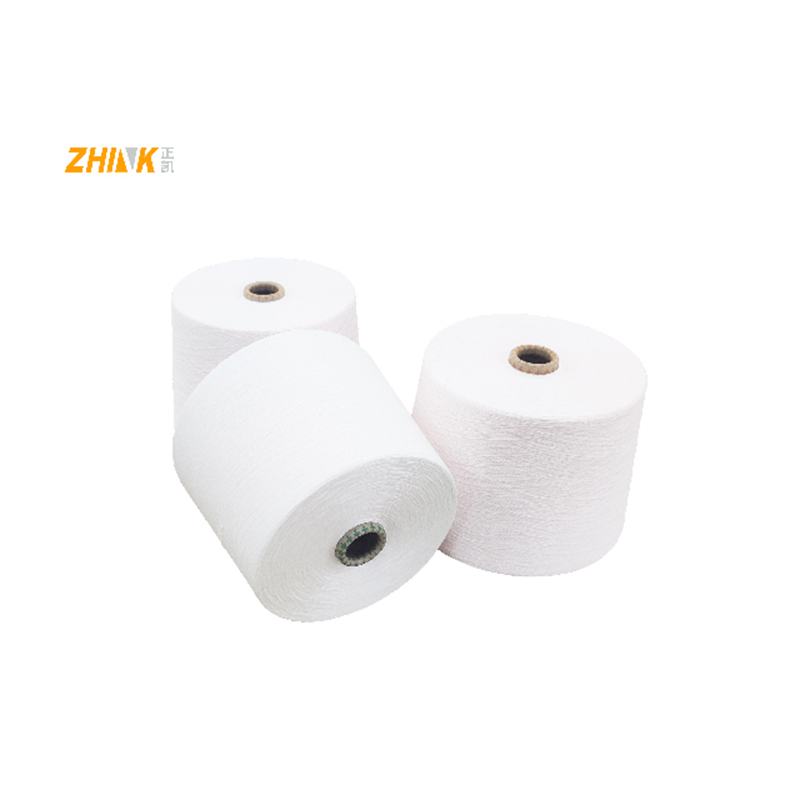
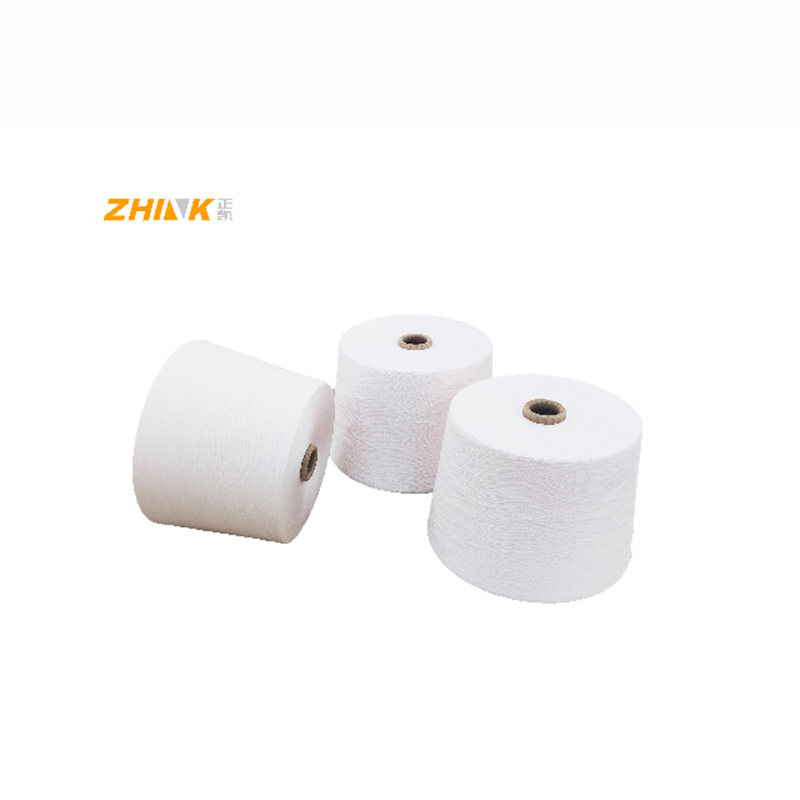
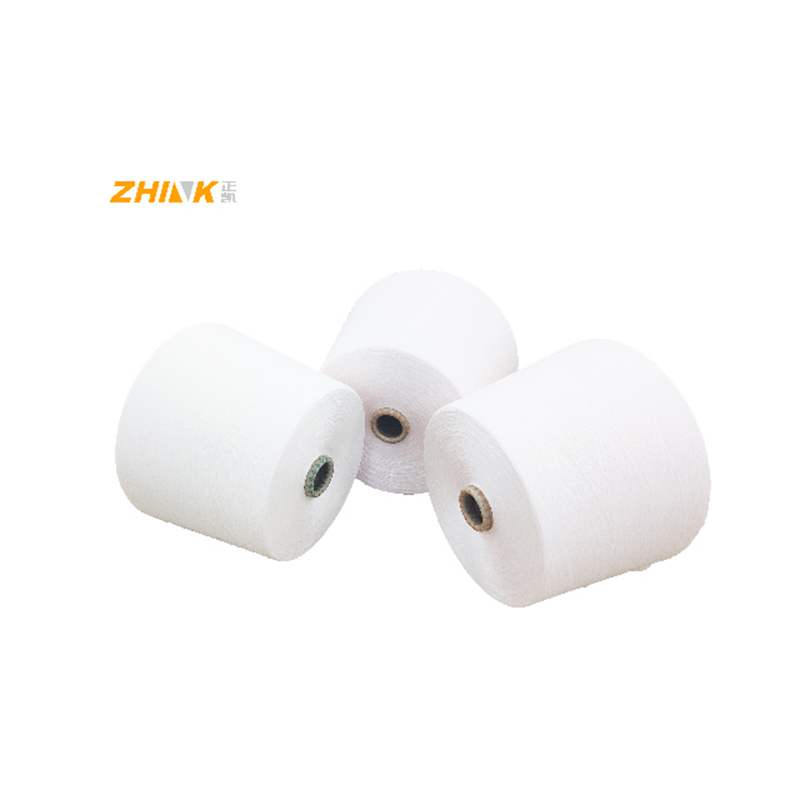
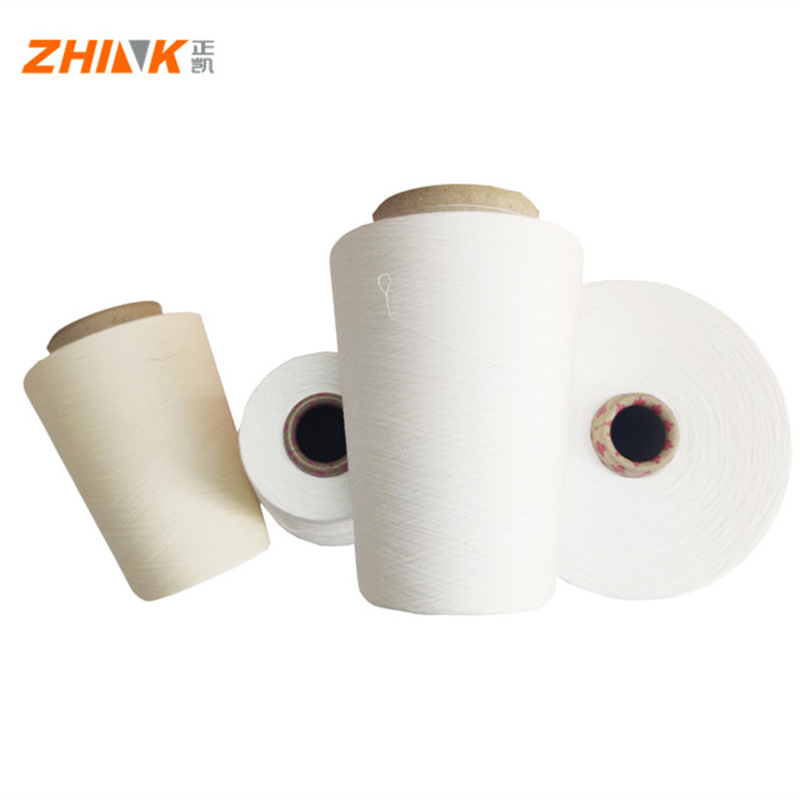
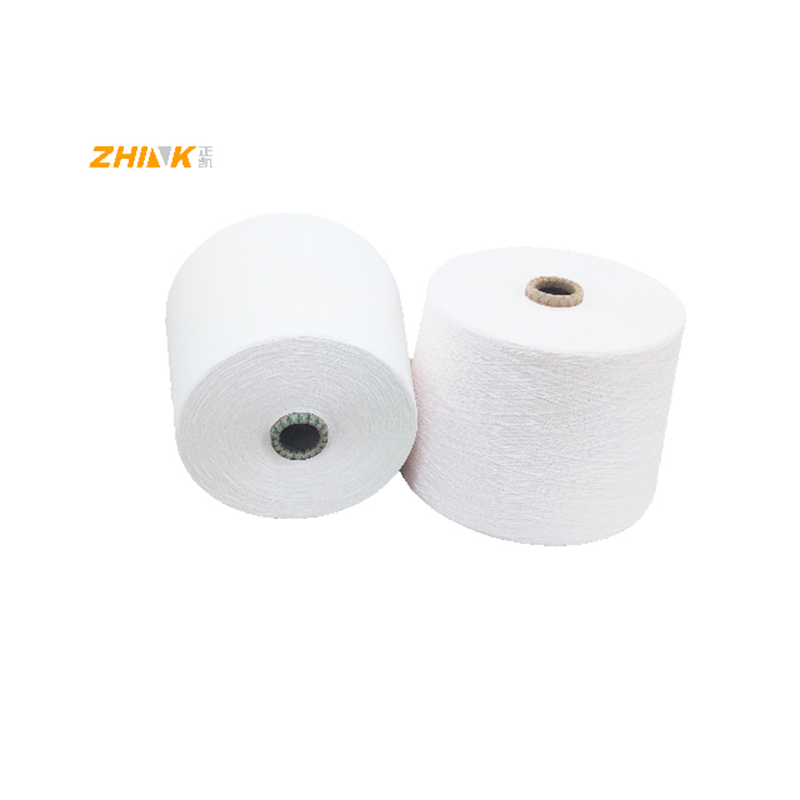
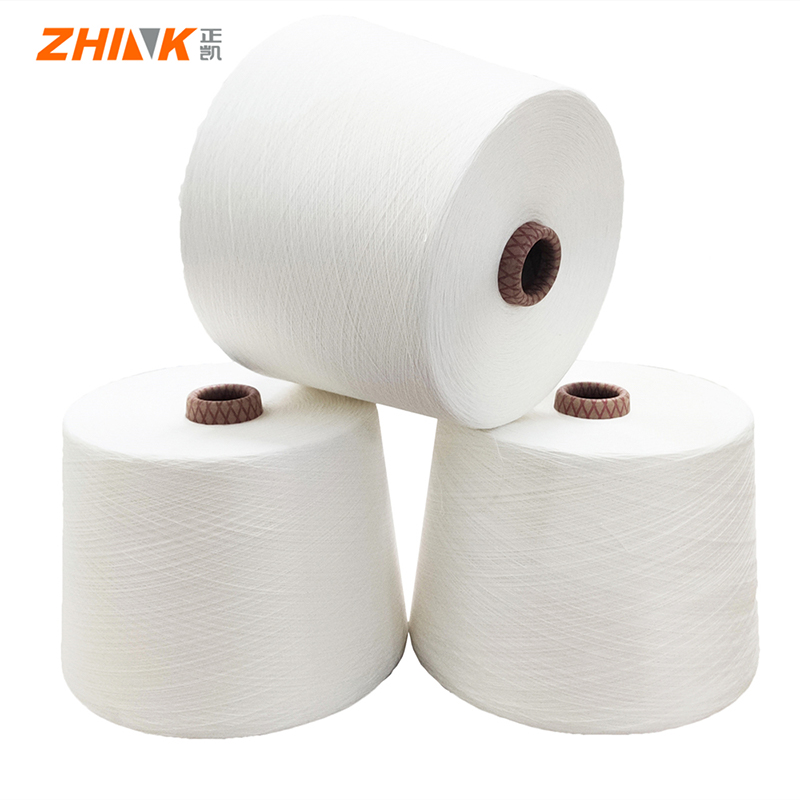
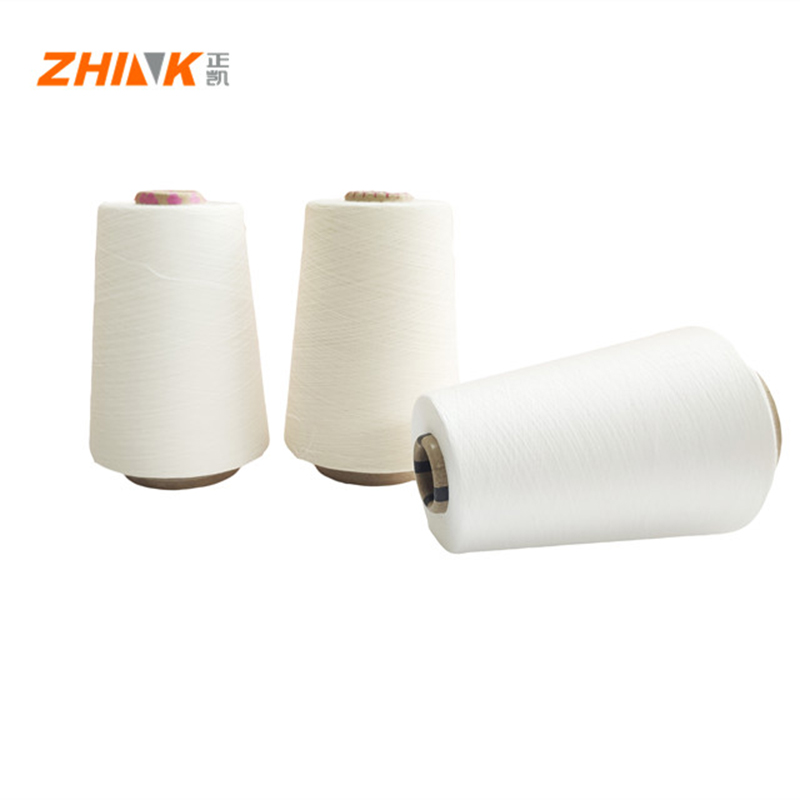
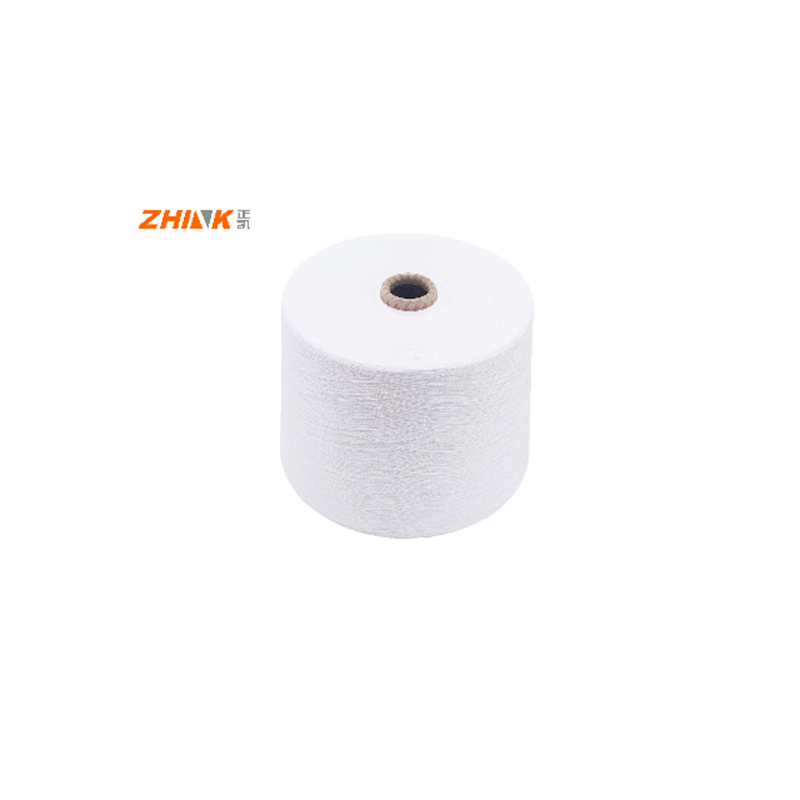
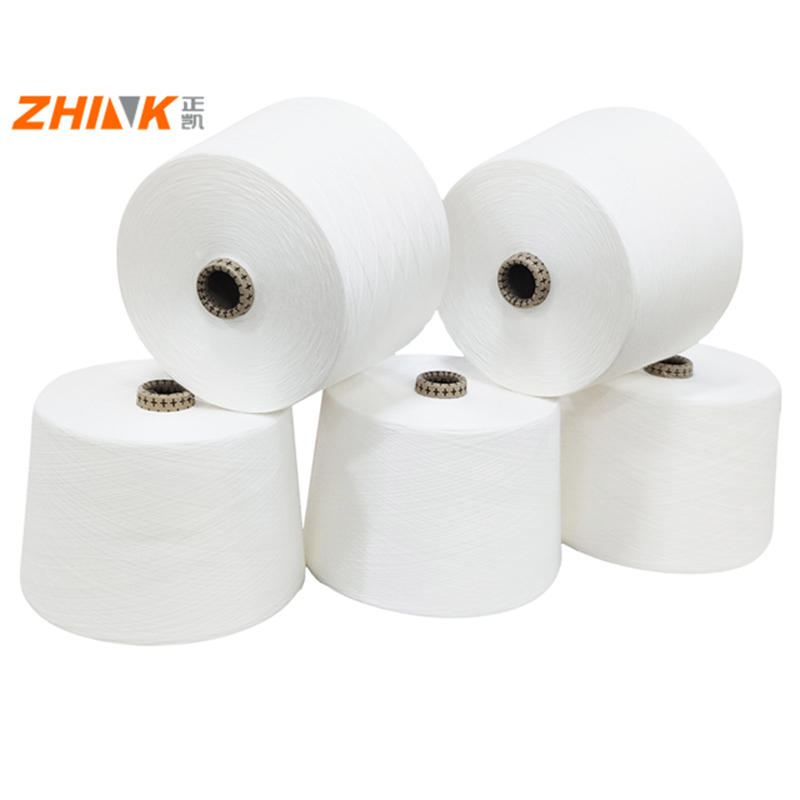
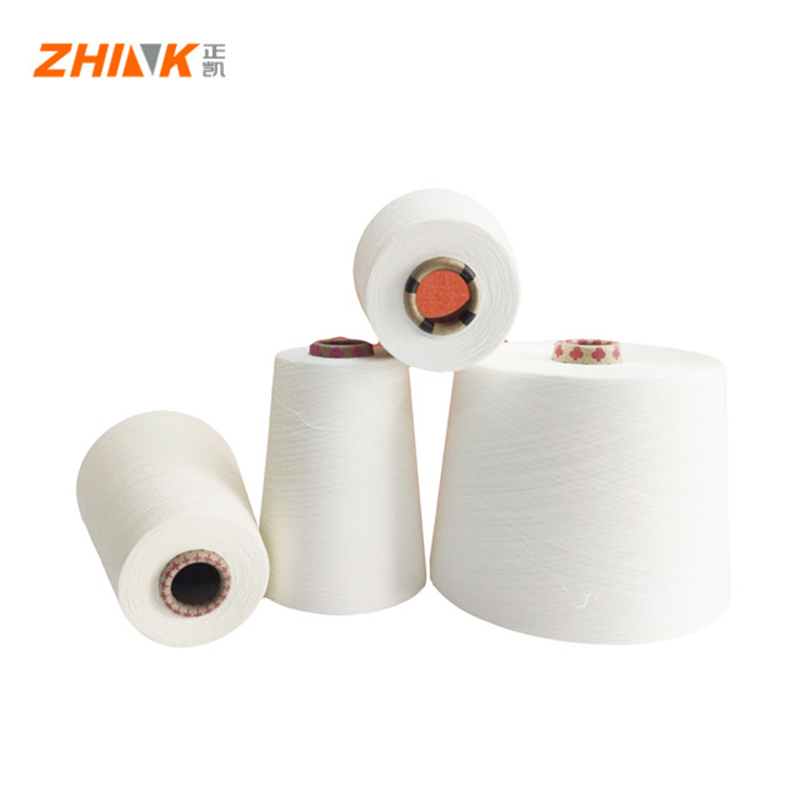
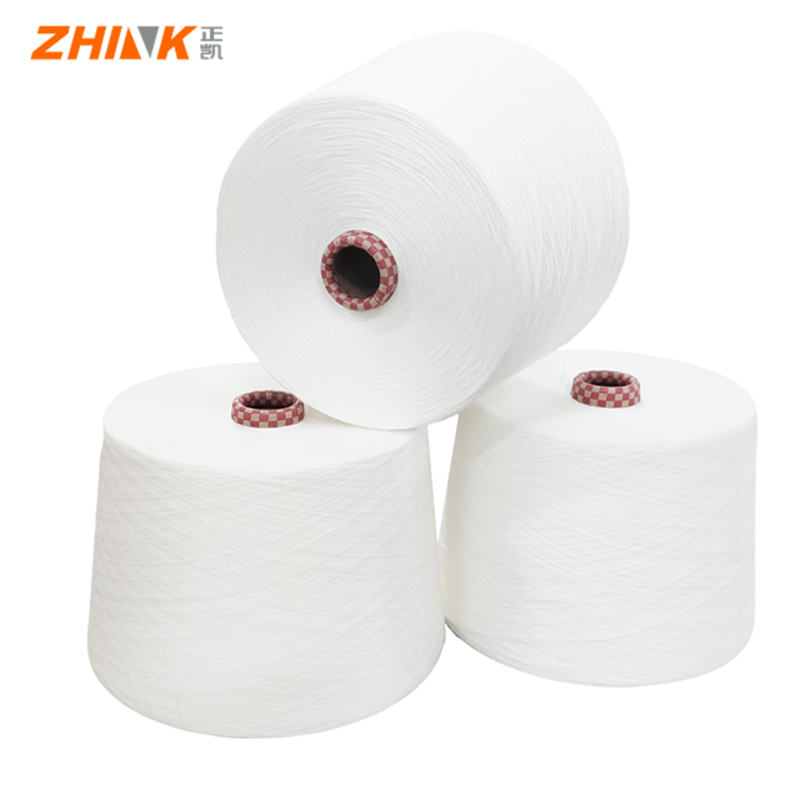
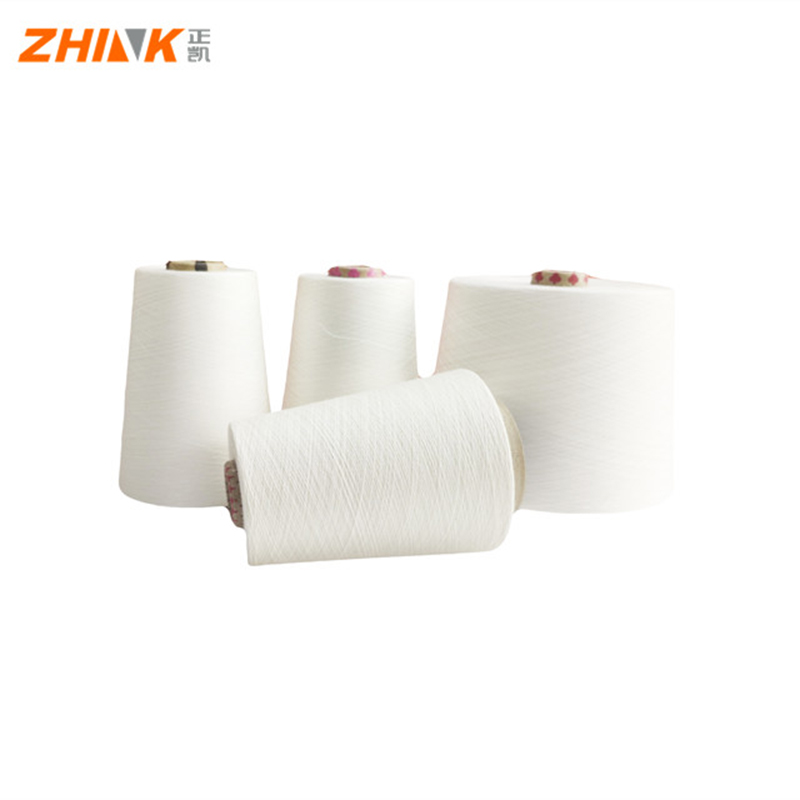
Solid acrylic/viscose siro compact yarn
html
Exploring the Intricacies of Solid Acrylic/Viscose Siro Compact Yarn
Solid acrylic/viscose siro compact yarn—sounds complex, right? If you're embedded in the textile industry, you might find these terms familiar, but let's dive deeper. This yarn variant, known for combining the durability of acrylic with the softness of viscose, has carved a niche for itself. It’s a go-to for specific applications, yet there are caveats and insights to consider.
Unpacking the Basics of Acrylic and Viscose Blends
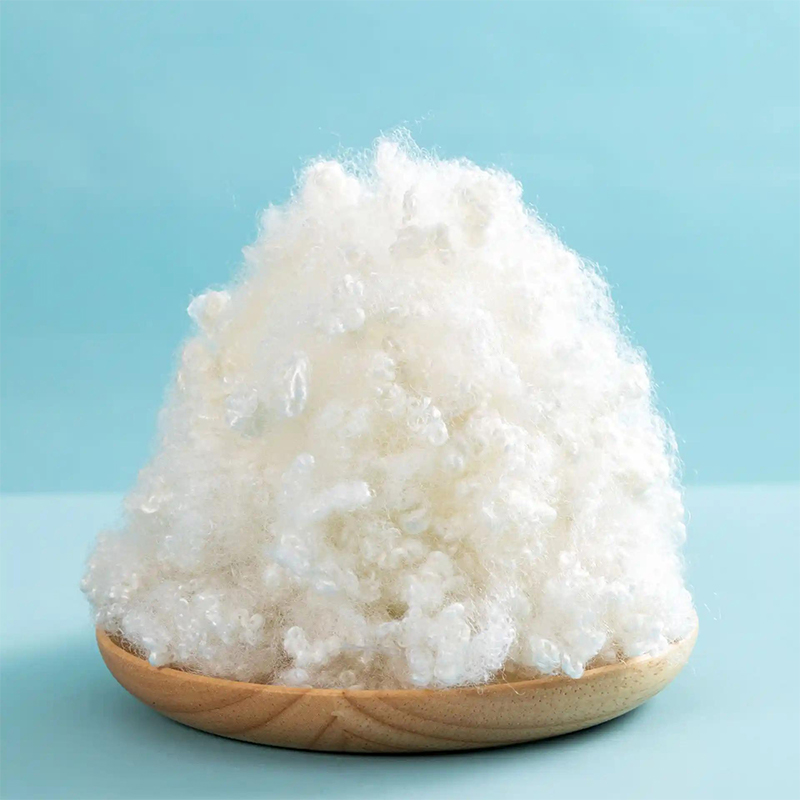
Initially, combining acrylic and viscose might raise eyebrows—after all, why mix synthetic with semi-synthetic? The answer lies in the blend's unique properties. Acrylic brings strength and resistance to the table, while viscose offers a touch of luxury with its silk-like feel. The result is a yarn that can withstand wear and tear without sacrificing comfort. At SHANDONG ZHINK NEW MATERIAL CO., LTD, we've noticed this hybrid's potential in both apparel and upholstery markets.
The processing technique, known as siro compact spinning, is not just jargon. It’s a game-changer. By aligning fibers parallelly and reducing air entanglements, siro compact spinning enhances yarn density and strength—critical for consistency and performance, particularly for demanding applications.
However, achieving the perfect blend isn’t straightforward. Factories often face challenges like color variance and fiber breakage, particularly during the initial production phases. Our R&D team at Zhink New Material has dedicated countless hours to refining this process, balancing twist levels precisely to prevent these issues.
Why Siro Compact Spinning Matters
Let’s talk specifics. The siro compact method reduces hairiness—minuscule fiber ends that can affect the yarn’s finish. When customers touch a fabric and feel smoothness, that’s often the siro compact weavers' doing. This processing advantage not only enhances tactile softness but also impacts the longevity of dyed fabrics by providing better color retention.
In practice, we’ve seen lower pilling rates in garments produced from this yarn type. This is paramount for brands focusing on high-wear items. Take outdoor clothing—a niche where the robustness of acrylic and the softness of viscose find their stride without compromise, evidenced by our ongoing partnerships with eco-conscious clothing brands.
Of course, it’s not without setbacks. Some have found that early production batches suffered from inconsistencies in texture. Our approach at Zhink New Material has been iterative, refining fiber blend ratios and adjusting machinery, sometimes manually recalibrating amid runs—a tacit nod to the 'art' in the science of yarn production.
Applications in Modern Textiles
Where do these yarns excel? Beyond the obvious applications in clothing, we've seen promising developments in home textiles and innovative fabric technologies. Blending the trusted durability of acrylic with the comfort of viscose, companies have crafted novel applications in acoustic materials and fire-resistant fabrics.
There’s an increasing push for solid acrylic/viscose siro compact yarns within sustainable fashion circuits. At Zhink New Material, our collaboration with avant-garde designers has shown how this blend meets environmental standards while providing aesthetic and functional versatility.
It’s not just a trend; there’s a demand for yarns that meet environmental benchmarks without losing the practicalities that industries rely upon. We’re witnessing a shift in client demands, aligning more with eco-friendly initiatives—a challenge we embrace.
Challenges in Production and Quality Control
Quality control is the linchpin in maintaining the standards our clients expect. Irregularities in yarn can stem from several variables: machine settings, raw material quality, or even atmospheric conditions. Addressing these in real-time at our facilities has sometimes called for innovative solutions, such as adaptive control systems.
The technological investments are ongoing. At SHANDONG ZHINK NEW MATERIAL CO., LTD, it’s a balance: using data analytics to preemptively adjust production cycles, ensuring consistency. It’s a commitment that pays dividends in customer satisfaction and product reliability. Find out more about our efforts to enhance yarn production.
Our experience hasn't been without trial and error. Occasionally, we’ve had to halt production cycles to refine fiber feed rates—real-world lessons that underpin our current protocols. These experiences mold our daily practices and inform our future strategies.
Looking Ahead
Ultimately, the industry’s trajectory appears anchored in innovation. The adaptability of solid acrylic/viscose blends positions them well in markets seeking novelty and reliability. It’s a journey of continuous learning and adaptation, as consumer expectations and technological capabilities evolve.
At Zhink New Material, we’re not just observers; we’re participants eager to shape outcomes. Our ongoing projects test the boundaries of what these yarns can achieve. Engagement with emerging trends and open channels with clients ensures we remain at the field's forefront—it’s where we aim to stay.
Quite simply, the journey with solid acrylic/viscose siro compact yarn is akin to crafting a fine piece of art: layered, intricate, and continuously unfolding.
Related Products
Related Products