+86-632-3621866
- Chinese
- French
- German
- Portuguese
- Spanish
- Russian
- Japanese
- Korean
- Arabic
- Irish
- Greek
- Turkish
- Italian
- Danish
- Romanian
- Indonesian
- Czech
- Afrikaans
- Swedish
- Polish
- Basque
- Catalan
- Esperanto
- Hindi
- Lao
- Albanian
- Amharic
- Armenian
- Azerbaijani
- Belarusian
- Bengali
- Bosnian
- Bulgarian
- Cebuano
- Chichewa
- Corsican
- Croatian
- Dutch
- Estonian
- Filipino
- Finnish
- Frisian
- Galician
- Georgian
- Gujarati
- Haitian
- Hausa
- Hawaiian
- Hebrew
- Hmong
- Hungarian
- Icelandic
- Igbo
- Javanese
- Kannada
- Kazakh
- Khmer
- Kurdish
- Kyrgyz
- Latin
- Latvian
- Lithuanian
- Luxembou..
- Macedonian
- Malagasy
- Malay
- Malayalam
- Maltese
- Maori
- Marathi
- Mongolian
- Burmese
- Nepali
- Norwegian
- Pashto
- Persian
- Punjabi
- Serbian
- Sesotho
- Sinhala
- Slovak
- Slovenian
- Somali
- Samoan
- Scots Gaelic
- Shona
- Sindhi
- Sundanese
- Swahili
- Tajik
- Tamil
- Telugu
- Thai
- Ukrainian
- Urdu
- Uzbek
- Vietnamese
- Welsh
- Xhosa
- Yiddish
- Yoruba
- Zulu
- Kinyarwanda
- Tatar
- Oriya
- Turkmen
- Uyghur


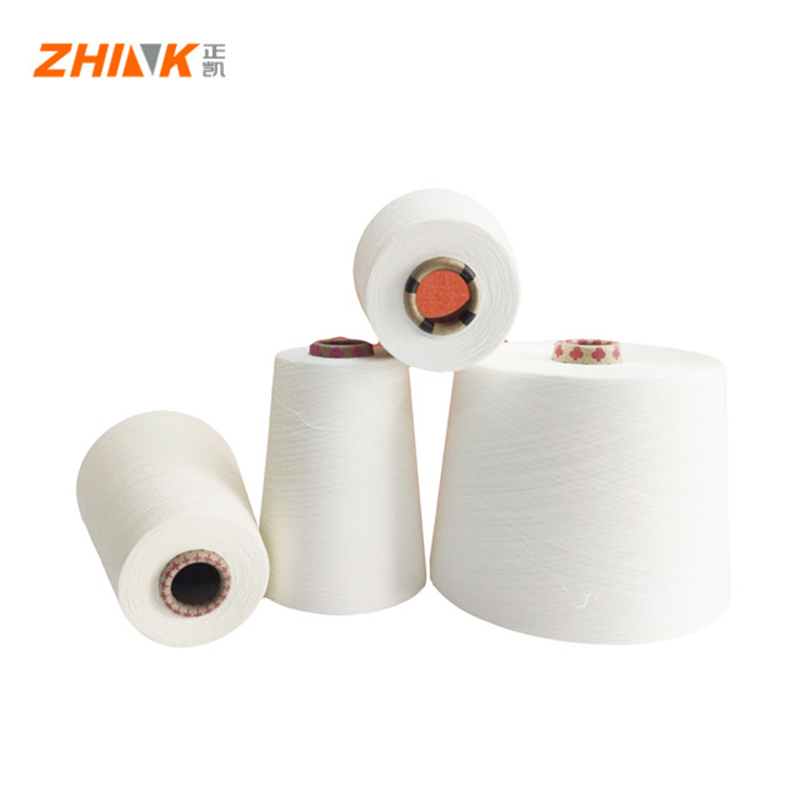
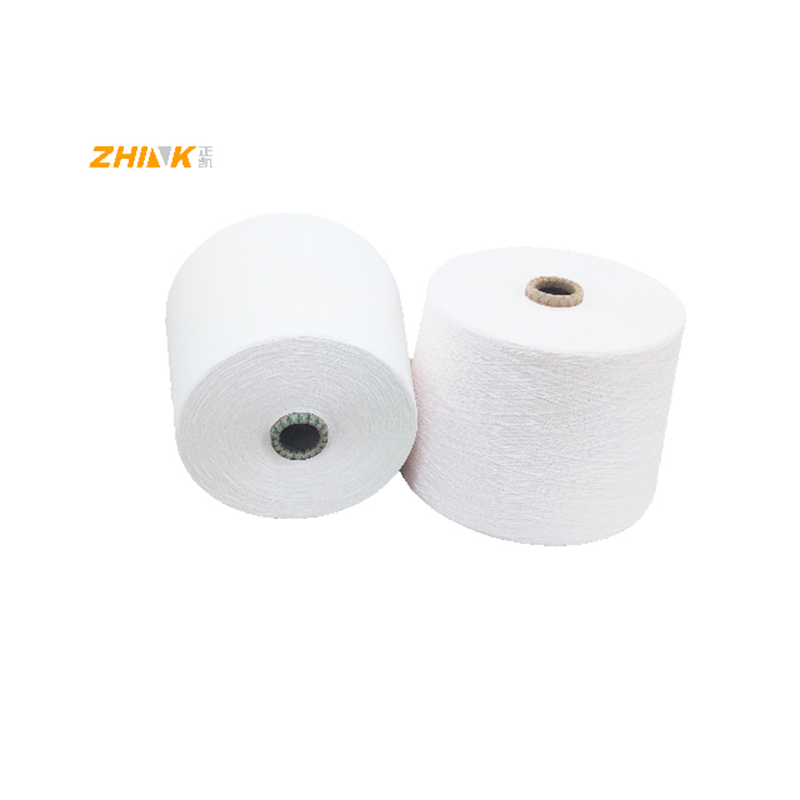
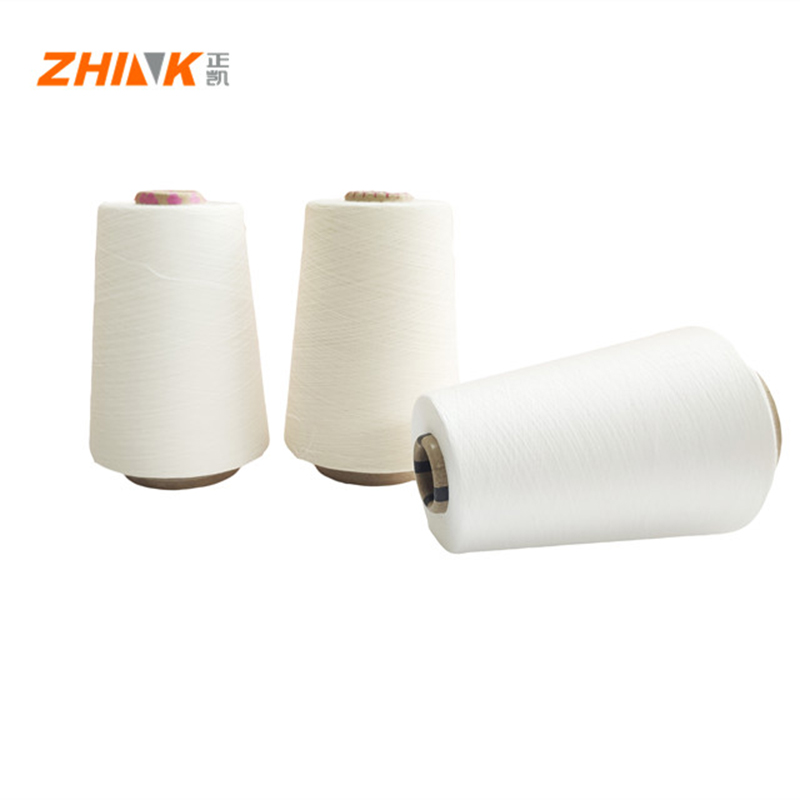
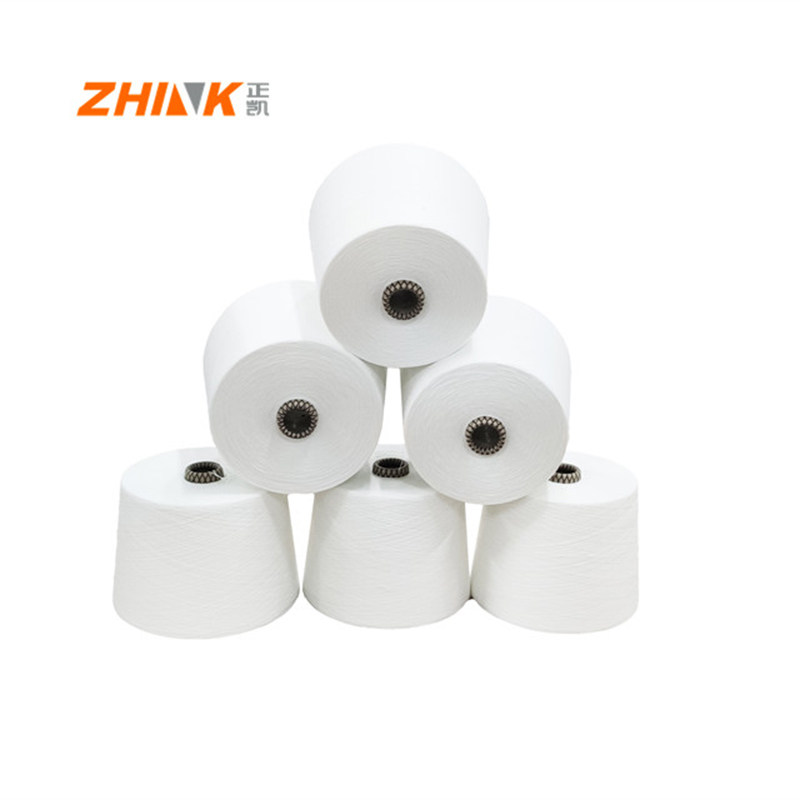
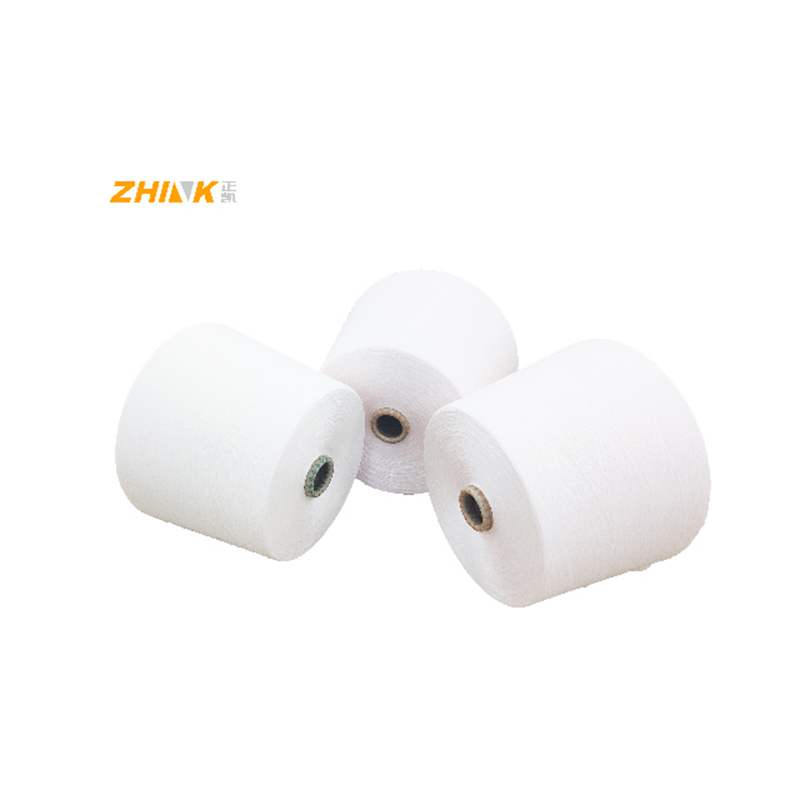
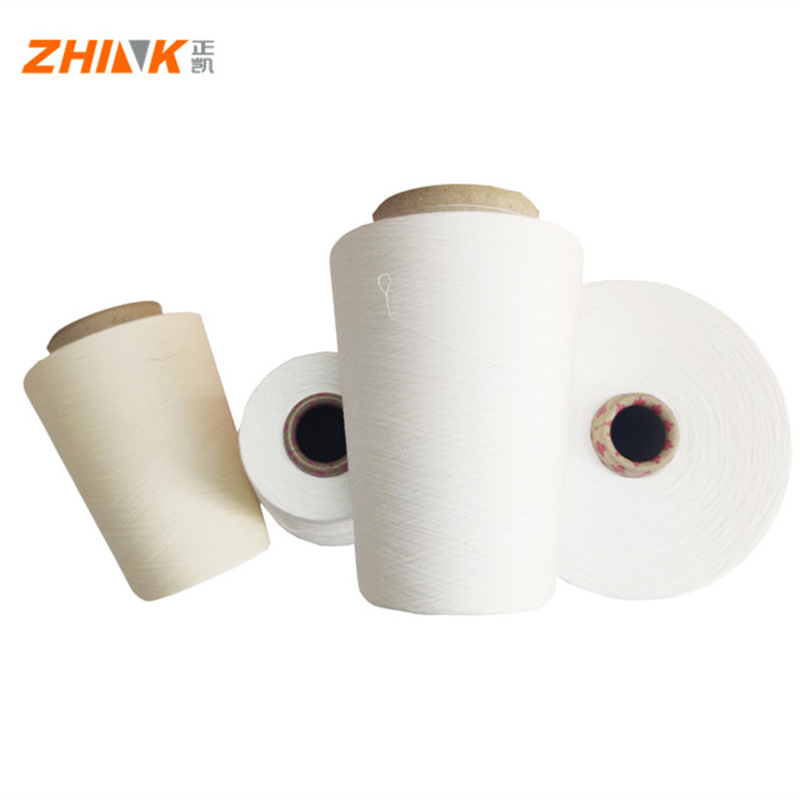
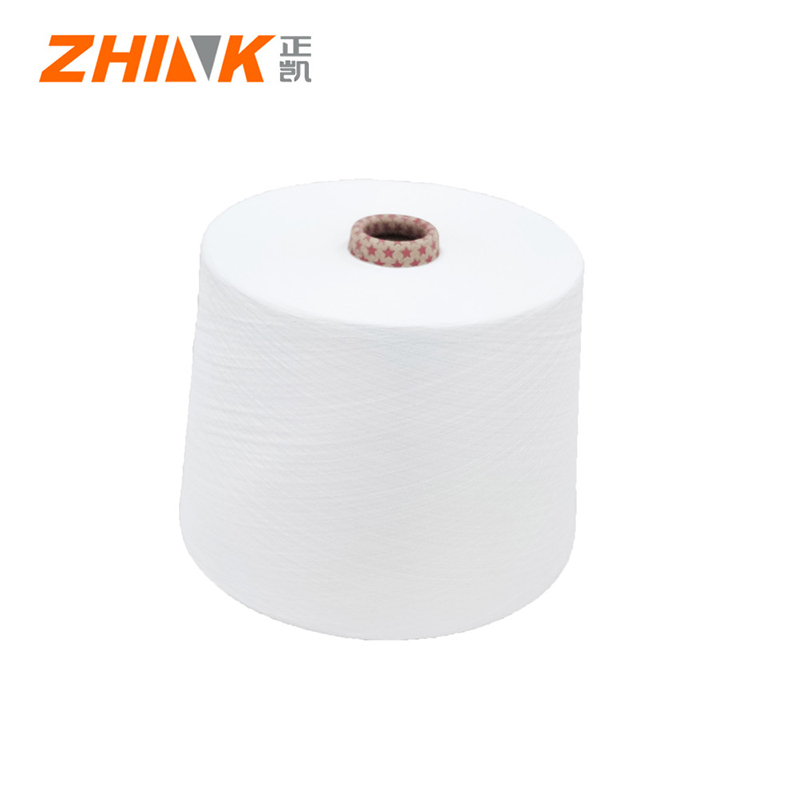
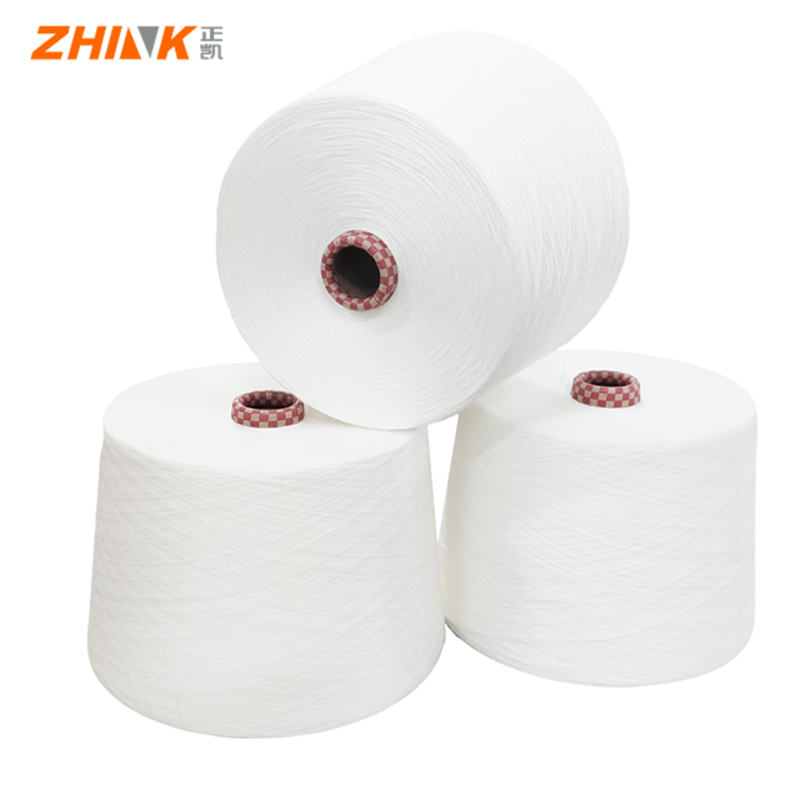
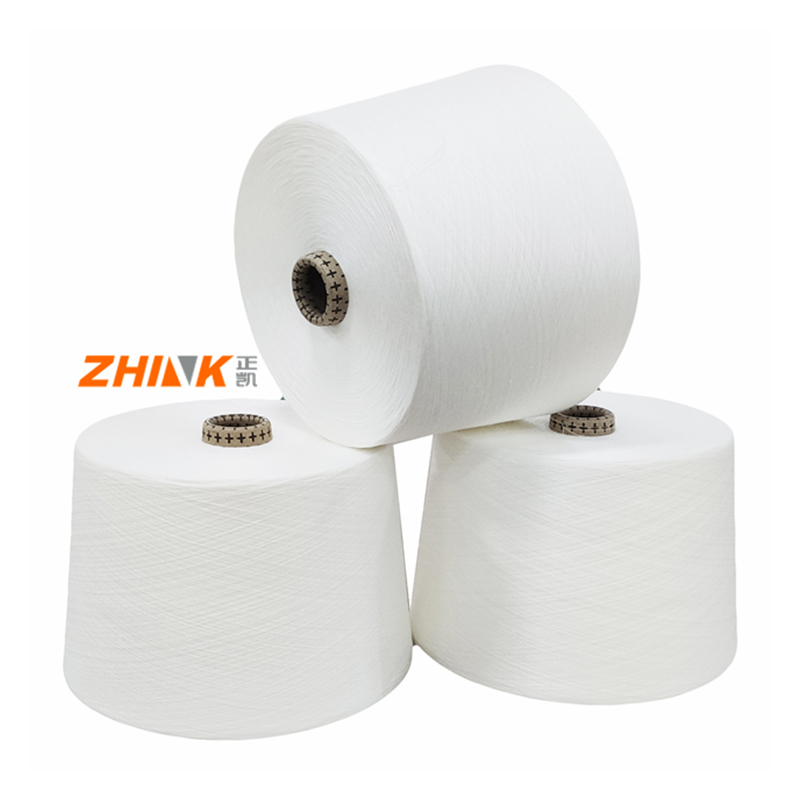
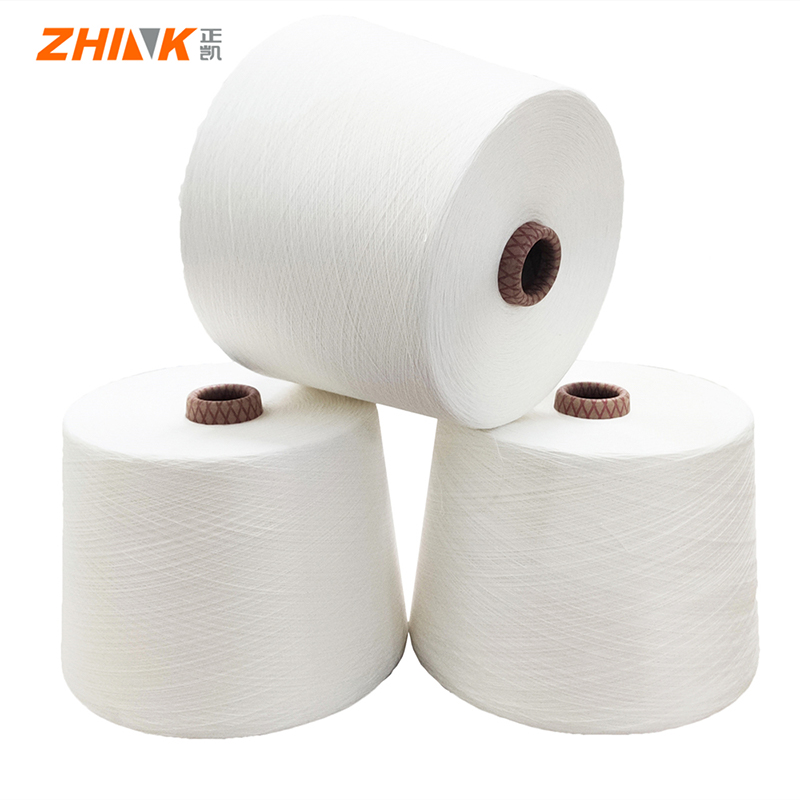
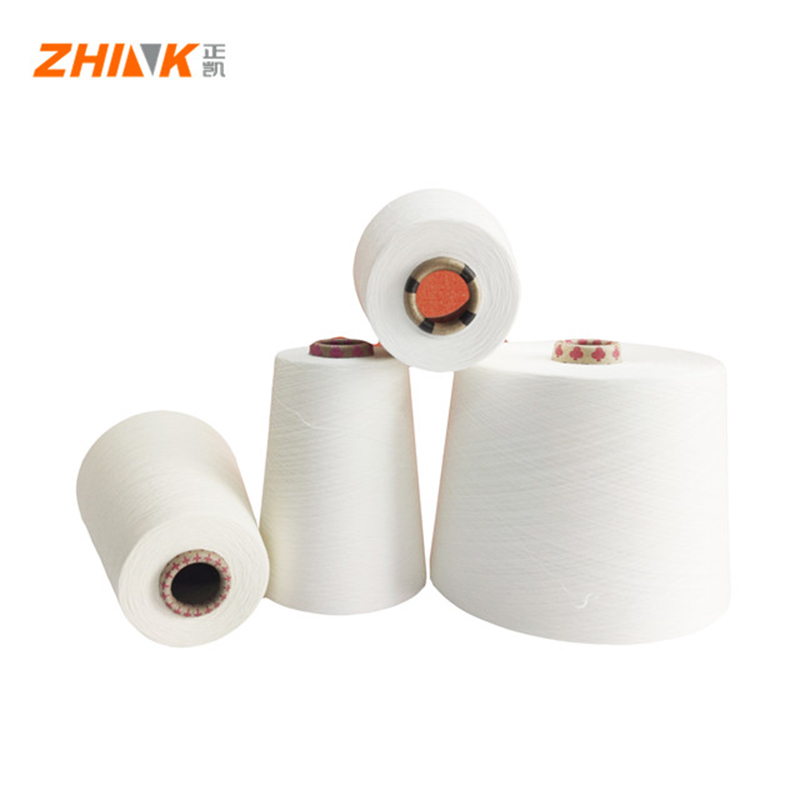
Solid acrylic/viscose siro yarn
html
The Intricate World of Solid Acrylic/Viscose Siro Yarn
The textile industry has long been captivated by the unique blend of solid acrylic and viscose, especially when spun into siro yarn. This article peels back the layers of this fascinating material, revealing both the promises and pitfalls encountered by industry professionals.
Understanding the Complexities of Siro Yarn
Working with solid acrylic/viscose siro yarn is akin to a journey through an intricate maze of benefits and challenges. One of the first things you'll notice is the balance between durability from acrylic and the softness that viscose brings. This combination is not just about merging two fibers; it's about creating a unified material that offers more than the sum of its parts.
My first encounter with siro yarn was during a project at Zhink New Material, where I vividly remember the initial trials to get the right mix. Achieving uniformity in spin was an exhilarating challenge that required meticulous attention to detail. We constantly adjusted the tension and speed to ensure consistency.
At SHANDONG ZHINK NEW MATERIAL CO., LTD, we learned that the blend ratio significantly affects the final product's texture and strength. During production phases, even slight deviations in environmental conditions could alter the yarn's properties, exemplifying the delicate balance needed in its creation.
Applications and Market Demand
There's a growing demand for this fiber blend, largely due to its versatility. Whether in apparel or home textiles, the applications are numerous. In practice, incorporating this yarn in our textiles at Zhink wasn't just a nod to innovation; it transformed how end-users interacted with our products.
Customers often express a preference for the comfortable feel of garments made from this yarn. However, selling its benefits requires a narrative around its durability and care—which was something we learned while pitching to major textile buyers. The key was not just to highlight its softness but also its resilience.
The feedback loop from testing products in different climates helped us refine our approach. We adjusted the acrylic-to-viscose ratio to better suit different market needs, from summerwear to durable outerwear.
Quality Control Challenges
Ensuring quality in the production of solid acrylic/viscose siro yarn was an ongoing challenge. One crucial lesson was the importance of precision in machinery calibration and maintenance. Regular checks were essential to avoid inconsistencies that could compromise the yarn’s integrity.
We developed a robust quality assurance protocol at Zhink New Material, where each spool underwent thorough inspection. Any variances, no matter how minute, required immediate attention to prevent downstream issues. This proactive approach minimized defects and supported high customer satisfaction.
Sometimes, unexpected problems, like dye absorption inconsistencies, demanded innovative solutions. We found that adjusting pre-treatment processes and fine-tuning chemical applications led to significant improvements in dye uptake uniformity.
Environmental and Economic Factors
Environmental considerations can never be ignored. During developmental phases, we faced pressure to create a more sustainable production process. The synthesis of viscose, in particular, necessitated exploring eco-friendly alternatives that wouldn't compromise yarn quality.
Economically, siro yarn production requires astute management of raw material costs. At times, fluctuations in global acrylic supply prices impacted our strategy. Hence, maintaining flexible supply chains was crucial to circumvent these challenges.
Our collaboration with suppliers who practiced sustainable sourcing was key. This collaboration not only supported our environmental goals but also enhanced the brand's reputation in markets prioritized by eco-conscious consumers.
Technology and Innovation
The future of solid acrylic/viscose siro yarn lies in technological advancements. At SHANDONG ZHINK NEW MATERIAL CO., LTD (visit us at our website), our research team continually explores innovative spinning techniques and raw material advancements.
One promising area is digital control systems that monitor the spinning process. Implementing these systems has significantly elevated our production's precision level, leading to better consistency and quality.
Furthermore, breakthroughs in fiber treatment technologies hold the potential to enhance the yarn’s performance characteristics, opening new avenues for applications we haven't yet imagined.
Related Products
Related Products