+86-632-3621866
- Chinese
- French
- German
- Portuguese
- Spanish
- Russian
- Japanese
- Korean
- Arabic
- Irish
- Greek
- Turkish
- Italian
- Danish
- Romanian
- Indonesian
- Czech
- Afrikaans
- Swedish
- Polish
- Basque
- Catalan
- Esperanto
- Hindi
- Lao
- Albanian
- Amharic
- Armenian
- Azerbaijani
- Belarusian
- Bengali
- Bosnian
- Bulgarian
- Cebuano
- Chichewa
- Corsican
- Croatian
- Dutch
- Estonian
- Filipino
- Finnish
- Frisian
- Galician
- Georgian
- Gujarati
- Haitian
- Hausa
- Hawaiian
- Hebrew
- Hmong
- Hungarian
- Icelandic
- Igbo
- Javanese
- Kannada
- Kazakh
- Khmer
- Kurdish
- Kyrgyz
- Latin
- Latvian
- Lithuanian
- Luxembou..
- Macedonian
- Malagasy
- Malay
- Malayalam
- Maltese
- Maori
- Marathi
- Mongolian
- Burmese
- Nepali
- Norwegian
- Pashto
- Persian
- Punjabi
- Serbian
- Sesotho
- Sinhala
- Slovak
- Slovenian
- Somali
- Samoan
- Scots Gaelic
- Shona
- Sindhi
- Sundanese
- Swahili
- Tajik
- Tamil
- Telugu
- Thai
- Ukrainian
- Urdu
- Uzbek
- Vietnamese
- Welsh
- Xhosa
- Yiddish
- Yoruba
- Zulu
- Kinyarwanda
- Tatar
- Oriya
- Turkmen
- Uyghur


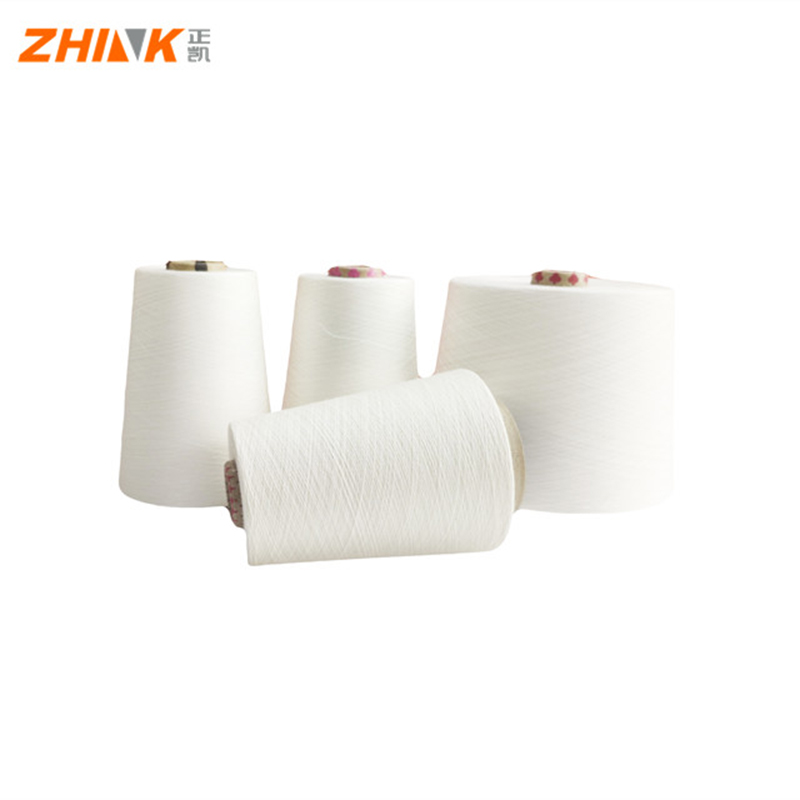
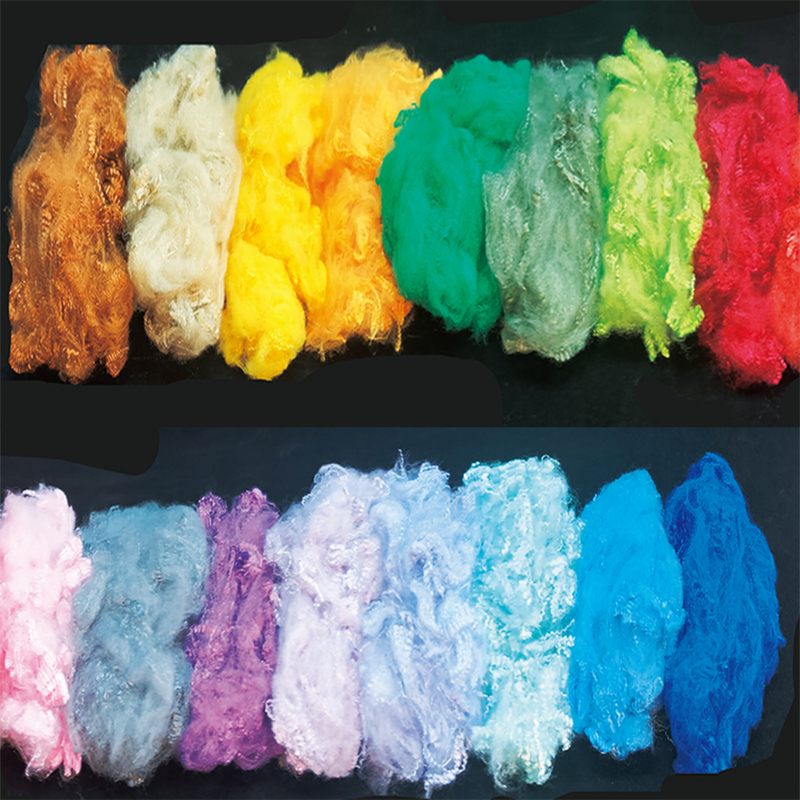
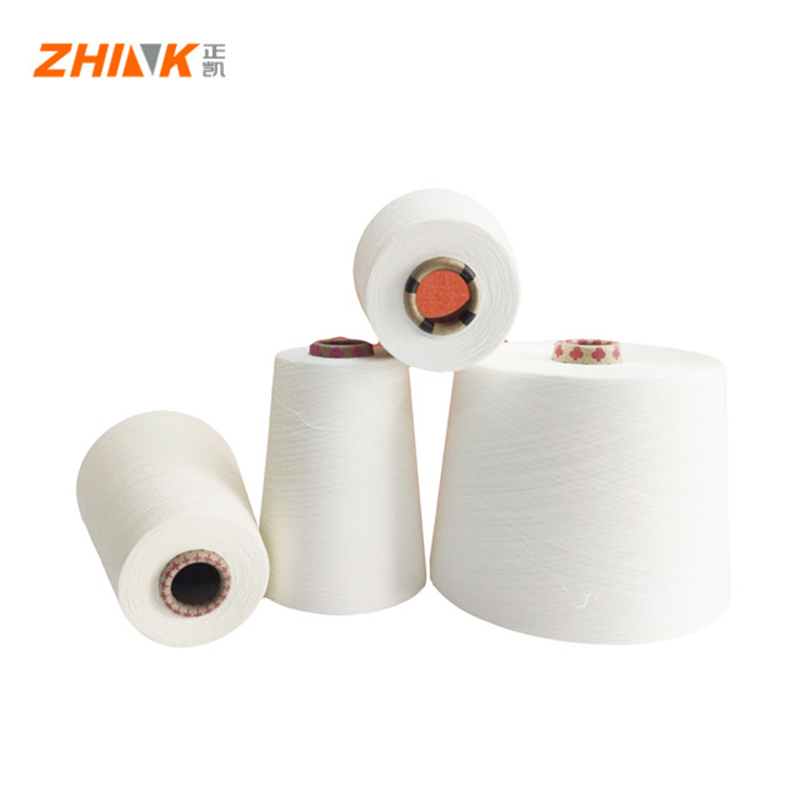
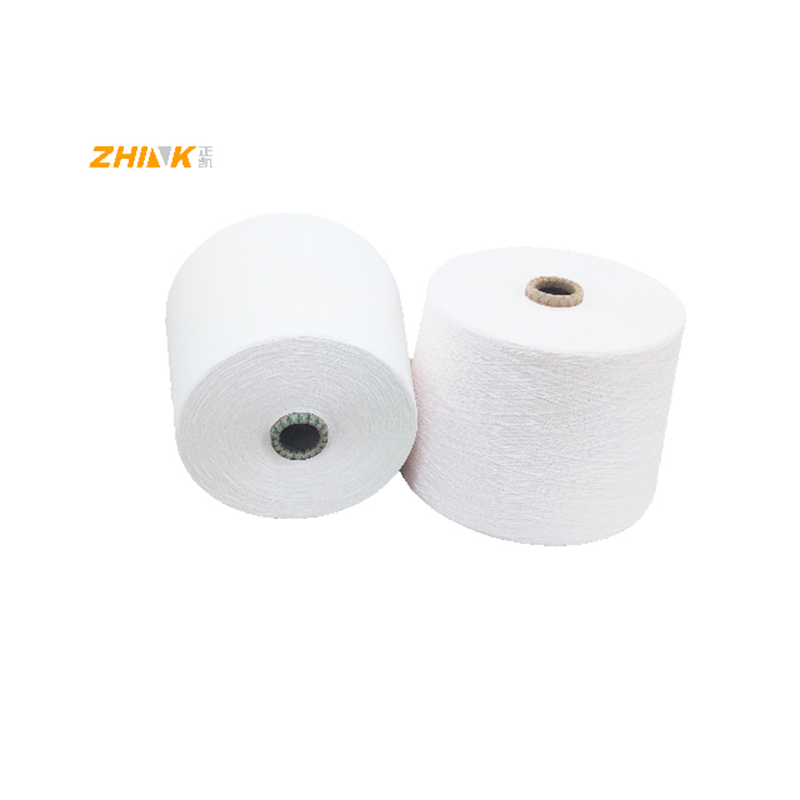
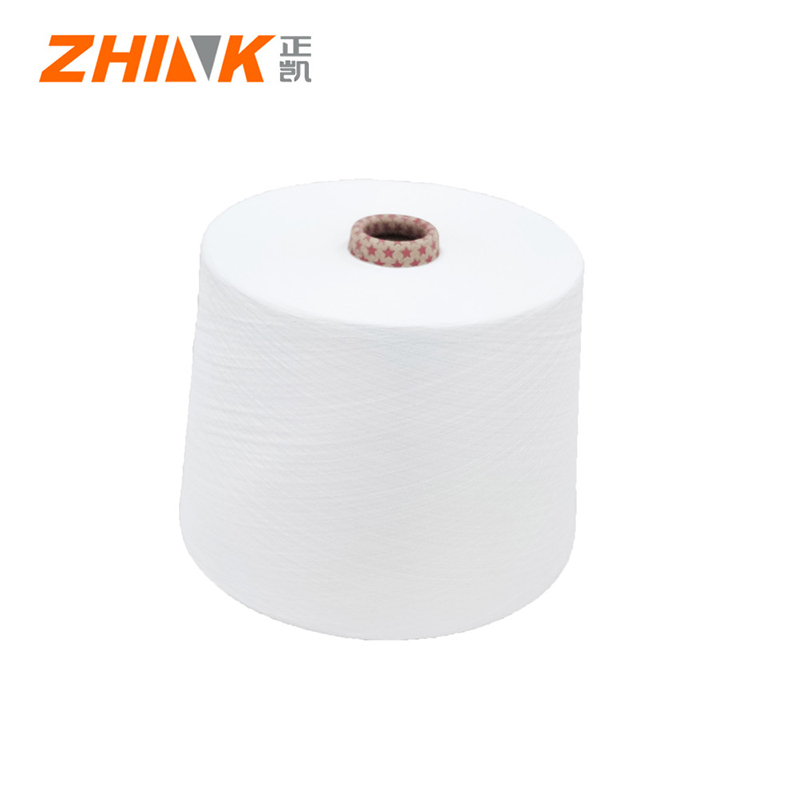
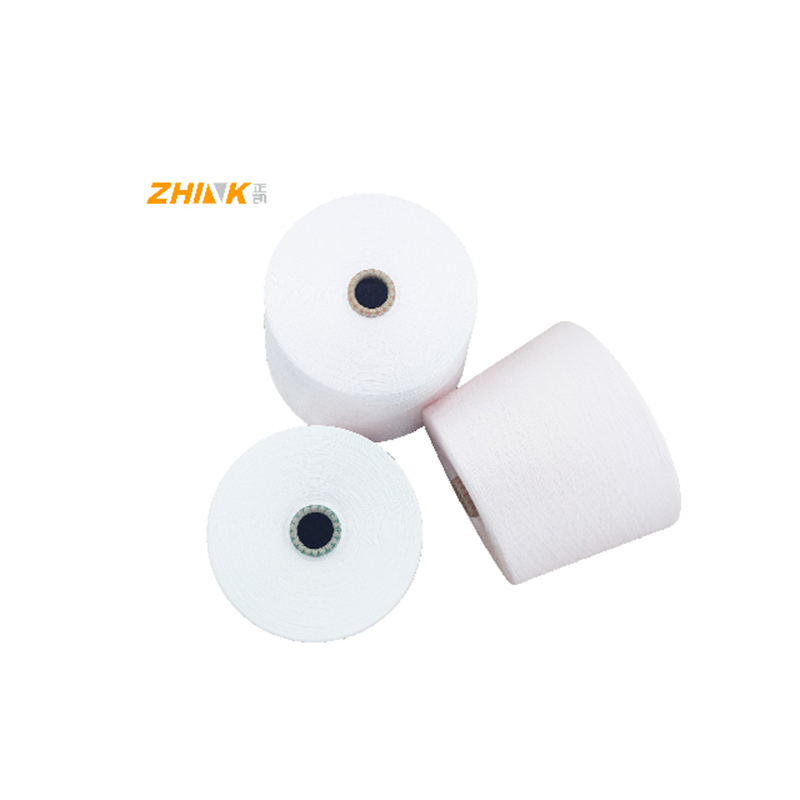
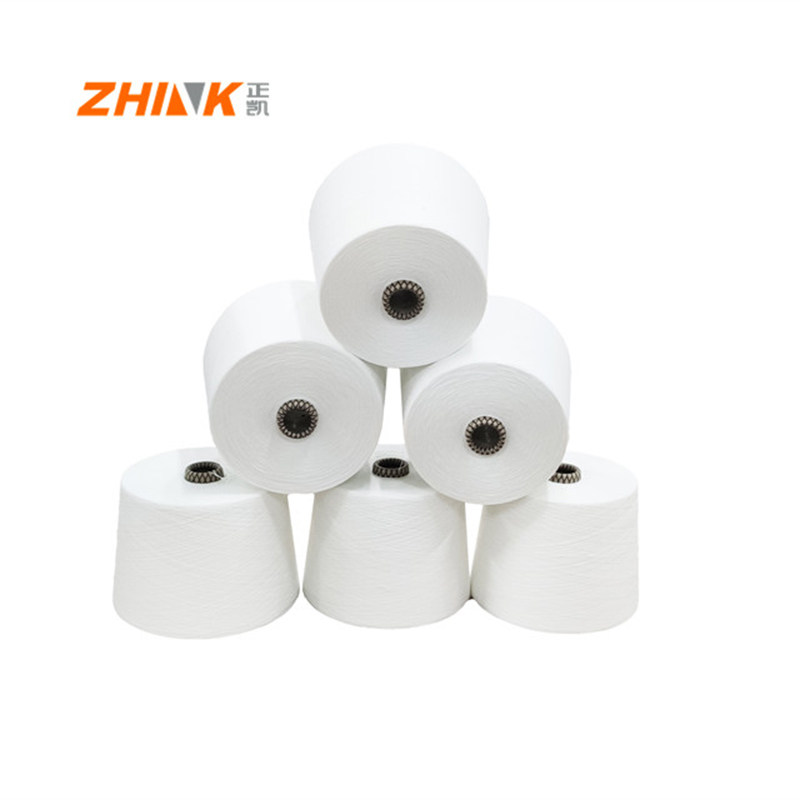
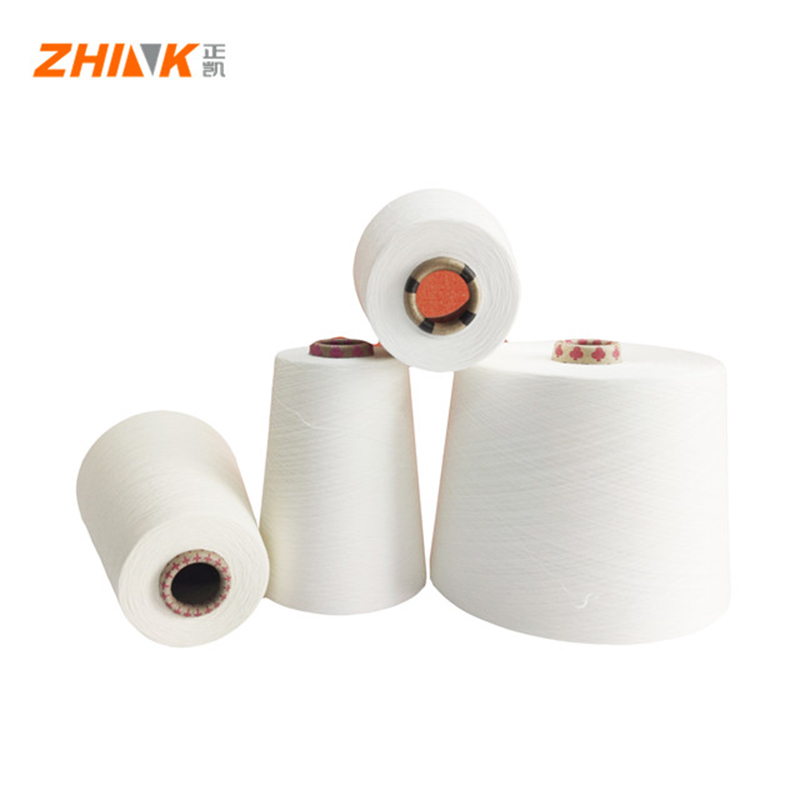
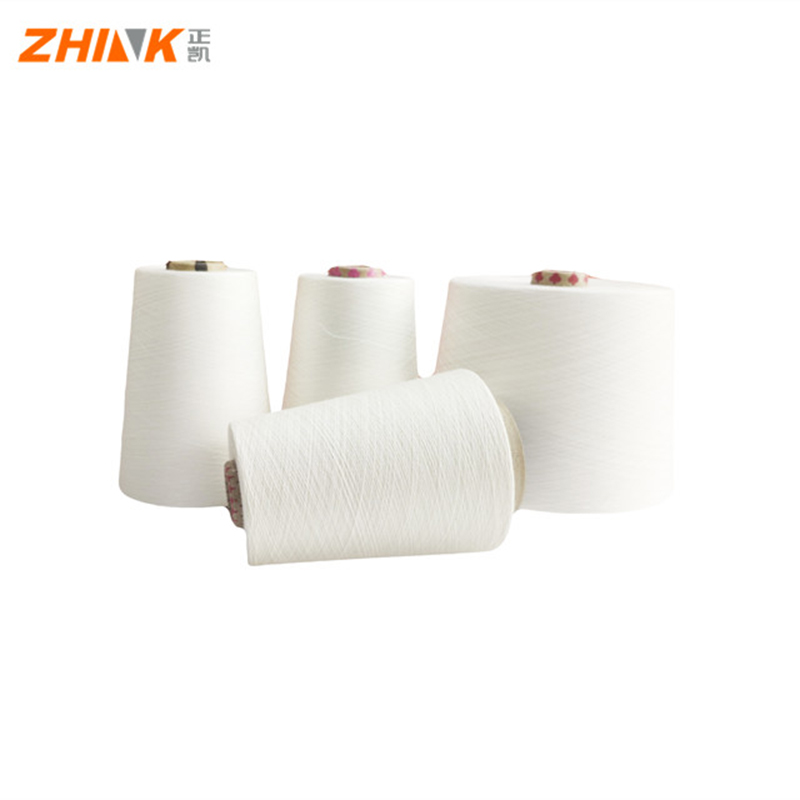
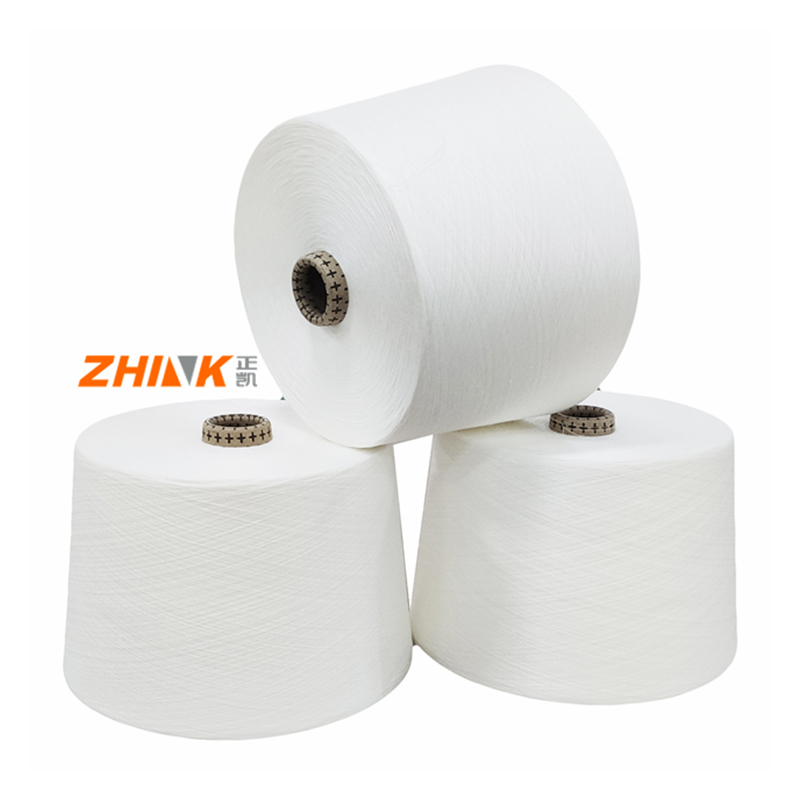
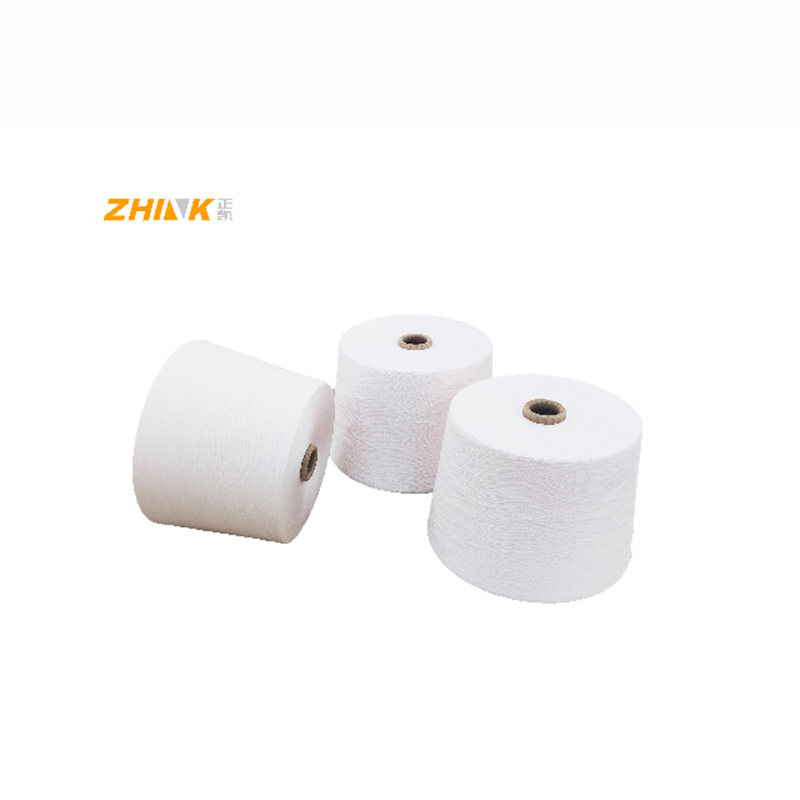
Solid acrylic/viscose vortex yarn
The Intricacies and Innovations of Solid Acrylic/Viscose Vortex Yarn
Solid acrylic/viscose vortex yarn is a game-changer in the textile industry, blending durability and softness to create fabrics that defy conventional limitations. Yet, the journey from concept to production reveals a tapestry of challenges and triumphs often unseen by the casual observer.
Understanding the Basics
At its core, the vortex spinning technology is pivotal. Unlike traditional spinning which relies on mechanical twisting, vortex spinning uses an airflow vortex to spin the fibers. This results in yarn with less hairiness, improved uniformity, and outstanding durability. But where does the magic really happen?
In combining solid acrylic with viscose, we create a yarn that not only feels luxurious but also maintains practical benefits such as resilience and tenacity. The interplay between these fibers plays a significant role—viscose lends a silk-like softness, while acrylic contributes robustness.
It's worth noting a common misconception: some think these yarns are only suitable for high-end fashion. In reality, their uses span from casual wear to industrial fabrics. Their versatility is indeed one of the main draws for manufacturers.
Challenges in Production
Producing solid acrylic/viscose vortex yarn is far from straightforward. For instance, controlling the blend ratio requires precision engineering. A deviation might lead to unwanted texture changes or a compromised tensile strength, impacting the final product’s performance.
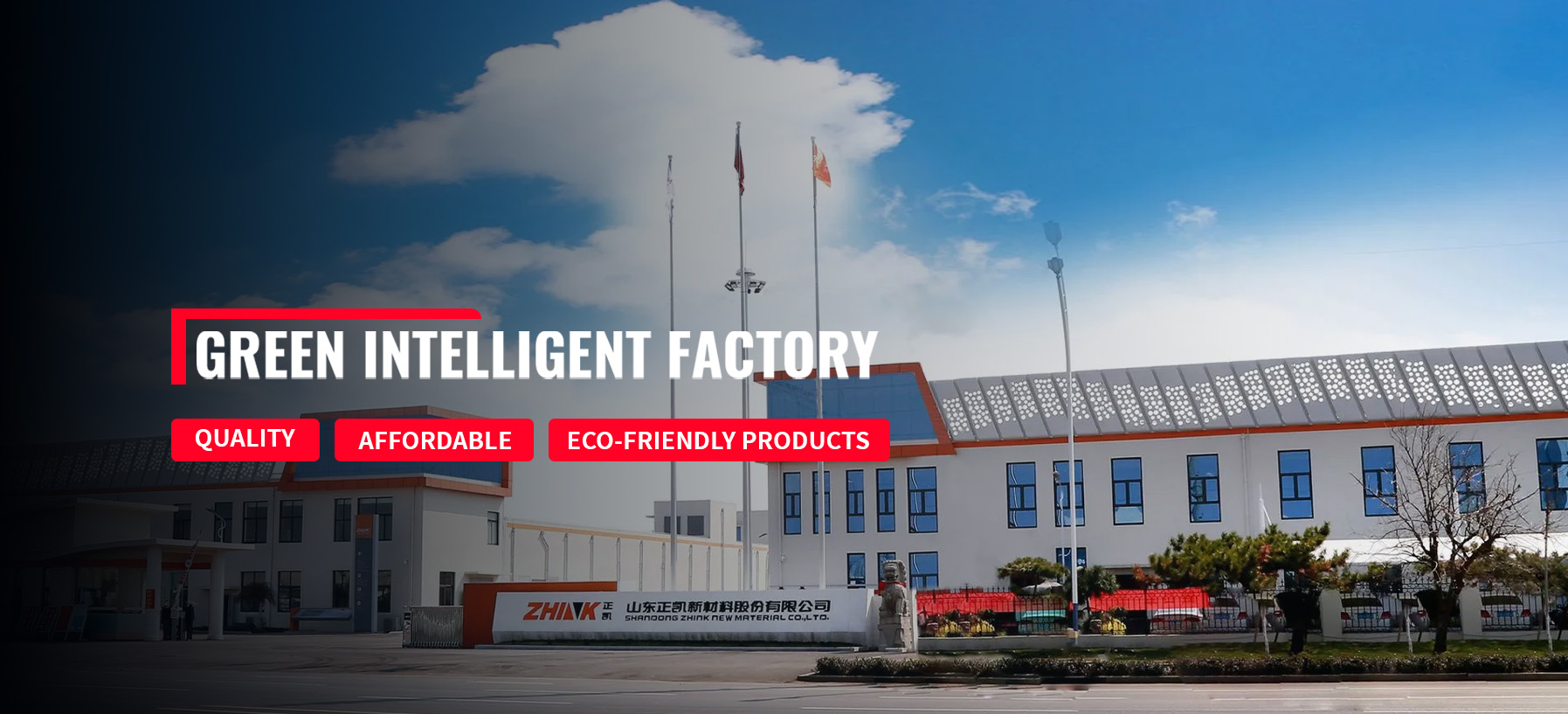
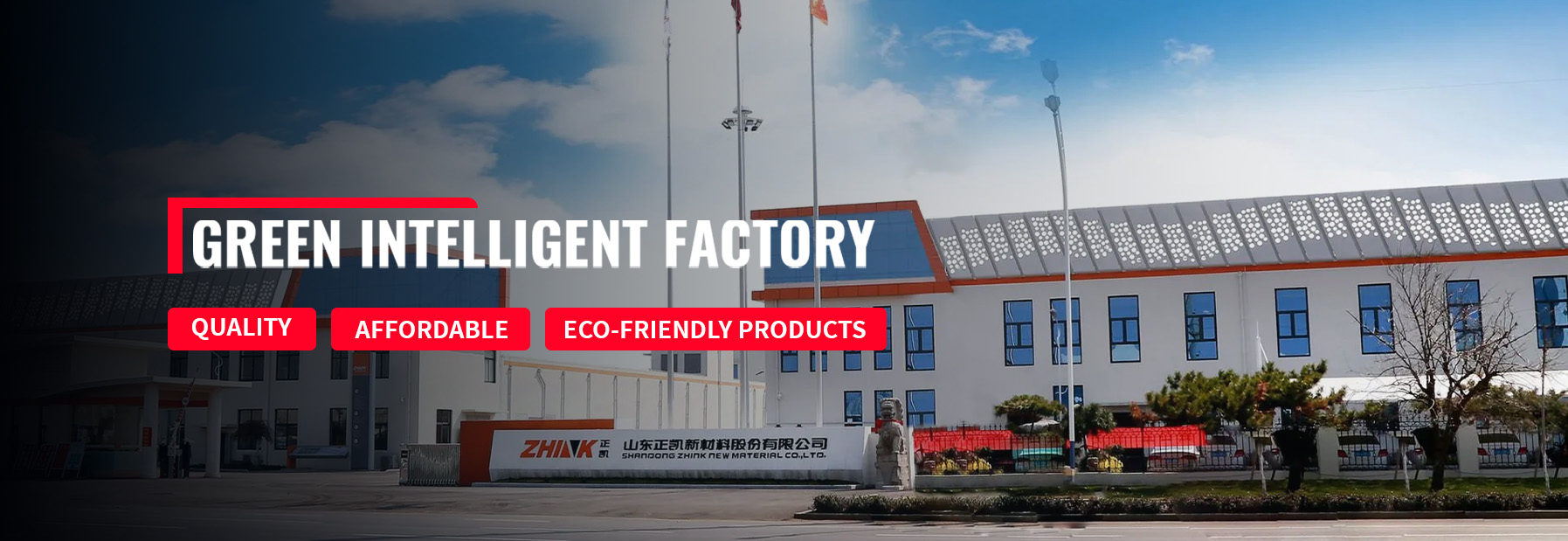
The team at SHANDONG ZHINK NEW MATERIAL CO., LTD, found at Zhink New Material, works extensively on these nuances. Their R&D department frequently iterates on the blend formulations to optimize quality while keeping production costs manageable. It's a balancing act that demands both art and science.
There's often a learning curve with vortex machines themselves. These high-tech devices necessitate frequent calibration and maintenance—an ongoing commitment to ensure consistent output quality.
Practical Applications
The end uses of solid acrylic/viscose vortex yarn can be quite varied. Apparel is just the beginning. These yarns find their way into home textiles, with bedsheets and draperies being popular choices. Their wrinkle-resistant nature makes them especially appealing for this sector.
I've observed firsthand how some furniture manufacturers also integrate these yarns into their upholstery. The wear resistance paired with aesthetic appeal makes it a logical choice, offering consumers both style and longevity.
For SHANDONG ZHINK NEW MATERIAL CO., LTD, diversification into these markets has been a strategic move, expanding their footprint and showcasing the adaptive potential of their textiles.
Real-World Observations
It's fascinating to see the real impact of these yarns beyond spec sheets and statistics. When you're in the workshop, feeling the yarn's texture and seeing its response to dye and weave—it all comes together.
Not every batch is perfect, though. On occasion, a yarn may exhibit unexpected behaviors during dye uptake. These moments are less setbacks and more learning experiences, driving future innovation and adjustment in processes.
Constant iteration is part of the workflow, with insights gained directly from hands-on trials guiding each new development phase. This experiential approach is something that SHANDONG ZHINK NEW MATERIAL CO., LTD has embedded deeply within their company ethos.
Looking Ahead
The future of solid acrylic/viscose vortex yarn is exciting, with ongoing research pushing boundaries further. With sustainability becoming increasingly crucial, efforts are underway to enhance eco-friendly variants without sacrificing quality or performance.
One intriguing avenue is exploring biodegradable additives to complement the existing fiber blend, potentially reducing the environmental footprint. It reflects an industry-wide push towards more conscious practices.
For those of us involved in this sphere, every day presents new challenges and opportunities. It's a dynamic landscape, and like the yarn itself, it requires strength and adaptability to thrive.
Related Products
Related Products