+86-632-3621866
- Chinese
- French
- German
- Portuguese
- Spanish
- Russian
- Japanese
- Korean
- Arabic
- Irish
- Greek
- Turkish
- Italian
- Danish
- Romanian
- Indonesian
- Czech
- Afrikaans
- Swedish
- Polish
- Basque
- Catalan
- Esperanto
- Hindi
- Lao
- Albanian
- Amharic
- Armenian
- Azerbaijani
- Belarusian
- Bengali
- Bosnian
- Bulgarian
- Cebuano
- Chichewa
- Corsican
- Croatian
- Dutch
- Estonian
- Filipino
- Finnish
- Frisian
- Galician
- Georgian
- Gujarati
- Haitian
- Hausa
- Hawaiian
- Hebrew
- Hmong
- Hungarian
- Icelandic
- Igbo
- Javanese
- Kannada
- Kazakh
- Khmer
- Kurdish
- Kyrgyz
- Latin
- Latvian
- Lithuanian
- Luxembou..
- Macedonian
- Malagasy
- Malay
- Malayalam
- Maltese
- Maori
- Marathi
- Mongolian
- Burmese
- Nepali
- Norwegian
- Pashto
- Persian
- Punjabi
- Serbian
- Sesotho
- Sinhala
- Slovak
- Slovenian
- Somali
- Samoan
- Scots Gaelic
- Shona
- Sindhi
- Sundanese
- Swahili
- Tajik
- Tamil
- Telugu
- Thai
- Ukrainian
- Urdu
- Uzbek
- Vietnamese
- Welsh
- Xhosa
- Yiddish
- Yoruba
- Zulu
- Kinyarwanda
- Tatar
- Oriya
- Turkmen
- Uyghur



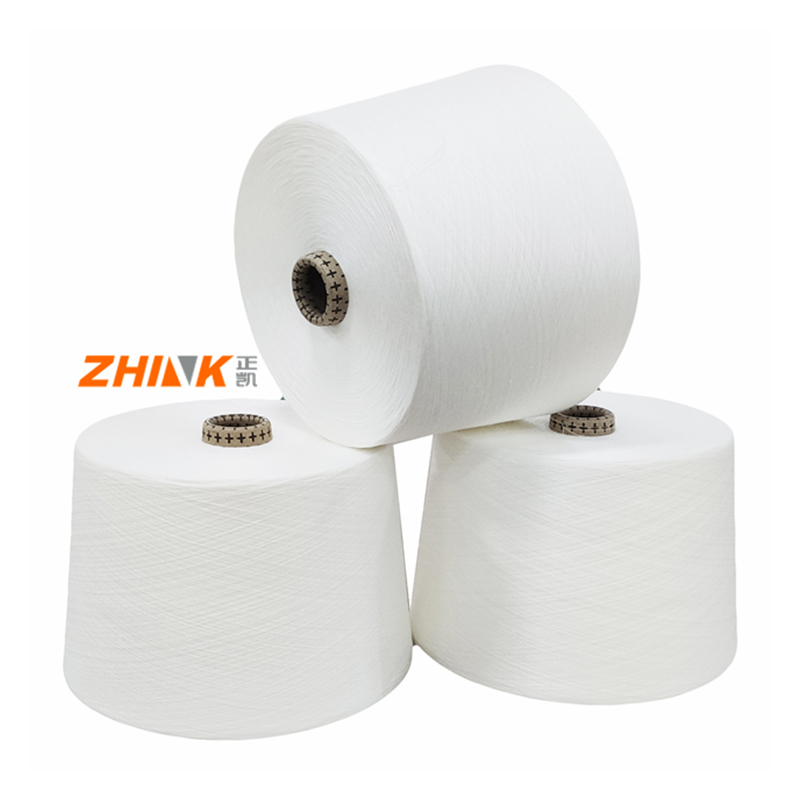
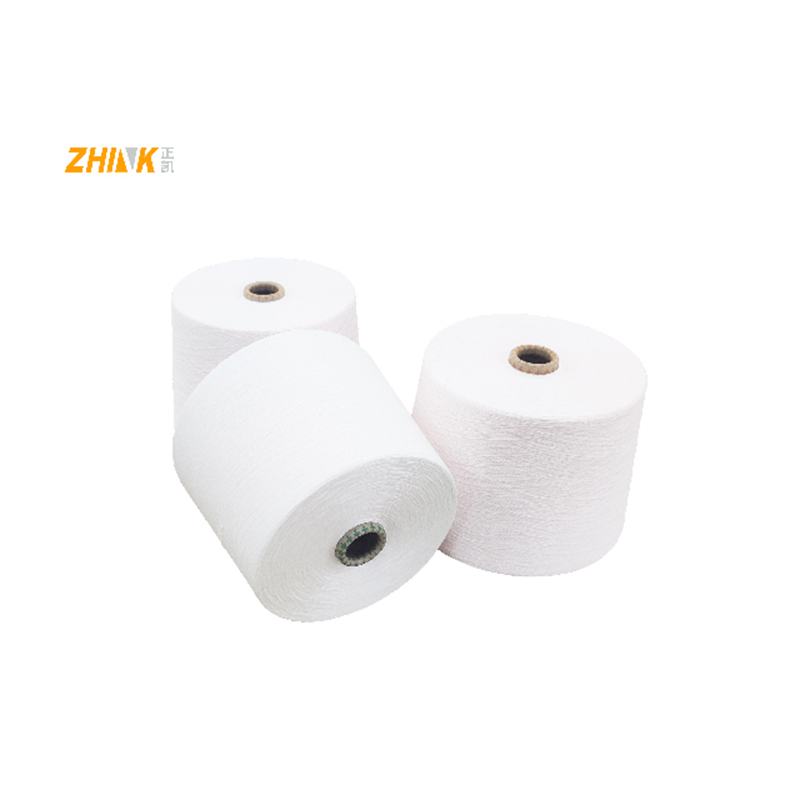
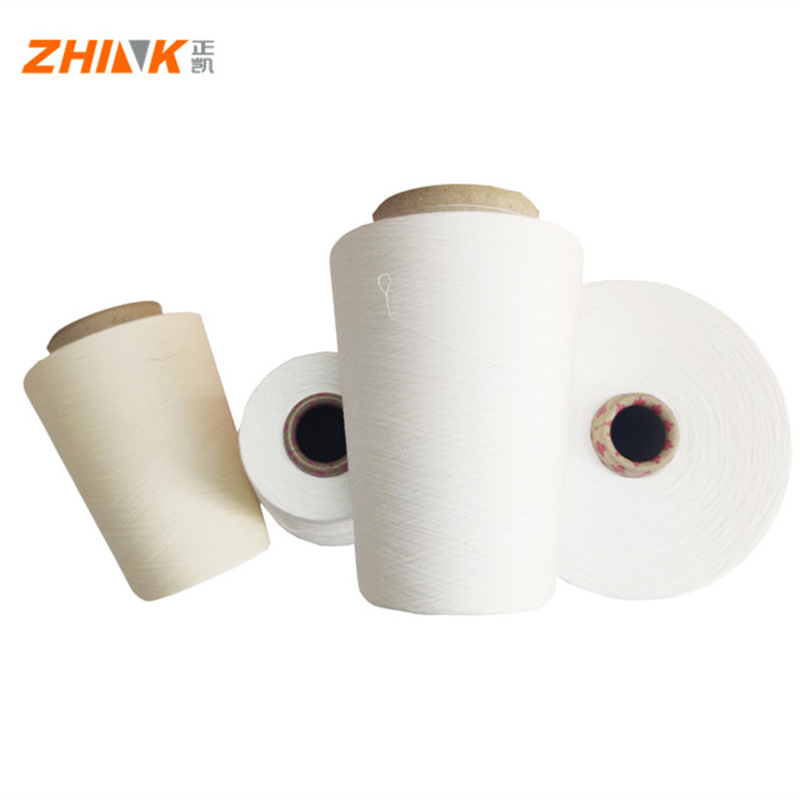
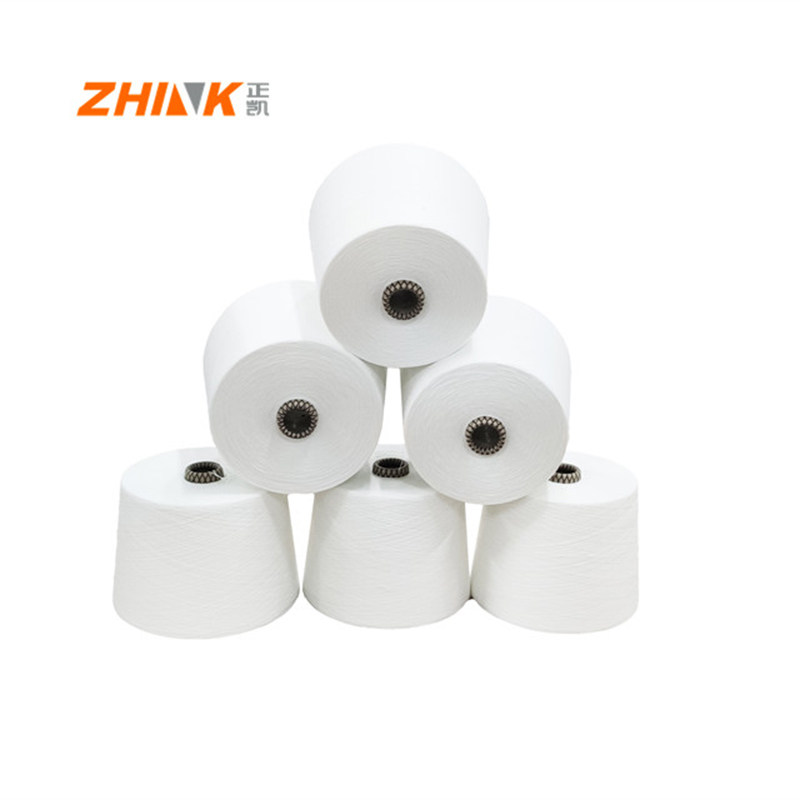
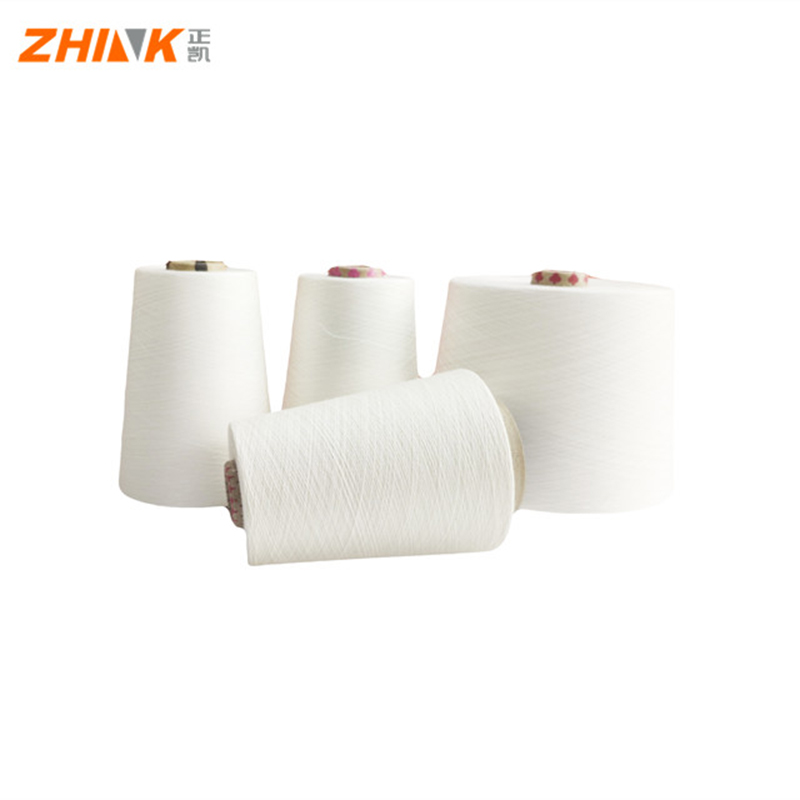
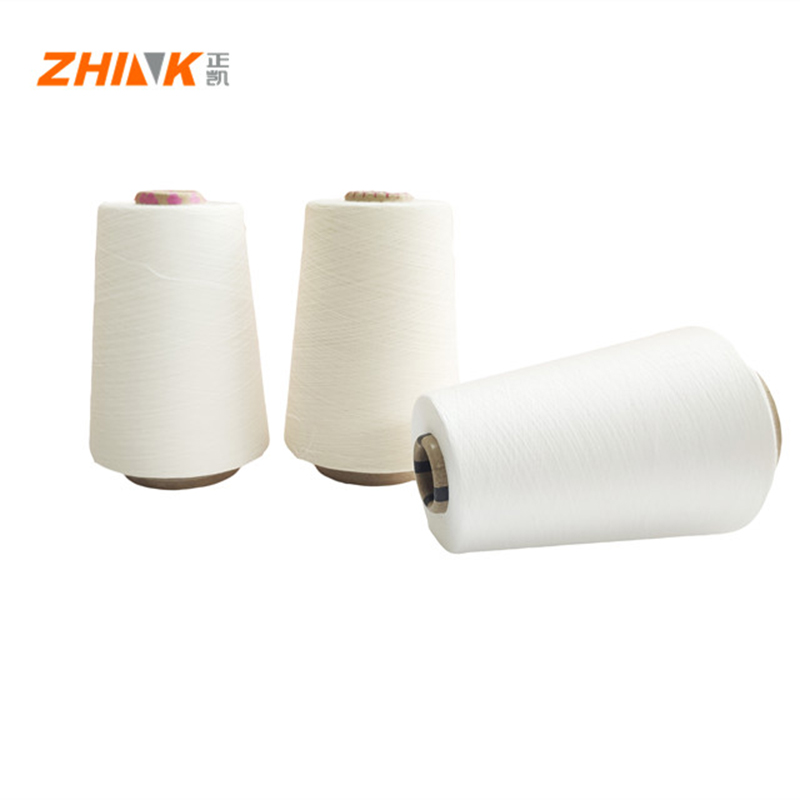
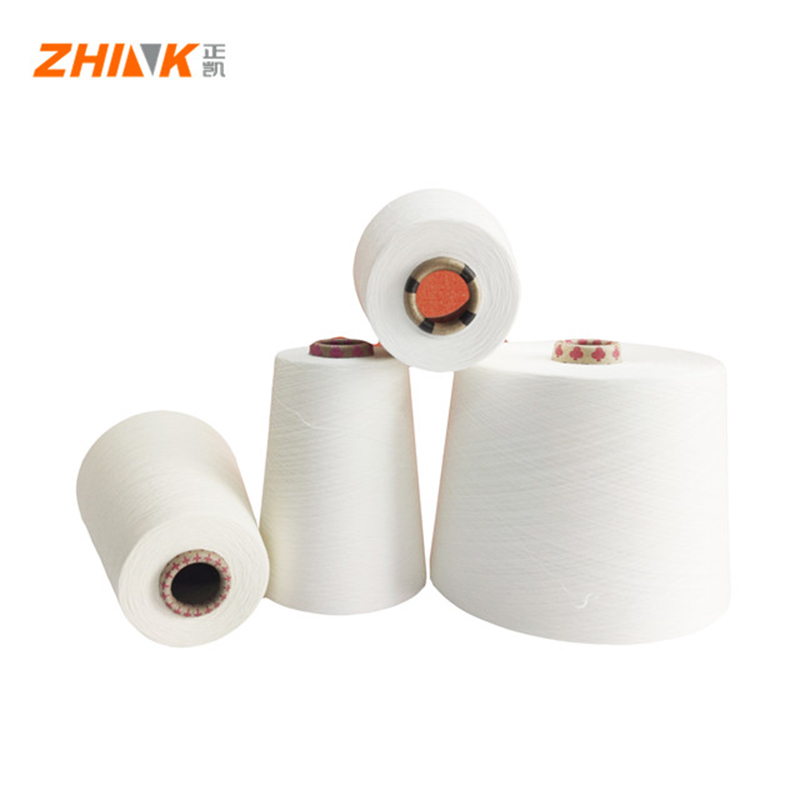
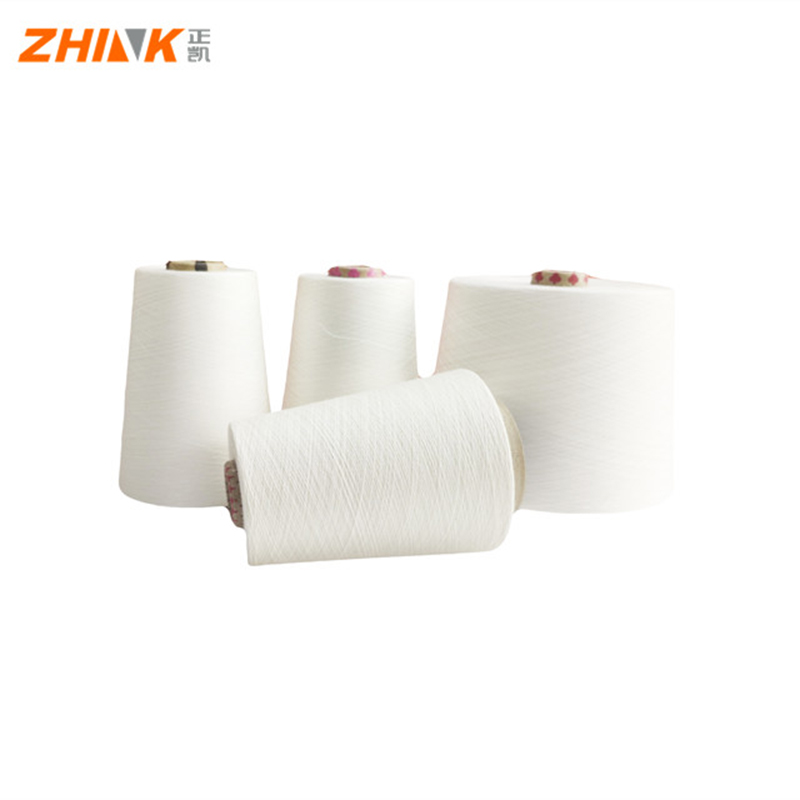
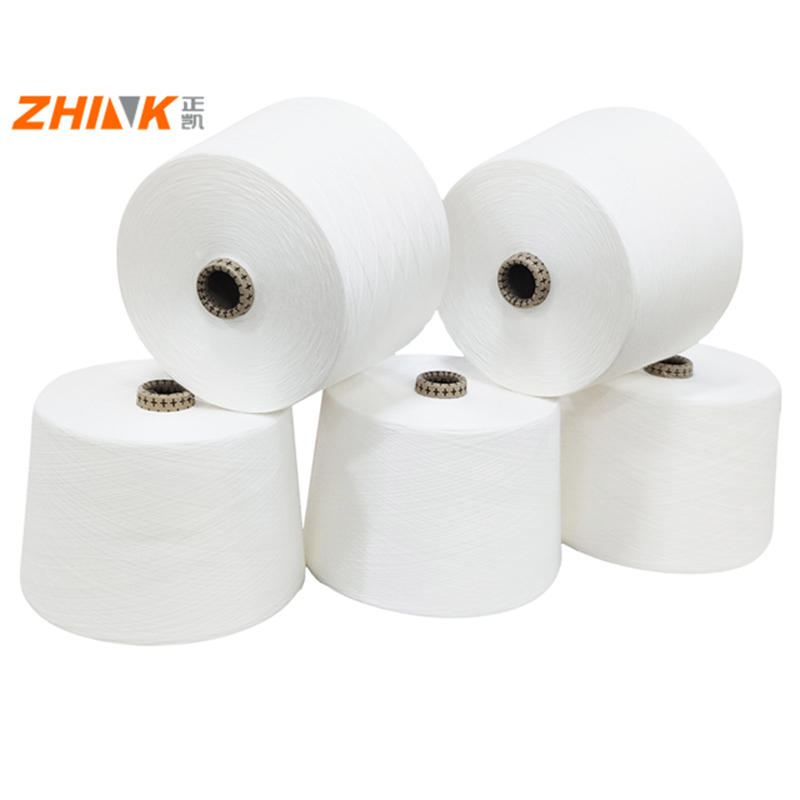
Solid acrylic yarn
The Versatility of Solid Acrylic Yarn
Solid acrylic yarn is a staple in the textile world, yet misconceptions about its quality persist. Whether you're drawn to its affordability or its durability, there's much to understand about how this synthetic marvel holds its ground in various applications.
Understanding Solid Acrylic Yarn
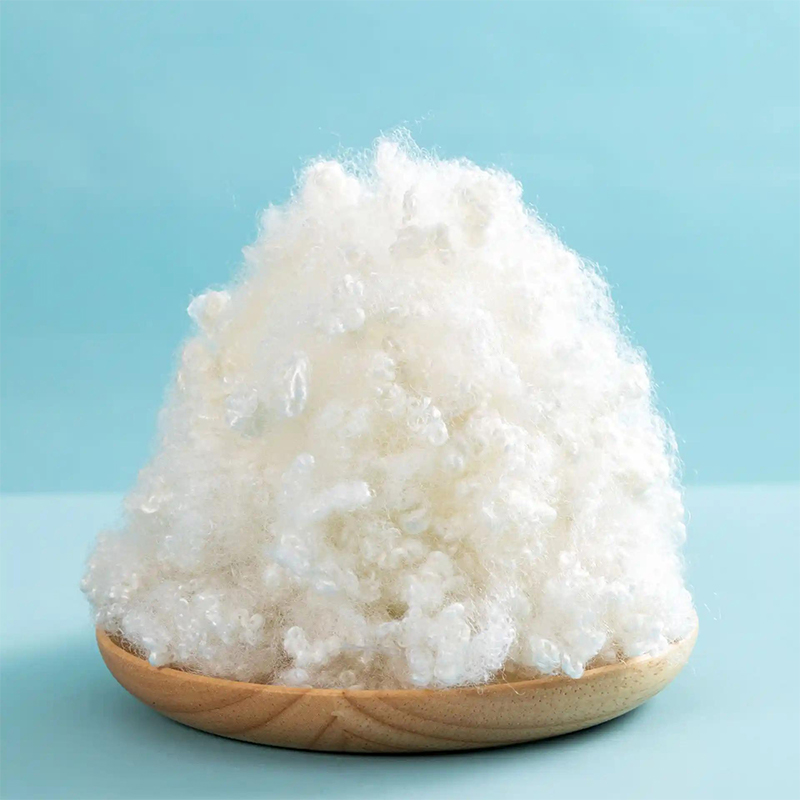
When it comes to textile materials, solid acrylic yarn often finds itself pitted against natural fibers like cotton and wool. The benefit here is its resilience and cost-efficiency. The yarn is essentially made from polymer fibers, which grants it unique properties like stain resistance and color retention. These qualities make it a favorite for knitted goods and wearable items, ideal for everyday use.
However, there’s a common question people ask: does it feel plasticky? The answer isn't straightforward. Modern production techniques have significantly improved the tactile sensation of acrylic yarns. Companies like SHANDONG ZHINK NEW MATERIAL CO., LTD are at the forefront, focusing on enhancing texture and usability through advanced R&D efforts. More insights can be found on their website, SHANDONG ZHINK.
Despite its synthetic nature, solid acrylic yarn mimics the softness of natural fibers—quite the achievement given its origins. It's this very adaptability that keeps it relevant in a rapidly evolving market.
Common Misconceptions and Clarifications
One of the biggest misconceptions is that solid acrylic yarn is solely for beginner projects due to its cost-effectiveness. While it's true that it’s budget-friendly, equating price with quality isn't always fair. In many scenarios, the durability of acrylic surpasses that of pricier fibers under similar conditions, particularly in items subjected to heavy wear like sportswear or frequently washed garments.
A practical test I've done involved using solid acrylic yarn for outdoor gear. Despite harsh conditions—rain, sun, and even occasional dirt—the yarn held its color and shape remarkably well. This durability is partly due to its ability to resist moisture absorption, reducing the risk of mildew and similar issues that plague natural fibers.
The tactile experience, while not identical to wool, offers another layer of interest. Many projects benefit from its lightweight nature, allowing for more intricate designs without the bulk.
Applications and Industry Examples
Solid acrylic yarn's versatility can be seen across various applications from commercial fashion to personal craft projects. In a commercial setting, manufacturers appreciate the yarn's consistency and performance during mass production runs. Its low maintenance needs make it cost-effective for large-scale garment production.
In personal crafting, hobbyists enjoy experimenting with its range of vivid colors. It's not uncommon to see this yarn becoming the backbone for vibrant scarves, hats, and other apparel items. The yarn's easy-care attributes—machine washable, for instance—add to its appeal.
With rapidly advancing technology in textile manufacturing, companies like Zhink New Material are constantly innovating. By adopting cutting-edge R&D strategies, they enhance properties like eco-friendliness and hypoallergenic features, paving the way for broader applications.
Practical Issues and Considerations
Of course, no material is without its challenges. Users often report pilling after extensive use; however, selecting a high-quality solid acrylic yarn can mitigate this concern. Products offered by reputable sources such as SHANDONG ZHINK NEW MATERIAL CO., LTD often outperform lesser-quality competitors.
Another common issue is static electricity—especially noticeable in dry climates. A practical solution I've found involves using fabric softeners or considering a yarn blend that reduces static build-up.
Despite these minor issues, the trade-offs are worth considering, given the yarn's myriad benefits. Understanding your project needs can guide you to make the most out of this versatile material.
The Future of Solid Acrylic Yarn
Looking ahead, the future of solid acrylic yarn seems promising. With companies like Zhink New Material pushing the boundaries of what this material can do, the potential applications are expanding. The focus on sustainable development doesn't hurt either, as more eco-conscious consumers drive the demand for responsible production practices.
It's exciting to imagine where ongoing innovation will take us. Perhaps soon, every perceived limitation of acrylic could be addressed, making it an even stronger contender against natural fibers.
For those curious about exploring the possibilities, I recommend visiting Zhink Yarn. Keeping up with industry advances could very well change any longstanding perceptions you might have about solid acrylic yarn.
Related Products
Related Products