+86-632-3621866
- Chinese
- French
- German
- Portuguese
- Spanish
- Russian
- Japanese
- Korean
- Arabic
- Irish
- Greek
- Turkish
- Italian
- Danish
- Romanian
- Indonesian
- Czech
- Afrikaans
- Swedish
- Polish
- Basque
- Catalan
- Esperanto
- Hindi
- Lao
- Albanian
- Amharic
- Armenian
- Azerbaijani
- Belarusian
- Bengali
- Bosnian
- Bulgarian
- Cebuano
- Chichewa
- Corsican
- Croatian
- Dutch
- Estonian
- Filipino
- Finnish
- Frisian
- Galician
- Georgian
- Gujarati
- Haitian
- Hausa
- Hawaiian
- Hebrew
- Hmong
- Hungarian
- Icelandic
- Igbo
- Javanese
- Kannada
- Kazakh
- Khmer
- Kurdish
- Kyrgyz
- Latin
- Latvian
- Lithuanian
- Luxembou..
- Macedonian
- Malagasy
- Malay
- Malayalam
- Maltese
- Maori
- Marathi
- Mongolian
- Burmese
- Nepali
- Norwegian
- Pashto
- Persian
- Punjabi
- Serbian
- Sesotho
- Sinhala
- Slovak
- Slovenian
- Somali
- Samoan
- Scots Gaelic
- Shona
- Sindhi
- Sundanese
- Swahili
- Tajik
- Tamil
- Telugu
- Thai
- Ukrainian
- Urdu
- Uzbek
- Vietnamese
- Welsh
- Xhosa
- Yiddish
- Yoruba
- Zulu
- Kinyarwanda
- Tatar
- Oriya
- Turkmen
- Uyghur



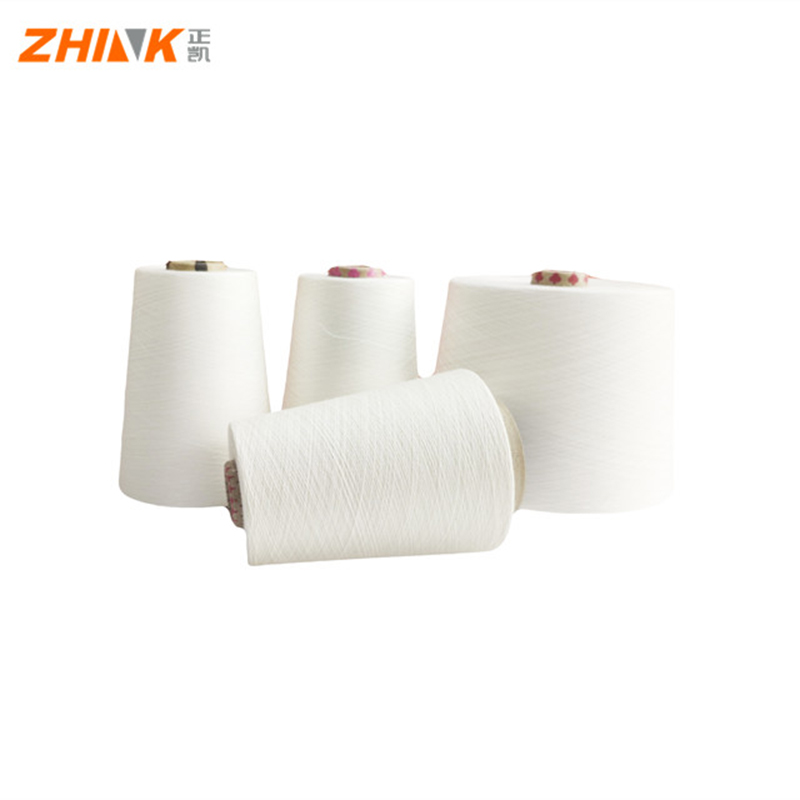
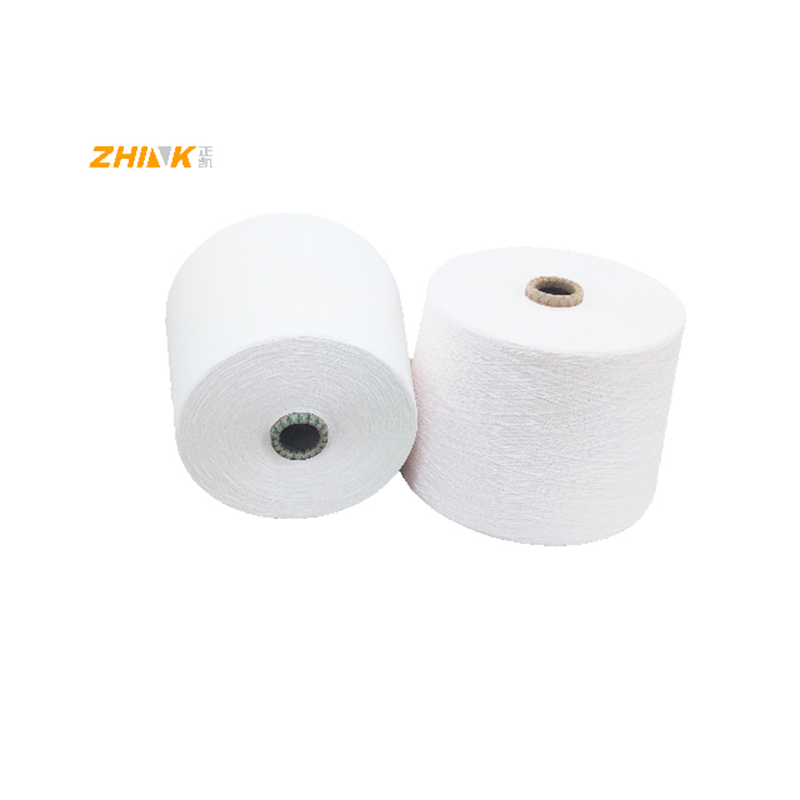
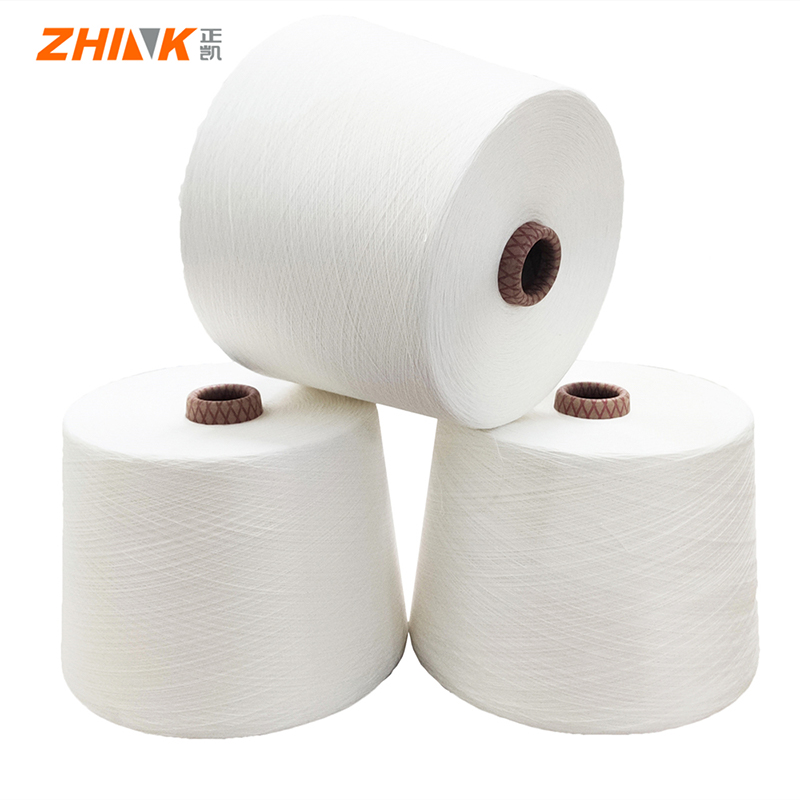
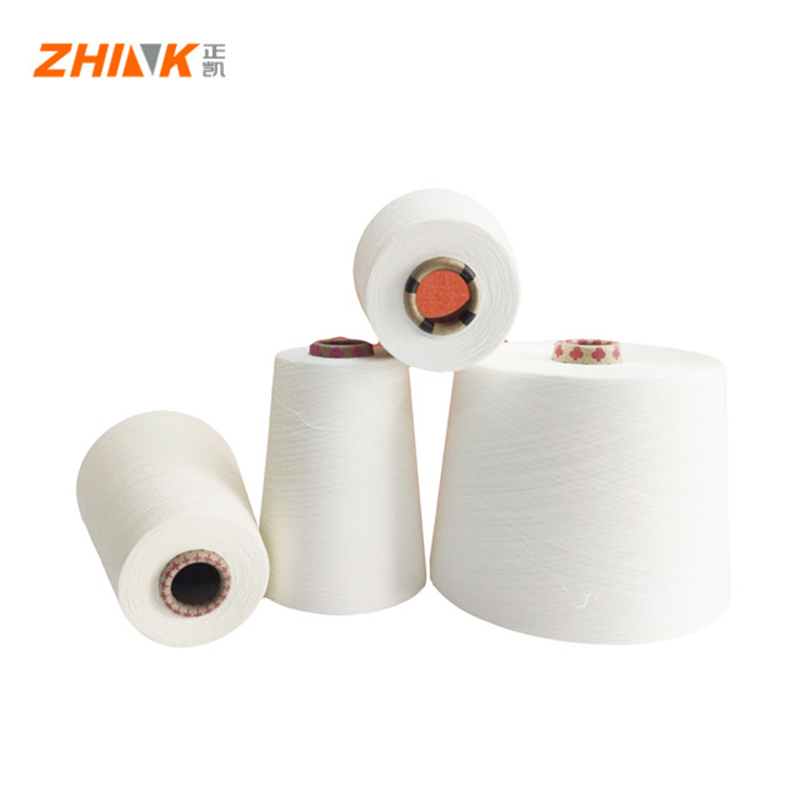
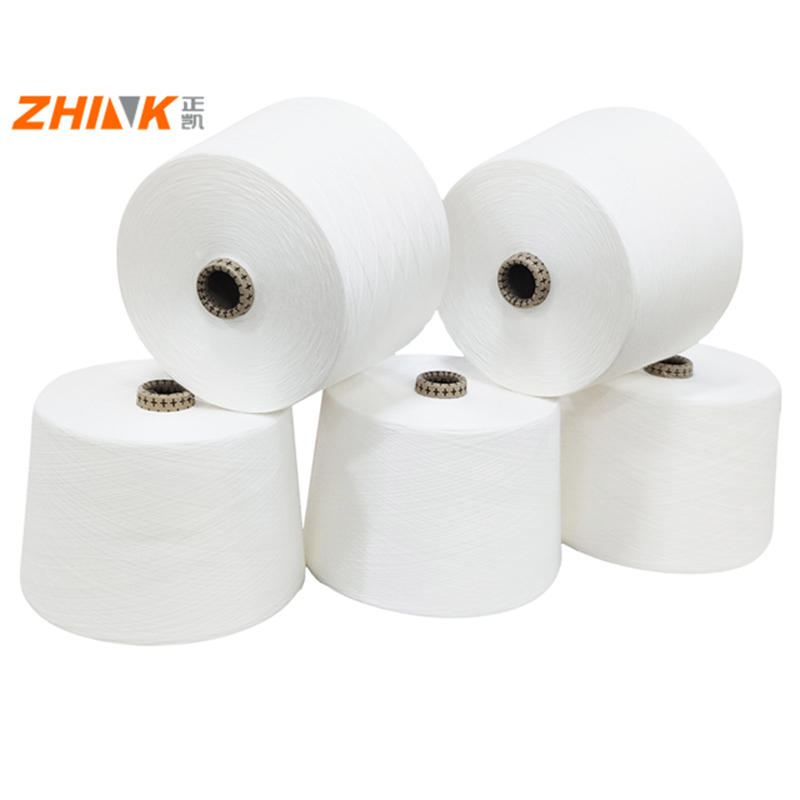
Solid acrylic yarn for knitting
The Versatility of Solid Acrylic Yarn for Knitting
When it comes to knitting, few materials offer the versatility and convenience of solid acrylic yarn. It's an often-underestimated option in the world of textiles, yet its characteristics cater to a range of projects, from cozy wearables to sturdy home decor. But what exactly makes it such a popular choice among both amateur knitters and seasoned pros?
The Allure of Solid Acrylic Yarn
One of the first things that draw people to solid acrylic yarn is its unmistakable durability. Unlike other fibers that may fade or deteriorate over time, acrylic holds its shape and color remarkably well. This feature is particularly valuable for projects that will see a lot of use, such as blankets or kids' sweaters. Personally, I’ve found that a simple wash can keep acrylic pieces looking fresh for years, a quality not all yarns possess.
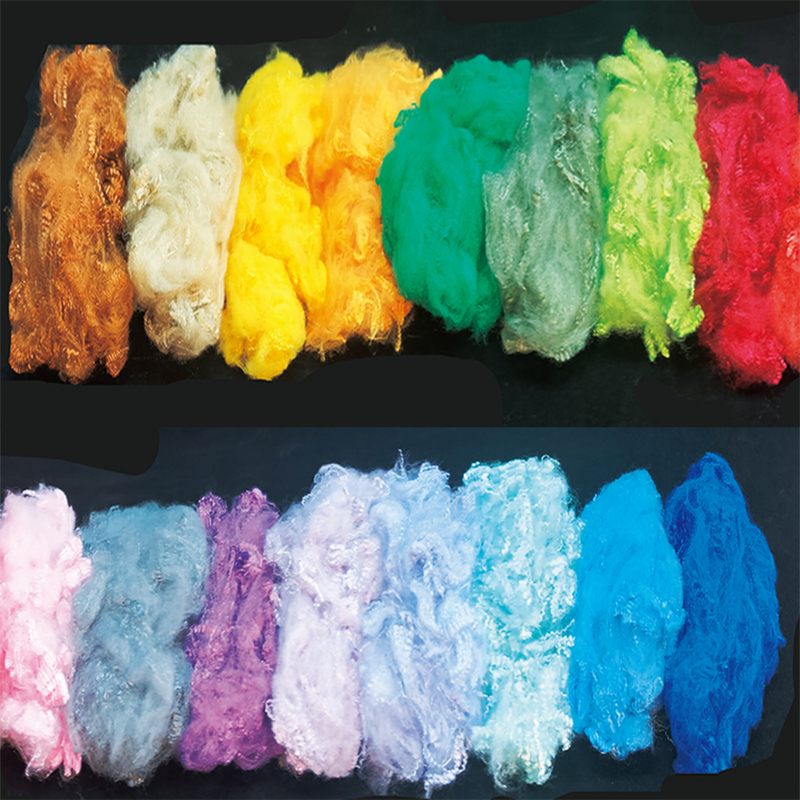
Another significant advantage is the broad range of colors. Solid acrylic yarn is available in nearly every shade imaginable. For those of us who enjoy experimenting with color patterns, this is an enormous plus. Creating vibrant, eye-catching designs becomes significantly easier when you don’t have to worry about a color palette being limited by the yarn type.
However, there are some misconceptions worth addressing. Some might think acrylic yarns are universally scratchy or less comfortable. This isn’t entirely unfounded, as earlier versions of acrylic could feel a bit rough. But innovations in textile manufacturing have transformed how these yarns feel against the skin. My go-to is the selections from SHANDONG ZHINK NEW MATERIAL CO., LTD—a company deeply rooted in developing cutting-edge textile solutions.
Working with Acrylic Yarn
From an experiential standpoint, using solid acrylic yarn can be quite rewarding, but it does come with a learning curve. For instance, it's important to consider its stretch. Unlike natural fibers, acrylic doesn’t have the same elasticity. This means your knitting technique might require slight adjustments to ensure the finished product doesn’t end up too rigid or stiff.
One strategy I’ve found effective is using slightly larger needles or hooks than you would with wool. This can add a bit of desired drape to your projects. Furthermore, with its quick-dry properties, acrylic is remarkably forgiving when it comes to handling and storage. This is a vital point for those managing multiple projects at once—less time worrying about yarn care, more time focusing on creative processes.
Moreover, it's worth noting that this material is particularly beginner-friendly. Because it’s widely available and generally more affordable than natural fibers, novices can experiment without a hefty investment. In learning environments or knitting groups I’ve been a part of, acrylic is often recommended for first-timers trying their hand at new stitches or projects.
A Case Study in Color and Comfort
A practical example: I recall working on a patchwork quilt using acrylic yarn. The vibrant colors were pivotal in making each patch distinct, and given that these would endure frequent washings, acrylic was the logical choice. Even after several cycles in the washing machine, the yarn held up beautifully, with no pilling or fading to speak of.
For anyone new to acrylic or perhaps hesitant, I always suggest starting with smaller projects. Maybe tune into one of the vast repositories of pattern inspiration that companies like Zhink provide. Their website, zhinkyarn.com, often highlights innovative uses for their yarns, showcasing projects from various knitting communities.
In my experience, practical trials are often the best way to understand a material's full potential. So, whether it be a small coaster or a full garment, there’s immense value in giving solid acrylic yarn a fair chance.
Challenges and Solutions
Despite its many advantages, the use of acrylic yarn isn’t without its challenges. Static build-up can be a nuisance, especially in dryer climates. Fortunately, a quick fix is using anti-static sprays, which are easily found in most craft stores. A light spray before starting your project can make all the difference.
Additionally, careful attention must be paid when blocking projects. Acrylic doesn’t respond to traditional wet blocking the way natural fibers do. However, steam blocking often does the trick, allowing for adjustments in shape without compromising the yarn's integrity.
I’ve also been asked whether acrylic yarn affects skin sensitivity. While reactions are rare, those encountering issues might explore blending acrylic with cotton or other natural fibers. This combination can provide a solution to both texture and sensitivity, ensuring everyone can enjoy the yarn's benefits.
Final Thoughts on Acrylic's Role in Modern Knitting
In wrapping things up, I find that solid acrylic yarn offers a compelling blend of durability, color variety, and affordability. It’s particularly suited for hobbyists looking for versatile material that doesn’t break the bank. The advancements by textile innovators, such as SHANDONG ZHINK NEW MATERIAL CO., LTD, have pushed the capabilities of acrylic further, making it a viable option for many projects.
Whether you're a veteran of the needles or just starting out, it's worth diving into the options available with acrylic. There are learning curves, sure, yet its benefits are substantial, offering every home knitter a fresh perspective on what's possible. Taking the initiative to explore and understand the material firsthand often turns initial skepticism into warm appreciation.
If you’re intrigued, consider browsing through resources like zhinkyarn.com to explore the possibilities. After all, every stitch brings with it a new opportunity to learn.
Related Products
Related Products