+86-632-3621866
- Chinese
- French
- German
- Portuguese
- Spanish
- Russian
- Japanese
- Korean
- Arabic
- Irish
- Greek
- Turkish
- Italian
- Danish
- Romanian
- Indonesian
- Czech
- Afrikaans
- Swedish
- Polish
- Basque
- Catalan
- Esperanto
- Hindi
- Lao
- Albanian
- Amharic
- Armenian
- Azerbaijani
- Belarusian
- Bengali
- Bosnian
- Bulgarian
- Cebuano
- Chichewa
- Corsican
- Croatian
- Dutch
- Estonian
- Filipino
- Finnish
- Frisian
- Galician
- Georgian
- Gujarati
- Haitian
- Hausa
- Hawaiian
- Hebrew
- Hmong
- Hungarian
- Icelandic
- Igbo
- Javanese
- Kannada
- Kazakh
- Khmer
- Kurdish
- Kyrgyz
- Latin
- Latvian
- Lithuanian
- Luxembou..
- Macedonian
- Malagasy
- Malay
- Malayalam
- Maltese
- Maori
- Marathi
- Mongolian
- Burmese
- Nepali
- Norwegian
- Pashto
- Persian
- Punjabi
- Serbian
- Sesotho
- Sinhala
- Slovak
- Slovenian
- Somali
- Samoan
- Scots Gaelic
- Shona
- Sindhi
- Sundanese
- Swahili
- Tajik
- Tamil
- Telugu
- Thai
- Ukrainian
- Urdu
- Uzbek
- Vietnamese
- Welsh
- Xhosa
- Yiddish
- Yoruba
- Zulu
- Kinyarwanda
- Tatar
- Oriya
- Turkmen
- Uyghur



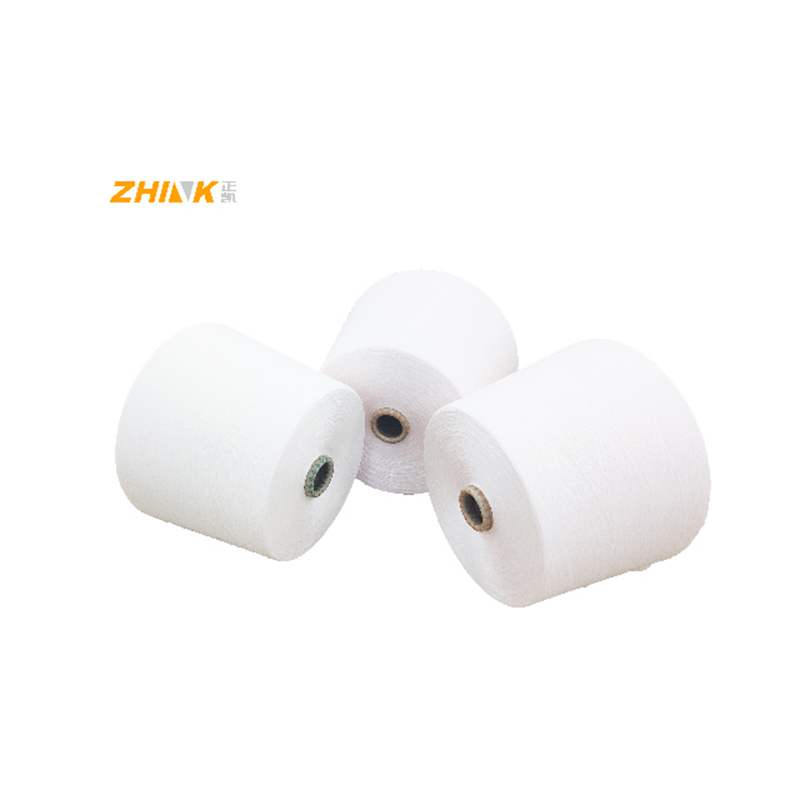
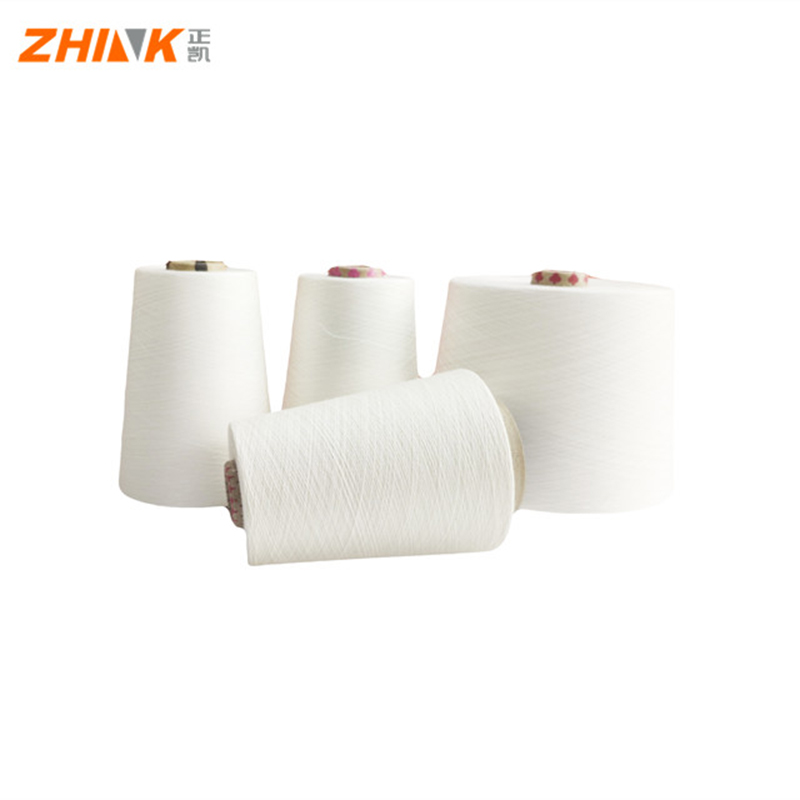
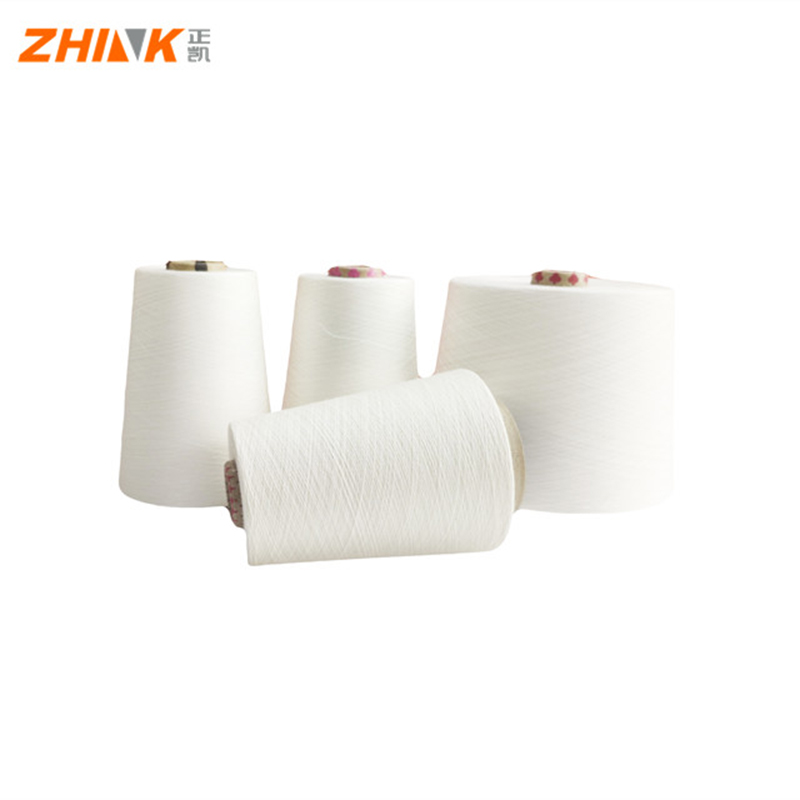
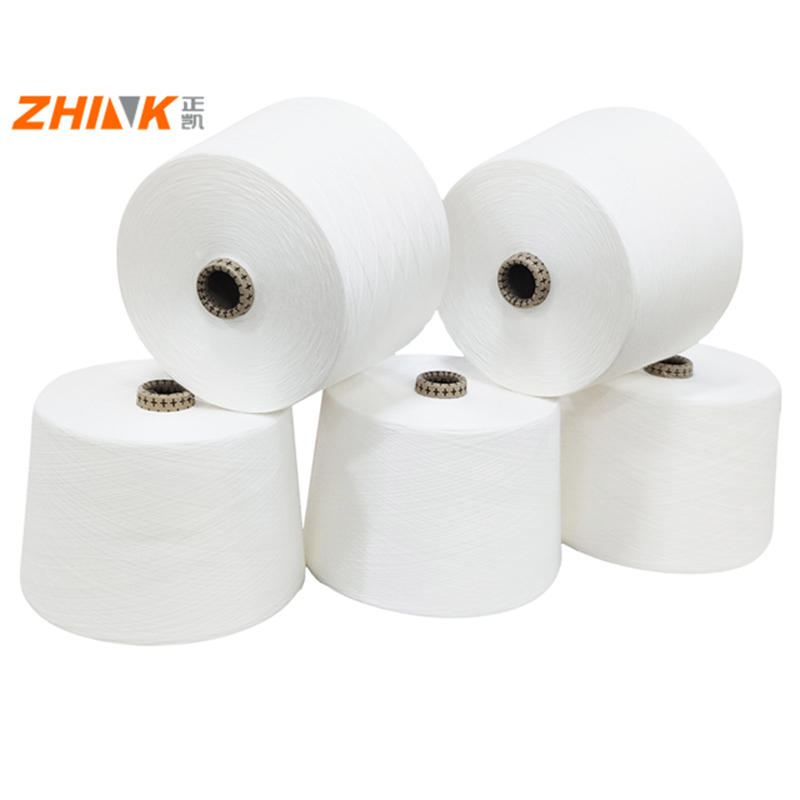
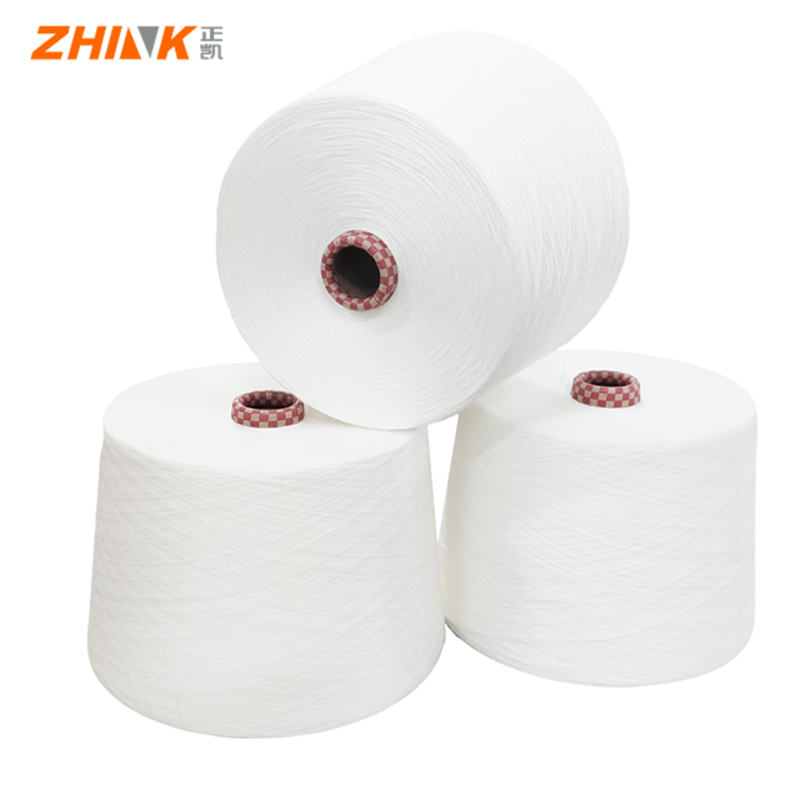
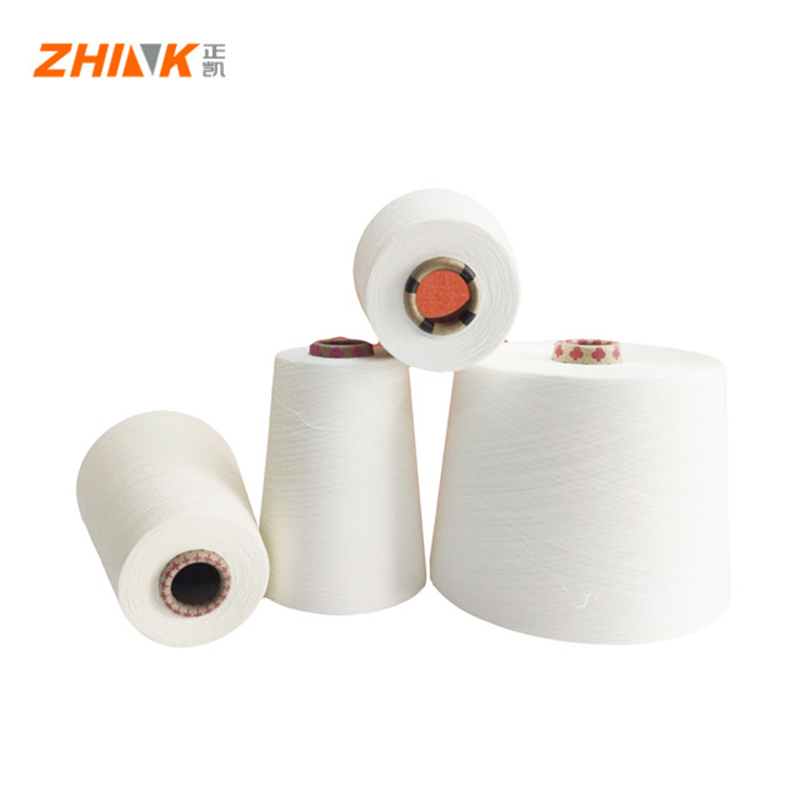
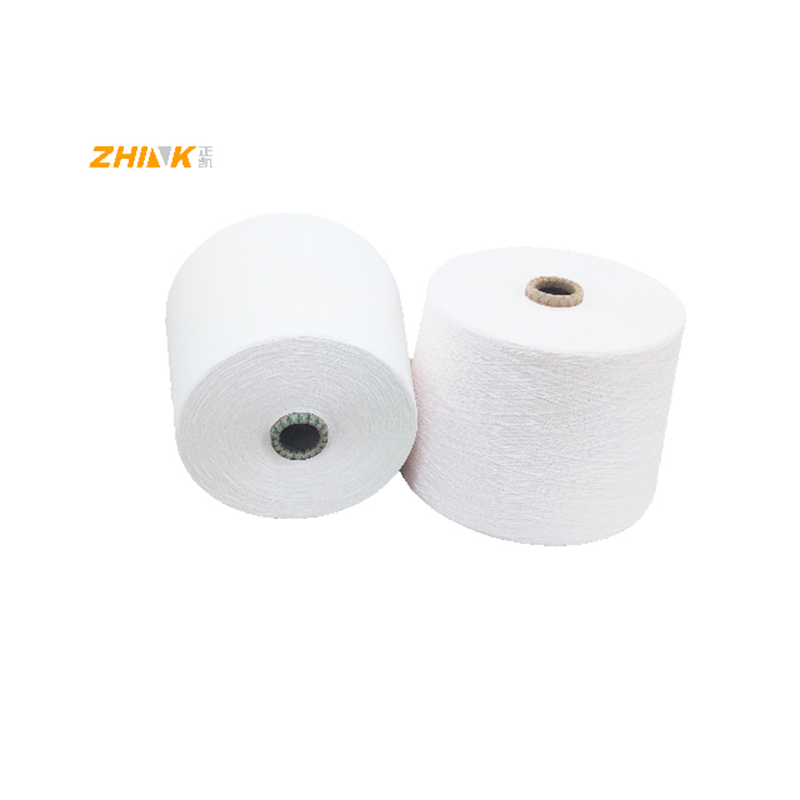
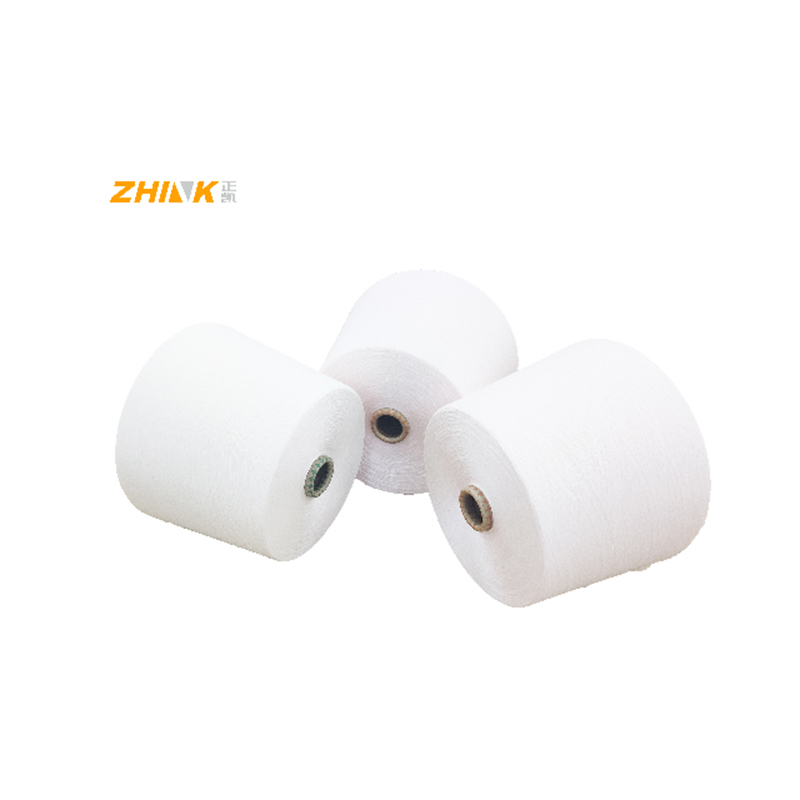
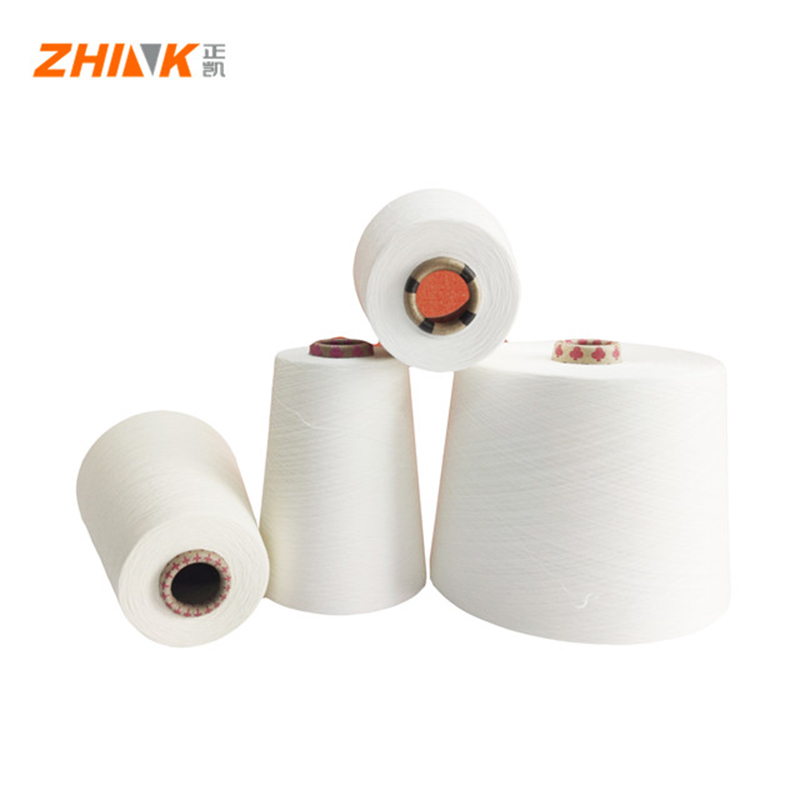
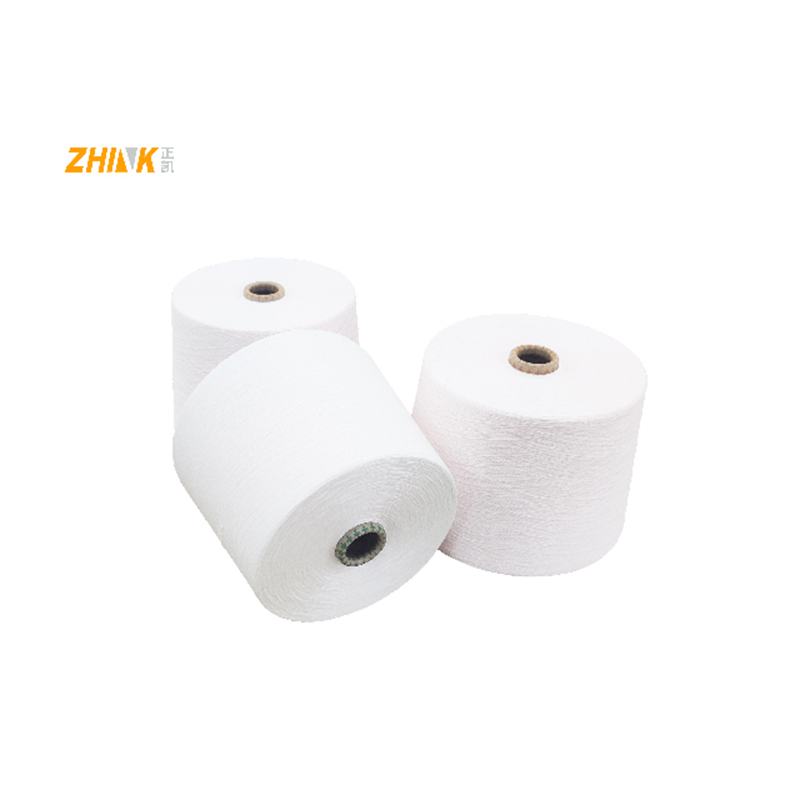
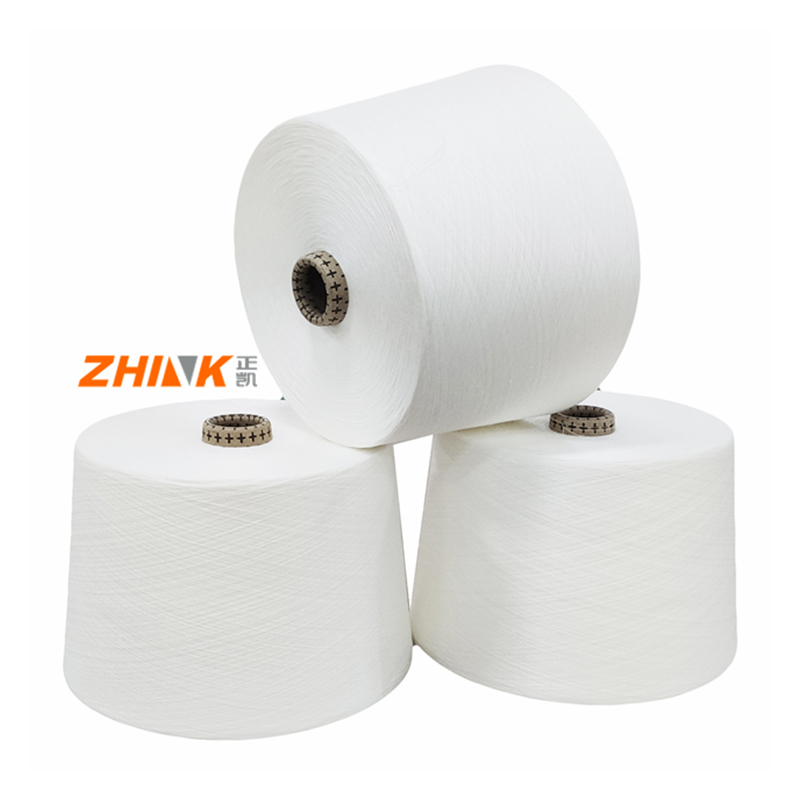
spun polyester yarn
The Versatility of Spun Polyester Yarn
Spun polyester yarn is a staple in textile manufacturing, yet its complexities often go unnoticed. As an essential part of clothing, furnishings, and industrial applications, understanding its nuances can make a significant difference in quality outcomes. Let’s delve into what makes this fiber so unique and indispensable.
Understanding the Basics of Spun Polyester Yarn
First off, spun polyester yarn is crafted from short polyester fibers spun together, similar to cotton or wool. This differs from filament yarn, which is made from long continuous filaments. The tactile experience of spun yarn closely mimics natural fibers, and it’s often chosen for its resilience and ease of care. However, there’s a common misconception that all spun yarns inherently resist wrinkling or shrinking. While they do offer these benefits over natural fibers, performance can vary wildly based on processing techniques. At SHANDONG ZHINK NEW MATERIAL CO., LTD, we’ve learned that adjustments in the production line impact final characteristics significantly.
Now, you might ask if spun polyester is the ultimate solution for all fabric applications. In truth, while versatile, it might not replace the specific feel or breathability of natural options in high-end apparel. That said, its resistance to stress and minimal maintenance keeps it in high demand for commercial and industrial fields. You’ll find its application in everything from upholstery to heavy-duty workwear.
But even with these advantages, manufacturers face challenges in ensuring consistency. Polyesters are notorious for dye inconsistencies. Our team at Zhink New Material has had its share of experiments and occasional setbacks, which only underscored the importance of stringent quality control and innovative dye processes.
Applications in the Textile Industry
Spun polyester yarn plays a pivotal role in commercial textiles. It boasts extraordinary durability, making it ideal for products that endure high wear and tear. One vivid example is its use in hotel linens. Customers expect both durability and the soft feel of luxury. Achieving this balance is something we at Zhink pride ourselves on mastering through careful selection and treatment of fibers.
We’ve also seen a growing interest in its use for window treatments. The yarn's ability to hold vibrant colors longer than some natural fibers is a selling point for interior designers. The customization potential here is vast. Patterns remain fresh-looking, even in UV-exposed environments.
In more industrial realms, spun polyester yarn is indispensable when manufacturing filtration fabrics or conveyor belts. Here, its strength under stress shines. Products need to perform under constant pressure; the wrong choice of material can lead to expensive downtimes.
Technological Advances
The development of spun polyester yarn hasn't stalled; in fact, ongoing innovations enhance its uses. Recycling technology is on the rise, which stemmed from the increasing need for sustainability. Companies like Zhink New Material explore options for blending recycled fibers without compromising performance or quality.
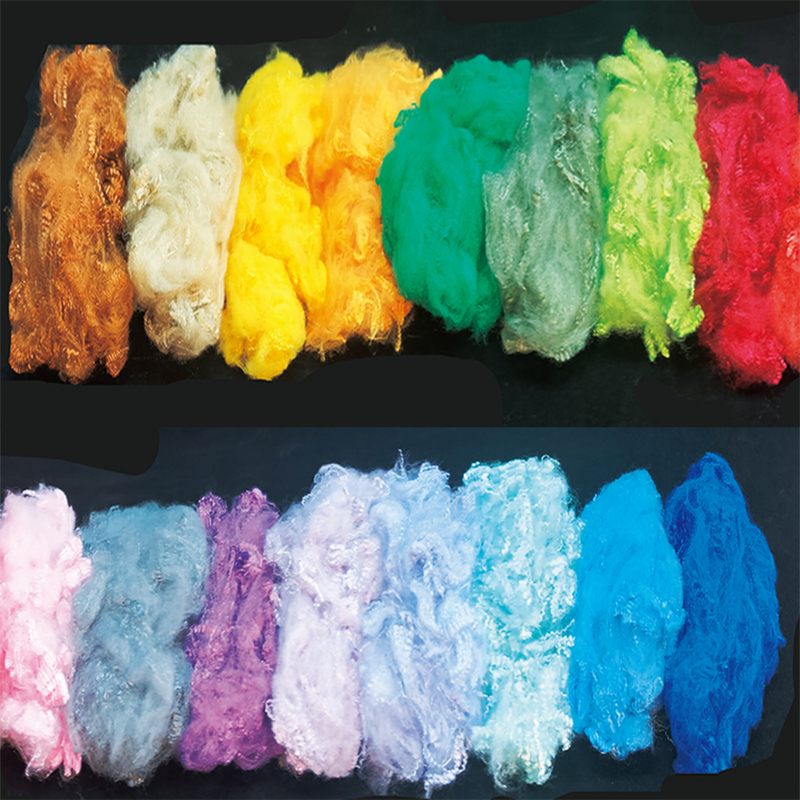
Moreover, advances in dye technology allow the yarn to achieve colors previously unattainable without compromising on fastness. This shift opens doors to endless design possibilities, a boon for creative industries looking to make bold statements while retaining fabric integrity.
We've also been experimenting with antimicrobial treatments. Considering today's heightened emphasis on hygiene, such treatments are increasingly in demand for public spaces and healthcare environments.
Quality Assurance in Production
Producing consistent spun polyester yarn requires exacting processes. At SHANDONG ZHINK NEW MATERIAL CO., LTD, quality assurance is paramount. Every batch undergoes rigorous testing for tensile strength, absorption, and colorfastness. In our experience, investment in proper testing equipment has saved more than it costs by eliminating downstream defects.
Missteps aren’t uncommon. In earlier years, overlooking the impact of humidity at our plant led to a noticeable variance in yarn texture. Adjustments in the HVAC systems cured this, proving that every detail in production can have substantial effects.
Only by understanding each step, from fiber selection to final output, can one truly appreciate the work behind this seemingly simple material. Those wanting more insights into our processes can visit our website, Zhink Yarn, for detailed breakdowns of our production techniques.
Challenges and Future Prospects
Challenges persist. The textile industry faces ever-evolving customer demands and environmental standards. The pressure to innovate sustainably while reducing costs continues to test manufacturers worldwide.
Yet, opportunities abound. With the growth of e-commerce and small batches catering to niche markets, manufacturers can deliver more personalized products. Zhink, for instance, has adapted to offer flexible solutions for different industry needs.
Looking ahead, the potential for spun polyester yarn is immense. With ongoing research into biodegradable polyesters, maybe one day we'll marry sustainability with the resilience of this versatile yarn. It’s an exciting time to be in the textile industry, full of challenges, yes, but even more possibilities.
Related Products
Related Products