+86-632-3621866
- Chinese
- French
- German
- Portuguese
- Spanish
- Russian
- Japanese
- Korean
- Arabic
- Irish
- Greek
- Turkish
- Italian
- Danish
- Romanian
- Indonesian
- Czech
- Afrikaans
- Swedish
- Polish
- Basque
- Catalan
- Esperanto
- Hindi
- Lao
- Albanian
- Amharic
- Armenian
- Azerbaijani
- Belarusian
- Bengali
- Bosnian
- Bulgarian
- Cebuano
- Chichewa
- Corsican
- Croatian
- Dutch
- Estonian
- Filipino
- Finnish
- Frisian
- Galician
- Georgian
- Gujarati
- Haitian
- Hausa
- Hawaiian
- Hebrew
- Hmong
- Hungarian
- Icelandic
- Igbo
- Javanese
- Kannada
- Kazakh
- Khmer
- Kurdish
- Kyrgyz
- Latin
- Latvian
- Lithuanian
- Luxembou..
- Macedonian
- Malagasy
- Malay
- Malayalam
- Maltese
- Maori
- Marathi
- Mongolian
- Burmese
- Nepali
- Norwegian
- Pashto
- Persian
- Punjabi
- Serbian
- Sesotho
- Sinhala
- Slovak
- Slovenian
- Somali
- Samoan
- Scots Gaelic
- Shona
- Sindhi
- Sundanese
- Swahili
- Tajik
- Tamil
- Telugu
- Thai
- Ukrainian
- Urdu
- Uzbek
- Vietnamese
- Welsh
- Xhosa
- Yiddish
- Yoruba
- Zulu
- Kinyarwanda
- Tatar
- Oriya
- Turkmen
- Uyghur


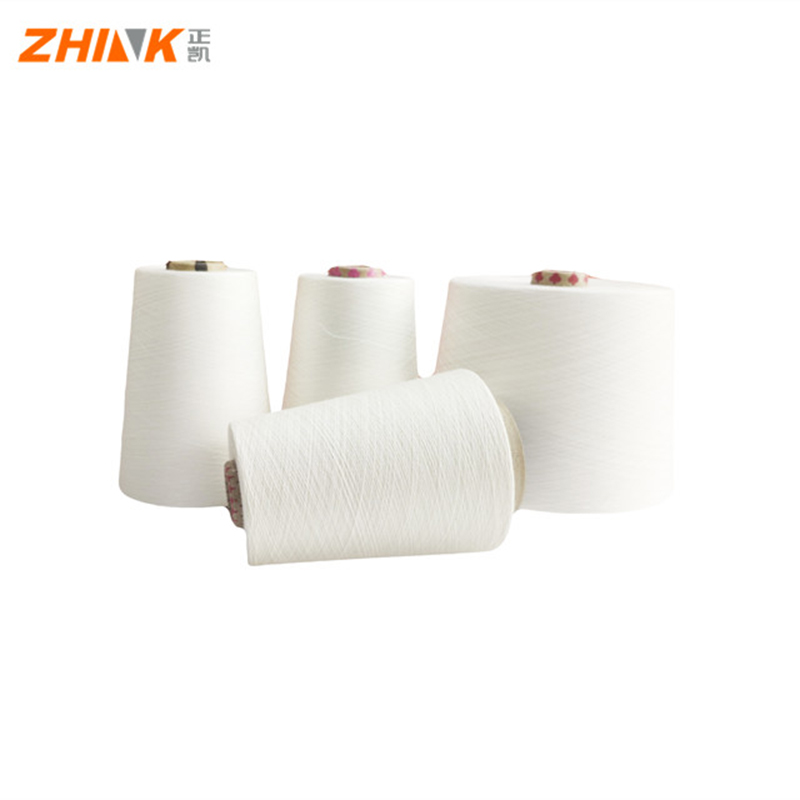
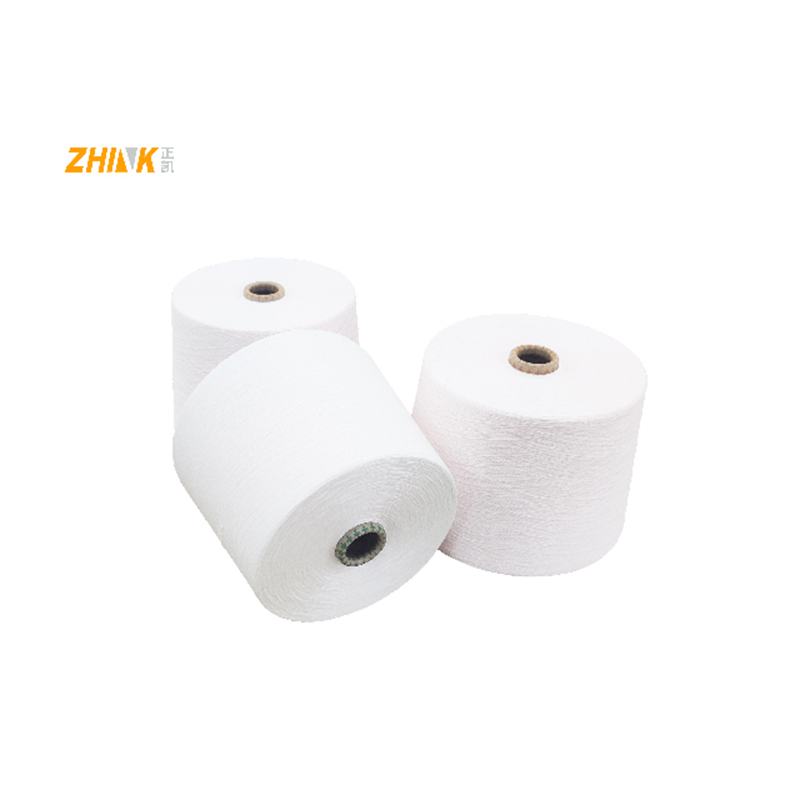
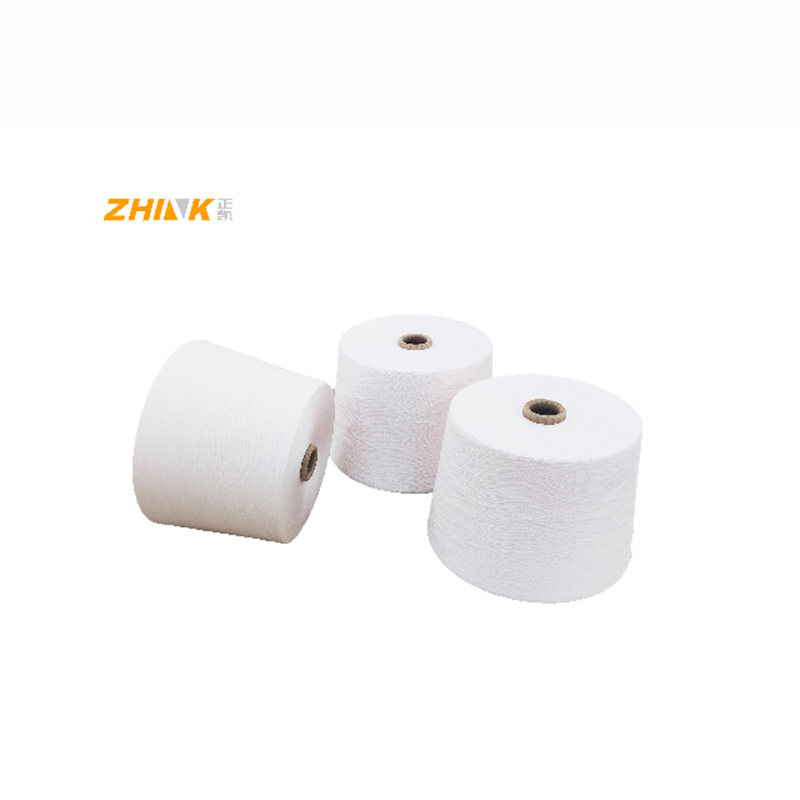
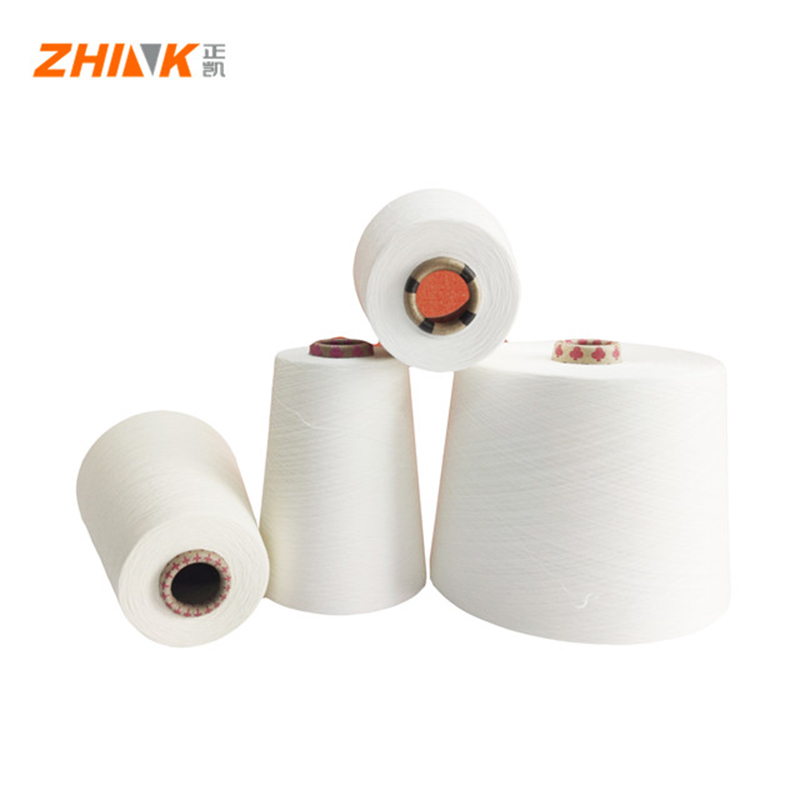
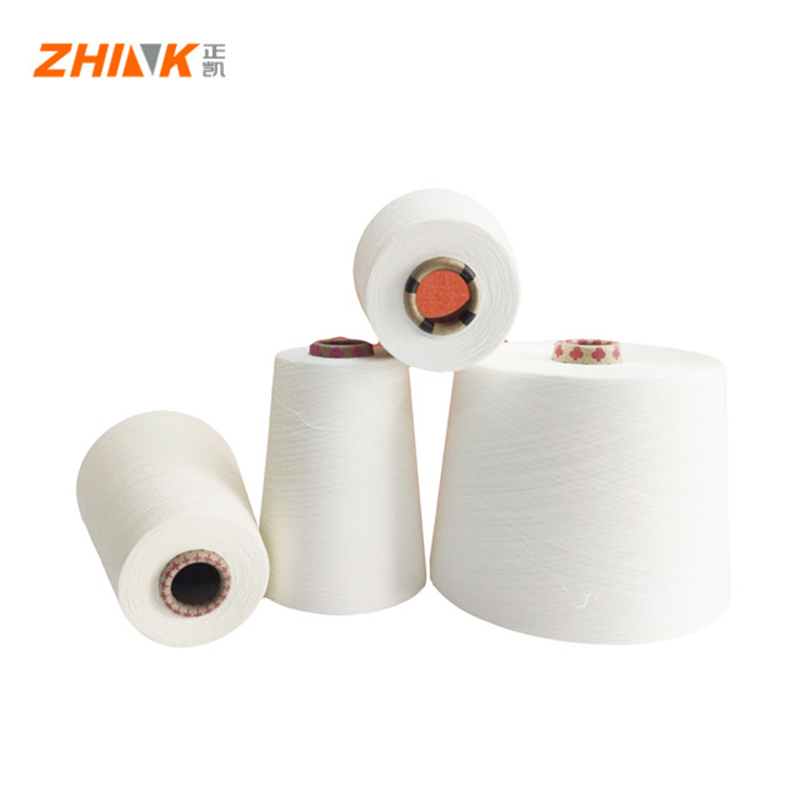
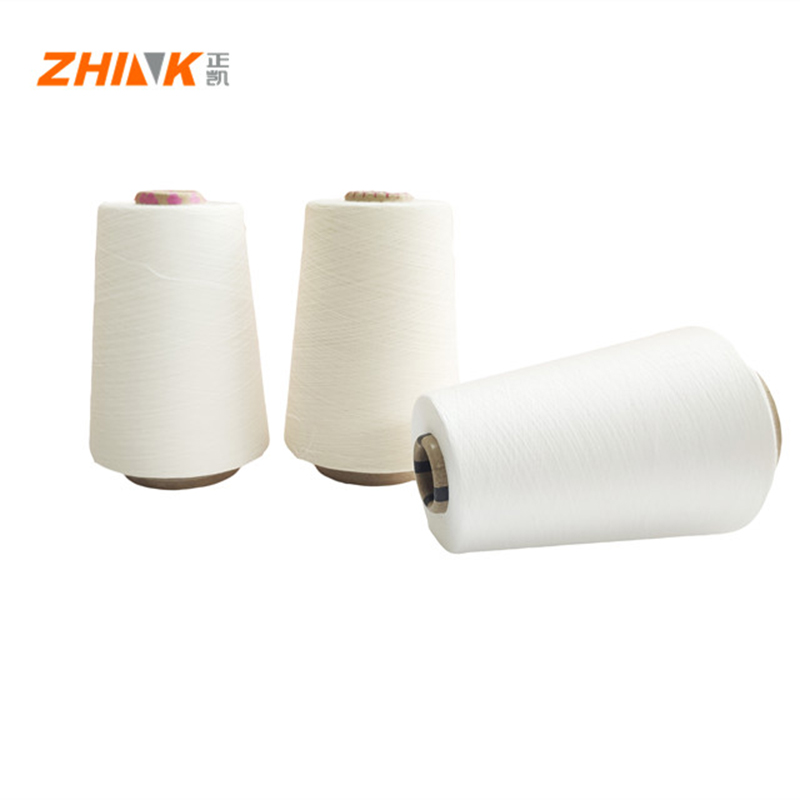
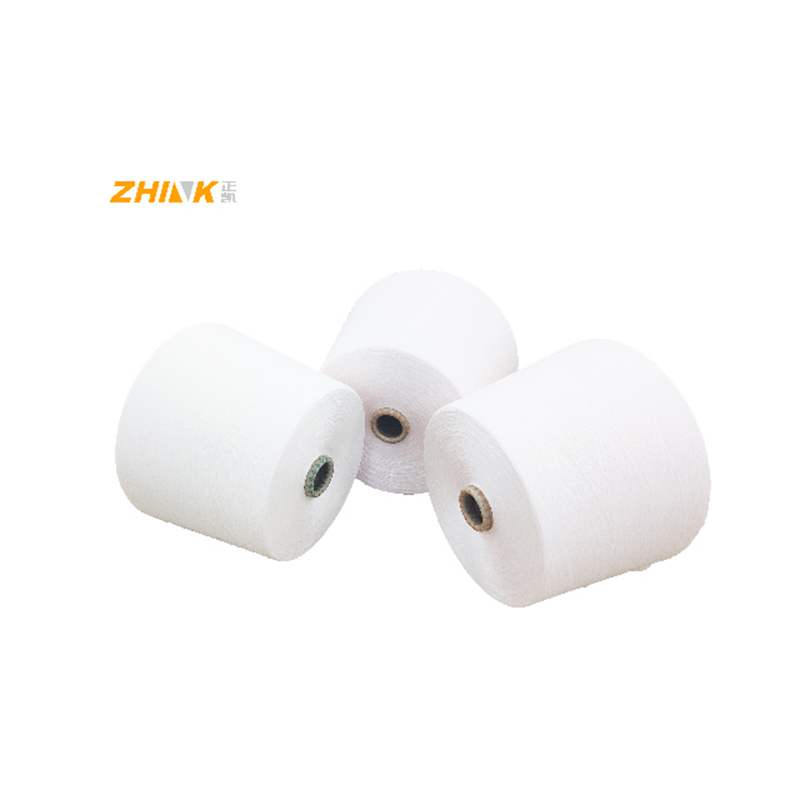
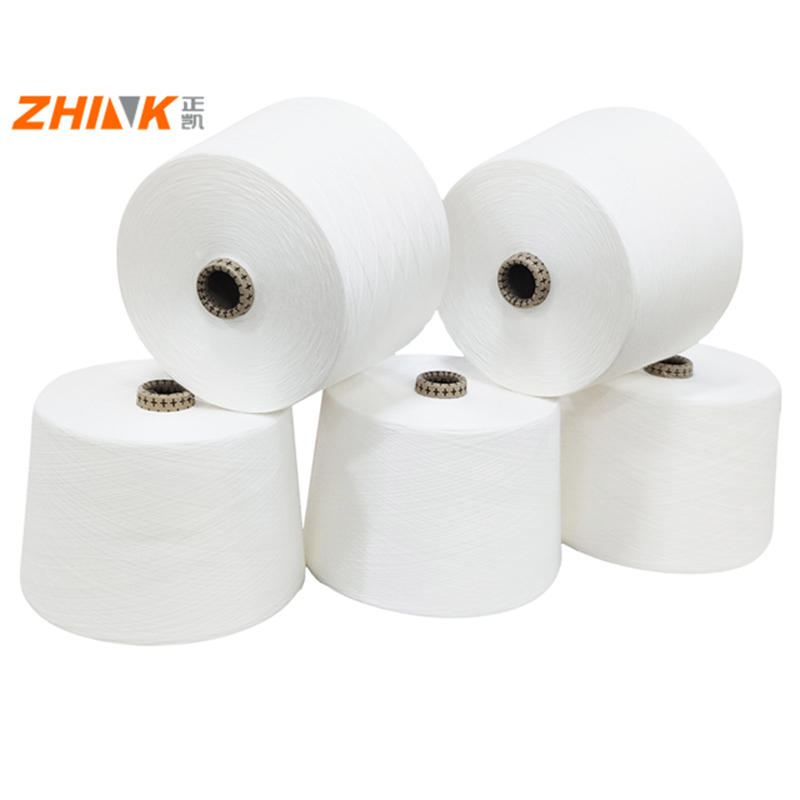
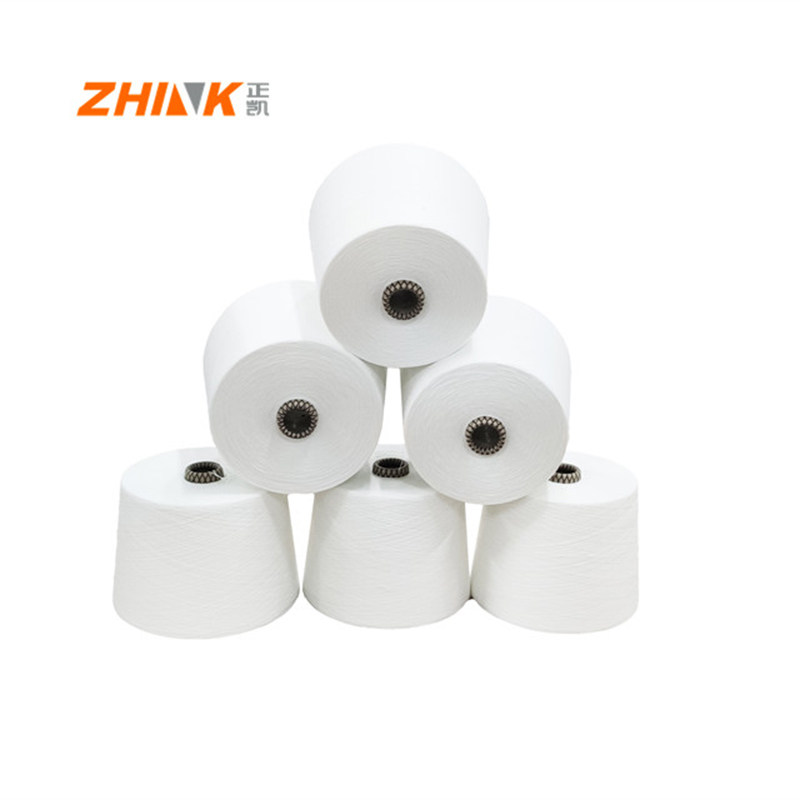
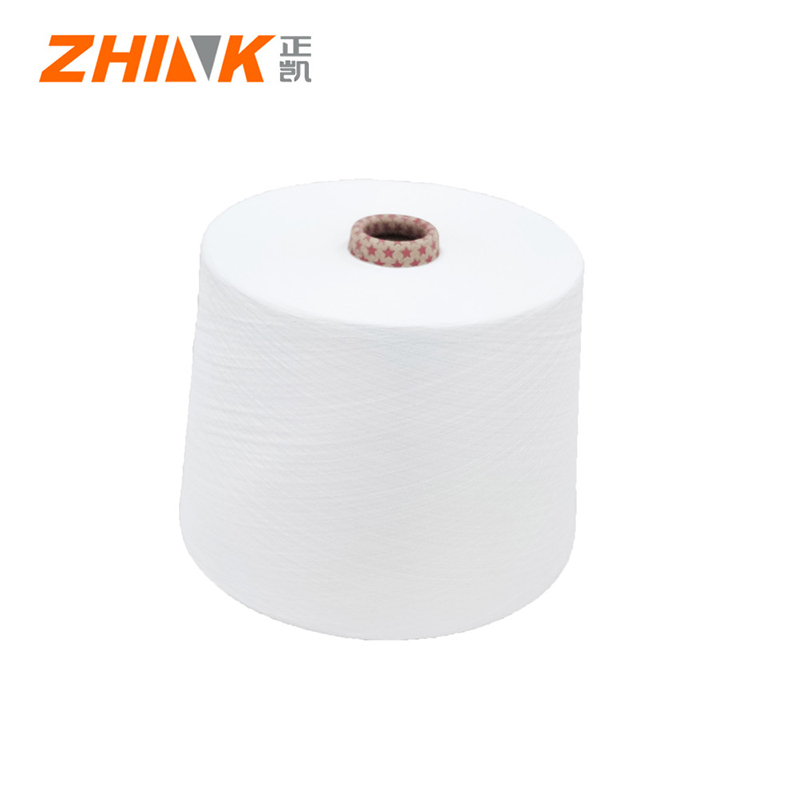
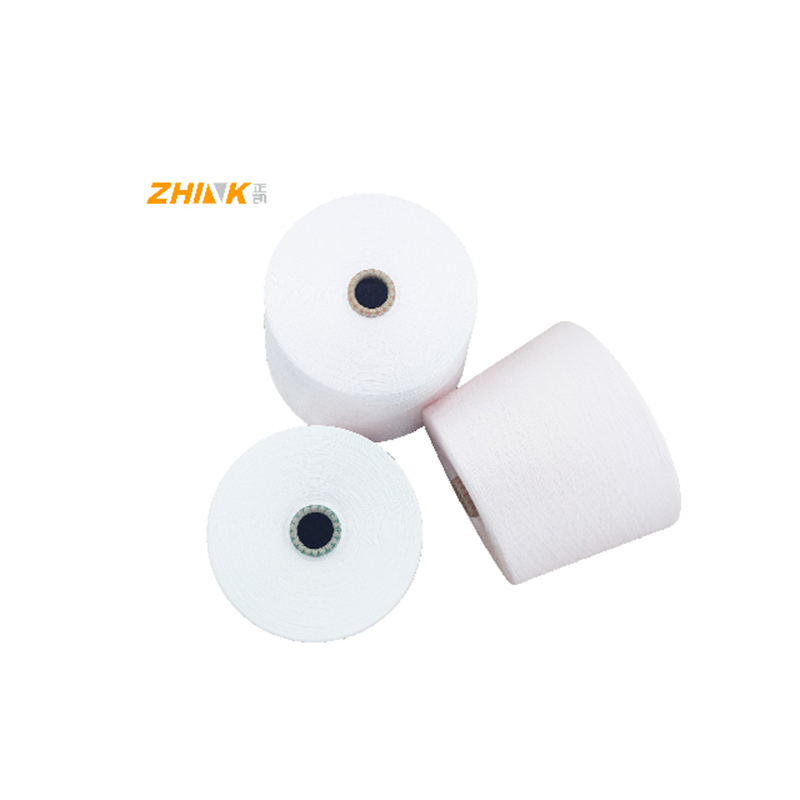
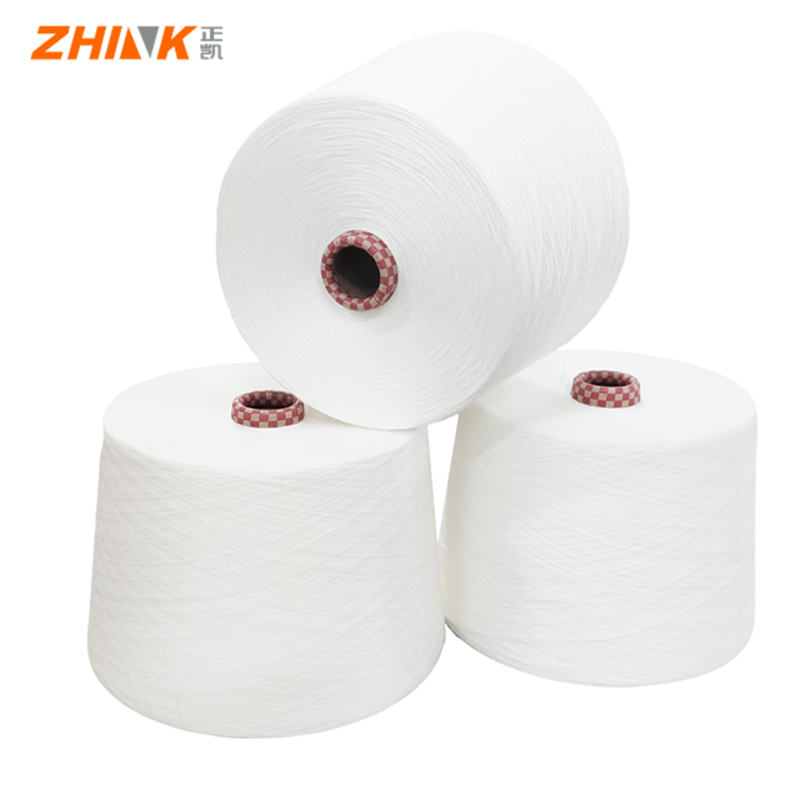
SRCCS viscose yarn
The Art and Science of SRCCS Viscose Yarn
Viscose yarn, particularly the SRCCS viscose yarn, has carved a niche in textiles. Often misunderstood, this yarn type balances between natural fibers and synthetic manufacturing processes. So, what’s the real deal with SRCCS viscose, and how does it impact textile manufacturing and product quality?
Understanding SRCCS Viscose Yarn
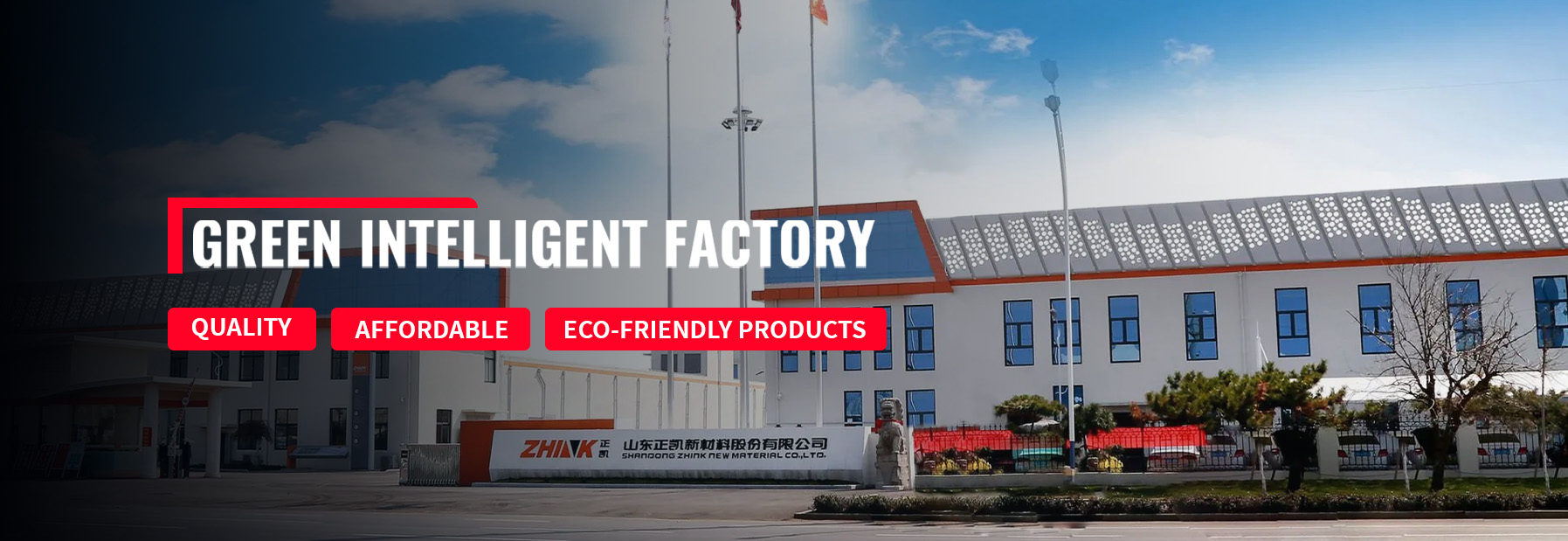
In the textile industry, the mention of SRCCS viscose yarn is sure to prompt both nods of recognition and puzzled looks. The SRCCS method refers to an advanced process in the production of viscose, aiming for superior quality and environmental footprint reduction. At SHANDONG ZHINK NEW MATERIAL CO., LTD, a focus on innovation in this area highlights the potential breakthroughs in textile sustainability.
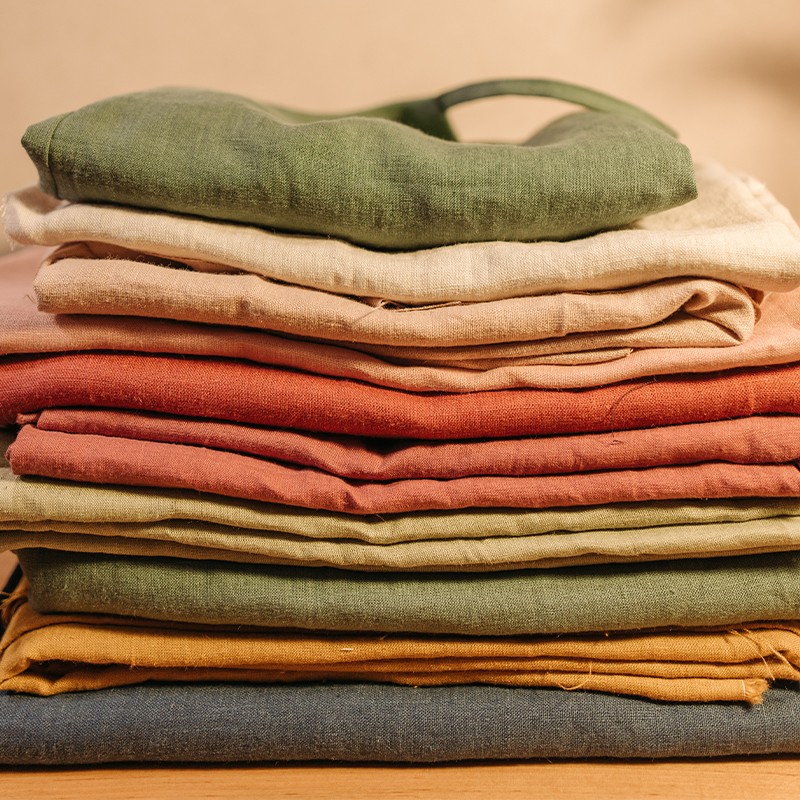
What sets SRCCS apart? For one, its production process minimizes harmful by-products, making it a favorite in eco-conscious markets. However, this isn’t just a marketing gimmick. The yarn’s texture offers the soft touch of natural fibers with the durability often associated with synthetics, creating a versatile material suitable for a variety of applications.
I've seen firsthand how SRCCS viscose performs in both apparel and home textiles. The feedback, consistently positive, also points to an increased demand as consumers grow more environmentally aware. Still, like any material, mastering its use involves understanding both its strengths and potential pitfalls.
The Production Process
You might think “viscose is viscose,” but SRCCS is an interesting variation. The process starts with cellulose, likely sourced from sustainably managed plantations. Here's where the science kicks in—controlled chemical treatments that avoid common viscose challenges, such as high pollutant emissions.
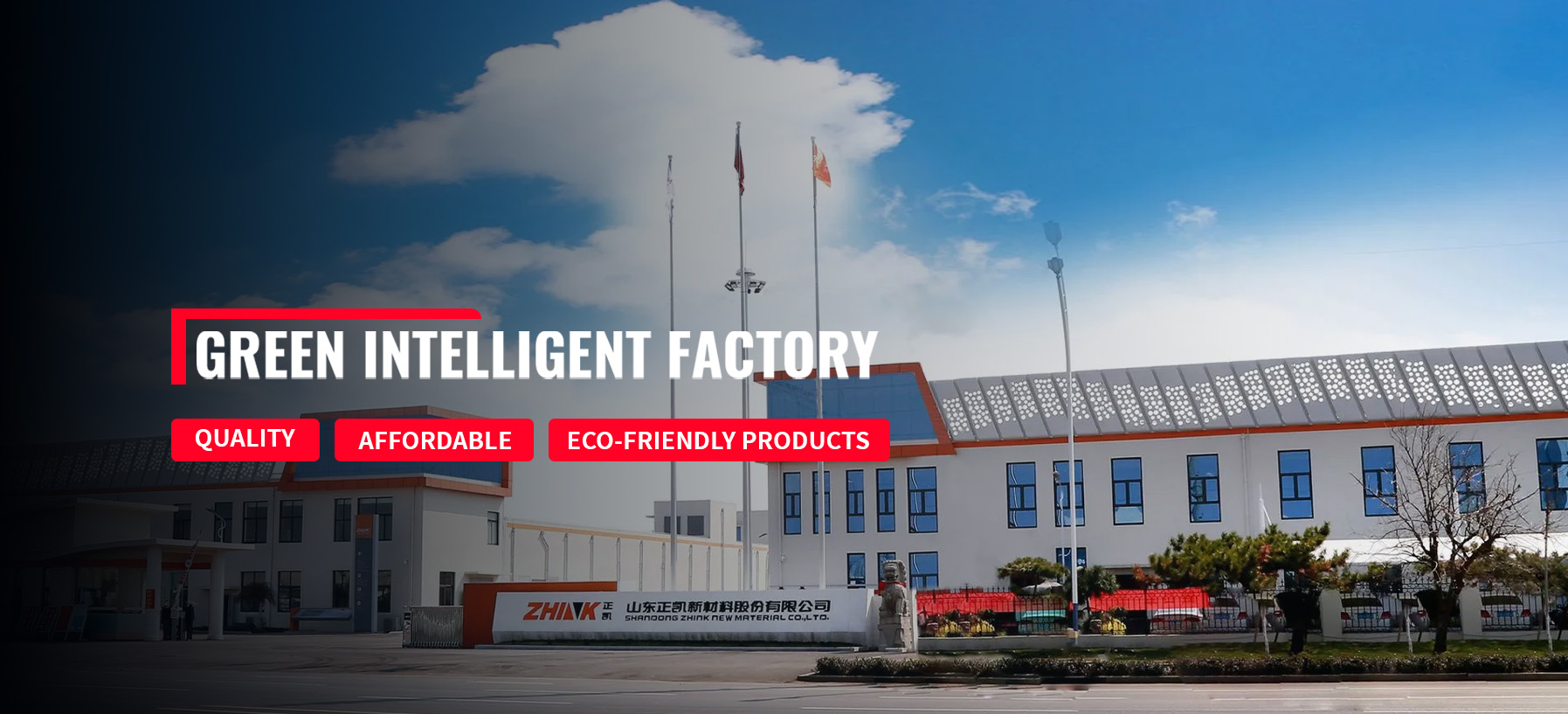
At Zhink New Material, the nuanced manufacturing employs proprietary techniques, ensuring yarn consistency and quality. Regular plant visits reveal a level of precision unexpected in textile production; it’s more akin to lab work in some respects. The handling of raw materials and the seamless integration of innovation demonstrate true expertise.
Despite all the advancements, challenges remain. The process requires significant investment in state-of-the-art facilities and skilled workforce training. Without these, achieving the promised sustainability and quality could be compromised.
Quality and Performance Insights
Every batch of SRCCS viscose yarn I’ve worked with tells a different story. Its delicate balance of softness, absorbency, and strength makes it a highly sought-after textile material, but it’s not foolproof. Proper processing and dyeing techniques are essential to maintain its integrity.
I recall a particular project where the yarn was used in a line of summer wear. The end product was both beautiful and functional, standing up to wear and washing tests admirably. However, the initial trials were less successful, with some fabric sagging occurring—an issue traced back to incorrect tension settings on the looms.
This experience underscores why understanding the material from ground up is crucial. Each step, from spinning to weaving, demands meticulous attention—more so than with traditional viscose.
Environmental Considerations
If you’re someone who values sustainability, then the environmental benefits of SRCCS viscose yarn warrant attention. At Zhink New Material, they’ve invested heavily in ensuring the production line complies with strict environmental standards.
The process innovations significantly reduce water and chemical use, aligning with global sustainability goals. But achieving this is no accident. It’s a result of years of research, development, and real-world application.
Still, not everything can be solved at the production stage. End-of-life considerations for fabric remain a topic for further innovation. Are there ways to recycle or down-cycle garments more effectively? Ongoing research and development at Zhink indicate a commitment to exploring these vital areas.
Market Demand and Future Outlook
The demand for SRCCS viscose yarn has witnessed a noticeable uptick. Consumers are increasingly interested in the origins of their clothing, and materials like SRCCS viscose meet a growing desire for eco-friendly options without sacrificing quality or aesthetic appeal.
However, there is work to be done in terms of market education. Many still equate viscose with purely synthetic fibers, unaware of the rigorous standards and other green credentials associated with SRCCS viscose. Clear communication from manufacturers and retailers can help bridge this gap.
In the years to come, I anticipate more players entering the SRCCS space, driving further innovation and potentially, competition. For companies like Zhink New Material, which are already established, continuous innovation and marketing will be crucial to maintain their edge.
Related Products
Related Products