+86-632-3621866
- Chinese
- French
- German
- Portuguese
- Spanish
- Russian
- Japanese
- Korean
- Arabic
- Irish
- Greek
- Turkish
- Italian
- Danish
- Romanian
- Indonesian
- Czech
- Afrikaans
- Swedish
- Polish
- Basque
- Catalan
- Esperanto
- Hindi
- Lao
- Albanian
- Amharic
- Armenian
- Azerbaijani
- Belarusian
- Bengali
- Bosnian
- Bulgarian
- Cebuano
- Chichewa
- Corsican
- Croatian
- Dutch
- Estonian
- Filipino
- Finnish
- Frisian
- Galician
- Georgian
- Gujarati
- Haitian
- Hausa
- Hawaiian
- Hebrew
- Hmong
- Hungarian
- Icelandic
- Igbo
- Javanese
- Kannada
- Kazakh
- Khmer
- Kurdish
- Kyrgyz
- Latin
- Latvian
- Lithuanian
- Luxembou..
- Macedonian
- Malagasy
- Malay
- Malayalam
- Maltese
- Maori
- Marathi
- Mongolian
- Burmese
- Nepali
- Norwegian
- Pashto
- Persian
- Punjabi
- Serbian
- Sesotho
- Sinhala
- Slovak
- Slovenian
- Somali
- Samoan
- Scots Gaelic
- Shona
- Sindhi
- Sundanese
- Swahili
- Tajik
- Tamil
- Telugu
- Thai
- Ukrainian
- Urdu
- Uzbek
- Vietnamese
- Welsh
- Xhosa
- Yiddish
- Yoruba
- Zulu
- Kinyarwanda
- Tatar
- Oriya
- Turkmen
- Uyghur


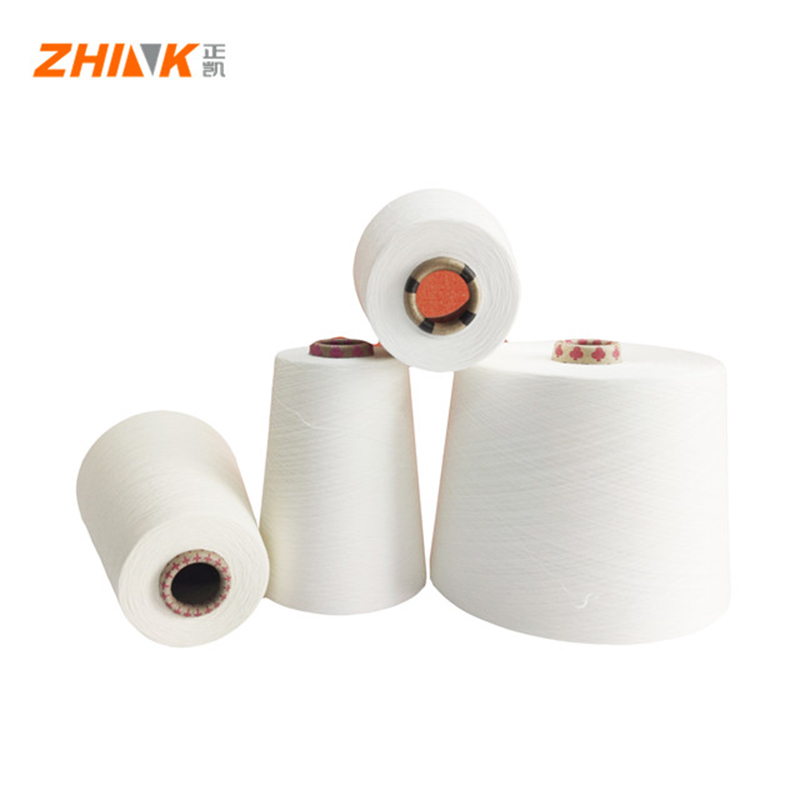
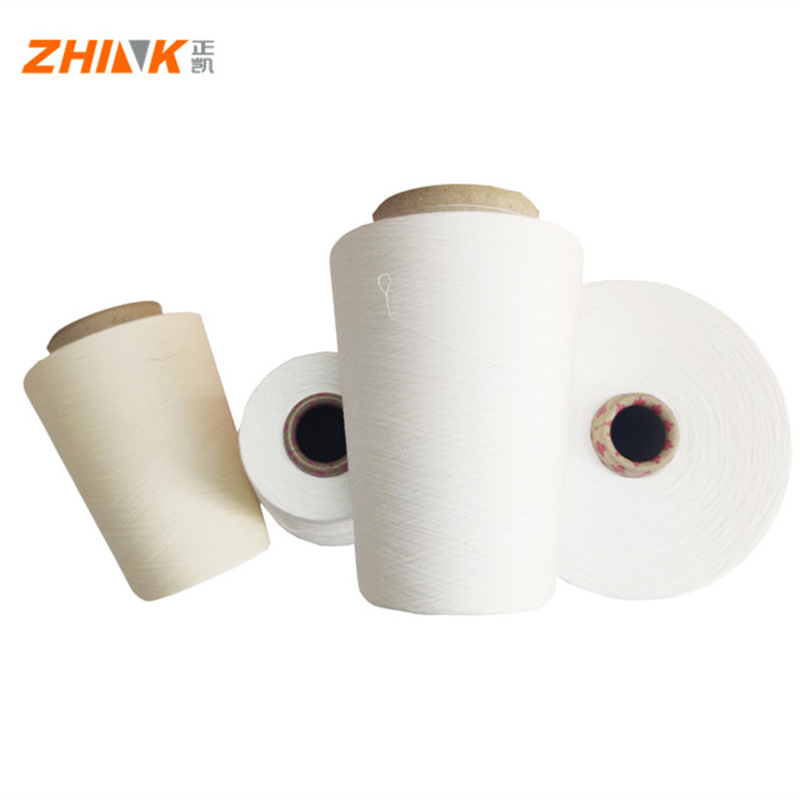
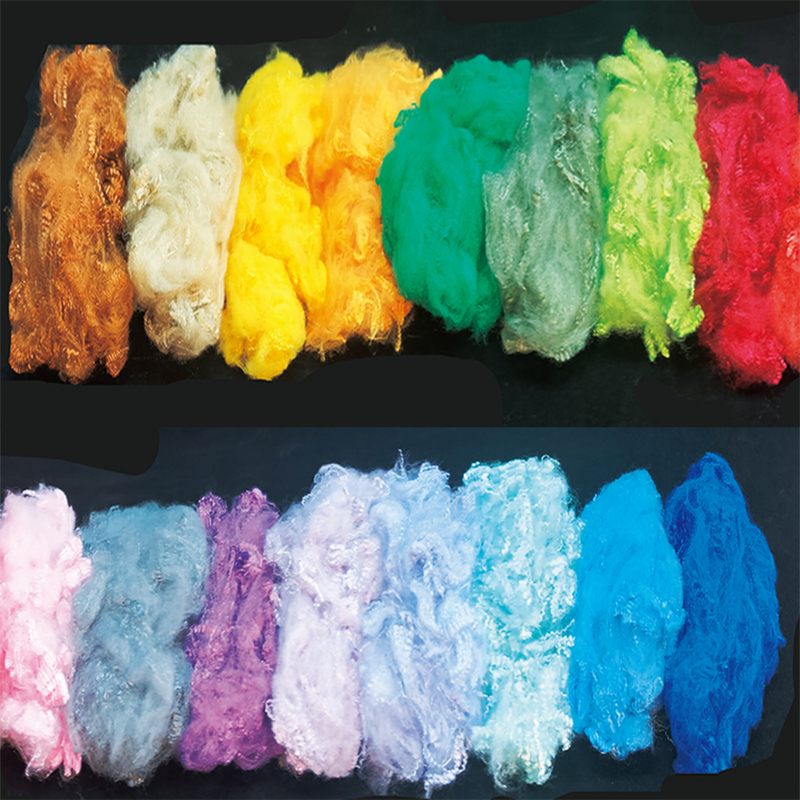
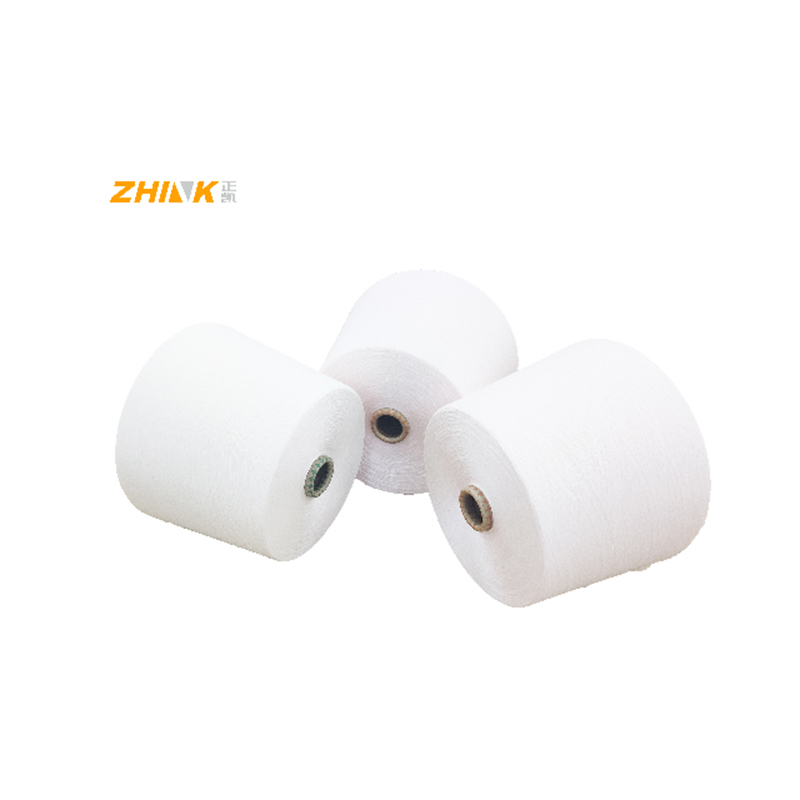
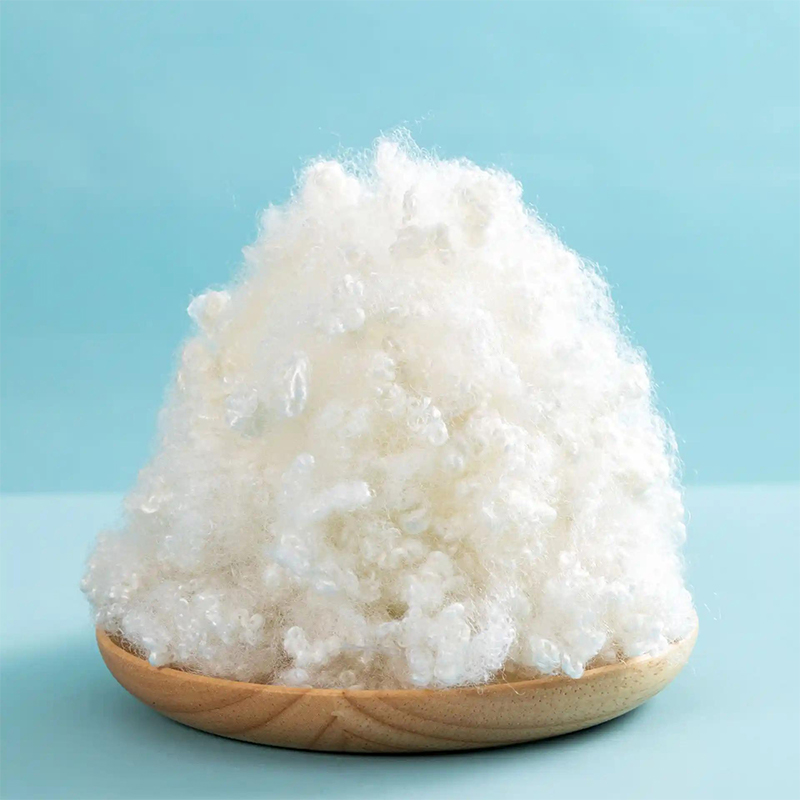
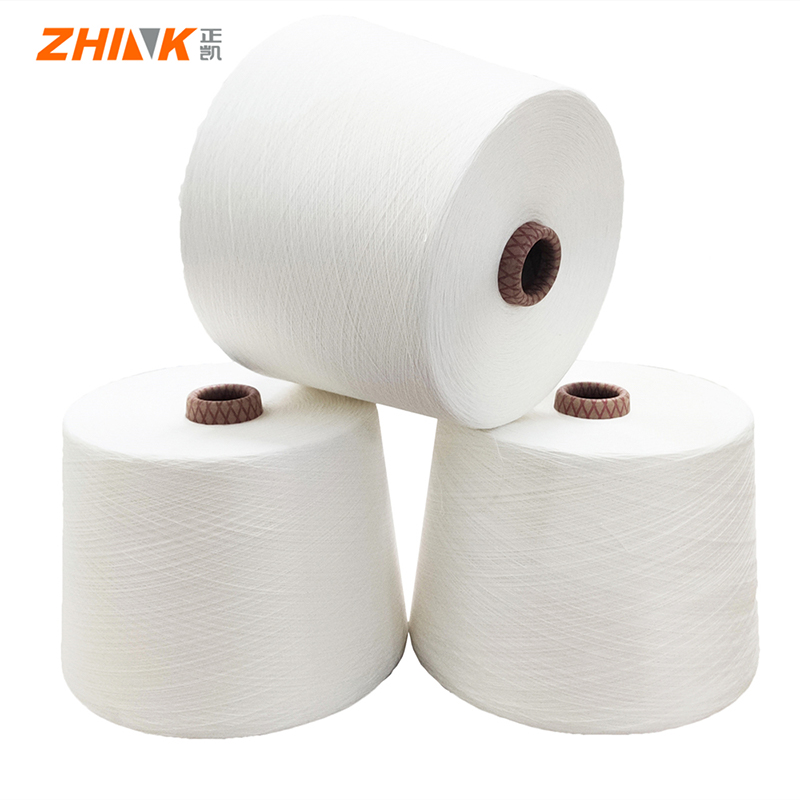
staple fiber polyester
The Dynamic World of Staple Fiber Polyester
Staple fiber polyester is a versatile material widely used in textiles, yet misconceptions about its performance and sustainability abound. Let's explore its real-world applications, common challenges, and industry shifts.
Understanding Staple Fiber Polyester
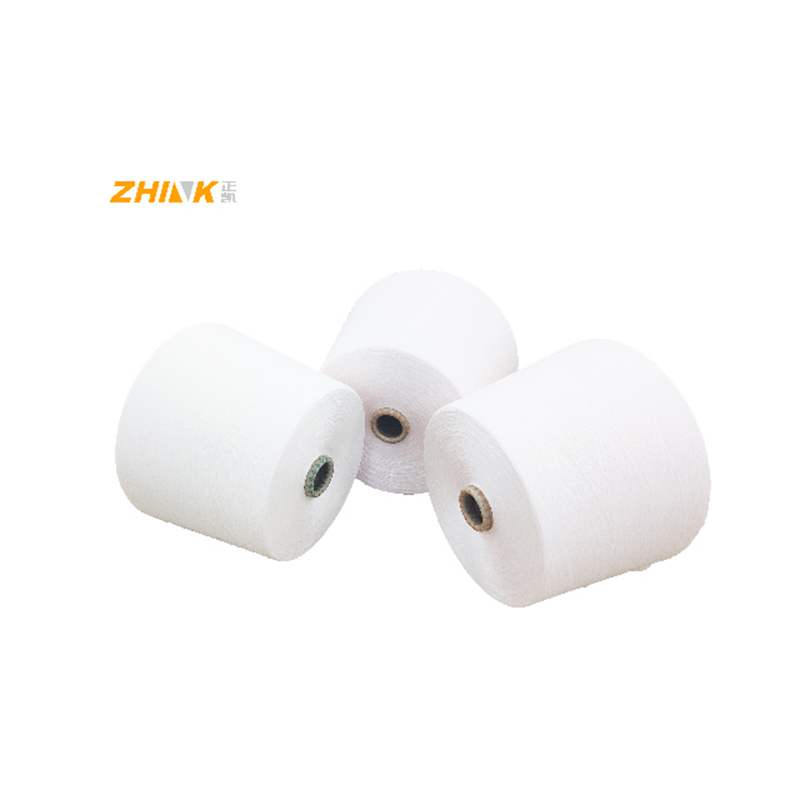
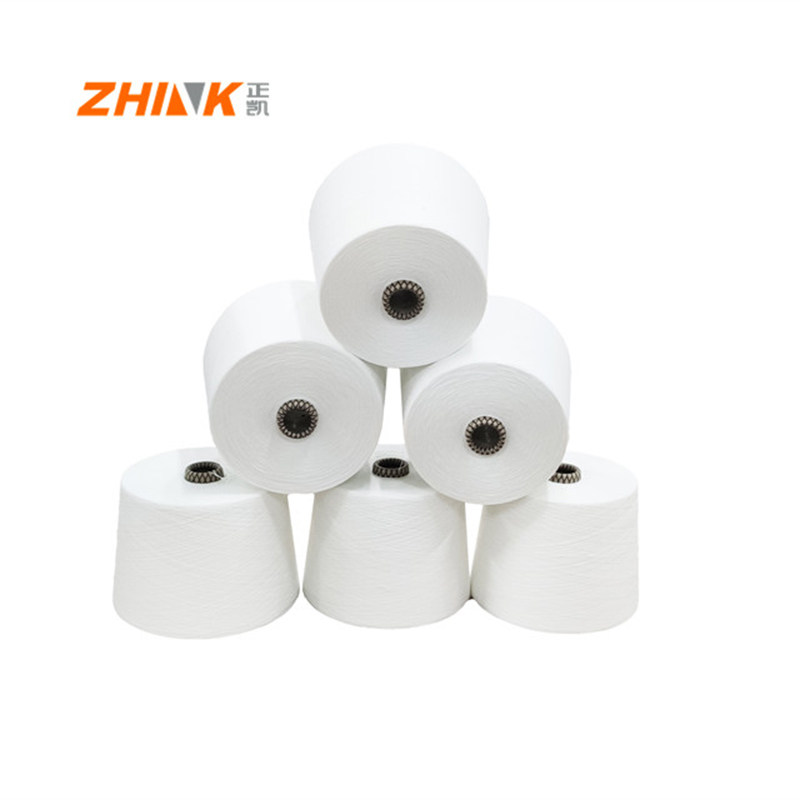
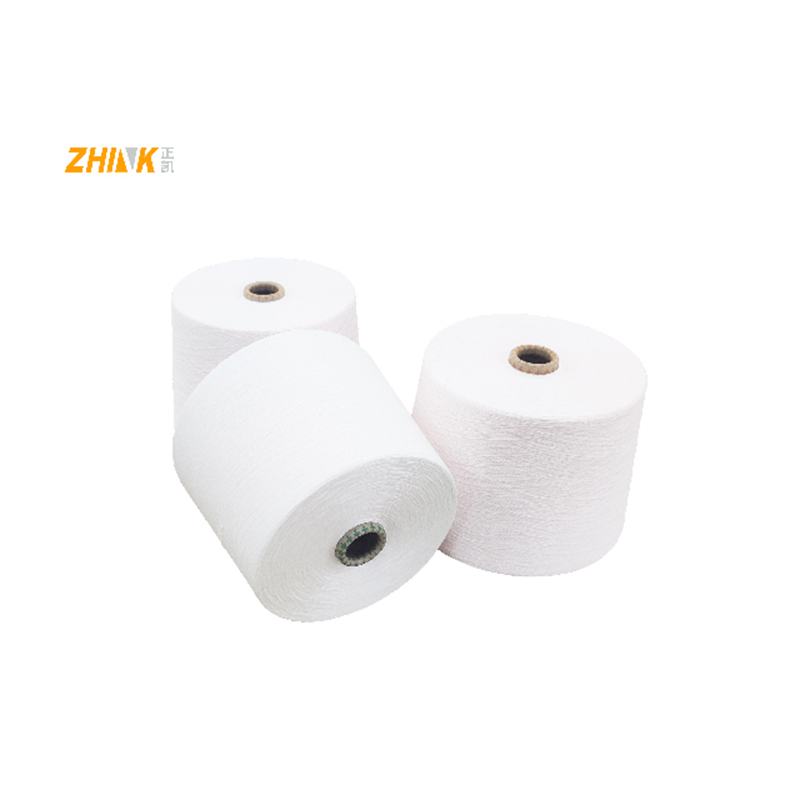
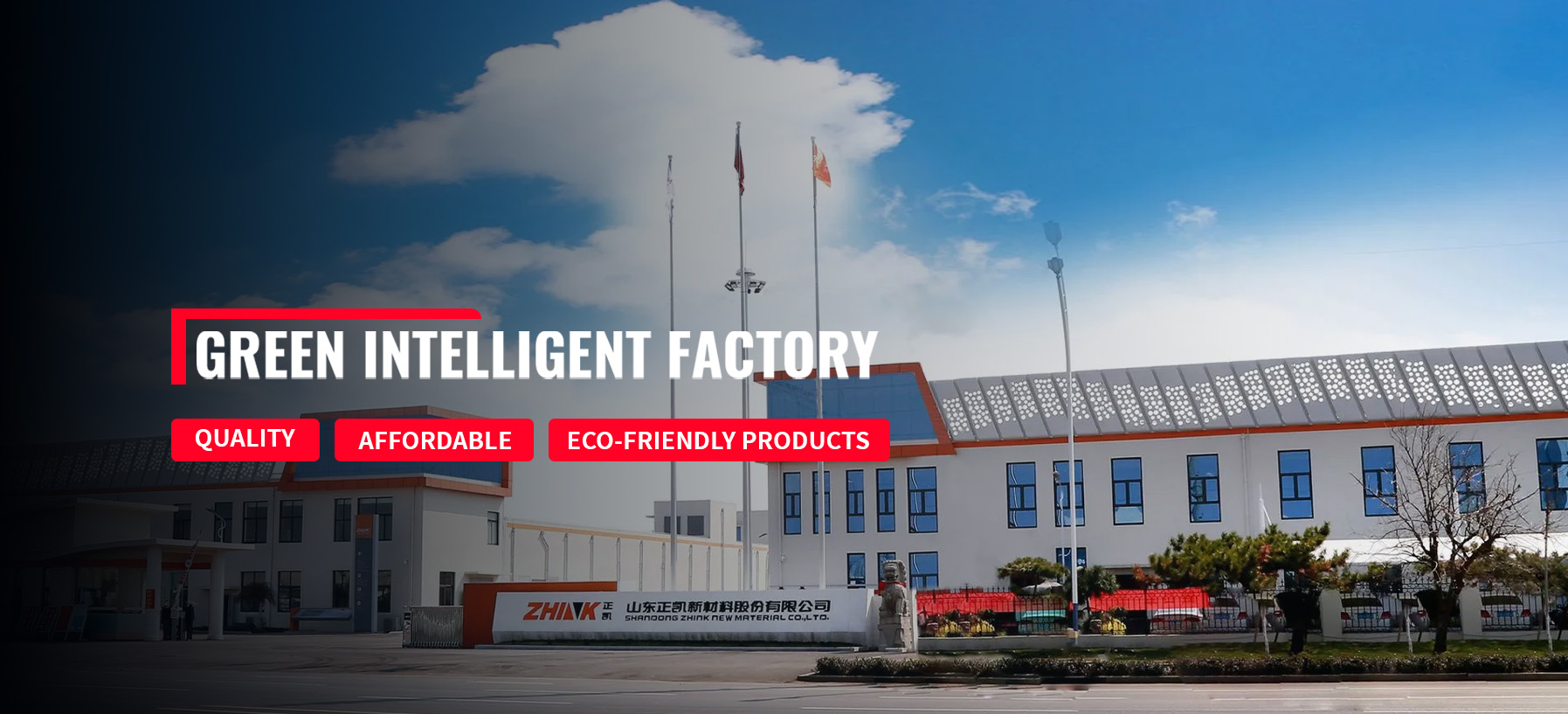
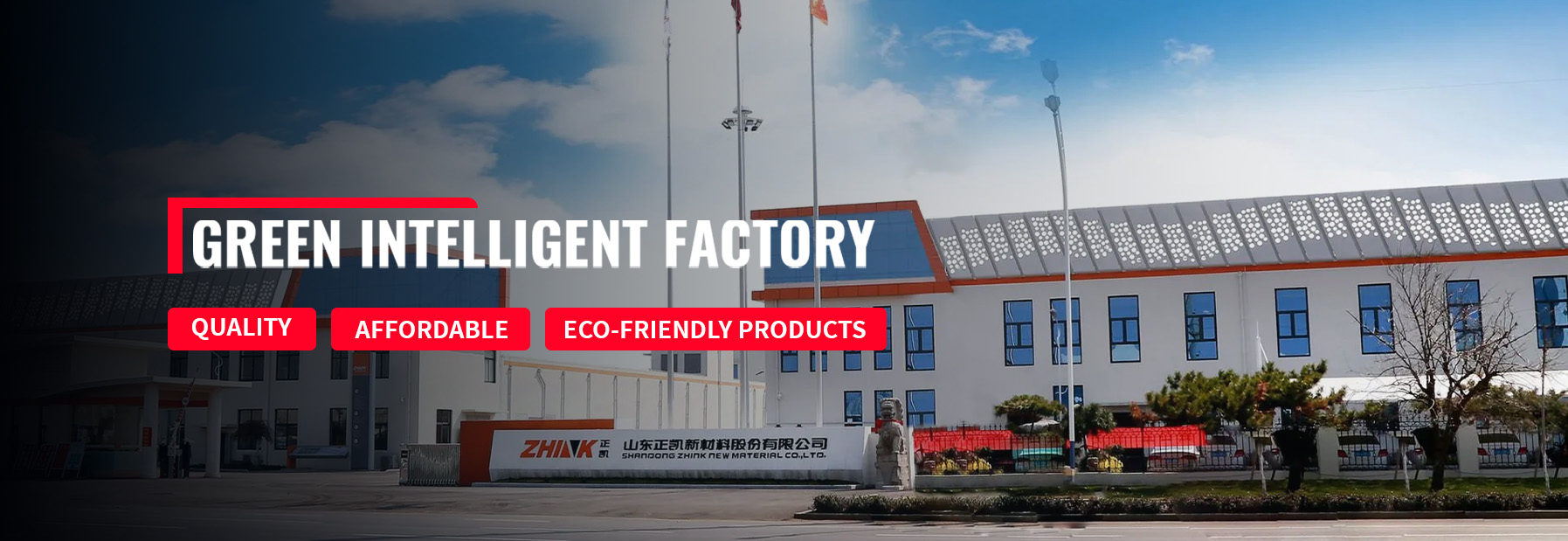
The term staple fiber polyester often conjures images of low-grade materials, yet it holds a prestigious spot in the world of textiles. Its versatility is unmatched, utilized in everything from clothing to industrial applications. The misconception that it lacks quality stems largely from early, less refined iterations. Today, companies like SHANDONG ZHINK NEW MATERIAL CO., LTD are at the forefront of its innovative applications.
One key advantage of staple fiber polyester is its blend capability. Combining it with natural fibers like cotton allows for textiles that benefit from the strengths of both materials. This ability to blend and adapt is why many manufacturers prefer it in an ever-demanding market.
There's also an emerging sustainability angle. As environmental concerns grow, polyester—particularly recycled varieties—is being revisited for its potential to reduce waste when sustainably sourced and recycled. It’s interesting to see how this perception is shifting.
Production Insights
Polyester production, especially staple fiber, involves complex processes. It’s not just about melting and extruding materials. Parameters such as temperature, pressure, and cooling rates play vital roles in determining the fiber's quality. Experienced manufacturers like Zhink New Material ensure these factors are meticulously controlled for optimal performance.
An anecdote from the production floor: minor variations in cooling rates can dramatically alter fiber characteristics. It was a costly lesson learned early in my career. Precision is paramount, something Zhink's stringent quality controls are designed to ensure.
This focus on precision extends to fiber denier, an often-overlooked aspect that affects texture and strength. Matching the right denier to the application can hugely influence end-user satisfaction, a fact known to seasoned professionals.
Scaling Challenges
When expanding production, maintaining quality across batches is a constant challenge. Zhink New Material excels in this, but it's not without hurdles. Equipment calibration, for instance, must be both consistent and exact. A slight deviation could mean the difference between a durable fabric and a subpar one.
Market demand fluctuations also pose difficulties. For new entrants, it’s a tough balancing act between investment in capacity and existing demand. Zhink's strategic foresight, witnessed firsthand, plays a crucial role in navigating these waters.
Innovation, while crucial, must align with consumer expectations. Staple fiber polyester is a staple for a reason, desired for its reliability. Any tweaks may offer improvements but need careful market testing, a process that can be as thrilling as it is daunting.
Textile Industry Shifts
The textile industry continues to shift towards sustainable practices, with polyester manufacturers eager to innovate green techniques. Companies like Zhink are pioneering in recycled polyester, turning what was once waste into opportunities. It aligns perfectly with global sustainability goals, embedding an ethical dimension into textiles.
There's a fine line between being environmentally friendly and maintaining performance standards. That's the challenge Zhink navigates expertly. The assumption that eco-friendly equals a drop in quality is a myth debunked by trial and market experience.
Furthermore, the rise of smart textiles, combining electronic components with traditional fabrics, sees staple fiber polyester playing an integral role. Its adaptability ensures it's not sidelined in tomorrow’s textile solutions, a future Zhink is actively shaping.
Looking Forward
As we forge ahead, it's clear that staple fiber polyester will remain vital. Companies like Zhink New Material demonstrate that with the right expertise, it can drive innovation. Their continued focus on R&D, as seen on their website, showcases a commitment not just to textiles but to a sustainable and dynamic future.
Investing in quality materials and processes lays the foundation for ongoing industry relevance. Whether it's integrating AI for process optimization or developing new blends, staple fiber polyester's potential is far from exhausted.
Ultimately, success in this field requires both grounding in reality and readiness for change. It’s a delicate balance Zhink manages with aplomb, setting a benchmark for others in the industry to follow. Let's watch where their innovative path leads the material next.
Related Products
Related Products