+86-632-3621866
- Chinese
- French
- German
- Portuguese
- Spanish
- Russian
- Japanese
- Korean
- Arabic
- Irish
- Greek
- Turkish
- Italian
- Danish
- Romanian
- Indonesian
- Czech
- Afrikaans
- Swedish
- Polish
- Basque
- Catalan
- Esperanto
- Hindi
- Lao
- Albanian
- Amharic
- Armenian
- Azerbaijani
- Belarusian
- Bengali
- Bosnian
- Bulgarian
- Cebuano
- Chichewa
- Corsican
- Croatian
- Dutch
- Estonian
- Filipino
- Finnish
- Frisian
- Galician
- Georgian
- Gujarati
- Haitian
- Hausa
- Hawaiian
- Hebrew
- Hmong
- Hungarian
- Icelandic
- Igbo
- Javanese
- Kannada
- Kazakh
- Khmer
- Kurdish
- Kyrgyz
- Latin
- Latvian
- Lithuanian
- Luxembou..
- Macedonian
- Malagasy
- Malay
- Malayalam
- Maltese
- Maori
- Marathi
- Mongolian
- Burmese
- Nepali
- Norwegian
- Pashto
- Persian
- Punjabi
- Serbian
- Sesotho
- Sinhala
- Slovak
- Slovenian
- Somali
- Samoan
- Scots Gaelic
- Shona
- Sindhi
- Sundanese
- Swahili
- Tajik
- Tamil
- Telugu
- Thai
- Ukrainian
- Urdu
- Uzbek
- Vietnamese
- Welsh
- Xhosa
- Yiddish
- Yoruba
- Zulu
- Kinyarwanda
- Tatar
- Oriya
- Turkmen
- Uyghur


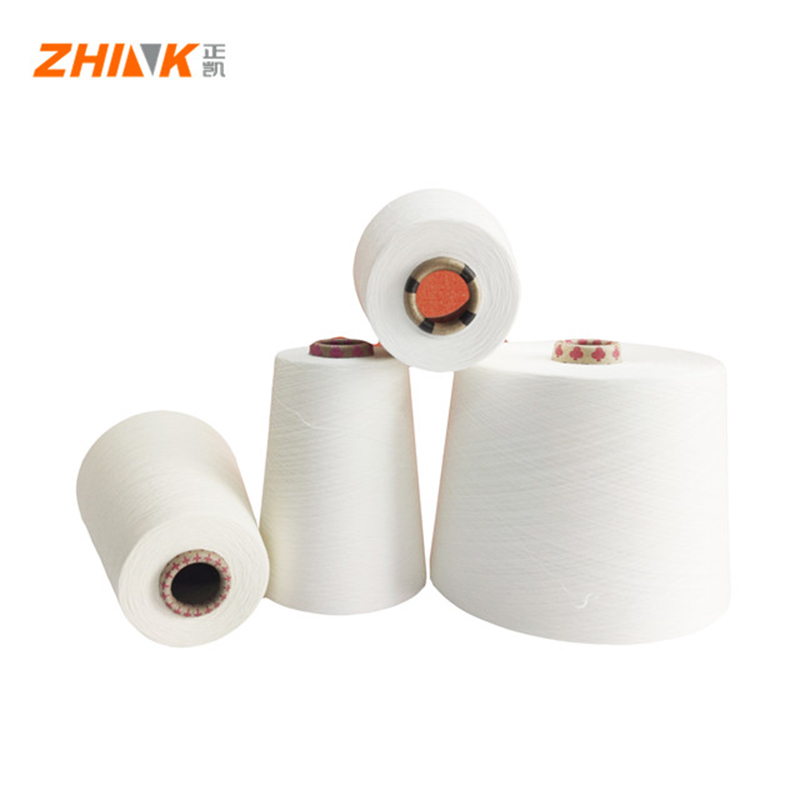
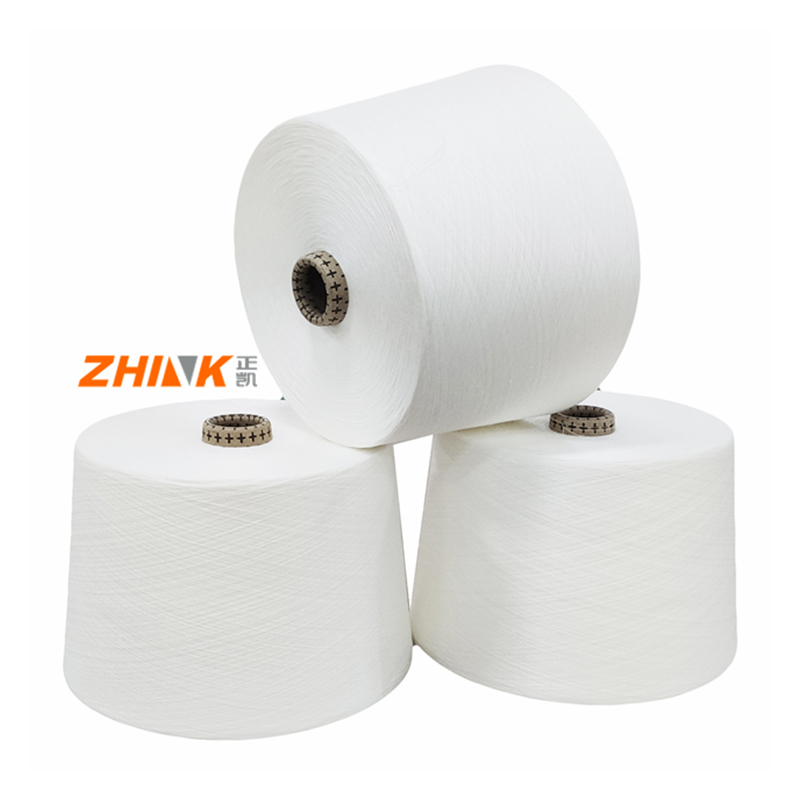
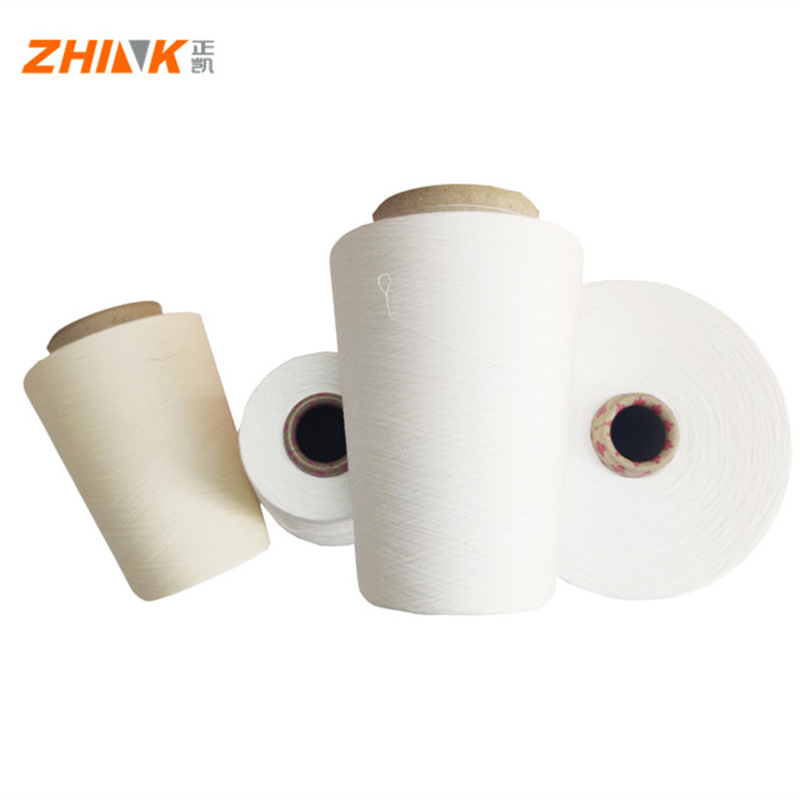
super micro Recycled polyester yarn
Super Micro Recycled Polyester Yarn: Exploring Its Impact and Potential
Super micro recycled polyester yarn, an innovation catching the eye of many in the textile industry, is not just about going green. While sustainability is a significant driver, there's more depth to explore in terms of its application, manufacturing challenges, and industry impact. People often think it's only for eco-friendly brands, but the truth is far broader and nuanced.
The Rise of Recycled Polyester
Recycled polyester, particularly the super micro type, is making waves for its potential to transform waste into wealth. This isn’t a simple as spinning old bottles into yarn—there’s a whole process that ensures the fibers achieve the required fineness and strength. During my experience in textile manufacturing, ensuring consistency in quality was an early challenge. It’s not just about raw materials but refining processes to handle super micro dimensions effectively.
One common misconception is that recycled polyester is inferior in quality. However, advances in technology and techniques have significantly improved outcomes. Take the work being done by Zhink New Material, which has poured resources into R&D to enhance these fibers' performance. Their efforts speak volumes about the dedication required to make recycled materials competitive with virgin ones.
It’s crucial to consider the entire lifecycle of these fibers. From sourcing post-consumer waste to reshaping it into useful materials, each step consumes energy and resources, which must be carefully managed to ensure genuine sustainability.
Chasing Quality Consistency
While the market potential for super micro recycled polyester yarn is vast, maintaining quality consistency stands as a formidable hurdle. At Shandong Zhink New Material Co., Ltd, we’ve seen first-hand how even small deviations in production can lead to significant issues down the line. For instance, achieving uniform dye uptake can be particularly challenging, affecting product appearance and durability.
Technical expertise plays a crucial role here. Manufacturers must understand the nuances of fiber behavior and adaptive measures for processing and finishing. It’s also about mastering new techniques to accommodate the finer yarn structures without compromising the output’s integrity.
Experience shows us that close collaboration between R&D teams and production staff is vital. Without that synergy, advances in material are often lost in translation during the scaling phase.
Applications and Real-World Benefits
In my years working with new textile materials, I’ve encountered numerous applications where the unique properties of super micro recycled polyester yarn offer distinct advantages. Sportswear is a prominent example, benefiting from properties like moisture wicking and quick-drying capabilities, which are inherent to the yarn’s structure.
Beyond sportswear, fashion brands are beginning to adopt this material to match rising consumer demand for sustainable products. Yet, there’s a continuous challenge: aligning sustainability goals with design flexibility. Not all recycled polyester performs the same under stress, particularly garments requiring high elasticity or softness.
Such challenges often lead brands to collaborate closely with material manufacturers. By engaging with companies like Zhink, fashion brands tap into specialized knowledge tailored for these demands.
The Eco-Friendly Aspect
There’s no denying that environmental concerns drive the push towards recycled materials. Reducing landfill waste and lowering reliance on petrochemicals present clear benefits. During our company’s initiatives, we discovered that coupling super micro fibers with renewable energy resources in production can amplify these eco-friendly efforts.
However, it’s important not to oversell this green narrative. Sustainability is about balance. It requires honest assessments of where recycled polyester fits into the broader fabric landscape, considering factors like lifecycle analysis and end-use longevity.
In practical terms, sustainable production involves more than material sourcing—it extends to optimizing water and energy use in manufacturing, which sectors like ours at Zhink New Material are continually refining.
The Market Future
Looking ahead, the potential for super micro recycled polyester yarn is significant. The textile industry is slowly shifting towards sustainable practices, prompted by consumer pressure and regulatory landscapes. Companies like Shandong Zhink New Material Co., Ltd are at the forefront, propelling change with innovative solutions.
Industry trends indicate a move towards circular economies where recycled polyester plays a central role. However, the success hinges on addressing existing challenges, from improving fiber compatibility with current machinery to enhancing end-product attributes.
Ultimately, the industry’s ability to move forward will depend on ongoing collaboration and innovation, supported by a commitment to sustainable manufacturing practices. The path is complex, but the potential rewards for consumers and the planet are well worth pursuing.
Related Products
Related Products