+86-632-3621866
- Chinese
- French
- German
- Portuguese
- Spanish
- Russian
- Japanese
- Korean
- Arabic
- Irish
- Greek
- Turkish
- Italian
- Danish
- Romanian
- Indonesian
- Czech
- Afrikaans
- Swedish
- Polish
- Basque
- Catalan
- Esperanto
- Hindi
- Lao
- Albanian
- Amharic
- Armenian
- Azerbaijani
- Belarusian
- Bengali
- Bosnian
- Bulgarian
- Cebuano
- Chichewa
- Corsican
- Croatian
- Dutch
- Estonian
- Filipino
- Finnish
- Frisian
- Galician
- Georgian
- Gujarati
- Haitian
- Hausa
- Hawaiian
- Hebrew
- Hmong
- Hungarian
- Icelandic
- Igbo
- Javanese
- Kannada
- Kazakh
- Khmer
- Kurdish
- Kyrgyz
- Latin
- Latvian
- Lithuanian
- Luxembou..
- Macedonian
- Malagasy
- Malay
- Malayalam
- Maltese
- Maori
- Marathi
- Mongolian
- Burmese
- Nepali
- Norwegian
- Pashto
- Persian
- Punjabi
- Serbian
- Sesotho
- Sinhala
- Slovak
- Slovenian
- Somali
- Samoan
- Scots Gaelic
- Shona
- Sindhi
- Sundanese
- Swahili
- Tajik
- Tamil
- Telugu
- Thai
- Ukrainian
- Urdu
- Uzbek
- Vietnamese
- Welsh
- Xhosa
- Yiddish
- Yoruba
- Zulu
- Kinyarwanda
- Tatar
- Oriya
- Turkmen
- Uyghur


T2T
The Intricacies and Impact of T2T in Modern Textiles
T2T, or Thread-to-Thread technology, is notably transforming the textile industry. It's not just about weaving or knitting anymore; it's about crafting innovative fabrics with enhanced properties. Let’s delve into how this process is redefining textiles and explore its triumphs and challenges.
Understanding T2T and Its Misconceptions
Many in the industry assume T2T merely involves advanced weaving techniques. While weaving is a part of it, T2T embodies a holistic approach from fiber design to end product. It integrates smart materials, often combining natural and synthetic fibers to create textiles that can breathe, repel water, or even conduct electricity.
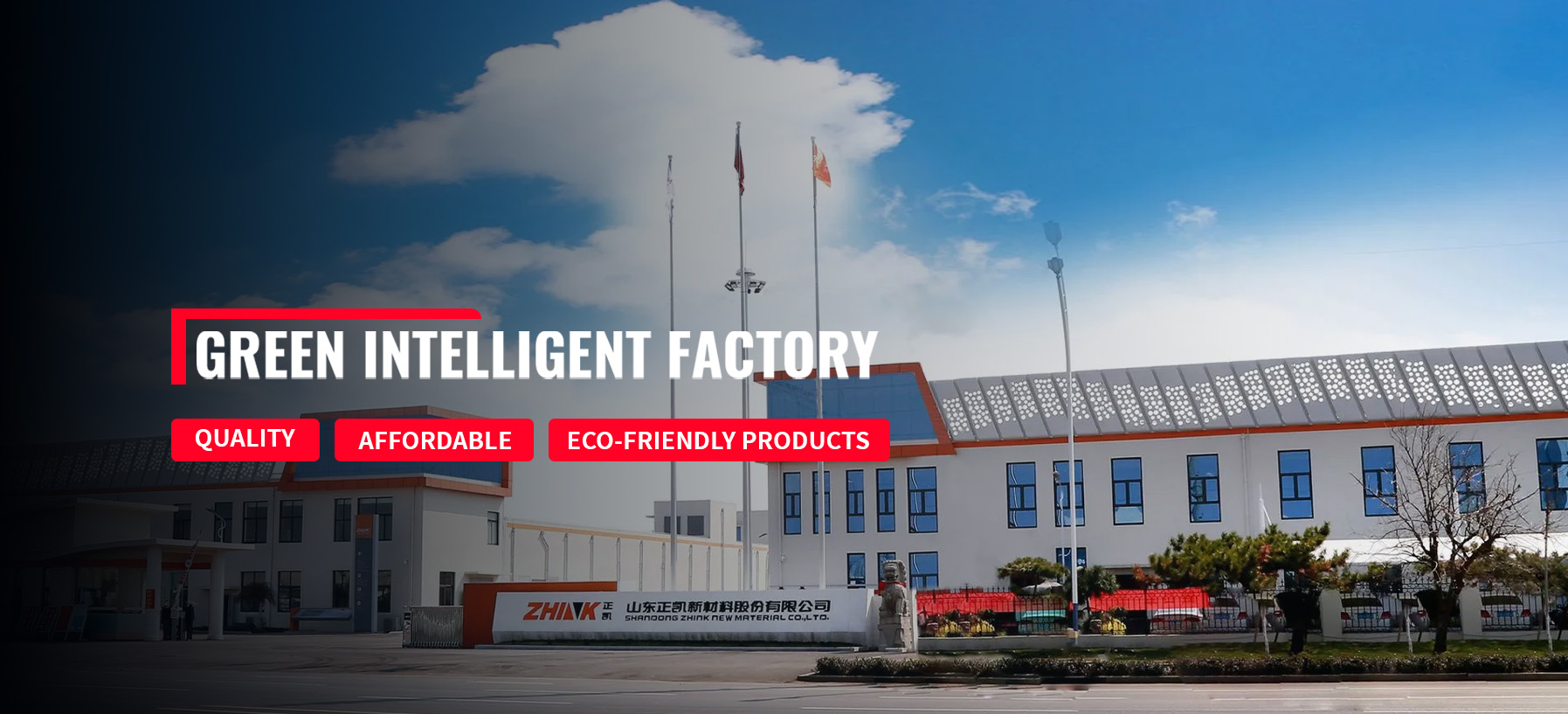
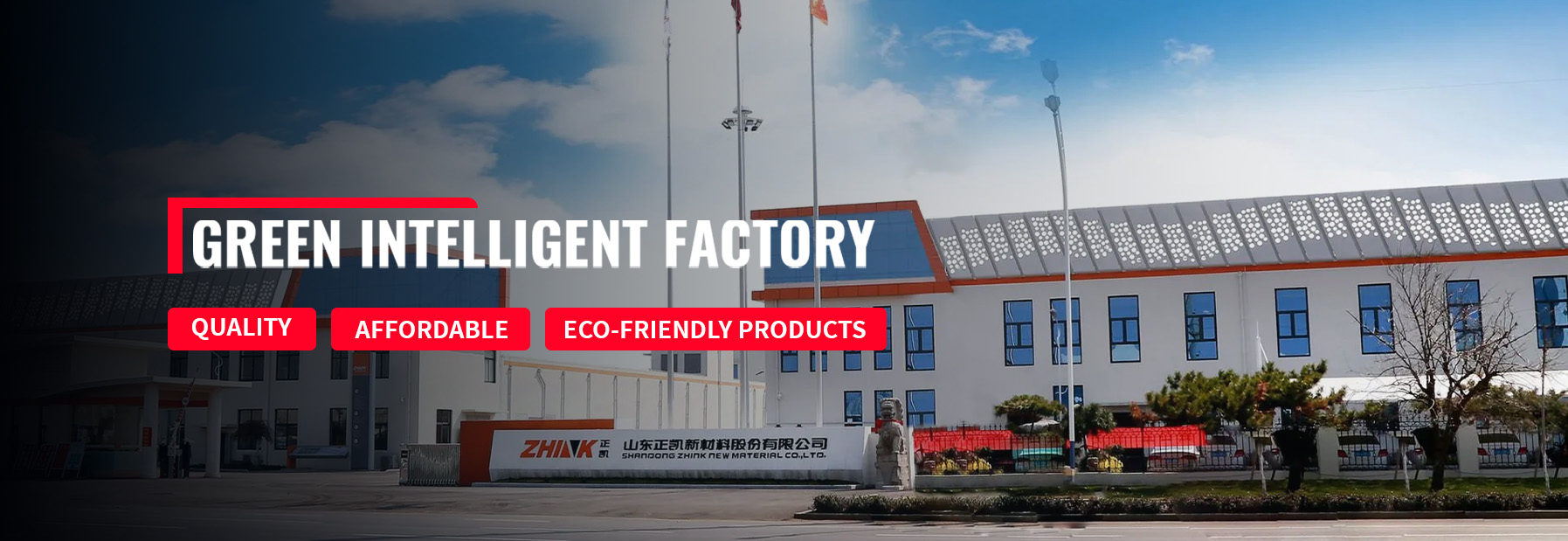
Working with SHANDONG ZHINK NEW MATERIAL CO., LTD, I’ve seen firsthand how T2T can disrupt traditional processes. Their website, ZHINK YARN, showcases innovations like conductive yarns and eco-friendly composites, highlighting T2T's role not as a mere concept, but as a functional reality.
Despite the potential, misconceptions persist. Some believe it’s still in its infancy and cite high costs as a barrier. However, as processes refine and scale, costs are steadily decreasing, making it increasingly accessible.
Case Studies: Success and Setbacks
T2T isn’t just a buzzword; it’s being applied in real-world scenarios with varying degrees of success. For example, in sportswear, there’s been a significant push to enhance performance through fabrics with moisture-wicking and temperature-regulating properties. Nike and Adidas have made strides here, yet not every attempt hits the mark.
At a trade show, I encountered a small startup that developed a self-cleaning fabric using T2T technology. While promising, practical issues like wearability and texture plagued its initial products. These challenges remind us that innovative does not always equate to market-ready.
SHANDONG ZHINK NEW MATERIAL CO., LTD has had its own shares of ups and downs. Their venture into biodegradable fibers initially saw issues with durability. Iterative development and meticulous testing, as showcased in their product updates, eventually led to a superior line of sustainable textiles.
Technical Challenges and Solutions
Implementing T2T involves complex machinery and precise engineering. The integration of smart textiles calls for precision in splicing diverse materials — whether it’s embedding sensors or aligning woven structures. Even a minor misalignment can lead to product failures.
Collaboration often becomes key. For instance, Zhink New Material collaborates with tech companies to integrate IoT elements into textiles. This synergy of textiles with technology, though challenging, results in groundbreaking products like responsive sports gear.
Furthermore, advancements in AI and machine learning are aiding quality control, ensuring that each thread meets stringent specifications. Automation reduces human error, but initial setup and calibration remain resource-intensive.
The Market Landscape and Future Prospects
Demand for T2T products is on the rise, especially in sectors like healthcare and fashion. With consumers becoming more conscious of sustainability, materials that offer recycled content or reduced environmental footprint are gaining a competitive edge. Companies like Zhink New Material are leveraging this trend, continuously updating their materials to balance innovation with practicality.
In the coming years, we can expect to see T2T further streamline its processes, potentially lowering costs and expanding its reach into even more industries. The intersection of aesthetics and functionality becomes increasingly crucial, especially in fashion, where T2T facilitates personalized designs.
The next frontier might well explore deeper integration into daily-use objects — wearable electronics or even smart home fabrics, making everyday life a bit more integrated and smart.
Conclusion: Reflecting on T2T's Trajectory
Reflecting on T2T, it's evident that the field holds substantial promise. Yet, it’s a journey filled with trials. Structuring this progression thoughtfully allows companies like SHANDONG ZHINK NEW MATERIAL CO., LTD to spearhead innovations that redefine textiles.
As challenges persist, a blend of perseverance and creativity drives us forward. Maintaining an environment of research and development akin to Zhink’s approach ensures sustained growth and discovery. The real test will be translating this potential into tangible solutions that benefit both producers and consumers alike.
T2T remains more than a technical marvel; it’s a symbol of the industry's evolving nature, a testament to how we continuously seek to enhance our material world.
Related Products
Related Products