+86-632-3621866
- Chinese
- French
- German
- Portuguese
- Spanish
- Russian
- Japanese
- Korean
- Arabic
- Irish
- Greek
- Turkish
- Italian
- Danish
- Romanian
- Indonesian
- Czech
- Afrikaans
- Swedish
- Polish
- Basque
- Catalan
- Esperanto
- Hindi
- Lao
- Albanian
- Amharic
- Armenian
- Azerbaijani
- Belarusian
- Bengali
- Bosnian
- Bulgarian
- Cebuano
- Chichewa
- Corsican
- Croatian
- Dutch
- Estonian
- Filipino
- Finnish
- Frisian
- Galician
- Georgian
- Gujarati
- Haitian
- Hausa
- Hawaiian
- Hebrew
- Hmong
- Hungarian
- Icelandic
- Igbo
- Javanese
- Kannada
- Kazakh
- Khmer
- Kurdish
- Kyrgyz
- Latin
- Latvian
- Lithuanian
- Luxembou..
- Macedonian
- Malagasy
- Malay
- Malayalam
- Maltese
- Maori
- Marathi
- Mongolian
- Burmese
- Nepali
- Norwegian
- Pashto
- Persian
- Punjabi
- Serbian
- Sesotho
- Sinhala
- Slovak
- Slovenian
- Somali
- Samoan
- Scots Gaelic
- Shona
- Sindhi
- Sundanese
- Swahili
- Tajik
- Tamil
- Telugu
- Thai
- Ukrainian
- Urdu
- Uzbek
- Vietnamese
- Welsh
- Xhosa
- Yiddish
- Yoruba
- Zulu
- Kinyarwanda
- Tatar
- Oriya
- Turkmen
- Uyghur


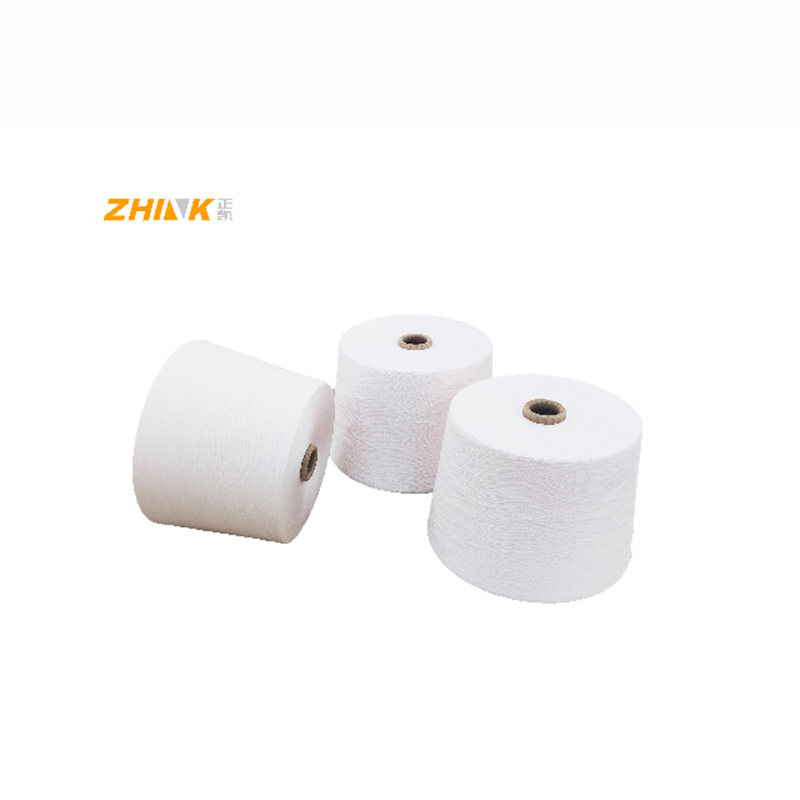
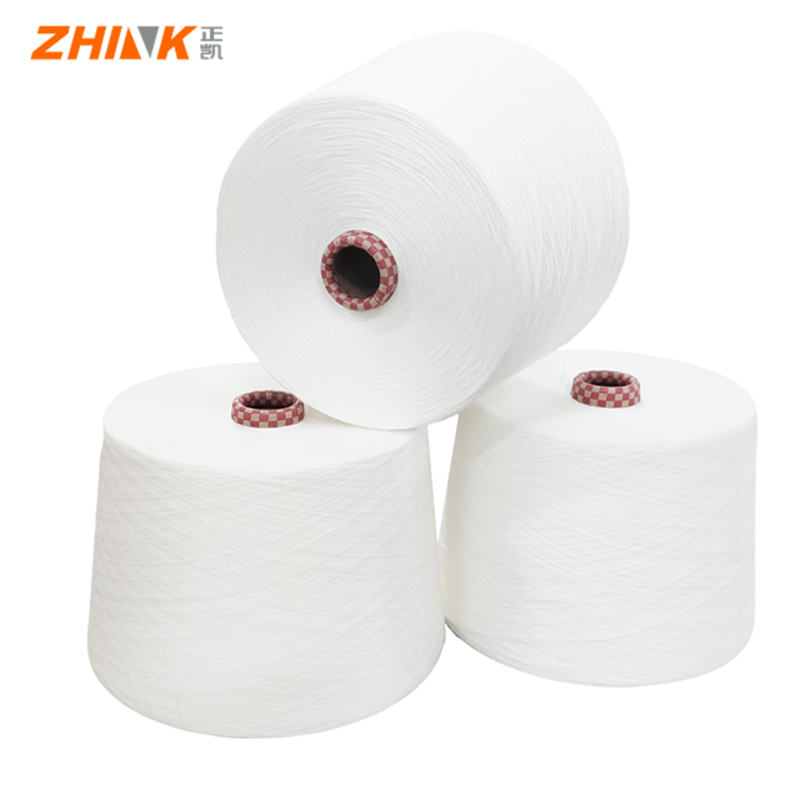
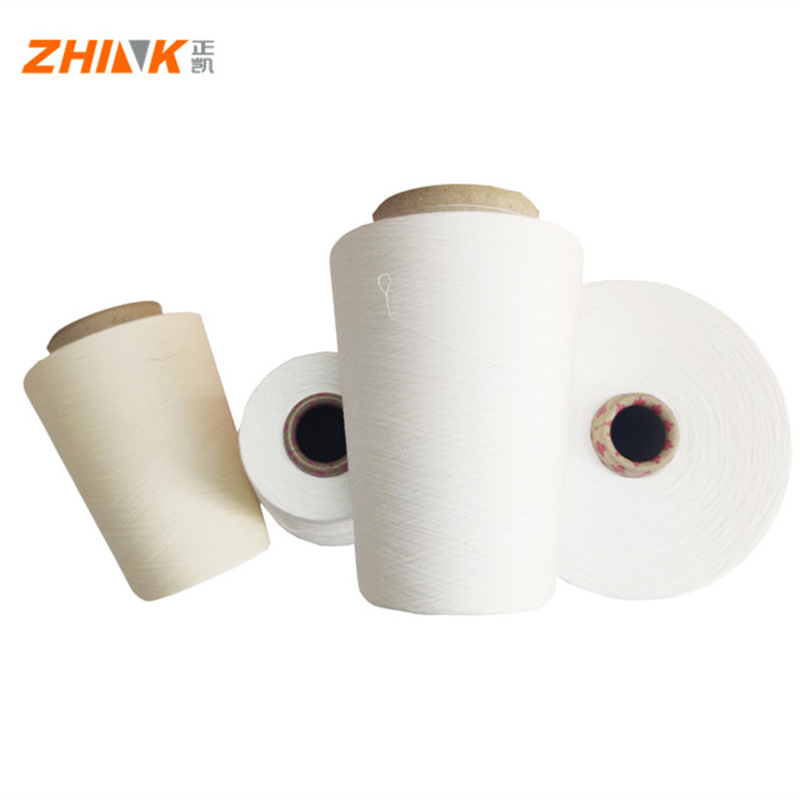
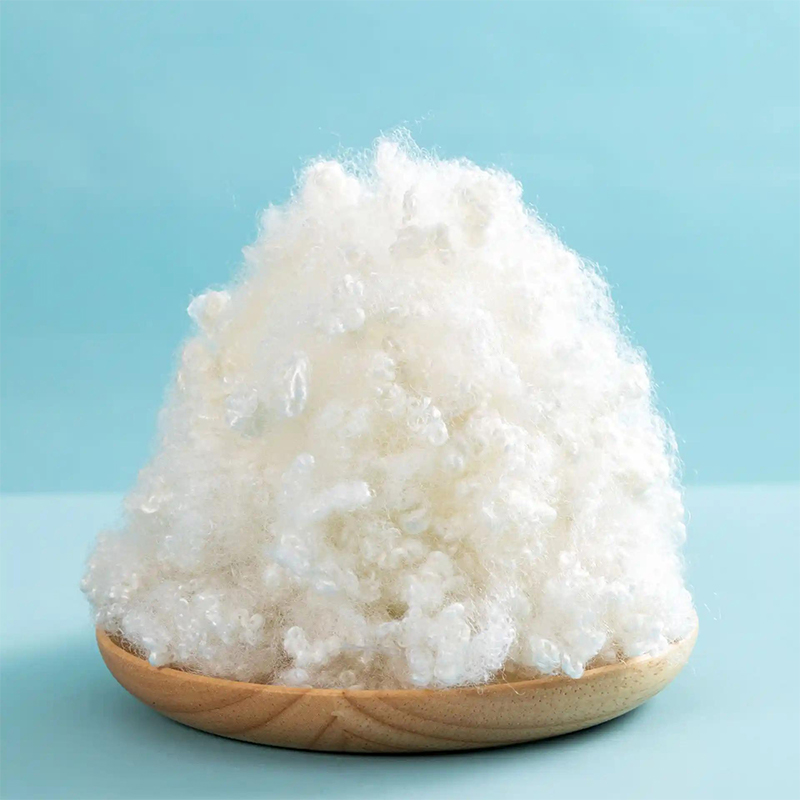
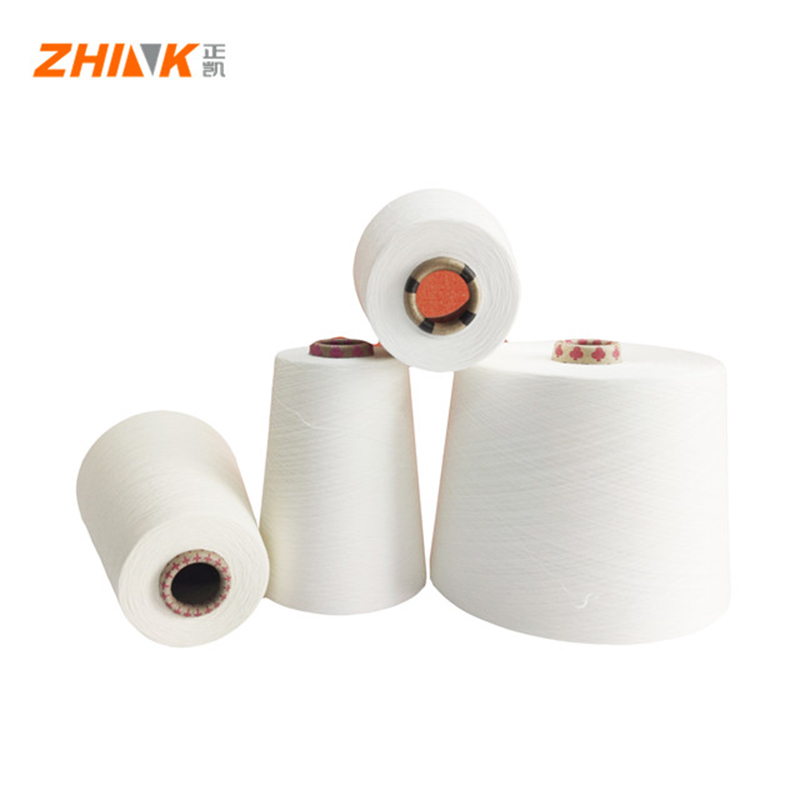
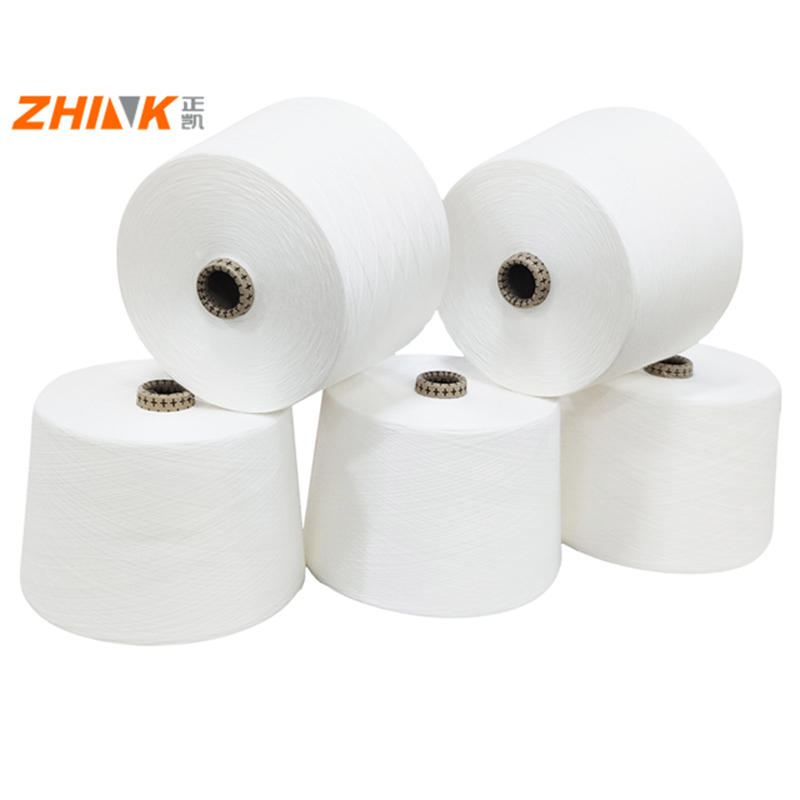
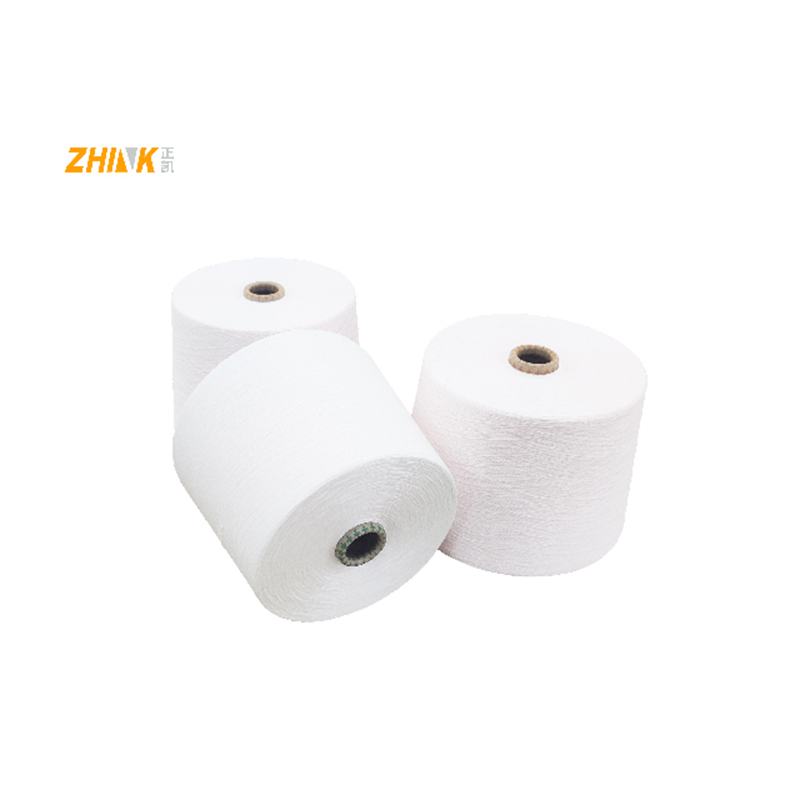
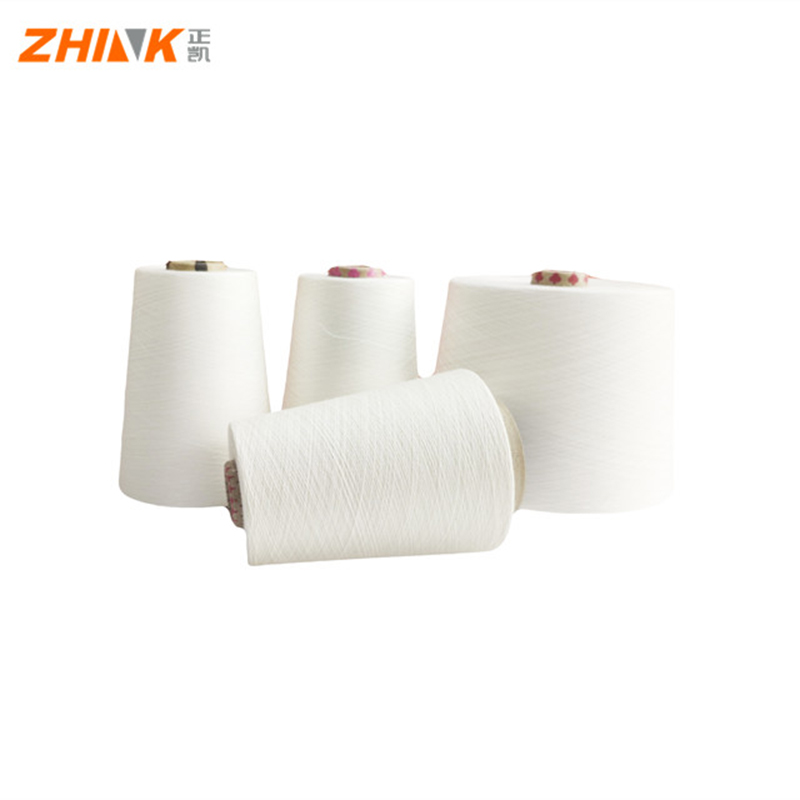
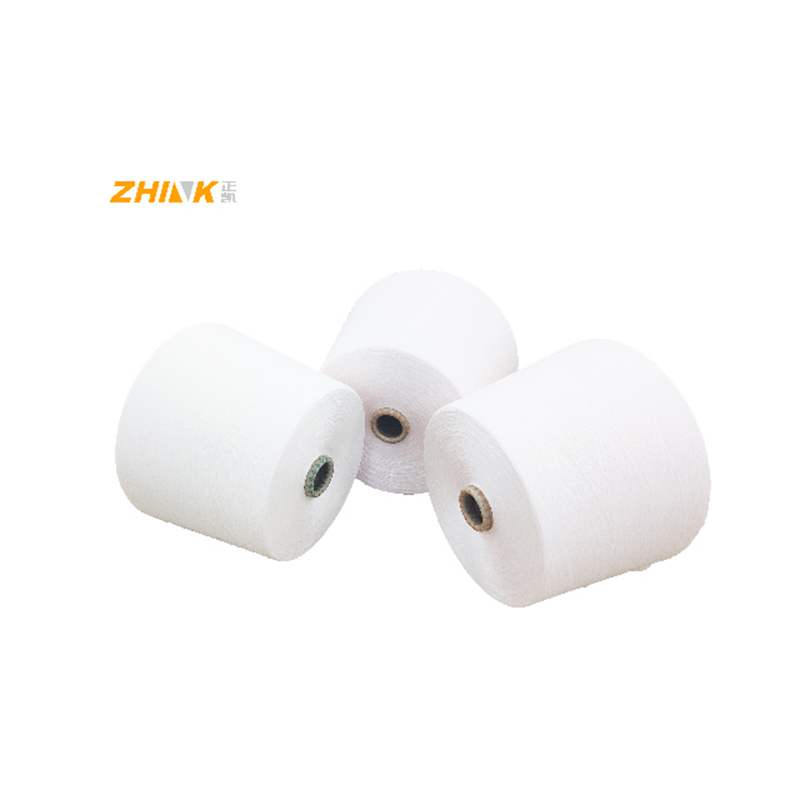
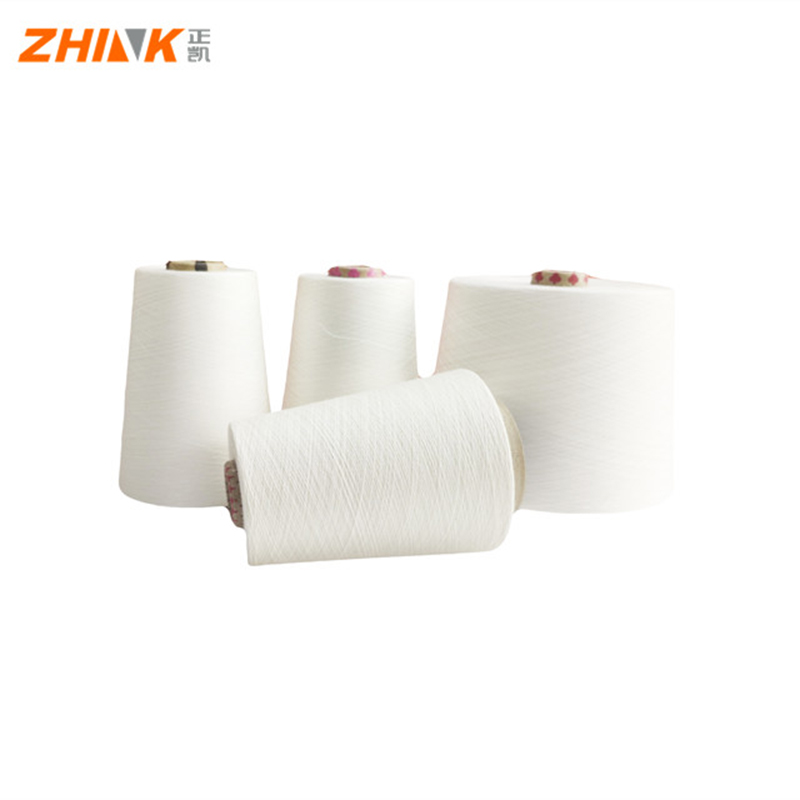
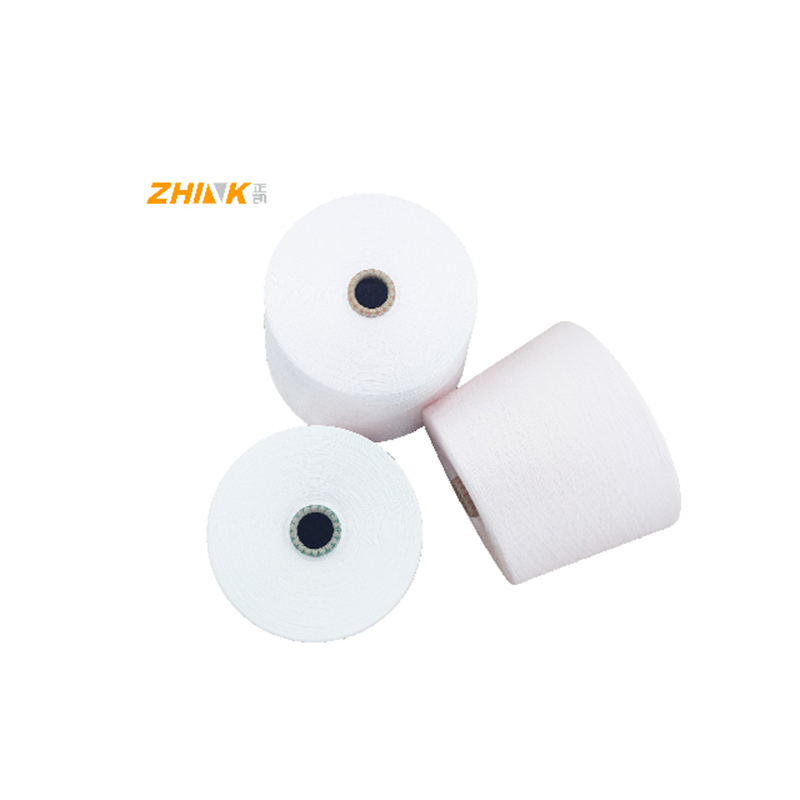
tanbocell fiber yarn
A Closer Look at Tanbocell Fiber Yarn
Tanbocell fiber yarn is becoming a buzzword in textile circles, but what's the real story behind this innovation? In this article, we'll dive into its properties, applications, and why it might just be a game-changer for the industry. Let's pull back the layers and explore its true potential.
Understanding Tanbocell Fiber
First off, what exactly is Tanbocell fiber yarn? At its core, it's a regenerated cellulose fiber, somewhat analogous to viscose or lyocell, but with its own unique tweaks. I remember my initial skepticism—could this really outperform what’s already out there? But after working with it, I’ve seen firsthand how its enhanced moisture management and softness set it apart.
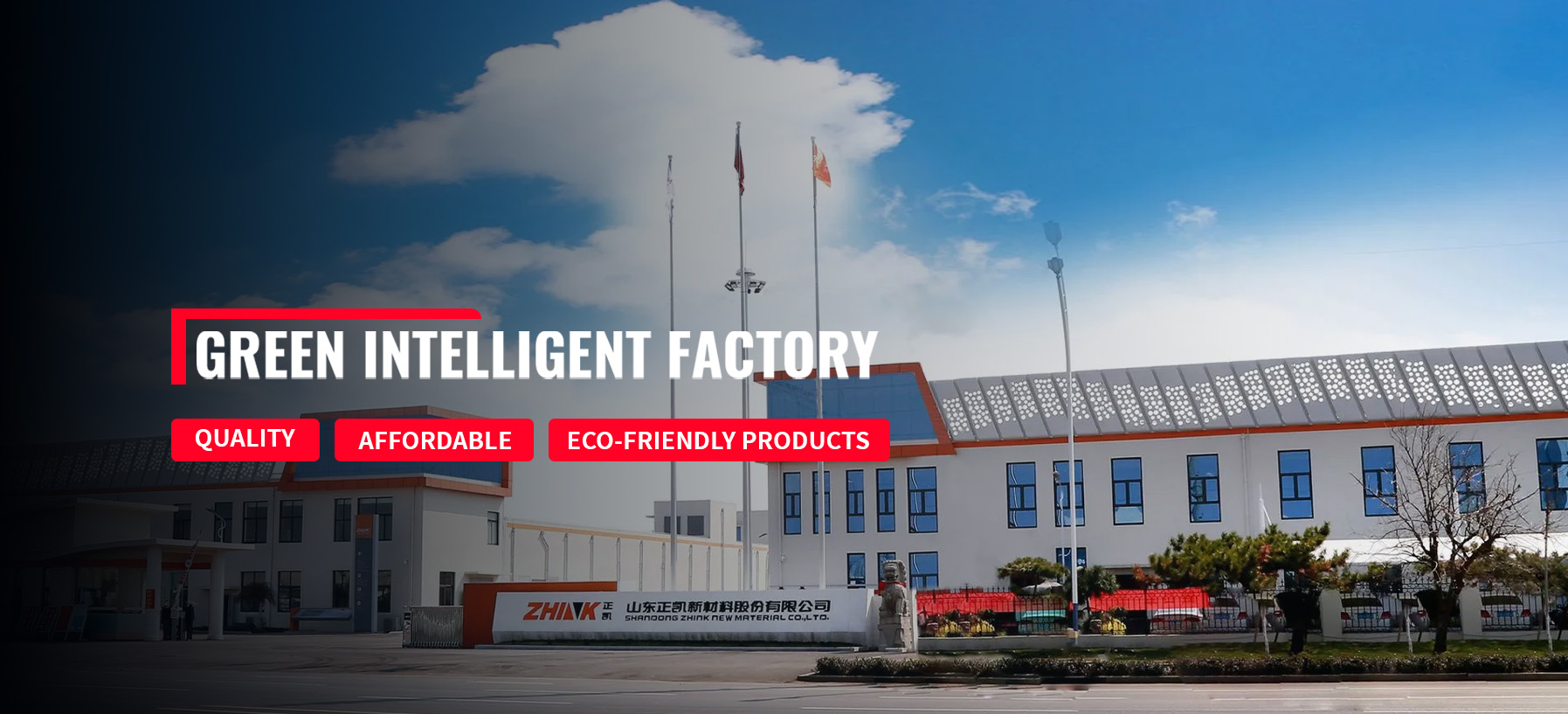
The manufacturing process is one of its defining features. Taking cellulose from sustainable sources, the transformation into fibers doesn’t involve harsh chemicals, which piqued my interest. Zhink New Material, a leader in this field, shows promise by pushing the envelope further in eco-friendly practices. Their work is not just innovative; it’s crucial for sustainability goals.
Yet, like many advancements, it's not without challenges. Occasionally, compatibility with existing equipment can be a concern. However, the adjustments required are typically minor, ensuring a smoother transition for manufacturers.
Applications in Textiles
Now, where does tanbocell really shine? The obvious go-to is in the realm of fashion apparel. Its texture offers a premium feel, rivaling more traditional choices like cotton or wool—without the heavy ecological footprint. I’ve personally handled swatches that surprised me with their resilience and comfort.
Beyond clothing, its versatility extends into home textiles and even nonwovens. A colleague mentioned their success in using it for bed linens; the feedback was overwhelmingly positive, particularly for its cooling properties. That’s a game-changer in warmer climates.
Still, it’s critical to understand market needs. As we've discovered at SHANDONG ZHINK NEW MATERIAL CO., LTD., listening to consumer feedback can guide product development, ensuring what's offered meets real-world demands.
Processing and Production Insights
From a production standpoint, integrating tanbocell fiber yarn requires a nuanced understanding. The beauty of working with firms like Zhink New Material (which you can check out at their website) is gaining insights from their R&D expertise. Their input can bridge the gap between concept and final product.
Kinks are inevitable, though. I’ve encountered issues like uneven dye uptake during initial trials, but adjusting the temperature controls alleviated most problems. The learning curve is there but manageable.
Cost efficiency also plays a role. While the initial output may be slightly higher, scaling production smooths this out. It’s about being patient and understanding the lifecycle of bringing a new fiber to full-scale use.
Market Trends and Consumer Preferences
Trends in the textile industry favor sustainable and lightweight materials. Consumers are becoming more demanding for not just performance but the narrative behind a product. Tanbocell positions itself uniquely here. Its sustainability stamps high on the checklist for eco-conscious buyers.
I recall a trade fair I attended last year where many were intrigued by its blend of environmental and tactile qualities. We need to be mindful, though—trends are transient. It's the fundamental qualities that sustain interest.
Branding, too, counts for something. Tying in a company’s commitment, like that of SHANDONG ZHINK NEW MATERIAL CO., LTD, to the larger environmental movement does resonate, particularly with younger demographics.
The Future of Tanbocell Fiber Yarn
So, what lies ahead for tanbocell fiber yarn? I’m optimistic. The textile market is ripe for innovation, and this yarn could very well cement its place. Continuous research is key. Companies like Zhink, with their forward-thinking ethos, are peeling back layers of what's possible in material science.
I anticipate further applications across various sectors, not limited to just textiles. Perhaps technical fabrics or blends with other advanced tensile properties could be next. Only time will tell how far its reach extends.
In the end, while challenges remain, the potential rewards for integrating tanbocell into mainstream use far outweigh the hurdles. It’s an exciting era for those of us invested in textile innovation, and I look forward to seeing how the industry adapts and grows alongside these new materials.
Related Products
Related Products