+86-632-3621866
- Chinese
- French
- German
- Portuguese
- Spanish
- Russian
- Japanese
- Korean
- Arabic
- Irish
- Greek
- Turkish
- Italian
- Danish
- Romanian
- Indonesian
- Czech
- Afrikaans
- Swedish
- Polish
- Basque
- Catalan
- Esperanto
- Hindi
- Lao
- Albanian
- Amharic
- Armenian
- Azerbaijani
- Belarusian
- Bengali
- Bosnian
- Bulgarian
- Cebuano
- Chichewa
- Corsican
- Croatian
- Dutch
- Estonian
- Filipino
- Finnish
- Frisian
- Galician
- Georgian
- Gujarati
- Haitian
- Hausa
- Hawaiian
- Hebrew
- Hmong
- Hungarian
- Icelandic
- Igbo
- Javanese
- Kannada
- Kazakh
- Khmer
- Kurdish
- Kyrgyz
- Latin
- Latvian
- Lithuanian
- Luxembou..
- Macedonian
- Malagasy
- Malay
- Malayalam
- Maltese
- Maori
- Marathi
- Mongolian
- Burmese
- Nepali
- Norwegian
- Pashto
- Persian
- Punjabi
- Serbian
- Sesotho
- Sinhala
- Slovak
- Slovenian
- Somali
- Samoan
- Scots Gaelic
- Shona
- Sindhi
- Sundanese
- Swahili
- Tajik
- Tamil
- Telugu
- Thai
- Ukrainian
- Urdu
- Uzbek
- Vietnamese
- Welsh
- Xhosa
- Yiddish
- Yoruba
- Zulu
- Kinyarwanda
- Tatar
- Oriya
- Turkmen
- Uyghur



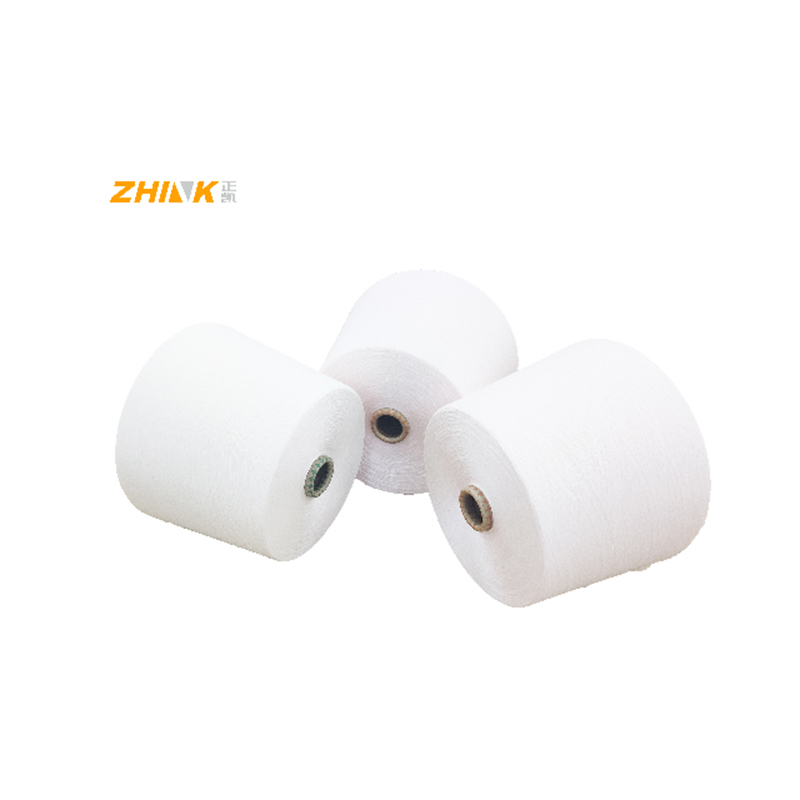
tencel lyocell yarn
The Intricacies of Tencel Lyocell Yarn
Understanding what sets Tencel Lyocell yarn apart in the textile industry can be both intriguing and somewhat puzzling. It’s not merely about the sustainable allure but the practicalities every textile engineer or designer faces. This isn’t your run-of-the-mill yarn, and there’s a reason it's gaining traction among professionals.
What is Tencel Lyocell Yarn?
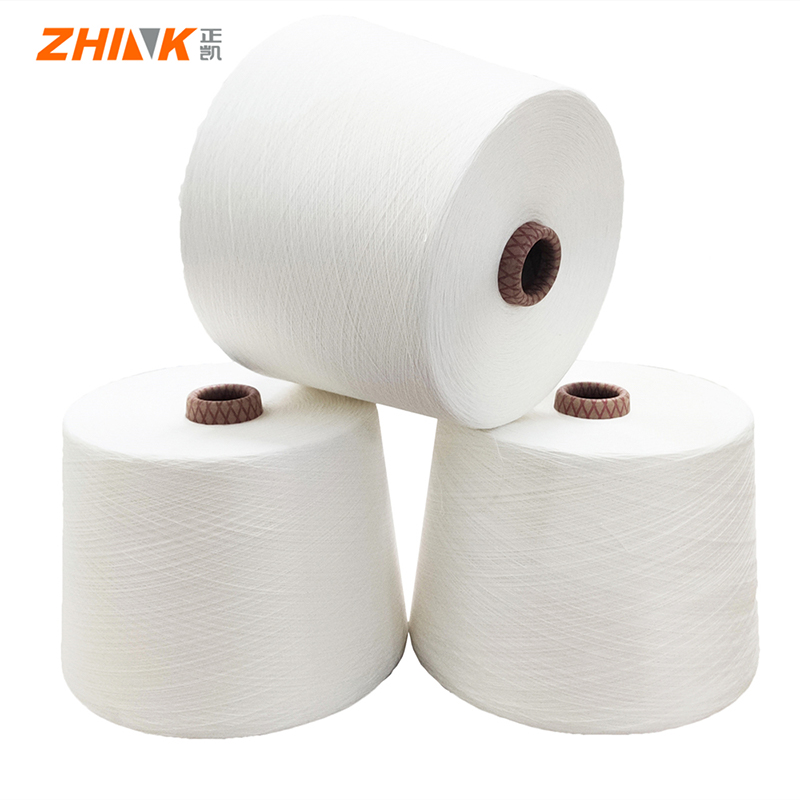
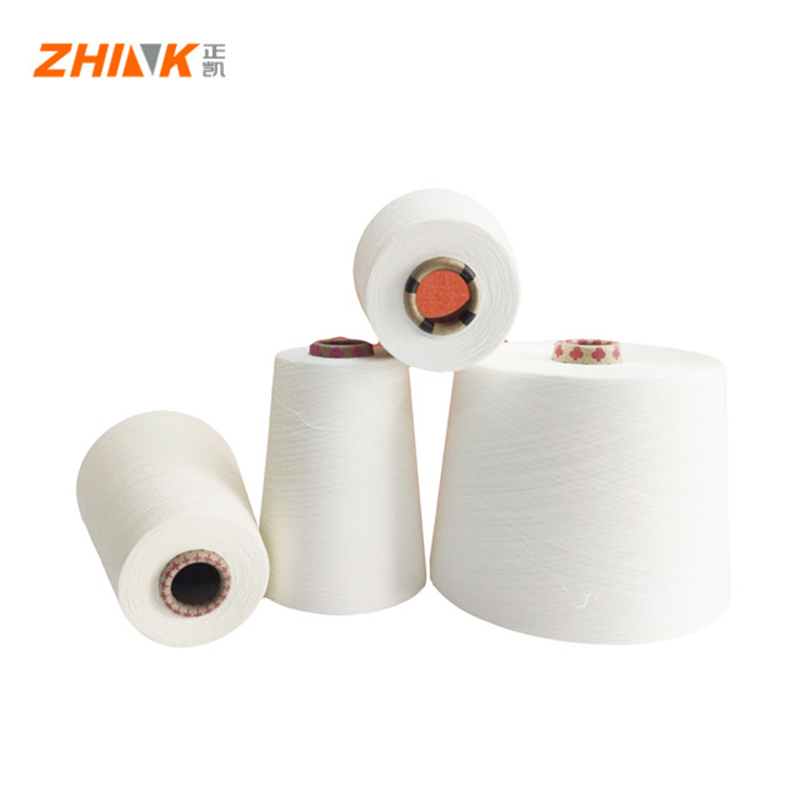
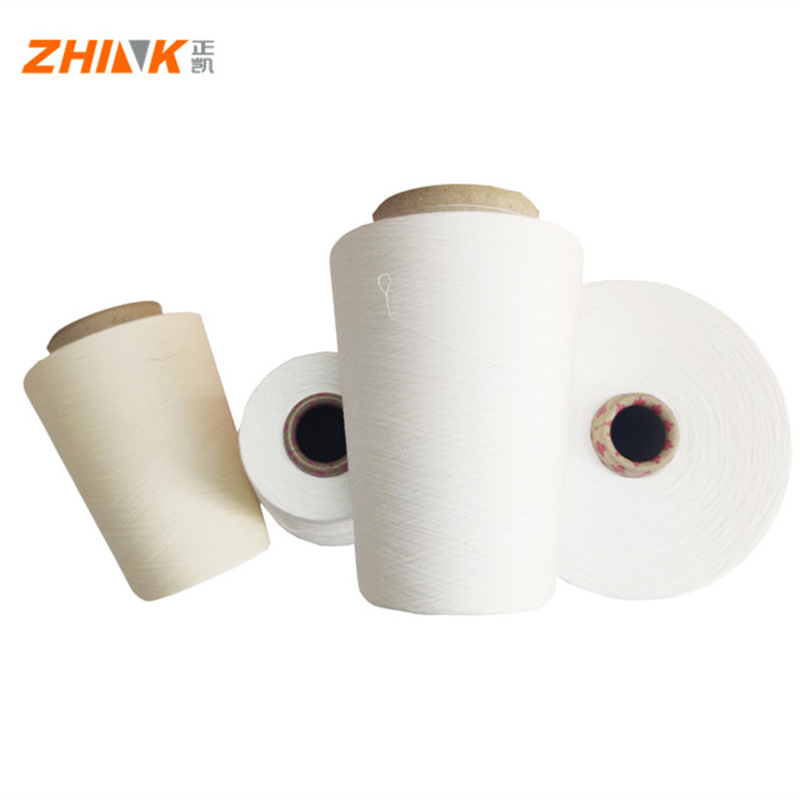
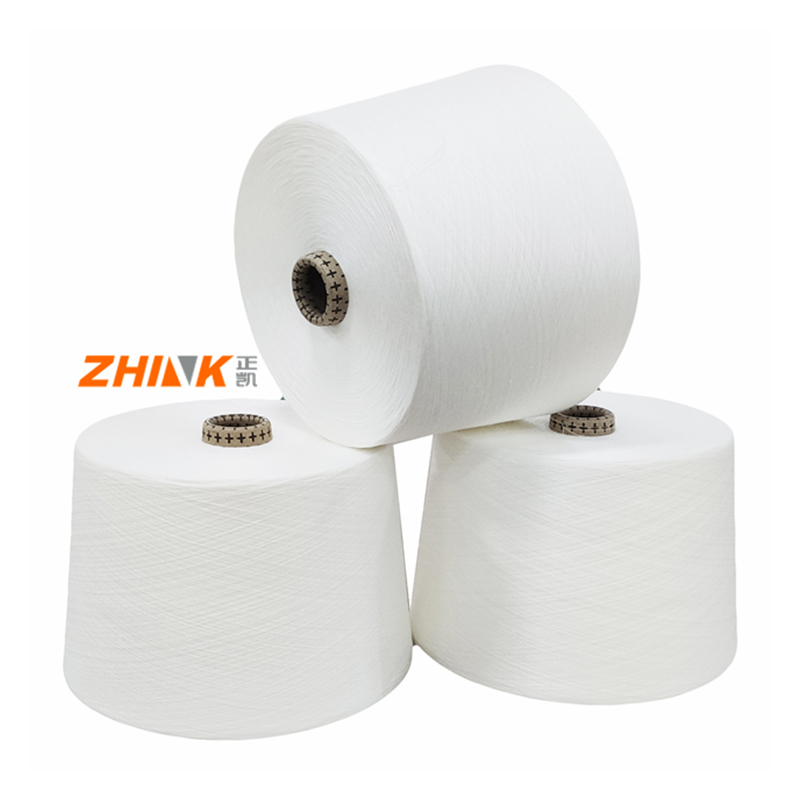
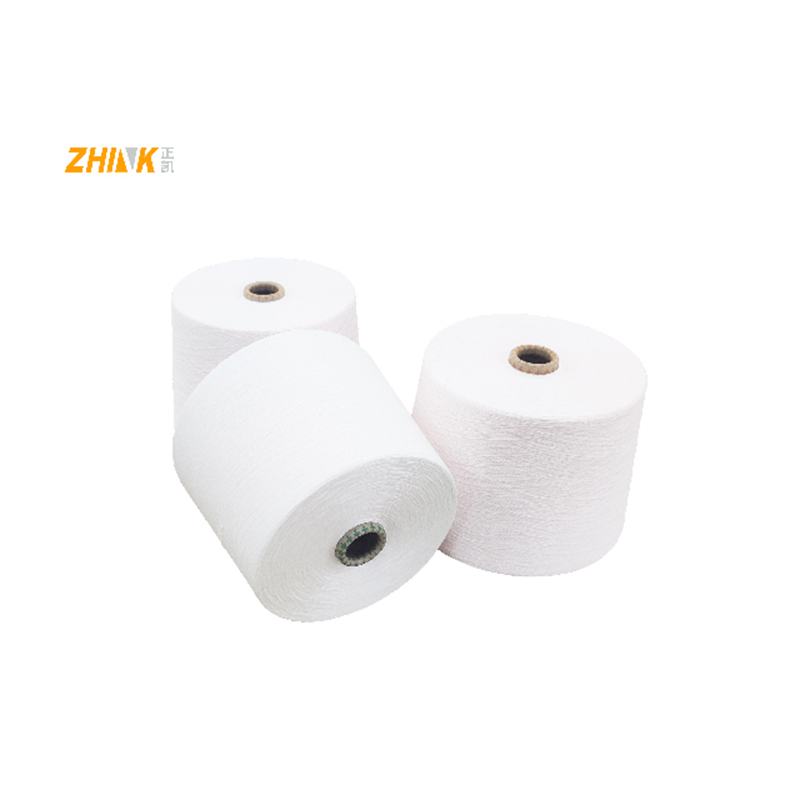
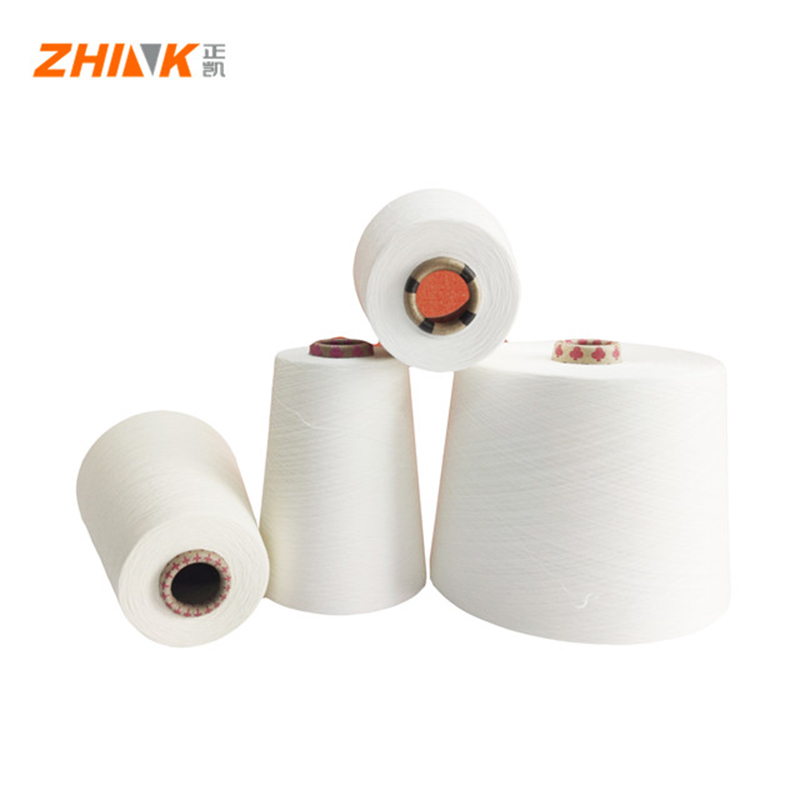
Tencel Lyocell yarn comes from a cellulose source, typically wood pulp. What really intrigued me the first time I dealt with it was its feel — smooth, and almost silky. I wondered if this was yet another marketing ploy or if there was a tangible benefit to its use. The way it handles moisture was certainly noteworthy, offering a breathable and comfortable option for diverse fabrics.
Many have misconceptions about its durability or handling due to its soft texture. But, frankly, in practical applications, it often outperformed synthetic counterparts, especially in scenarios necessitating high moisture wicking. The process itself — transforming cellulose into yarn — uses a closed loop mechanism. This means environmental impact is minimal which is a big plus for many brands focused on sustainable fashion.
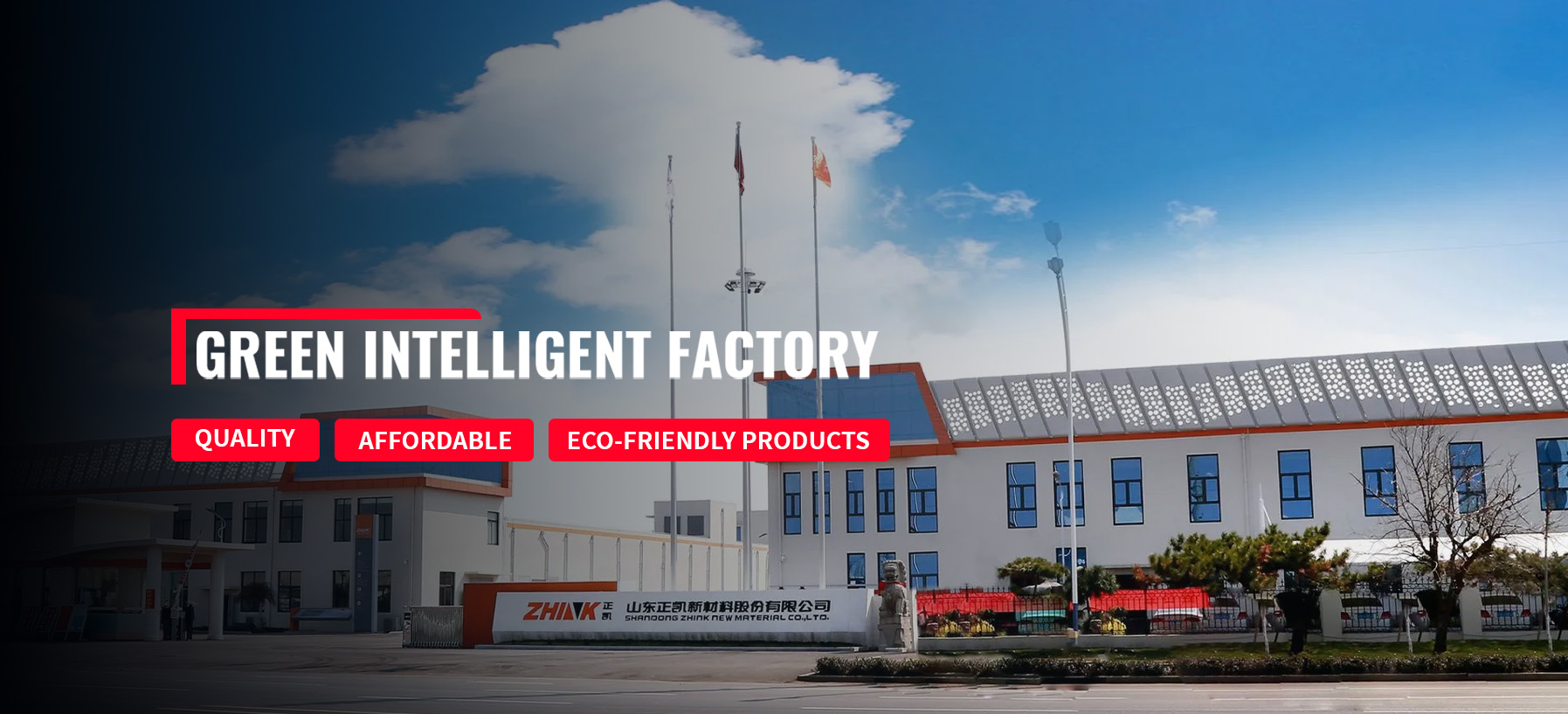
However, I remember stumbling upon a few challenges initially. Not every machinery setup could easily adapt to it. It was in scenarios like these where industry giants like SHANDONG ZHINK NEW MATERIAL CO., LTD, with their extensive expertise and resources, really helped me understand material compatibility. Their insights, accessible via their website here, were invaluable.
Practical Applications and Benefits
In terms of application, Tencel Lyocell yarn finds its way into everything from high-end fashion to home textiles. One project I was involved in was developing bedding that maximized comfort and sustainability. The yarn's ability to resist wrinkles and maintain its sheen even after numerous washes was a real game changer. Plus, its hypoallergenic properties cater well to sensitive skin — a real consideration for many end-users.
Something I didn't expect was its thermal regulation capabilities. During a trial run, we developed athletic wear using this yarn, and feedback consistently praised its adaptability; it kept users cooler in summer and warmer in winter. This kind of adaptive feature isn’t just a marketing buzzword — it translates into real customer satisfaction.
Yet, no material is immune to challenges. Handling costs can be higher compared to traditional cotton or polyester blends. This often slows down its adoption among budget-restricted brands. Understanding its full lifecycle — from production at SHANDONG ZHINK NEW MATERIAL CO., LTD to consumer hands — it's clear these costs can be offset by longevity and premium quality returns.
Challenges in Adoption
The financial aspect of Tencel Lyocell yarn can't be ignored. While the initial production costs might spike, it's crucial to communicate the benefits of durability and sustainability effectively to consumers who might only see the price tag. One of the stepping stones for industry-wide adoption is creating awareness.
Particularly, smaller brands struggle with these high upfront costs. It takes insightful market strategies to present these cost-per-use advantages. In collaborations, I've often suggested phased rollouts, starting with a premium line to gauge consumer reception and slowly ramping up inventory based on feedback.
Another subtle hurdle is the knowledge gap in production processes. Where larger players may work with experts from companies like SHANDONG ZHINK NEW MATERIAL CO., LTD, smaller design houses sometimes lack the expertise to optimally process Lyocell. This is where industry collaboration can make a difference. Knowledge sharing remains key to overcoming entry barriers.
Quality and Environmental Impact
The environmental benefits of Tencel Lyocell yarn are not merely about perception but measurable advantages. In one of my roles, tasked with lifecycle analyses, the contrast between conventional fibers and Lyocell was stark. The production process’s low water usage alone was a persuasive element for stakeholders.
Even with this knowledge, tangible impacts can only be fully realized with transparent supply chains. Working with companies like SHANDONG ZHINK NEW MATERIAL CO., LTD ensures this transparency, as they commit to rigorous sustainable practices right from production. For brands, this offers peace of mind and a robust selling point.
Sustainable branding aside, consumers increasingly demand proof of these practices, and rightly so. This sector's challenge is not only adopting such materials but also effectively communicating these practices and benefits to the end-user, ensuring claims don't just sit as marketing rhetoric but reflect operational realities.
The Future of Tencel Lyocell Yarn
Looking ahead, the prospects for Tencel Lyocell yarn remain promising but contingent upon a few factors. Broader awareness and education, not just in consumer segments but ecosystems like fashion schools, can change the current trajectory. Industry giants and startups alike need to champion its qualities if they want it to integrate fully into mainstream production.
In a recent conference, discussions hovered around technological advancements and sustainability. The consensus was clear — tools and partnerships shape the future. Navigating this space with SHANDONG ZHINK NEW MATERIAL CO., LTD presents a strategic advantage for many looking to replicate successful model implementations.
In conclusion, the journey with Tencel Lyocell yarn is as much about overcoming traditional boundaries as it is about innovative adaptation. As industries pivot towards sustainable solutions, understanding the nuances of such material usage will likely dictate market leaders from followers. It's an ongoing conversation, one I suspect will shape textile futures extensively.
Related Products
Related Products