+86-632-3621866
- Chinese
- French
- German
- Portuguese
- Spanish
- Russian
- Japanese
- Korean
- Arabic
- Irish
- Greek
- Turkish
- Italian
- Danish
- Romanian
- Indonesian
- Czech
- Afrikaans
- Swedish
- Polish
- Basque
- Catalan
- Esperanto
- Hindi
- Lao
- Albanian
- Amharic
- Armenian
- Azerbaijani
- Belarusian
- Bengali
- Bosnian
- Bulgarian
- Cebuano
- Chichewa
- Corsican
- Croatian
- Dutch
- Estonian
- Filipino
- Finnish
- Frisian
- Galician
- Georgian
- Gujarati
- Haitian
- Hausa
- Hawaiian
- Hebrew
- Hmong
- Hungarian
- Icelandic
- Igbo
- Javanese
- Kannada
- Kazakh
- Khmer
- Kurdish
- Kyrgyz
- Latin
- Latvian
- Lithuanian
- Luxembou..
- Macedonian
- Malagasy
- Malay
- Malayalam
- Maltese
- Maori
- Marathi
- Mongolian
- Burmese
- Nepali
- Norwegian
- Pashto
- Persian
- Punjabi
- Serbian
- Sesotho
- Sinhala
- Slovak
- Slovenian
- Somali
- Samoan
- Scots Gaelic
- Shona
- Sindhi
- Sundanese
- Swahili
- Tajik
- Tamil
- Telugu
- Thai
- Ukrainian
- Urdu
- Uzbek
- Vietnamese
- Welsh
- Xhosa
- Yiddish
- Yoruba
- Zulu
- Kinyarwanda
- Tatar
- Oriya
- Turkmen
- Uyghur



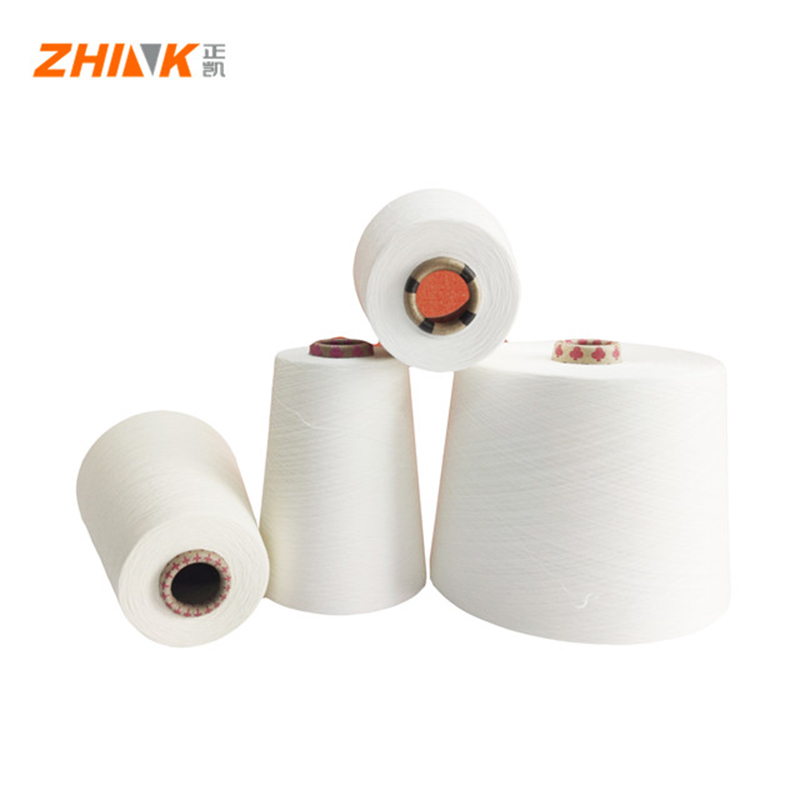
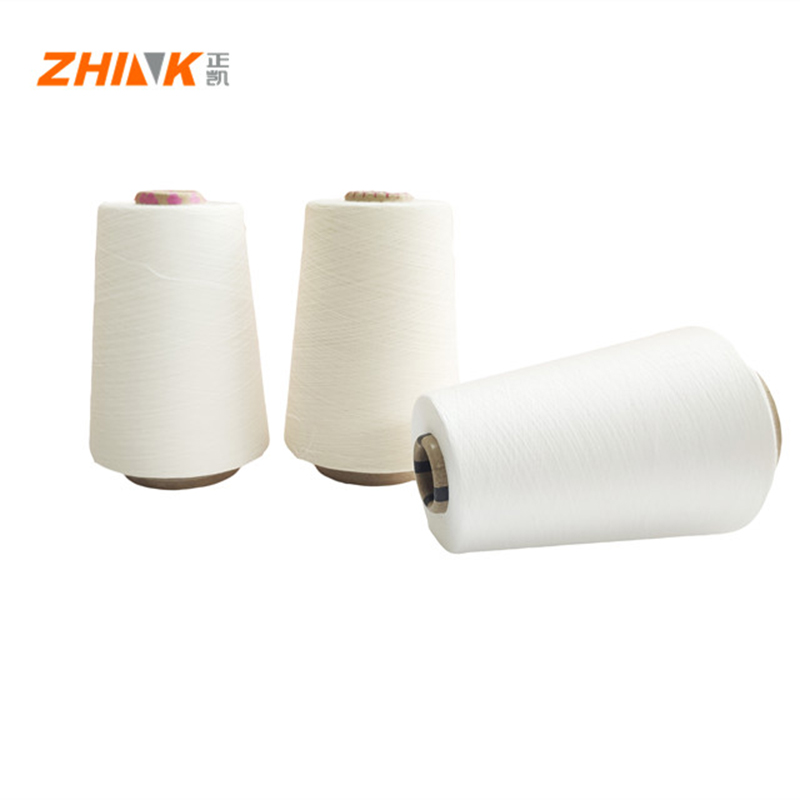
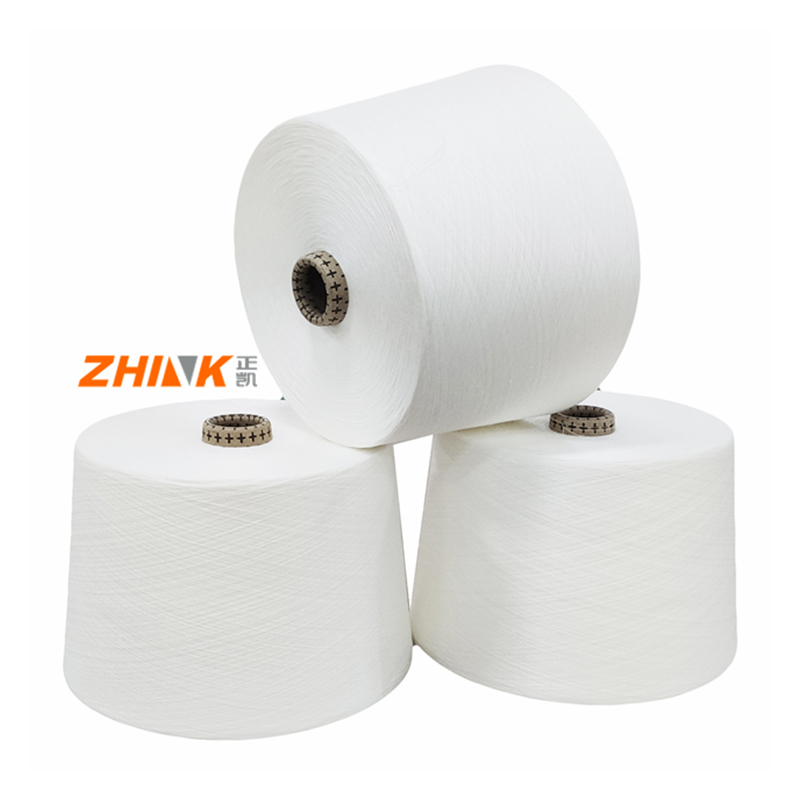
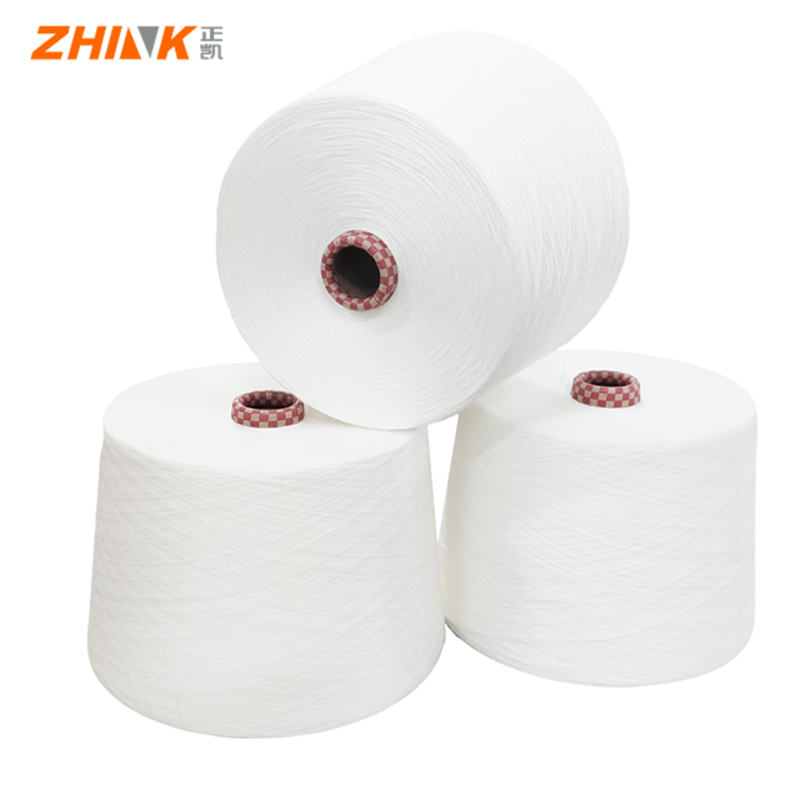
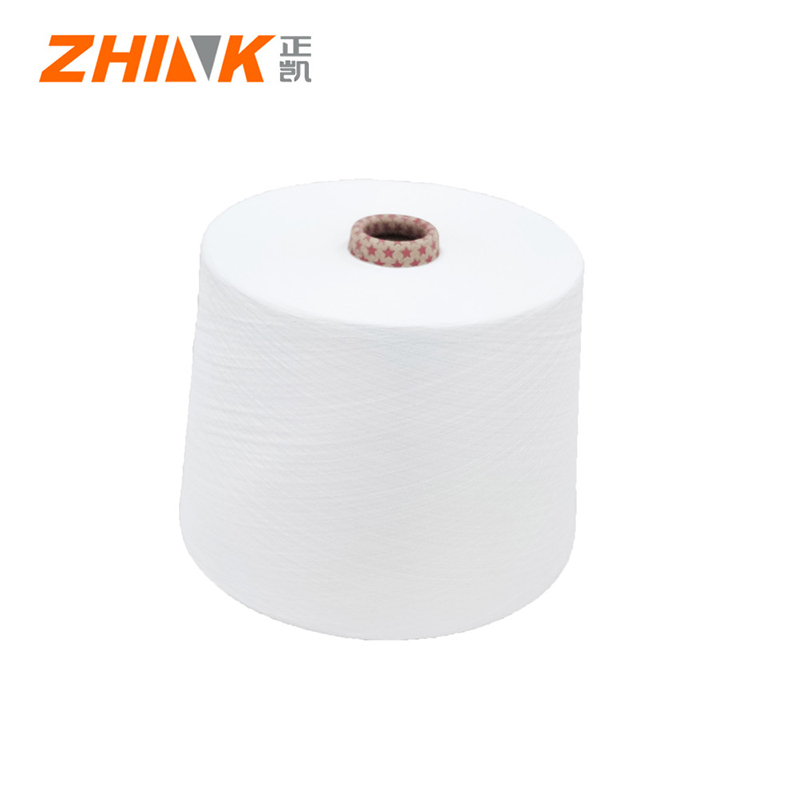
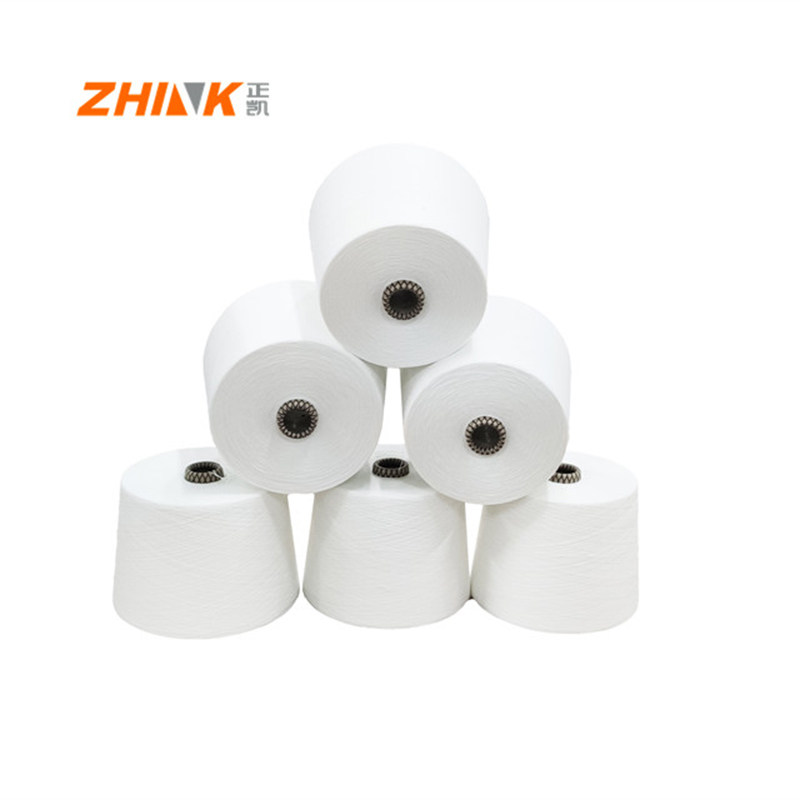
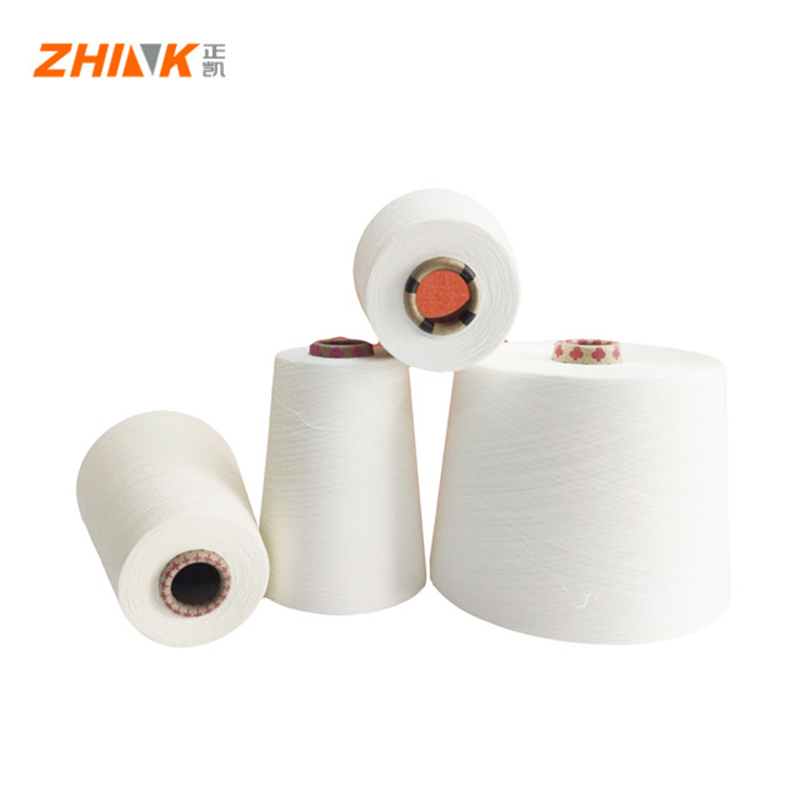
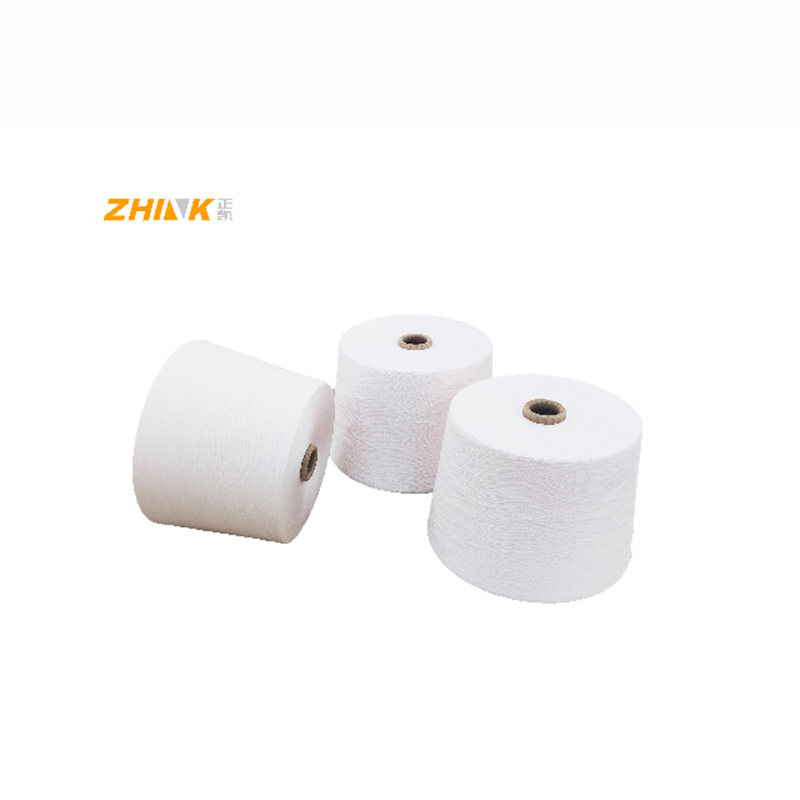
TG viscose yarn
Understanding TG Viscose Yarn: Insights from the Field
When it comes to textile materials, terms like TG viscose yarn often pop up, sometimes bringing with them a fair share of misunderstandings. From the unique properties it offers to real-world applications, understanding this material requires both an appreciation for its nuances and firsthand experience.
What is TG Viscose Yarn?
Ask around in the industry, and you'll find that many associate TG viscose yarn with just another synthetic or semi-synthetic fiber. However, that perception misses the mark. TG viscose yarn is crafted through a complex process involving wood pulp, making it somewhat unique in its combination of natural and engineered qualities. It's precisely that duality that gives it a place in various textile applications, balancing comfort with strength.
Viscose itself is renowned for its silk-like feel, and the TG variant, in particular, has some enhanced properties. This yarn type combines tensile strength with a softness that makes it suitable for a wide range of end-uses, from apparel to home textiles. But, like any material, there's no one-size-fits-all; understanding its uses and limitations is key.
I've often seen new entrants into textile production overlook the specific requirements of using TG viscose yarn. Take, for instance, the moisture management characteristics—it’s not about just blending it into any fabric. You need to factor in specific conditions, like humidity and temperature, during both production and application phases.
Production Challenges and Practical Considerations
In my experience, especially for companies like Zhink New Material, which specializes in the production and sales of new textile materials, there are particular hurdles in mass production. The technical challenges often include managing chemical processes effectively. Even a slight imbalance can lead to variations in the final product’s quality.
Starting from the raw materials to the final extrusion of fibers, every step requires meticulous attention. The pulp used can significantly influence the yarn's properties. It’s vital to develop strong supplier relationships to ensure the consistency of quality raw material—a lesson learned after batches that didn't meet our benchmarks put production schedules in jeopardy.
Moreover, the integration of this yarn in different textile composites demands precise control over blending processes. During my time with textile engineers, attention to blending proportions emerged as fundamental, and we calculated these with more than the usual care. A 1% deviation can make a significant difference, impacting everything from feel to durability.
Applications and Market Position
As far as applications go, TG viscose yarn has proven versatile. It is well-suited for luxury linens and sportswear thanks to its softness and wicking properties. However, it is crucial to ensure that marketing teams are well-versed in the specific benefits and limitations of the material. Overpromising leads to underwhelming customer experiences, a scenario best avoided.
Speaking from interaction with retailers, there’s often a tendency to emphasize only the positives. But being upfront about care instructions, or potential shrinkage, for instance, establishes trust and saves time on customer service later. Customer education is an area where I believe there is still much room for growth.
For businesses like SHANDONG ZHINK NEW MATERIAL CO., LTD, success lies in understanding these dual challenges of manufacturing and market positioning. Capitalizing on R&D to improve material properties while tailoring marketing strategies to communicate real advantages has been a focus.
Real-World Example: A Case Study
Reflecting on a recent project, TG viscose yarn was integrated into a new line of eco-friendly fabrics. The environmental credentials of TG viscose played a significant role in the brand messaging. While the product itself performed exceptionally well, what surprised us was the consumer response to the yarn’s sustainability story.
While initially we targeted high-end markets, feedback indicated interest across broader demographics. Adjustments to production volumes and distribution channels were necessary to keep up with demand. This unexpected but welcome shift highlights the market’s openness to sustainable innovations.
But this success didn’t come without lessons. Keeping production scalable while maintaining quality control was critical. Early investments in technology for precision in fiber production paid off, ensuring consistency across larger batches—a critical factor as demand soared.
Conclusion: The Takeaway
In conclusion, TG viscose yarn isn’t just a material; it’s a testament to how traditional practices and innovative thinking coalesce in modern textile industries. For those willing to dive deep into its properties and understand its subtleties, TG viscose offers possibilities that are as sustainable as they are versatile.
As our interactions with companies like Zhink New Material continue, the landscape evolves, driven by both consumer preferences and technological advancements. Future prospects for TG viscose yarn look promising, shaped by continuous learning and adaptation.
Related Products
Related Products