
+86-632-3621866
- Chinese
- French
- German
- Portuguese
- Spanish
- Russian
- Japanese
- Korean
- Arabic
- Irish
- Greek
- Turkish
- Italian
- Danish
- Romanian
- Indonesian
- Czech
- Afrikaans
- Swedish
- Polish
- Basque
- Catalan
- Esperanto
- Hindi
- Lao
- Albanian
- Amharic
- Armenian
- Azerbaijani
- Belarusian
- Bengali
- Bosnian
- Bulgarian
- Cebuano
- Chichewa
- Corsican
- Croatian
- Dutch
- Estonian
- Filipino
- Finnish
- Frisian
- Galician
- Georgian
- Gujarati
- Haitian
- Hausa
- Hawaiian
- Hebrew
- Hmong
- Hungarian
- Icelandic
- Igbo
- Javanese
- Kannada
- Kazakh
- Khmer
- Kurdish
- Kyrgyz
- Latin
- Latvian
- Lithuanian
- Luxembou..
- Macedonian
- Malagasy
- Malay
- Malayalam
- Maltese
- Maori
- Marathi
- Mongolian
- Burmese
- Nepali
- Norwegian
- Pashto
- Persian
- Punjabi
- Serbian
- Sesotho
- Sinhala
- Slovak
- Slovenian
- Somali
- Samoan
- Scots Gaelic
- Shona
- Sindhi
- Sundanese
- Swahili
- Tajik
- Tamil
- Telugu
- Thai
- Ukrainian
- Urdu
- Uzbek
- Vietnamese
- Welsh
- Xhosa
- Yiddish
- Yoruba
- Zulu
- Kinyarwanda
- Tatar
- Oriya
- Turkmen
- Uyghur


Tiger yellow polyester fiber
html
Tiger Yellow Polyester Fiber: A Closer Look
Blending vibrancy with durability, Tiger yellow polyester fiber has taken the textile industry by storm, leaving many curious about its applications and potential. This distinct hue paired with the resilience of polyester offers both aesthetic appeal and practical benefits, though it isn’t without challenges.
Understanding the Demand
With the constant shift towards more vibrant and long-lasting materials, Tiger yellow stands out. Industries from fashion to home textiles have taken a keen interest, drawn by the color’s ability to capture attention without overpowering underlying designs. However, not every company gets it right. Some tend to overdo the hue, causing a mismatch in intended look versus end product.
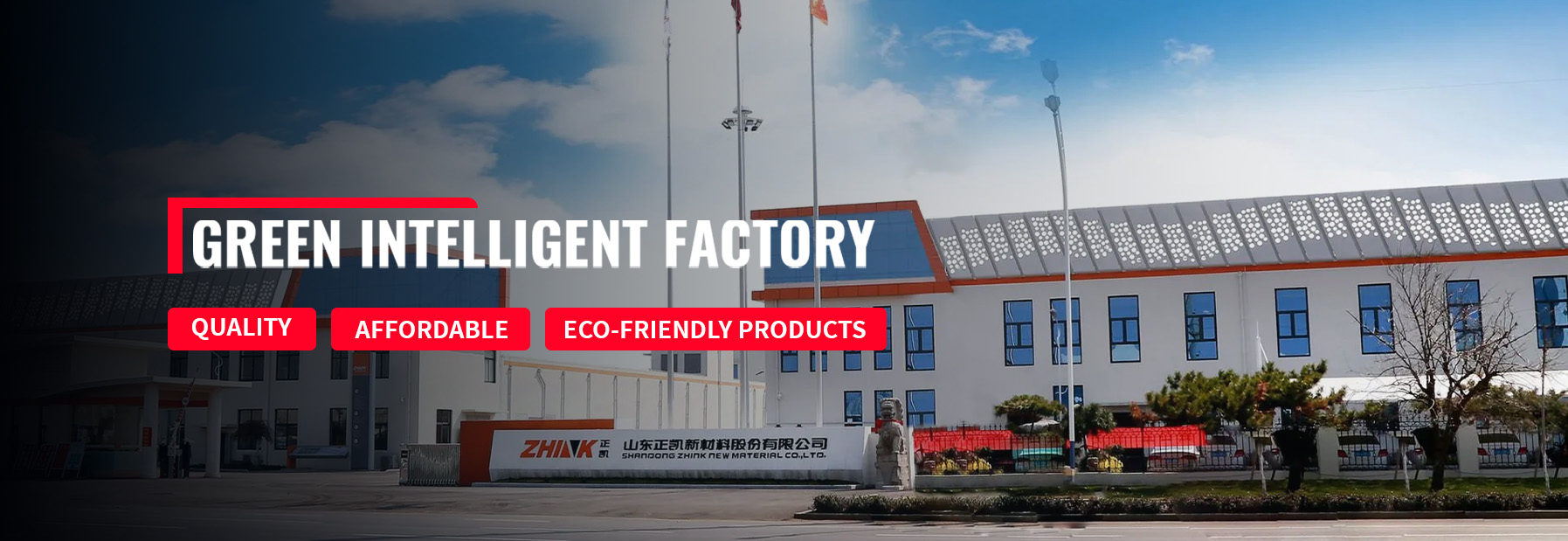
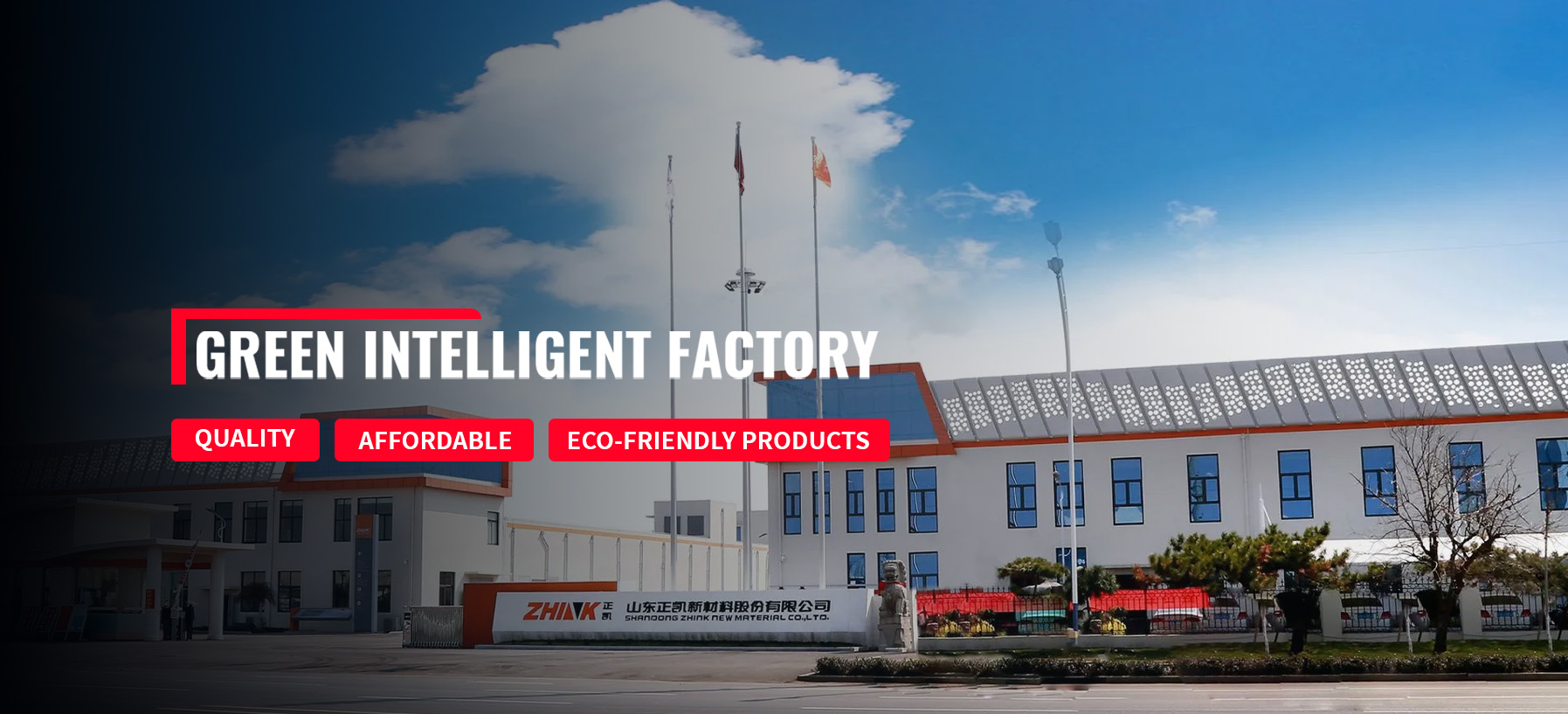
Take my own experience working with SHANDONG ZHINK NEW MATERIAL CO., LTD. Their expertise in the development of new textile materials has been pivotal. Located at Zhink Yarn, they guide clients through striking that balance between bold and refined.
Still, it’s a careful journey. Polyester inherently has a sheen, and when combined with such a potent color, the risk of overstatement is high. The magic lies in modulation and understanding the subtleties of blending.
The Production Process
Creating Tiger yellow polyester fiber involves precision at every stage. From dyeing to spinning, the fiber needs consistent treatment to achieve that signature color without fading over time. It’s not uncommon for lesser manufacturers to cut corners, leading to subpar results.
During a visit to one of Zhink's facilities, I witnessed the meticulous process firsthand. Each batch is tested for tensile strength and colorfastness, ensuring that the fibers meet stringent industry standards. It’s an elaborate dance between technology and artistry.
Failures are part of innovation. I recall an instance where a batch didn’t meet our expectations due to an oversight in temperature control. Yet, these hiccups are invaluable lessons, ensuring future success and setting standards others strive for.
Applications and Versatility
The versatility of Tiger yellow fibers is evident across various applications. In sportswear, the vibrancy aids in visibility, while the durability of polyester withstands rigorous use. Furthermore, its resistance to environmental degradation makes it ideal for outdoor gear.
However, translating the color into luxury segments like haute couture is another ball game. Here, the fiber must transform into something soft, luscious, and upscale. A delicate finish can turn a bold textile into a sophisticated statement.
Real-world applications challenge us to rethink usage. I’ve experimented with combination fabrics, merging the polyester fiber with cotton or even wool, to enhance texture while retaining that striking color.
Challenges and Solutions
No innovation comes without hurdles. One significant issue with polyester is its environmental footprint. Though, companies like SHANDONG ZHINK NEW MATERIAL CO., LTD are pioneering recycling efforts to reuse fibers, fostering a closed-loop system.
Recycling polyester without losing quality is shared challenge across the industry. Here, initiatives aimed at reducing offcuts during production play a significant role. It’s an ongoing battle with progressive strides making meaningful impacts.
Sampling new dyes, experimenting with water usage, and attentively monitoring energy consumption are pivotal aspects. The change cannot be abrupt, but stepwise improvements reassure a sustainable future.
Market Reception and Future Prospects
The market has displayed a keen interest in the properties of Tiger yellow polyester fiber, with its application scope expanding continually. Consumer response is generally positive when quality is assured, making it a favorable investment for manufacturers.
The ongoing question is how to maintain momentum and meet demand while emphasizing sustainability. Companies embedding new tech and research, like Zhink, are at the forefront, researching biodegradable alternatives or enhancing production efficiency.
In the end, it’s a collaboration between consumer insight and technical advancement. What remains clear is the enthusiasm surrounding such innovative materials—one that promises evolution in textile creation and consumption alike.
Related Products
Related Products

Best Selling Products
Best Selling Products


Related Search
Related Search- Recycled polyester/Modal 80/20 yarn
- 24s Flame retardant acrylic yarn
- polyester yarn for knitting
- Viscose blended yarn for weaving
- Recycled polyester/viscose siro compact yarn
- Hollow polyester/ viscose 70/30 yarn
- Khaki1 polyester fiber
- 24s Flame retardant polyester yarn
- pure Solid acrylic yarn
- UV-Resistant PSF