
+86-632-3621866
- Chinese
- French
- German
- Portuguese
- Spanish
- Russian
- Japanese
- Korean
- Arabic
- Irish
- Greek
- Turkish
- Italian
- Danish
- Romanian
- Indonesian
- Czech
- Afrikaans
- Swedish
- Polish
- Basque
- Catalan
- Esperanto
- Hindi
- Lao
- Albanian
- Amharic
- Armenian
- Azerbaijani
- Belarusian
- Bengali
- Bosnian
- Bulgarian
- Cebuano
- Chichewa
- Corsican
- Croatian
- Dutch
- Estonian
- Filipino
- Finnish
- Frisian
- Galician
- Georgian
- Gujarati
- Haitian
- Hausa
- Hawaiian
- Hebrew
- Hmong
- Hungarian
- Icelandic
- Igbo
- Javanese
- Kannada
- Kazakh
- Khmer
- Kurdish
- Kyrgyz
- Latin
- Latvian
- Lithuanian
- Luxembou..
- Macedonian
- Malagasy
- Malay
- Malayalam
- Maltese
- Maori
- Marathi
- Mongolian
- Burmese
- Nepali
- Norwegian
- Pashto
- Persian
- Punjabi
- Serbian
- Sesotho
- Sinhala
- Slovak
- Slovenian
- Somali
- Samoan
- Scots Gaelic
- Shona
- Sindhi
- Sundanese
- Swahili
- Tajik
- Tamil
- Telugu
- Thai
- Ukrainian
- Urdu
- Uzbek
- Vietnamese
- Welsh
- Xhosa
- Yiddish
- Yoruba
- Zulu
- Kinyarwanda
- Tatar
- Oriya
- Turkmen
- Uyghur


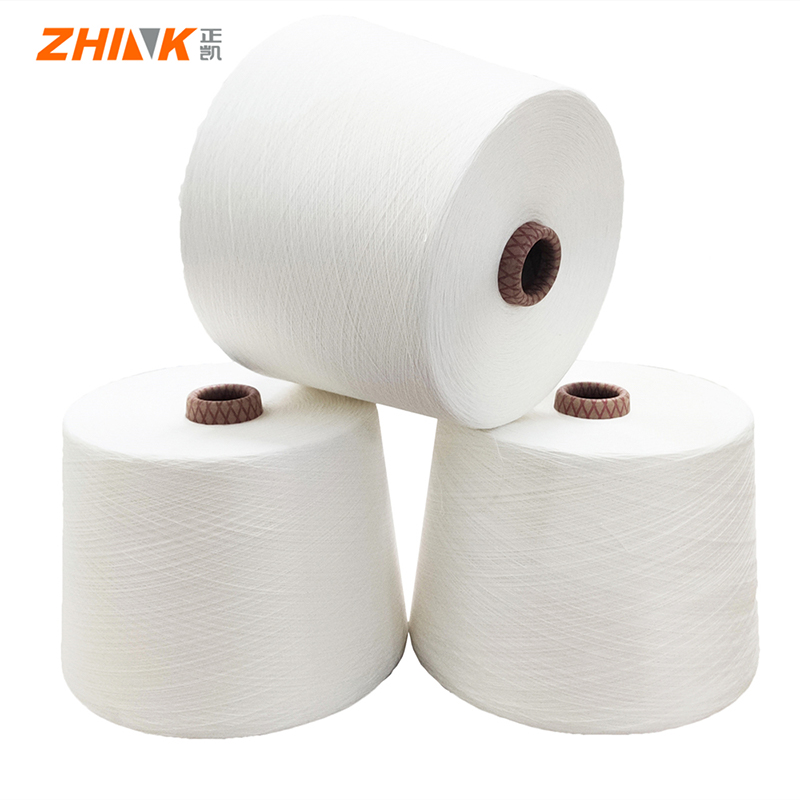
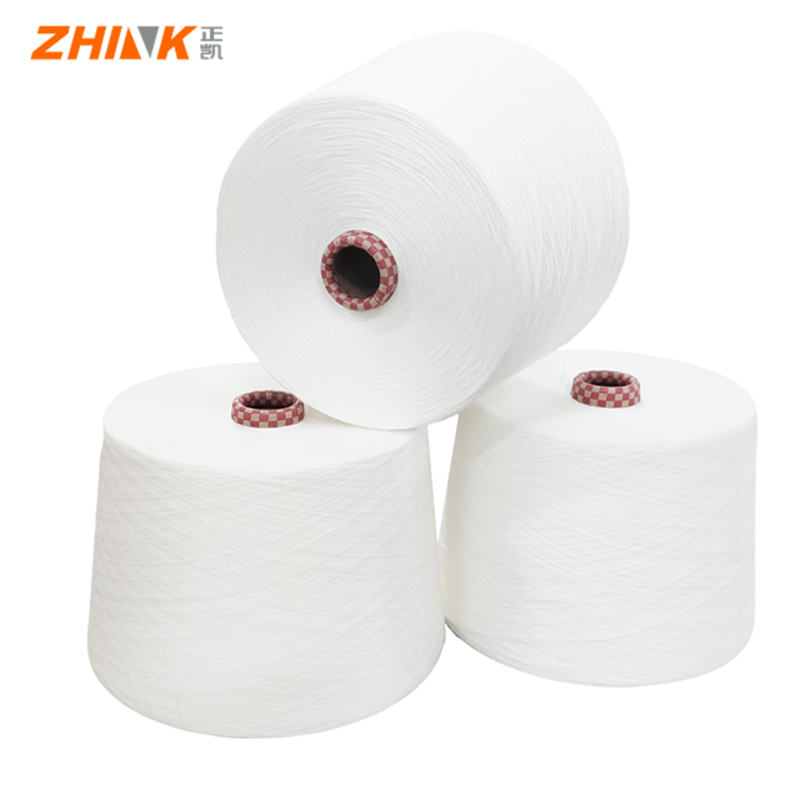
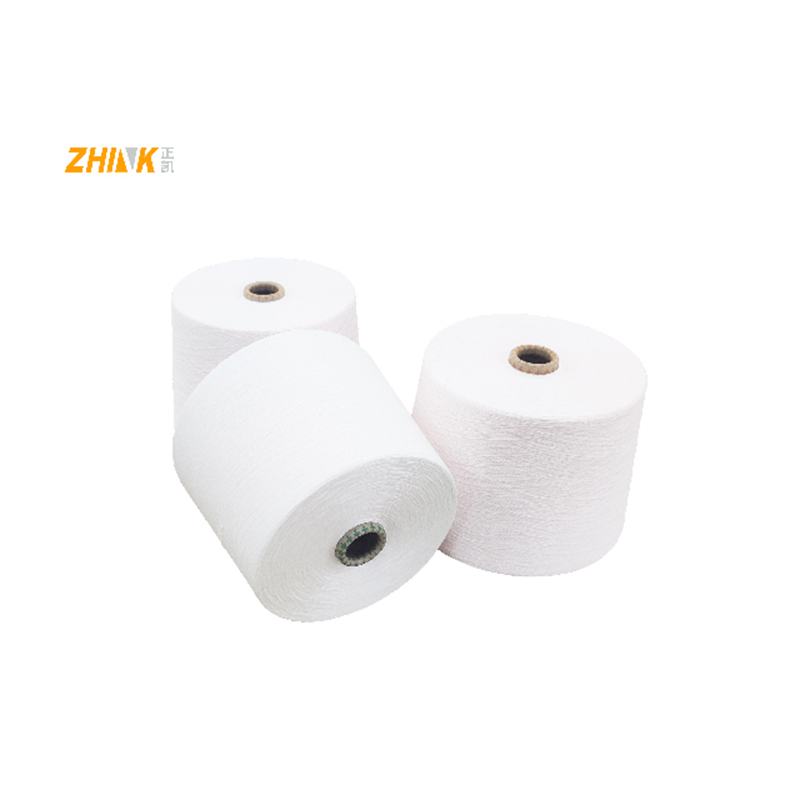
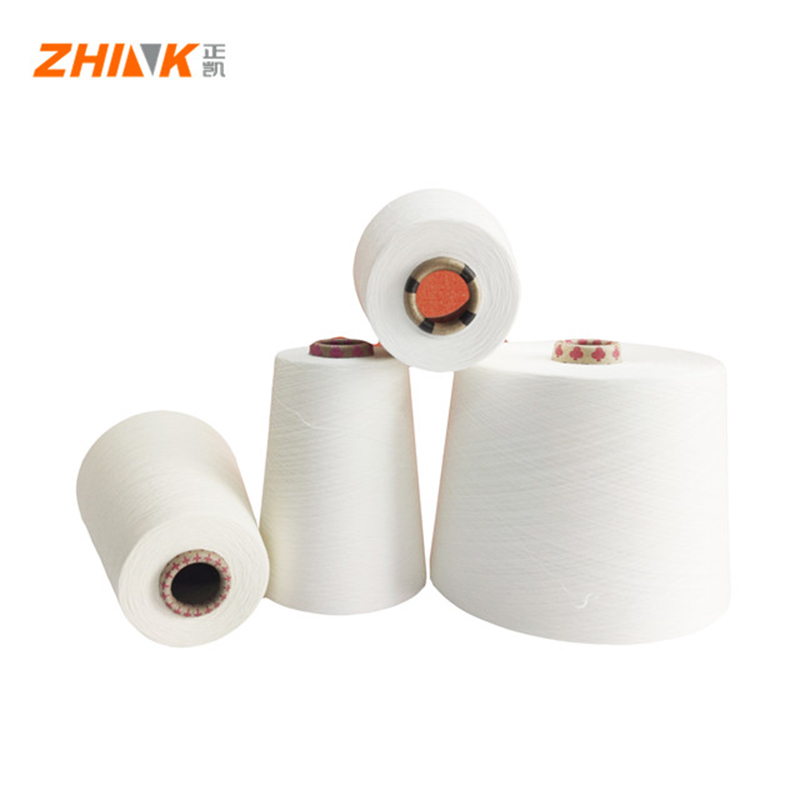
TR yarn
Understanding TR Yarn: A Closer Look
In an industry that's constantly evolving, TR yarn stands out as a crucial material in textile manufacturing. But what makes it so essential? This article delves into the nuances of TR yarn, exploring its composition, usage, and impact on the textile sector.
What is TR Yarn?
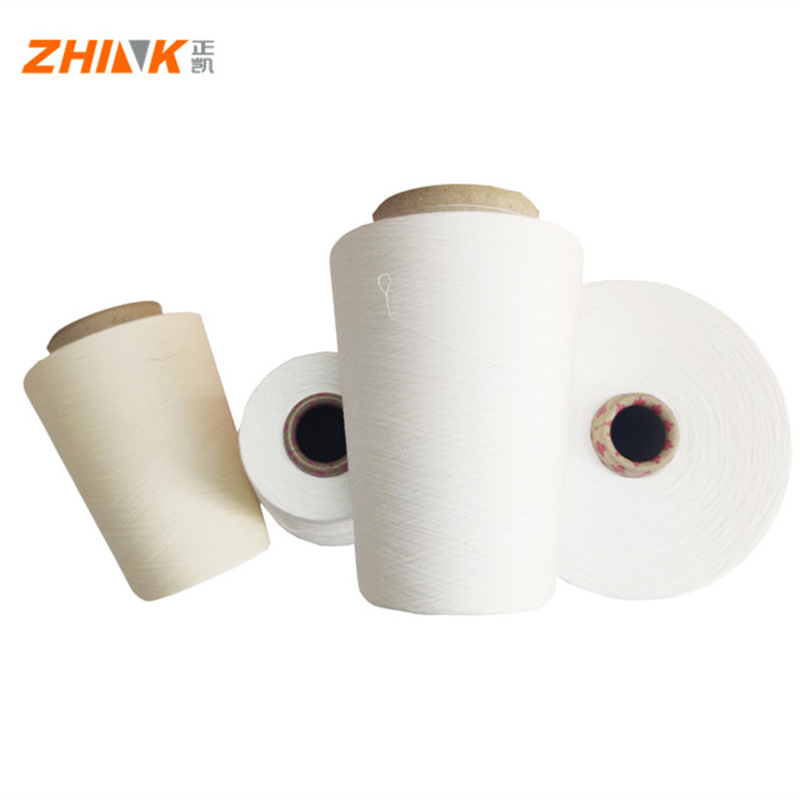
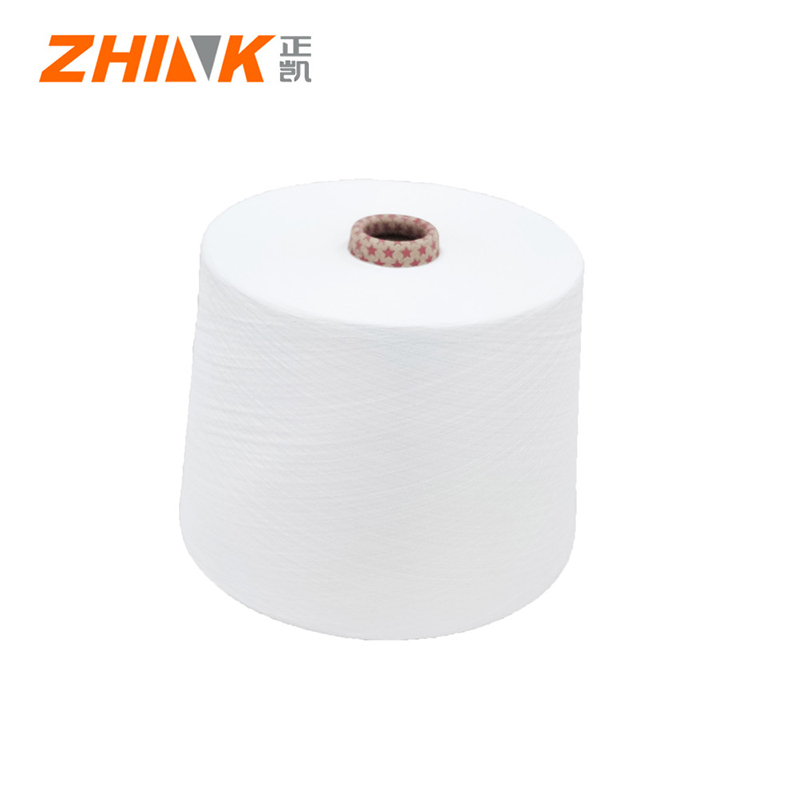
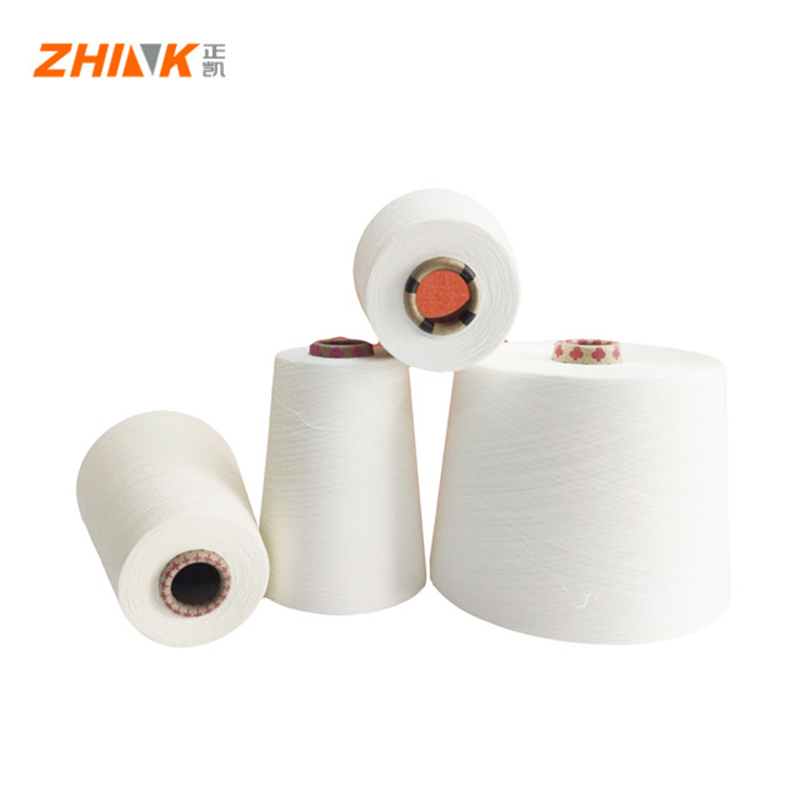
To some, the world of textiles might seem straightforward, yet when it comes to TR yarn, the subtleties begin to emerge. Essentially, TR yarn is a blend of polyester and rayon. The combination leverages the durability of polyester with the soft, comfortable feel of rayon.
The ratio can vary, impacting the final characteristics of the fabric made from it. Often, you'll find a 65/35 poly-rayon mix, but this isn't a hard-and-fast rule. The balance can be tweaked, providing flexibility depending on the application's focus, be it strength or comfort.
From my own experience, one of the challenging aspects of working with TR yarn is achieving the right ratio for specific products. This comes with testing and a keen understanding of the yarn's behavior during the manufacturing processes.
Applications and Benefits
One of the primary use cases for TR yarn is in apparel. Think suits, blouses, and even uniforms. The blend offers a balance between resilience and tactile comfort, making it a go-to for professional wear.
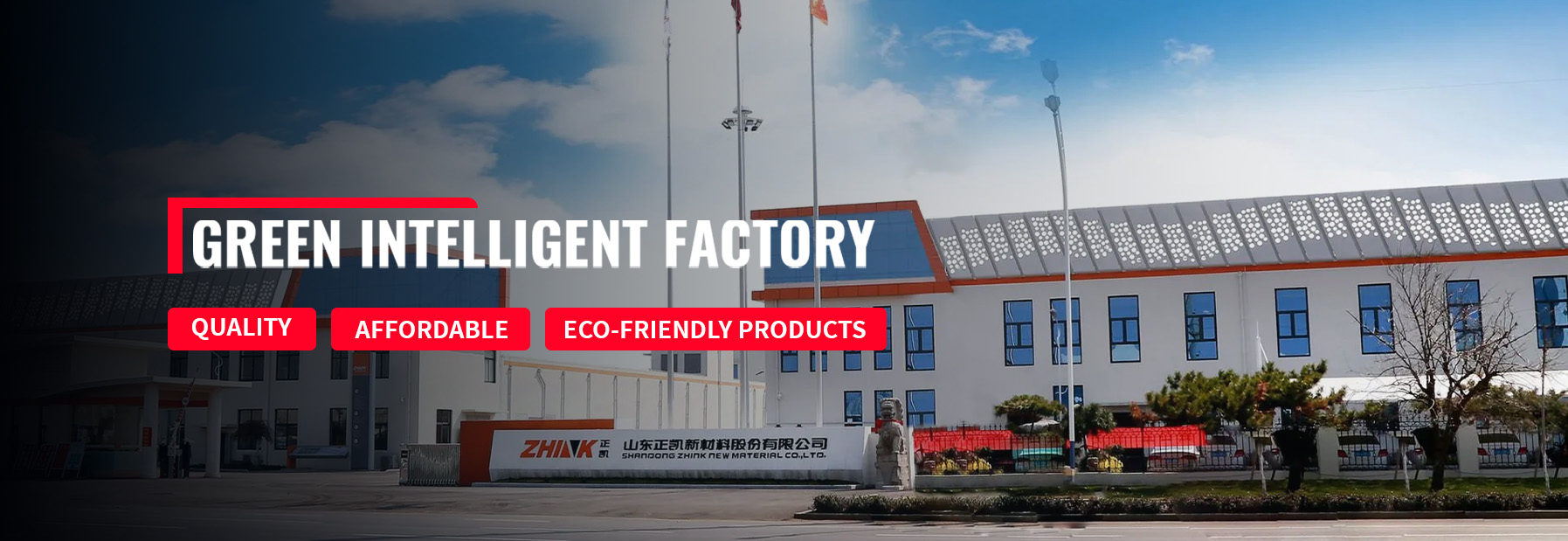
In my past project with SHANDONG ZHINK NEW MATERIAL CO., LTD (more about them at zhinkyarn.com), we explored TR yarn in athletic apparel. Lightweight yet strong, it performed well, ensuring flexibility and breathability during high-intensity activities.
Despite its benefits, there's a learning curve. Moisture absorption of rayon can complicate dye processes. We had instances where color inconsistencies led to aborted batches, a costly but informative failure.
Challenges and Considerations
Beyond the blend ratios, constancy in quality is vital. Rayon, in particular, introduces variability. I've seen even slight changes in supplier inputs lead to significant shifts in fabric behavior. It's a reminder that careful sourcing and ongoing quality checks are non-negotiable.
Another consideration is eco-friendliness. With increasing scrutiny on sustainability, both components of TR yarn have faced challenges. Polyester’s recycling can mitigate some environmental impacts, but rayon's production remains resource-intensive.
Yet, as the industry progresses, innovative solutions are emerging. Sustainable practices in other sectors hint at what's possible here too.
The Role of Technology
Advancements in textile technology are continually reshaping how we view TR yarn. Precision spinning and blending processes reduce inconsistencies. Smart machinery at Shandong Zhink, for example, enabled us to refine production protocols significantly.
Additionally, exploring digital dye techniques has proven revolutionary. For instance, the introduction of digital color matching systems helped address earlier dye challenges. These solutions often emerge from collaboration with tech partners and continuous R&D.
The future calls for staying updated with these technological shifts, ensuring that the methodologies remain at the cutting edge.
Conclusion and Industry Outlook
Looking forward, TR yarn remains pivotal, with applications extending across various textiles. Companies like SHANDONG ZHINK NEW MATERIAL CO., LTD continue to innovate, pushing boundaries in material science and sustainability.
However, there's no denying it requires a balance between embracing cutting-edge technology and understanding the innate characteristics of the materials involved. It's this intersection of art and science that keeps the field dynamic and endlessly fascinating.
The textile industry's ongoing evolution ensures that TR yarn will adapt and thrive. Whether you're manufacturing, designing, or researching, keeping an open mind to these changes is crucial for success.
Related Products
Related Products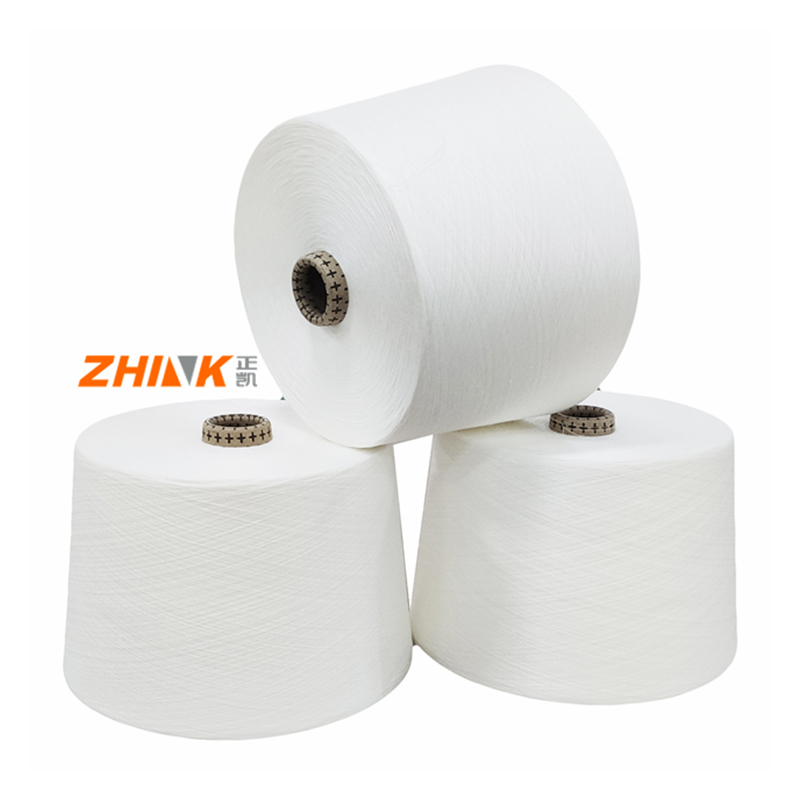
Best Selling Products
Best Selling Products

Related Search
Related Search- Cationic polyester/ viscose 65/35 yarn
- 100 polyester yarn
- Viscose blended yarn for weaving
- green acrylic yarn
- 100% Bulk acrylic acrylic ring
- Wool blended yarn for weaving
- polyester/Lyocell siro compact yarn
- recycled polyester staple fiber plant
- 100% Hollow polyester siro compact
- polyester/Combed cotton vortex yarn