+86-632-3621866
- Chinese
- French
- German
- Portuguese
- Spanish
- Russian
- Japanese
- Korean
- Arabic
- Irish
- Greek
- Turkish
- Italian
- Danish
- Romanian
- Indonesian
- Czech
- Afrikaans
- Swedish
- Polish
- Basque
- Catalan
- Esperanto
- Hindi
- Lao
- Albanian
- Amharic
- Armenian
- Azerbaijani
- Belarusian
- Bengali
- Bosnian
- Bulgarian
- Cebuano
- Chichewa
- Corsican
- Croatian
- Dutch
- Estonian
- Filipino
- Finnish
- Frisian
- Galician
- Georgian
- Gujarati
- Haitian
- Hausa
- Hawaiian
- Hebrew
- Hmong
- Hungarian
- Icelandic
- Igbo
- Javanese
- Kannada
- Kazakh
- Khmer
- Kurdish
- Kyrgyz
- Latin
- Latvian
- Lithuanian
- Luxembou..
- Macedonian
- Malagasy
- Malay
- Malayalam
- Maltese
- Maori
- Marathi
- Mongolian
- Burmese
- Nepali
- Norwegian
- Pashto
- Persian
- Punjabi
- Serbian
- Sesotho
- Sinhala
- Slovak
- Slovenian
- Somali
- Samoan
- Scots Gaelic
- Shona
- Sindhi
- Sundanese
- Swahili
- Tajik
- Tamil
- Telugu
- Thai
- Ukrainian
- Urdu
- Uzbek
- Vietnamese
- Welsh
- Xhosa
- Yiddish
- Yoruba
- Zulu
- Kinyarwanda
- Tatar
- Oriya
- Turkmen
- Uyghur


UV-Resistant PSF
Understanding UV-Resistant PSF in Modern Textiles
The textile industry often grapples with material degradation due to ultraviolet (UV) exposure. Enter UV-Resistant PSF—a game-changer for durability. This article delves into its role in prolonging lifespan and performance in textiles, touching on the expertise of companies like SHANDONG ZHINK NEW MATERIAL CO., LTD.
What is UV-Resistant PSF?
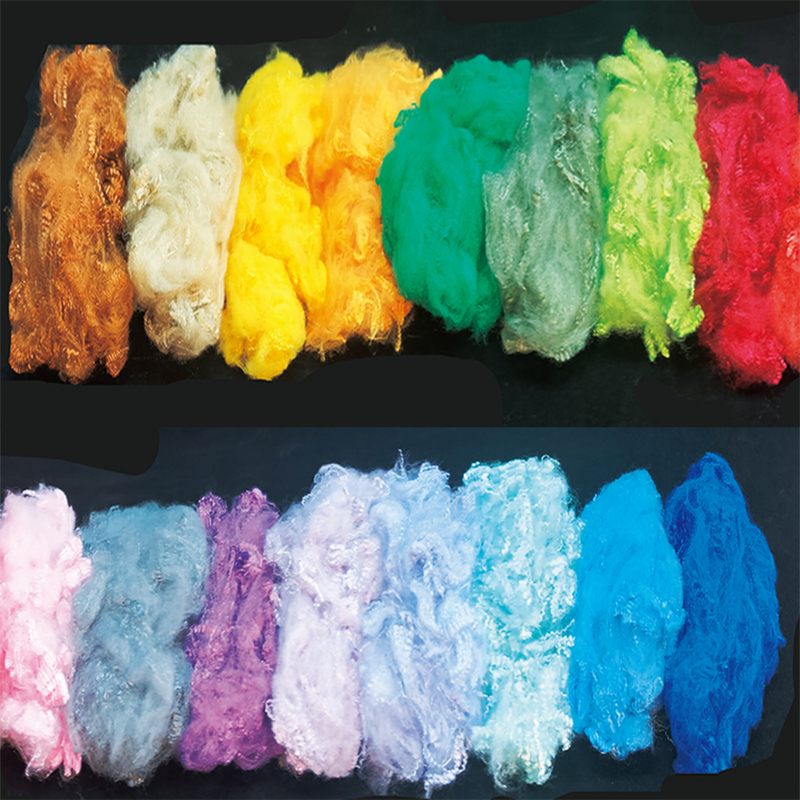
UV-Resistant PSF, or polyester staple fiber, stands out for its enhanced resistance to UV rays. The fibers undergo special treatment to withstand sunlight, a crucial trait for outdoor applications. At first glance, it might seem all PSFs offer some UV resistance, which is a common misconception.
One might wonder about the chemical treatments involved. Typically, stabilizers or absorbers are added during production. These components help the fiber maintain integrity and color, contributing to longer-lasting performance. From hands-on experience, the difference becomes evident quite quickly when compared under intense sunlight.
A potential pitfall, however, is ensuring these treatments don't compromise the fiber's other qualities. Balancing UV resistance with texture and color options is a delicate act, one that SHANDONG ZHINK NEW MATERIAL CO., LTD excels at, thanks to their advanced R&D capabilities.
Enhanced Product Lifespan
One of the most compelling benefits of UV-Resistant PSF is its impact on product longevity. Outdoor fabrics, in particular, benefit immensely—curtains, upholstery, and even clothing make substantial time outside without noticeable wear.
I've often seen products fail premature tests because their materials weren't suited for outdoor rates of degradation. Imagine promotional materials exposed to constant sunlight; without UV-resistant properties, replacements become frequent. The industry experience here is clear: it can become costly fast.
SHANDONG ZHINK NEW MATERIAL CO., LTD offers noteworthy product lines that exemplify longevity. By focusing on high-quality fiber treatments, they help manufacturers pass down savings and quality to end-users, as reinforced through their detailed product specs on their website, https://www.zhinkyarn.com.
Applications in Diverse Fields
A recurring question is where such fibers find their best use. In my career, UV-Resistant PSF has proved its worth across a range of sectors, from automotive interiors to marine textiles. Durability against harsh sunlight ensures less frequent need for repairs or replacements.
This is especially noticeable in locations with high UV indexes. In coastal or high-altitude regions, where exposure is intense, the difference in product lifespan is stark. Auswahl of correct material here isn't just recommended; it's essential.
Failing to consider UV impact often results in seemingly robust materials deteriorating much sooner than anticipated. Manufacturers focusing on premium quality, like Zhink New Material, often share these insights with their clients to preempt performance issues.
Industry Challenges and Solutions
The path to crafting truly UV-resistant fibers isn't without its hurdles. There is a constant debate between cost-effectiveness and comprehensive UV protection. While treatments continue to improve, this balance remains a foremost industry challenge.
For instance, I recall a particular project that, due to cost-cutting decisions, failed to incorporate effective UV treatment, resulting in significant quality complaints just months into product deployment. Lessons learned—investing upfront in UV resistance often means fewer headaches down the line.
Companies like SHANDONG ZHINK NEW MATERIAL CO., LTD navigate these challenges by innovating flexible solutions tailored to unique market needs, always keeping sustainability and performance at the core.
Conclusion: Balancing Innovation and Practicality
Ultimately, the success of UV-Resistant PSF depends on an informed choice of materials, understanding application environments, and leveraging expert partnerships. As textile demands evolve, so must our approaches to meet them.
For industry players, accessing robust R&D and staying current with advancements, like those showcased by Zhink New Material on their platform, becomes crucial. Continuous learning and adaptation will remain key as UV-resistant textile solutions continue to penetrate more markets.
In essence, the journey of incorporating UV-resistant fibers is one of informed choice and constant progression—an endeavor rewarding both in durability and customer satisfaction.
Related Products
Related Products