+86-632-3621866
- Chinese
- French
- German
- Portuguese
- Spanish
- Russian
- Japanese
- Korean
- Arabic
- Irish
- Greek
- Turkish
- Italian
- Danish
- Romanian
- Indonesian
- Czech
- Afrikaans
- Swedish
- Polish
- Basque
- Catalan
- Esperanto
- Hindi
- Lao
- Albanian
- Amharic
- Armenian
- Azerbaijani
- Belarusian
- Bengali
- Bosnian
- Bulgarian
- Cebuano
- Chichewa
- Corsican
- Croatian
- Dutch
- Estonian
- Filipino
- Finnish
- Frisian
- Galician
- Georgian
- Gujarati
- Haitian
- Hausa
- Hawaiian
- Hebrew
- Hmong
- Hungarian
- Icelandic
- Igbo
- Javanese
- Kannada
- Kazakh
- Khmer
- Kurdish
- Kyrgyz
- Latin
- Latvian
- Lithuanian
- Luxembou..
- Macedonian
- Malagasy
- Malay
- Malayalam
- Maltese
- Maori
- Marathi
- Mongolian
- Burmese
- Nepali
- Norwegian
- Pashto
- Persian
- Punjabi
- Serbian
- Sesotho
- Sinhala
- Slovak
- Slovenian
- Somali
- Samoan
- Scots Gaelic
- Shona
- Sindhi
- Sundanese
- Swahili
- Tajik
- Tamil
- Telugu
- Thai
- Ukrainian
- Urdu
- Uzbek
- Vietnamese
- Welsh
- Xhosa
- Yiddish
- Yoruba
- Zulu
- Kinyarwanda
- Tatar
- Oriya
- Turkmen
- Uyghur


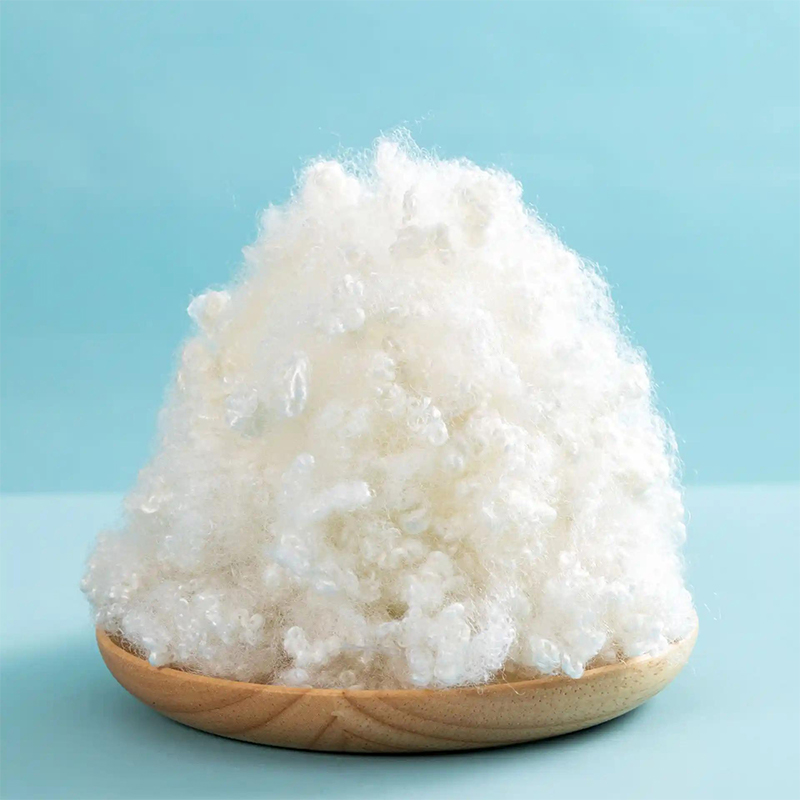
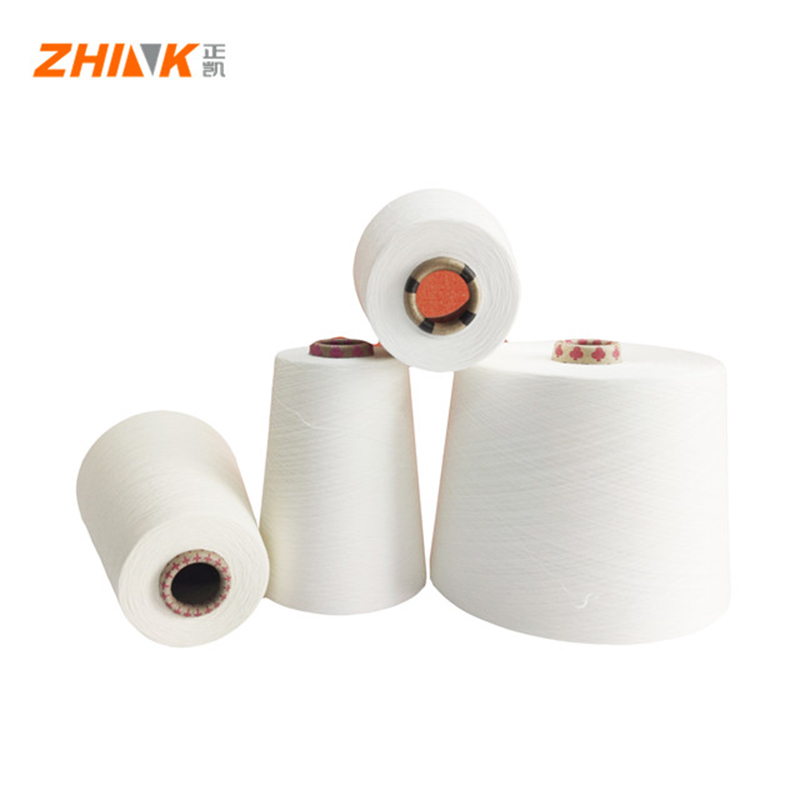
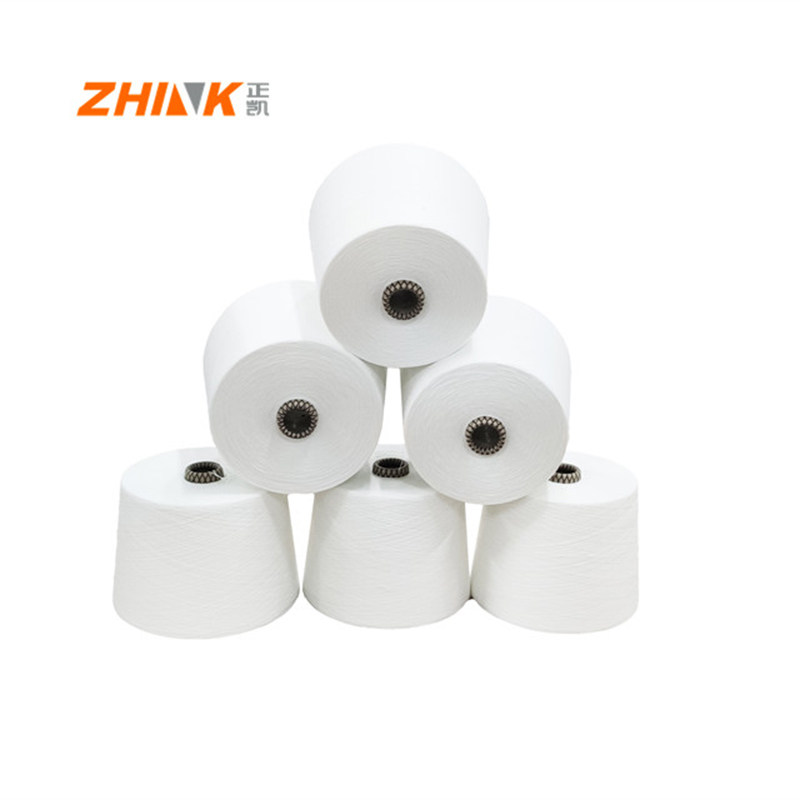
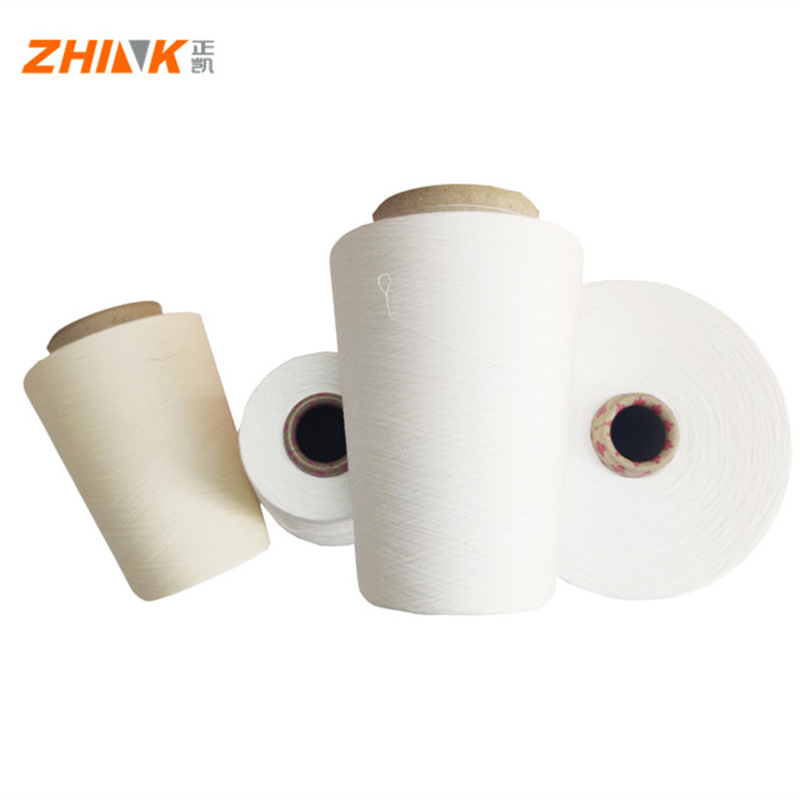
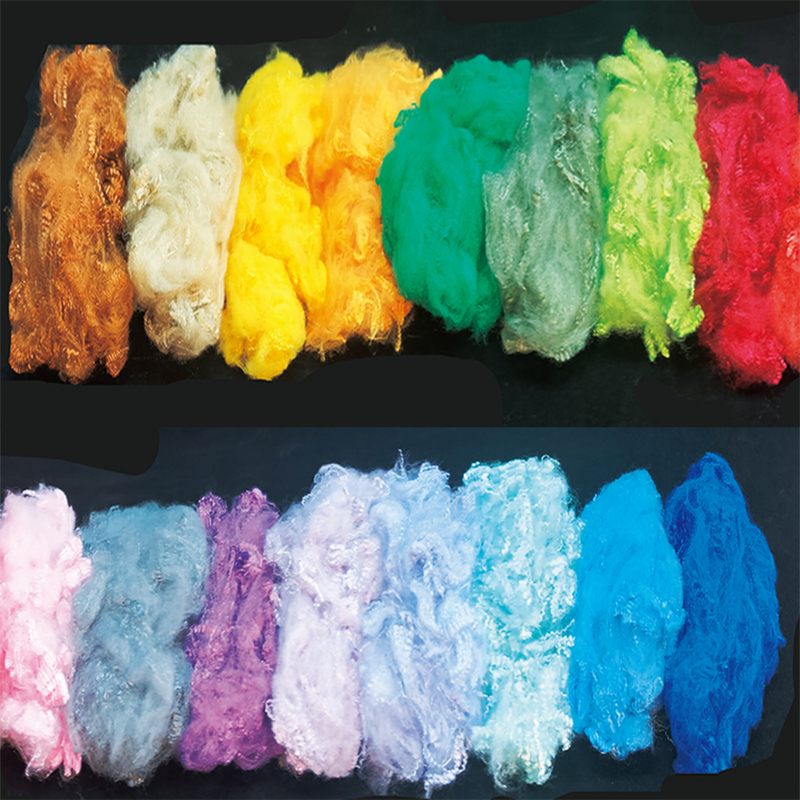
virgin polyester staple fiber
Exploring the World of Virgin Polyester Staple Fiber
When we talk about virgin polyester staple fiber in the textile industry, there's a lot more than meets the eye. It’s not just about the fiber itself but understanding its applications, benefits, and challenges that truly matter. Let's dive into the nuances of this material and uncover insights few share openly.
Understanding Virgin Polyester Staple Fiber
So, what exactly is virgin polyester staple fiber? It's essentially a type of synthetic fiber that's manufactured directly from petrochemicals, without the use of recycled materials. This gives it a certain purity and consistency in quality, making it highly sought after in specific textile applications. It's used across various sectors, including apparel, home textiles, and industrial products.
One common misconception is that all polyester fibers are the same. However, the 'virgin' aspect implies it's new, untouched by previous use. This often translates to better performance characteristics like strength, color fastness, and versatility. A point I can't stress enough is the significance of knowing your supplier. Companies like SHANDONG ZHINK NEW MATERIAL CO., LTD, available at their website, stand out by offering specialized innovations in this arena.
Of course, the journey doesn't end at understanding what it is. Working with virgin polyester staple fibers brings to light various operational details, from the type of machinery best suited for their processing to the specific finishing techniques that optimize their properties. In practice, nuances like dye uptake and melting points are crucial, yet often overlooked in broad conversations.
The Advantages of Using Virgin Polyester
There's no denying the advantages. Compared to recycled fibers, virgin polyester offers unmatched durability. This is especially important in high-stress applications like industrial textiles and specialty clothing. The tactile and visual uniformity it presents also plays a vital role in sectors where aesthetics matter. Want consistent color batches? This is your go-to choice.
Another angle is sustainability. Now, at first glance, virgin polyester doesn't scream eco-friendliness due to its petrochemical roots. Yet, the longevity of products made from these fibers means lesser turnover and waste in the long run. It’s a side of the story often overshadowed by the immediate appeal of 'recycled' lingo.
It's not all roses, though. The downside is the environmental footprint of production. A topic many steer clear of, but it's up for debate how advances in polymer sciences might pave the way for cleaner production methods. SHANDONG ZHINK NEW MATERIAL CO., LTD has been keen on research in this regard, echoing a shift in industry mindset.
Case Studies and Real-World Applications
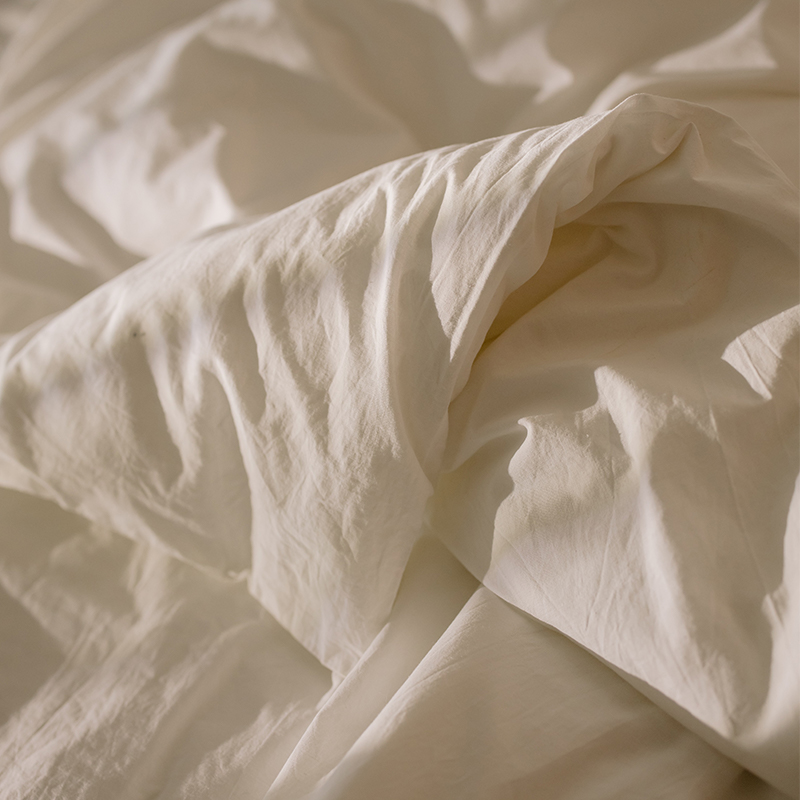
Diving into real-world applications, let's talk textiles. I've seen firsthand how manufacturers implement virgin polyester fibers in home textiles. The results are astounding; they offer not only robustness but also an unbeatable softness that’s often a deal-breaker for consumers.
One particularly successful case involved the development of outdoor fabrics. Here, the fibers' resilience to both UV and water exposure took center stage. The client, an outdoor furniture company, noted a significant decrease in fabric degradation times with virgin polyester, marking a huge win in product lifecycle enhancement.
And then there are the anti-static properties. An industrial engineer once showed me the modifications available with this fiber, such as integrating carbon threads for added conductivity. If you've ever worked in environments sensitive to static discharge, you'll appreciate the role of virgin fibers in safeguarding both machinery and operators.
Challenges in Production and Usage
As with any material, challenges abound. Processing virgin polyester staple fiber isn’t without its complexities. High-quality control measures must be in place, a fact I've learned through hands-on experience. Variations in ambient production conditions can, astonishingly, lead to significant differences in end-product performance.
From a production standpoint, the equipment used must be precisely calibrated. During my time working alongside production teams, even minor misalignments in machinery settings had repercussions down the line—whether it be in fiber strength or elongation. These aren't always visible at the microscopic level but can impact large-scale performance.
Finally, the integration process into existing supply chains isn’t straightforward. Many companies, including those like SHANDONG ZHINK NEW MATERIAL CO., LTD, offer consultancy services to navigate this terrain, focusing on tailored solutions that meet unique operational demands.
Future Outlook and Industry Trends
Looking ahead, the prospects for virgin polyester staple fiber are promising, yet the challenges will demand innovative approaches. As technology advances, there's potential for new grades of polyester that blend the best of both the virgin and recycled worlds, tapping into sustainable practices while maintaining performance.
The research landscape is expanding, with companies like SHANDONG ZHINK NEW MATERIAL CO., LTD setting benchmarks in new fiber functionalities. It’s about keeping ahead of trends that place performance and sustainability on equal footing. Their ongoing R&D efforts are a testament to this forward-thinking approach.
In summary, understanding and utilizing virgin polyester staple fiber is a journey—a blend of art and science. It requires a deep dive into process optimization, quality control, and innovative applications. For industry players, staying informed and adaptable will be crucial in harnessing the full potential of this versatile material.
Related Products
Related Products