+86-632-3621866
- Chinese
- French
- German
- Portuguese
- Spanish
- Russian
- Japanese
- Korean
- Arabic
- Irish
- Greek
- Turkish
- Italian
- Danish
- Romanian
- Indonesian
- Czech
- Afrikaans
- Swedish
- Polish
- Basque
- Catalan
- Esperanto
- Hindi
- Lao
- Albanian
- Amharic
- Armenian
- Azerbaijani
- Belarusian
- Bengali
- Bosnian
- Bulgarian
- Cebuano
- Chichewa
- Corsican
- Croatian
- Dutch
- Estonian
- Filipino
- Finnish
- Frisian
- Galician
- Georgian
- Gujarati
- Haitian
- Hausa
- Hawaiian
- Hebrew
- Hmong
- Hungarian
- Icelandic
- Igbo
- Javanese
- Kannada
- Kazakh
- Khmer
- Kurdish
- Kyrgyz
- Latin
- Latvian
- Lithuanian
- Luxembou..
- Macedonian
- Malagasy
- Malay
- Malayalam
- Maltese
- Maori
- Marathi
- Mongolian
- Burmese
- Nepali
- Norwegian
- Pashto
- Persian
- Punjabi
- Serbian
- Sesotho
- Sinhala
- Slovak
- Slovenian
- Somali
- Samoan
- Scots Gaelic
- Shona
- Sindhi
- Sundanese
- Swahili
- Tajik
- Tamil
- Telugu
- Thai
- Ukrainian
- Urdu
- Uzbek
- Vietnamese
- Welsh
- Xhosa
- Yiddish
- Yoruba
- Zulu
- Kinyarwanda
- Tatar
- Oriya
- Turkmen
- Uyghur



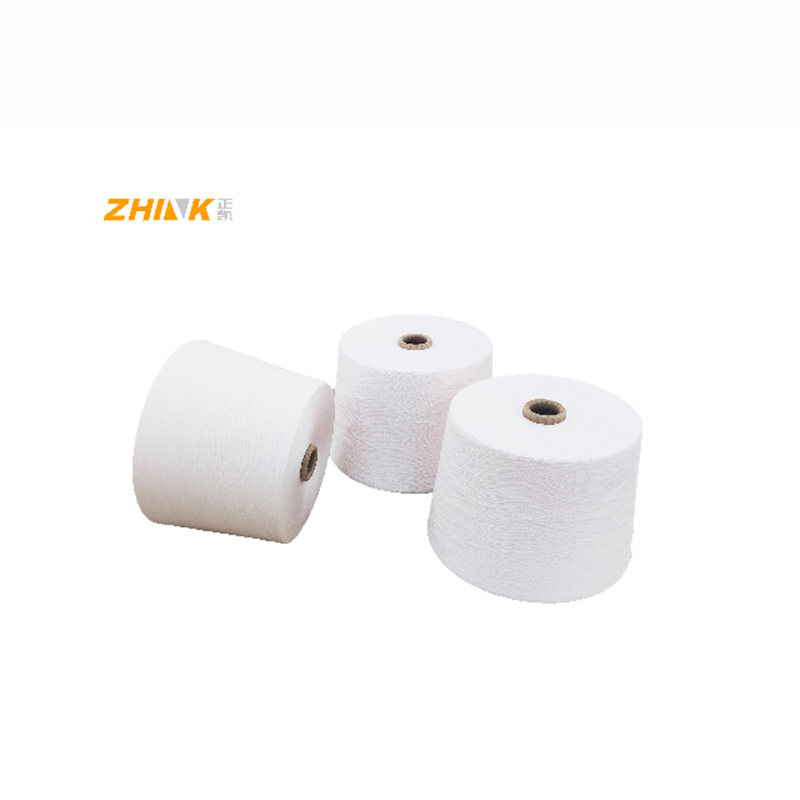
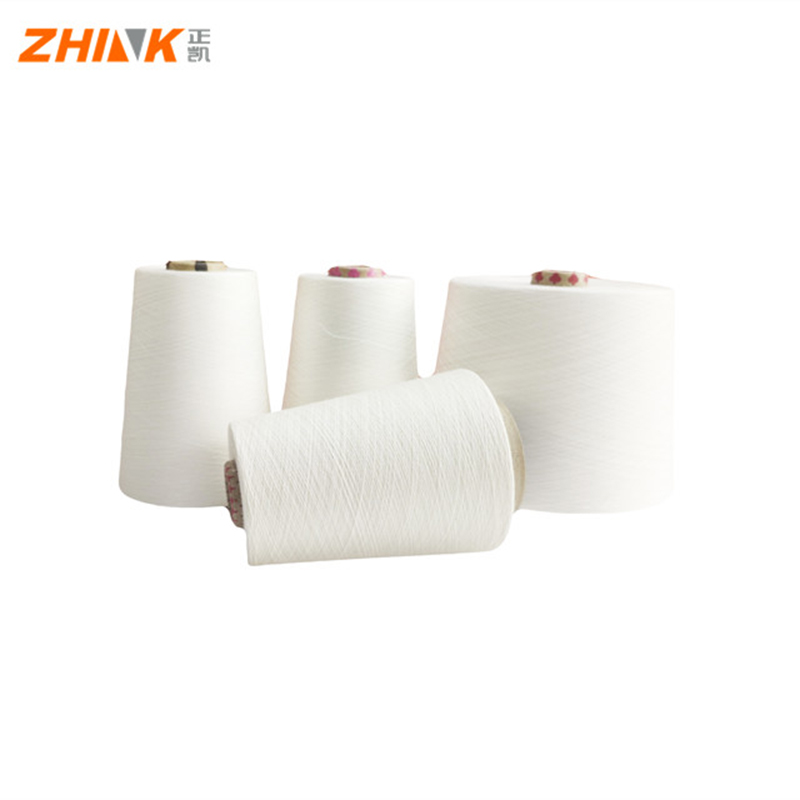
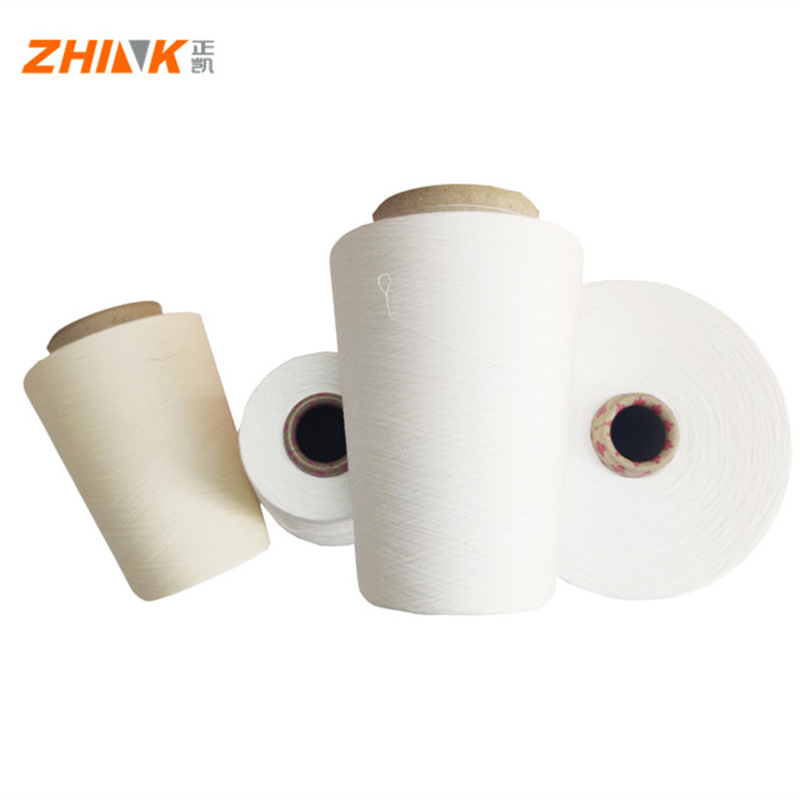
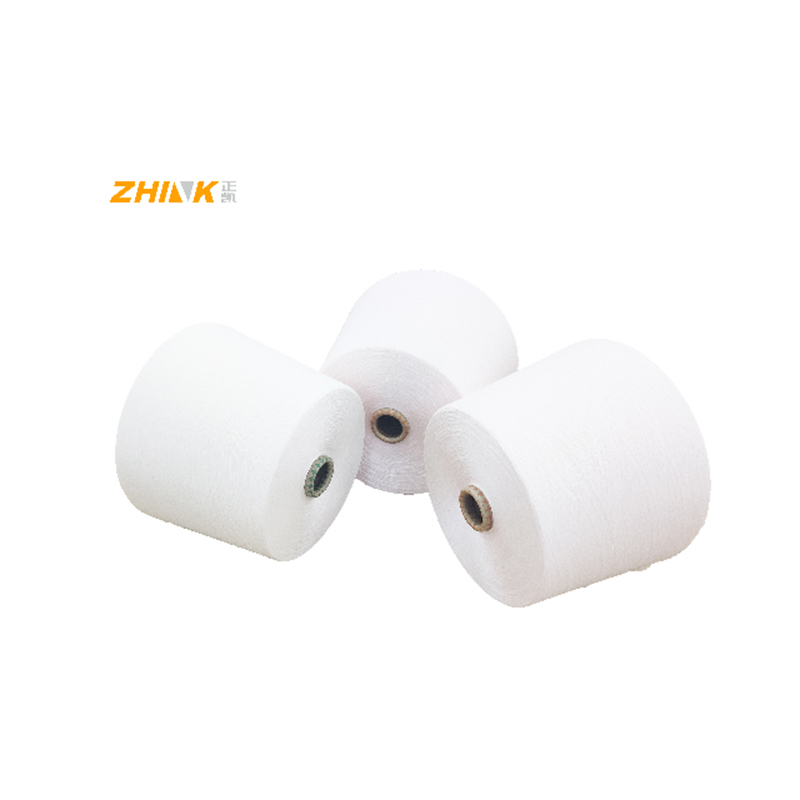
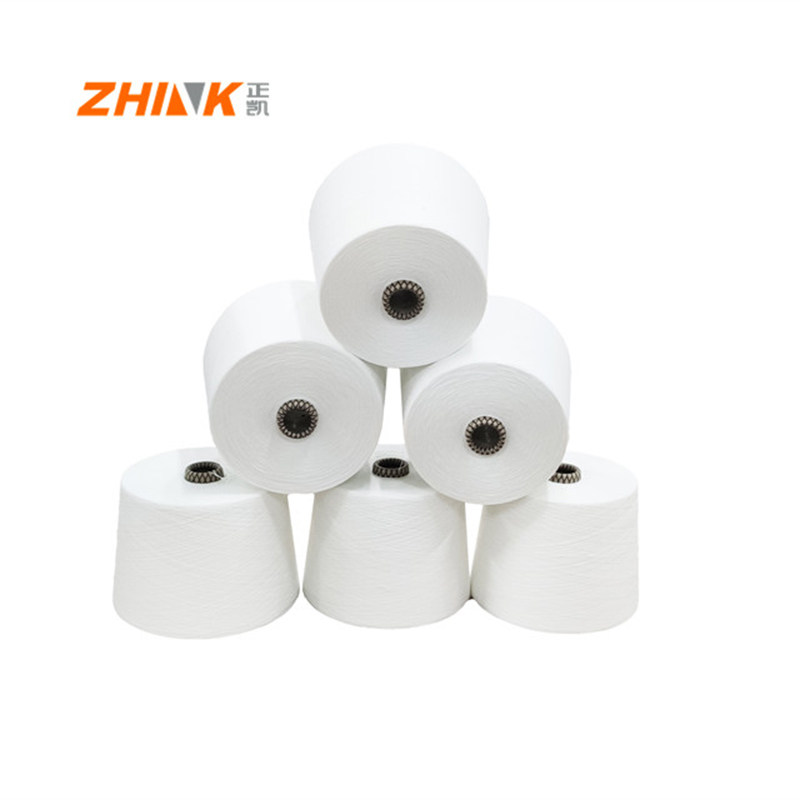
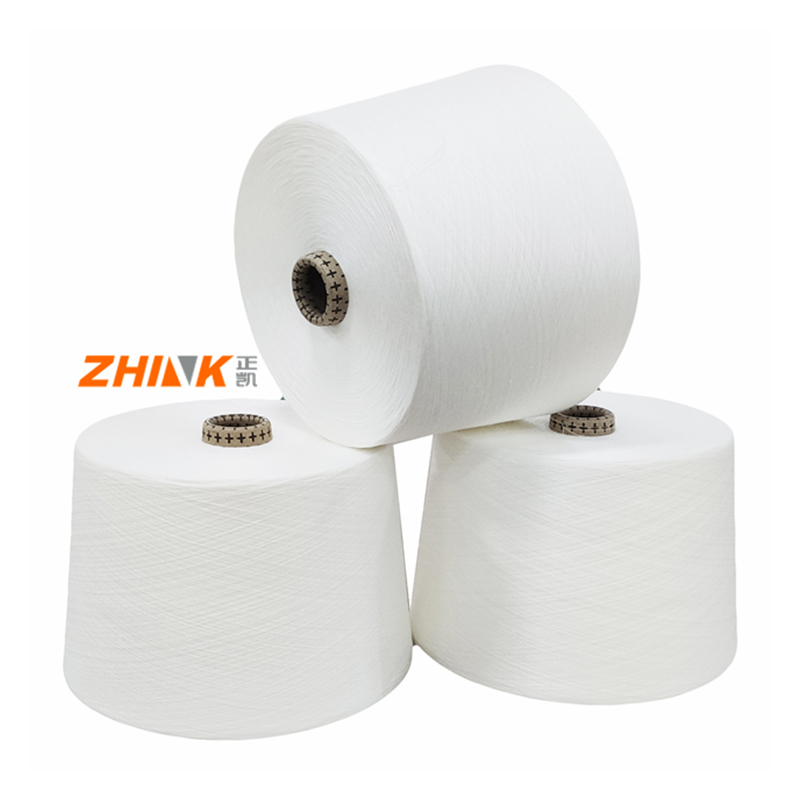
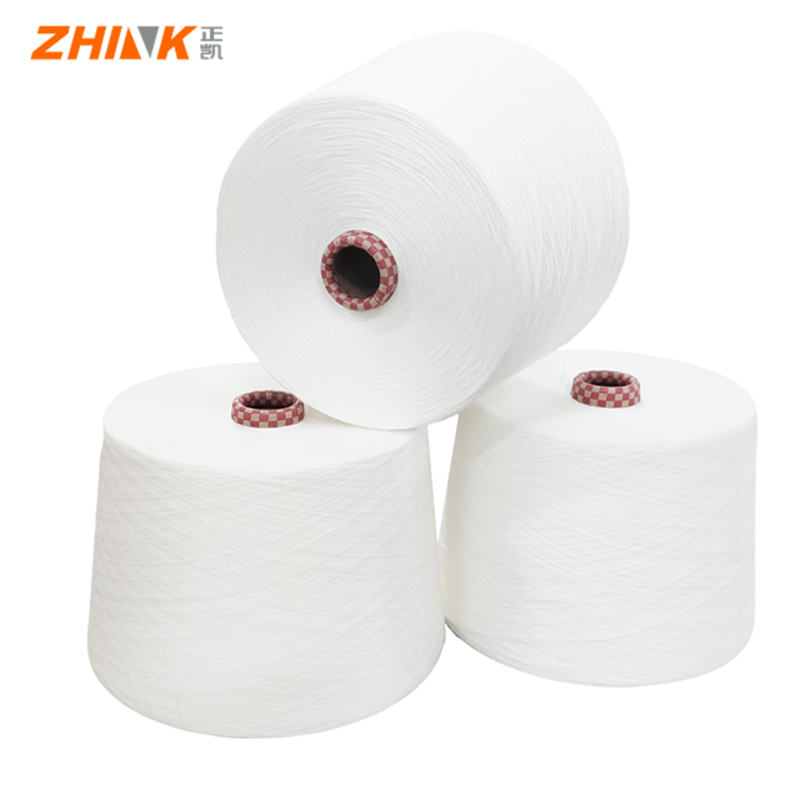
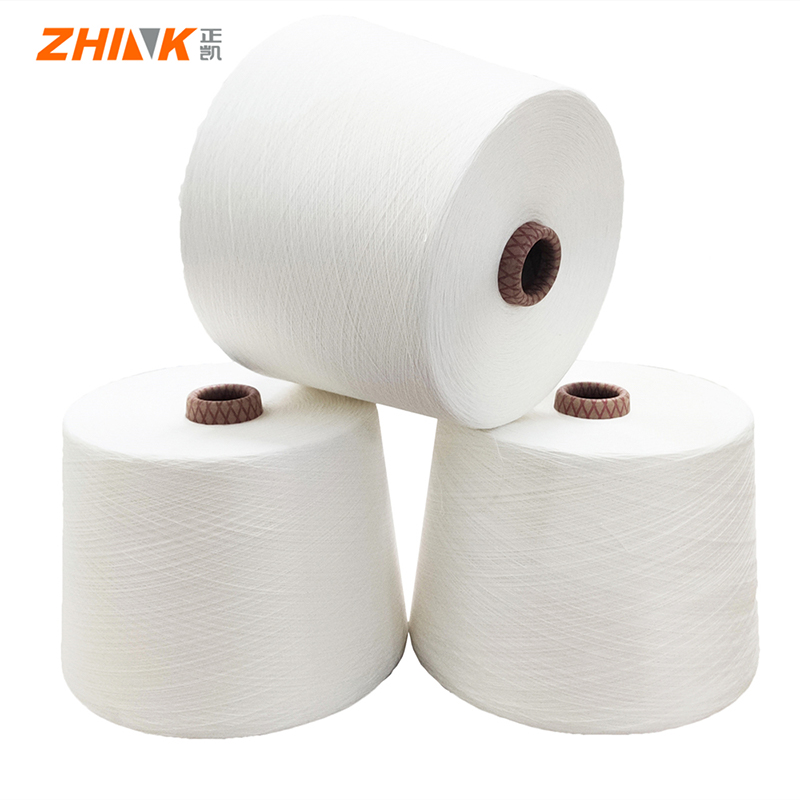
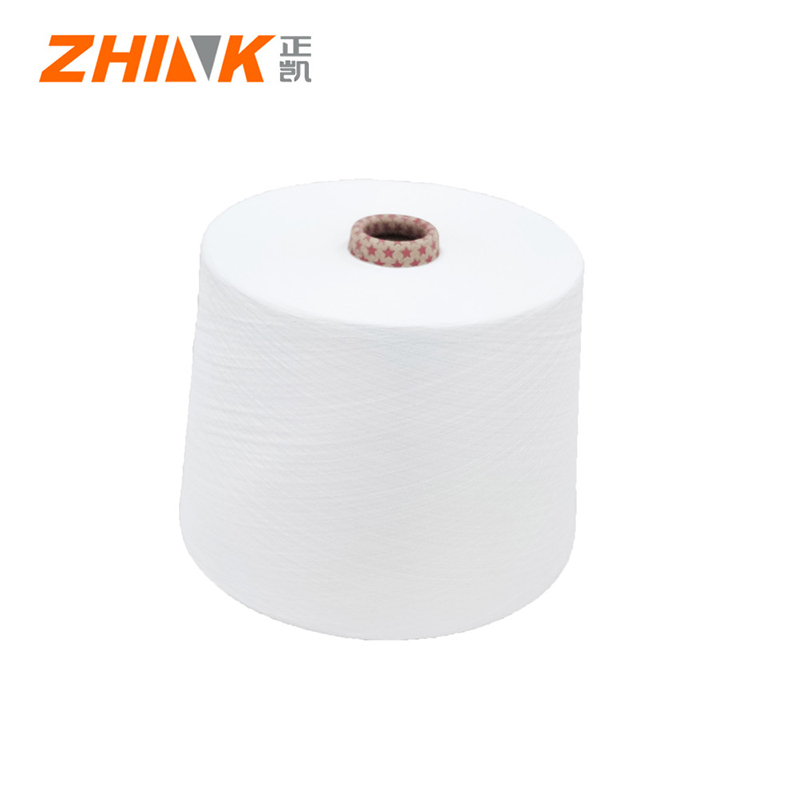
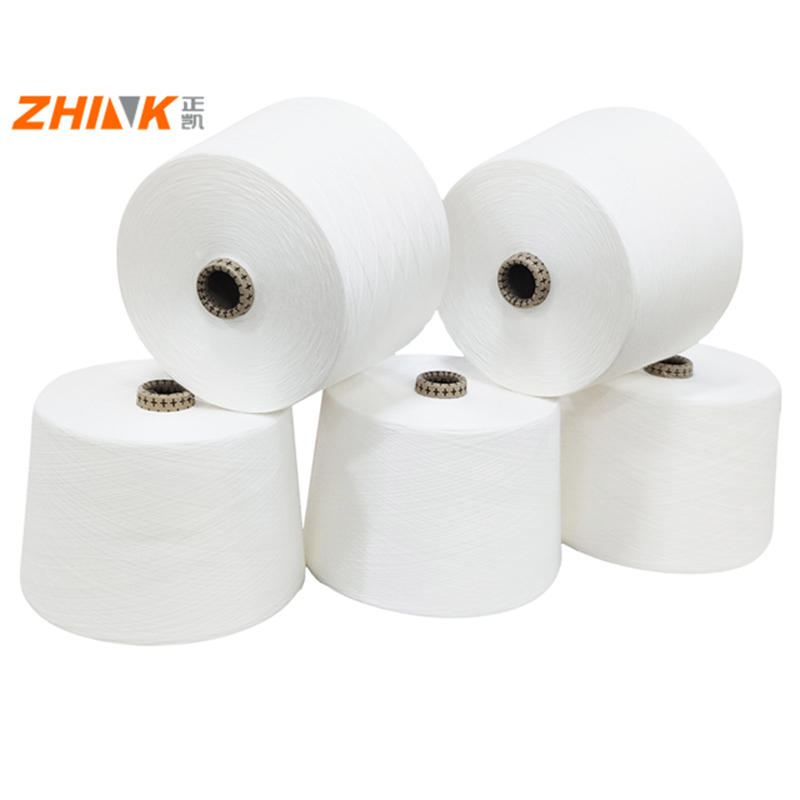
viscose bamboo yarn
Exploring the World of Viscose Bamboo Yarn
The versatility and sustainability of viscose bamboo yarn make it a highly sought-after material in the textile industry. However, not all that glitters is gold, and there's more to this yarn than what first meets the eye.
What is Viscose Bamboo Yarn?
Viscose bamboo yarn is made from the cellulose of bamboo plants, processed into a fiber that can be spun into yarn. It's often praised for its softness, breathability, and eco-friendliness. But the production process isn't as 'green' as one might expect; significant chemical treatments are involved to extract cellulose and create a usable fiber.
When I first delved into working with viscose bamboo yarn, I was fascinated. The yarn has a sheen and smoothness that’s truly unique, making it ideal for garments intended to be worn next to the skin. Yet, I encountered numerous misconceptions about its sustainability. While bamboo grows rapidly with minimal resources, converting it into yarn involves steps that can have environmental impacts.
Companies like SHANDONG ZHINK NEW MATERIAL CO., LTD, found at zhinkyarn.com, are pushing the envelope in making the production of such materials more eco-conscious. They focus on improved methods that reduce harmful emissions and use less energy.
Applications and Benefits
One can’t overlook how viscose bamboo yarn lends itself beautifully to a variety of applications. From lightweight summer garments to plush home textiles, the yarn’s adaptability is a key selling point. I remember working on a series of scarves where the yarn’s movement and drape elevated the entire design.
Beyond aesthetics, the yarn’s natural properties, such as moisture-wicking and antibacterial characteristics, provide practical benefits. These features make it especially appealing for activewear. However, these benefits can vary significantly depending on the specific blend and weave.
In practice, testing the durability of viscose bamboo yarn-based products was critical. While they hold up well in gentle conditions, anything too abrasive can compromise the fabric. Understanding these limitations can inform better use and care instructions for consumers.
Challenges in Production
Producing viscose bamboo yarn demands a nuanced understanding of both mechanical and chemical processes. I’ve seen production lines struggle with achieving consistent fiber quality. Variations in raw bamboo can lead to inconsistencies, affecting the texture and performance of the yarn.
At SHANDONG ZHINK NEW MATERIAL CO., LTD, emphasis is placed on research and development to minimize these challenges. Their innovations are directed at creating stronger, more uniform fibers that lose none of the desired softness.
Experimentation is a big part of the process—there’s no one-size-fits-all. Various spinning methods and blending options can yield different results, and it's this continual tweaking that keeps the field exciting and innovative.
Environmental Impact
The environmental footing of viscose bamboo yarn is under scrutiny. While the base material, bamboo, is reasonably eco-friendly, the processing stage raises concerns. Chemical usage and water consumption are two major factors impacting sustainability.
Ergo, companies are tasked with finding cleaner alternatives. Zhink New Material, for instance, is reportedly investing in closed-loop systems to mitigate waste and introduce more efficient water usage methods. This marks a promising shift towards more responsible manufacturing.
As a practitioner, I’ve observed shifts in consumer demand. There’s growing awareness and insistence on transparency about materials, which has thankfully nudged suppliers towards greener methodologies.
Future of Viscose Bamboo Yarn
The future of viscose bamboo yarn looks to hinge on balancing functionality, aesthetics, and sustainability. Innovation in fiber technology and processing will determine how this material evolves in the textile market.
While current methods are improving, true sustainability will require industry-wide changes. Collaboration between brands and material scientists, similar to what Zhink New Material is doing, could lead to breakthroughs that redefine this sector of textiles.
The journey with viscose bamboo yarn is ongoing. Each step forward reveals more about its potential and challenges. For those willing to delve into its complexities, the rewards are abundant, offering a material that’s as engaging as it is beautiful.
Related Products
Related Products