+86-632-3621866
- Chinese
- French
- German
- Portuguese
- Spanish
- Russian
- Japanese
- Korean
- Arabic
- Irish
- Greek
- Turkish
- Italian
- Danish
- Romanian
- Indonesian
- Czech
- Afrikaans
- Swedish
- Polish
- Basque
- Catalan
- Esperanto
- Hindi
- Lao
- Albanian
- Amharic
- Armenian
- Azerbaijani
- Belarusian
- Bengali
- Bosnian
- Bulgarian
- Cebuano
- Chichewa
- Corsican
- Croatian
- Dutch
- Estonian
- Filipino
- Finnish
- Frisian
- Galician
- Georgian
- Gujarati
- Haitian
- Hausa
- Hawaiian
- Hebrew
- Hmong
- Hungarian
- Icelandic
- Igbo
- Javanese
- Kannada
- Kazakh
- Khmer
- Kurdish
- Kyrgyz
- Latin
- Latvian
- Lithuanian
- Luxembou..
- Macedonian
- Malagasy
- Malay
- Malayalam
- Maltese
- Maori
- Marathi
- Mongolian
- Burmese
- Nepali
- Norwegian
- Pashto
- Persian
- Punjabi
- Serbian
- Sesotho
- Sinhala
- Slovak
- Slovenian
- Somali
- Samoan
- Scots Gaelic
- Shona
- Sindhi
- Sundanese
- Swahili
- Tajik
- Tamil
- Telugu
- Thai
- Ukrainian
- Urdu
- Uzbek
- Vietnamese
- Welsh
- Xhosa
- Yiddish
- Yoruba
- Zulu
- Kinyarwanda
- Tatar
- Oriya
- Turkmen
- Uyghur



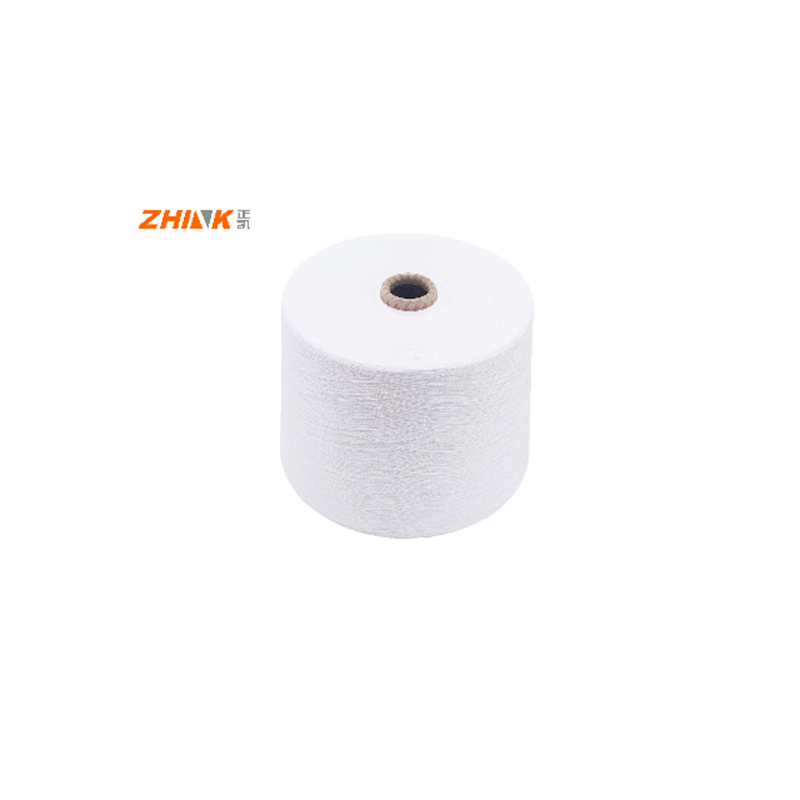
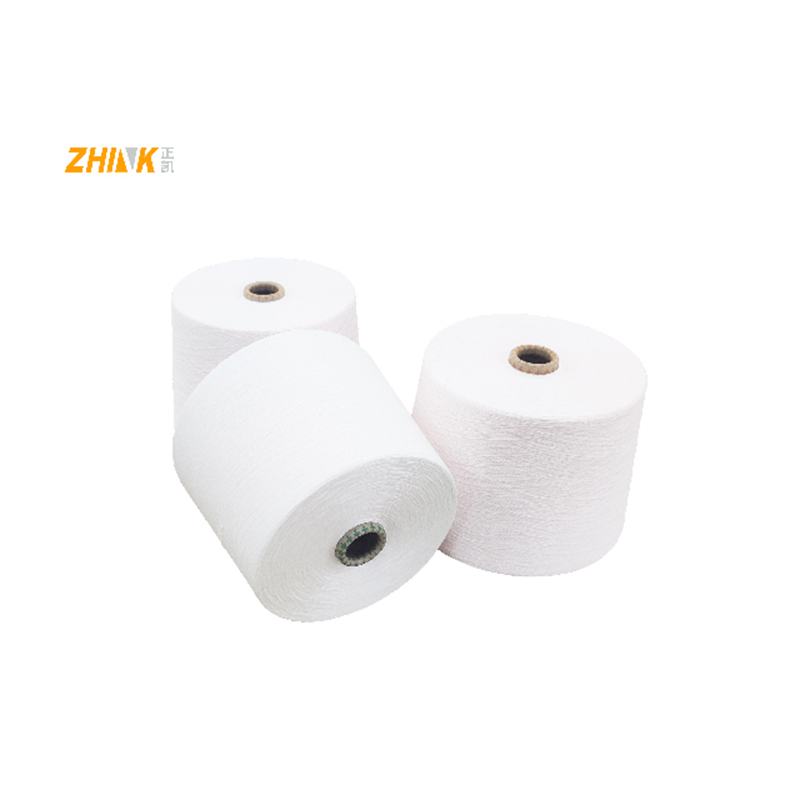
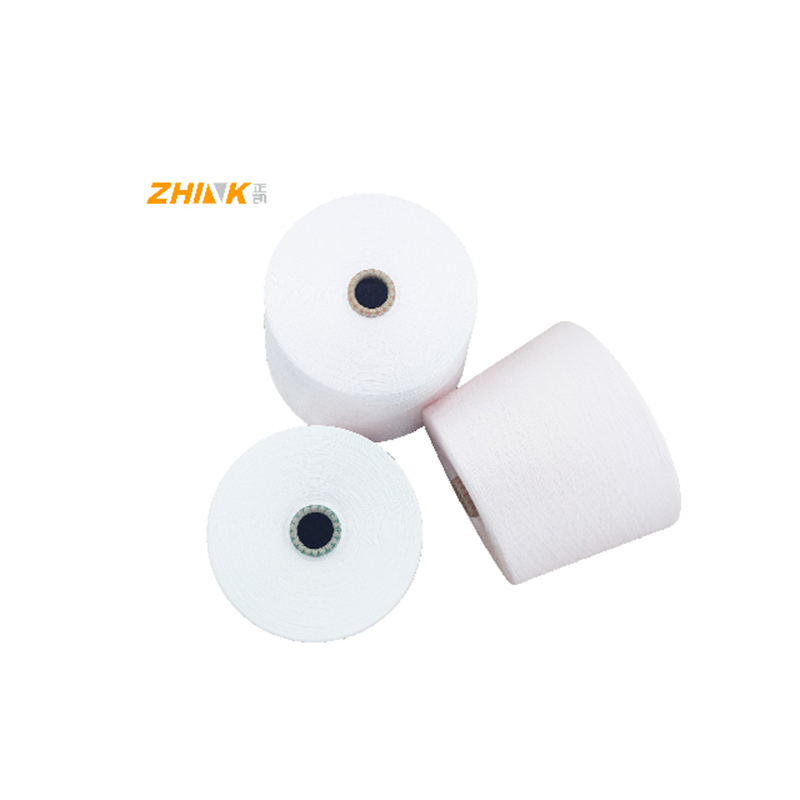
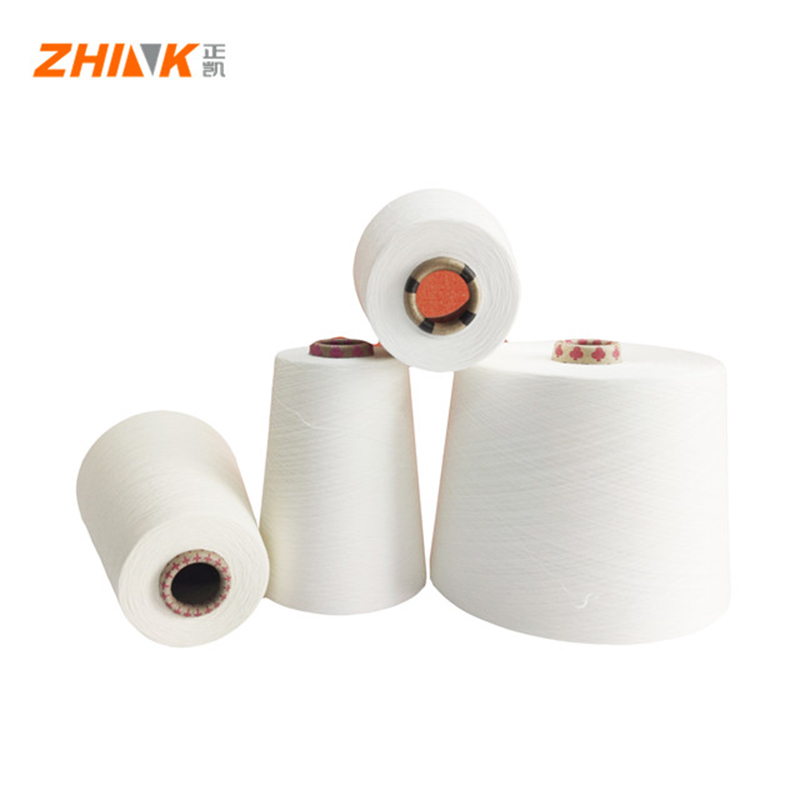
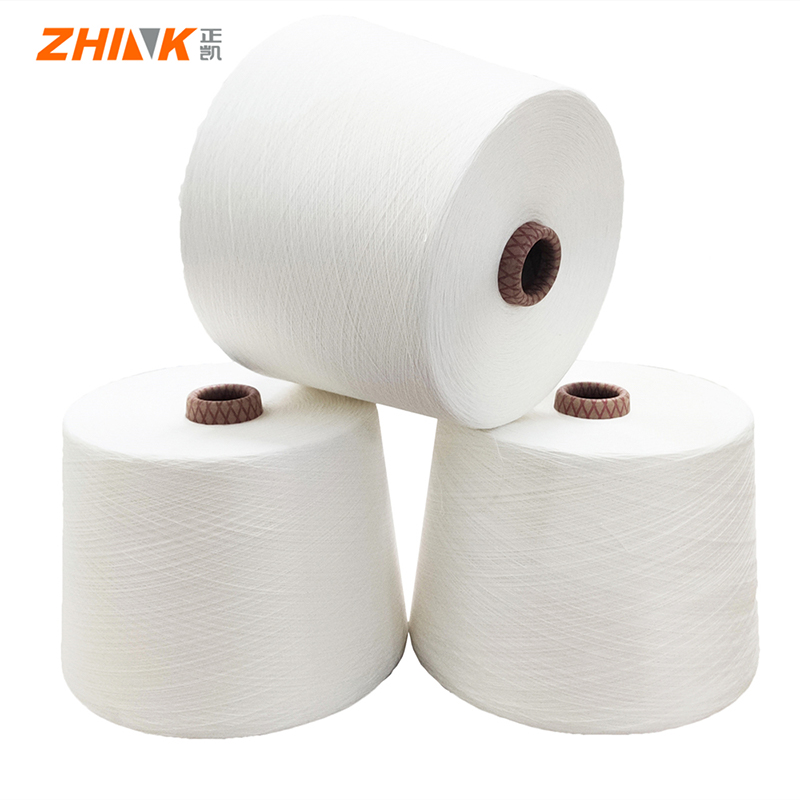
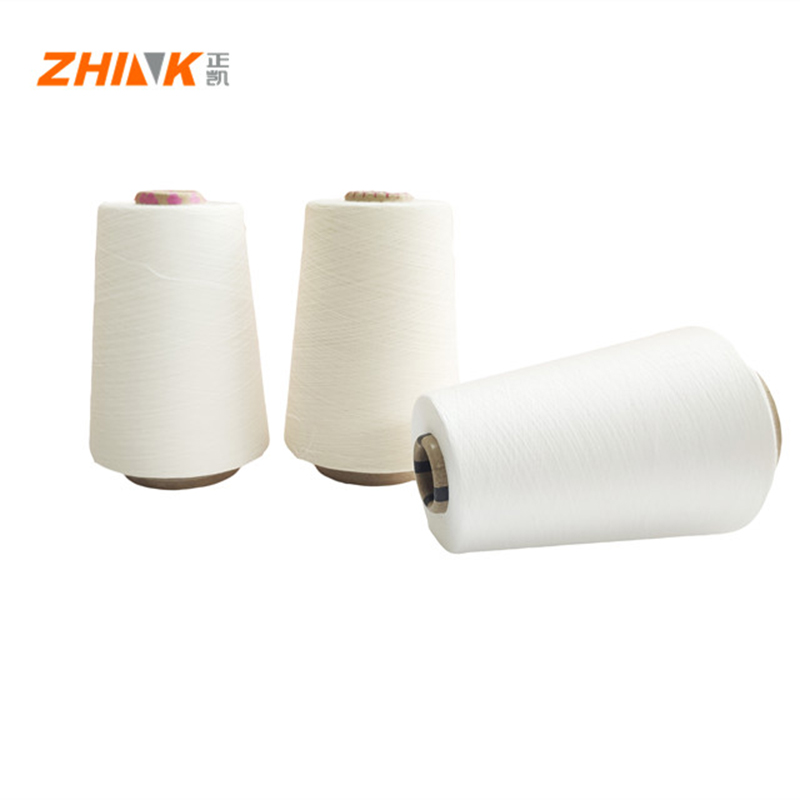
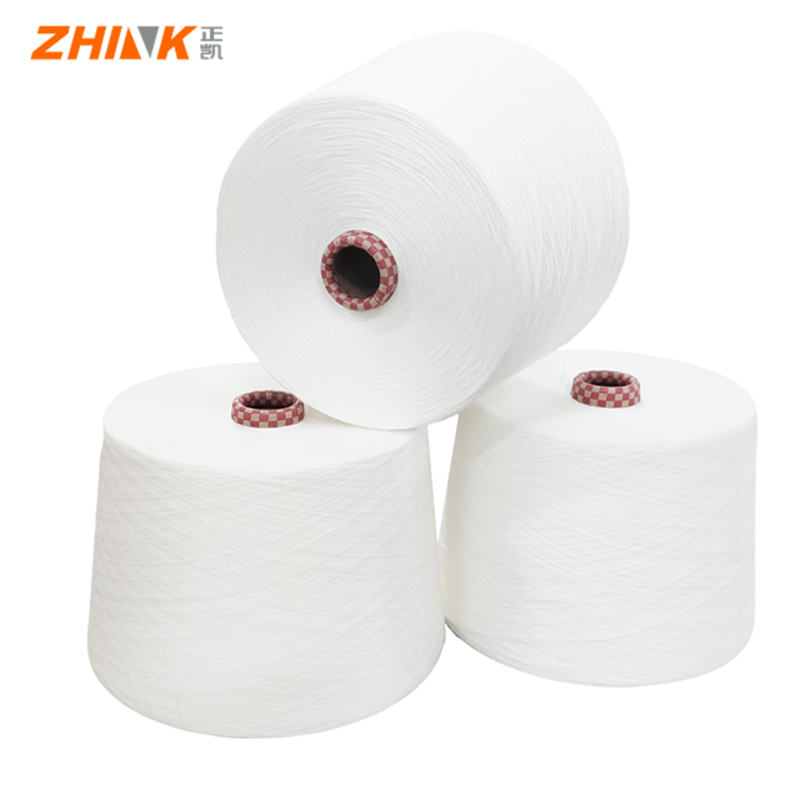
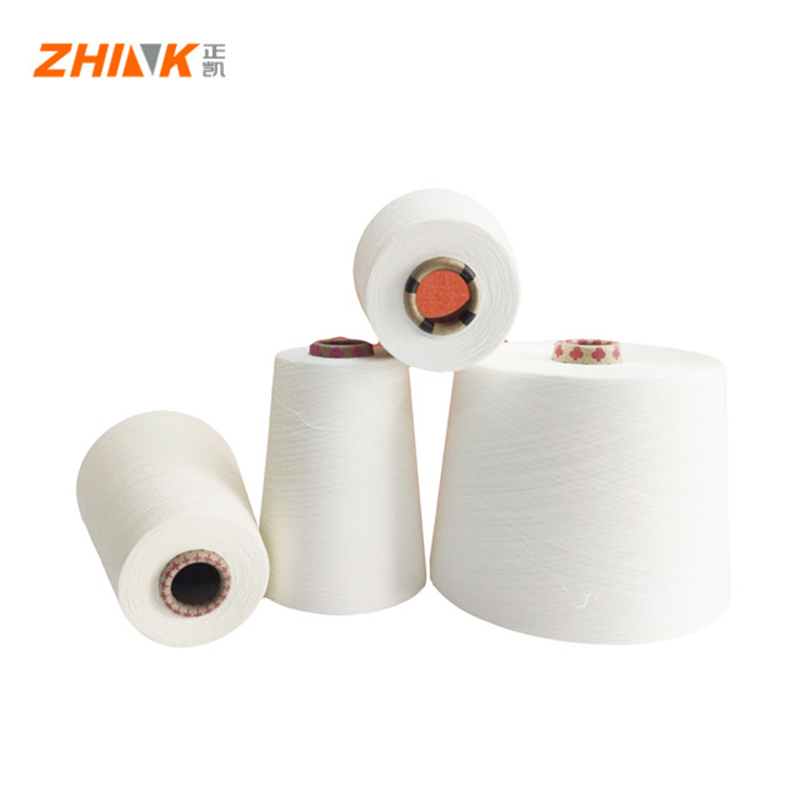
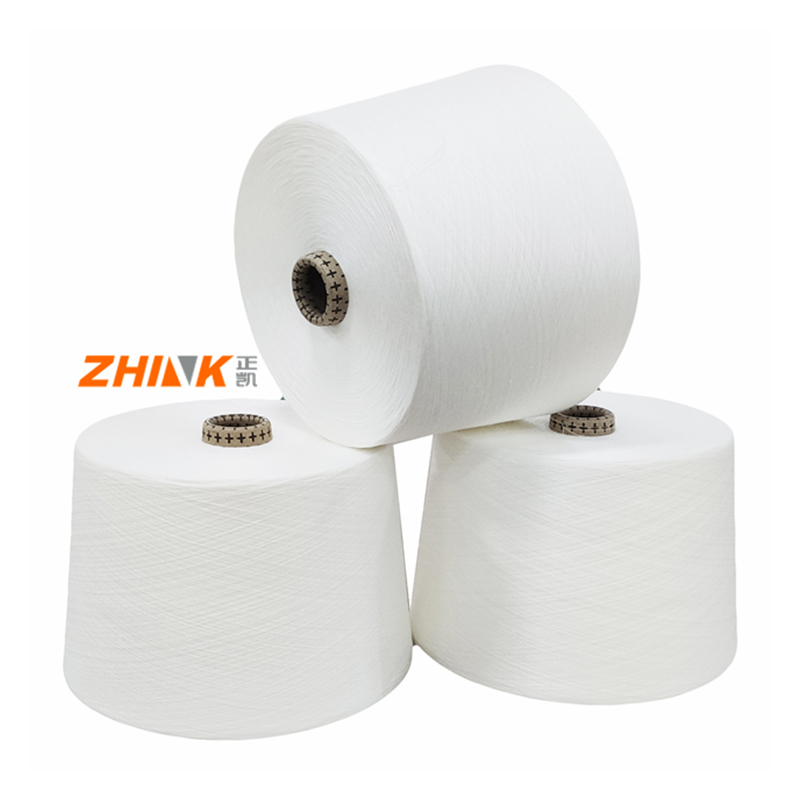
viscose blend yarn
Exploring the World of Viscose Blend Yarn
Delve into the intricate world of viscose blend yarn, an essential material reshaping textile production. Discover its nuances, applications, and challenges from a hands-on perspective.
Understanding Viscose Blends
When it comes to textile manufacturing, viscose blends often pop up as a versatile choice. What makes them fascinating is the balance they strike between natural and synthetic fibers. Typically, a viscose blend might include materials like cotton, polyester, or wool, each contributing to different characteristics of the final fabric.
From experience, I can say that working with these blends involves a bit of experimentation. The proportion can drastically alter the outcome. Take, for example, a 50/50 viscose-cotton mix; the result is usually a breathable yet substantially durable fabric, often favored in warm climates.
It's not just about the feel; aesthetics play a significant role, too. In many cases, the blended yarn achieves a sheen that's particularly appealing in fashion circles. That said, achieving consistency in that sheen can be a real challenge, especially in bulk production.
The Role of Viscose Blends in Sustainability
There's a growing conversation around sustainability in textiles, and viscose blends are right at the center of it. Companies like SHANDONG ZHINK NEW MATERIAL CO., LTD (https://www.zhinkyarn.com) are pioneering the research and development in this realm. They aim to produce materials that are not only innovative but also eco-friendly.
One issue I've seen is the mislabeling or misunderstanding among consumers when it comes to sustainability claims. It's crucial for manufacturers to communicate clearly about the environmental impact of their viscose blend yarn, how they source materials, and what blends mean for recyclability.
In my opinion, the industry's move towards transparency and sustainability is as important as any technical advancements. The market is demanding accountability, and rightly so.
Challenges in Production
Every material has its quirks, and the viscose blend yarn is no exception. When producing these blends, achieving uniformity across batches can be a headache. I recall a project where slight variations in humidity caused inconsistencies in the yarn diameter. It was a tough lesson in the importance of climate control.
Moreover, the machine settings need to be meticulously adjusted. Viscose can be temperamental; it swells when wet, affecting tension during spinning or knitting. It takes a seasoned hand to get it just right.
Despite these challenges, the blend's adaptability makes it a preferred choice. Manufacturers often find that the diverse applications more than justify the production complexities.
Applications in Fashion and Beyond
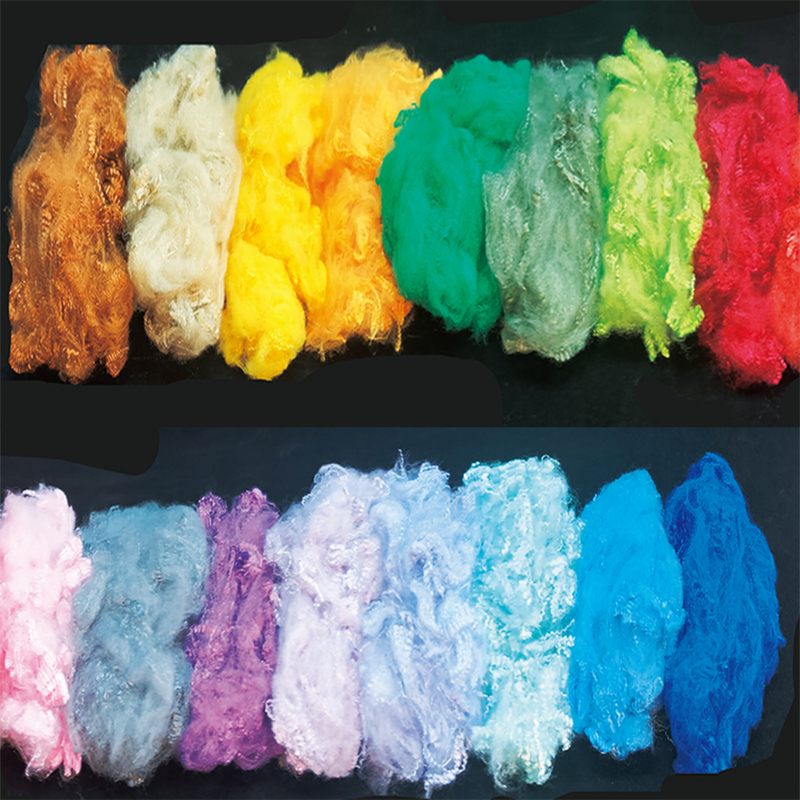
With viscose blend yarn, the possibilities extend well beyond simple garments. Fashion designers are particularly enamored with how the material drapes and its dye affinity. This allows for vibrant designs that stand out on any runway.
I've witnessed firsthand how these blends work wonders in creating everything from everyday tees to luxurious evening wear. The comfort factor is a huge bonus; many people cite the softness against the skin as a key reason for their preference.
Beyond clothing, these yarns find uses in upholstery, home decor, and even some industrial applications. It’s a testament to their versatility and the reason why they remain a staple in textile production.
Anticipating the Future of Viscose Blends
Looking ahead, the future of viscose blend yarn seems bright. Innovation continues at a rapid pace, with companies like Zhink New Material leading the charge in developing blends that offer enhanced properties and reduced ecological footprints.
There’s an exciting trend towards integrating smart textiles with viscose blends. Imagine fabrics that not only feel and look good but also serve functional purposes, like regulating body temperature or tracking health metrics.
As someone deeply involved in the textile sector, it feels like we're on the cusp of transformation. We’re at a juncture where technology meets tradition, and the textile produced today will define fashion and functionality tomorrow.
Related Products
Related Products