+86-632-3621866
- Chinese
- French
- German
- Portuguese
- Spanish
- Russian
- Japanese
- Korean
- Arabic
- Irish
- Greek
- Turkish
- Italian
- Danish
- Romanian
- Indonesian
- Czech
- Afrikaans
- Swedish
- Polish
- Basque
- Catalan
- Esperanto
- Hindi
- Lao
- Albanian
- Amharic
- Armenian
- Azerbaijani
- Belarusian
- Bengali
- Bosnian
- Bulgarian
- Cebuano
- Chichewa
- Corsican
- Croatian
- Dutch
- Estonian
- Filipino
- Finnish
- Frisian
- Galician
- Georgian
- Gujarati
- Haitian
- Hausa
- Hawaiian
- Hebrew
- Hmong
- Hungarian
- Icelandic
- Igbo
- Javanese
- Kannada
- Kazakh
- Khmer
- Kurdish
- Kyrgyz
- Latin
- Latvian
- Lithuanian
- Luxembou..
- Macedonian
- Malagasy
- Malay
- Malayalam
- Maltese
- Maori
- Marathi
- Mongolian
- Burmese
- Nepali
- Norwegian
- Pashto
- Persian
- Punjabi
- Serbian
- Sesotho
- Sinhala
- Slovak
- Slovenian
- Somali
- Samoan
- Scots Gaelic
- Shona
- Sindhi
- Sundanese
- Swahili
- Tajik
- Tamil
- Telugu
- Thai
- Ukrainian
- Urdu
- Uzbek
- Vietnamese
- Welsh
- Xhosa
- Yiddish
- Yoruba
- Zulu
- Kinyarwanda
- Tatar
- Oriya
- Turkmen
- Uyghur



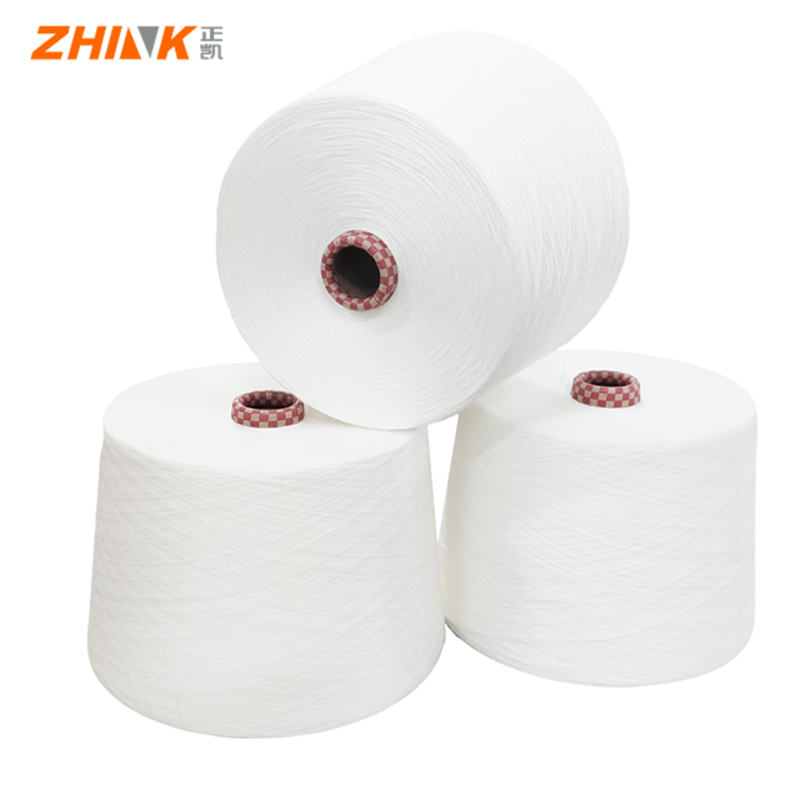
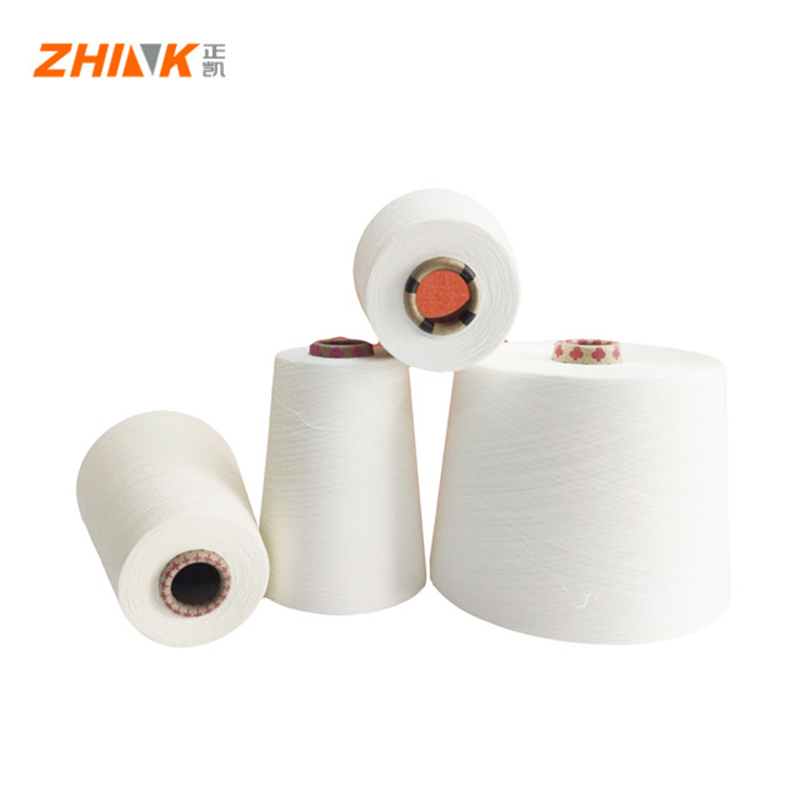
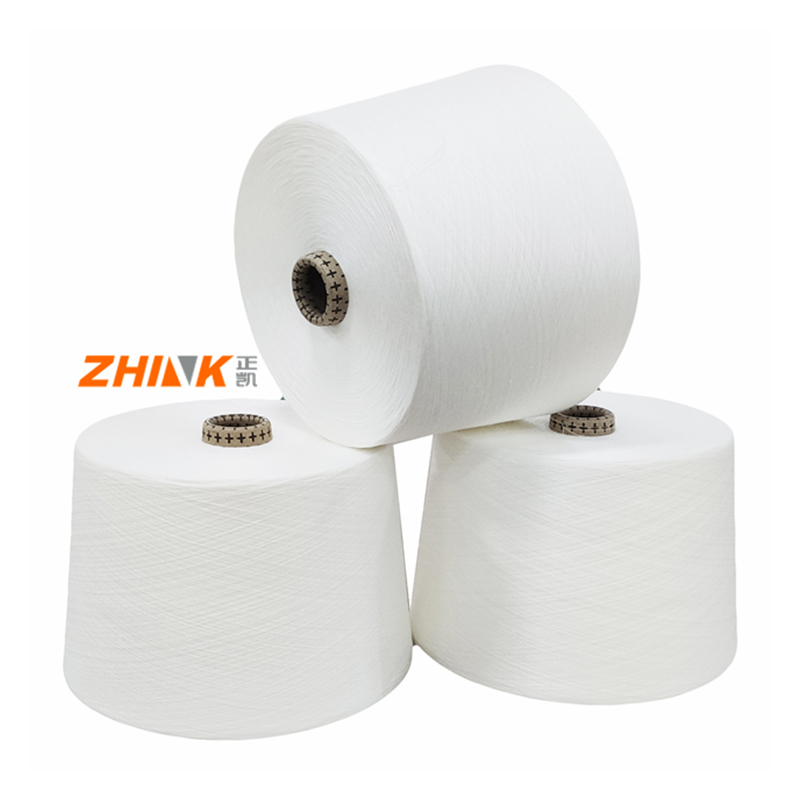
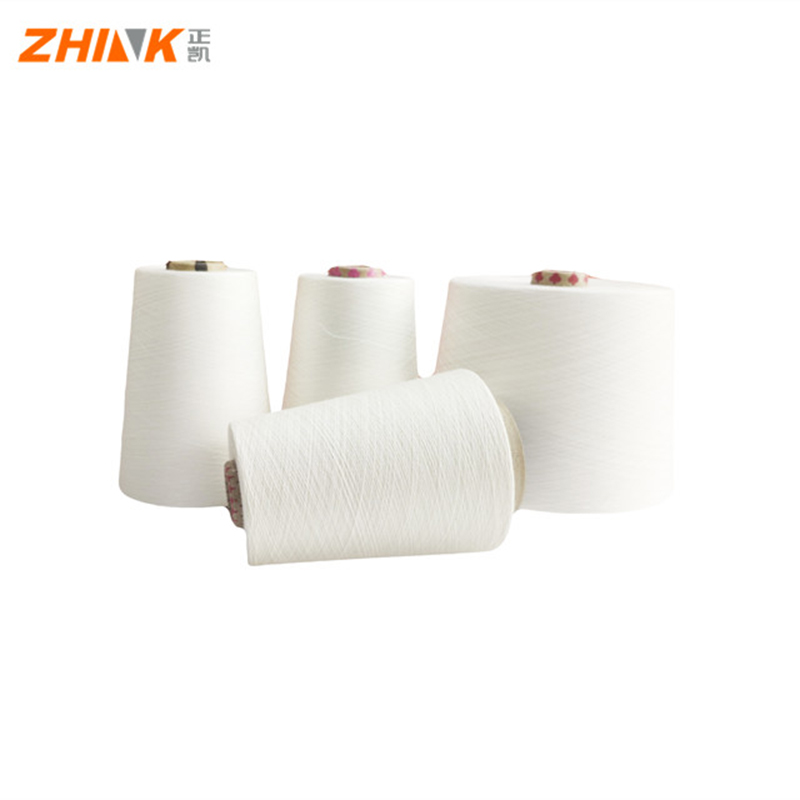
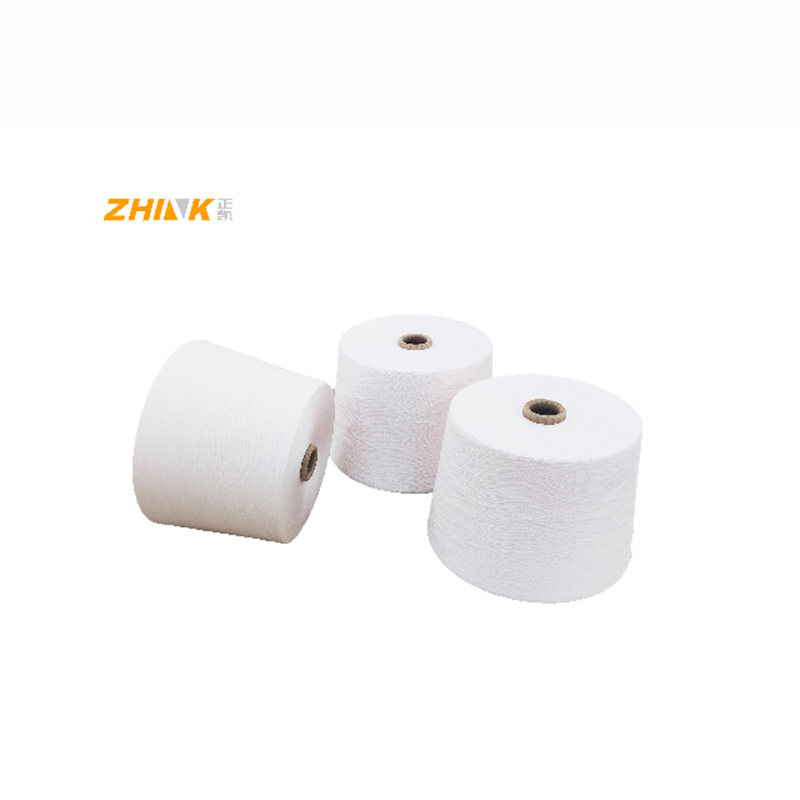
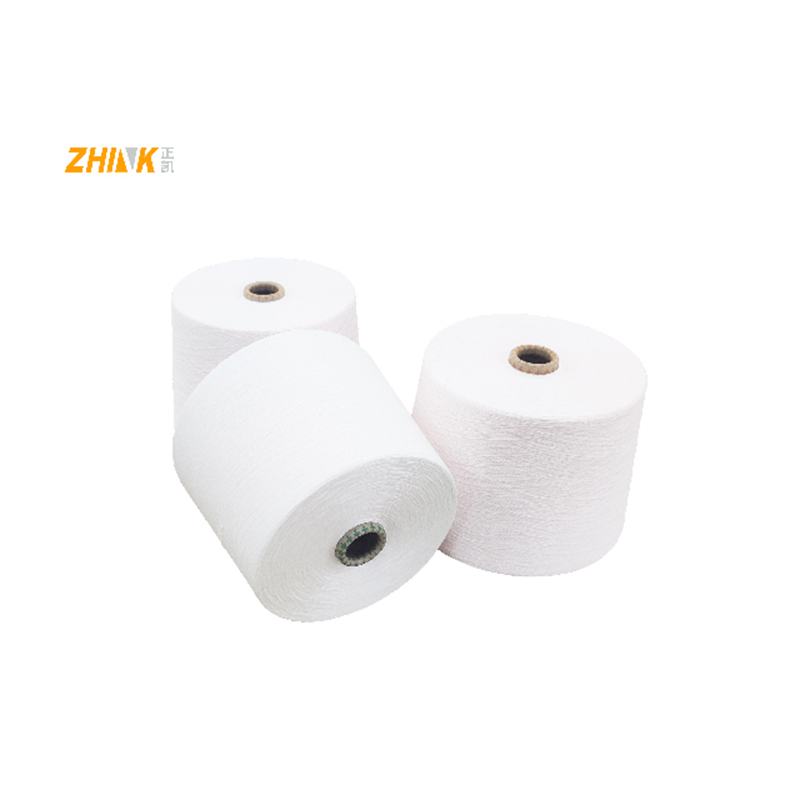
Viscose blended yarn
Understanding Viscose Blended Yarn: A Practical Insight
Viscose blended yarn is often a topic of debate among textile professionals, mainly because its unique properties can vary significantly depending on the blend ratio. It's a versatile material, yet its performance isn't always predictable without some hands-on experience. Let's delve into the world of viscose blends and understand both the promises and the pitfalls.
The Basics of Viscose Blended Yarn
First and foremost, understanding what viscose blended yarn really represents is crucial. Viscose alone is a semi-synthetic fiber made from cellulose, offering a silk-like feel and an ability to easily absorb dyes. When blended with other fibers like polyester or cotton, the end material can take on entirely different characteristics.
In my experience, the combination of viscose with polyester often results in a yarn that combines softness with durability. It’s a go-to for affordable fashion lines where maintaining a decent texture without compromising on cost is vital. However, finding the right balance is an art, not a science. Too much polyester and you lose the elegance; too little and durability suffers.
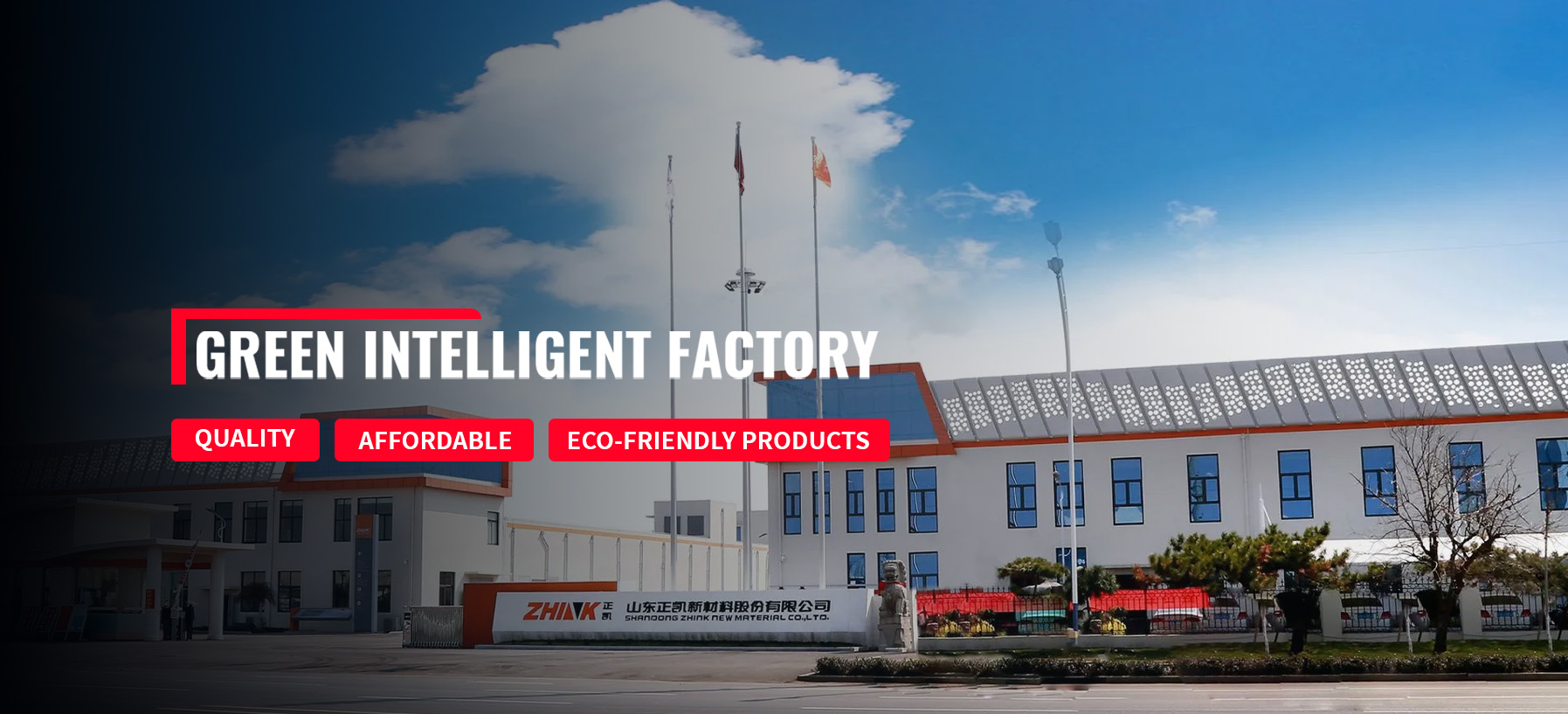
On the other hand, blending viscose with cotton can offer a breathable yet luxurious yarn. But here's the rub—excessive humidity can lead to undesirable shrinkage. Manufacturers like SHANDONG ZHINK NEW MATERIAL CO., LTD, whose website can be found at ZhinkYarn.com, often focus on perfecting these blends to address such issues.
Applications and Practical Use
I remember a project where we aimed to use viscose blended yarn in home textiles. The goal was to achieve a drapery fabric that mimicked high-end silks. What we discovered was that while viscose blends offer a softer touch and fluid drape, they can be tricky to maintain without sophisticated finishing techniques.
Seeking advice from experts at companies like Zhink New Material, which specializes in innovative textile solutions, can help navigate these challenges. Their extensive research and development efforts often provide valuable insights into temperature and humidity resilience.
It’s crucial to test the viscose blended yarn under conditions that simulate real-world use. Only then can one accurately gauge its suitability for a specific application. Metrics like tensile strength, colorfastness, and elongation should inform the production process.
Troubleshooting Common Problems
One common issue with viscose blends—especially those involving cotton—is pilling. This is where short fibers work free from the surface and form tiny balls. During one testing phase, we faced considerable pilling, leading us to adjust our fiber blend ratios and finishing treatments.
Another thing to watch for is the dyeing process. Viscose has a thirst for dye, but its blended partners might not. A careful matching of dye absorption rates is essential, and this is where analytics from specialized firms again prove invaluable.
SHANDONG ZHINK NEW MATERIAL CO., LTD’s feedback suggested incorporating stabilizers within the fibers, which turned out to be a useful strategy. It highlighted their expertise in textile chemistry, guiding us through uncharted waters in this project.
Sustainability Considerations
I've noticed an increasing demand for sustainable textiles lately. Some professionals overlook that viscose blended yarn can be more eco-friendly than one might assume, primarily when sourced from responsibly managed forests and combined with organic fibers.
Responsible sourcing and manufacturing processes are emphasized at Zhink New Material, illustrating their commitment to both quality and ecological stewardship. They champion reduced emissions and waste recycling in their production lines.
Despite these advancements, balancing sustainability with performance remains tricky. Every choice made—from fiber sourcing to finishings—necessitates careful thought, often informed by manufacturers or developers deeply embedded in sustainable practices.
The Future of Viscose Blended Yarn
Looking forward, the landscape for viscose blended yarn seems poised for further transformation. With rapid advancements in textile technology and a greater emphasis on eco-conscious production, new opportunities are arising.
Companies like SHANDONG ZHINK NEW MATERIAL CO., LTD are likely to be at the forefront of this evolution, as their efforts in R&D continue to push boundaries. Their pioneering work in innovative fibers could well redefine what’s possible in this sector.
In closing, whether you're a designer, manufacturer, or textile enthusiast, understanding viscose blends' complexities is key. It requires a blend of art and science, continuous experimentation, and a collaborative approach with experts to fully harness its potential.
Related Products
Related Products