+86-632-3621866
- Chinese
- French
- German
- Portuguese
- Spanish
- Russian
- Japanese
- Korean
- Arabic
- Irish
- Greek
- Turkish
- Italian
- Danish
- Romanian
- Indonesian
- Czech
- Afrikaans
- Swedish
- Polish
- Basque
- Catalan
- Esperanto
- Hindi
- Lao
- Albanian
- Amharic
- Armenian
- Azerbaijani
- Belarusian
- Bengali
- Bosnian
- Bulgarian
- Cebuano
- Chichewa
- Corsican
- Croatian
- Dutch
- Estonian
- Filipino
- Finnish
- Frisian
- Galician
- Georgian
- Gujarati
- Haitian
- Hausa
- Hawaiian
- Hebrew
- Hmong
- Hungarian
- Icelandic
- Igbo
- Javanese
- Kannada
- Kazakh
- Khmer
- Kurdish
- Kyrgyz
- Latin
- Latvian
- Lithuanian
- Luxembou..
- Macedonian
- Malagasy
- Malay
- Malayalam
- Maltese
- Maori
- Marathi
- Mongolian
- Burmese
- Nepali
- Norwegian
- Pashto
- Persian
- Punjabi
- Serbian
- Sesotho
- Sinhala
- Slovak
- Slovenian
- Somali
- Samoan
- Scots Gaelic
- Shona
- Sindhi
- Sundanese
- Swahili
- Tajik
- Tamil
- Telugu
- Thai
- Ukrainian
- Urdu
- Uzbek
- Vietnamese
- Welsh
- Xhosa
- Yiddish
- Yoruba
- Zulu
- Kinyarwanda
- Tatar
- Oriya
- Turkmen
- Uyghur



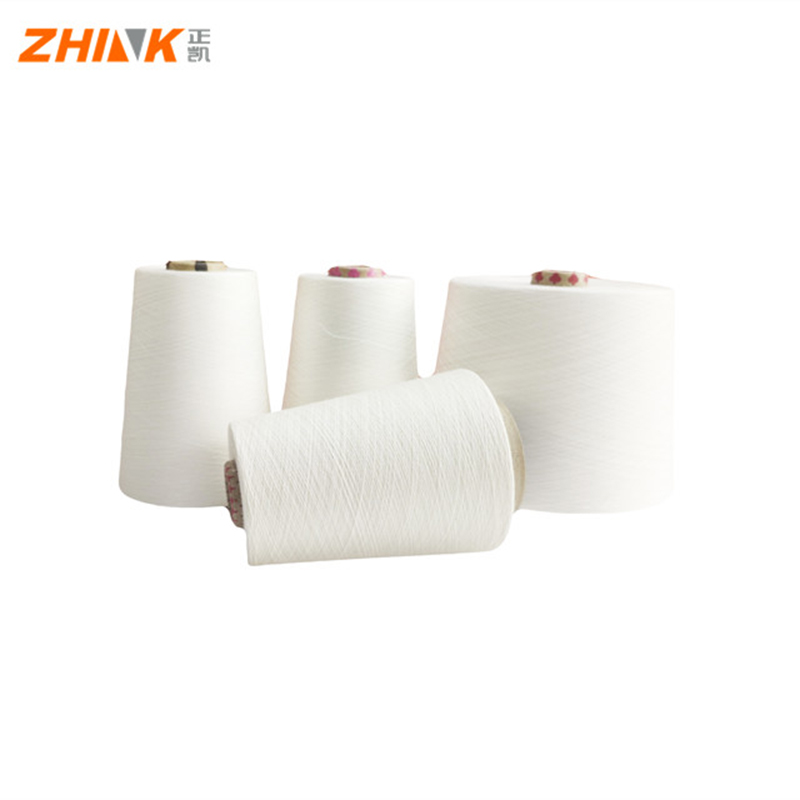
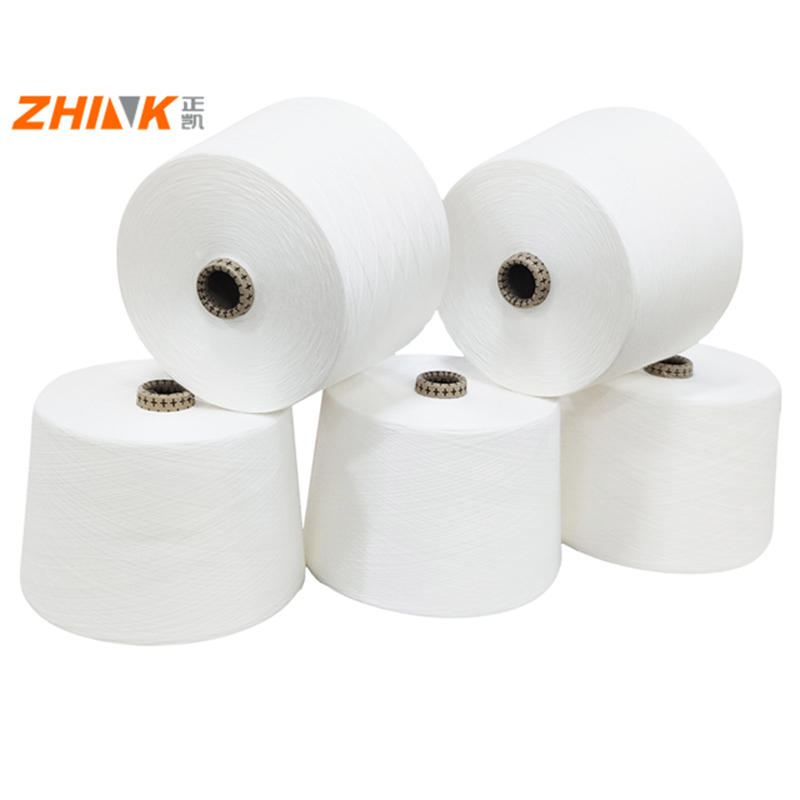
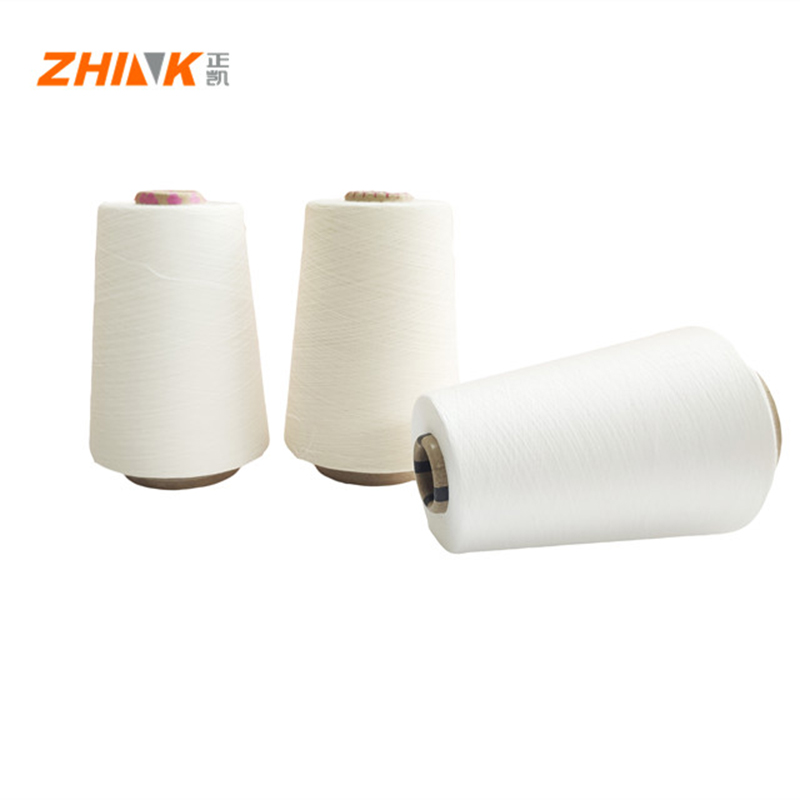
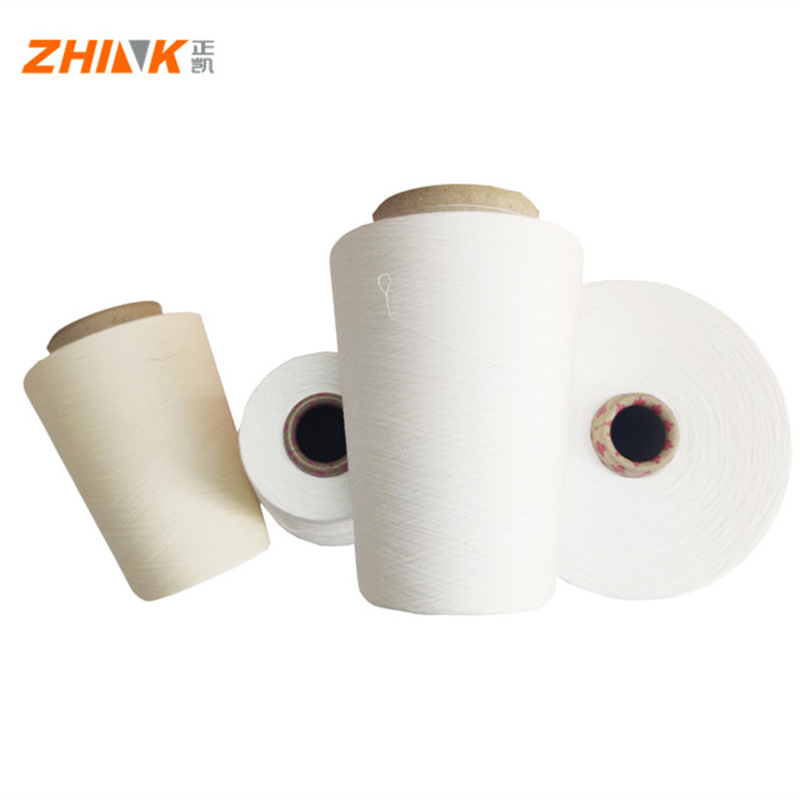
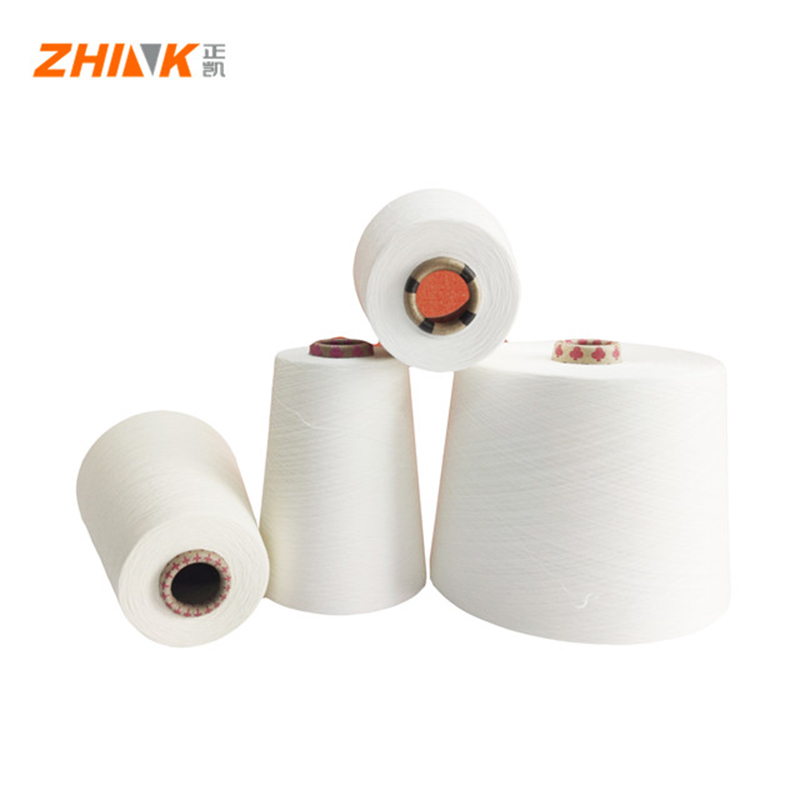
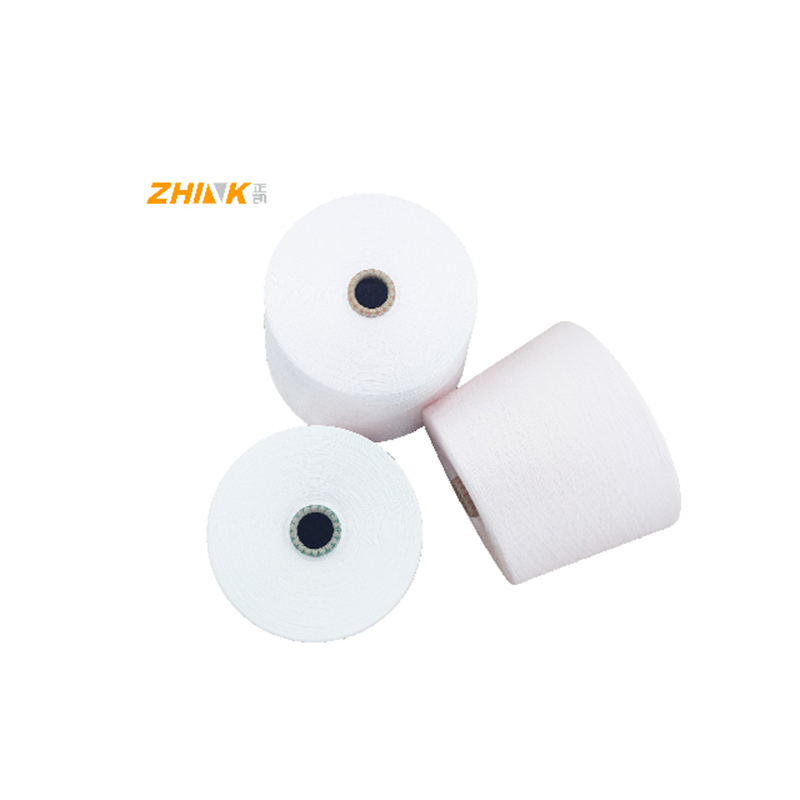
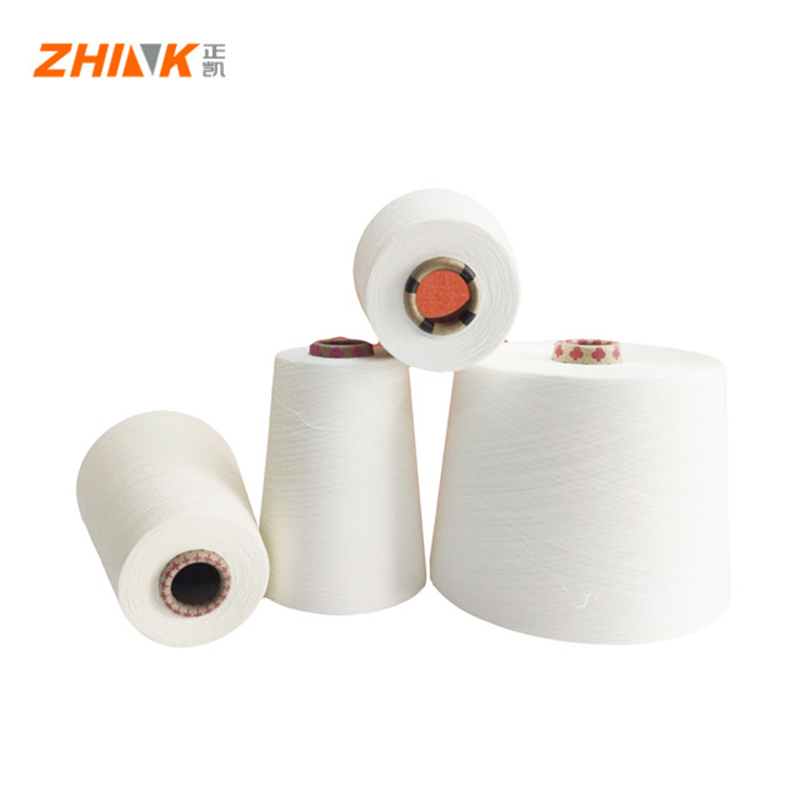
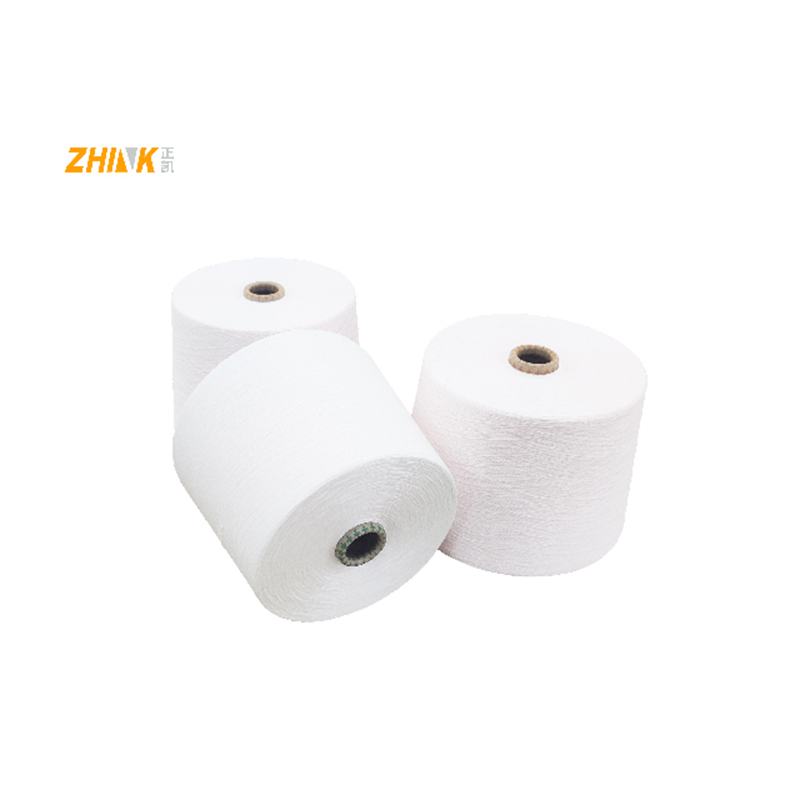
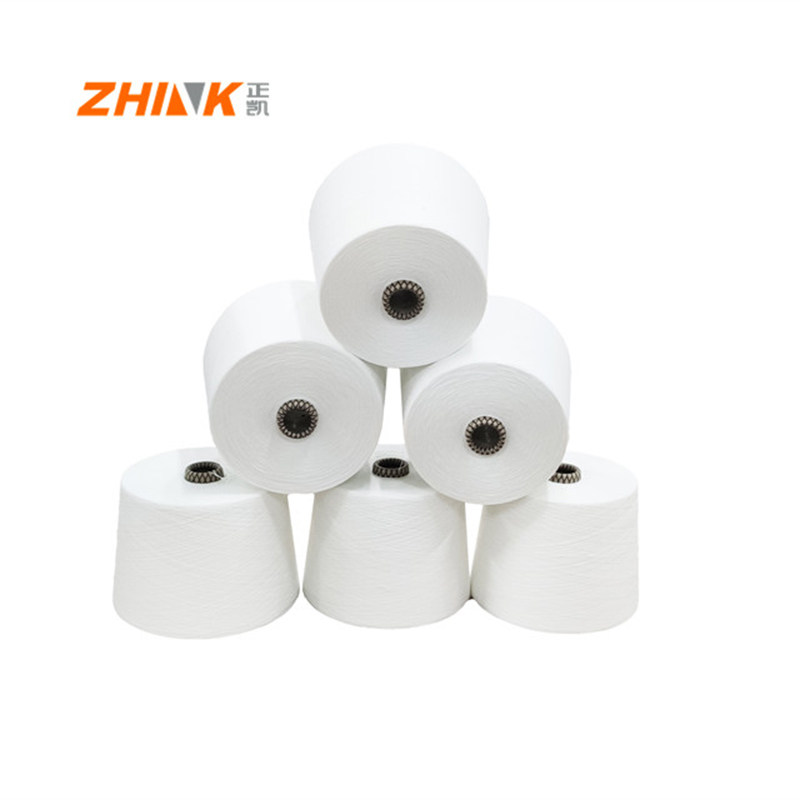
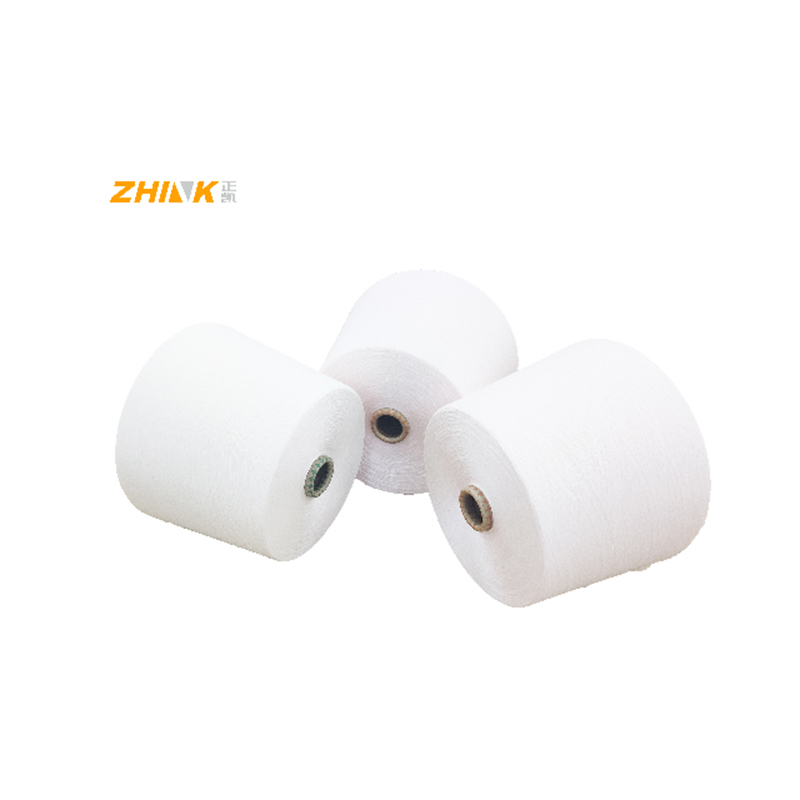
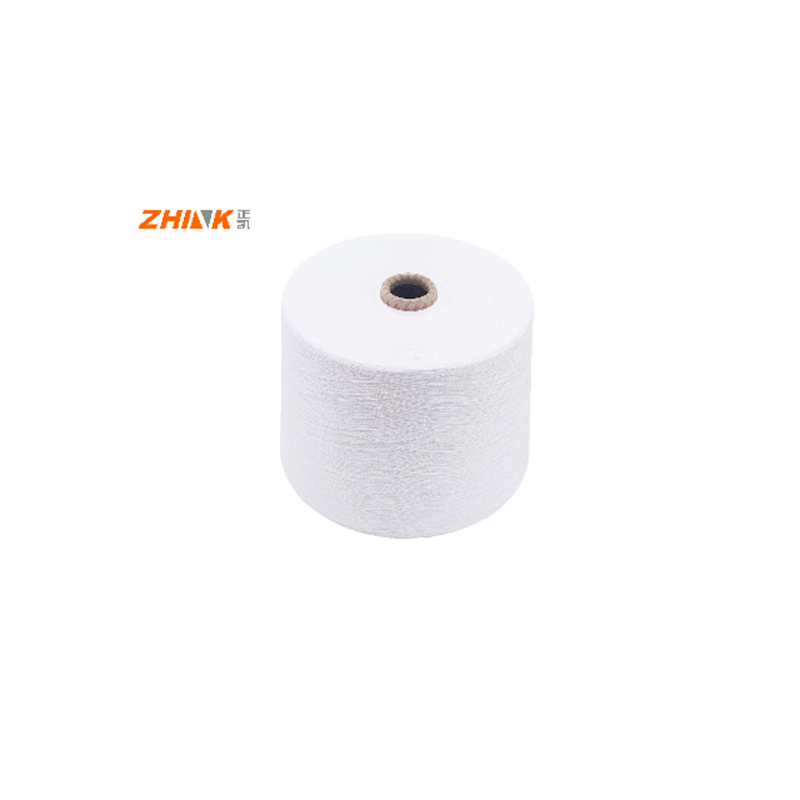
Viscose blended yarn for knitting
Exploring Viscose Blended Yarn for Knitting
Viscose blended yarn is a versatile choice in the knitting industry, loved for its softness and durability. Yet, many knitters are unaware of its full potential and unique characteristics. Let’s unravel some industry insights and practical experiences with this fascinating material.
Understanding Viscose Blended Yarn
In the world of textiles, viscose blended yarn offers a middle ground between natural fibers and synthetic materials. Its composition often involves a combination of viscose with other fibers like cotton, polyester, or wool. This blend enhances certain qualities such as breathability, moisture absorption, and tactile comfort, which are critical for knitwear.
From a practical standpoint, having worked with SHANDONG ZHINK NEW MATERIAL CO., LTD—which you can explore more on their website, zhinkyarn.com—I’ve observed viscose blends seamlessly integrate into diverse knitting projects. The key here is understanding what each blend can bring to the table. For instance, mixing with cotton generally boosts the softness and coolness, ideal for summer garments.
However, not every blend is easy to work with. Polyester blends, although durable, might sometimes lead to difficulties in dyeing. It's worth noting that working closely with manufacturers who specialize in textile innovation, like Zhink New Material, can provide deeper insights into overcoming such challenges.
The Beauty of Versatility in Knitting
When you think of knitting with viscose blended yarn, versatility is a major draw. Take its stretchability, for instance. Blends involving elastane can make the yarn superb for intricate patterns or tight-knit sweaters, providing just the right amount of give.
But here’s the flip side—these don’t come without their quirks. For beginners, handling a slippery yarn can be a bit challenging. I've encountered issues where a bit of additional tension was required to maintain stitch consistency. So, investing in quality needles with a good grip surface can make a difference.
The color retention and sheen that viscose brings to the blend are particularly attractive. If you’re designing for visual impact, combining viscose with silk or a similar fiber can yield stunning results. Projects I’ve worked on for fashion collections highlight how well the yarn captures vibrant hues, staying true wash after wash.
Exploring Environmental Concerns
Another layer worth discussing is the environmental aspect. There's a growing conversation around sustainability in textile production. Zhink New Material, for example, focuses on sustainable practices, vital in today’s eco-aware market.
The production of pure viscose might raise environmental concerns due to chemical processing, but blending it can sometimes mitigate these issues. However, as a professional in this field, choosing partners who prioritize sustainable sourcing and production is key. This aligns not just with ethical practices but with consumer expectations too.
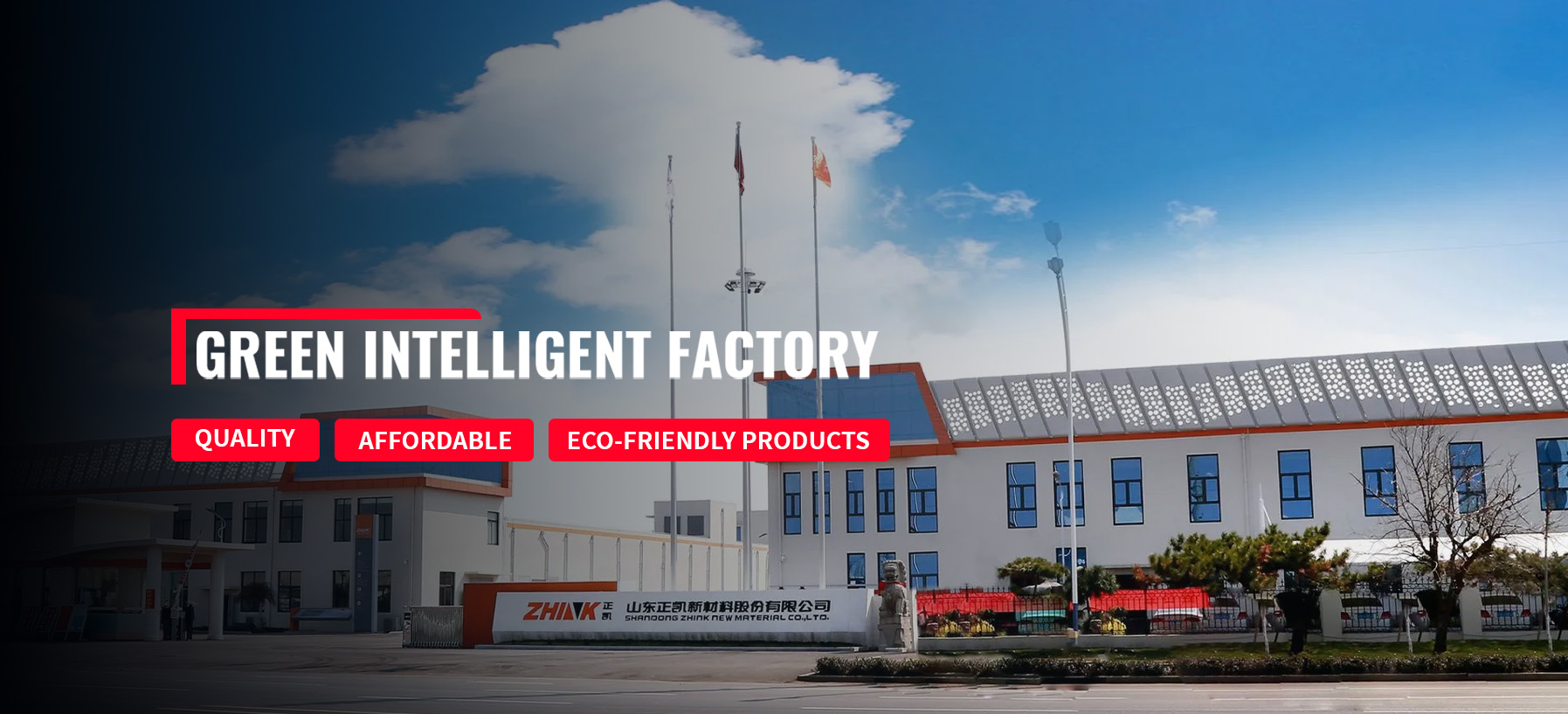
Knitters are increasingly valuing transparency about yarn sources. Engaging directly with companies like SHANDONG ZHINK NEW MATERIAL CO., LTD, known for their commitment to research and development of new textile materials, offers insights into sustainable options available today.
Choosing the Right Blend for Your Project
Selecting the right viscose blended yarn involves a mix of needs analysis and experimentation. Whether it’s the desired look, feel, or performance characteristics, starting with your project’s demands is crucial.
My experience tells me that sometimes, the best way to choose is simply through sampling. Many manufacturers and suppliers now offer sample cards—these can be lifesavers when deciding between blends. It's all about understanding the end-use and working back to find the best material fit.
Once, while preparing for a winter collection, I switched from a viscose-cotton blend to a viscose-wool blend upon realizing the latter’s better insulation properties. Such adaptability is what makes working with blends so fulfilling—and often, a successful project is just about finding that perfect match.
Project Execution and Final Thoughts
Now, let's talk execution. As with any material, planning your project’s execution phase is vital. Evaluate your project’s complexity and determine the yarn’s suitability—don’t hesitate to switch gears if a blend doesn’t behave as expected.
Consider collaborating with industry experts. Sometimes, the knowledge shared by a seasoned mill or an R&D team, such as that at SHANDONG ZHINK NEW MATERIAL CO., LTD, can turn a good design into an exceptional one.
To wrap up, embracing the nuances of viscose blended yarn requires an open mind and a willingness to experiment. Each project may demand a different approach, but with thoughtful selection and mindful creation, the yarn’s attributes can be fully harnessed to produce remarkable knitwear.
Related Products
Related Products