+86-632-3621866
- Chinese
- French
- German
- Portuguese
- Spanish
- Russian
- Japanese
- Korean
- Arabic
- Irish
- Greek
- Turkish
- Italian
- Danish
- Romanian
- Indonesian
- Czech
- Afrikaans
- Swedish
- Polish
- Basque
- Catalan
- Esperanto
- Hindi
- Lao
- Albanian
- Amharic
- Armenian
- Azerbaijani
- Belarusian
- Bengali
- Bosnian
- Bulgarian
- Cebuano
- Chichewa
- Corsican
- Croatian
- Dutch
- Estonian
- Filipino
- Finnish
- Frisian
- Galician
- Georgian
- Gujarati
- Haitian
- Hausa
- Hawaiian
- Hebrew
- Hmong
- Hungarian
- Icelandic
- Igbo
- Javanese
- Kannada
- Kazakh
- Khmer
- Kurdish
- Kyrgyz
- Latin
- Latvian
- Lithuanian
- Luxembou..
- Macedonian
- Malagasy
- Malay
- Malayalam
- Maltese
- Maori
- Marathi
- Mongolian
- Burmese
- Nepali
- Norwegian
- Pashto
- Persian
- Punjabi
- Serbian
- Sesotho
- Sinhala
- Slovak
- Slovenian
- Somali
- Samoan
- Scots Gaelic
- Shona
- Sindhi
- Sundanese
- Swahili
- Tajik
- Tamil
- Telugu
- Thai
- Ukrainian
- Urdu
- Uzbek
- Vietnamese
- Welsh
- Xhosa
- Yiddish
- Yoruba
- Zulu
- Kinyarwanda
- Tatar
- Oriya
- Turkmen
- Uyghur


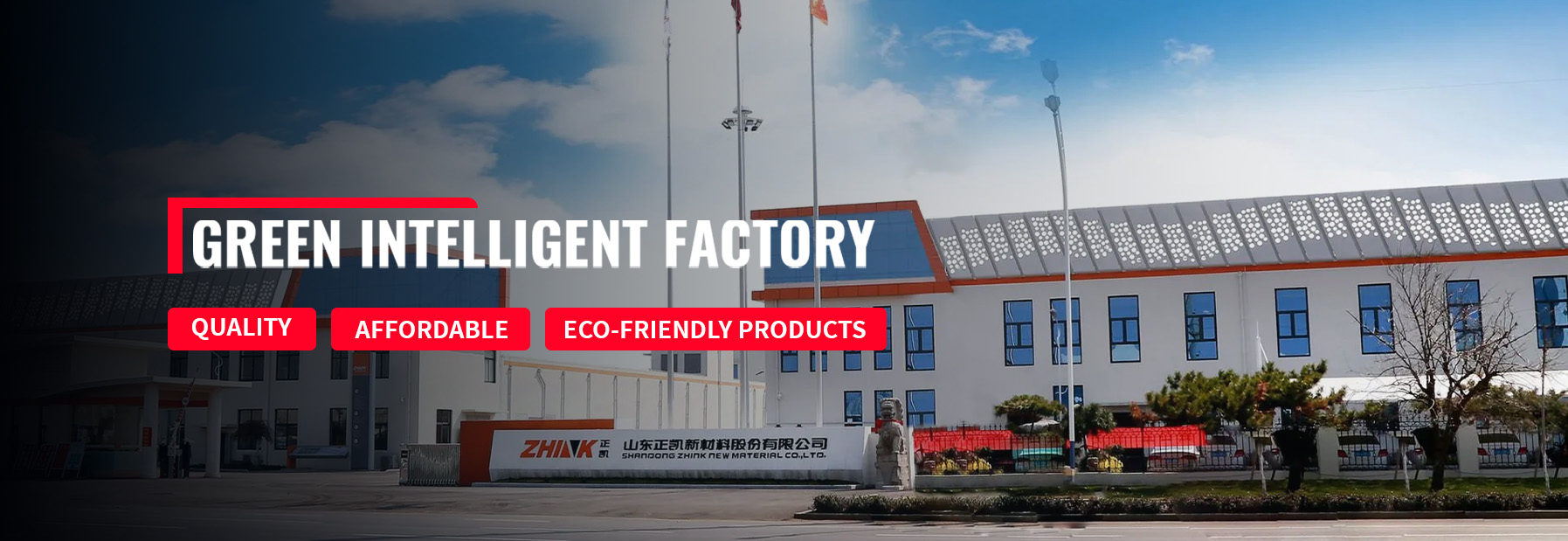
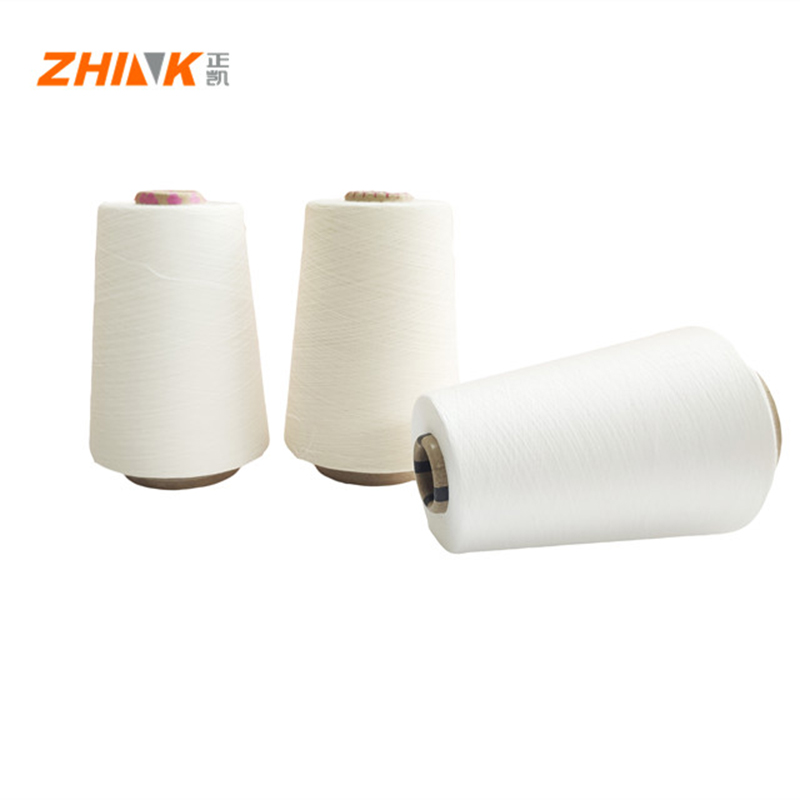
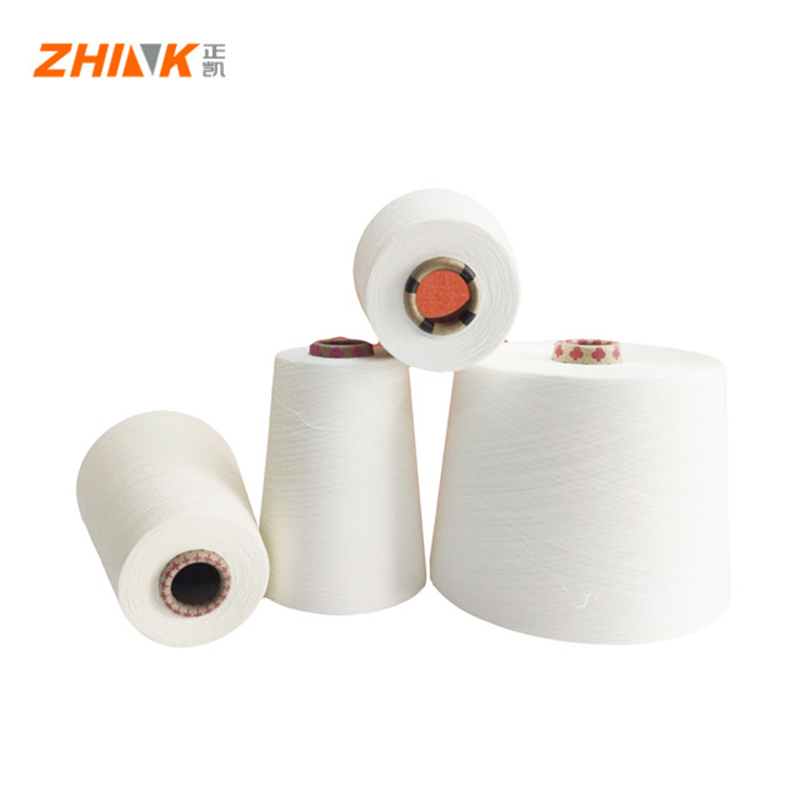
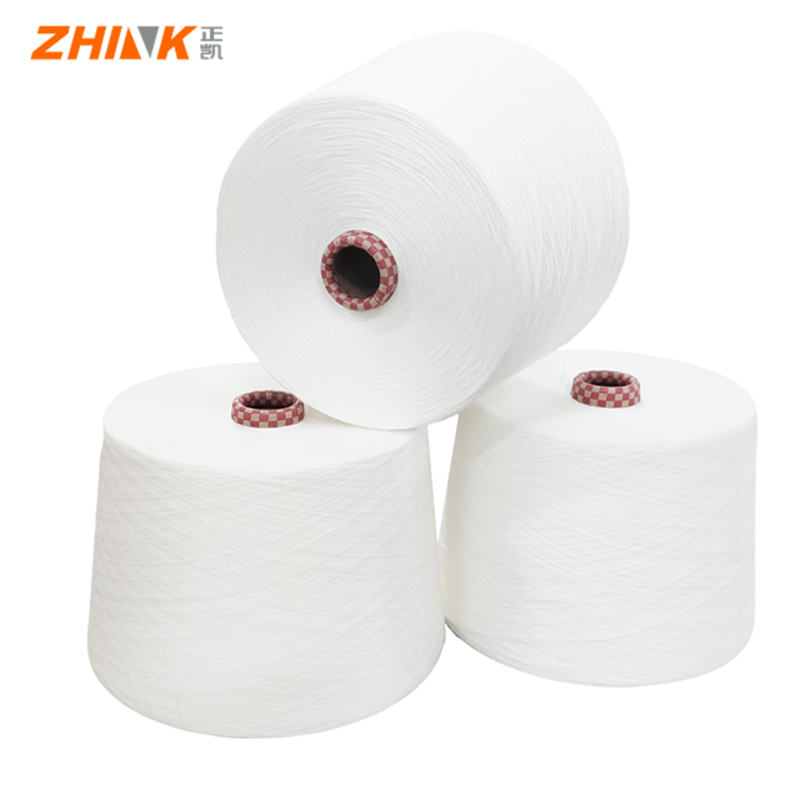
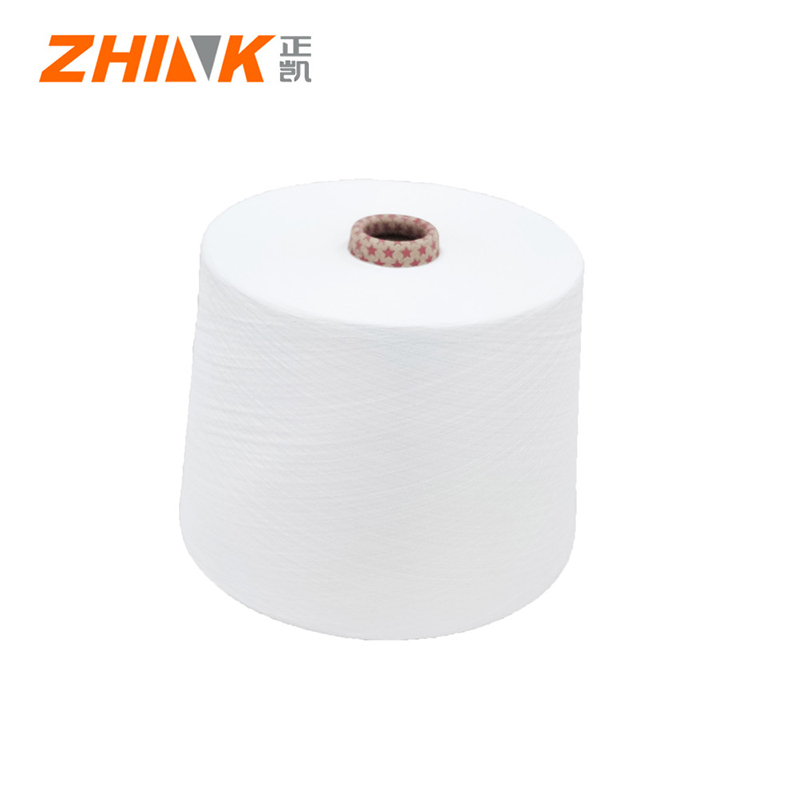
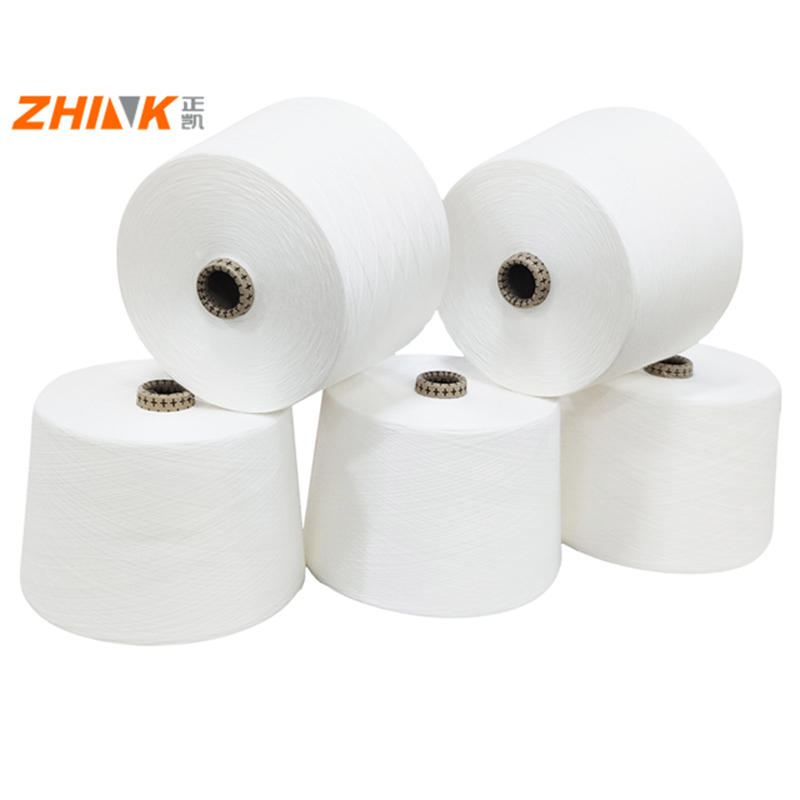
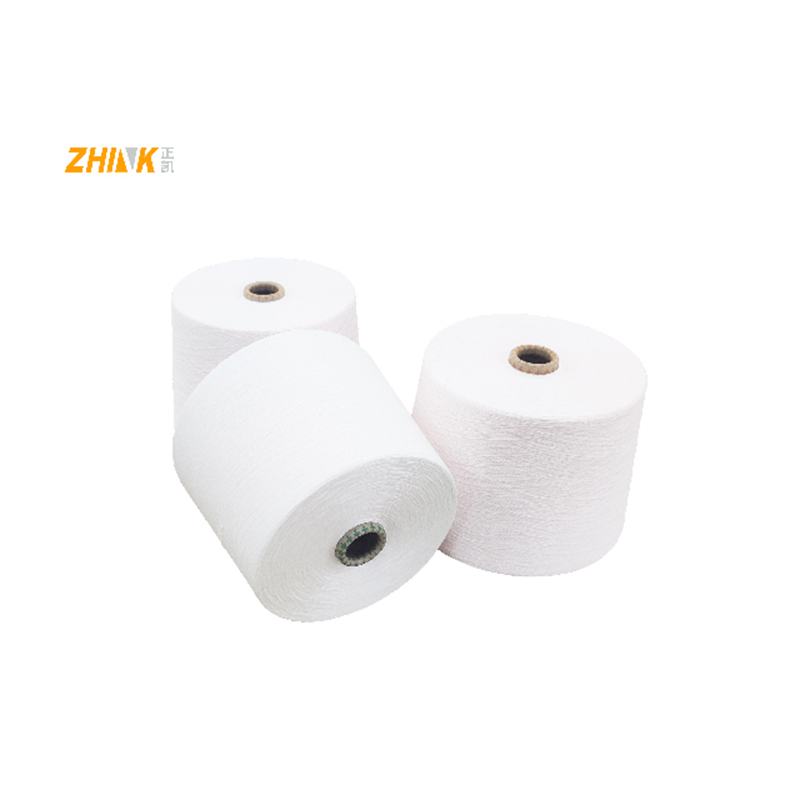
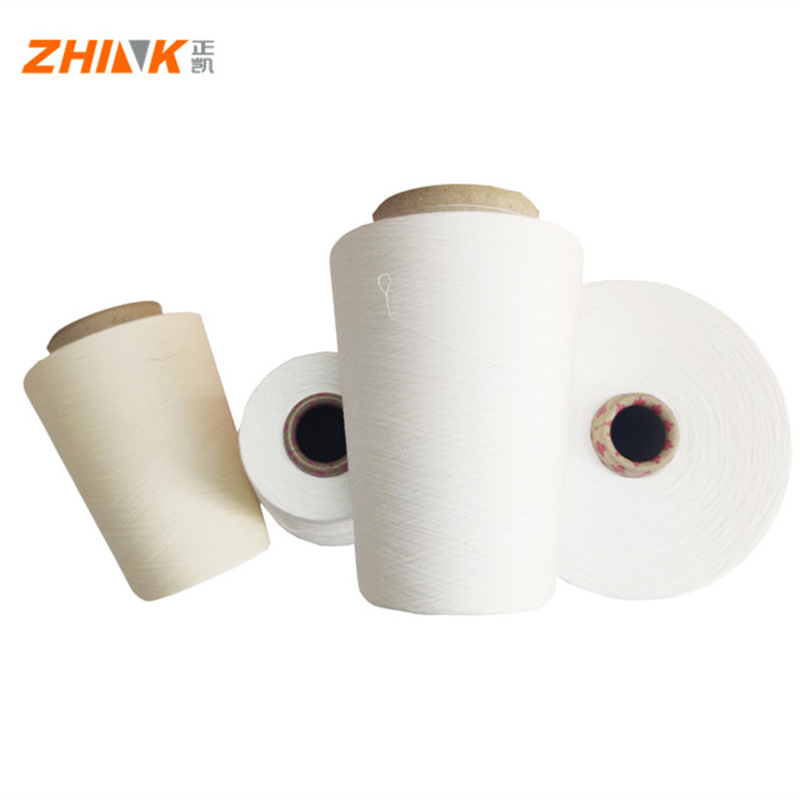
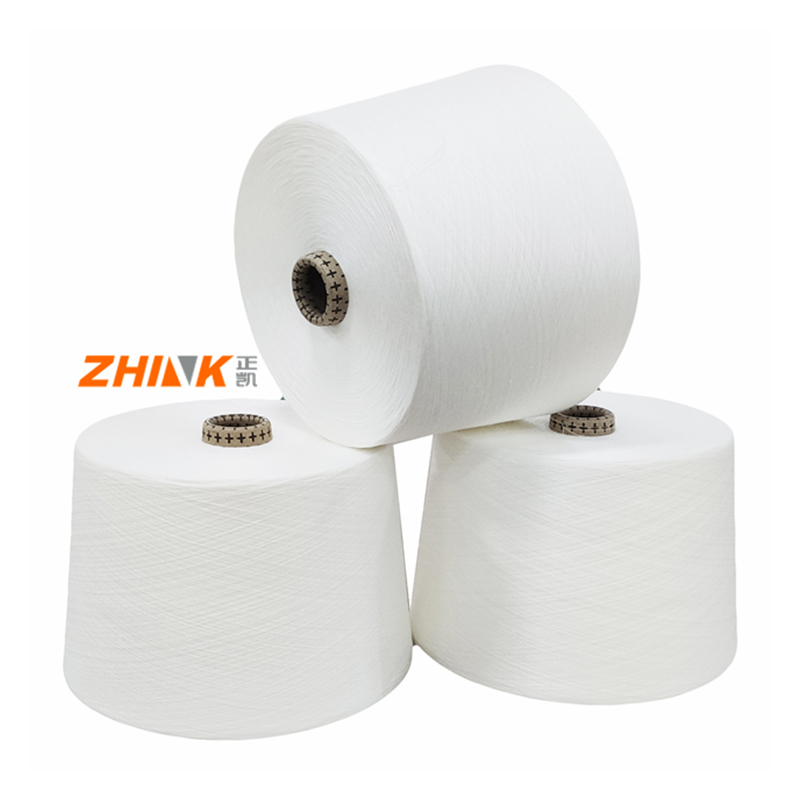
Viscose blended yarn for weaving
The Multifaceted World of Viscose Blended Yarn for Weaving
Viscose blended yarn, often overshadowed by pure cotton or polyester, carries unique advantages in textile weaving. Let's explore its practical aspects, addressing common misconceptions along the way.
Understanding the Basics of Viscose Blended Yarn
When it comes to viscose blended yarn for weaving, many assume it's just a compromise between cost and quality. This isn't entirely fair. Viscose, known for its silk-like feel, combined with other fibers, often elevates the fabric's characteristics. But why blend viscose at all? The main reason is to enhance performance. For instance, blending viscose with polyester can improve durability, while blending with cotton improves absorbency and breathability.
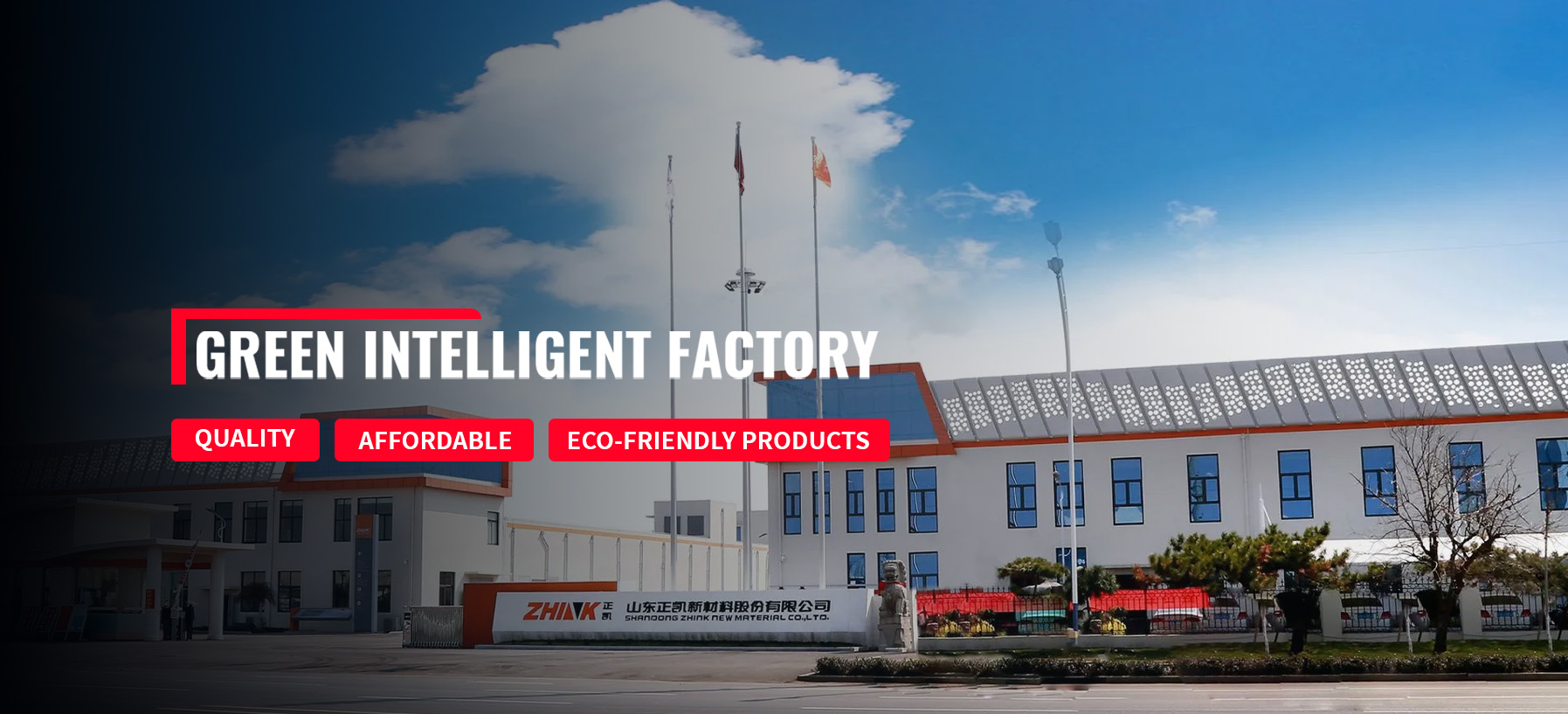
At SHANDONG ZHINK NEW MATERIAL CO., LTD, which you can explore more at our website, the focus is on innovation. We specifically look into creating blends that cater to different weaving needs. Each combination addresses distinct requirements, whether it's enhanced strength, reduced cost, or specific textile properties.
In our experience, caution is necessary when considering the source and type of viscose. Some blends suffer from pilling and strength issues if not well-produced, so selecting high-quality materials is crucial. This is where operations like Zhink New Material work to mitigate issues through rigorous research and development.
Common Practical Challenges and Solutions
One challenge that often crops up is dealing with variations in yarn thickness. Inconsistent yarn can lead to weakness in the final product, which is particularly problematic for high-stress items like upholstery textiles. We've tackled this by implementing consistent quality control measures and utilizing advanced machinery which precisely controls thickness.
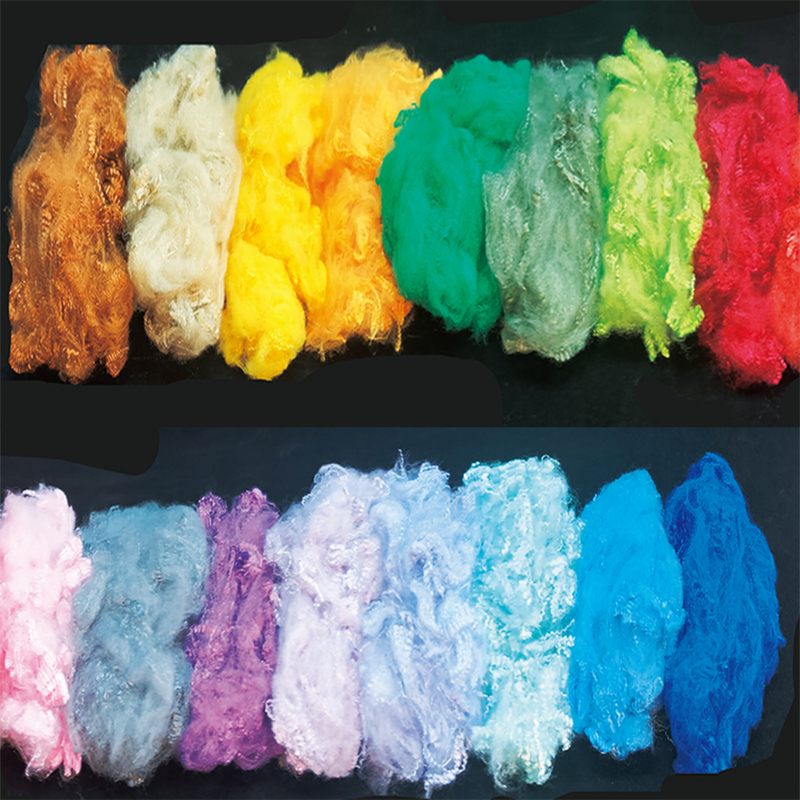
Another problem is dye uptake variability. Viscose is known for excellent dyeability, but when blended, differences in fiber structures can cause uneven dye uptake. Our team finds that pre-treating fibers helps mitigate this, ensuring uniformity in color across the entire fabric.
The balance between cost-effectiveness and high performance is a continuous dance. Polyester blends are cost-saving but at a possible expense to softness; cotton blends add comfort but might be pricier. Understanding the end-use is key, and sometimes direct consultation with clients on their needs guides the production choices we make at SHANDONG ZHINK NEW MATERIAL CO., LTD.
The Role of Technology in Blend Production
Technology plays a pivotal role in perfecting viscose blended yarn for weaving. With modern spinning techniques, we're able to experiment with new fiber compositions. This not only helps in quality production but also pushes the boundaries of traditional textile capabilities.
We've embraced AI and machine learning in predicting how new blends might behave. This predictive capability is invaluable, especially when scaling up from small test batches to full-scale production. It reduces the guesswork, enabling us to meet specific client specifications more consistently.
Our investment in technology isn't just about equipment; it's about training personnel to utilize these tools effectively. The human element in textile production is often underestimated, yet it remains a critical component of successful manufacturing.
Case Studies and Real-World Applications
One noteworthy case involved a client seeking fabric for a high-end fashion line that required both sheen and strength. Utilizing a viscose-silk blend was initially their choice, but costs were prohibitive. We proposed a viscose-nylon blend that maintained the desired aesthetics within budget, showcasing the flexibility of blended yarns.
In another instance, a furniture manufacturer required durable yet stylish upholstery. The solution lay in a viscose-polyester blend that offered both durability and an exquisite finish, satisfying both aesthetic and functional demands.
Each case highlights the importance of tailored solutions over one-size-fits-all approaches in the textile industry, affirming why we prioritize understanding our clients' unique needs at Zhink New Material.
Future of Viscose Blended Yarns
Innovation continues to drive the future of viscose blended yarns. As sustainability becomes more critical, the exploration of eco-friendly fibers within blends is inevitable. Bamboo and other renewable resources are likely contenders for future development.
Scalability and adaptability remain pressing concerns. Staying flexible and responsive to market changes ensures that blends not only meet immediate demands but also anticipate future fashion trends and functional requirements.
Ultimately, the appeal of viscose blended yarn for weaving lies in its versatility and potential for customization. The path forward involves constant experimentation and collaboration, ensuring that this unassuming blend continues to carve its niche in the textile world.
Related Products
Related Products