+86-632-3621866
- Chinese
- French
- German
- Portuguese
- Spanish
- Russian
- Japanese
- Korean
- Arabic
- Irish
- Greek
- Turkish
- Italian
- Danish
- Romanian
- Indonesian
- Czech
- Afrikaans
- Swedish
- Polish
- Basque
- Catalan
- Esperanto
- Hindi
- Lao
- Albanian
- Amharic
- Armenian
- Azerbaijani
- Belarusian
- Bengali
- Bosnian
- Bulgarian
- Cebuano
- Chichewa
- Corsican
- Croatian
- Dutch
- Estonian
- Filipino
- Finnish
- Frisian
- Galician
- Georgian
- Gujarati
- Haitian
- Hausa
- Hawaiian
- Hebrew
- Hmong
- Hungarian
- Icelandic
- Igbo
- Javanese
- Kannada
- Kazakh
- Khmer
- Kurdish
- Kyrgyz
- Latin
- Latvian
- Lithuanian
- Luxembou..
- Macedonian
- Malagasy
- Malay
- Malayalam
- Maltese
- Maori
- Marathi
- Mongolian
- Burmese
- Nepali
- Norwegian
- Pashto
- Persian
- Punjabi
- Serbian
- Sesotho
- Sinhala
- Slovak
- Slovenian
- Somali
- Samoan
- Scots Gaelic
- Shona
- Sindhi
- Sundanese
- Swahili
- Tajik
- Tamil
- Telugu
- Thai
- Ukrainian
- Urdu
- Uzbek
- Vietnamese
- Welsh
- Xhosa
- Yiddish
- Yoruba
- Zulu
- Kinyarwanda
- Tatar
- Oriya
- Turkmen
- Uyghur


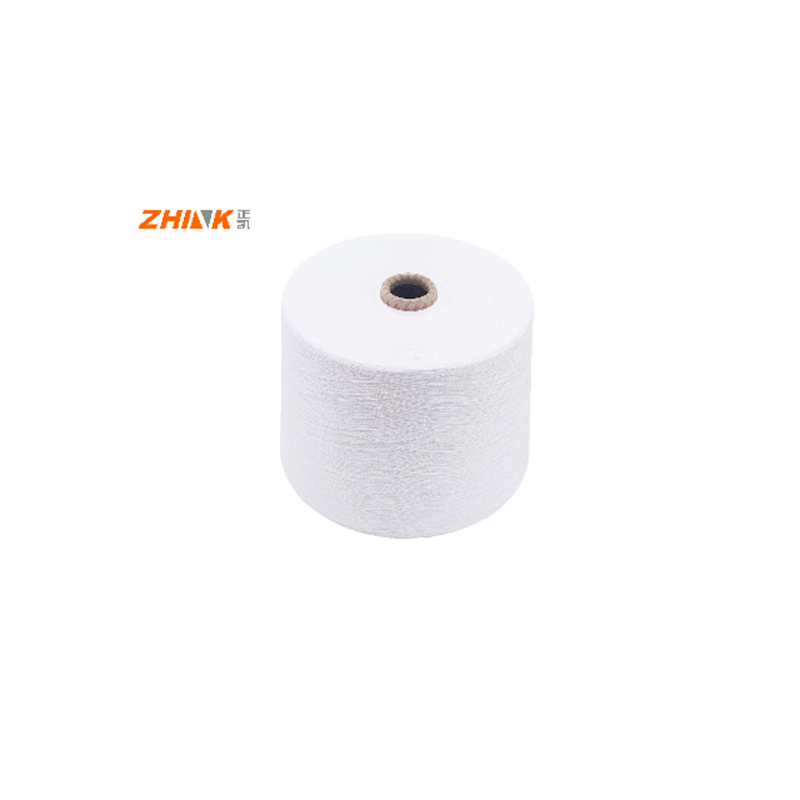
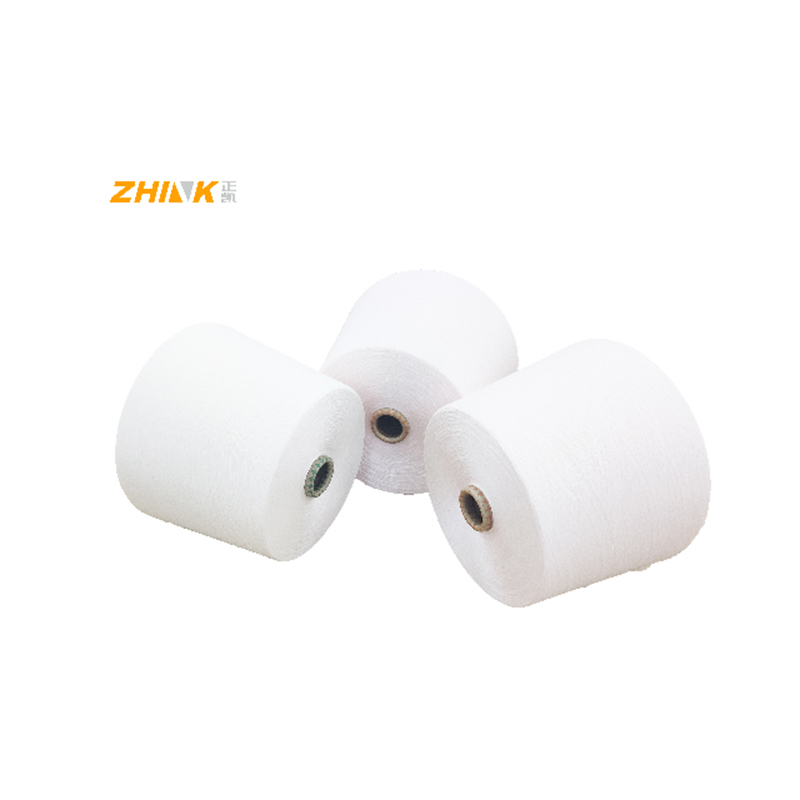
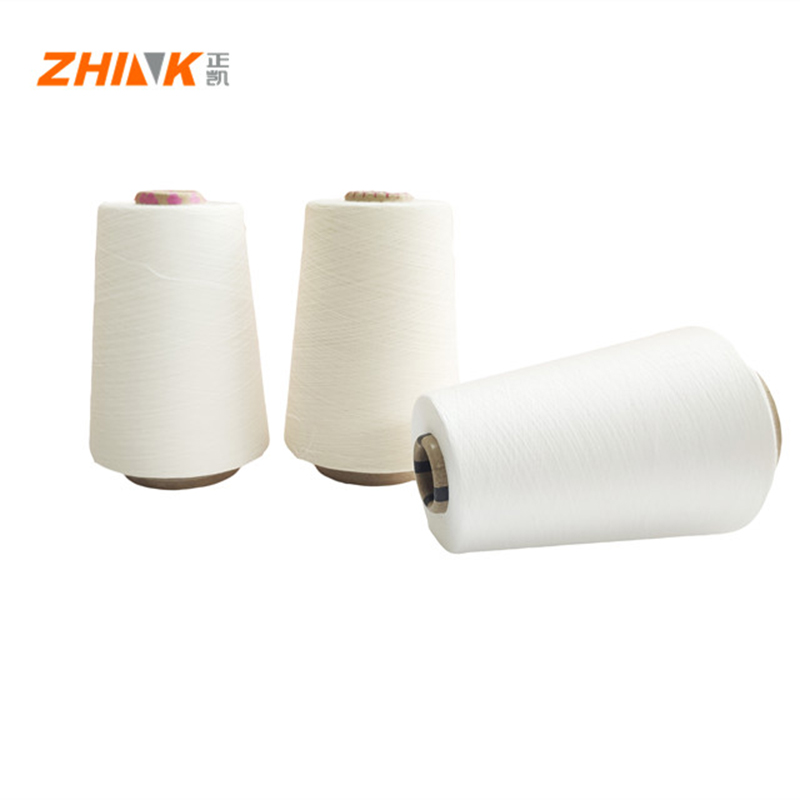
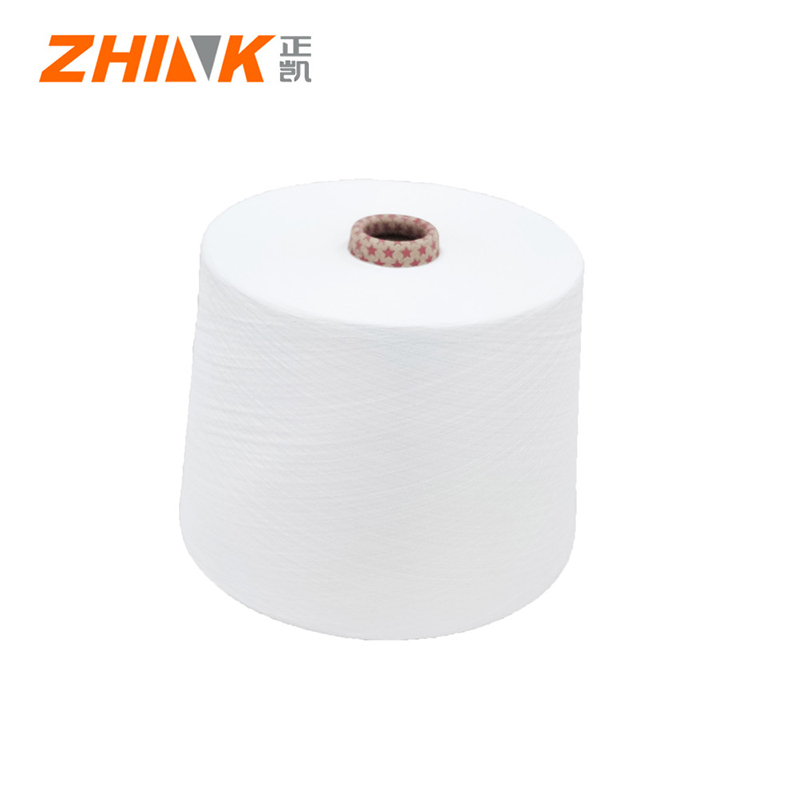
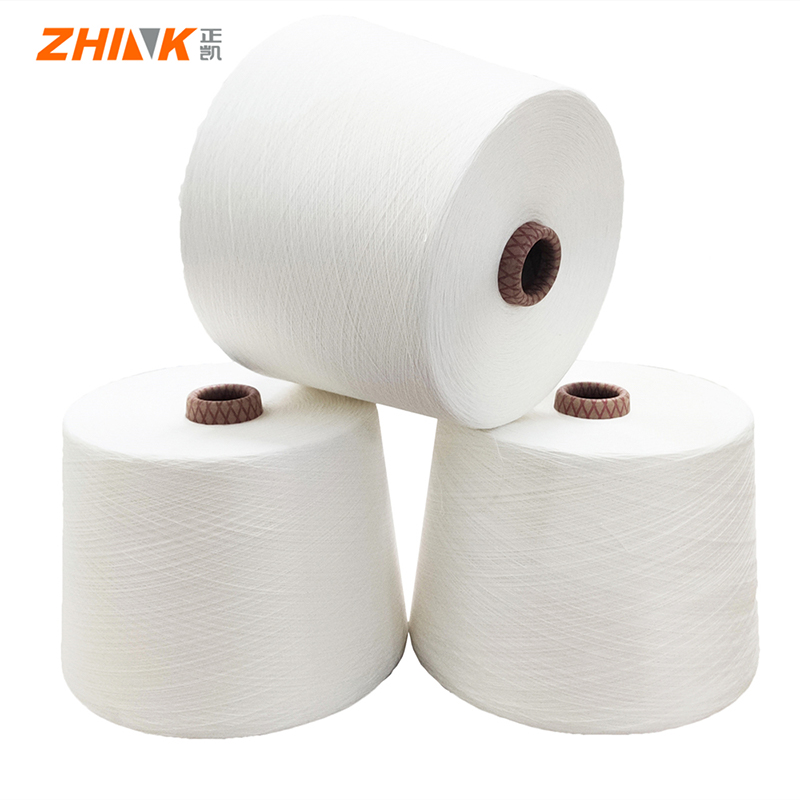
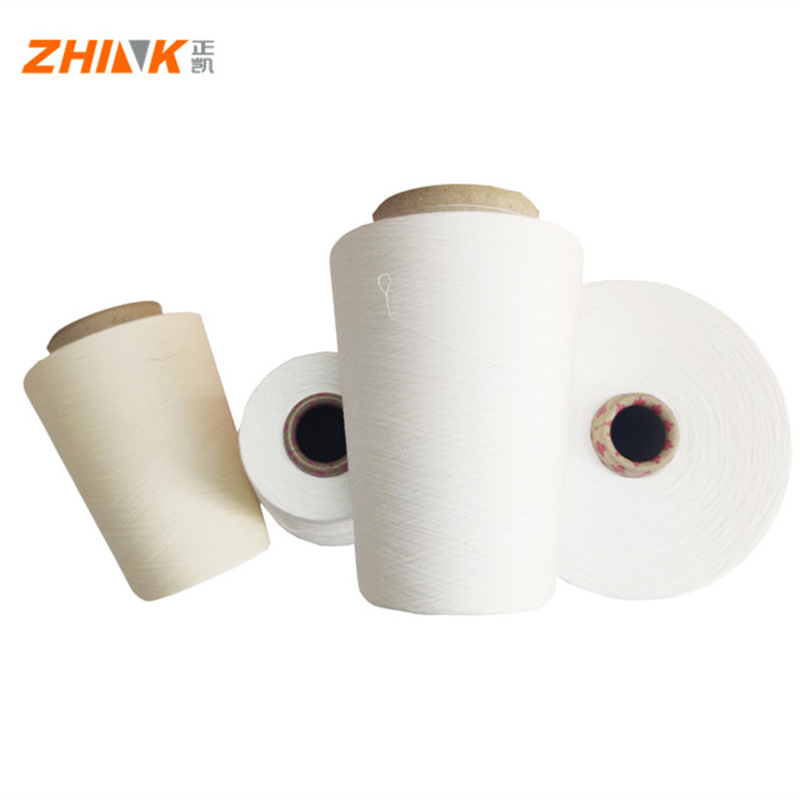
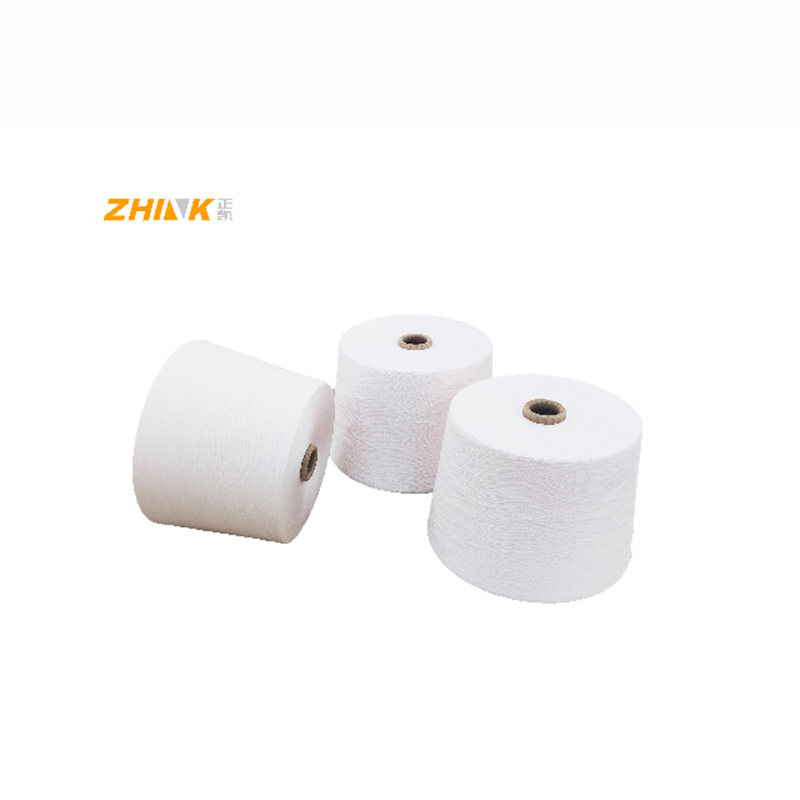
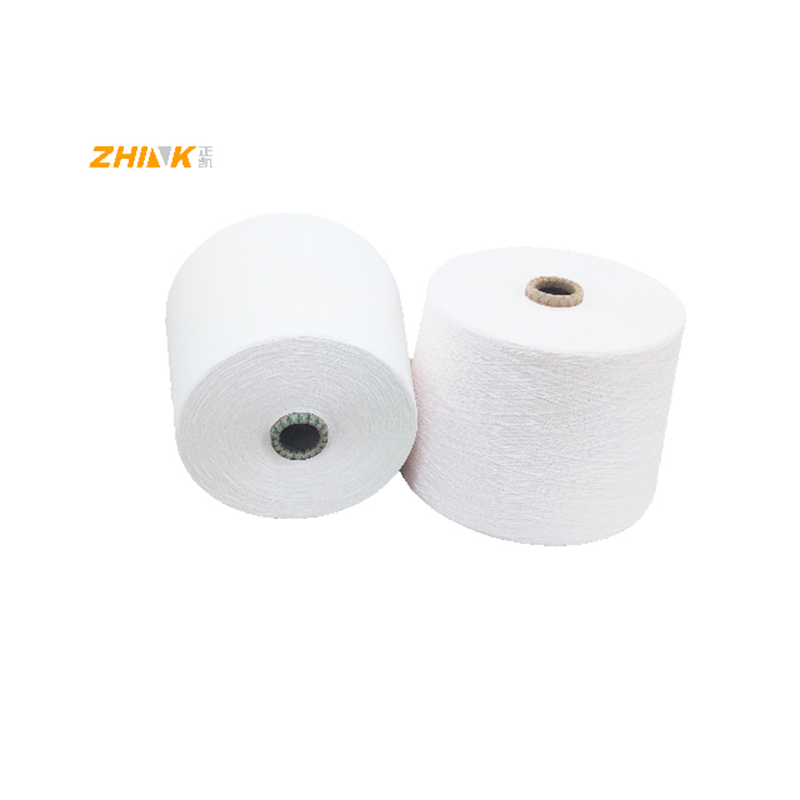
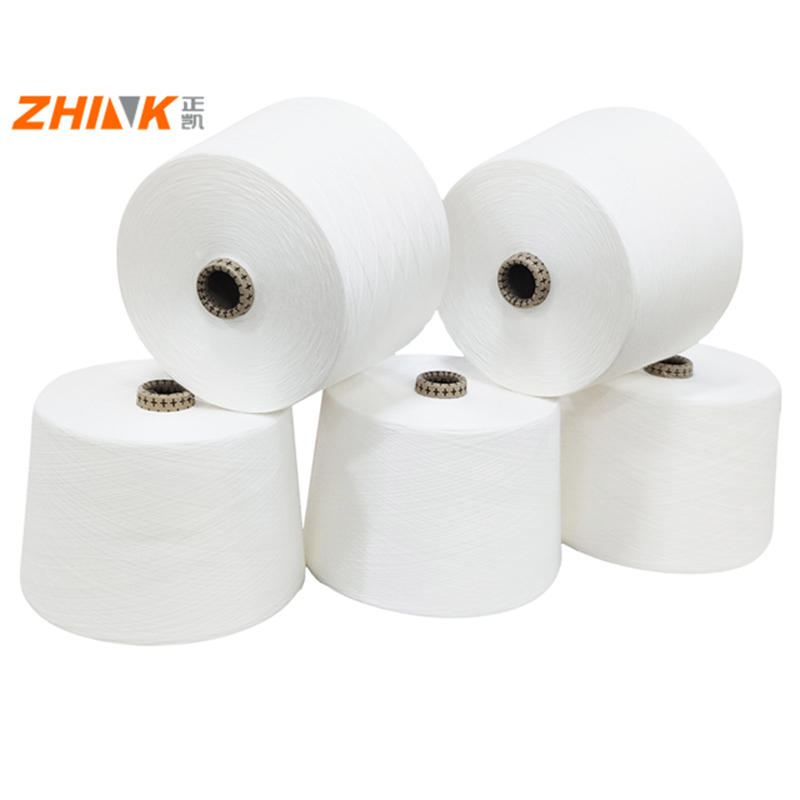
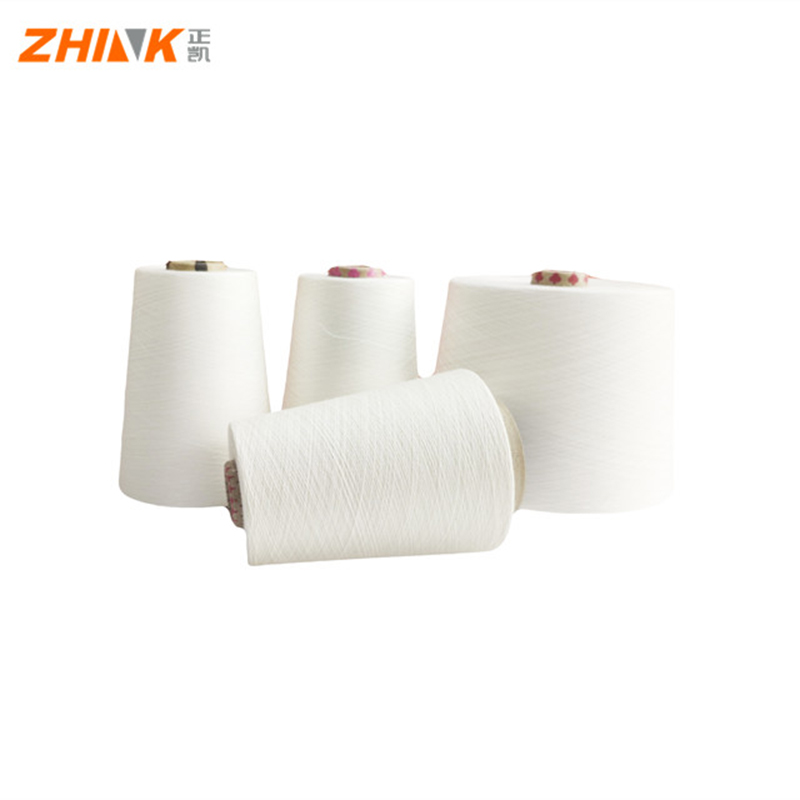
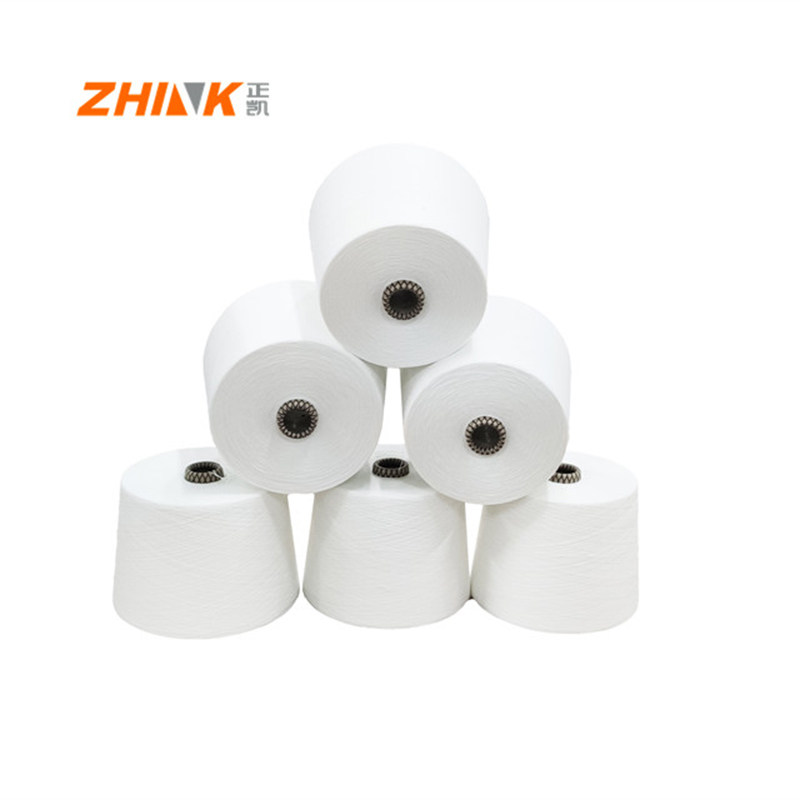
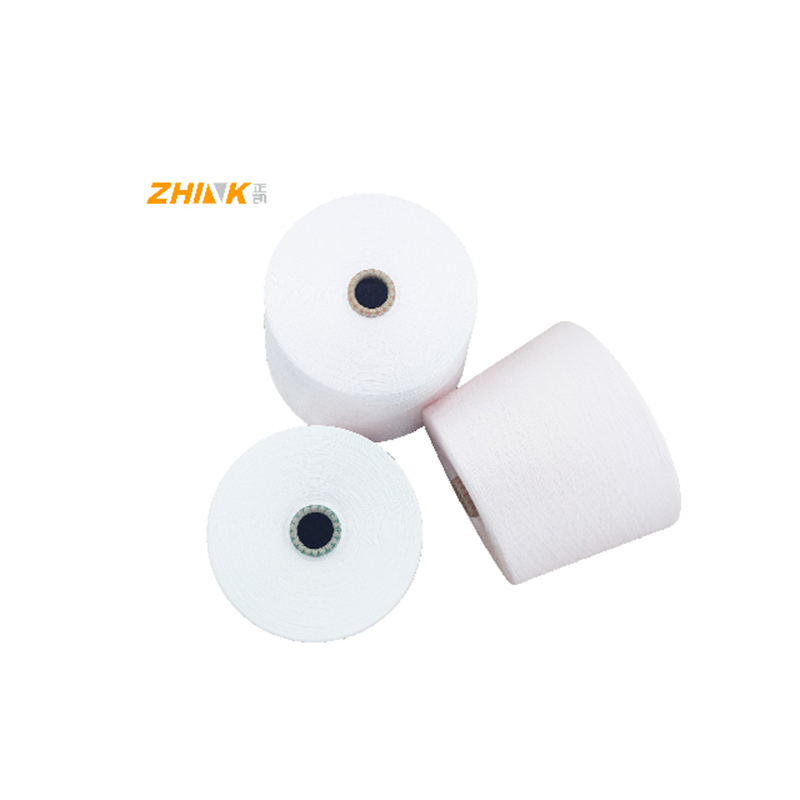
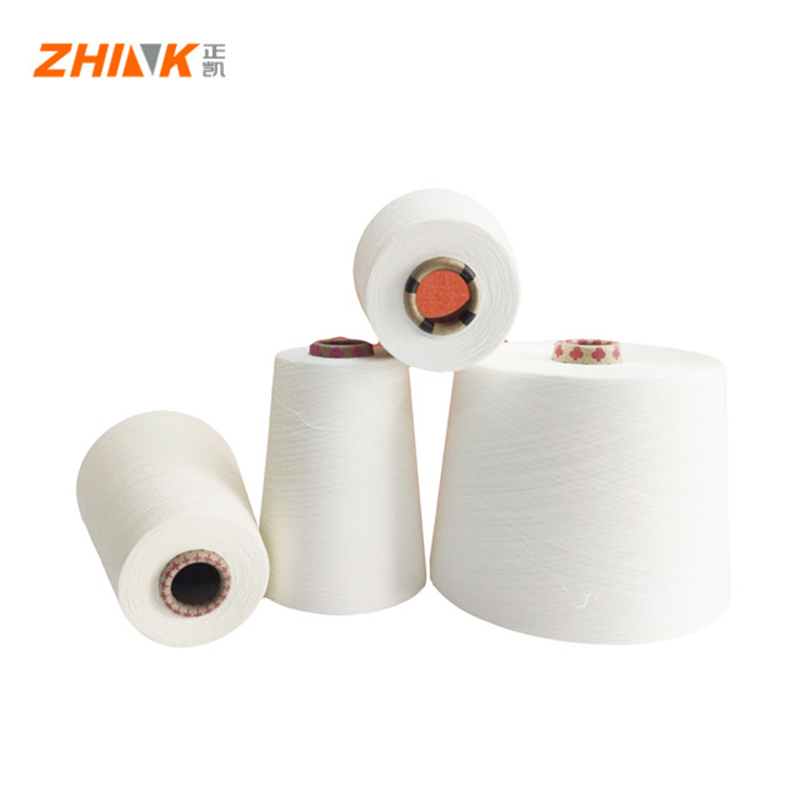
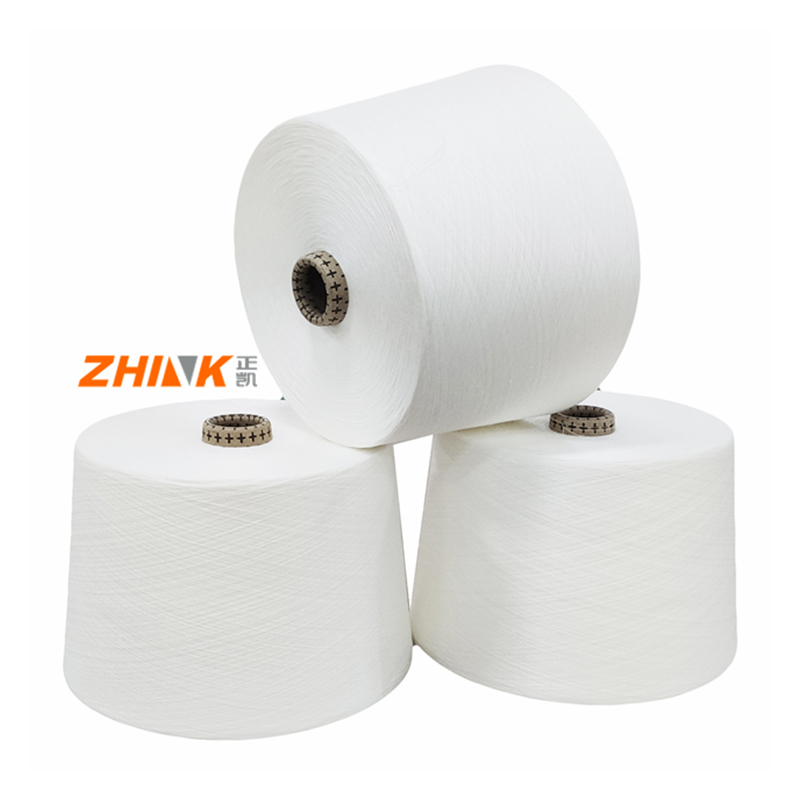
viscose double yarn
The Intricacies of Viscose Double Yarn
Viscose double yarn is a familiar term in the textile industry, yet it veils a rich complexity that many overlook. This yarn, a staple in many fabric blends, has its nuances that can challenge even seasoned professionals. Let's delve into what makes it so unique and perhaps dispel some common misconceptions along the way.
Understanding Viscose Double Yarn
At a glance, viscose double yarn might seem like just another yarn type. But the double yarn part is critical here. It involves intertwining two separate strands to enhance strength, elasticity, and drape. Anyone who's handled this knows the texture feels different, almost silkier, which often leads to the common misunderstanding that it might be weaker than its single counterpart. However, it’s the opposite. The doubled nature adds resilience.
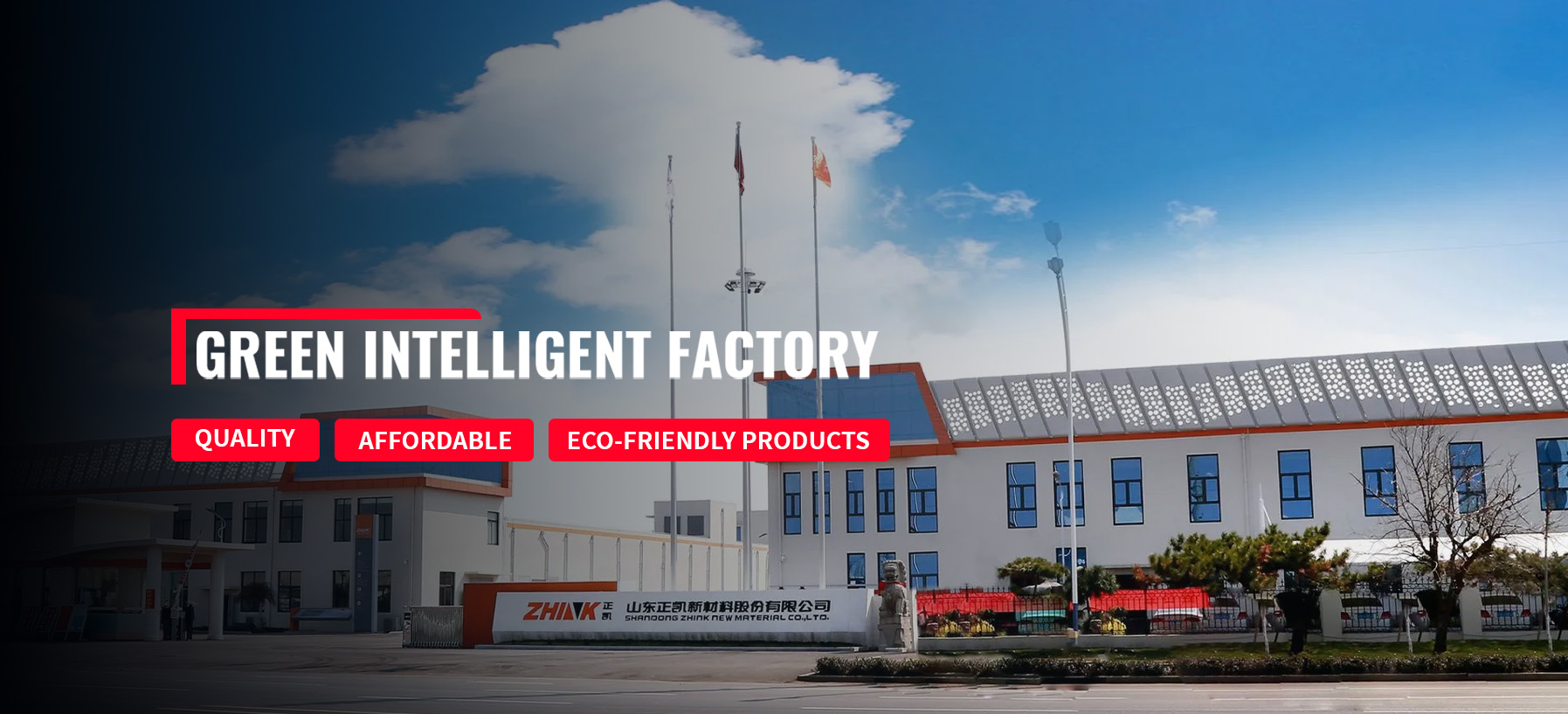
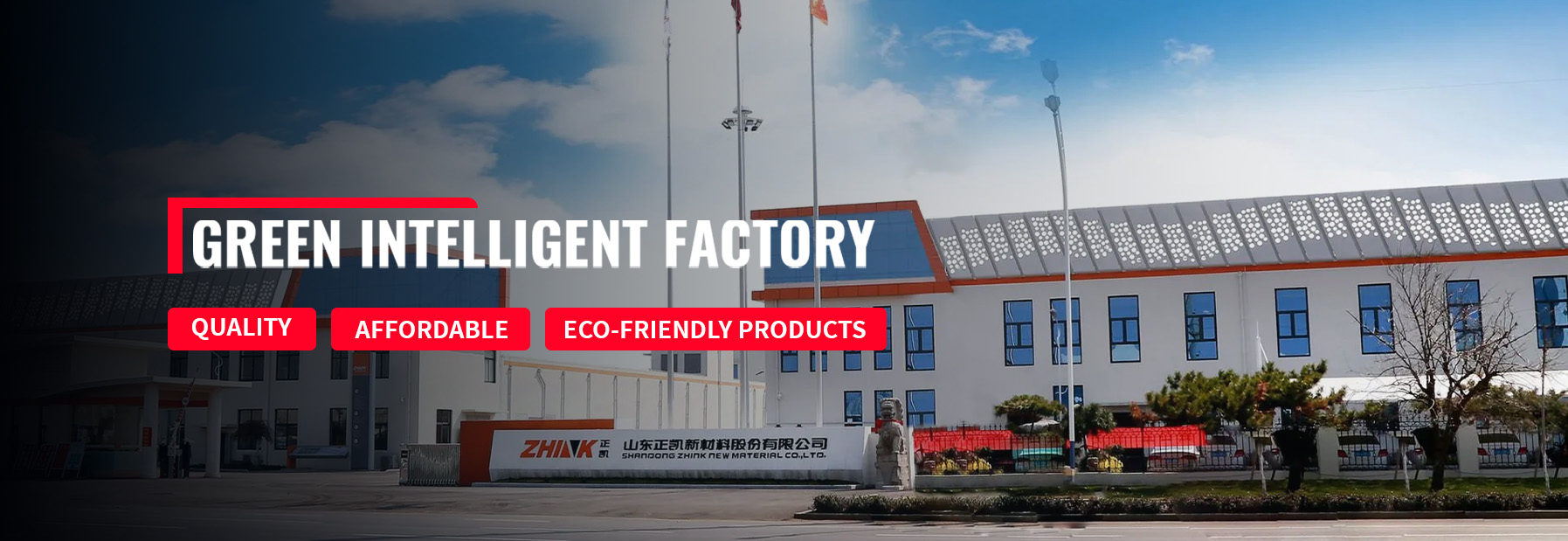
A personal note from when I worked at SHANDONG ZHINK NEW MATERIAL CO., LTD. Still vivid is an early project combining viscose double yarns. The challenges of managing tension and ensuring even spinning weren’t just technical—it required a nuanced touch. Our R&D team fine-tuned the processes with trial and error. The satisfaction when achieving that perfect balance was immense.
So, the misconception that viscose double yarn lacks durability? It’s rooted in the tactile softness that masks the hidden strength, not any actual weakness in the fiber.
Applications and Benefits
Why do many fabric designers opt for viscose double yarn? The applications are myriad. SHANDONG ZHINK NEW MATERIAL CO., LTD’s website outlines several, from drapey summer garments to luxurious homeware. We've even seen rising interest in sustainable fashion circles because the pairing of viscose’s renewable nature with added structural strength becomes compelling.
Yet, it’s in the details of production where the magic happens. Controlling the fineness and twist impacts breathability and sheen. One memory comes to mind of a client experiment mixing in eco-friendly dyes—watching the yarn take color was like observing watercolors on canvas; vivid yet soft. These properties extend its use not just in apparel but also in decorative textiles.
However, beware: it’s not a one-size-fits-all. Its behavior differs vastly in humidity, and not all machines handle its finer points well. That’s something you won’t read on a generic label.
Challenges in Production
Speaking of machinery, when using viscose double yarn in high-speed industrial machines, complications can arise if not properly managed. Viscose can be prone to snagging if the tension isn’t calibrated precisely—a lesson learned firsthand with a snagged batch that led to a production delay.
Those, like us at SHANDONG ZHINK NEW MATERIAL CO., LTD, aiming for sustainability, must also face bleaching and dyeing concerns. Consciously choosing less harsh chemicals helps maintain integrity and reduce environmental impact. Balancing these aspects often means stepping off the beaten path.
Beyond this, users face challenges with compatibility in blends. Combining it with synthetic fibers needs handling expertise to avoid degradation while retaining desirable traits. Thus, understanding each blend component is crucial for innovation.
Market Trends and Innovations
Interestingly, the market has been shifting. With an increase in consumer awareness, there's a real demand for sustainable sources of viscose double yarn. At our company, we've made strides in R&D to cater to this, implementing greener practices without sacrificing quality.
Our initiatives are mirrored by trends across the sector thinking less about mass production and more about value quality propositions. This shift demands agility and continuing education on the latest techniques and materials, something not every manufacturer is prepared to supply.
Additionally, the rise in digital platforms selling directly to designers means there's a market for smaller, customized batches. A pivot we at SHANDONG ZHINK NEW MATERIAL CO., LTD are exploring dynamically through direct sales via platforms outlined on our site.
Final Considerations
In closing, viscose double yarn is more than a textile material; it’s a gateway to innovation and sustainable practices. Each production step, from spinning to dyeing, offers an opportunity to refine and redefine how we craft with yarn.
Our experience at SHANDONG ZHINK NEW MATERIAL CO., LTD demonstrates that a partnership between innovation and tradition continues to unlock the potential of viscose double yarn. As we tread this path, sharing insights and learning from each batch, the textile industry evolves, stitch by stitch.
For those looking to dive deeper into these discussions or explore textile solutions, I suggest visiting our website: https://www.zhinkyarn.com, where more insights await.
Related Products
Related Products