+86-632-3621866
- Chinese
- French
- German
- Portuguese
- Spanish
- Russian
- Japanese
- Korean
- Arabic
- Irish
- Greek
- Turkish
- Italian
- Danish
- Romanian
- Indonesian
- Czech
- Afrikaans
- Swedish
- Polish
- Basque
- Catalan
- Esperanto
- Hindi
- Lao
- Albanian
- Amharic
- Armenian
- Azerbaijani
- Belarusian
- Bengali
- Bosnian
- Bulgarian
- Cebuano
- Chichewa
- Corsican
- Croatian
- Dutch
- Estonian
- Filipino
- Finnish
- Frisian
- Galician
- Georgian
- Gujarati
- Haitian
- Hausa
- Hawaiian
- Hebrew
- Hmong
- Hungarian
- Icelandic
- Igbo
- Javanese
- Kannada
- Kazakh
- Khmer
- Kurdish
- Kyrgyz
- Latin
- Latvian
- Lithuanian
- Luxembou..
- Macedonian
- Malagasy
- Malay
- Malayalam
- Maltese
- Maori
- Marathi
- Mongolian
- Burmese
- Nepali
- Norwegian
- Pashto
- Persian
- Punjabi
- Serbian
- Sesotho
- Sinhala
- Slovak
- Slovenian
- Somali
- Samoan
- Scots Gaelic
- Shona
- Sindhi
- Sundanese
- Swahili
- Tajik
- Tamil
- Telugu
- Thai
- Ukrainian
- Urdu
- Uzbek
- Vietnamese
- Welsh
- Xhosa
- Yiddish
- Yoruba
- Zulu
- Kinyarwanda
- Tatar
- Oriya
- Turkmen
- Uyghur



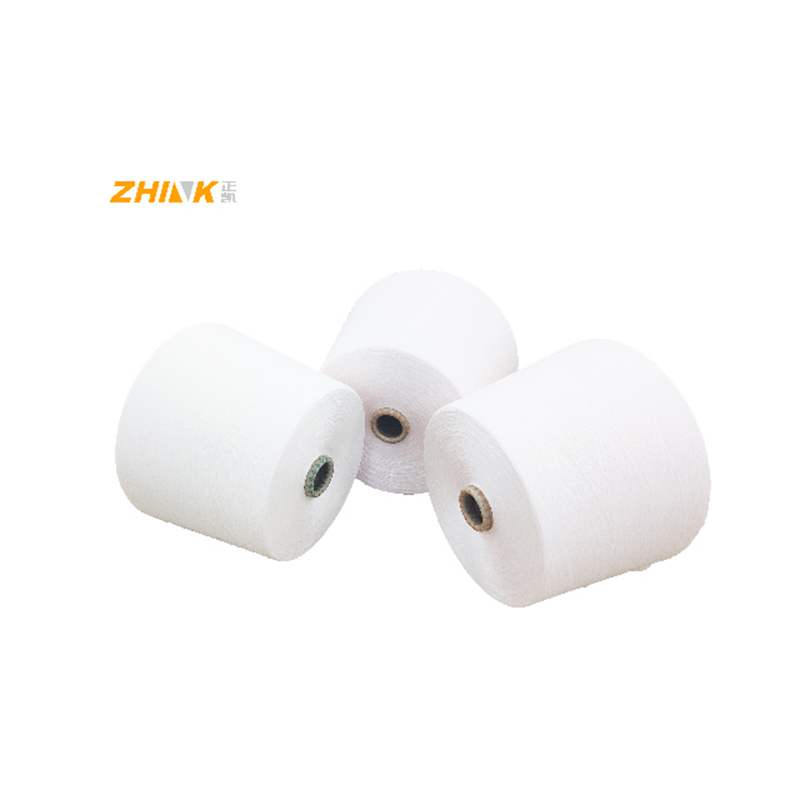
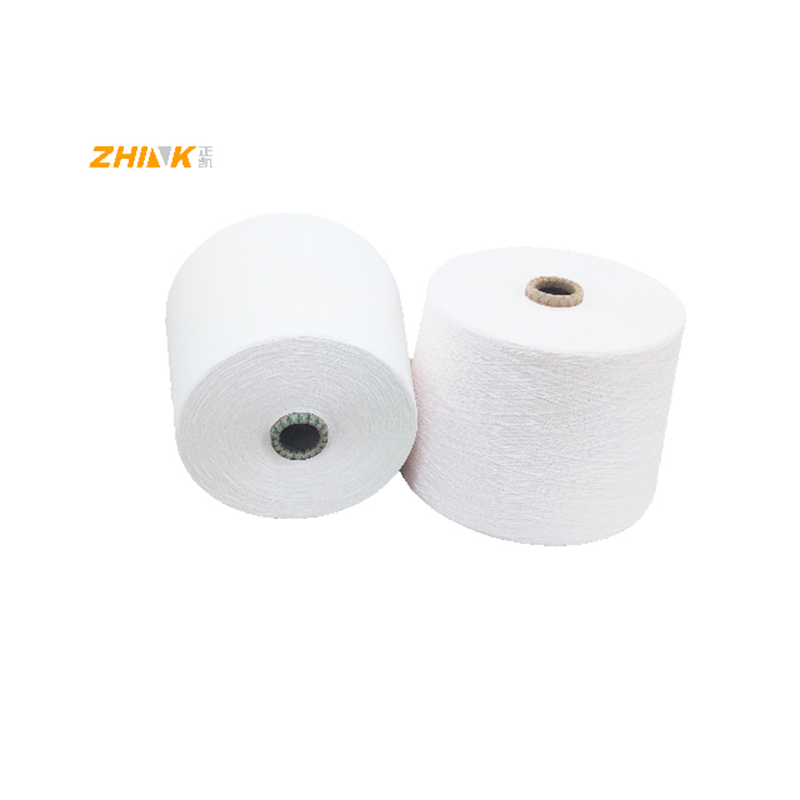
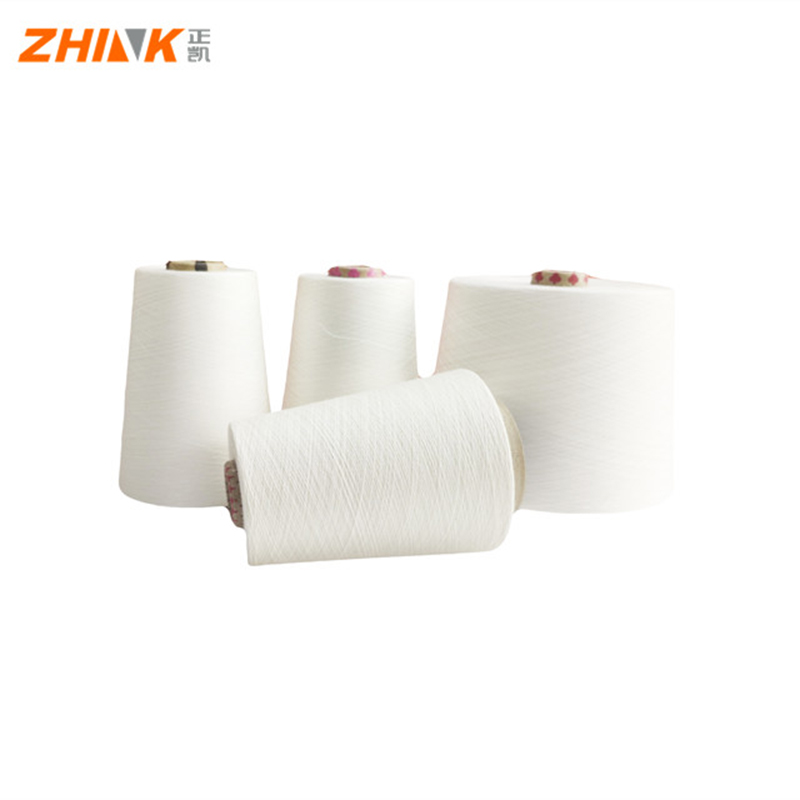
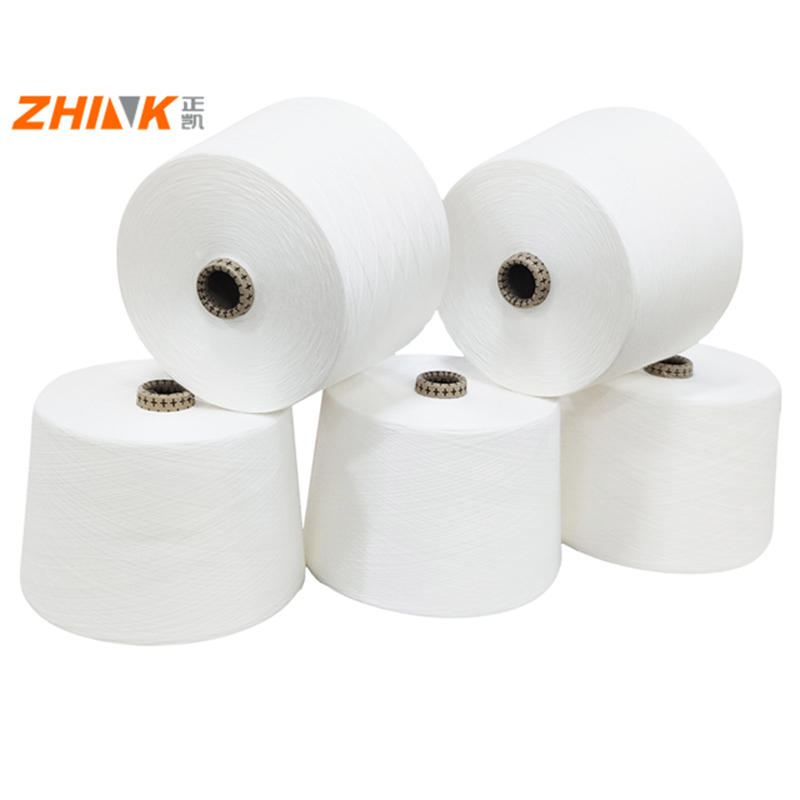
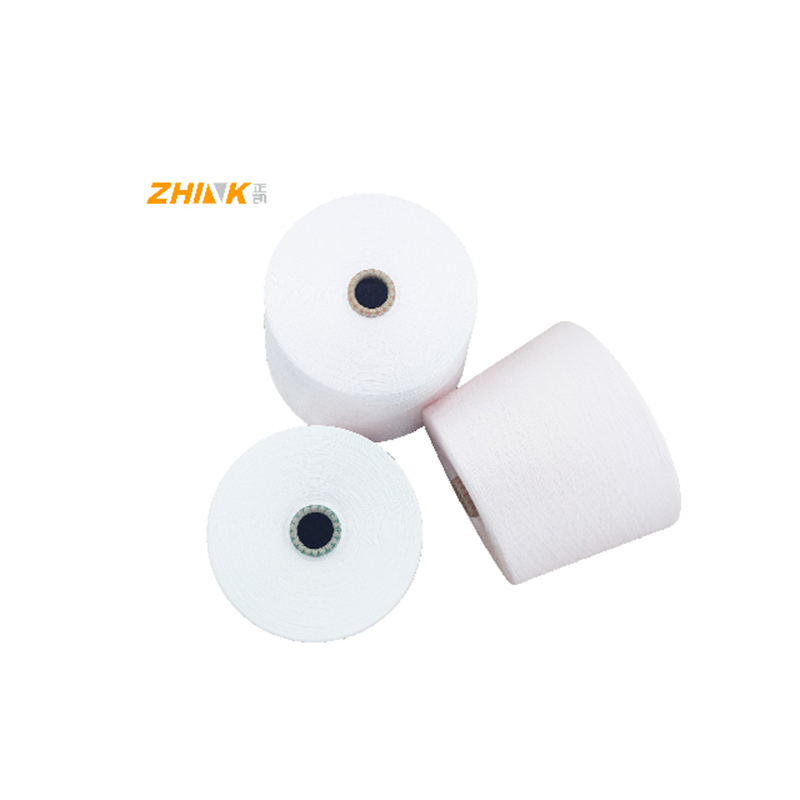
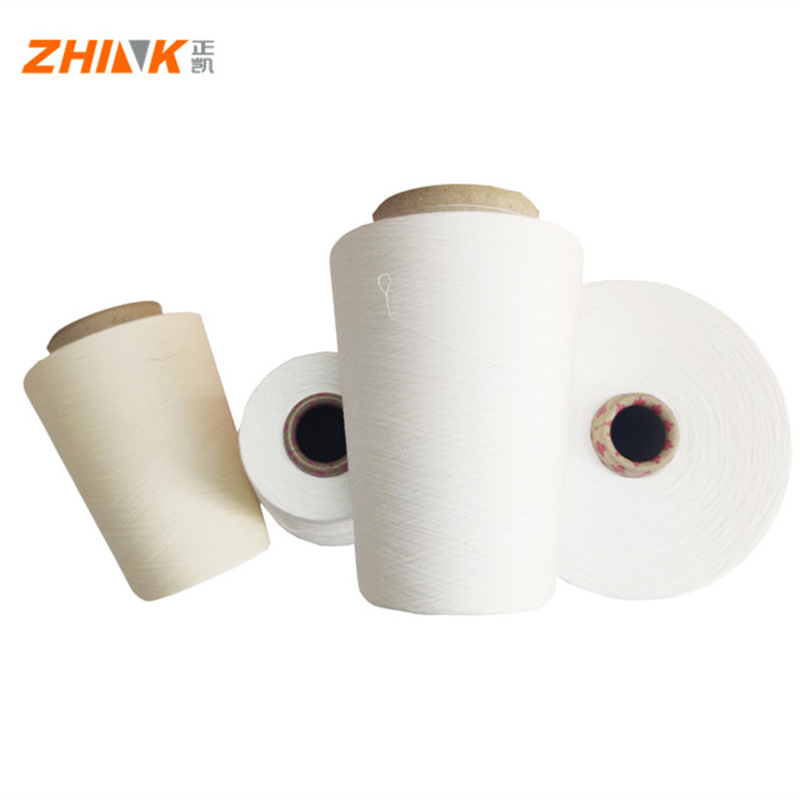
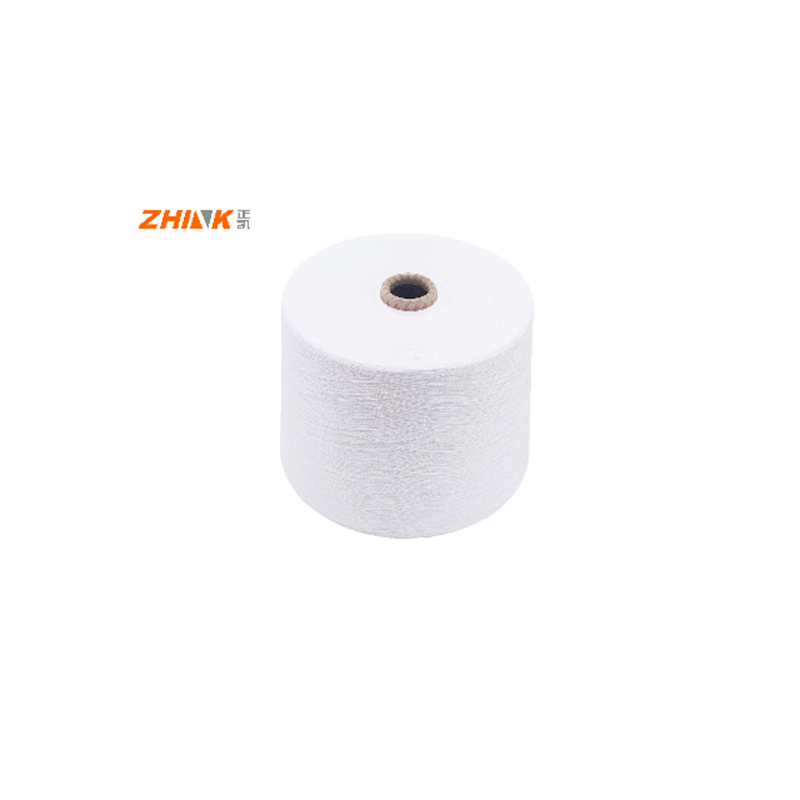
viscose dyed yarn
The World of Viscose Dyed Yarn: Insights and Intricacies
Exploring the universe of viscose dyed yarn uncovers a rich tapestry of color and texture, offering endless possibilities for textile innovation. However, the path to mastering this material is fraught with common pitfalls and intriguing challenges.
Understanding Viscose Dyed Yarn
When we talk about viscose dyed yarn, it's essential to first appreciate its unique qualities. Viscose, being a man-made fiber derived from cellulose, presents a soft and silky texture. However, despite its luxurious feel, it requires careful handling during the dyeing process to maintain color fastness and avoid uneven coloring.
One thing I’ve repeatedly noticed in the industry is that newer players often underestimate the role of water quality in dyeing viscose. Hard water, for instance, can lead to a surprising array of unwanted consequences, from color inconsistency to fabric damage.
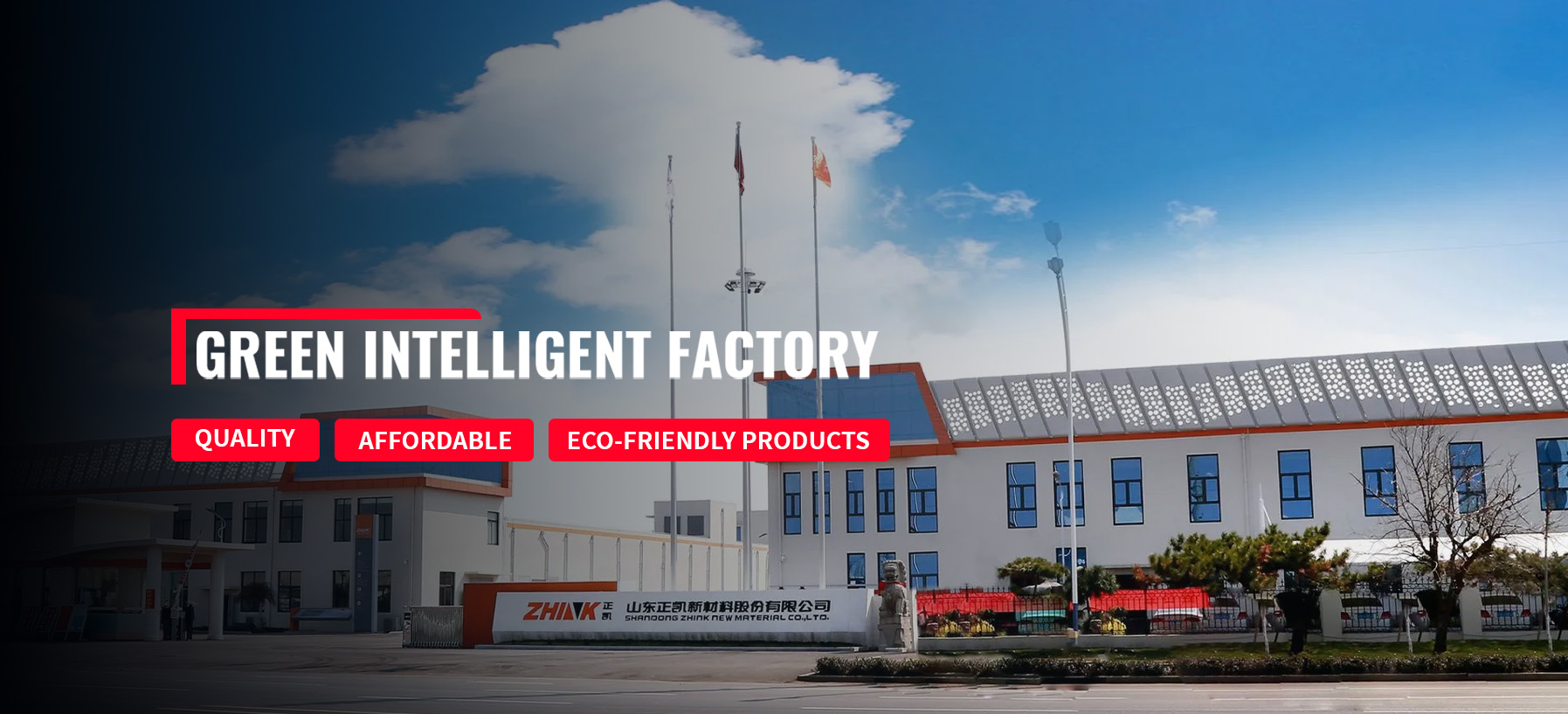
At SHANDONG ZHINK NEW MATERIAL CO., LTD, where we specialize in developing innovative textile solutions, we place a lot of emphasis on understanding these subtle nuances. You can learn more about our initiatives at our website.
Challenges in the Dyeing Process
I remember a particular case where we attempted to replicate a specific hue that kept eluding us. The initial trials suggested a problem with the dye formation itself, but it eventually traced back to the interaction between our chosen dye and the specific batch of viscose.
Such challenges are far from uncommon. The process of dyeing viscose involves multiple variables, each capable of slightly affecting the outcome. This includes temperature control, pH levels, and even slight variations in the composition of the viscose itself.
Nevertheless, these hurdles are not insurmountable. With experience and meticulous attention to detail, many of these issues can be mitigated, if not outright avoided.
Common Missteps and Corrections
In the world of textiles, especially with products like viscose dyed yarn, mistakes happen. One common oversight is rushing the rinsing stage. Impatience here often results in dye bleeding, which compromises the final product quality.
From my hands-on experiences, slowing down during crucial stages pays off in the long run. Patience ensures that the dye sets properly, enhancing both the vibrancy and durability of the yarn.
Another notable point is the choice of dye. Not all dyes are compatible with viscose, and understanding which dyes work best is a matter of both art and science.
Innovations in Viscose Dyeing
An area of exciting development is sustainable dyeing techniques. At SHANDONG ZHINK NEW MATERIAL CO., LTD, sustainability is at the forefront of our research. Our new eco-friendly dye processes aim to minimize environmental impact without sacrificing quality.
The move towards greener practices, however, doesn’t happen overnight. It involves rethinking every aspect of the dyeing process, from the chemicals used to the waste produced. Our commitment to this can be explored further at our website.
It's a challenging yet rewarding endeavor, paving the way for responsibly produced yarns that cater to an increasingly eco-conscious market.
The Final Takeaway
In conclusion, working with viscose dyed yarn is a complex balancing act requiring in-depth knowledge and fine-tuned processes. It’s an arena where technical expertise and creative exploration go hand-in-hand.
For anyone delving into this field, patience and precision are critical. There’s much to learn from every batch, every color, and every setback. At SHANDONG ZHINK NEW MATERIAL CO., LTD, we continue to push boundaries in textile innovation, ever committed to excellence in every strand.
Whether you're a seasoned expert or an industry novice, the colorful world of viscose yarn beckons with promises of both challenges and rewards.
Related Products
Related Products