+86-632-3621866
- Chinese
- French
- German
- Portuguese
- Spanish
- Russian
- Japanese
- Korean
- Arabic
- Irish
- Greek
- Turkish
- Italian
- Danish
- Romanian
- Indonesian
- Czech
- Afrikaans
- Swedish
- Polish
- Basque
- Catalan
- Esperanto
- Hindi
- Lao
- Albanian
- Amharic
- Armenian
- Azerbaijani
- Belarusian
- Bengali
- Bosnian
- Bulgarian
- Cebuano
- Chichewa
- Corsican
- Croatian
- Dutch
- Estonian
- Filipino
- Finnish
- Frisian
- Galician
- Georgian
- Gujarati
- Haitian
- Hausa
- Hawaiian
- Hebrew
- Hmong
- Hungarian
- Icelandic
- Igbo
- Javanese
- Kannada
- Kazakh
- Khmer
- Kurdish
- Kyrgyz
- Latin
- Latvian
- Lithuanian
- Luxembou..
- Macedonian
- Malagasy
- Malay
- Malayalam
- Maltese
- Maori
- Marathi
- Mongolian
- Burmese
- Nepali
- Norwegian
- Pashto
- Persian
- Punjabi
- Serbian
- Sesotho
- Sinhala
- Slovak
- Slovenian
- Somali
- Samoan
- Scots Gaelic
- Shona
- Sindhi
- Sundanese
- Swahili
- Tajik
- Tamil
- Telugu
- Thai
- Ukrainian
- Urdu
- Uzbek
- Vietnamese
- Welsh
- Xhosa
- Yiddish
- Yoruba
- Zulu
- Kinyarwanda
- Tatar
- Oriya
- Turkmen
- Uyghur


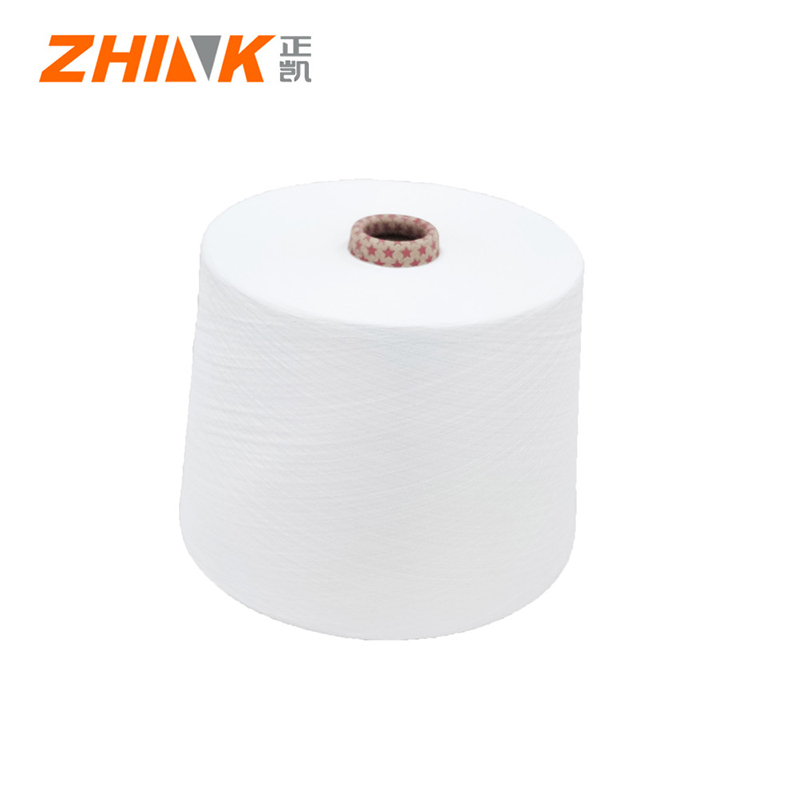
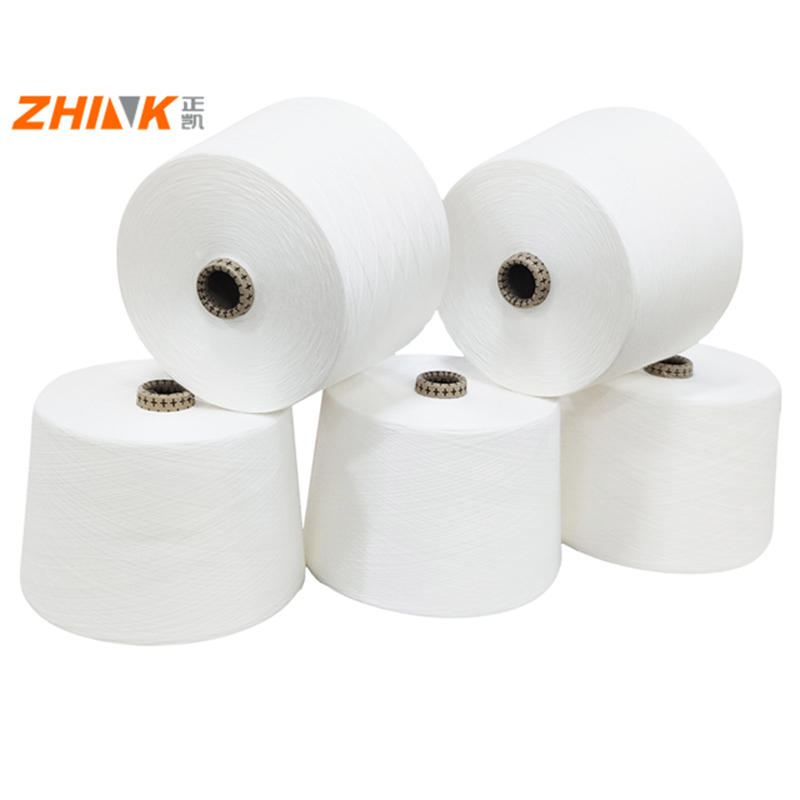
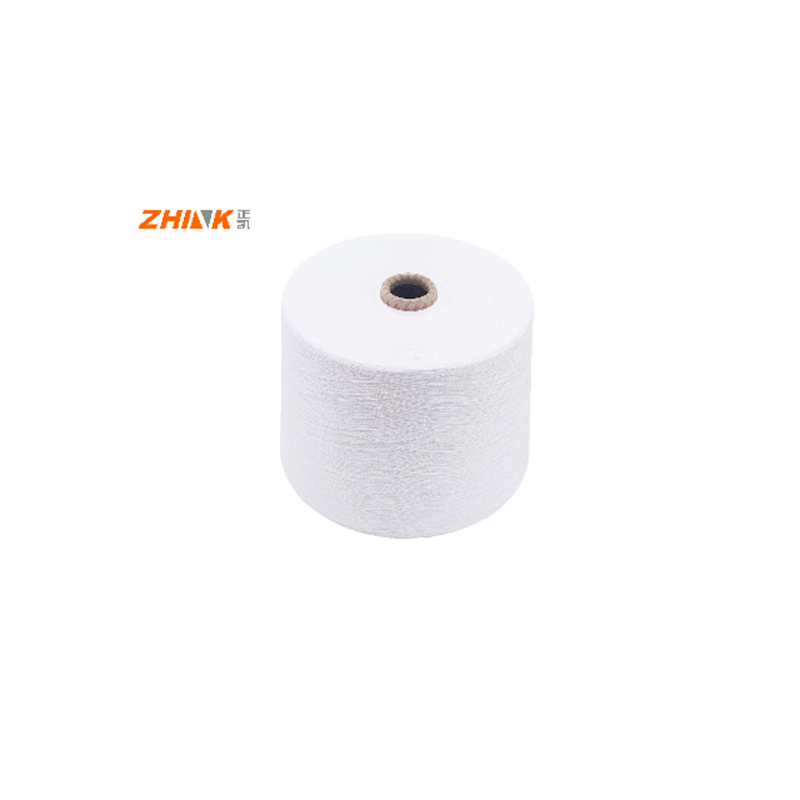
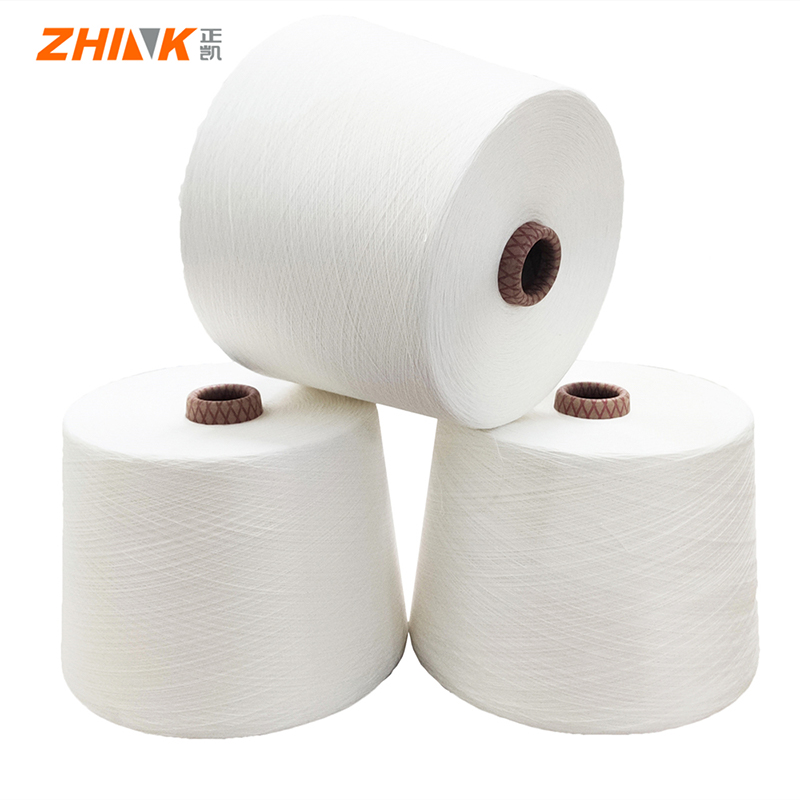
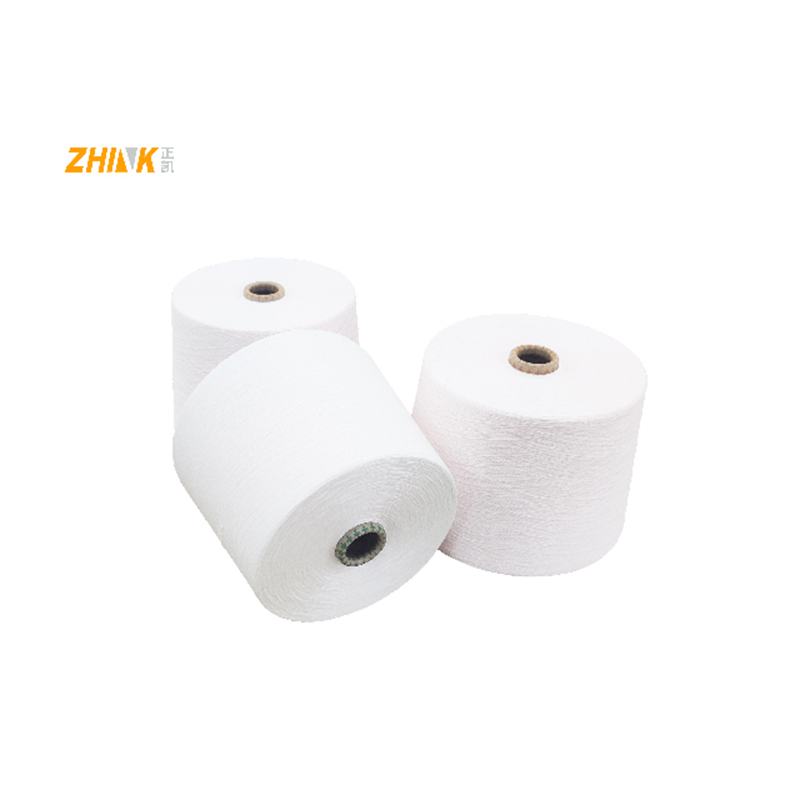
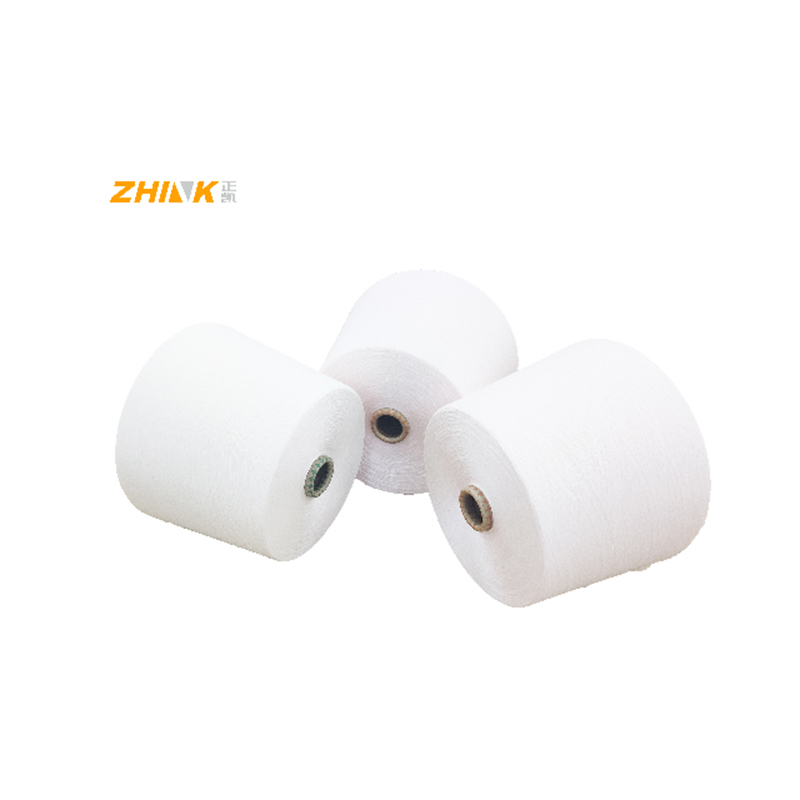
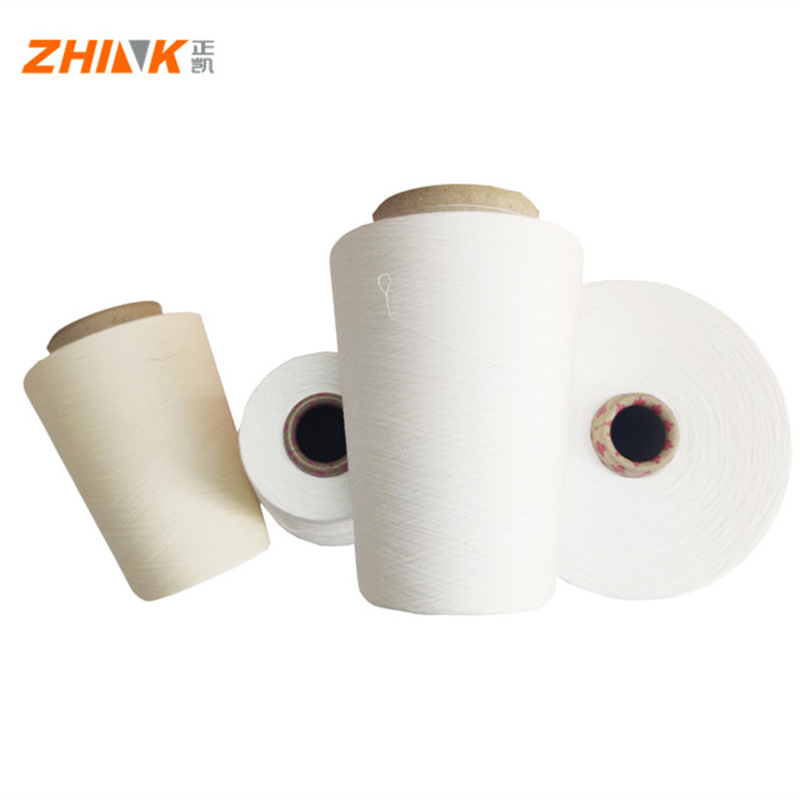
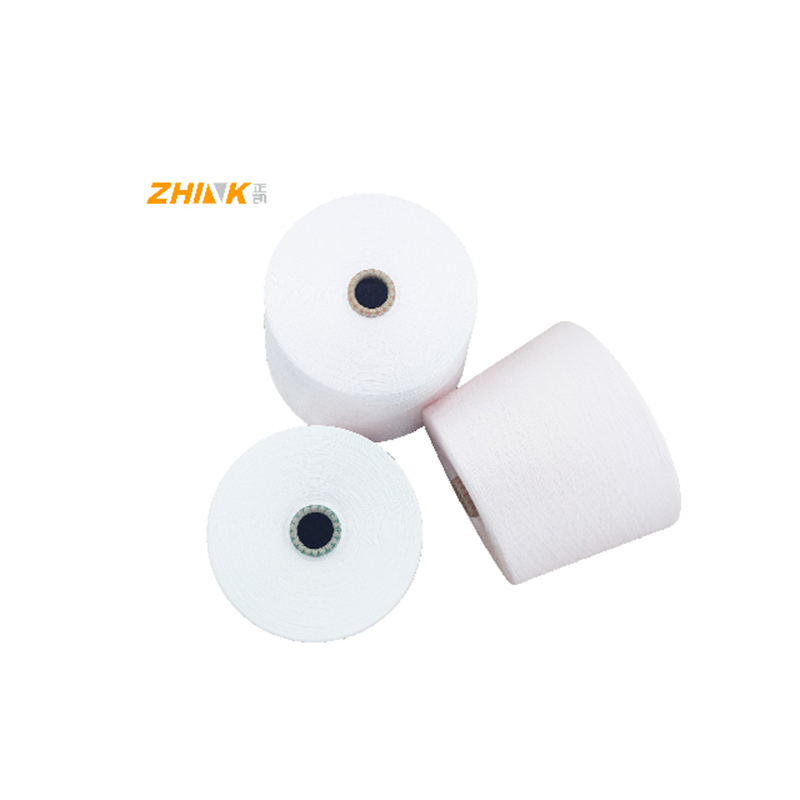
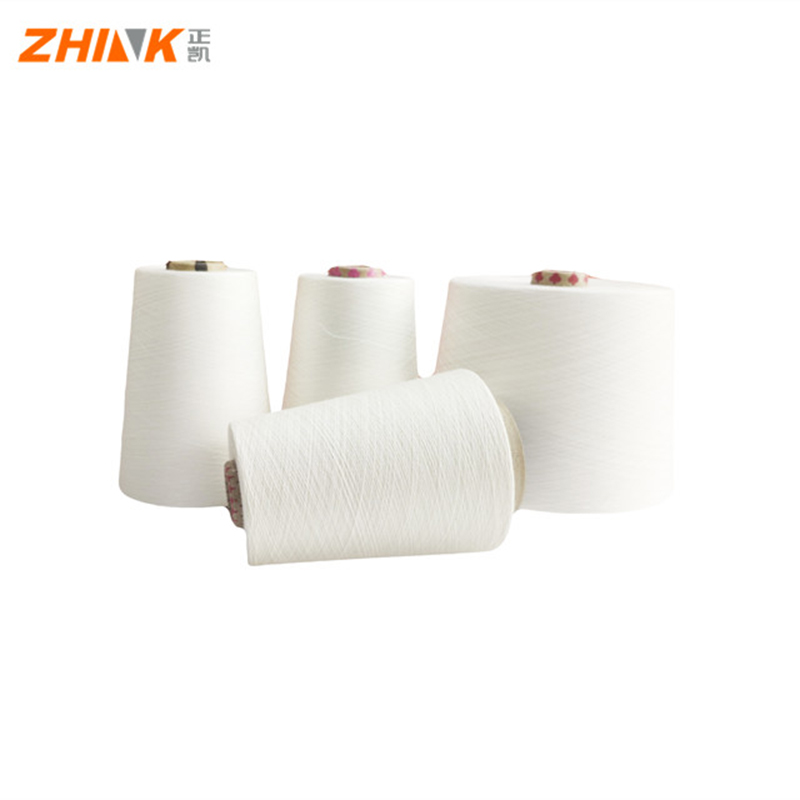
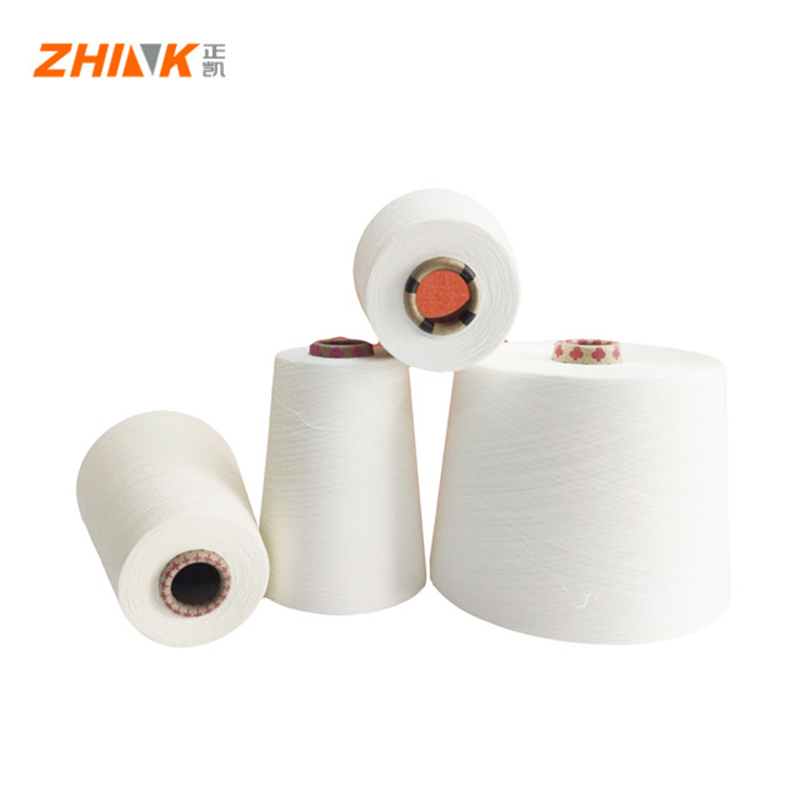
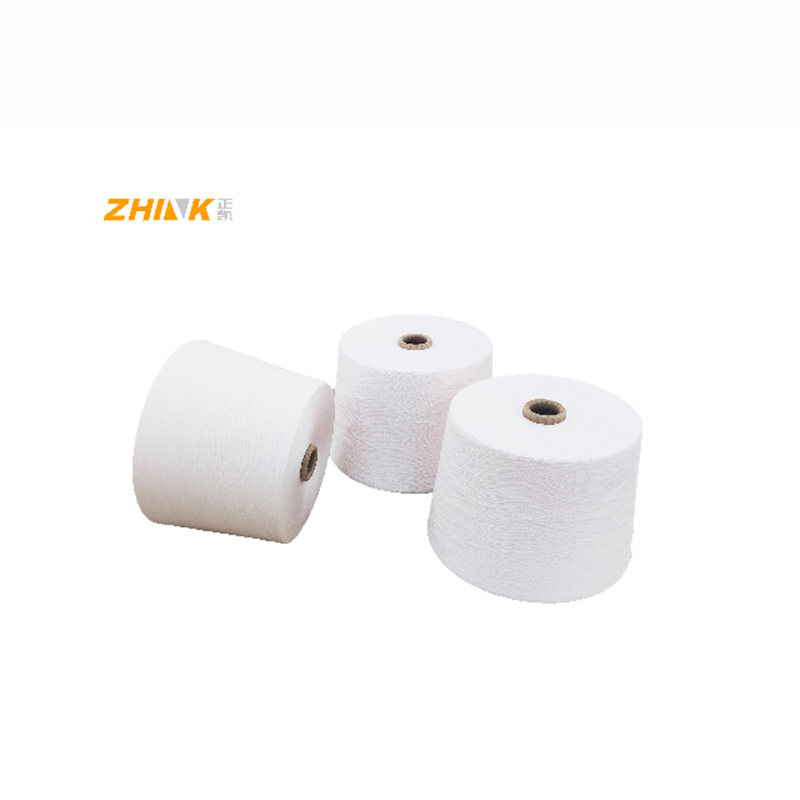
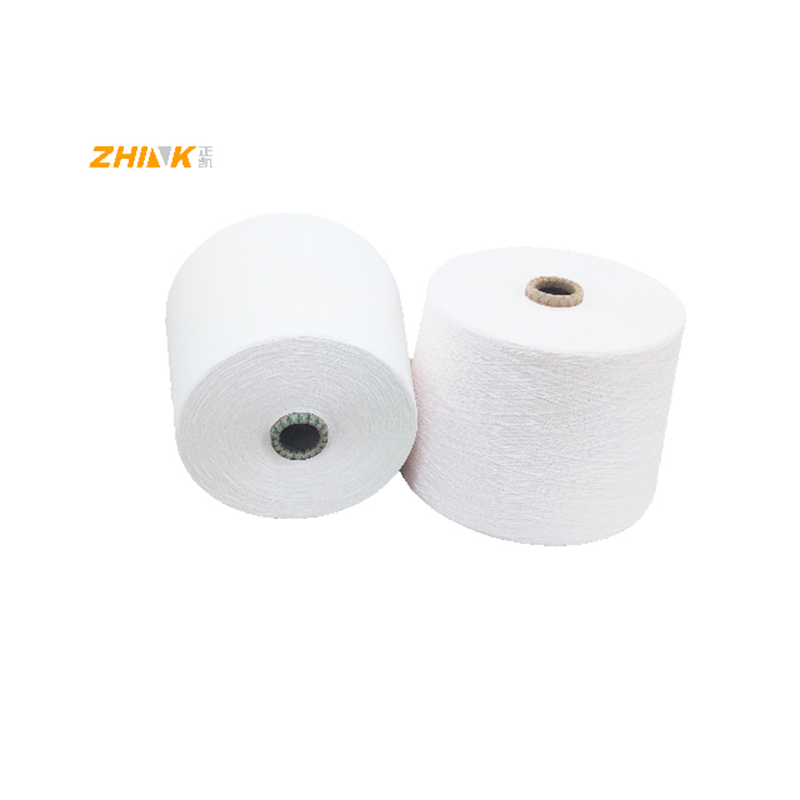
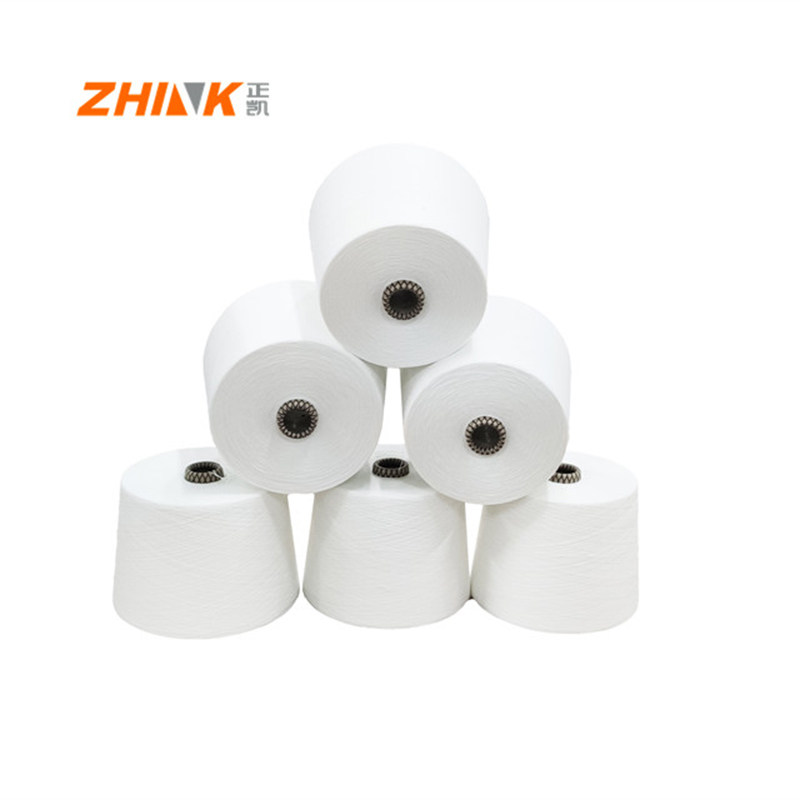
viscose fiber yarn
html
The Art and Science of Viscose Fiber Yarn
Understanding viscose fiber yarn involves navigating a world where science meets artistry. It's about more than just production—it's a dance of innovation and tradition, peppered with unique challenges and evolving techniques.
What Makes Viscose Special?
To truly appreciate viscose fiber yarn, you need to recognize its unique properties. Often mistaken for natural fibers due to its silk-like appearance, viscose boasts a drape and luster that's hard to match. But it's not just about looks; its breathability and moisture-wicking capabilities make it a choice material for summer wear.
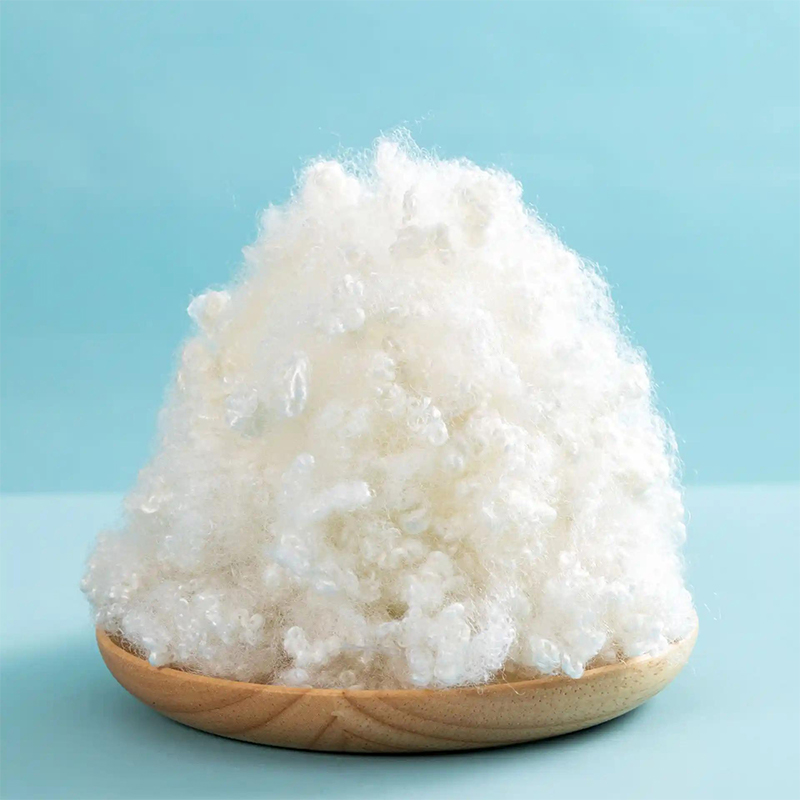
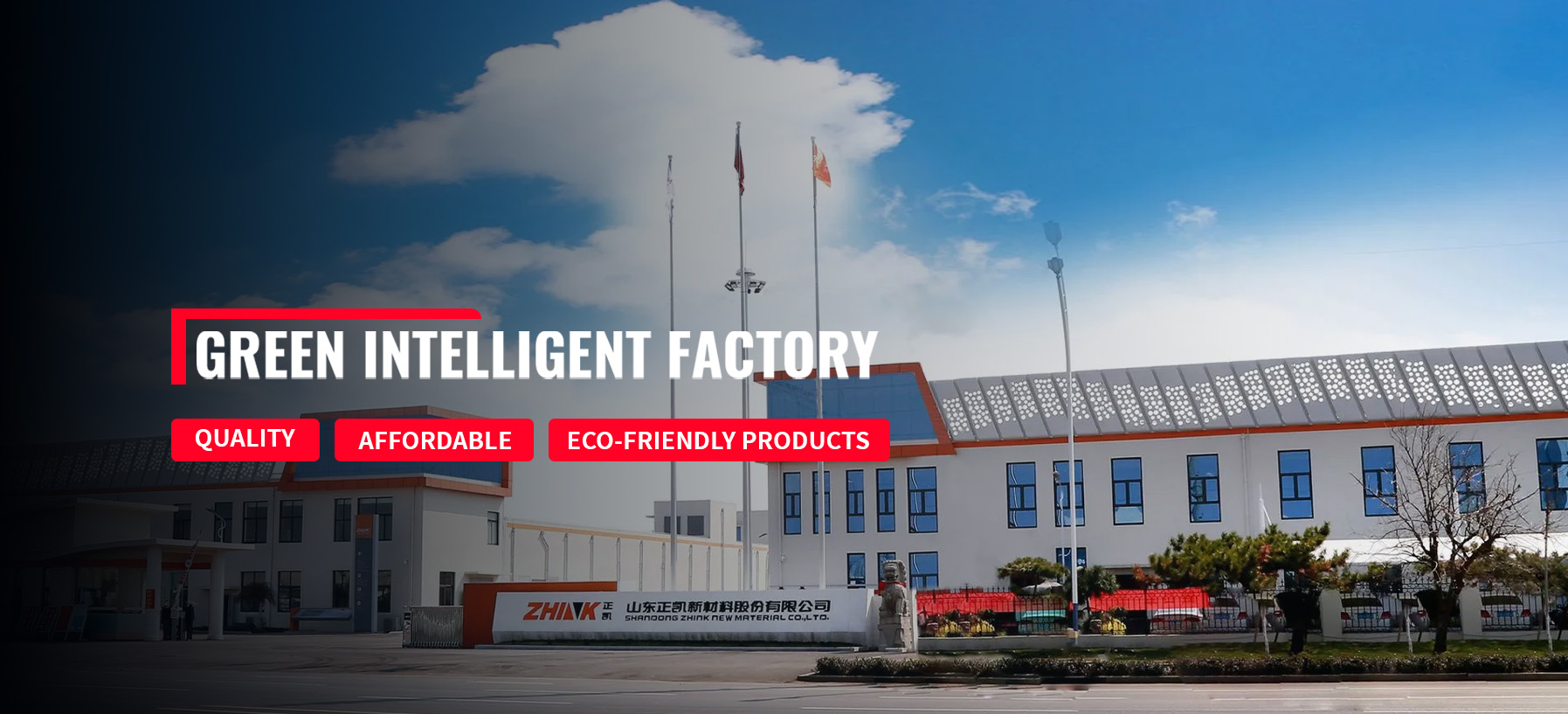
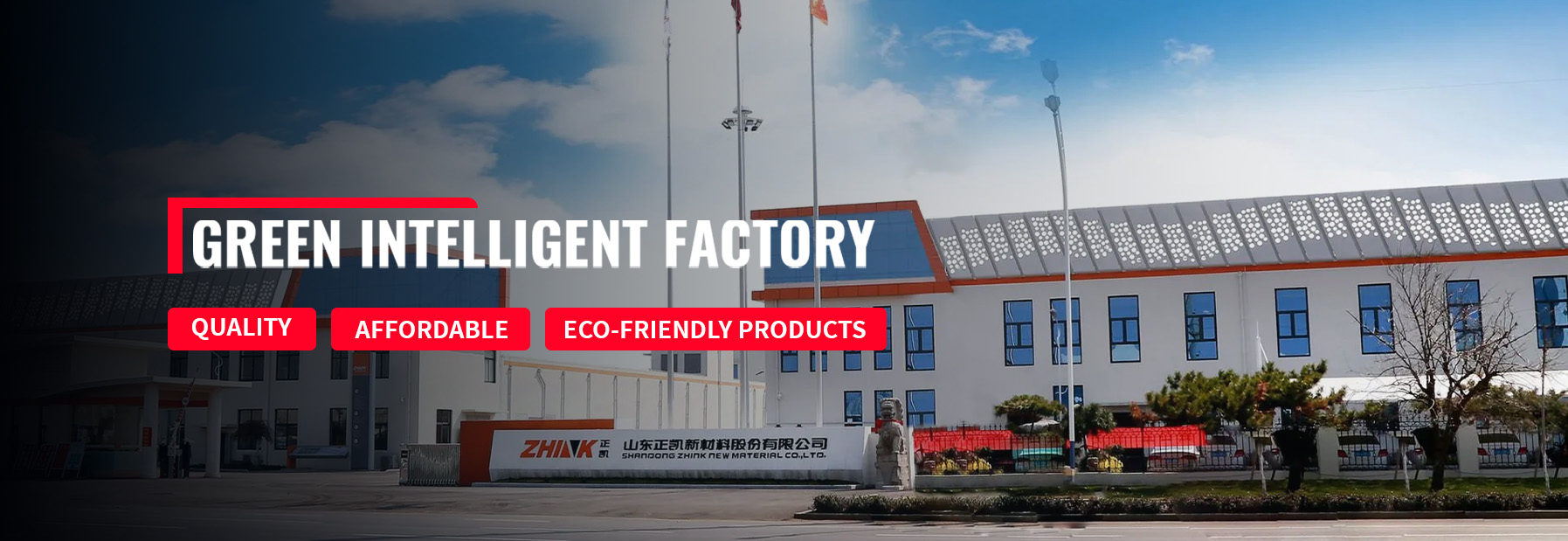
However, creating viscose isn't as straightforward as it might seem. The process transforms cellulose into a marvelously soft yarn, and this transformation is where both the beauty and complexity lie. Visiting facilities that handle this, such as Zhink New Material, reveals just how meticulous the procedure needs to be.
The environmental aspect is also a recurring conversation. While not inherently eco-friendly, advances by companies like SHANDONG ZHINK NEW MATERIAL CO., LTD aim to mitigate these concerns by developing more sustainable methods of production.
The Challenges in Production
Manufacturing viscose fiber yarn presents its own set of hurdles. Getting the consistency right—avoiding brittleness while ensuring it retains its tensile strength—requires precision. And, it's not just an isolated process. The interaction of humidity, temperature, and even machinery calibration play crucial roles.
From my experience, one time our team faced an unexpected shift in machinery efficiency. The viscosity of the solution wasn't quite right, and the result was a weaker yarn. Learning to adapt quickly without compromising quality is crucial in this field.
Quality control is another critical piece. Any discrepancies can lead to substantial losses, which is why companies like Zhink New Material have rigorous inspection procedures to catch issues early on.
Applications and Innovations
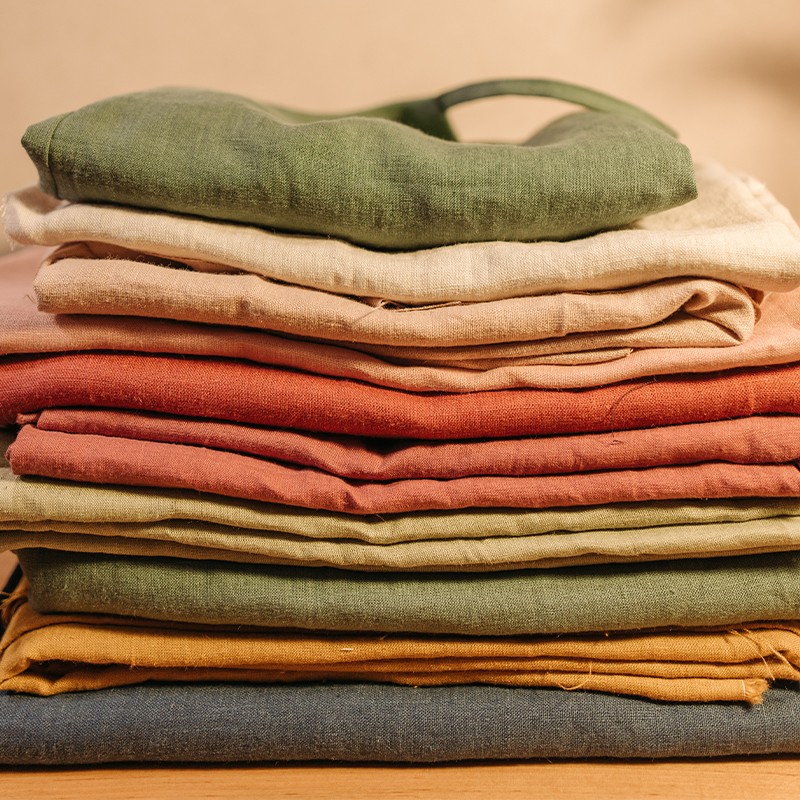
The versatility of viscose fiber yarn means it's used in a multitude of applications. From luxurious evening wear to everyday t-shirts, its adaptability is unmatched. Yet, with versatility comes the demand for innovation. Manufacturers constantly seek to enhance yarn properties—be it through blending or new spinning technologies.
At SHANDONG ZHINK NEW MATERIAL CO., LTD, there's ongoing research into creating blends that utilize viscose in harmony with other fibers to enhance durability while maintaining softness. Such innovations ensure that viscose remains at the forefront of textile advances.
It's fascinating to witness how a traditional material can evolve with cutting-edge technology, meeting both consumer demands and environmental standards.
Common Misconceptions
Many still harbor misconceptions about viscose. It’s often seen as an inexpensive alternative to silk, but the reality is nuanced. Yes, it’s cost-effective, but producing high-quality viscose can be as intricate as working with high-end fibers.
Additionally, the belief that all viscose is environmentally harmful is being challenged. Progressive companies are making strides in sustainable practices, from the sourcing of raw cellulose to the reduction of harmful emissions during production.
Understanding these aspects is crucial for both manufacturers and customers to truly appreciate the intricate dance of tradition and innovation.
Looking Forward
The future of viscose fiber yarn is both challenging and exciting. As technology advances, so does our ability to create smarter and more sustainable production methods. There's a palpable enthusiasm in the industry about what's next—perhaps new blends, smarter recycling methods, or entirely new applications.
Companies like Zhink New Material continue to push boundaries, finding new ways to enhance the appeal of viscose without compromising its environmental footprint. It's a journey of discovery that doesn't shy away from experimentation and learning from both successes and setbacks.
In conclusion, whether it's the nuanced production challenges or the promise of future technologies, viscose fiber yarn remains an integral part of the textile landscape—constantly evolving, always captivating.
Related Products
Related Products