+86-632-3621866
- Chinese
- French
- German
- Portuguese
- Spanish
- Russian
- Japanese
- Korean
- Arabic
- Irish
- Greek
- Turkish
- Italian
- Danish
- Romanian
- Indonesian
- Czech
- Afrikaans
- Swedish
- Polish
- Basque
- Catalan
- Esperanto
- Hindi
- Lao
- Albanian
- Amharic
- Armenian
- Azerbaijani
- Belarusian
- Bengali
- Bosnian
- Bulgarian
- Cebuano
- Chichewa
- Corsican
- Croatian
- Dutch
- Estonian
- Filipino
- Finnish
- Frisian
- Galician
- Georgian
- Gujarati
- Haitian
- Hausa
- Hawaiian
- Hebrew
- Hmong
- Hungarian
- Icelandic
- Igbo
- Javanese
- Kannada
- Kazakh
- Khmer
- Kurdish
- Kyrgyz
- Latin
- Latvian
- Lithuanian
- Luxembou..
- Macedonian
- Malagasy
- Malay
- Malayalam
- Maltese
- Maori
- Marathi
- Mongolian
- Burmese
- Nepali
- Norwegian
- Pashto
- Persian
- Punjabi
- Serbian
- Sesotho
- Sinhala
- Slovak
- Slovenian
- Somali
- Samoan
- Scots Gaelic
- Shona
- Sindhi
- Sundanese
- Swahili
- Tajik
- Tamil
- Telugu
- Thai
- Ukrainian
- Urdu
- Uzbek
- Vietnamese
- Welsh
- Xhosa
- Yiddish
- Yoruba
- Zulu
- Kinyarwanda
- Tatar
- Oriya
- Turkmen
- Uyghur



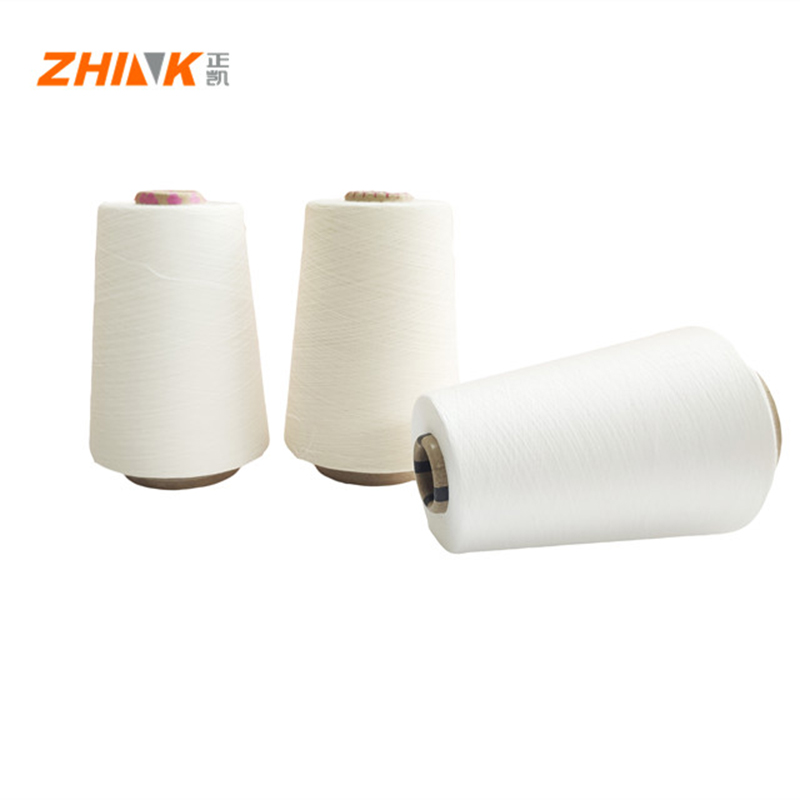
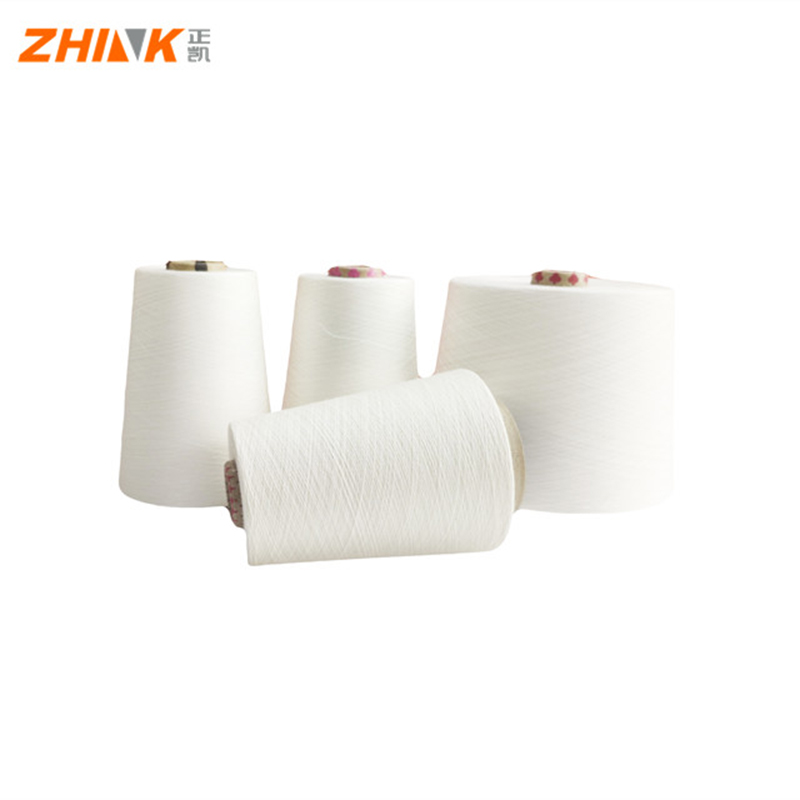
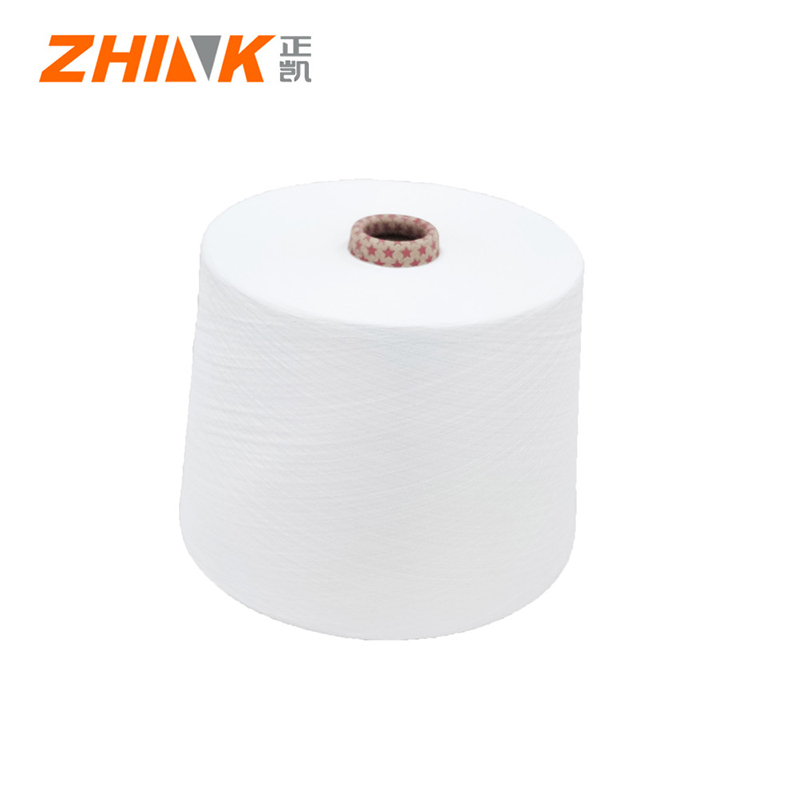
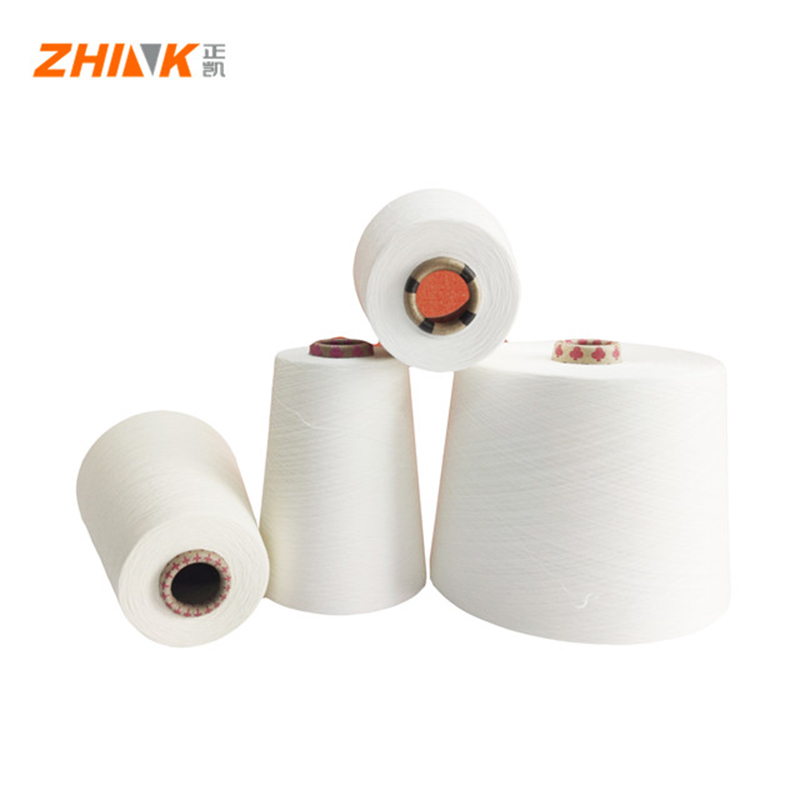
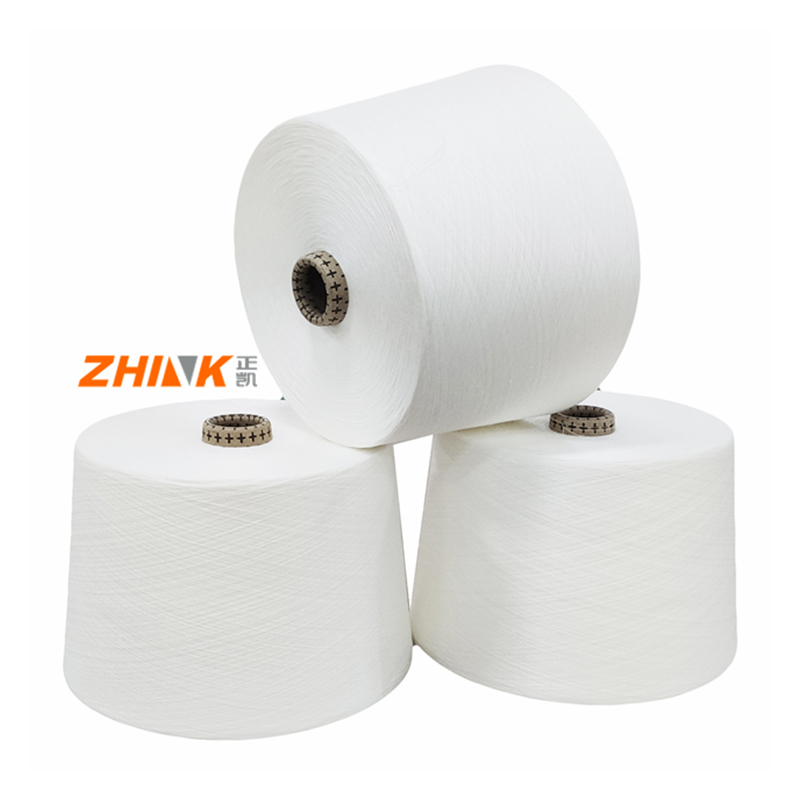
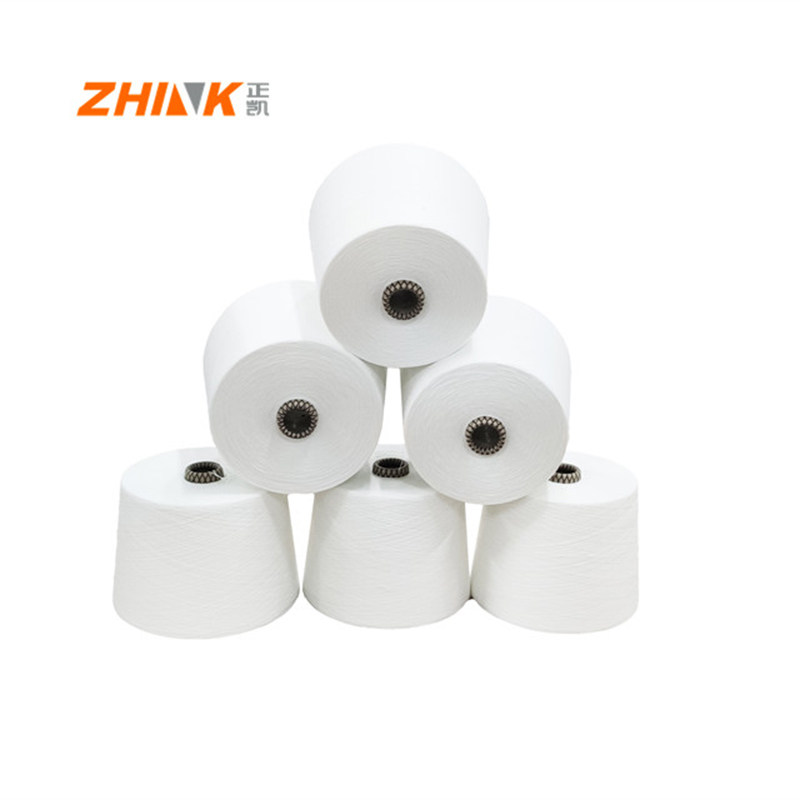
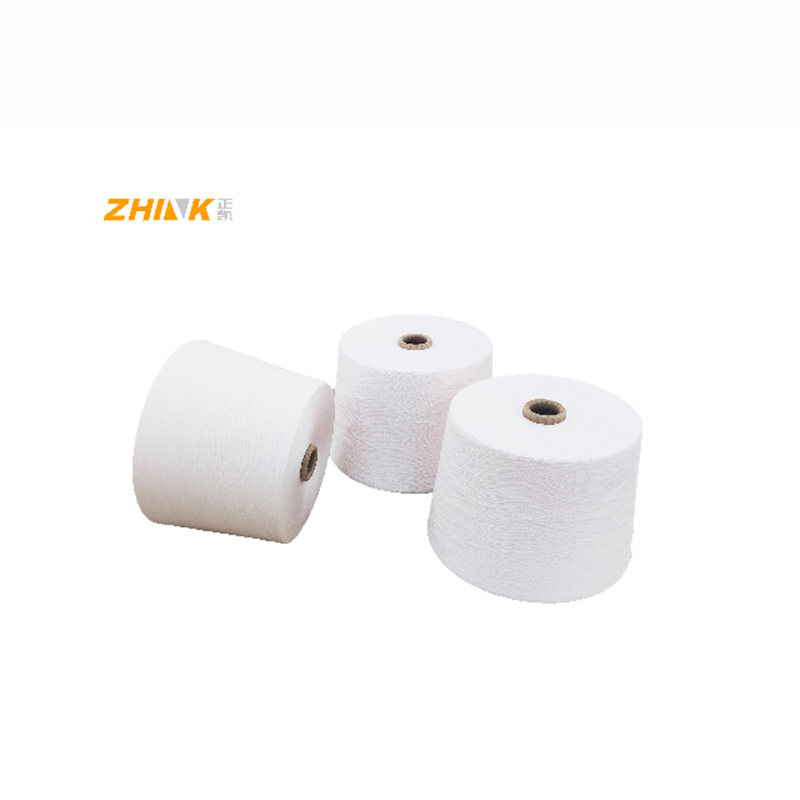
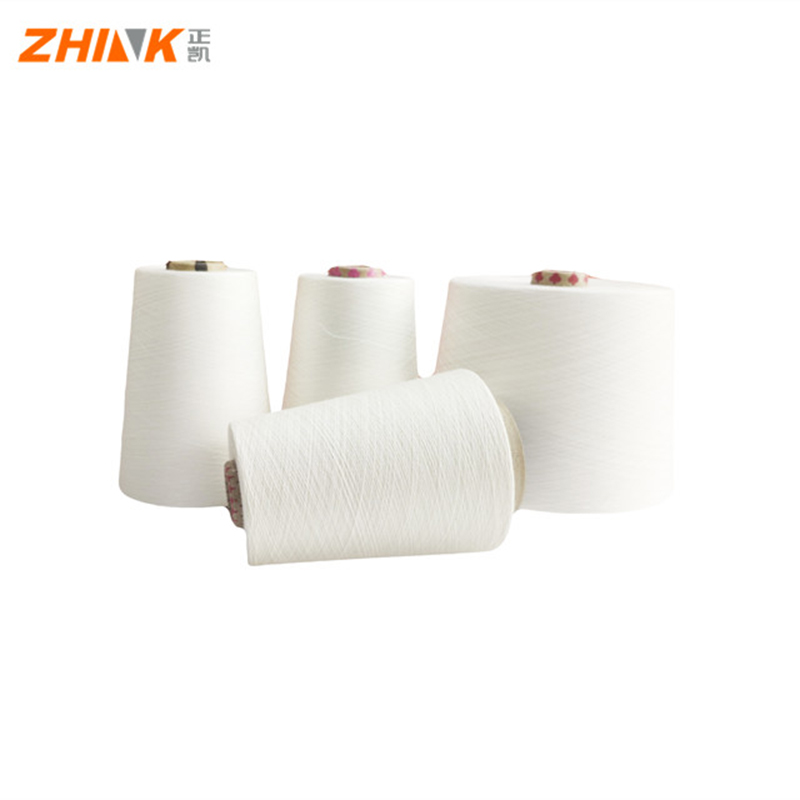
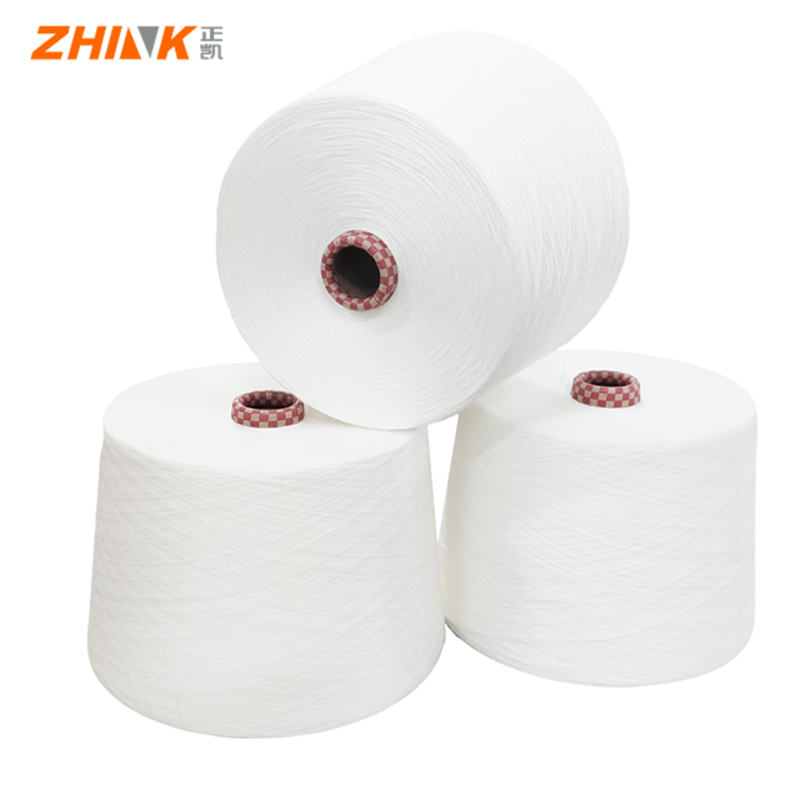
viscose/silk 80/20 40+40D yarn
The Craft of Blending: Understanding Viscose/Silk 80/20 40+40D Yarn
In the world of textiles, the combination of yarns like viscose/silk 80/20 40+40D brings about unique qualities that demand our attention. Blending these fibers isn't just about mixing materials; it's a skilled craft shaped by both technical know-how and aesthetic vision. Understanding this blend requires diving into its characteristics, uses, and the subtle art of balancing its components. Here’s a professional’s take on what makes this yarn blend stand out.
So, What’s in a Blend?
Let’s start with the basics: why combine viscose and silk in the first place? Viscose provides softness and cost-effectiveness, while silk offers luster and strength. The 80/20 ratio isn't accidental—it's a deliberate choice that matches functionality with touch. This blend ratio is key for products where the tactile quality is as important as durability. SHANDONG ZHINK NEW MATERIAL CO., LTD specializes in such combinations, perfecting the science and art behind the yarn synthesis.
The twist of 40+40D yarn gives insight into the yarn's structure. The D or denier is a measure of the thread's thickness. An interplay of these numbers tells you about the yarn’s weight and durability. It’s like driving the right balance between texture and resilience—one misstep in denier and the yarn could either be too fragile or overly coarse.
I’ve worked with these blends in demanding scenarios—from casual wear to more structured garments. It’s fascinating to see how the properties shift with even slight changes in composition. Behind the scenes, there’s a delicate tango of chemistry and craftsmanship.
The Reality of Production
A common misconception is that blending is a straightforward process. In reality, attaining the perfect mix involves meticulous trial and error. At SHANDONG ZHINK NEW MATERIAL CO., LTD, a thorough R&D phase is crucial. A yarn has to be tested under varying conditions to meet industry expectations—a task often as daunting as it is rewarding.
Quality control plays a pivotal role. Even seasoned professionals cannot skip the intricate testing required to ensure consistency. It’s not just about achieving the right feel; it’s about maintaining it across batches. Any variances in fiber quality can significantly alter the end product.
When handling these nuances day in and day out, you soon realize that no two production days are alike. Small deviations can mean large shifts in texture and finish, impacting everything from final garment form to customer satisfaction. Yes, there are surprises—even for the most experienced.
Applying the Blend: Real-World Insights
Your choice of yarn directly impacts the design and manufacturing process. In some applications, the glossy finish of silk is ideal, while others might prioritize the softness of viscose. This decision often dictates the narrative of a garment collection. A solid understanding of each fiber’s strengths is essential for textile producers.
At Zhink New Material, the blend’s adaptability often surprises clients unfamiliar with its potential. You can see its impact in fashion industries that demand innovation without sacrificing integrity. One thing to note: while silk enhances aesthetic appeal, it can drive up costs. It’s a trade-off we've debated countless times in meetings.
Yet, it’s through these discussions and trials that true mastery in textile production emerges. You learn to anticipate not just the current trends but also the challenges they bring. It’s an ongoing process of renewal and innovation—not unlike the yarn-making itself.
Challenges and Triumphs
Seasoned professionals know that challenges are inevitable. Issues like tension adjustments during weaving or maintaining uniform quality can become significant hurdles. Based on experience, preempting these flaws requires a level of vigilance and tech-informed decision-making.
Ironically, an occasional failure can teach volumes. You might discover that increasing silk content doesn’t necessarily translate to enhanced texture or that a denser weave offers unexpected warmth—a revelation during bulk runs that can save future headaches.
The lessons learned within the cycles of trial, error, and refinement eventually pave the way for success. And while the pursuit of perfection is relentless, each challenge met is one step closer to mastery. Sharing these insights, like I’m attempting here, contributes to a collective understanding within the industry.
Reflections at SHANDONG ZHINK: Looking Forward
Reflecting on the versatile nature of viscose/silk 80/20 40+40D yarn, it’s clear that this isn't just about textile production—it’s about crafting experiences. At SHANDONG ZHINK NEW MATERIAL CO., LTD, this journey of exploration and application continues to fuel our passion for innovation. Learn more about our offerings by visiting our website.
As new textures and applications emerge, the dialogue between technologists, designers, and manufacturers deepens, paving the way for even more dynamic creations. In essence, mastery in textiles requires both an appreciation for tradition and an openness to new possibilities.
Some might say it’s just yarn, but in reality, it’s the thread connecting art and industry.
Related Products
Related Products