+86-632-3621866
- Chinese
- French
- German
- Portuguese
- Spanish
- Russian
- Japanese
- Korean
- Arabic
- Irish
- Greek
- Turkish
- Italian
- Danish
- Romanian
- Indonesian
- Czech
- Afrikaans
- Swedish
- Polish
- Basque
- Catalan
- Esperanto
- Hindi
- Lao
- Albanian
- Amharic
- Armenian
- Azerbaijani
- Belarusian
- Bengali
- Bosnian
- Bulgarian
- Cebuano
- Chichewa
- Corsican
- Croatian
- Dutch
- Estonian
- Filipino
- Finnish
- Frisian
- Galician
- Georgian
- Gujarati
- Haitian
- Hausa
- Hawaiian
- Hebrew
- Hmong
- Hungarian
- Icelandic
- Igbo
- Javanese
- Kannada
- Kazakh
- Khmer
- Kurdish
- Kyrgyz
- Latin
- Latvian
- Lithuanian
- Luxembou..
- Macedonian
- Malagasy
- Malay
- Malayalam
- Maltese
- Maori
- Marathi
- Mongolian
- Burmese
- Nepali
- Norwegian
- Pashto
- Persian
- Punjabi
- Serbian
- Sesotho
- Sinhala
- Slovak
- Slovenian
- Somali
- Samoan
- Scots Gaelic
- Shona
- Sindhi
- Sundanese
- Swahili
- Tajik
- Tamil
- Telugu
- Thai
- Ukrainian
- Urdu
- Uzbek
- Vietnamese
- Welsh
- Xhosa
- Yiddish
- Yoruba
- Zulu
- Kinyarwanda
- Tatar
- Oriya
- Turkmen
- Uyghur



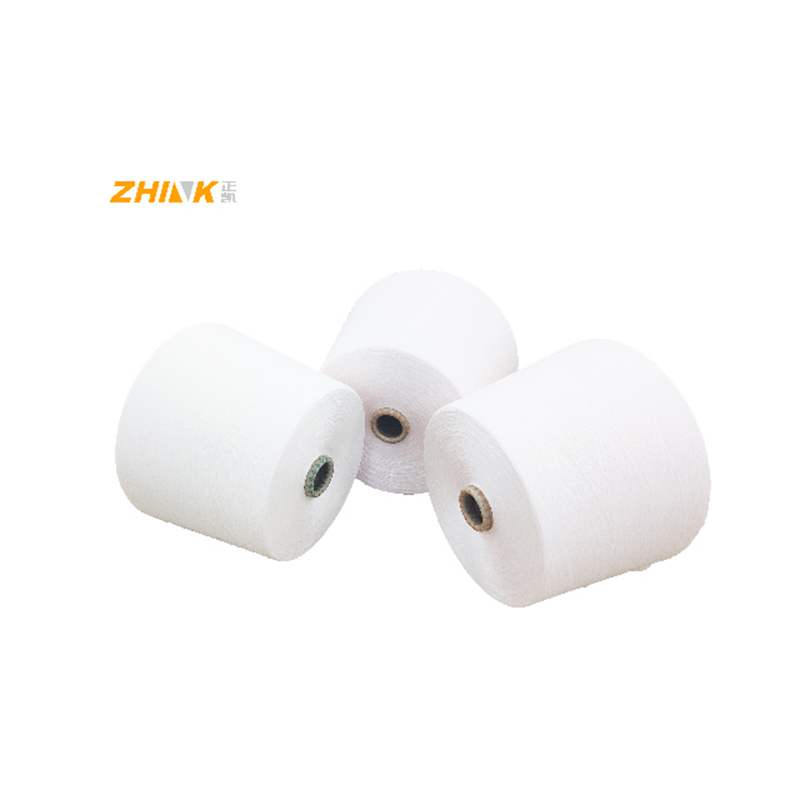
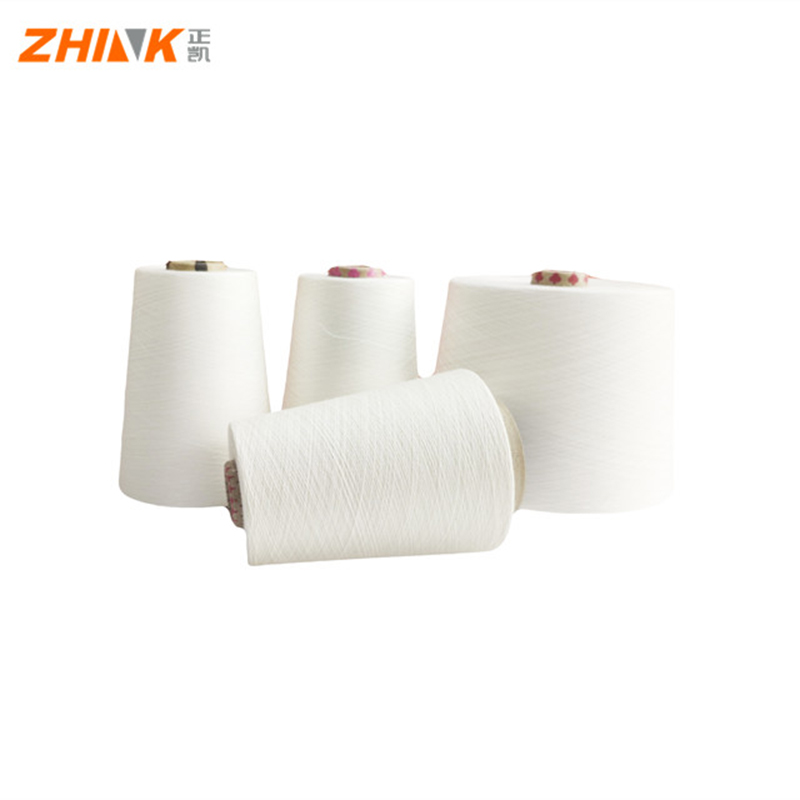
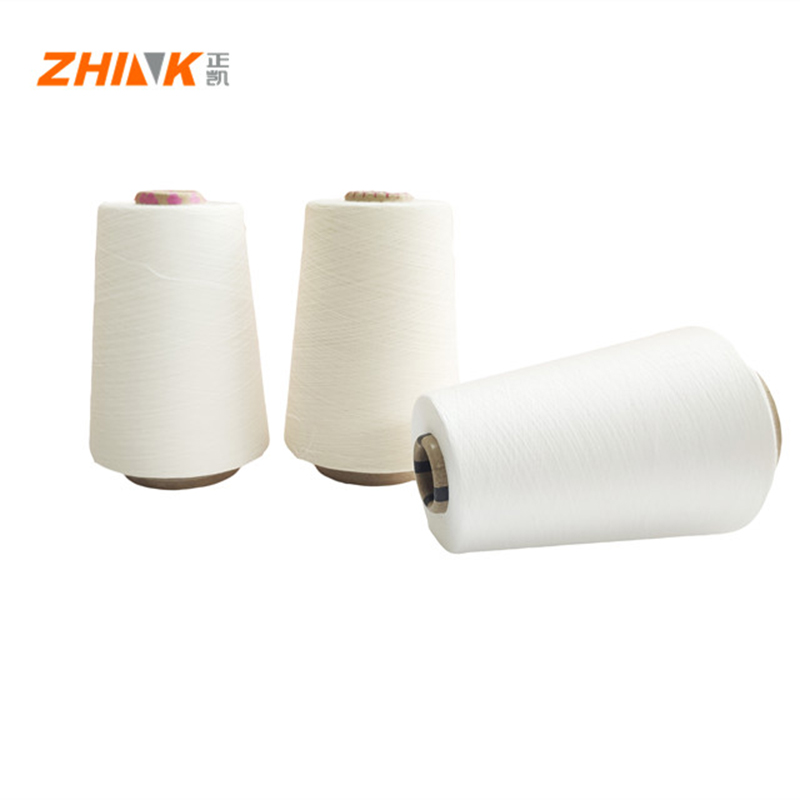
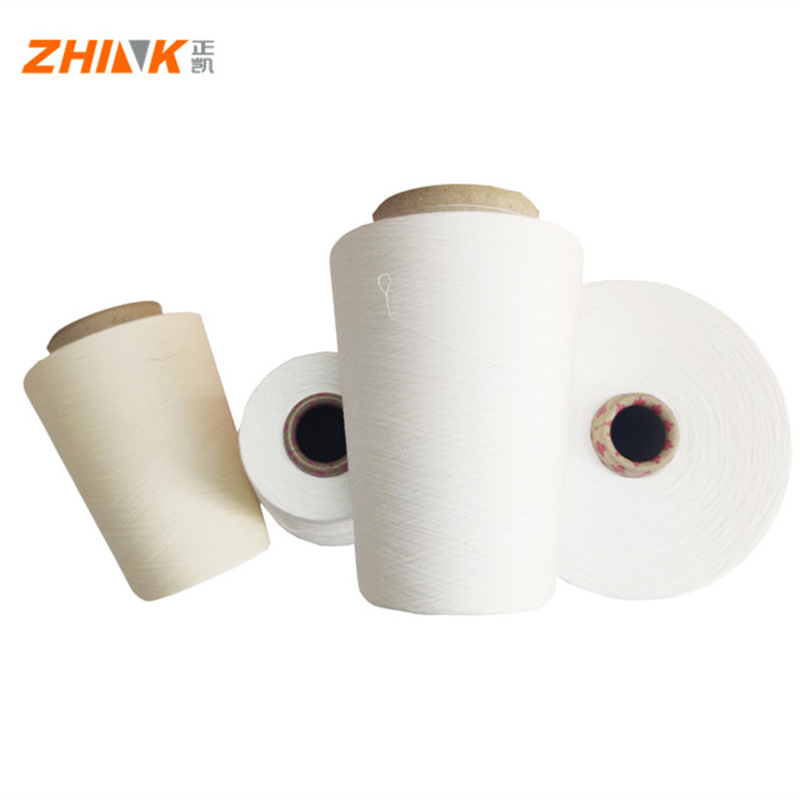
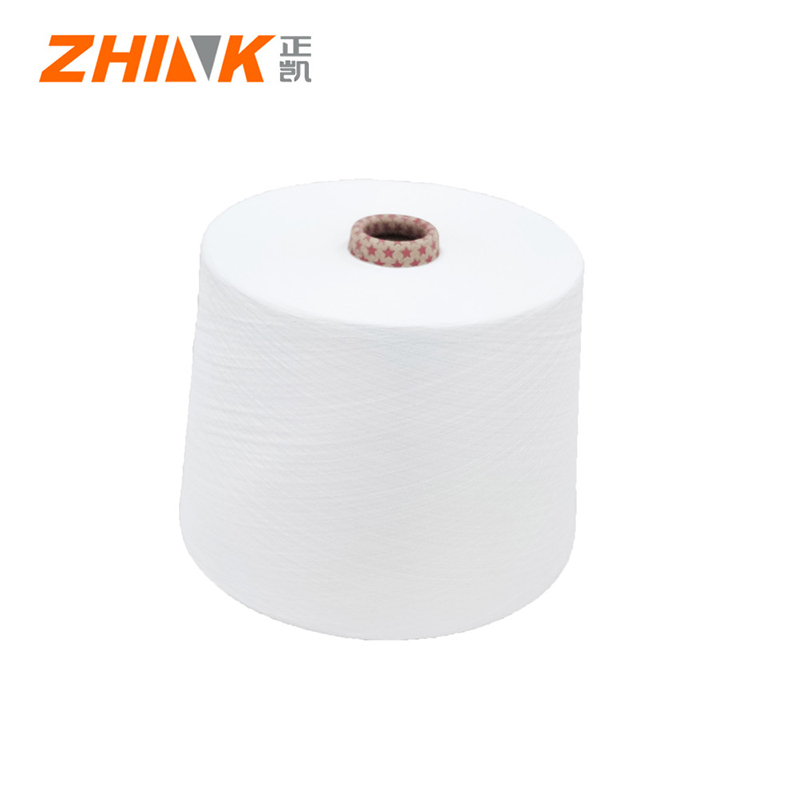
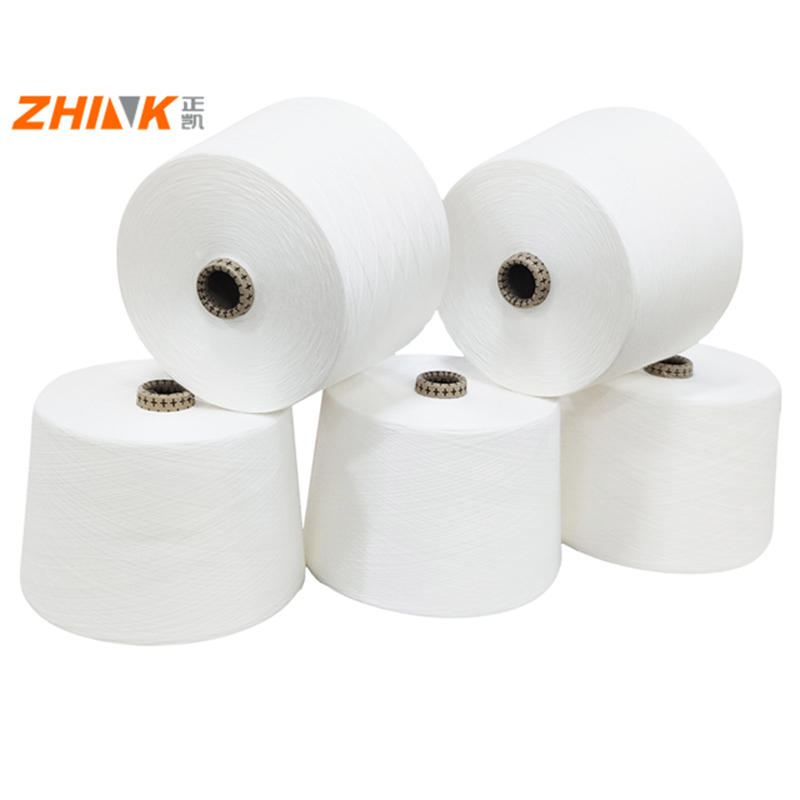
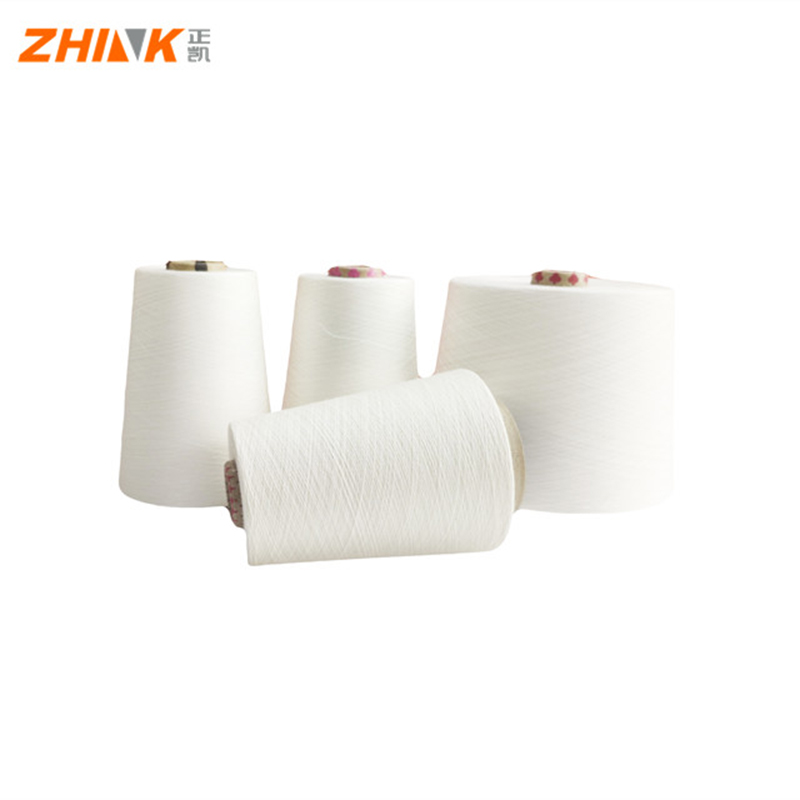
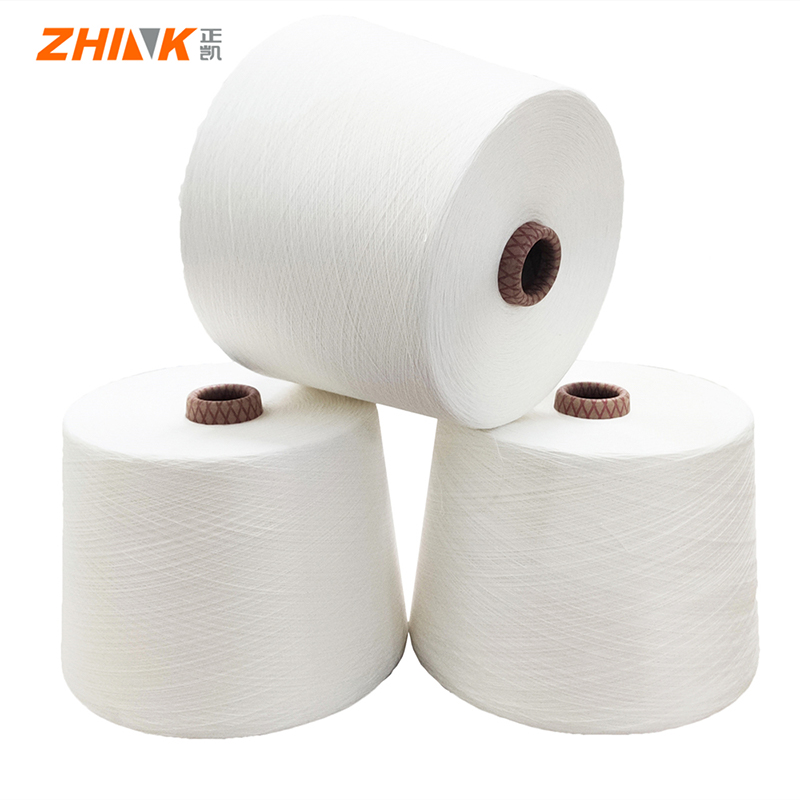
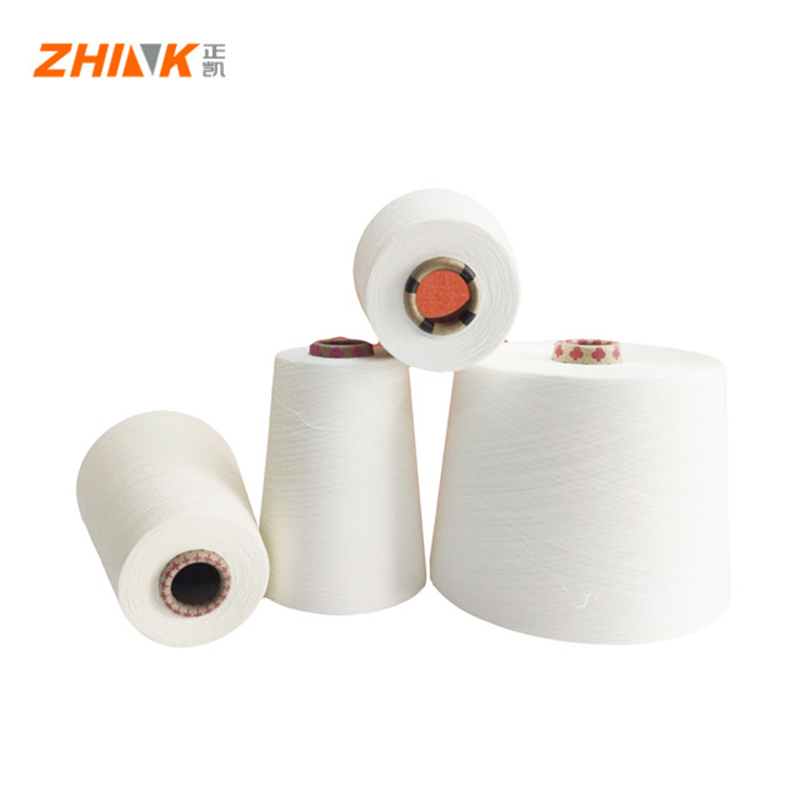
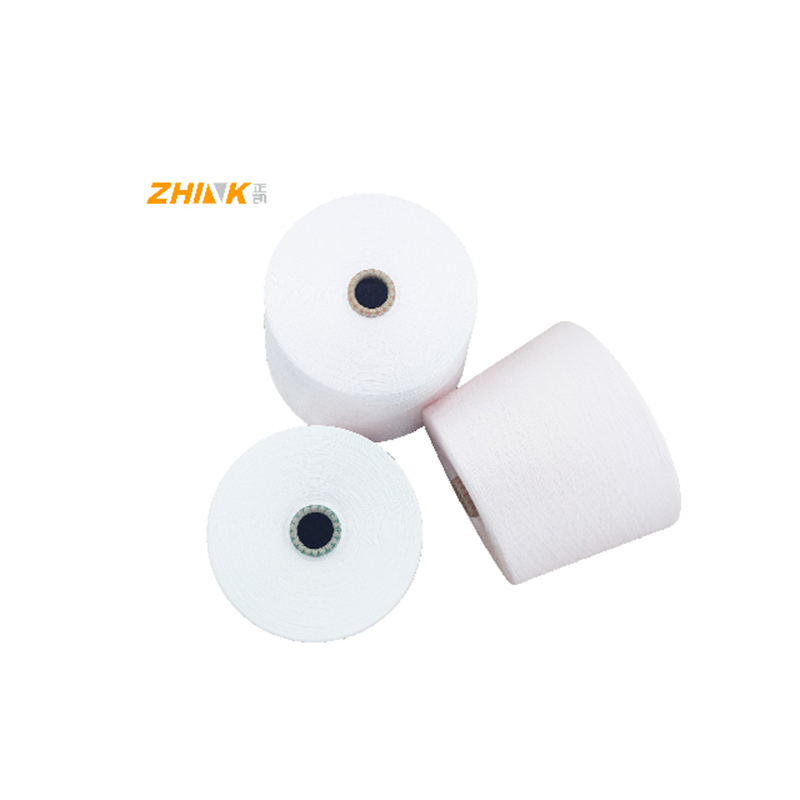
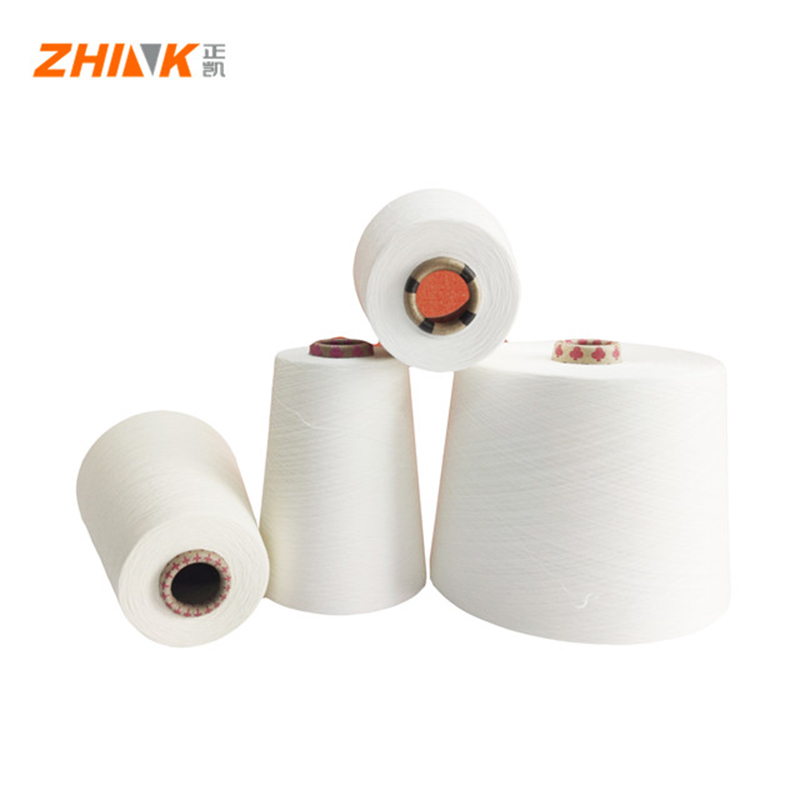
viscose/silk 80/20 spandex yarn
The Subtle Art of Working with Viscose/Silk 80/20 Spandex Yarn
In the textile industry, few materials offer the elegance and versatility of a viscose/silk 80/20 spandex yarn. This blend stands out for its unique combination of softness, sheen, and elasticity, making it a favorite for high-end fashion. Yet, working with it requires a nuanced understanding to maximize its potential.
Understanding the Blend
At first glance, blending viscose and silk with spandex might seem straightforward. However, the mixture brings its own set of challenges. Viscose offers a natural feel, similar to cotton, but with added softness and sheen thanks to the silk. The spandex component introduces stretch, but balancing these elements can be tricky.
When I first encountered this blend at SHANDONG ZHINK NEW MATERIAL CO., LTD, it was the silk's luster that drew me in. They specialize in new textile material development, as detailed on their website, https://www.zhinkyarn.com, and their experience shines through in the quality of their yarns.
However, newbies might overlook how this blend behaves under pressure. The elasticity can be unpredictable, and designing garments requires careful consideration of tension and recovery properties. Trust me—I learned this the hard way with an ill-fitted garment that failed to recover its shape post-wash.
The Craft of Production
Producing fabric from a viscose/silk 80/20 spandex yarn isn't just about spinning fibers together. The process demands precision and an appreciation for each component's unique nature. At SHANDONG ZHINK, they focus on the details, ensuring every aspect, from spinning to dyeing, aligns with the material's inherent qualities.
During my time visiting their production facilities, I observed how their research and development team meticulously tests yarn flexibility. This attention to detail ensures that the end product meets high standards of elasticity and durability—vital for both designers and consumers.
Yet, challenges persist. For instance, achieving consistent dye uptake in the fabric can be painstaking, given the blend's mixed properties. Techniques vary widely; what works for pure silk might not align with viscose's needs, let alone the subtle interplay introduced by spandex.
Design Considerations
Choosing viscose/silk 80/20 spandex yarn for a project involves more than mere aesthetics. At Zhink New Material, there's a profound appreciation for how this yarn drapes and catches the light, but capturing that potential means understanding its structural capabilities.
While creating a line of summer dresses, the balance between elegance and practicality was paramount. Viscose/silk provides a luxurious feel against the skin, while spandex ensures comfort and fit. However, too much stretch can lead to a lack of structural integrity, a mistake I almost made during a collaborative project.
Pattern adjustments are crucial. Thoughtful seam placement and stitch density can capitalize on the yarn's strengths, minimizing any potential drawbacks. It’s an art—one refined over many cycles of trial and error.
Market Applications
There’s a burgeoning interest in using viscose/silk 80/20 spandex yarn across various sectors. At SHANDONG ZHINK, their innovation in this field opens up options beyond traditional apparel, venturing into activewear and even technical textiles.
What I find remarkable is the versatility of this blend. Its lightweight and breathable properties are well-suited for high-performance athletic wear that demands both flexibility and durability. Yet, it also transitions beautifully to eveningwear requiring sophistication and grace.
With sustainability at the forefront of consumer interest, Zhink New Material’s commitment to eco-friendly practices adds another layer to its market appeal. Their yarn offerings align with a growing demand for responsible fashion choices, blending luxury and ethics seamlessly.
Conclusion: Embracing the Complexity
Working with viscose/silk 80/20 spandex yarn is not without its complexities, but therein lies its charm. The challenge is not just in mastering its use, but in appreciating the depth it brings to fabric design. Through companies like SHANDONG ZHINK NEW MATERIAL CO., LTD, dedicated to pushing the boundaries of textile innovation, the journey with this blend continues to evolve, promising exciting developments for those willing to embrace its intricacies.
In the end, it's about finding that sweet spot where creativity meets technical prowess, resulting in products that not only look good but feel just right. Each project teaches us something new about the material's potential and limitations—a testament to the ever-evolving dance between human ingenuity and nature's offerings.
Related Products
Related Products