+86-632-3621866
- Chinese
- French
- German
- Portuguese
- Spanish
- Russian
- Japanese
- Korean
- Arabic
- Irish
- Greek
- Turkish
- Italian
- Danish
- Romanian
- Indonesian
- Czech
- Afrikaans
- Swedish
- Polish
- Basque
- Catalan
- Esperanto
- Hindi
- Lao
- Albanian
- Amharic
- Armenian
- Azerbaijani
- Belarusian
- Bengali
- Bosnian
- Bulgarian
- Cebuano
- Chichewa
- Corsican
- Croatian
- Dutch
- Estonian
- Filipino
- Finnish
- Frisian
- Galician
- Georgian
- Gujarati
- Haitian
- Hausa
- Hawaiian
- Hebrew
- Hmong
- Hungarian
- Icelandic
- Igbo
- Javanese
- Kannada
- Kazakh
- Khmer
- Kurdish
- Kyrgyz
- Latin
- Latvian
- Lithuanian
- Luxembou..
- Macedonian
- Malagasy
- Malay
- Malayalam
- Maltese
- Maori
- Marathi
- Mongolian
- Burmese
- Nepali
- Norwegian
- Pashto
- Persian
- Punjabi
- Serbian
- Sesotho
- Sinhala
- Slovak
- Slovenian
- Somali
- Samoan
- Scots Gaelic
- Shona
- Sindhi
- Sundanese
- Swahili
- Tajik
- Tamil
- Telugu
- Thai
- Ukrainian
- Urdu
- Uzbek
- Vietnamese
- Welsh
- Xhosa
- Yiddish
- Yoruba
- Zulu
- Kinyarwanda
- Tatar
- Oriya
- Turkmen
- Uyghur



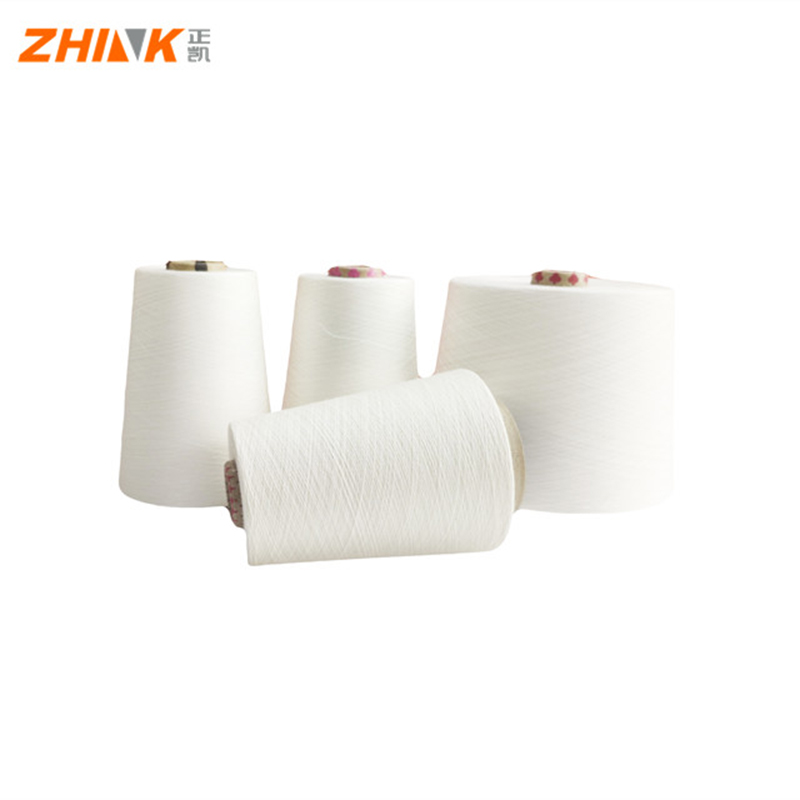
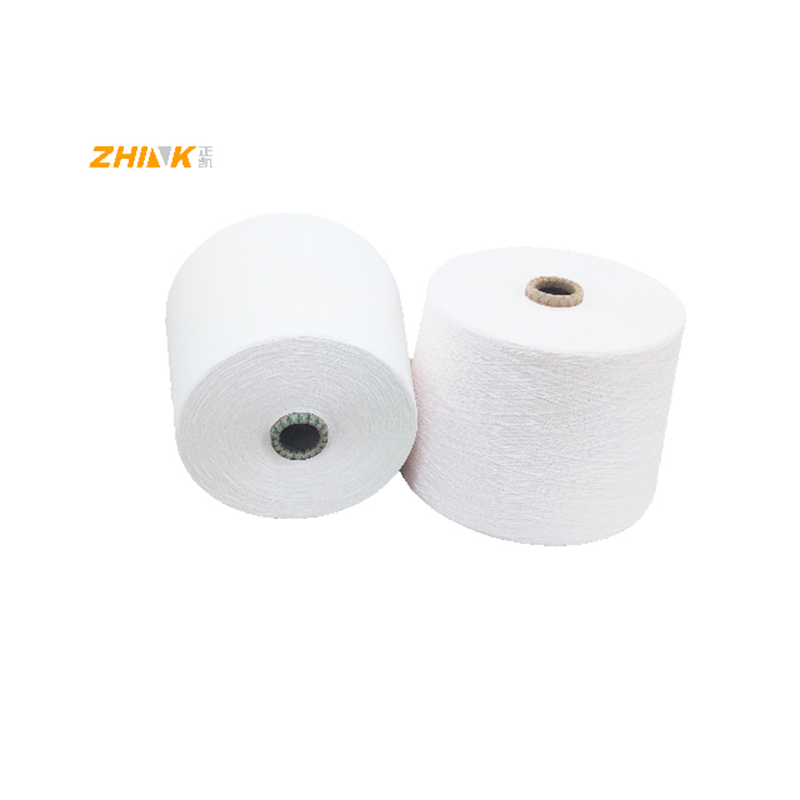
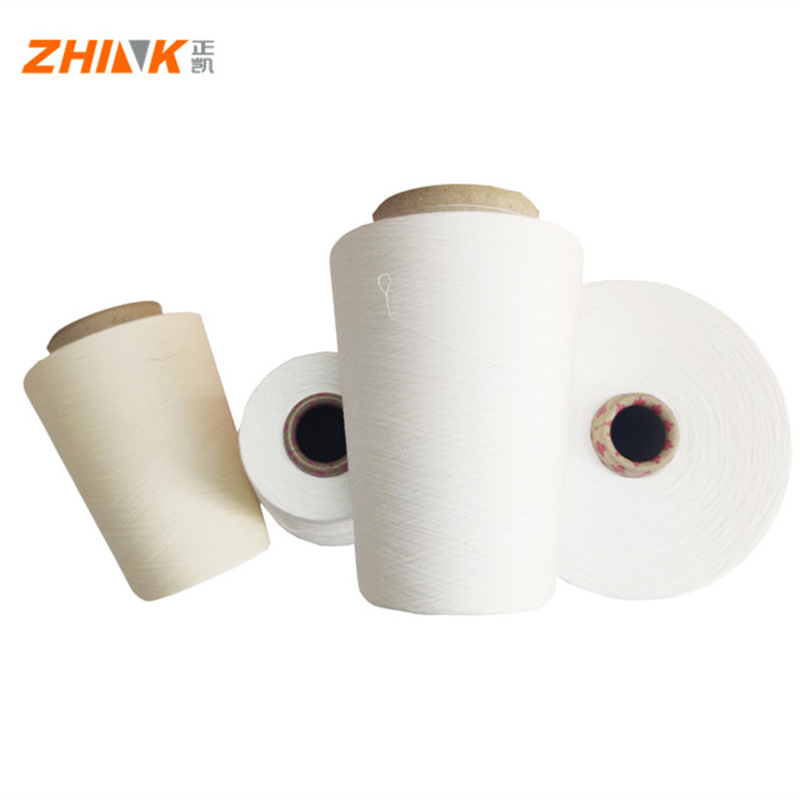
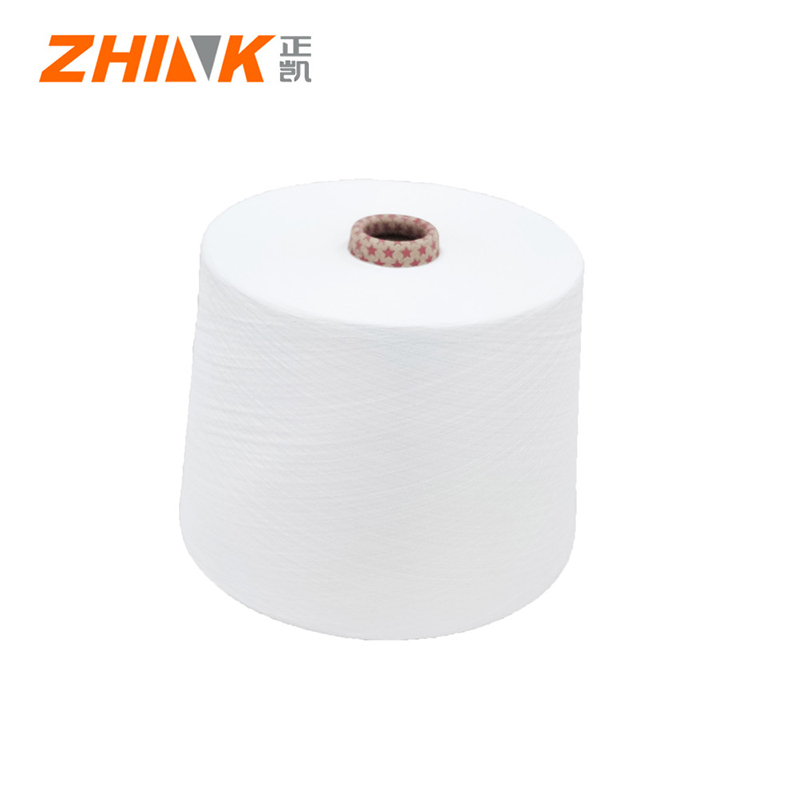
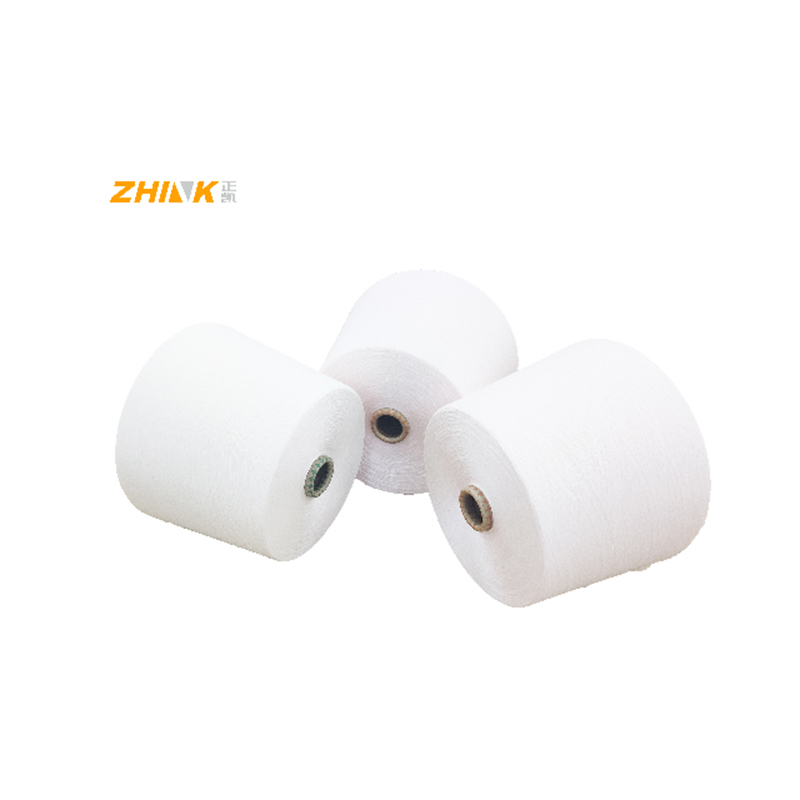
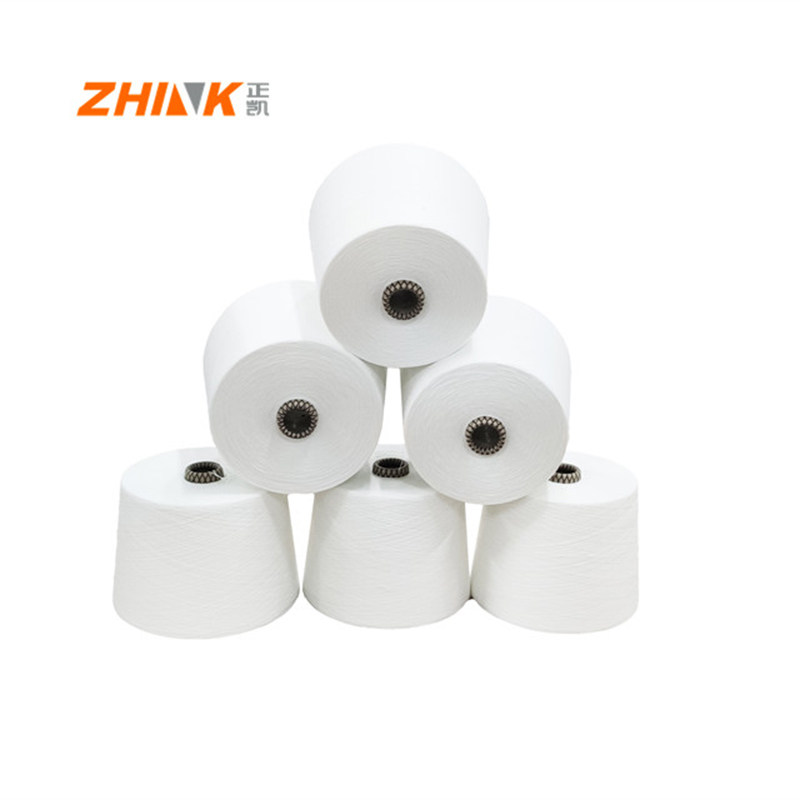
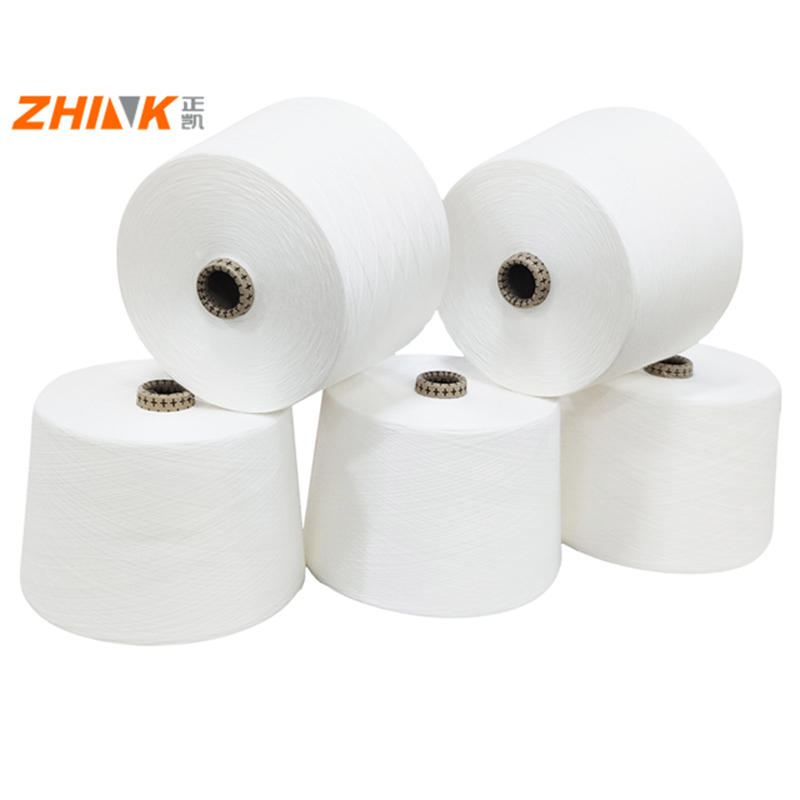
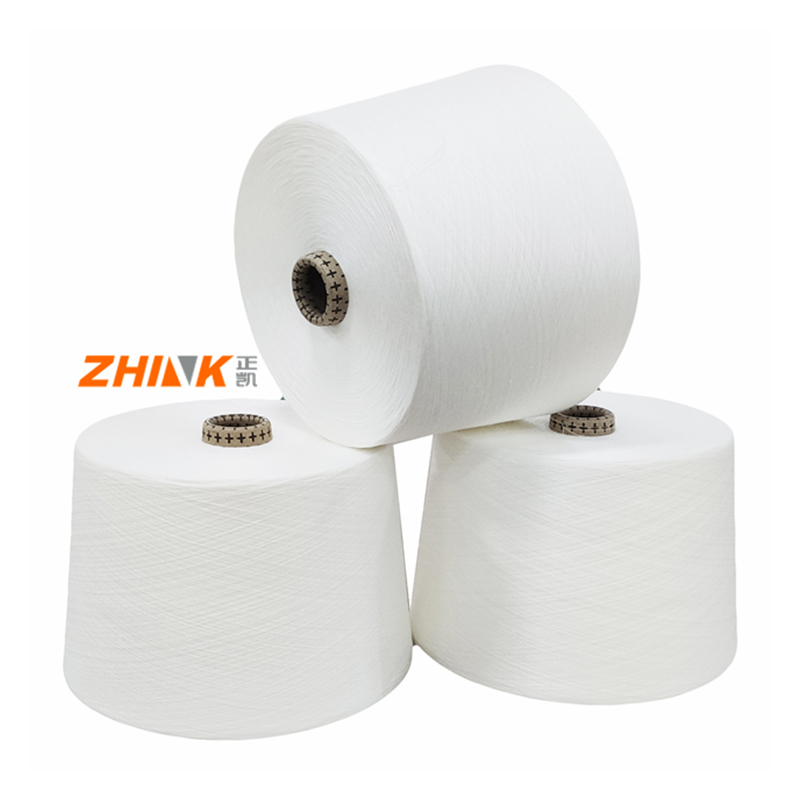
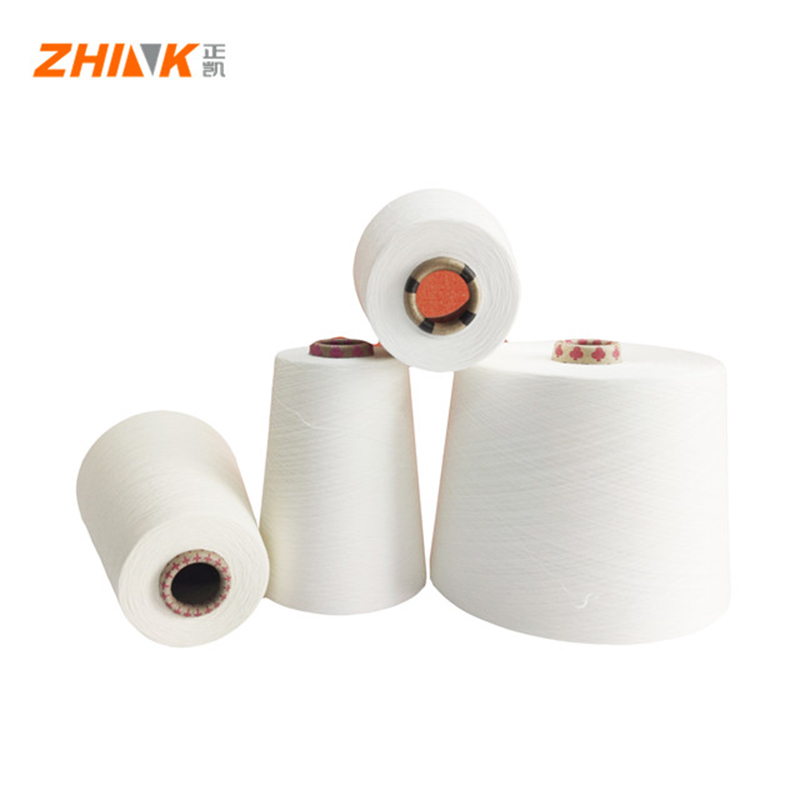
viscose/silk 80/20 yarn
The Versatility of Viscose/Silk 80/20 Yarn
This unique blend combines the softness of viscose with the luxurious feel of silk, offering an affordable yet elegant option for various textile applications. However, achieving the right balance in this yarn requires experience and a nuanced approach to production and usage.
Understanding Viscose and Silk Properties
When we talk about viscose/silk 80/20 yarn, it’s essential to first understand the fundamental properties of both materials. Viscose, derived from plant cellulose, offers breathability and softness. On the other hand, silk, known for its sheen and strength, elevates the fabric’s overall feel and drape. In textile production, finding the sweet spot where these two fibers complement each other is crucial.
In practice, working with this blend often means adjusting the manufacturing process to account for the differing behaviors of these fibers. For instance, while weaving, care must be taken to avoid tension discrepancies that could compromise the fabric's integrity. A mix of trial and error, along with a deep understanding of fiber characteristics, guides successful production.
Zhink New Material, accessible at their website, excels in crafting such nuanced textile solutions. Their expertise in adjusting these subtleties has set them apart, especially in the refinement of viscose/silk yarns.
Applications and Advantages
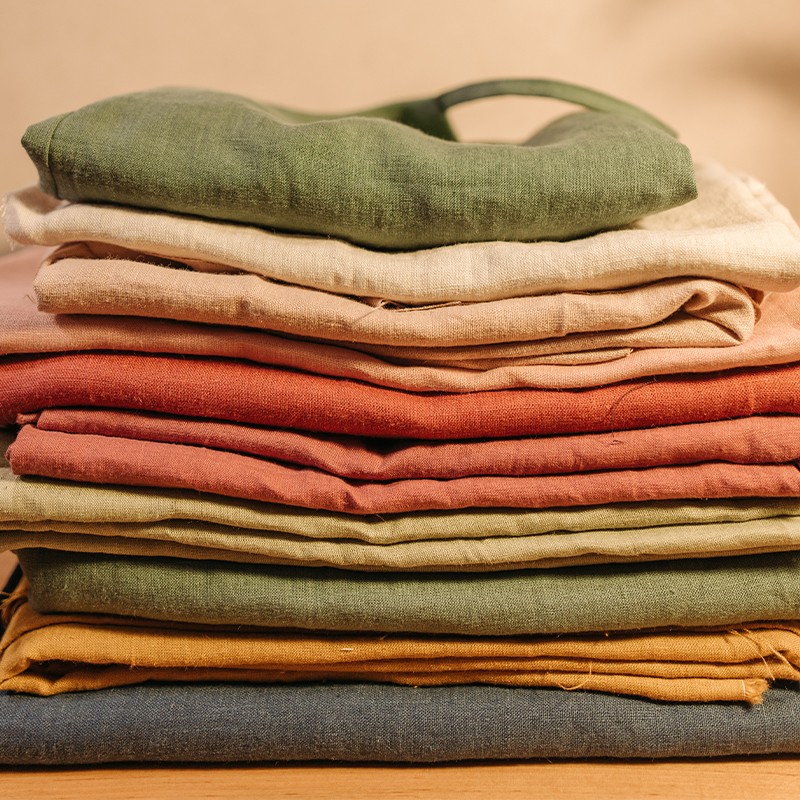
The primary appeal of viscose/silk 80/20 yarn is its versatility. Due to its balanced blend, it is suitable for a broad range of garments, from everyday wear to high-end fashion. The fabric feels comfortable against the skin, making it ideal for products such as linings, blouses, and lightweight shirts.
In practical use, I've noticed that garments made from this blend tend to have a robust drape, maintaining their shape remarkably well. This is something clients often appreciate because it avoids the bagging and sagging issues seen with some other material blends.
However, this comes with considerations around care. Ensuring that end-users have guidance on washing and maintenance can prevent premature wear, allowing the garment or fabric to retain its original quality and appearance.
Challenges in Dyeing and Finishing
Dyeing processes for viscose/silk 80/20 yarn need careful control. Both fibers absorb dyes differently, which can lead to uneven coloration if not meticulously managed. This is another area where Zhink New Material’s expertise is invaluable, thanks to their focus on advanced textile research and development.
It's common to encounter problems where the silk component overshadows the viscose, leading to a less vibrant product. By tweaking dye formulas and processing techniques, these issues can be minimized, achieving a beautifully rich and even color.
The finishing process also demands precision. The addition of suitable finishes can enhance both the sheen and durability of the final product, making it more appealing to consumers looking for both quality and luxury.
Market Demand and Future Trends
With sustainability becoming a significant factor in consumer choices, the demand for responsible materials like viscose is on the rise. Coupled with silk’s natural appeal, the viscose/silk 80/20 yarn blend is positioned well to meet these evolving market preferences.
In the field, I've seen a growing interest in this blend for its potential in sustainable fashion lines. This reflects a broader industry shift towards more eco-friendly products, emphasizing the importance of materials that balance ecological responsibility with performance.
Looking ahead, innovations from companies such as SHANDONG ZHINK NEW MATERIAL CO., LTD suggest a continued exploration into enhanced performance, such as improved moisture-wicking capabilities or increased fabric strength, which will further expand the blend's appeal.
Practical Tips for Using Viscose/Silk Yarn
For those interested in utilizing this yarn, starting with small, controlled batches of fabric is wise. This allows for a better understanding of its behavior in various conditions. Whether it's knitting, weaving, or sewing, consistency in handling techniques is key to achieving desirable outcomes.
Additionally, maintaining open communication with suppliers like Zhink New Material can provide valuable insights into material handling and innovative applications. Their website is a helpful resource for staying updated on the latest developments in textile materials.
Ultimately, the journey with viscose/silk 80/20 yarn is one of exploration and adaptation. With its potential for elegance and comfort, it represents a dynamic choice for those looking to create sophisticated, high-performing textiles.
Related Products
Related Products