+86-632-3621866
- Chinese
- French
- German
- Portuguese
- Spanish
- Russian
- Japanese
- Korean
- Arabic
- Irish
- Greek
- Turkish
- Italian
- Danish
- Romanian
- Indonesian
- Czech
- Afrikaans
- Swedish
- Polish
- Basque
- Catalan
- Esperanto
- Hindi
- Lao
- Albanian
- Amharic
- Armenian
- Azerbaijani
- Belarusian
- Bengali
- Bosnian
- Bulgarian
- Cebuano
- Chichewa
- Corsican
- Croatian
- Dutch
- Estonian
- Filipino
- Finnish
- Frisian
- Galician
- Georgian
- Gujarati
- Haitian
- Hausa
- Hawaiian
- Hebrew
- Hmong
- Hungarian
- Icelandic
- Igbo
- Javanese
- Kannada
- Kazakh
- Khmer
- Kurdish
- Kyrgyz
- Latin
- Latvian
- Lithuanian
- Luxembou..
- Macedonian
- Malagasy
- Malay
- Malayalam
- Maltese
- Maori
- Marathi
- Mongolian
- Burmese
- Nepali
- Norwegian
- Pashto
- Persian
- Punjabi
- Serbian
- Sesotho
- Sinhala
- Slovak
- Slovenian
- Somali
- Samoan
- Scots Gaelic
- Shona
- Sindhi
- Sundanese
- Swahili
- Tajik
- Tamil
- Telugu
- Thai
- Ukrainian
- Urdu
- Uzbek
- Vietnamese
- Welsh
- Xhosa
- Yiddish
- Yoruba
- Zulu
- Kinyarwanda
- Tatar
- Oriya
- Turkmen
- Uyghur



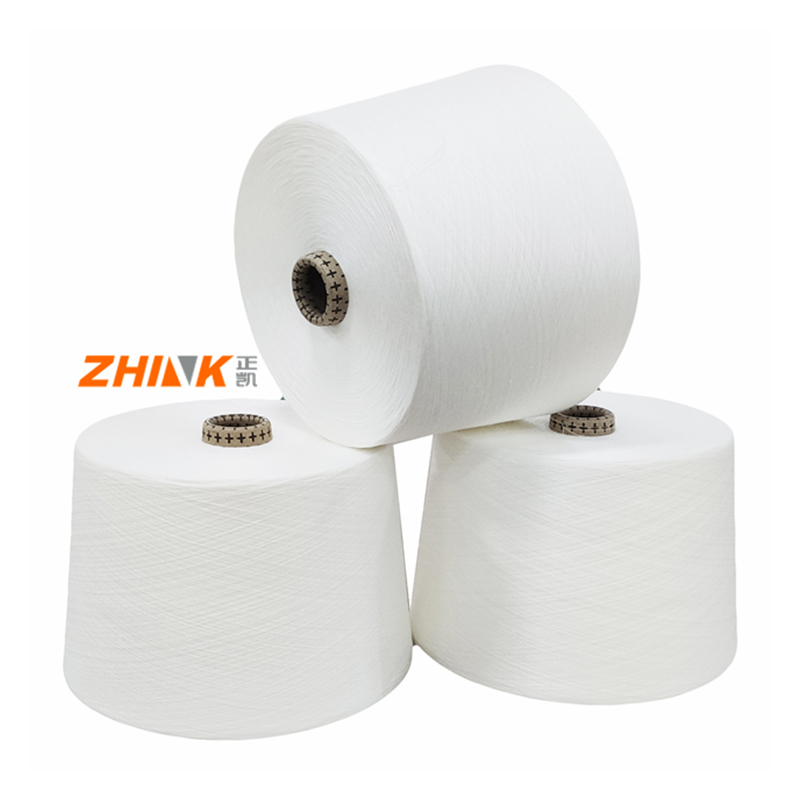
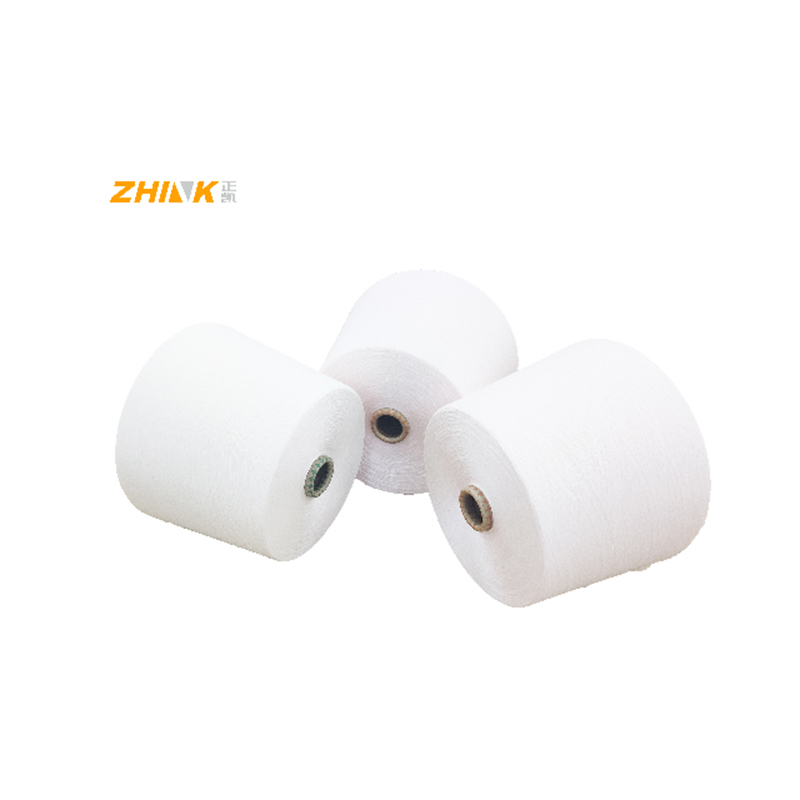
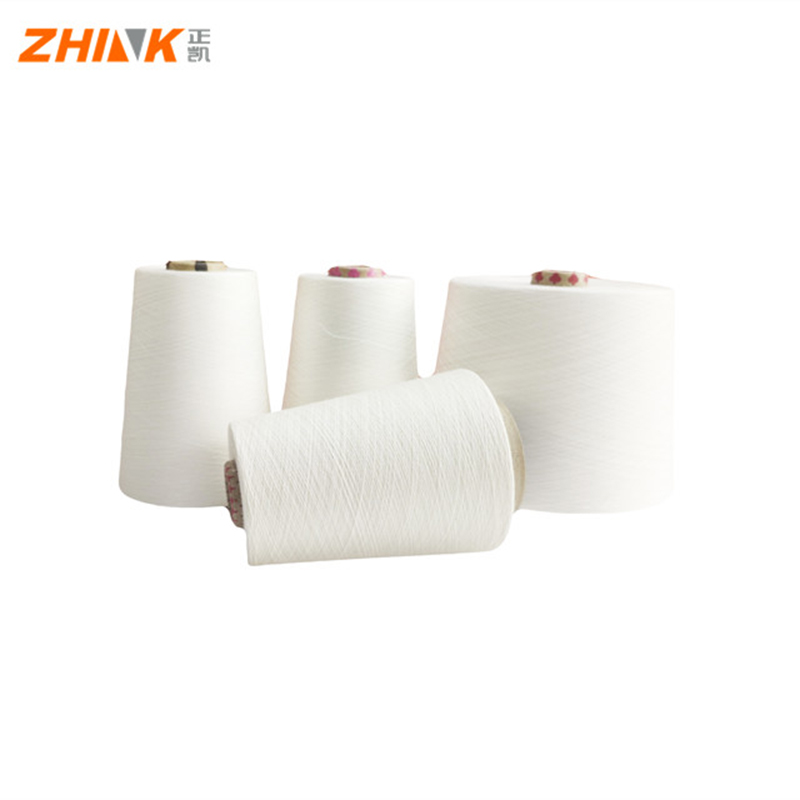
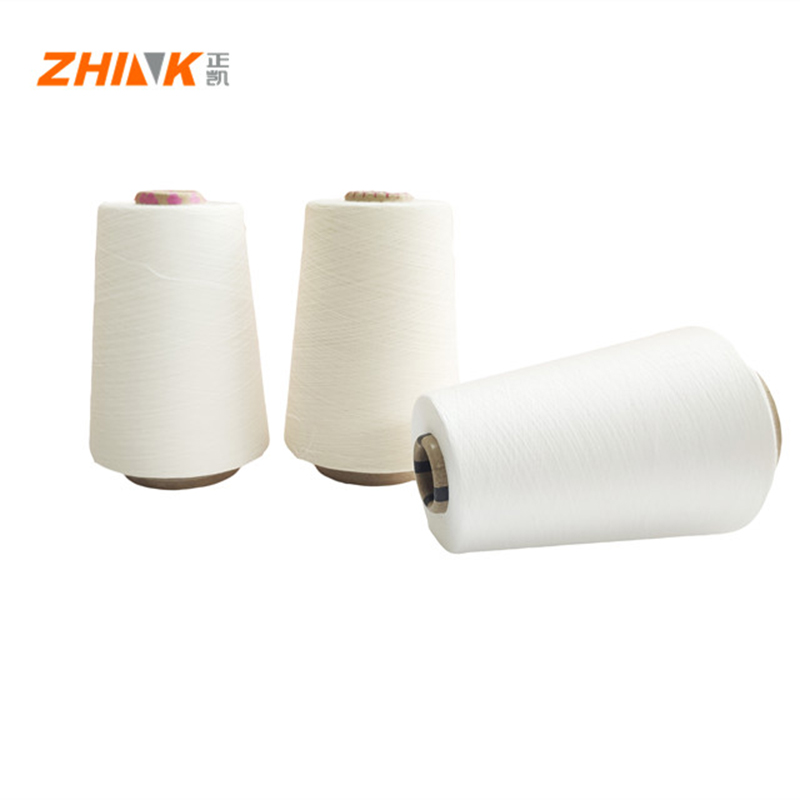
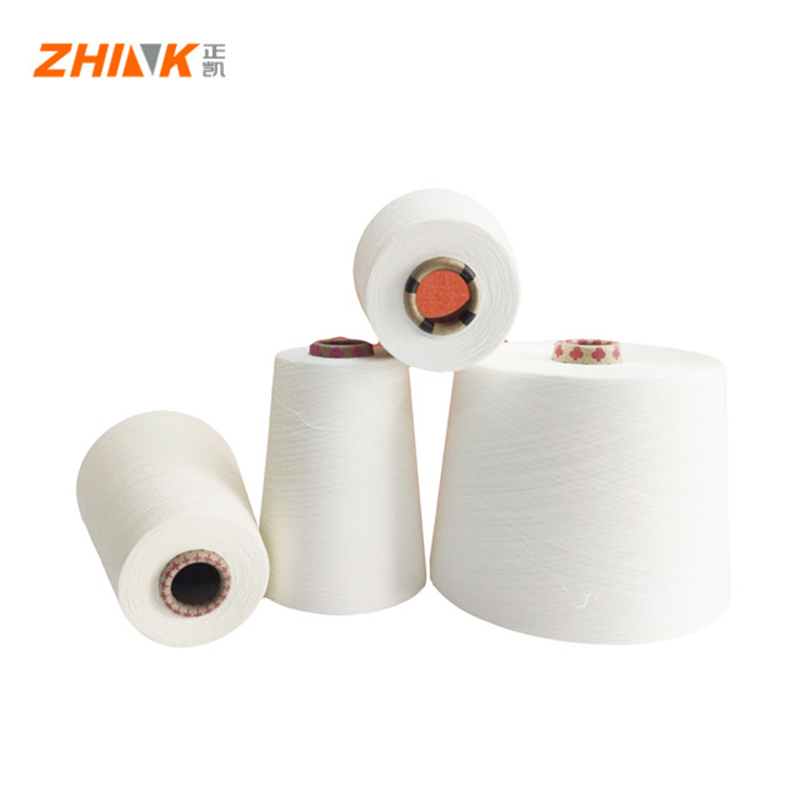
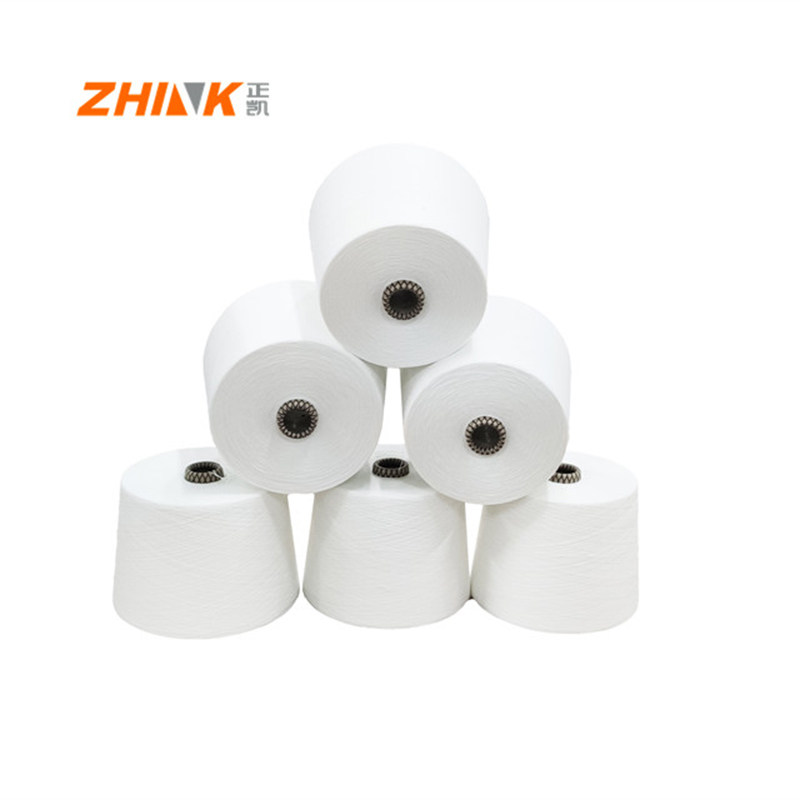
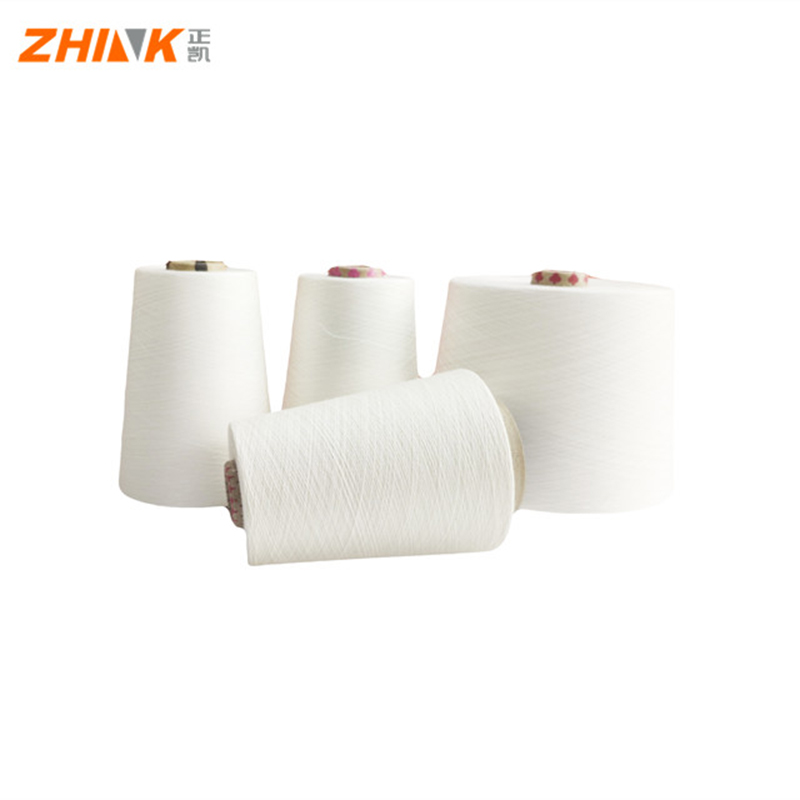
viscose/silk blended yarn
The Art and Science of Viscose/Silk Blended Yarn
Viscose/silk blended yarn stands at the exciting crossroads of tradition and innovation in the textile industry. Many misconstrue these yarns as lesser than pure silk or viscose, but the truth is far more nuanced. Let’s dive into why this blend captures the interest of both artisans and engineers alike.
Understanding the Blend
At its core, viscose/silk blended yarn combines the luxurious sheen and softness of silk with the affordability and versatility of viscose. Each component brings its own characteristics, creating a product that not only looks good but also performs well under various conditions. However, it’s not just a simple case of mixing fibers. The challenge lies in ensuring the right balance, which can vary depending on the intended use, whether it’s for a delicate garment or a robust home textile.
When I came across this blend during a visit to SHANDONG ZHINK NEW MATERIAL CO., LTD, renowned for their expertise in textile materials, it was clear there was a meticulous process involved. The characteristics of the finished yarn can alter dramatically based on subtle shifts in the blend ratios. The company, accessible at zhinkyarn.com, demonstrates how the precise tweaking of these ratios can lead to either a smooth, glossy finish or a matte, more structured texture.
Moreover, the spinning process plays a critical role. Silk’s long, continuous filaments contrast with viscose’s shorter fibers, demanding a careful technique to ensure uniformity. The machinery setup and environmental conditions, such as humidity and temperature in the production facility, can significantly affect the outcome.
Benefits and Applications
The practicality of the viscose/silk blend cannot be overstated. In sectors like fashion design, this yarn offers a balance between aesthetic appeal and functionality. For instance, it has been favored in the creation of lightweight scarves that drape beautifully while remaining breathable—essential during humid conditions.
In my experience, one of the biggest surprises was its application in upholstery. The initial skepticism due to concerns over durability was quickly dispelled. The viscose adds a degree of sturdiness to the silk, making it suitable for high-end, light-use furniture. This is a testament to the technological advancements in yarn treatment and finishing techniques.
Beyond fashion, viscose/silk blended yarns have made inroads into niche markets, including accessories and even certain eco-friendly products. The blend aligns well with consumers looking for sustainable options without compromising on quality or style.
Production Challenges
Despite its benefits, producing viscose/silk blended yarn is not without its difficulties. The dyeing process, for instance, poses unique challenges. Silk and viscose absorb dyes differently, requiring specialized treatment to achieve consistent color. Detailed trials and keen attention to batch consistency are essential, as I learned during an experiment that led to a somewhat unintended—but ultimately trendy—ombre effect.
Moreover, sustainability in sourcing adds another layer of complexity. The fashion industry is increasingly scrutinized for its environmental impact, and ensuring that both silk and viscose come from ethical, sustainable sources is not just a market demand but also a moral imperative that companies like Zhink New Material address continually.
Another challenge lies in market perception. While the blend is popular among seasoned textile professionals, consumers often need education on its benefits over pure fibers. This requires effective marketing strategies and consumer engagement efforts, which include collaborations with designers and influencers.
The Future of the Blend
Looking ahead, the future of viscose/silk blended yarn seems bright, supported by ongoing research and development efforts. Technological advancements are expected to further integrate smart textile features, such as moisture management and thermal regulation, into these blends, expanding their utility even further.
Customization is another promising area. Increasingly sophisticated machinery allows for shorter production runs with highly tailored properties, giving designers unprecedented control over their materials. This trend towards bespoke yarn production is something SHANDONG ZHINK NEW MATERIAL CO., LTD is actively exploring, leveraging their experience in textile innovation.
In conclusion, the journey of viscose/silk blended yarn from raw material to finished product is full of intricacies and innovations. As the industry evolves, so too will the applications and perceptions of this remarkable material. For anyone in the textile field, staying tuned to developments from leaders like Zhink New Material is not just advisable—it’s essential.
Related Products
Related Products