+86-632-3621866
- Chinese
- French
- German
- Portuguese
- Spanish
- Russian
- Japanese
- Korean
- Arabic
- Irish
- Greek
- Turkish
- Italian
- Danish
- Romanian
- Indonesian
- Czech
- Afrikaans
- Swedish
- Polish
- Basque
- Catalan
- Esperanto
- Hindi
- Lao
- Albanian
- Amharic
- Armenian
- Azerbaijani
- Belarusian
- Bengali
- Bosnian
- Bulgarian
- Cebuano
- Chichewa
- Corsican
- Croatian
- Dutch
- Estonian
- Filipino
- Finnish
- Frisian
- Galician
- Georgian
- Gujarati
- Haitian
- Hausa
- Hawaiian
- Hebrew
- Hmong
- Hungarian
- Icelandic
- Igbo
- Javanese
- Kannada
- Kazakh
- Khmer
- Kurdish
- Kyrgyz
- Latin
- Latvian
- Lithuanian
- Luxembou..
- Macedonian
- Malagasy
- Malay
- Malayalam
- Maltese
- Maori
- Marathi
- Mongolian
- Burmese
- Nepali
- Norwegian
- Pashto
- Persian
- Punjabi
- Serbian
- Sesotho
- Sinhala
- Slovak
- Slovenian
- Somali
- Samoan
- Scots Gaelic
- Shona
- Sindhi
- Sundanese
- Swahili
- Tajik
- Tamil
- Telugu
- Thai
- Ukrainian
- Urdu
- Uzbek
- Vietnamese
- Welsh
- Xhosa
- Yiddish
- Yoruba
- Zulu
- Kinyarwanda
- Tatar
- Oriya
- Turkmen
- Uyghur


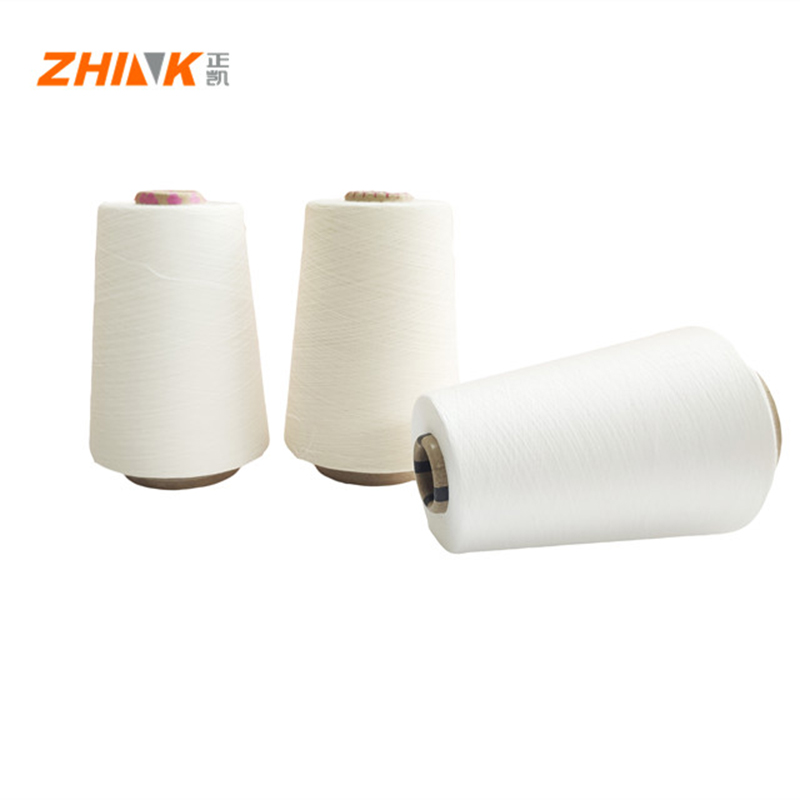
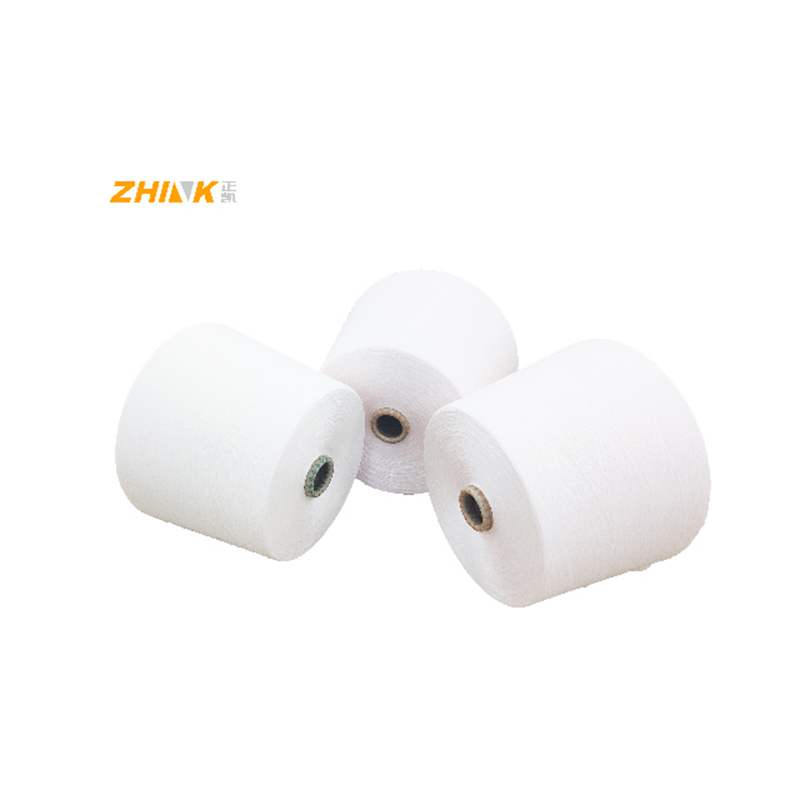
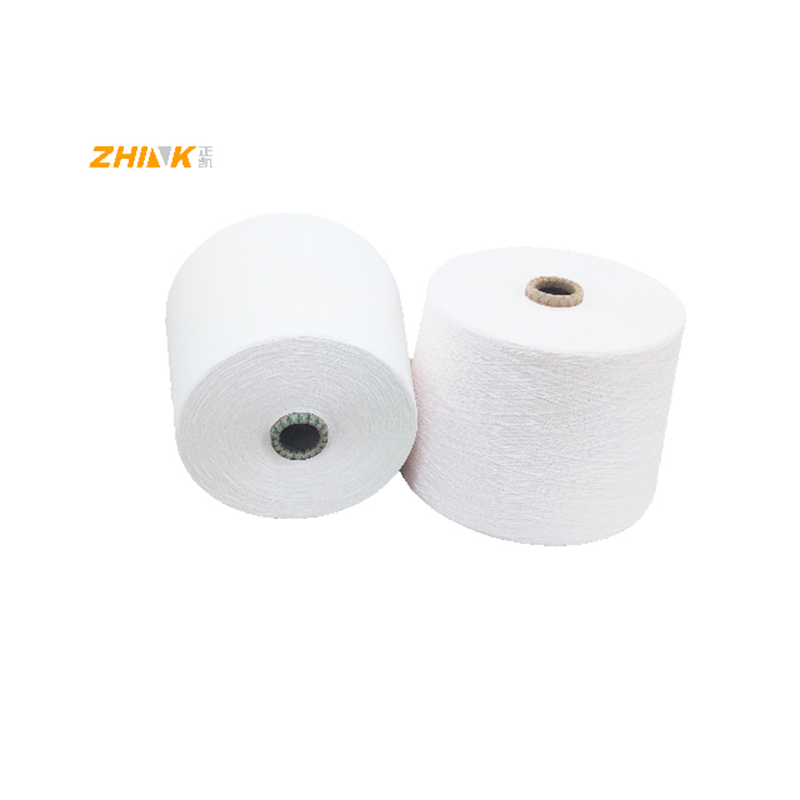
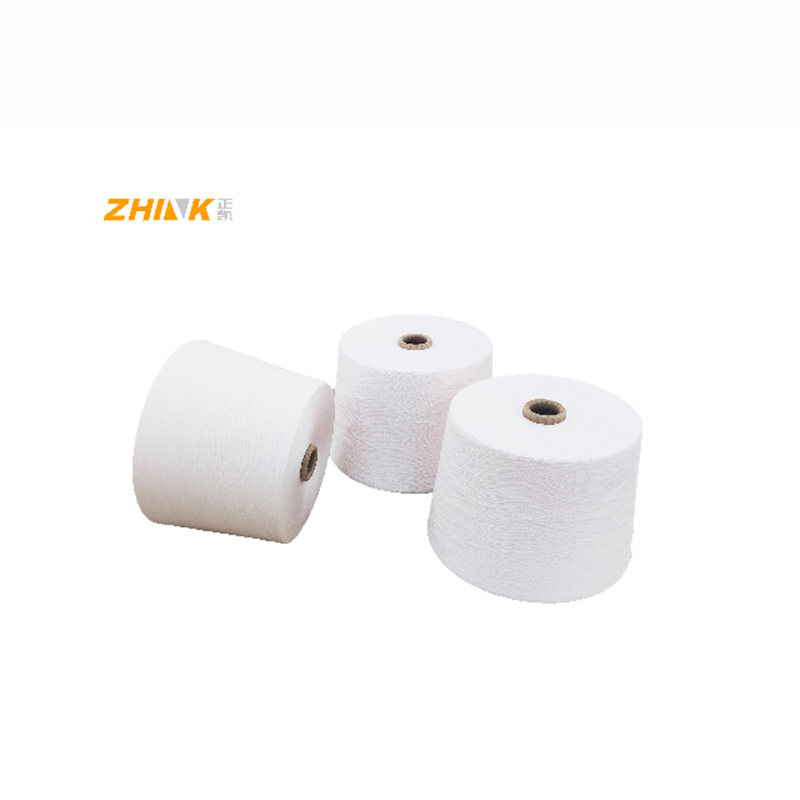
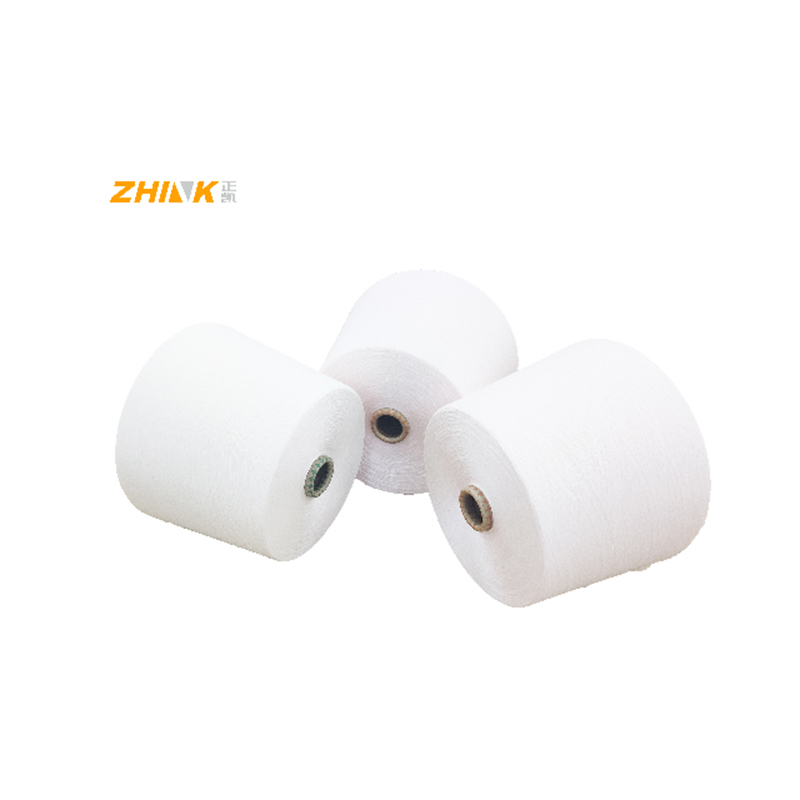
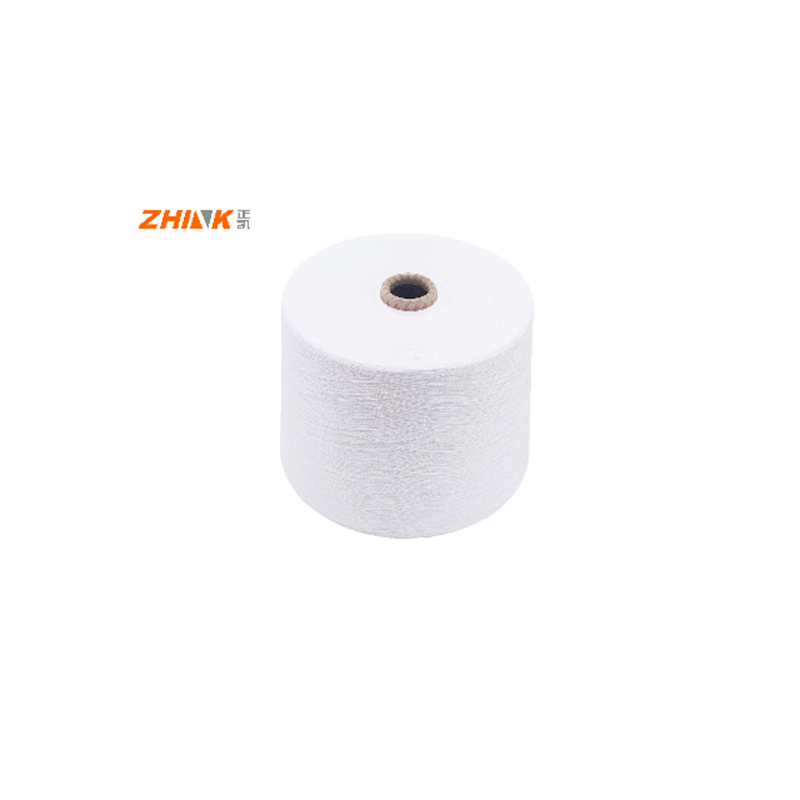
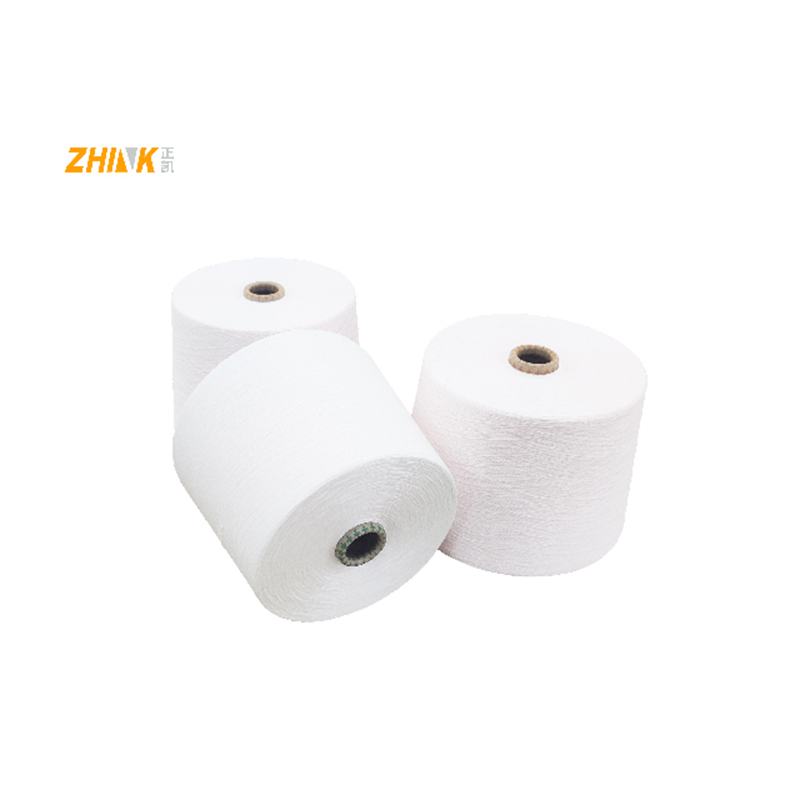
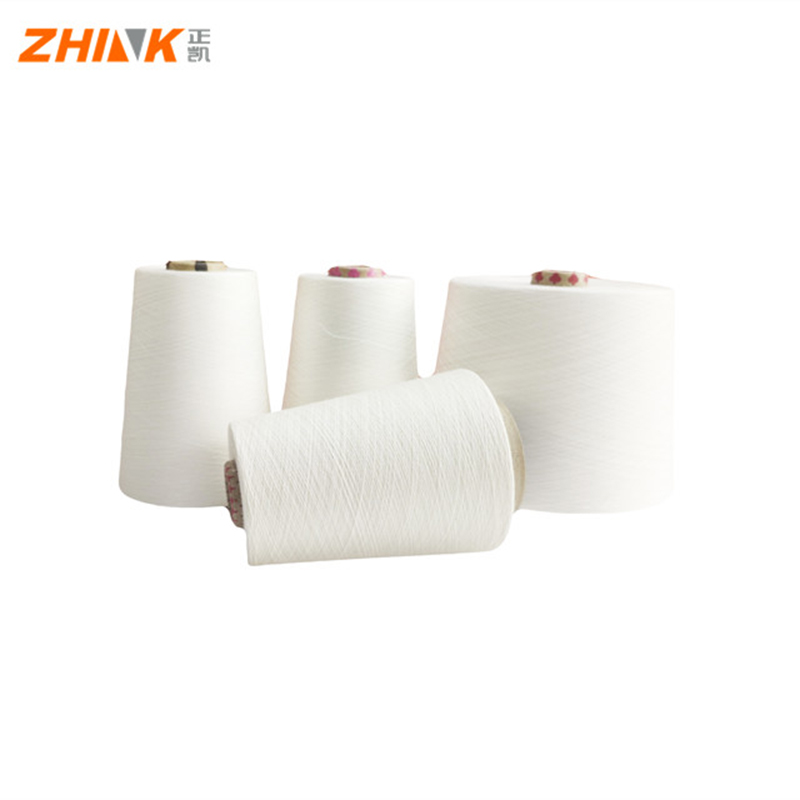
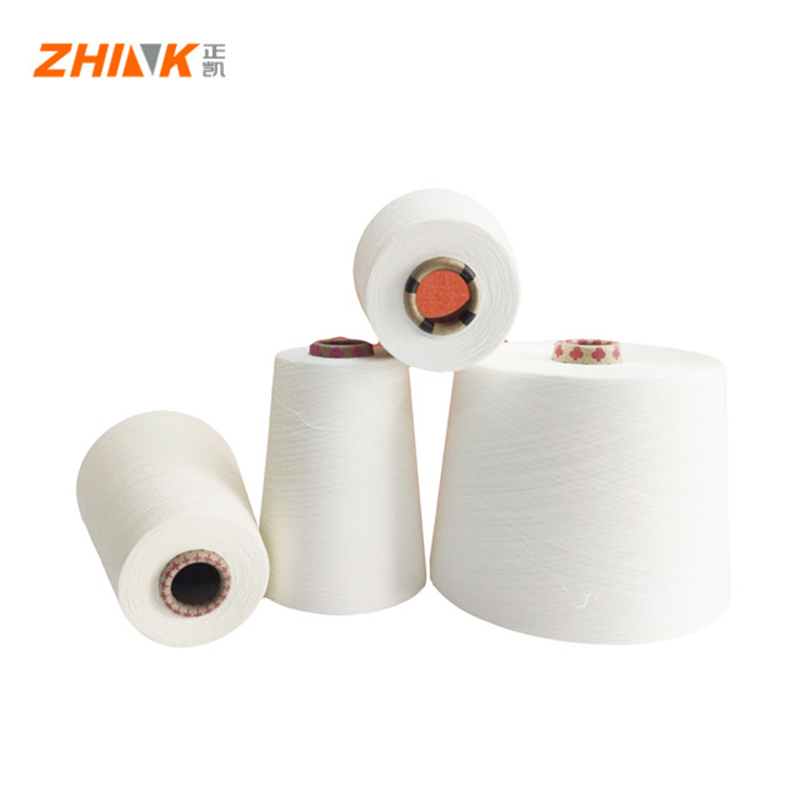
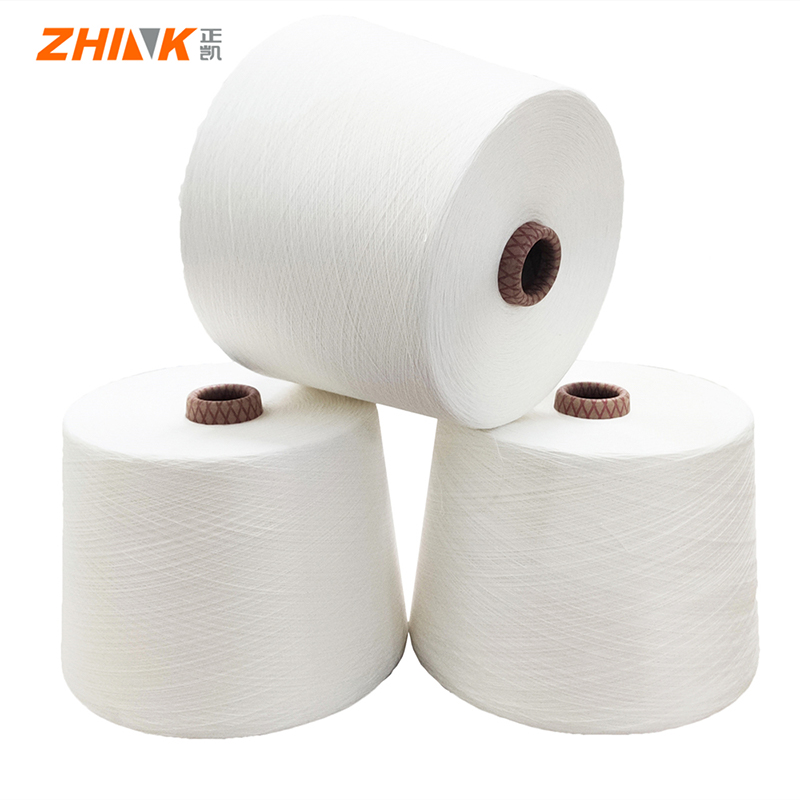
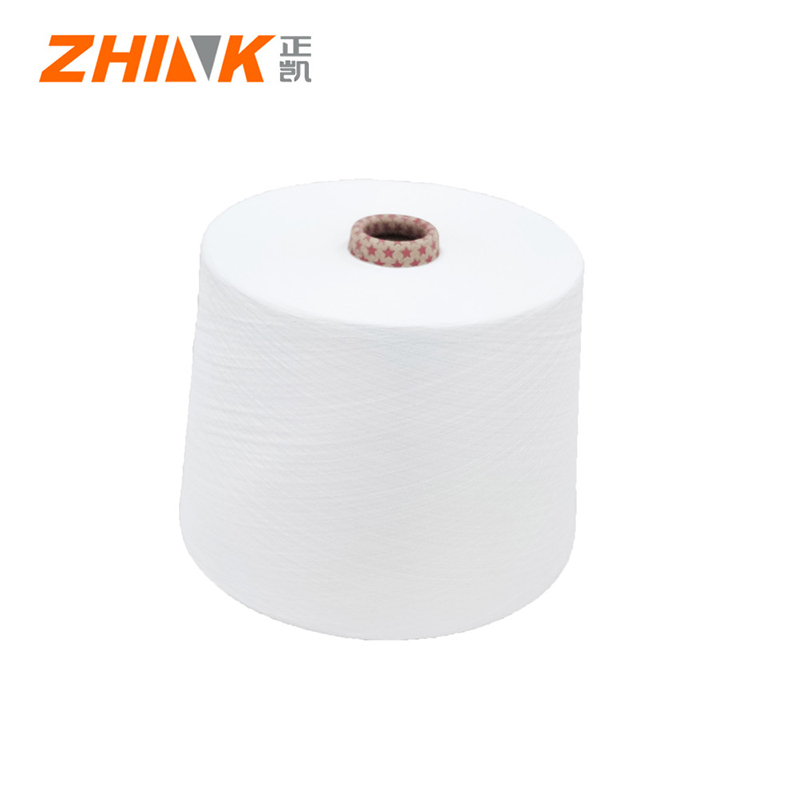
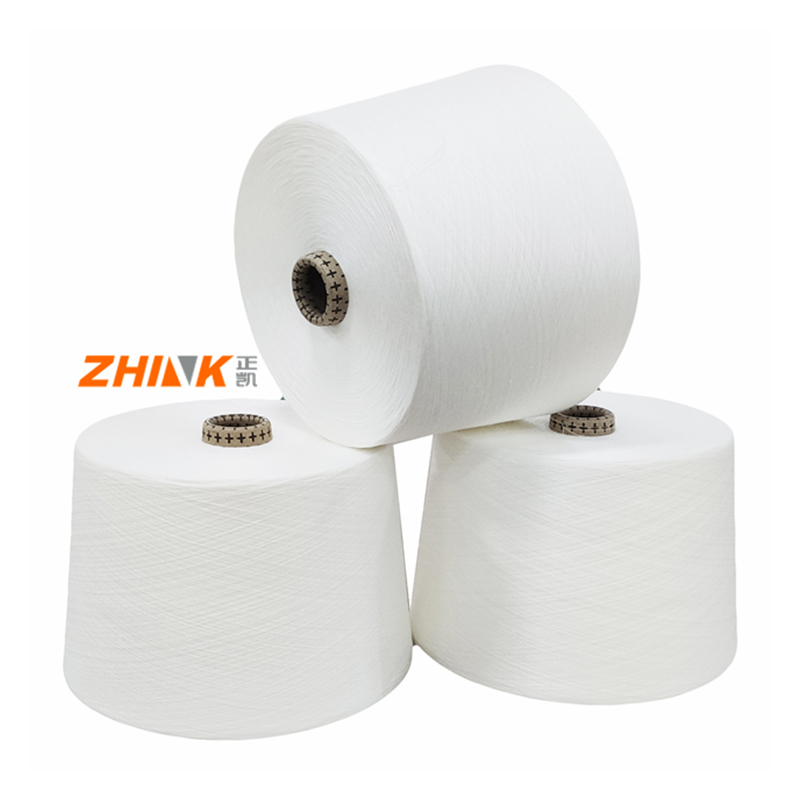
viscose/silk core spun yarn
The Intricacies of Viscose/Silk Core Spun Yarn
The realm of textiles often brims with innovations, yet the combination of viscose and silk in core spun yarn is an intriguing arena. This blend isn’t just a spontaneous pairing; it's a carefully orchestrated marriage of fibers that presents both opportunities and challenges. But what makes it so special or perhaps tricky, you might ask?
Understanding the Basics
From my own ventures into textile production, the attraction to viscose/silk core spun yarn stems from the desire for both durability and a luxurious feel. Silk is known for its natural sheen and softness, while viscose brings forth breathability and cost-effectiveness. But that’s just scratching the surface. We must delve deeper into how these materials interact.
A common misconception is that combining two premium fibers guarantees exceptional quality. It's not always that straightforward. When you're in the nitty-gritty of spinning these fibers, ensuring the silk core is properly encased by the viscose for an even tension throughout can be a meticulous task. Here at Zhink New Material, we’ve had our share of learning curves in line production.
For instance, maintaining an optimal environment—temperature and humidity—can make or break the yarn's integrity. An imbalance often leads to dreaded inconsistencies, which seasoned producers absolutely loathe.
The Production Nuances
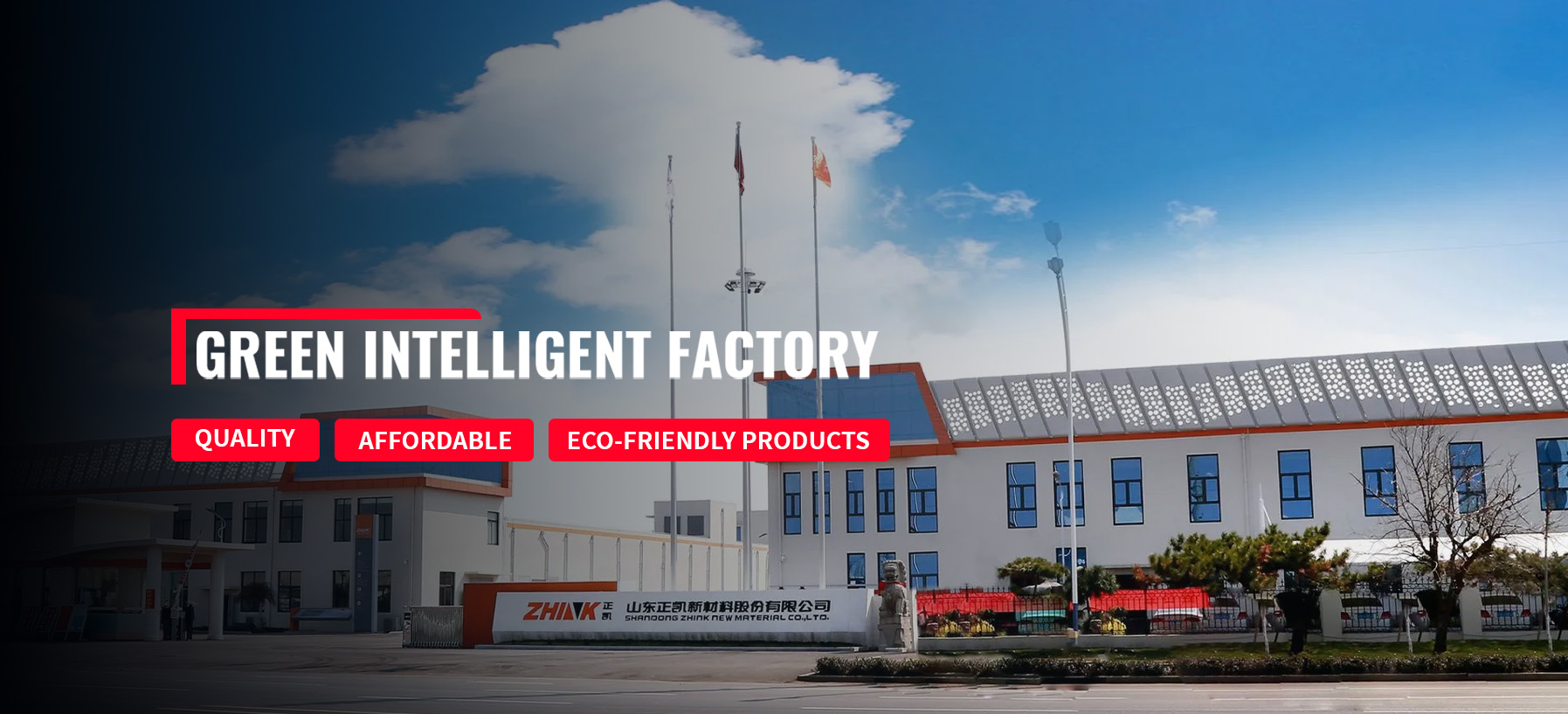
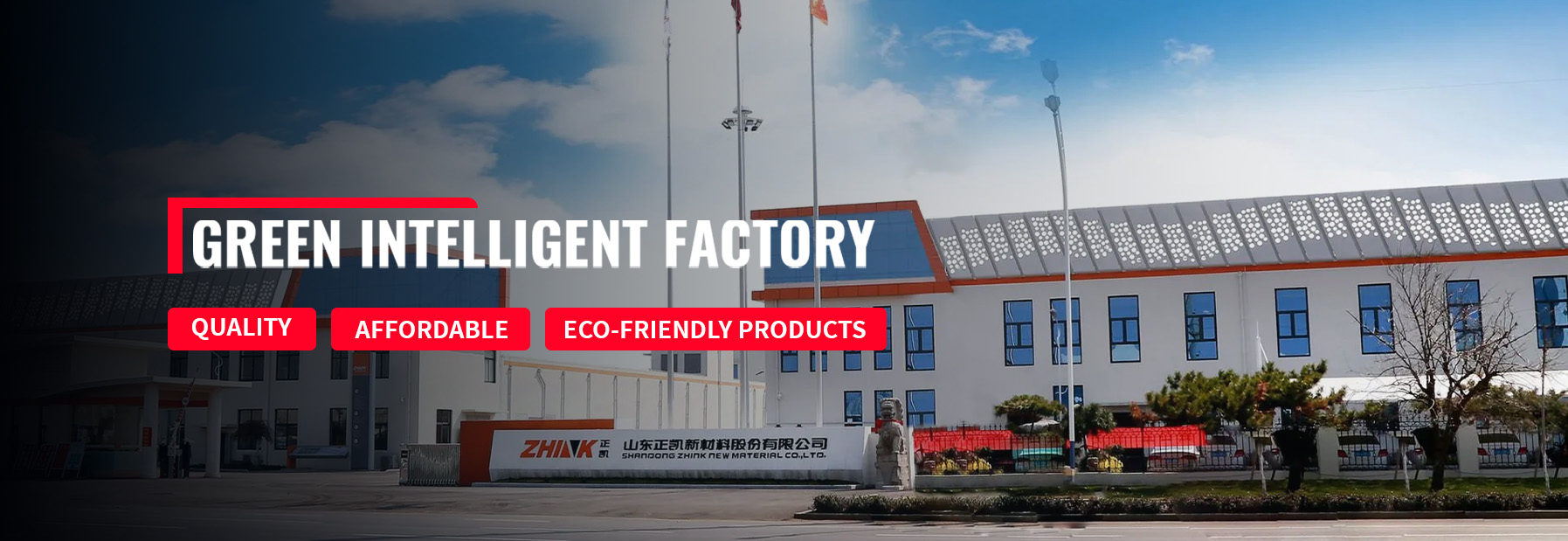
The actual spinning process demands precision. We see, in our operations at SHANDONG ZHINK NEW MATERIAL CO., LTD, the need for well-calibrated machinery. Any slippage in the machinery’s gears could cause fiber misalignment—this is something you learn only through experience, not textbooks.
Another factor often overlooked is the sourcing of raw materials. Silk, with its natural variances, can sometimes resist the even binding desired in core spun yarn. That’s why we prioritize sourcing high-quality viscose and silk, ensuring consistency from the get-go.
A particular incident I recall involved a batch where the silk had minute irregularities. The outcome was a lesson on the importance of robust quality checks before committing raw materials to production.
Market Applications and Challenges
Viscose/silk core spun yarn isn’t just about aesthetics; the market applications are expansive. From luxury fashion to functional textiles, the demand keeps surging. But there's a catch—keeping abreast of market trends and customer expectations is no small feat.
Having been part of the developmental phases at Zhink, I've seen the fluctuations in trend-driven demands. Only a couple of seasons ago, sustainable production became a buzzword, pushing us to reconsider our sourcing and manufacturing methods.
Yet, the challenge remains in balancing innovation with practicality. How do we keep costs down while pushing the boundaries of textile capabilities?
The Technical Hurdles
One can't avoid technical hurdles when working with such versatile fibers. The potential for fiber shedding, for example, can be quite the headache. It harks back to the importance of fiber bonding during the spinning process.
We've toyed with various finishing techniques to counter this, from enzyme washes to mechanical finishing, each with its set of pros and cons. Here, the devil is indeed in the details—you adjust one setting, and it could create another issue downstream.
In production meetings at Zhink, this topic frequently emerges. Trial and error—sometimes more trials than triumphs—slowly pave the way to finding that sweet spot of production consistency and quality.
Future Directions
Looking ahead, it’s an exciting time to be in textiles. The technology we employ today allows for more sophisticated blends and usage of viscose/silk core spun yarn, pushing boundaries further than ever before.
Emerging technologies, smart textiles, and even sustainability measures, as seen on our website, speak volumes of the potential that lies ahead. The journey is far from over.
In essence, every day spent working with this remarkable yarn is a learning curve. And who knows, maybe next season will bring challenges we've never faced before. In the world of textiles, certainty is as elusive as perfection.
Related Products
Related Products