+86-632-3621866
- Chinese
- French
- German
- Portuguese
- Spanish
- Russian
- Japanese
- Korean
- Arabic
- Irish
- Greek
- Turkish
- Italian
- Danish
- Romanian
- Indonesian
- Czech
- Afrikaans
- Swedish
- Polish
- Basque
- Catalan
- Esperanto
- Hindi
- Lao
- Albanian
- Amharic
- Armenian
- Azerbaijani
- Belarusian
- Bengali
- Bosnian
- Bulgarian
- Cebuano
- Chichewa
- Corsican
- Croatian
- Dutch
- Estonian
- Filipino
- Finnish
- Frisian
- Galician
- Georgian
- Gujarati
- Haitian
- Hausa
- Hawaiian
- Hebrew
- Hmong
- Hungarian
- Icelandic
- Igbo
- Javanese
- Kannada
- Kazakh
- Khmer
- Kurdish
- Kyrgyz
- Latin
- Latvian
- Lithuanian
- Luxembou..
- Macedonian
- Malagasy
- Malay
- Malayalam
- Maltese
- Maori
- Marathi
- Mongolian
- Burmese
- Nepali
- Norwegian
- Pashto
- Persian
- Punjabi
- Serbian
- Sesotho
- Sinhala
- Slovak
- Slovenian
- Somali
- Samoan
- Scots Gaelic
- Shona
- Sindhi
- Sundanese
- Swahili
- Tajik
- Tamil
- Telugu
- Thai
- Ukrainian
- Urdu
- Uzbek
- Vietnamese
- Welsh
- Xhosa
- Yiddish
- Yoruba
- Zulu
- Kinyarwanda
- Tatar
- Oriya
- Turkmen
- Uyghur



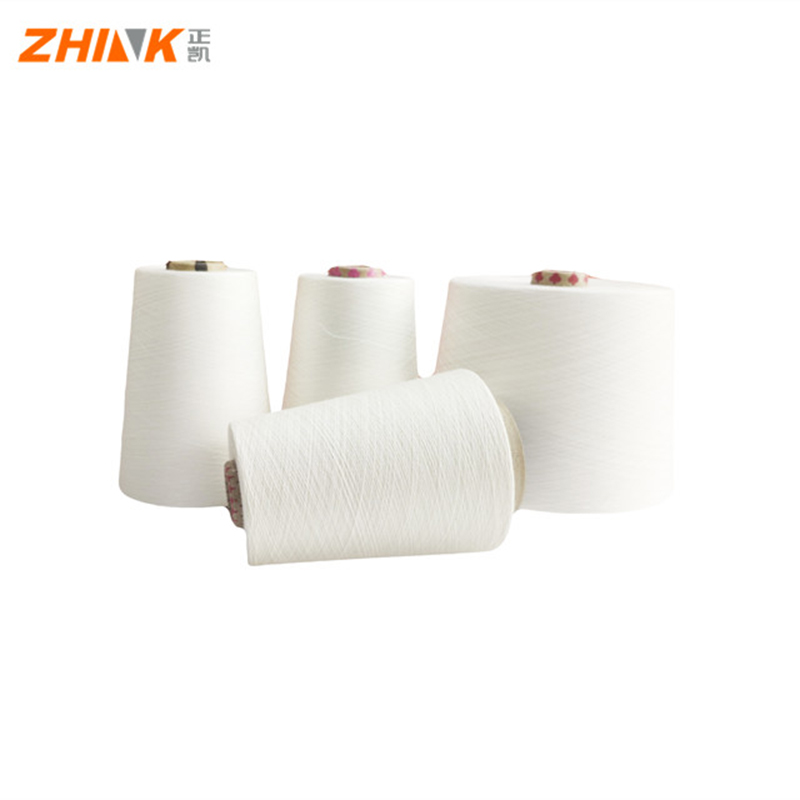
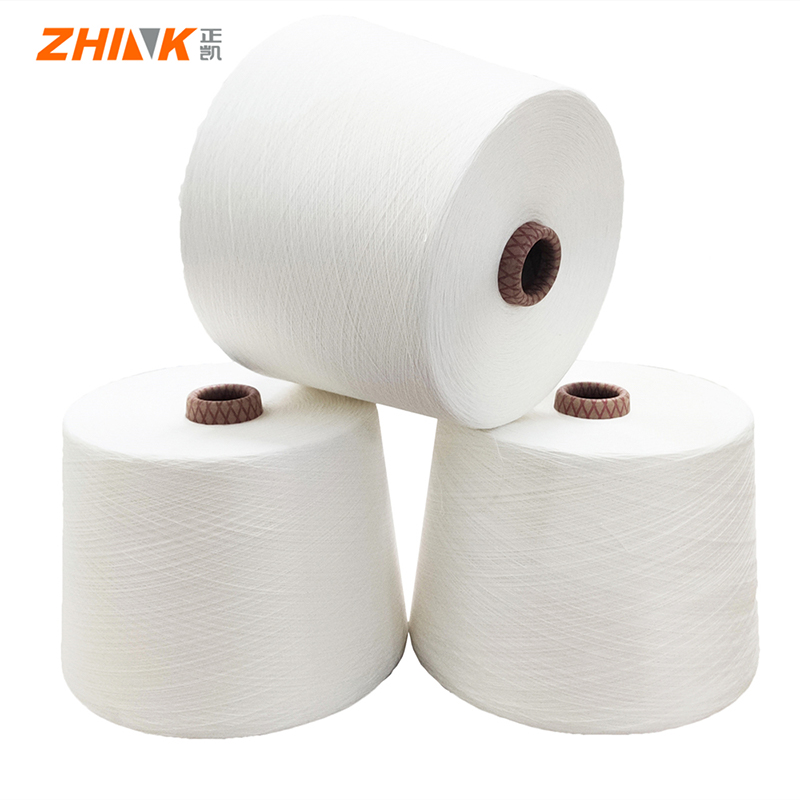
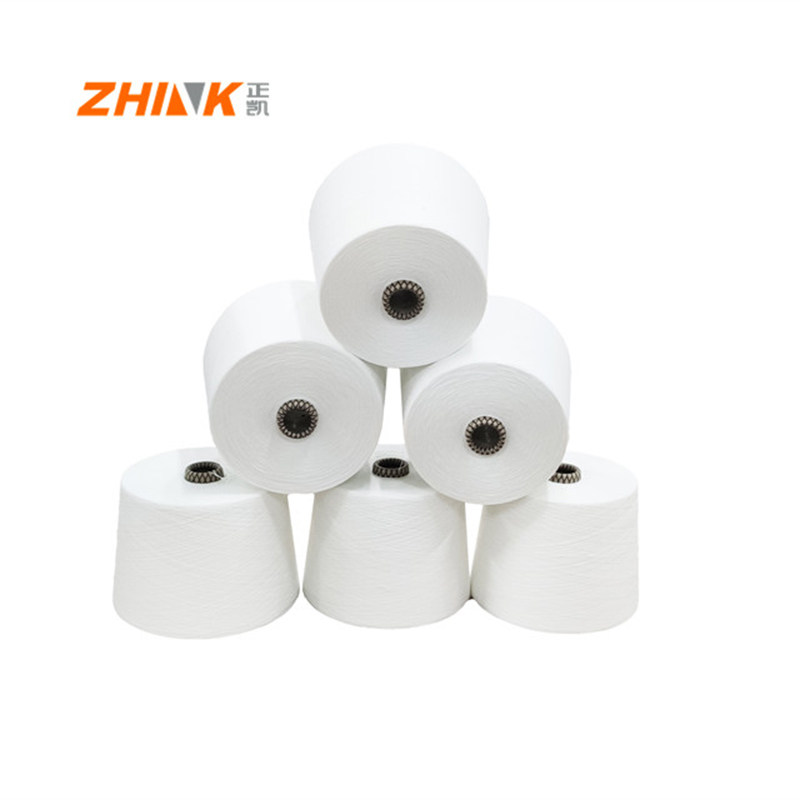
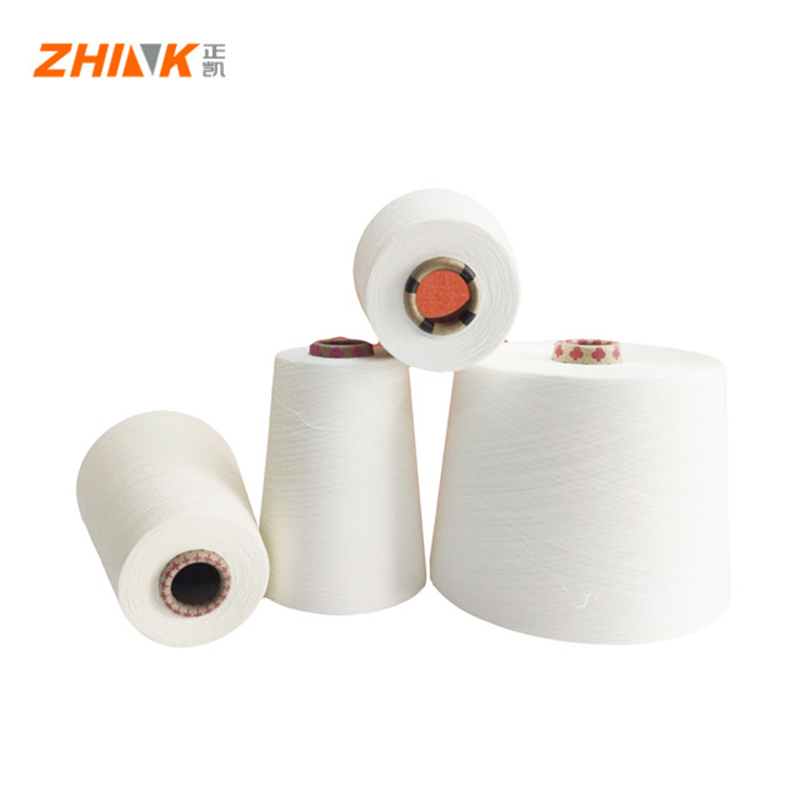
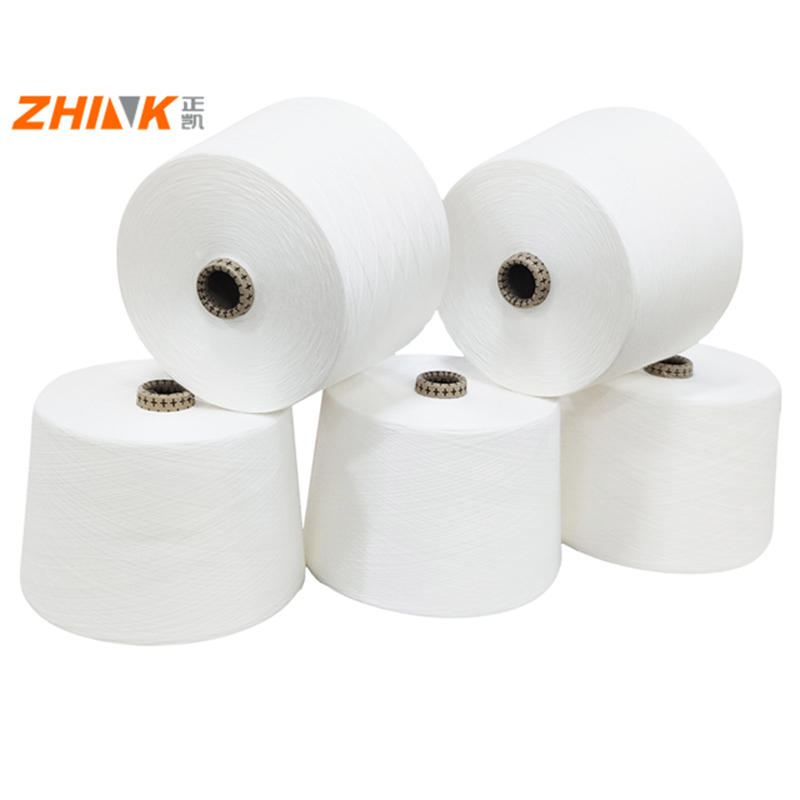
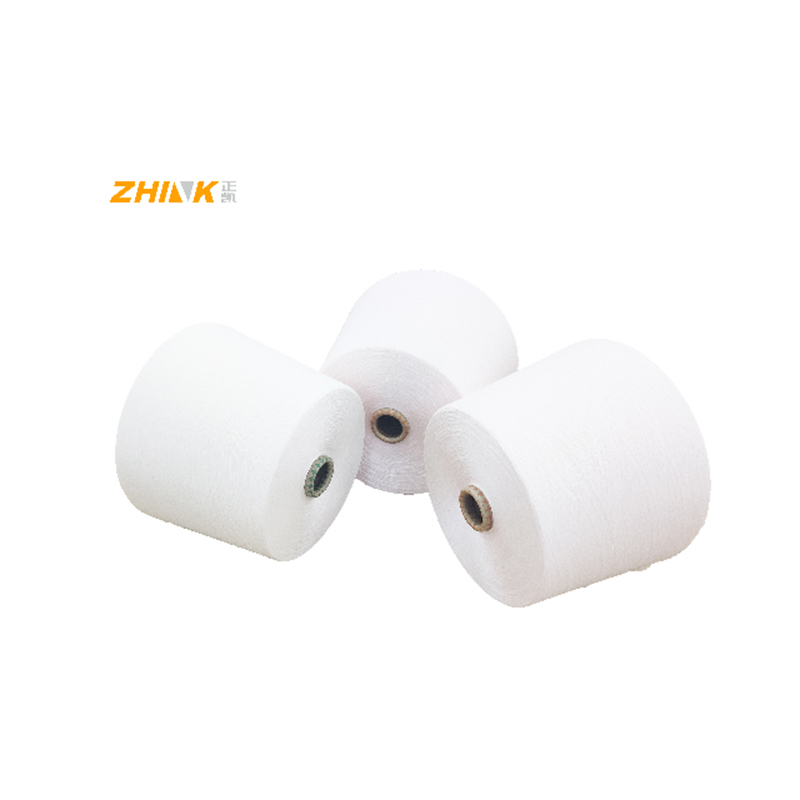
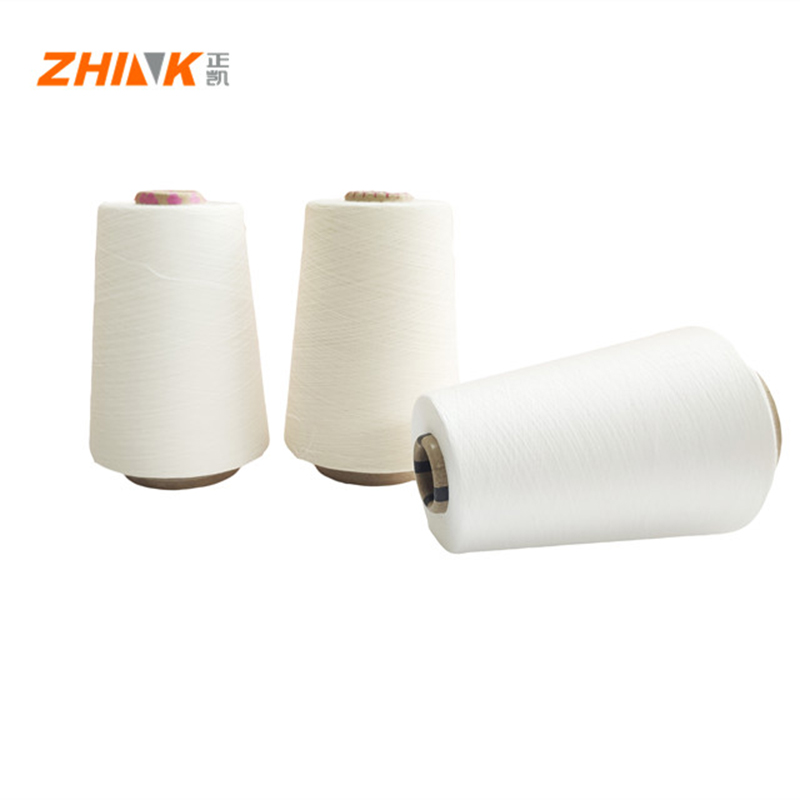
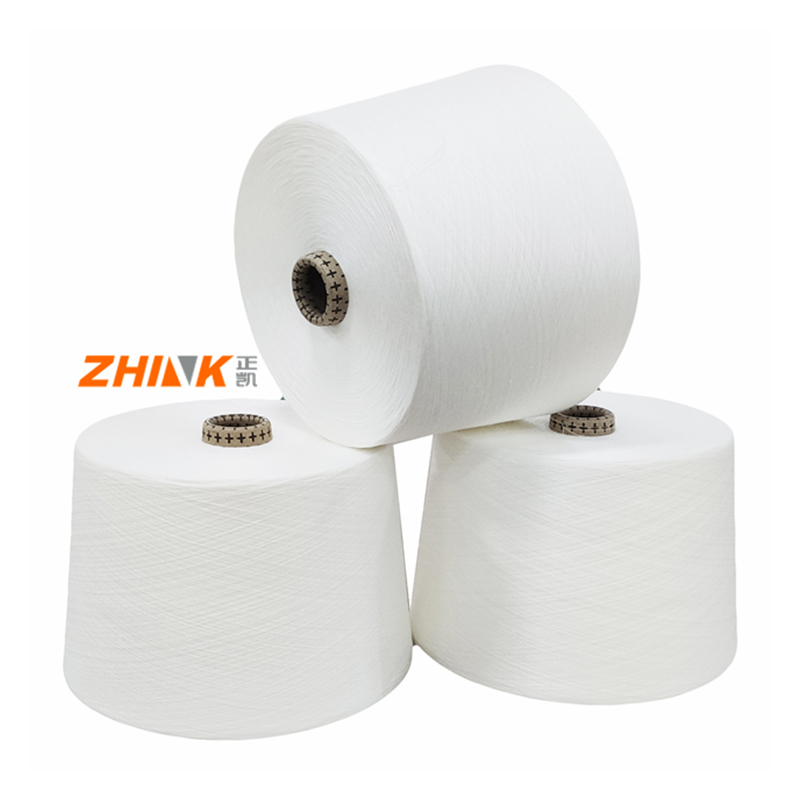
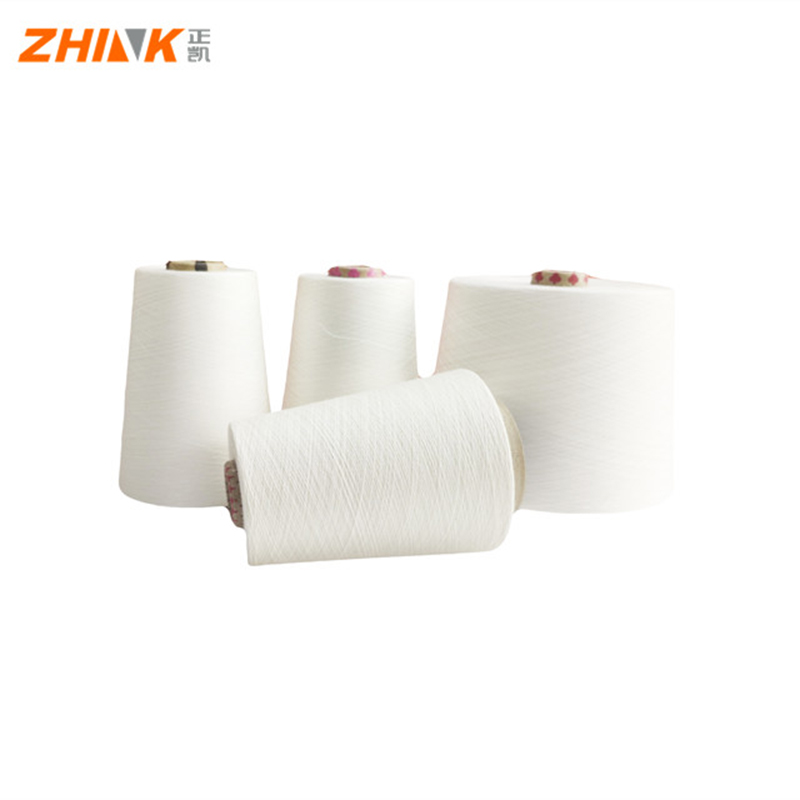
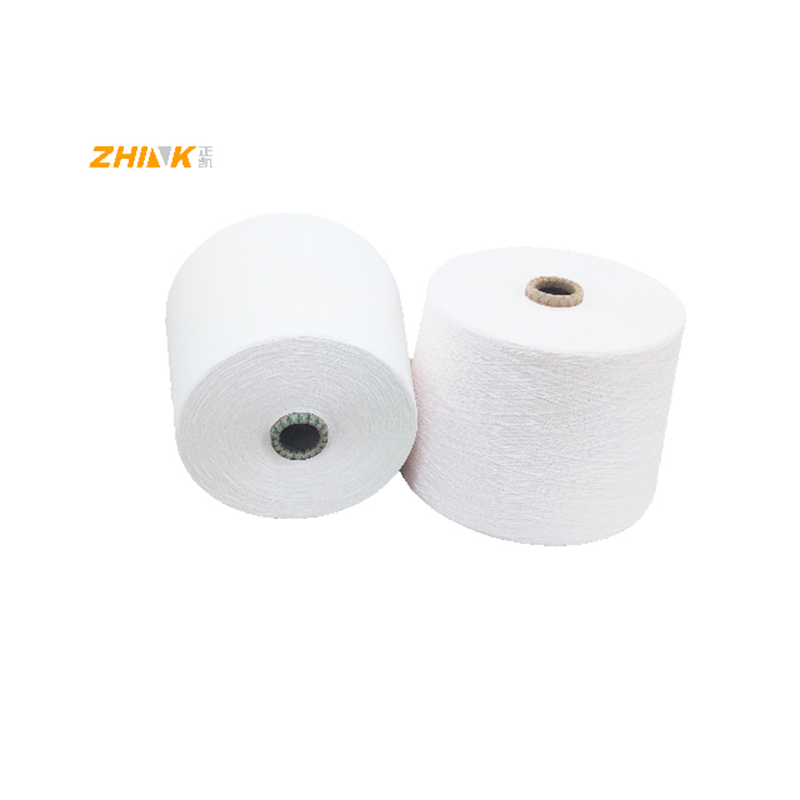
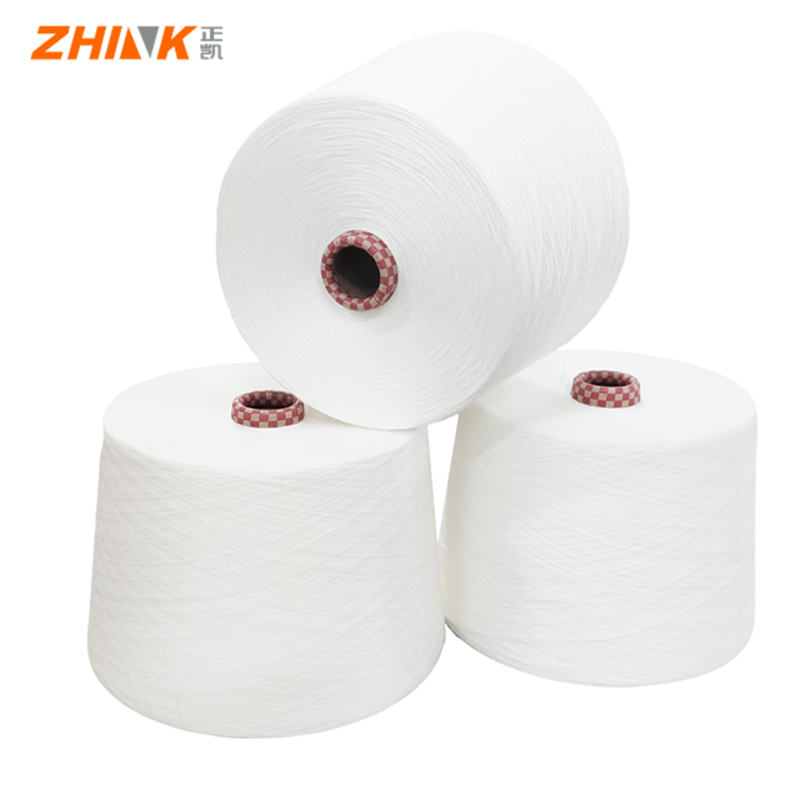
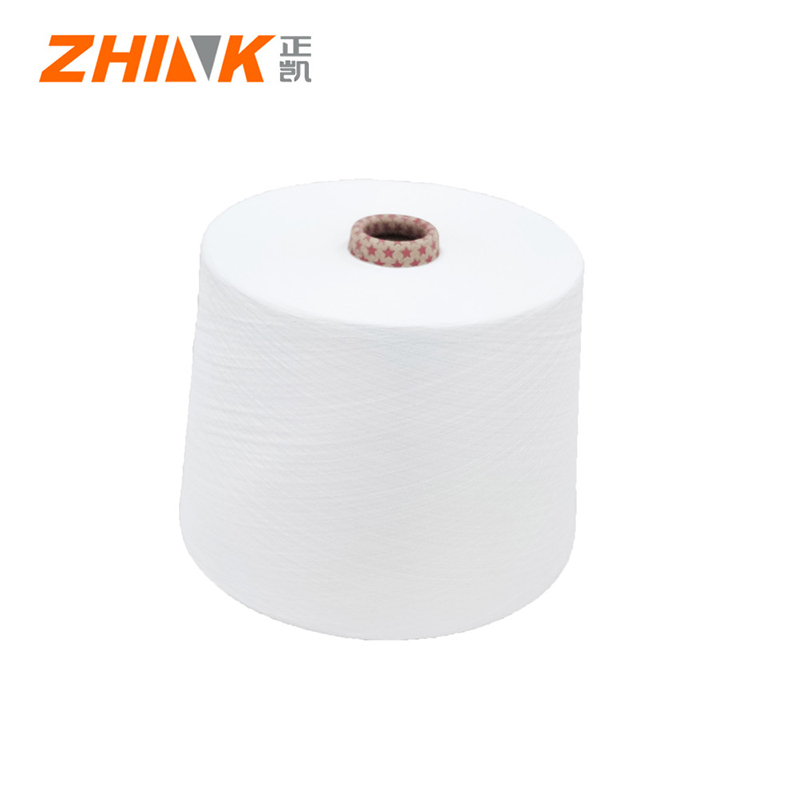
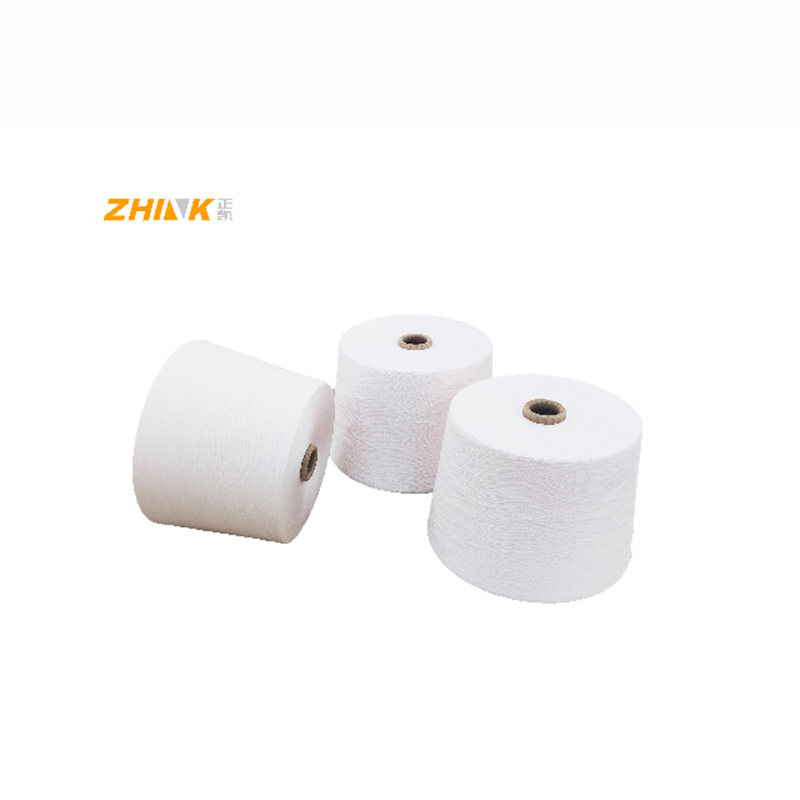
viscose spun yarn
Exploring the World of Viscose Spun Yarn
Viscose spun yarn, an integral part of the textile industry, often confuses even seasoned professionals. Is it the texture or its versatile applications that make it so valuable? Let’s dive into some hands-on insights and unravel the complexities of this fascinating material.
Understanding Viscose Spun Yarn
Viscose spun yarn is often mistaken for other synthetic fibers. In reality, it is a regenerated cellulose fiber, which brings together the best of both worlds—natural and synthetic. It’s derived from natural sources like wood pulp, giving it a more sustainable edge compared to many fully synthetic options. The production process, though complex, is quite fascinating. I've seen the transformation from pulp to yarn firsthand on a visit to a manufacturing plant.
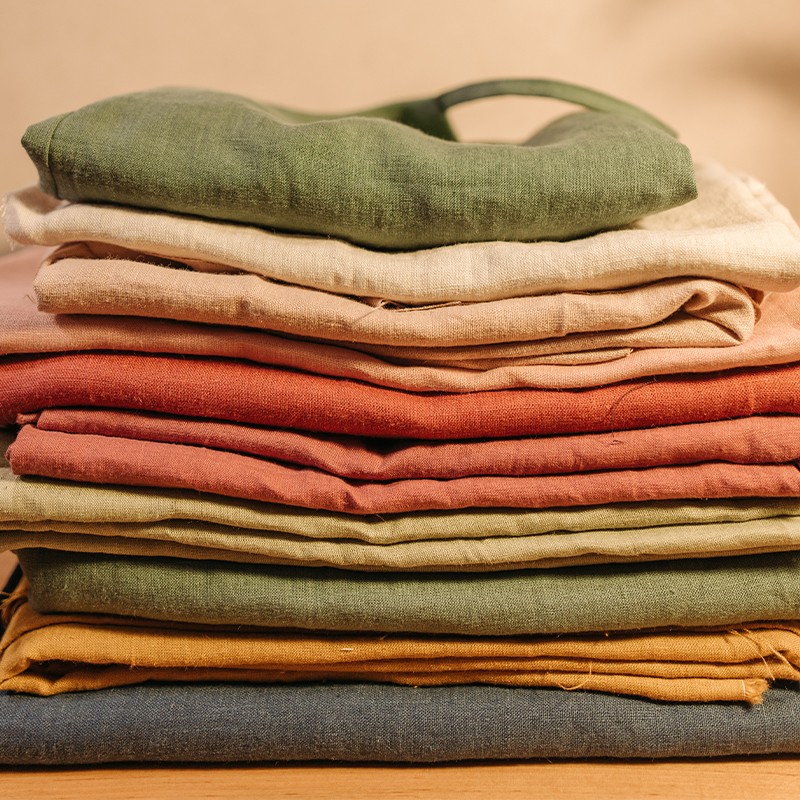
The adaptability of viscose spun yarn is what makes it stand out. We use it in everything from delicate blouses to strong upholstery fabrics. But achieving the right balance of softness and strength requires skill and precision. I remember working on a project where we had to tweak the fiber mix repeatedly to get the desired quality.
Common issues faced with this yarn include its tendency to shrink or lose shape when wet. Handling these challenges involves understanding both the material properties and the end-use applications extensively. I always recommend testing small batches under various conditions before full-scale production.
Production Challenges
From my experience at Zhink New Material, especially during our product development phase, maintaining consistency in yarn quality is a critical challenge. Given our company’s dedication to textile innovations, found at https://www.zhinkyarn.com, we’ve invested heavily in research and development to tackle these issues.
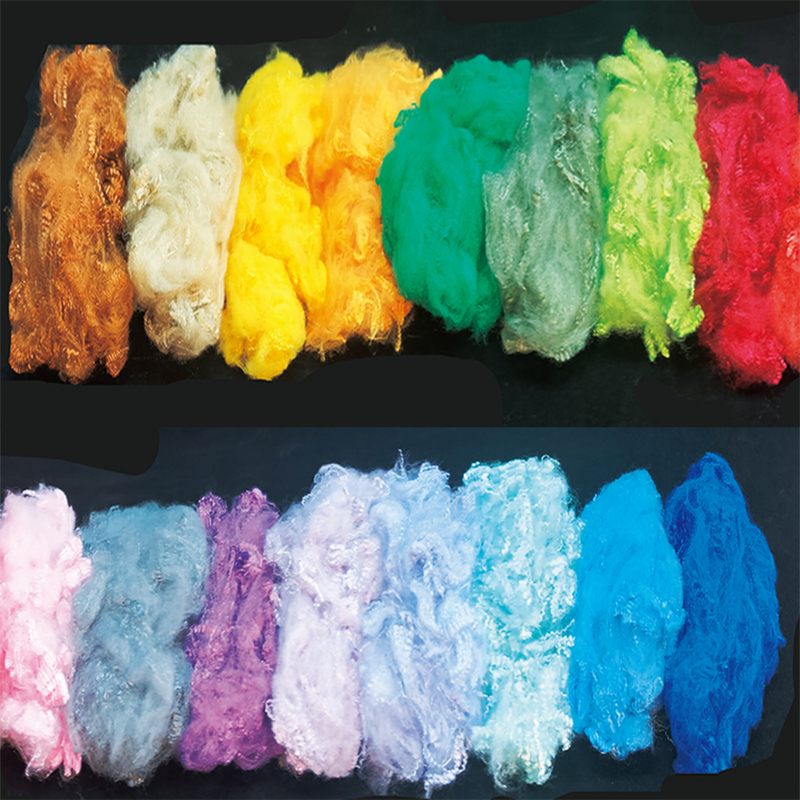
One ongoing hurdle is controlling the dye uptake. We've tried multiple methods to ensure even coloring. Sometimes it's about adjusting the temperature and time during the dyeing process. This is something you learn over countless trials and errors, not from textbooks.
The machinery used in yarn spinning also plays a crucial role. Modern equipment reduces labor but requires significant investment and maintenance, something our team has carefully managed over the years to boost efficiency.
Applications and Innovations
Viscose spun yarn’s uses extend beyond traditional textiles. A recent project involved producing medical-grade textiles. The demand for such specialized fabrics is growing, requiring us to delve deeper into the yarn's antimicrobial properties. This is a field where I believe significant advancements will be made in the coming years.
In fashion, its affinity for vibrant colors and comfortable wear makes it a favorite. As someone who’s witnessed fashion trends emerge and evolve, I’ve seen viscose take a leading role due to its adaptability, giving designers new palettes to work with.
Environmental concerns push us to innovate further. At SHANDONG ZHINK NEW MATERIAL CO., LTD, we continuously aim to develop eco-friendly production methods, balancing industrial demands with sustainability—an ongoing challenge but a necessary one.
Quality Control and Standards
Ensuring quality is always at the forefront, especially when catering to varied industries. We’ve implemented stringent quality checks at every stage, from raw material selection to final product. You can't underestimate the value of a thorough inspection process.
We've examined yarn under different stress conditions to predict performance. It’s a meticulous process that pays off in reliability. If there's anything I stress upon, it's that quality assurance is not just a step, but a culture.
Certifications also play a role in establishing trust. Compliance with international standards has become a baseline for competition, something every producer should adhere to without exceptions.
Looking Forward
The future of viscose spun yarn lies in technological integration. Smart textiles are no longer a futuristic concept but a present reality. By embedding sensors, there’s potential for a new range of applications, from health monitoring to adaptive clothing.
Embracing digital transformation is crucial. Real-time monitoring of production processes through IoT can revolutionize efficiency and quality. At Zhink New Material, we’re exploring these technologies to stay ahead in the competitive textile market.
Ultimately, the journey with viscose spun yarn is about continual learning and adaptation. The one constant in the textile industry is change, and being prepared to pivot is key to staying relevant. With ongoing research and collaboration, the possibilities remain endless.
Related Products
Related Products