+86-632-3621866
- Chinese
- French
- German
- Portuguese
- Spanish
- Russian
- Japanese
- Korean
- Arabic
- Irish
- Greek
- Turkish
- Italian
- Danish
- Romanian
- Indonesian
- Czech
- Afrikaans
- Swedish
- Polish
- Basque
- Catalan
- Esperanto
- Hindi
- Lao
- Albanian
- Amharic
- Armenian
- Azerbaijani
- Belarusian
- Bengali
- Bosnian
- Bulgarian
- Cebuano
- Chichewa
- Corsican
- Croatian
- Dutch
- Estonian
- Filipino
- Finnish
- Frisian
- Galician
- Georgian
- Gujarati
- Haitian
- Hausa
- Hawaiian
- Hebrew
- Hmong
- Hungarian
- Icelandic
- Igbo
- Javanese
- Kannada
- Kazakh
- Khmer
- Kurdish
- Kyrgyz
- Latin
- Latvian
- Lithuanian
- Luxembou..
- Macedonian
- Malagasy
- Malay
- Malayalam
- Maltese
- Maori
- Marathi
- Mongolian
- Burmese
- Nepali
- Norwegian
- Pashto
- Persian
- Punjabi
- Serbian
- Sesotho
- Sinhala
- Slovak
- Slovenian
- Somali
- Samoan
- Scots Gaelic
- Shona
- Sindhi
- Sundanese
- Swahili
- Tajik
- Tamil
- Telugu
- Thai
- Ukrainian
- Urdu
- Uzbek
- Vietnamese
- Welsh
- Xhosa
- Yiddish
- Yoruba
- Zulu
- Kinyarwanda
- Tatar
- Oriya
- Turkmen
- Uyghur


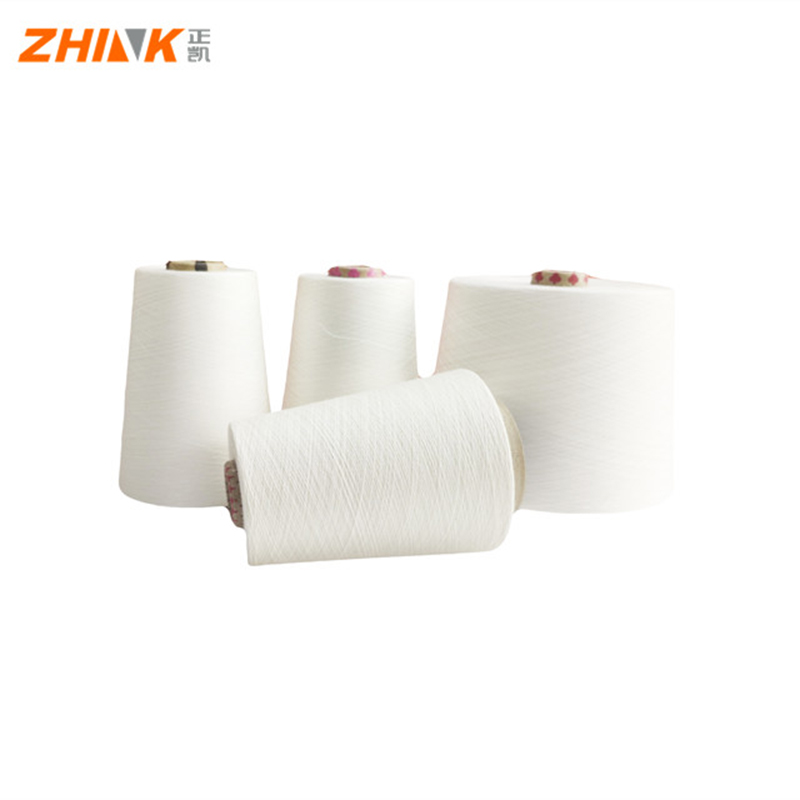
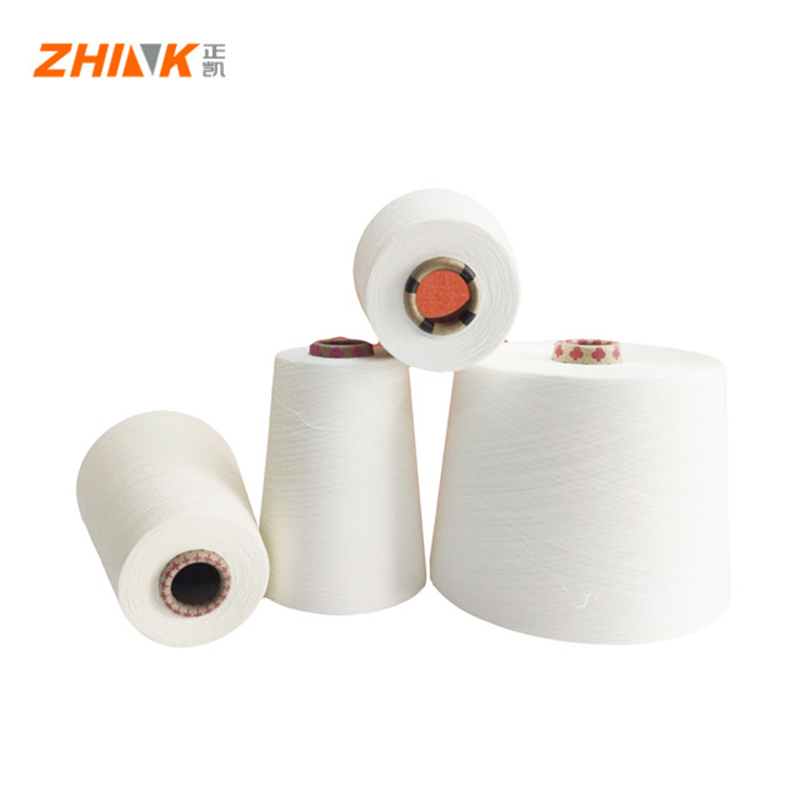
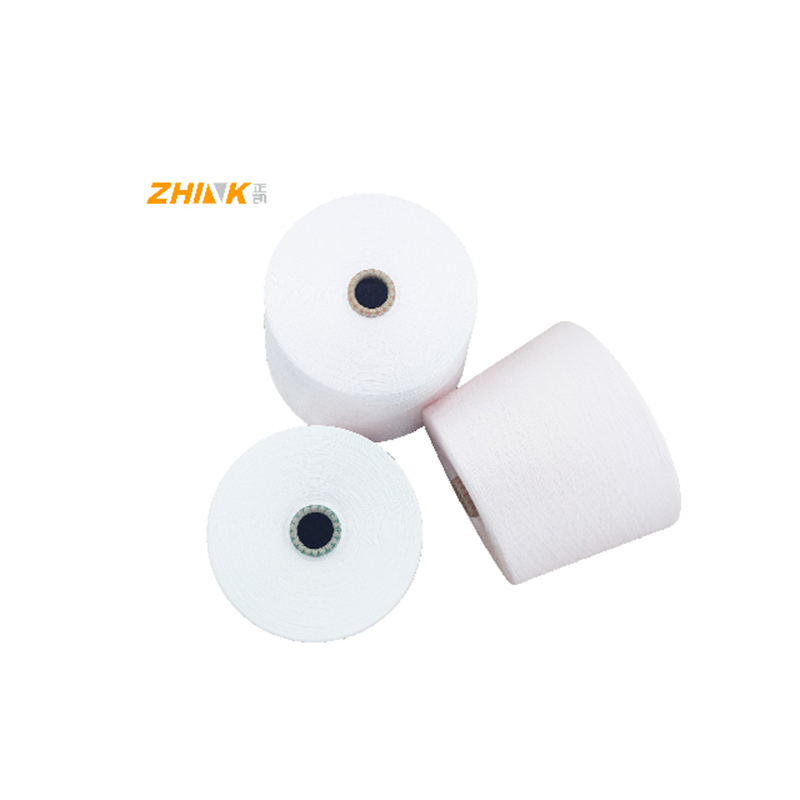
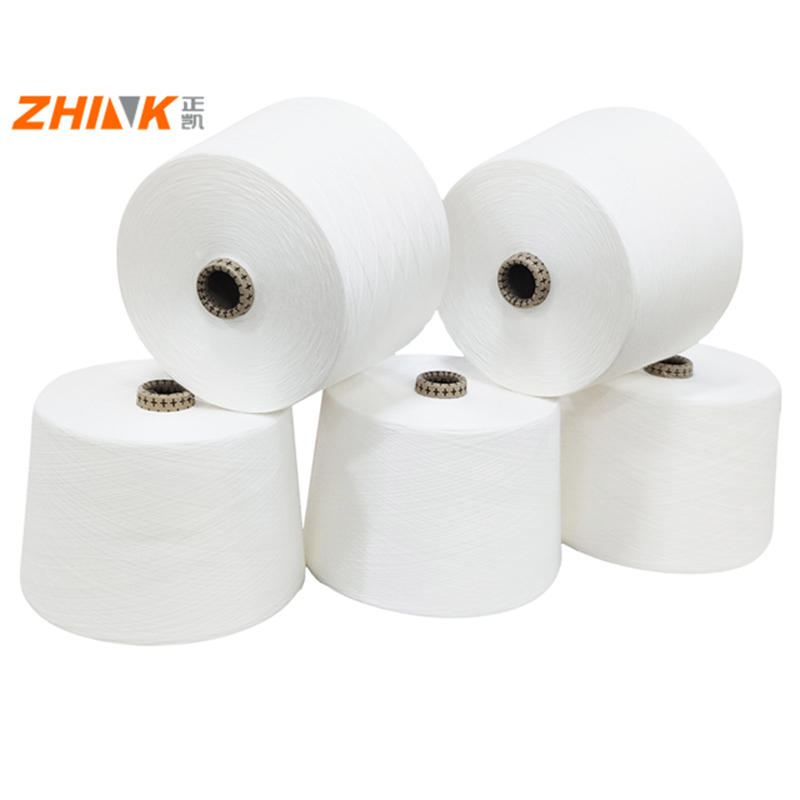
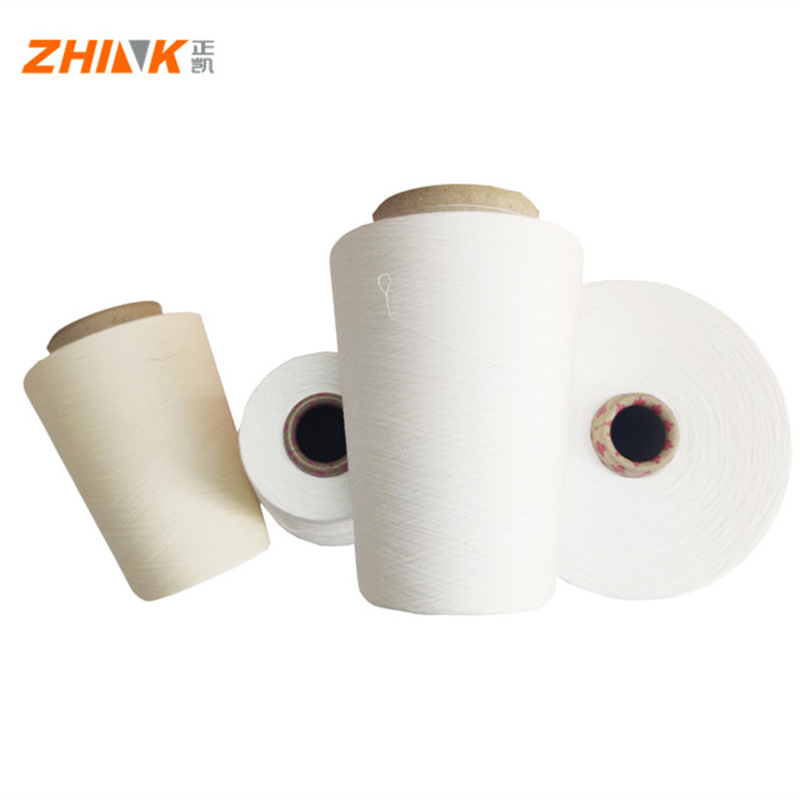
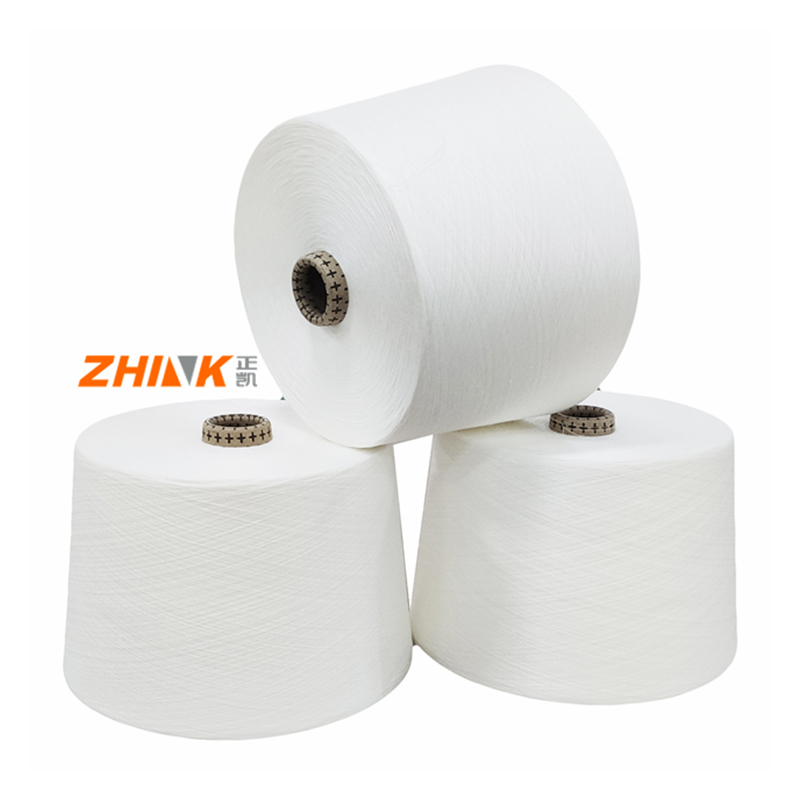
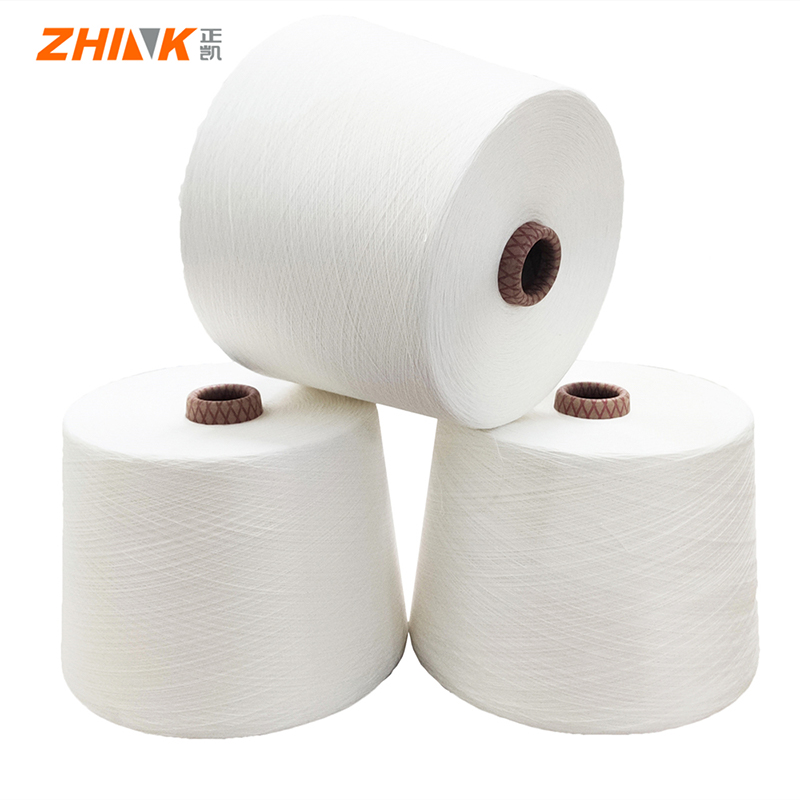
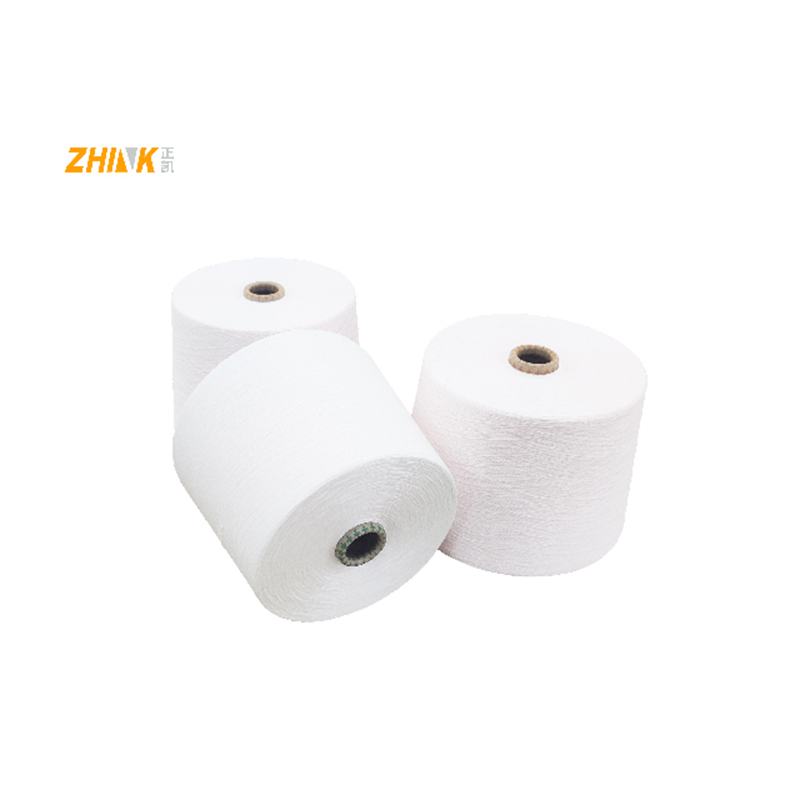
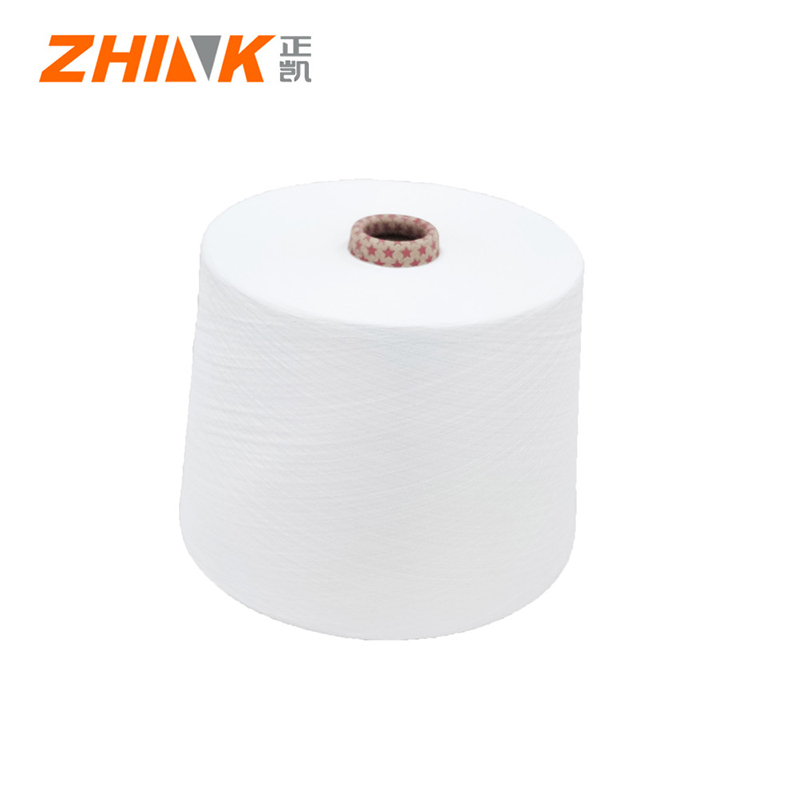
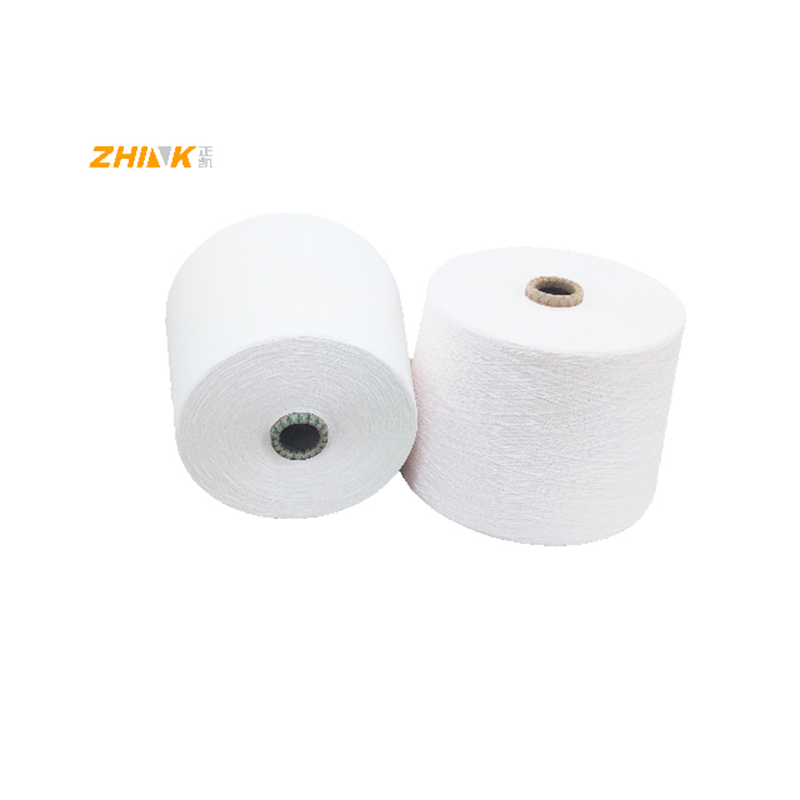
viscose staple fiber yarn
The Intricacies of Viscose Staple Fiber Yarn
Viscose staple fiber yarn—those words carry a heap of significance in the textile industry. It’s a phrase that’s synonymous with versatility, but not without its share of misconceptions. Many think of it purely as a silk substitute, overlooking its unique properties and applications. Let’s peel back the layers of this often misunderstood material, drawing on real-world insights and experiences.
Understanding Viscose and Its Uses
Viscose is often lumped in with synthetic fibers, yet it’s a semi-synthetic, derived from natural cellulose. That’s a key detail. Working with it requires understanding both its natural origins and industrial processing. I’ve seen firsthand how its adaptability makes it invaluable for anything from clothing to home textiles.
For example, a project I was involved in aimed at blending viscose with wool. The goal? To enhance the drape and soft feel. It’s not always straightforward, though. The absorption property of viscose can complicate things, demanding meticulous control during dyeing and finishing.
On another front, the sustainability angle is gaining traction. Viscose offers a better environmental footprint compared to purely synthetic fibers. But like anything, it’s not flawless. The production process requires careful management to truly be considered eco-friendly.
Challenges in Production
Production of viscose staple fiber yarn isn’t without hiccups. Consistency can be tricky. I recall a batch with uneven texture, a common issue due to variations in pulp quality. Frequent checks and balances are crucial, yet even the best plans can falter.
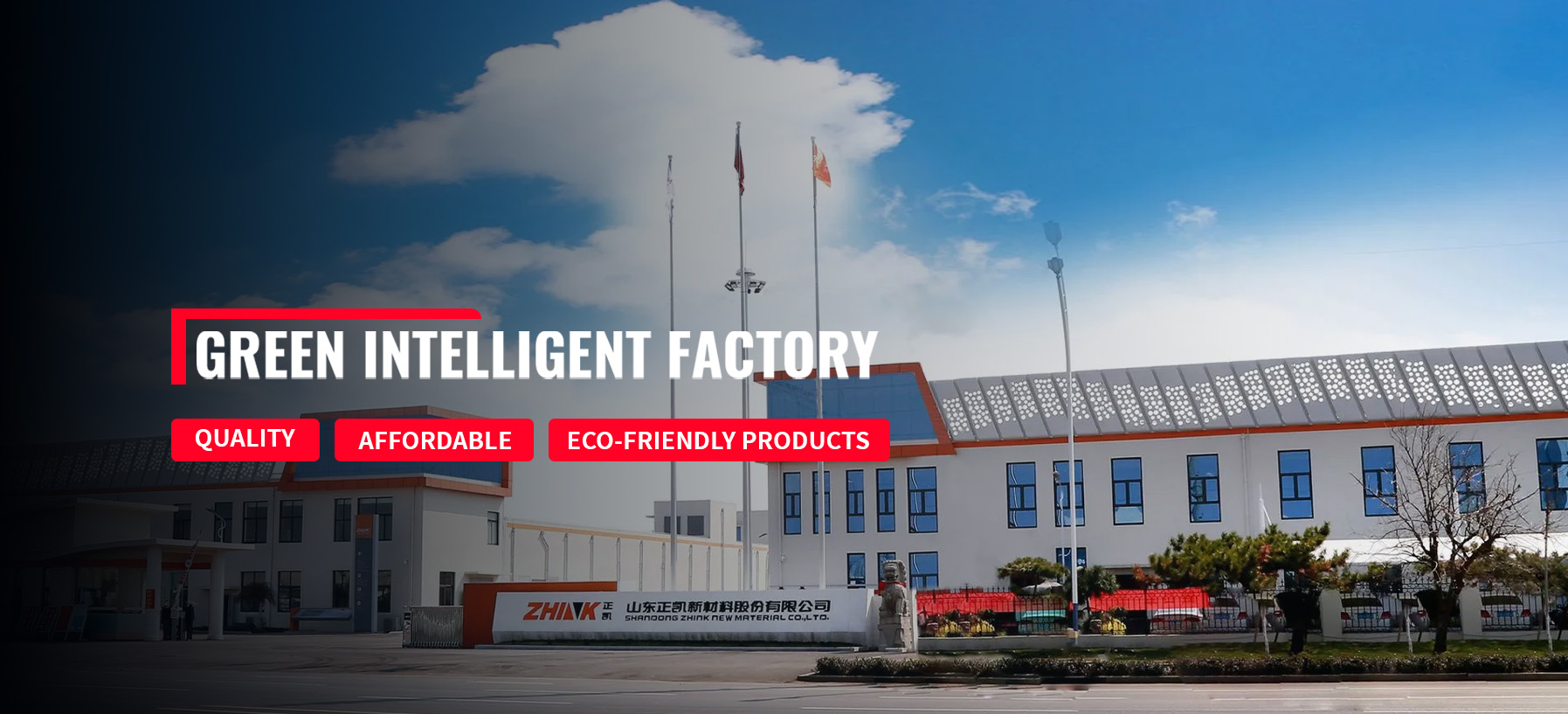
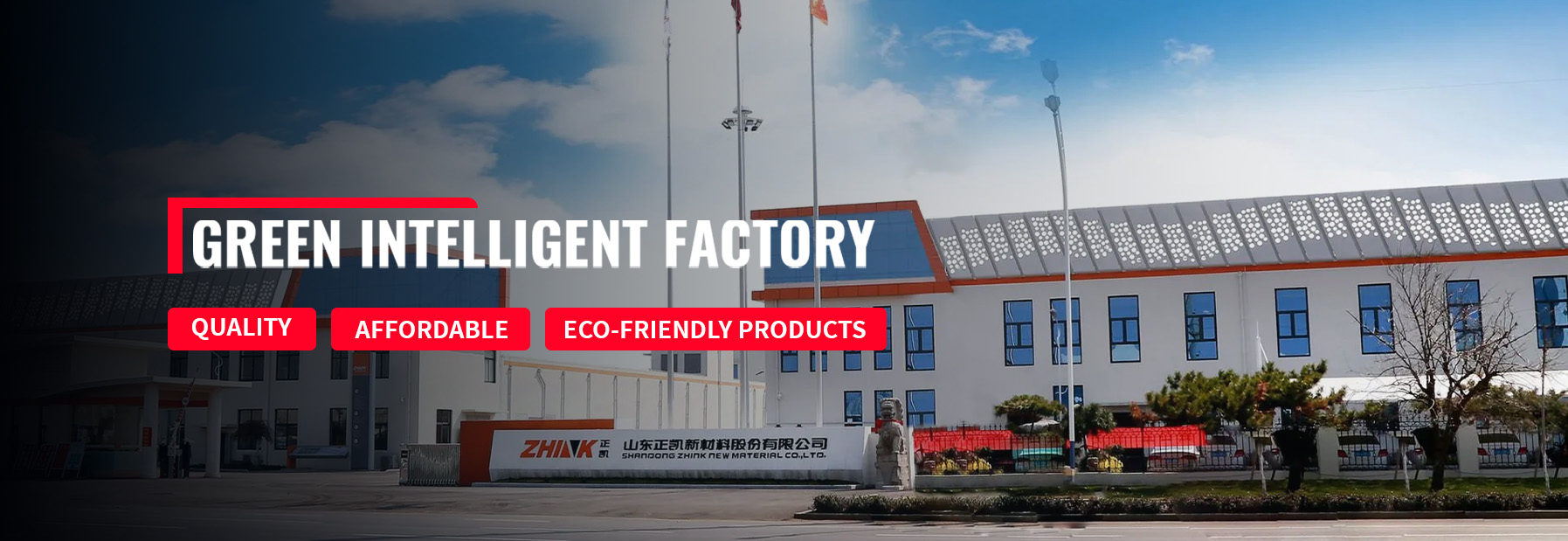
There’s also the matter of equipment wear and tear. Viscose fiber production can be taxing on machinery. I’ve watched seasoned technicians at SHANDONG ZHINK NEW MATERIAL CO., LTD deftly navigate equipment care, their expertise keeping the production line humming smoothly.
Moreover, the environmental implications of the process are front and center. Responsible manufacturers, like Zhink New Material, must adopt practices that mitigate impact. It’s a balancing act between innovation and ethics.
Market Insights and Trends
The market for viscose staple fiber yarn is in constant flux. Believe me, nothing stays static for long. Trends are leaning towards blends, which is exciting, but also a challenge. The right blend can elevate fabric performance, while the wrong one can be a costly misstep.
I’ve seen shifts towards more sustainable practices reflected in consumer behaviors. Companies that align themselves with these values, like SHANDONG ZHINK, often see better reception in the market. Transparency and accountability are becoming non-negotiables.
Interestingly, there’s been a rise in demand for customized solutions. Clients want niche products tailored to specific needs, pushing manufacturers to innovate constantly. It’s a thrilling time, albeit one that demands agility and foresight.
Technical Aspects Worth Knowing
On the technical side, understanding the nuances of viscose staple fiber yarn production is crucial. Fiber length, denier, and tensile strength are aspects not to be underestimated. A slight deviation can impact the entire product range.
An incident comes to mind where a deviation in denier — a culinary term of yarn — led to unexpected issues in fabric weight. It’s those small details that require vigilance. Tech teams at Zhink New Material regularly engage in quality control exercises to prevent such mishaps.
The chemistry behind viscose also intrigues many. It involves the xanthation of cellulose, a process that transforms cellulose into a soluble compound. Understanding these chemical reactions is crucial for any producer intent on excelling in this field.
Real-World Applications
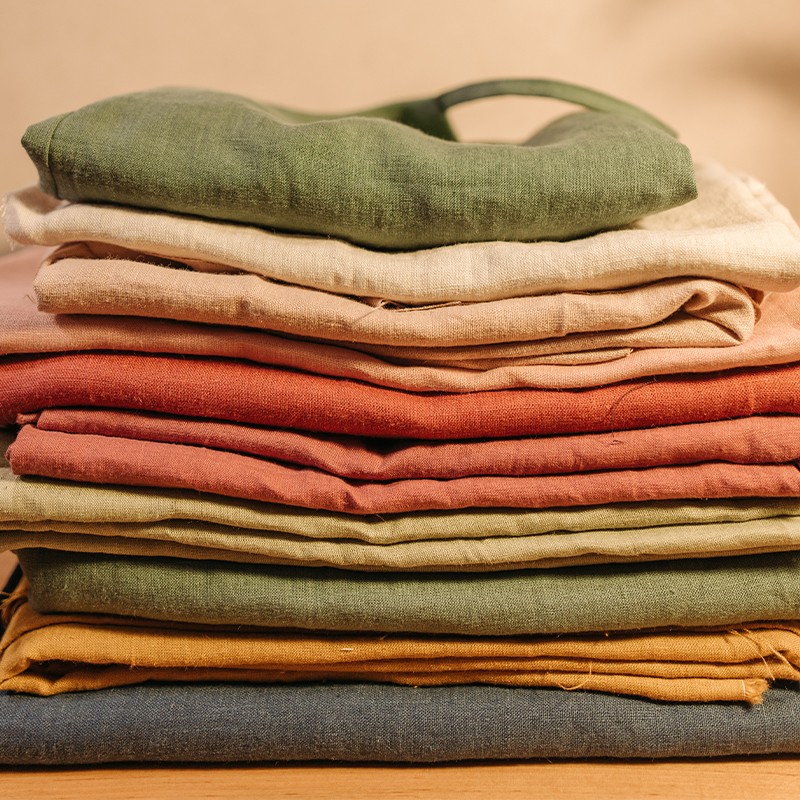
Viscose is often championed for its softness and breathability, qualities that make it a darling for apparel. However, its applications extend further. Upholstery and industrial textiles benefit from its feel and aesthetic appeal.
A memorable project involved creating viscose-rich curtains that weren’t just functional but carried aesthetic charm. The team at SHANDONG ZHINK impressed me with their ability to combine function and fashion seamlessly.
Ultimately, viscose staple fiber yarn is a material with potential limited only by creativity. While challenges exist, they’re far outweighed by opportunities for innovation and growth in the textile industry.
Related Products
Related Products