+86-632-3621866
- Chinese
- French
- German
- Portuguese
- Spanish
- Russian
- Japanese
- Korean
- Arabic
- Irish
- Greek
- Turkish
- Italian
- Danish
- Romanian
- Indonesian
- Czech
- Afrikaans
- Swedish
- Polish
- Basque
- Catalan
- Esperanto
- Hindi
- Lao
- Albanian
- Amharic
- Armenian
- Azerbaijani
- Belarusian
- Bengali
- Bosnian
- Bulgarian
- Cebuano
- Chichewa
- Corsican
- Croatian
- Dutch
- Estonian
- Filipino
- Finnish
- Frisian
- Galician
- Georgian
- Gujarati
- Haitian
- Hausa
- Hawaiian
- Hebrew
- Hmong
- Hungarian
- Icelandic
- Igbo
- Javanese
- Kannada
- Kazakh
- Khmer
- Kurdish
- Kyrgyz
- Latin
- Latvian
- Lithuanian
- Luxembou..
- Macedonian
- Malagasy
- Malay
- Malayalam
- Maltese
- Maori
- Marathi
- Mongolian
- Burmese
- Nepali
- Norwegian
- Pashto
- Persian
- Punjabi
- Serbian
- Sesotho
- Sinhala
- Slovak
- Slovenian
- Somali
- Samoan
- Scots Gaelic
- Shona
- Sindhi
- Sundanese
- Swahili
- Tajik
- Tamil
- Telugu
- Thai
- Ukrainian
- Urdu
- Uzbek
- Vietnamese
- Welsh
- Xhosa
- Yiddish
- Yoruba
- Zulu
- Kinyarwanda
- Tatar
- Oriya
- Turkmen
- Uyghur



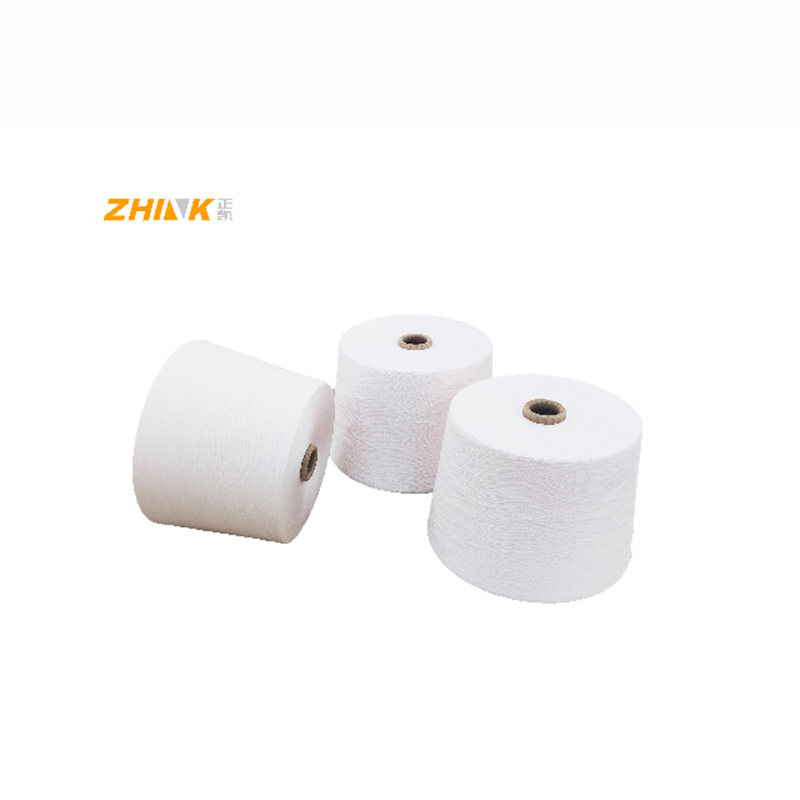
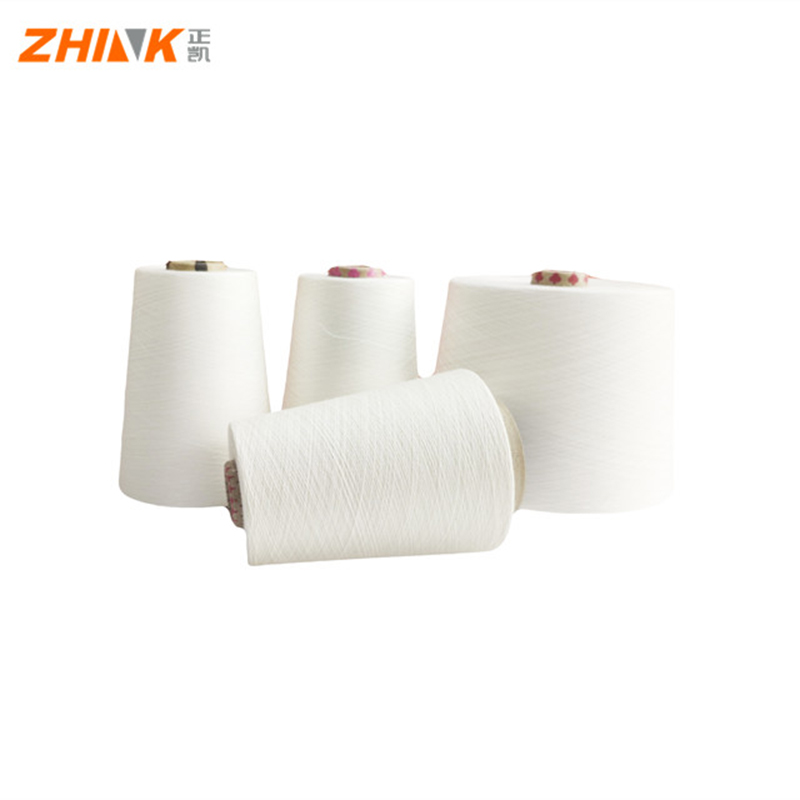
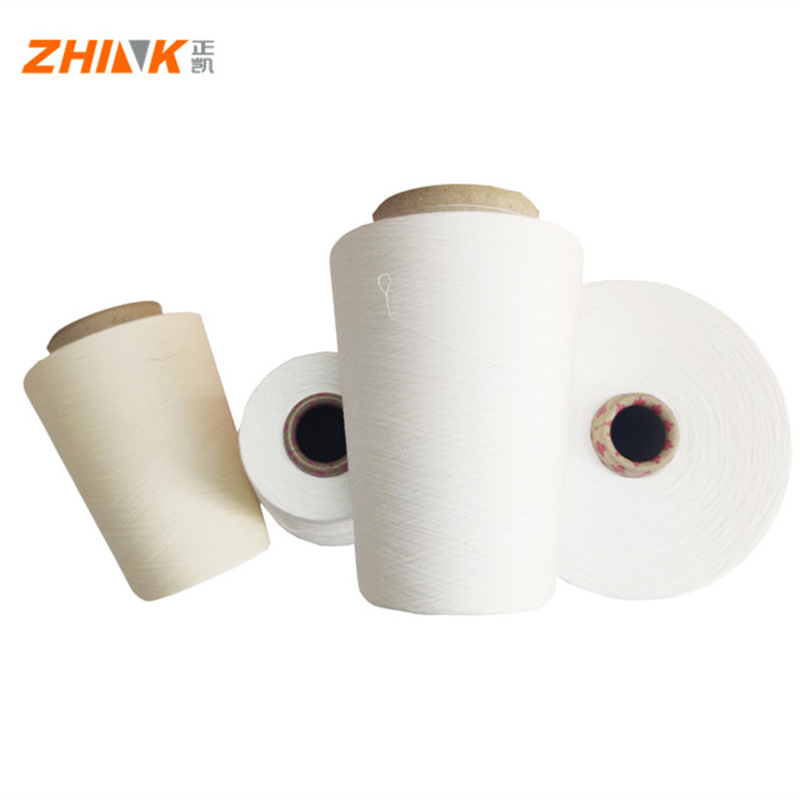
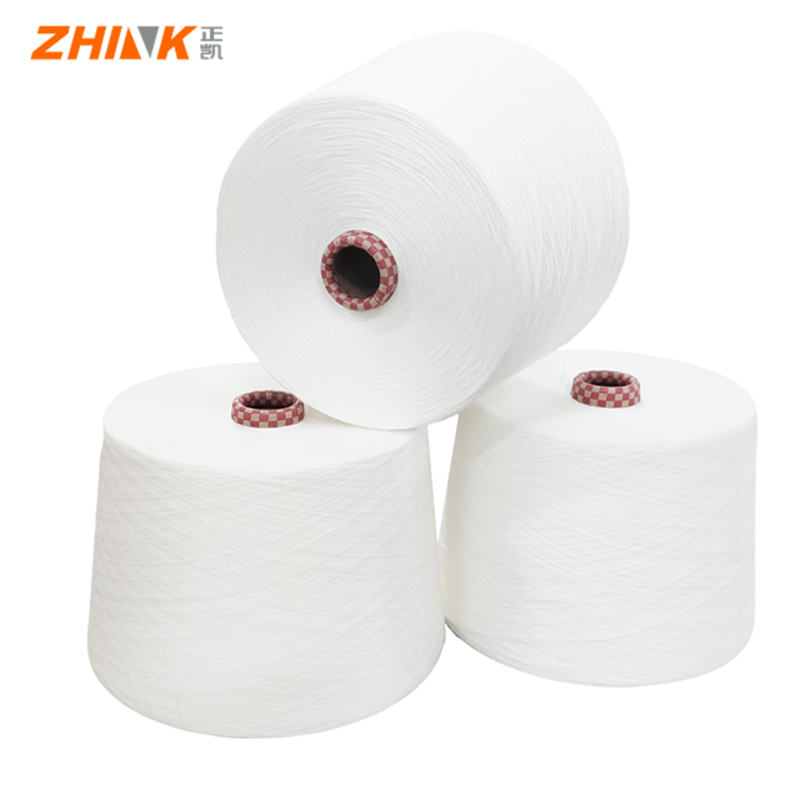
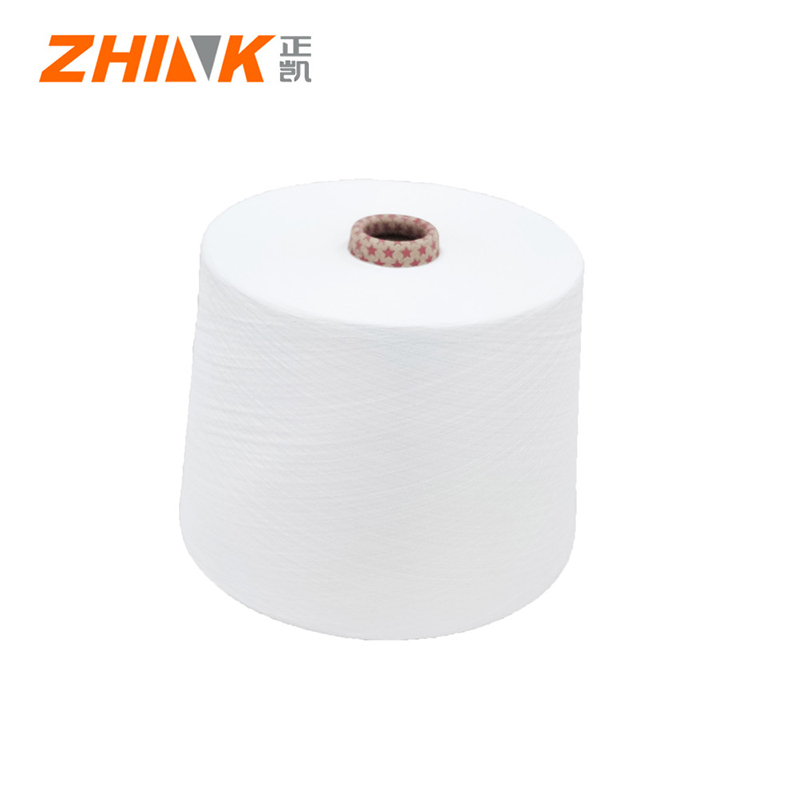
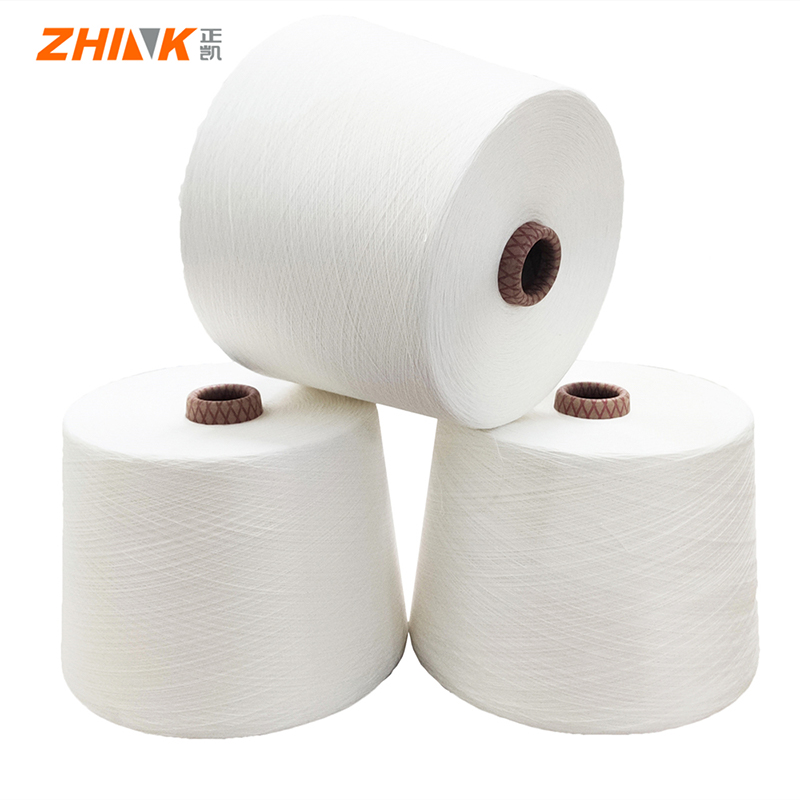
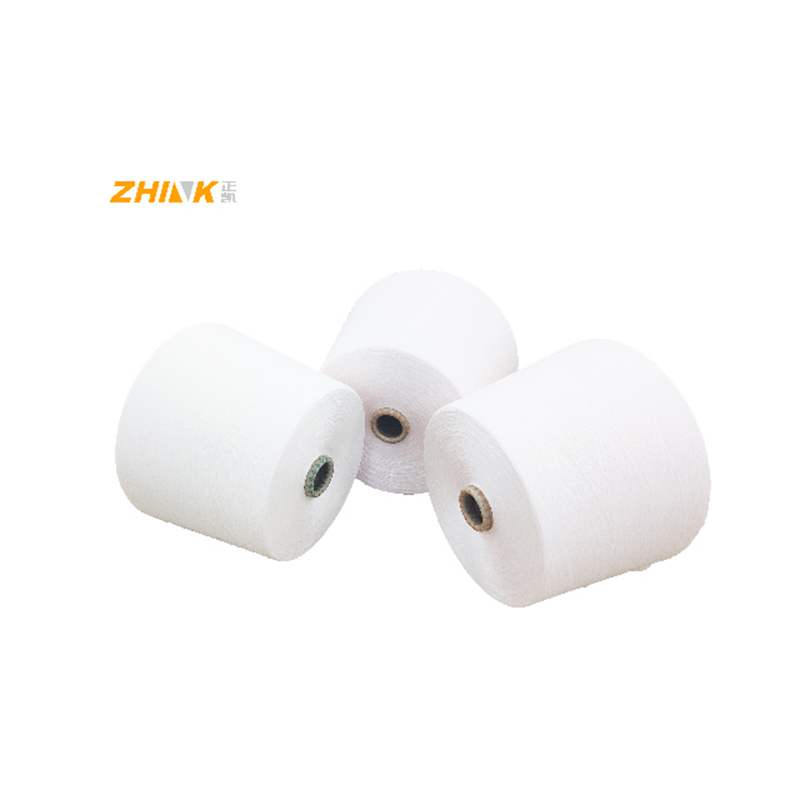
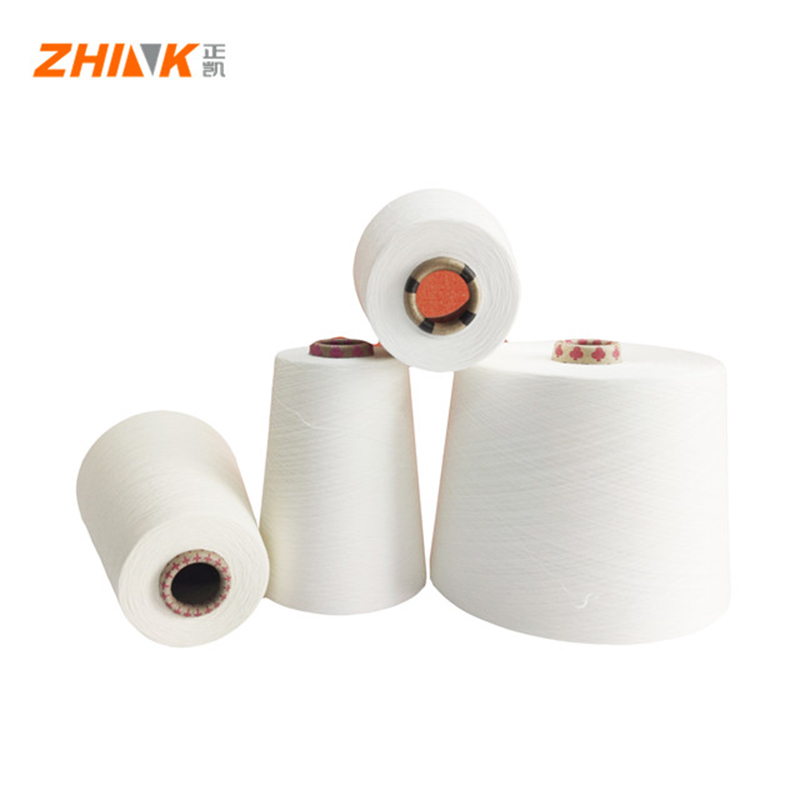
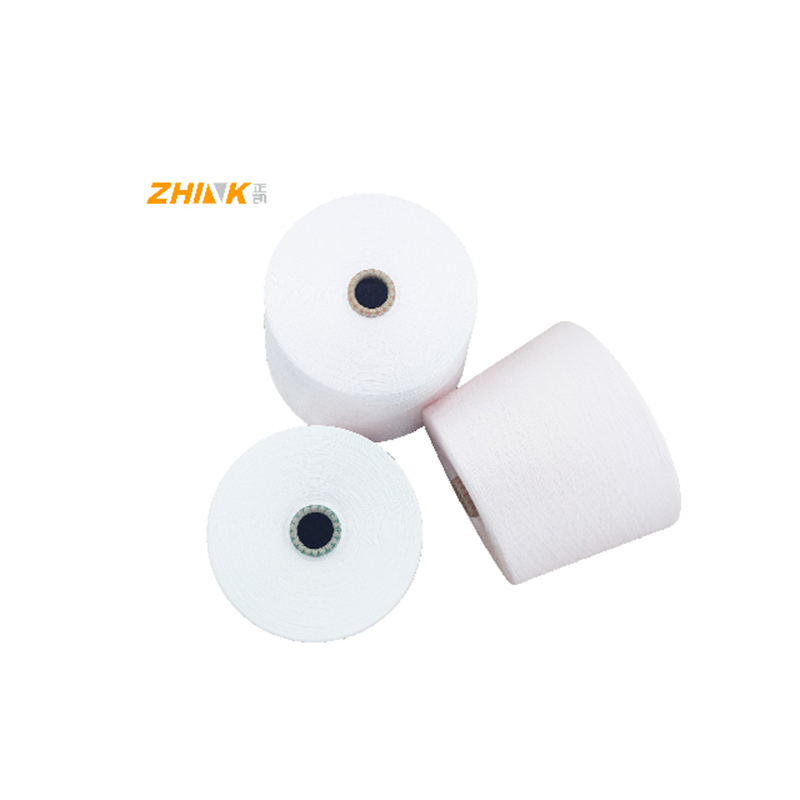
viscose TFO yarn
Understanding Viscose TFO Yarn: A Professional Insight
Viscose TFO yarn is a staple in the textile industry, yet many don't realize its transformative impact on fabric production. Drawing from years in the field, I’ll unpack some truths and common misconceptions about this intriguing material.
Basics of Viscose TFO Yarn
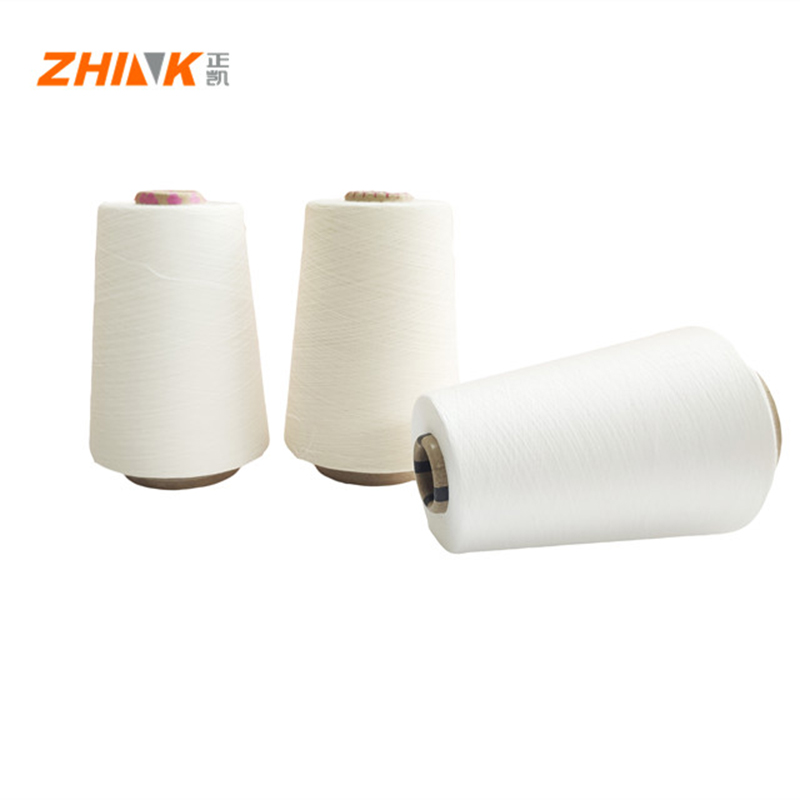
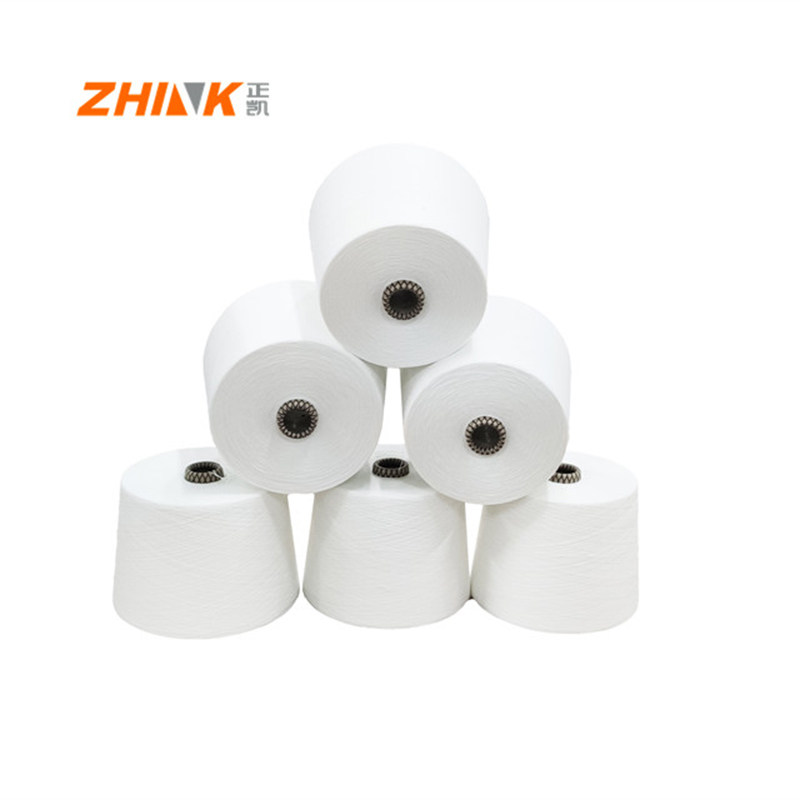
Starting with the basics, viscose TFO yarn refers to Two For One twisted yarns made from viscose—a regenerated fiber derived from cellulose. Talk to any textile professional, and they'll likely emphasize its unique properties, which mimic the softness and feel of natural fibers like cotton.
TFO technology is a game-changer because it enhances the yarn's strength and uniformity—think fewer breakages and a smoother finish. This process isn't just about aesthetics; it significantly improves weaving efficiency, making it a favorite for manufacturers looking to maintain high-quality standards while minimizing production hiccups.
But remember, the quality of viscose TFO yarn also heavily depends on the manufacturing process. Companies like SHANDONG ZHINK NEW MATERIAL CO., LTD, known for their innovation in textile materials (you might want to check them out at their website), place a premium on R&D to refine these processes continually.
Challenges and Misconceptions
Despite these advantages, working with viscose TFO yarn isn't without its challenges. One common misconception is that it's impermeable to wear and tear; far from it. The material can be sensitive to moisture and requires careful handling during production stages.
I've often seen new manufacturers overlook the need for precise control over humidity levels during weaving. Too dry, and the yarn becomes brittle; too damp, and it stretches too easily—both scenarios leading to potential defects. This oversight underscores the importance of experience, something no amount of reading can substitute.
Moreover, in the fiercely competitive textile market, differentiation is vital. It's not just about producing viscose TFO yarn but creating variants that offer something unique, whether that's through color, texture, or additional functionality.
Applications in Modern Textiles
In practical terms, the applications of viscose TFO yarn are vast. From high-end fashion to upholstery, the yarn's versatility is what sets it apart. Brands utilize it for its draping quality and adaptability—watch how effortlessly it turns simple designs into elegant creations.
Working on a project with a stricter budget? The cost-effectiveness of this yarn doesn’t compromise quality. For many brands, it's a cost-saving measure that doesn’t skimp on delivering a luxurious feel.
Notably, customization is a growing trend. Here, companies like Zhink New Material stand out by offering tailored solutions to meet specific client demands, demonstrating not just technical expertise but a keen understanding of market needs.
Technological Innovations
In recent years, technology has further advanced the production of viscose TFO yarn. Innovations in machinery have led to greater precision in the twisting process, thus producing yarns with even better tensile strength and consistency.
There's an ongoing shift towards more sustainable production methods. Eco-friendly viscose production is becoming more prevalent as manufacturers commit to reducing the environmental impact. For instance, closed-loop processes are gaining traction, recycling solvents and minimizing waste.
In this realm, Zhink's commitment to R&D can't be understated. Their approach—combining technology with sustainable practices—sets an industry benchmark that others are beginning to follow.
Future Prospects
Looking ahead, the future of viscose TFO yarn seems bright, particularly with rising demand for sustainable, high-quality textiles. Market trends indicate a strong push for innovative applications, from smart textiles to hybrid fabrics.
Continuous research, like that conducted by Zhink New Material, will likely yield new variants that enhance functionality while maintaining the yarn’s desirable qualities. As consumer awareness grows, so does the necessity for transparency and eco-conscious production practices.
Ultimately, while viscose TFO yarn offers numerous benefits, its successful application relies on a deep understanding of both material properties and evolving consumer preferences—an interplay that keeps the textile industry as dynamic and challenging as ever.
Related Products
Related Products