+86-632-3621866
- Chinese
- French
- German
- Portuguese
- Spanish
- Russian
- Japanese
- Korean
- Arabic
- Irish
- Greek
- Turkish
- Italian
- Danish
- Romanian
- Indonesian
- Czech
- Afrikaans
- Swedish
- Polish
- Basque
- Catalan
- Esperanto
- Hindi
- Lao
- Albanian
- Amharic
- Armenian
- Azerbaijani
- Belarusian
- Bengali
- Bosnian
- Bulgarian
- Cebuano
- Chichewa
- Corsican
- Croatian
- Dutch
- Estonian
- Filipino
- Finnish
- Frisian
- Galician
- Georgian
- Gujarati
- Haitian
- Hausa
- Hawaiian
- Hebrew
- Hmong
- Hungarian
- Icelandic
- Igbo
- Javanese
- Kannada
- Kazakh
- Khmer
- Kurdish
- Kyrgyz
- Latin
- Latvian
- Lithuanian
- Luxembou..
- Macedonian
- Malagasy
- Malay
- Malayalam
- Maltese
- Maori
- Marathi
- Mongolian
- Burmese
- Nepali
- Norwegian
- Pashto
- Persian
- Punjabi
- Serbian
- Sesotho
- Sinhala
- Slovak
- Slovenian
- Somali
- Samoan
- Scots Gaelic
- Shona
- Sindhi
- Sundanese
- Swahili
- Tajik
- Tamil
- Telugu
- Thai
- Ukrainian
- Urdu
- Uzbek
- Vietnamese
- Welsh
- Xhosa
- Yiddish
- Yoruba
- Zulu
- Kinyarwanda
- Tatar
- Oriya
- Turkmen
- Uyghur



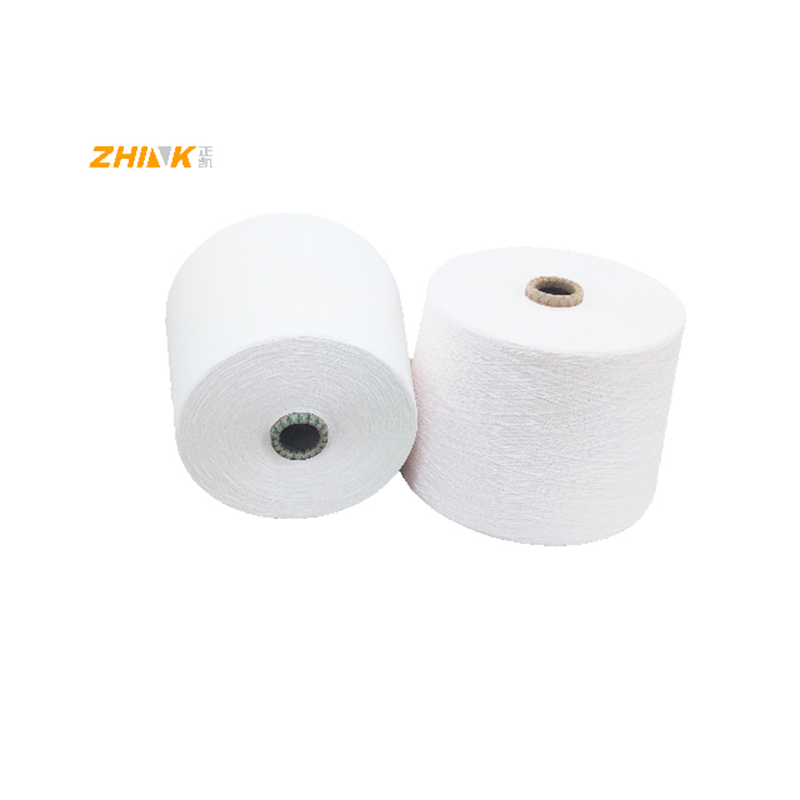
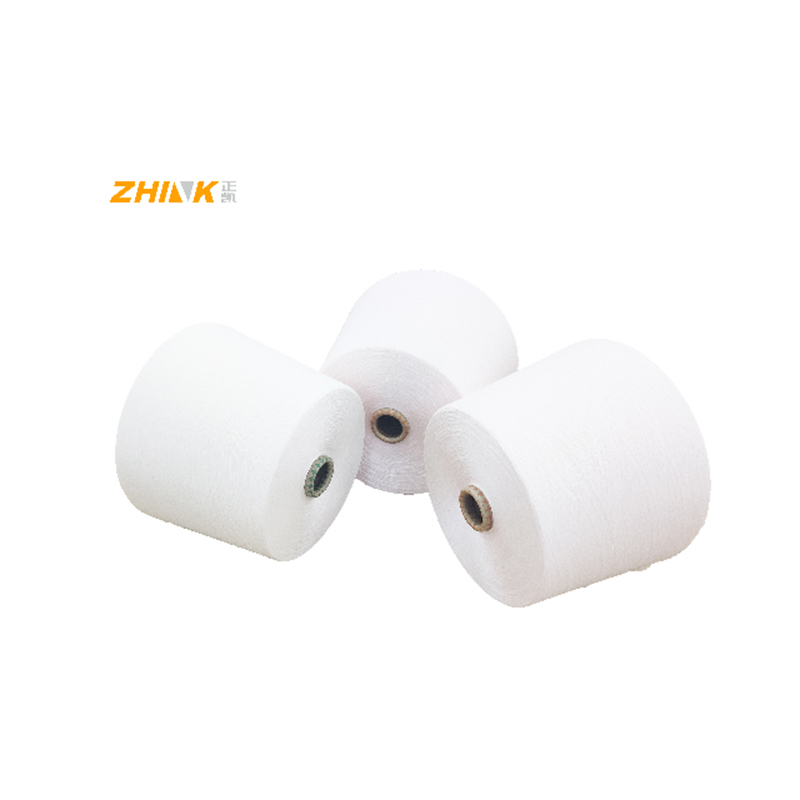
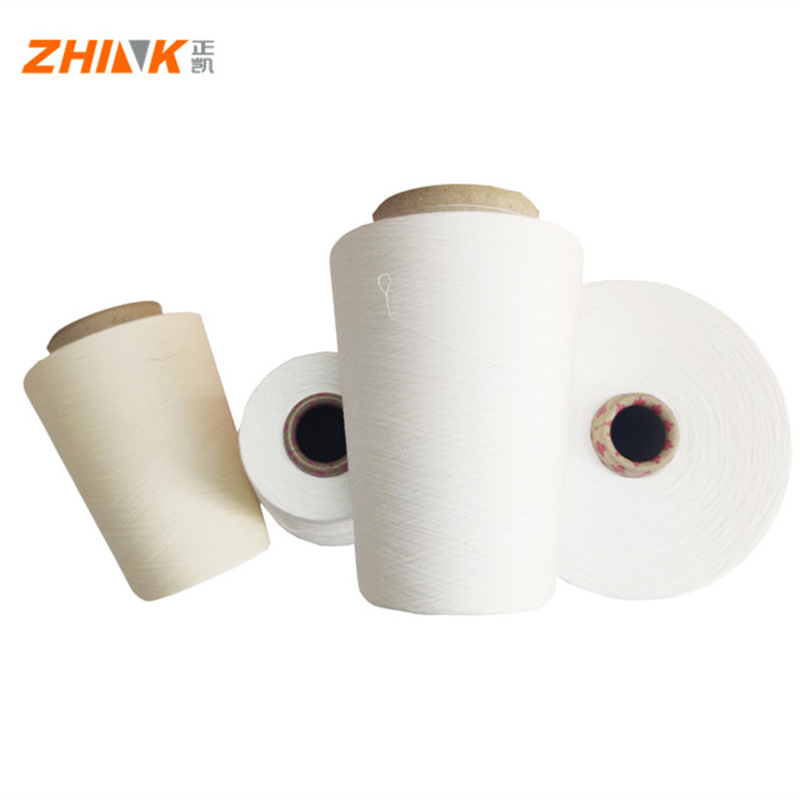
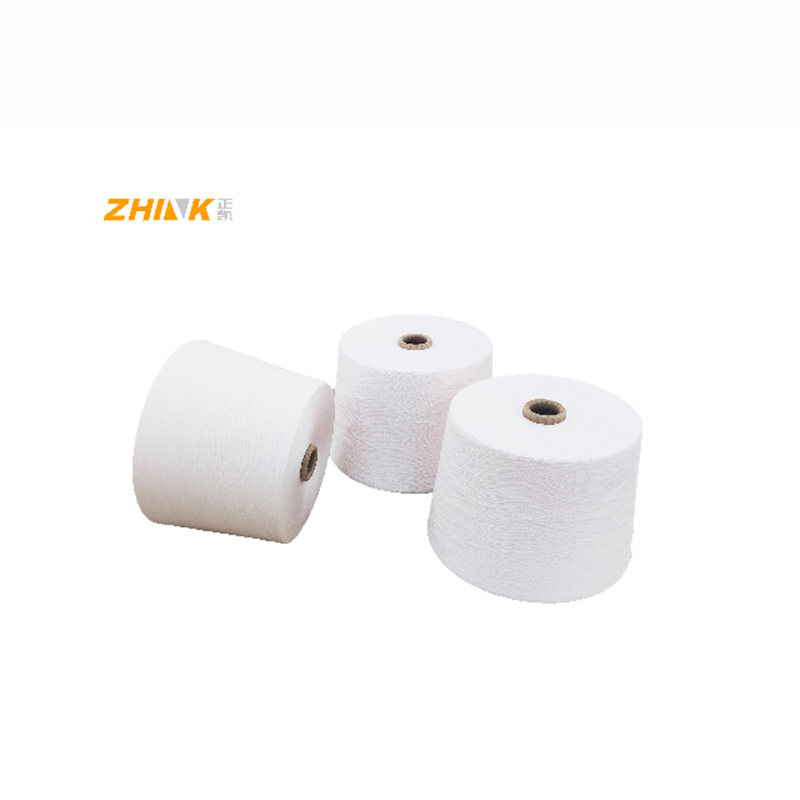
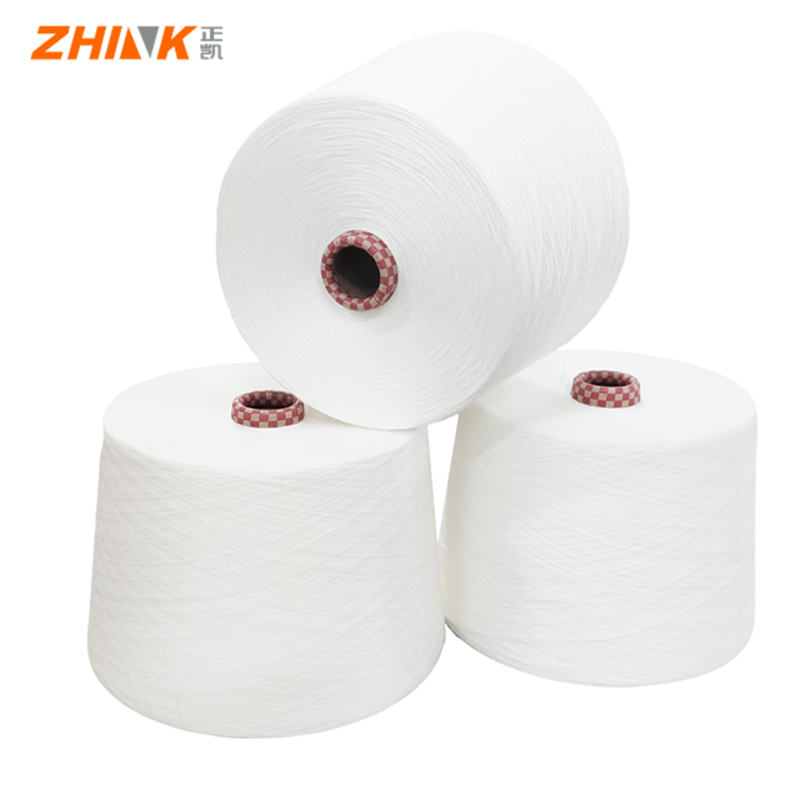
viscose/wool 70/30 30S
Exploring the Versatility of Viscose/Wool 70/30 30S Blends
In the dynamic world of textiles, the viscose/wool 70/30 30S blend represents a fascinating fusion of materials. This article unpacks the blend's unique characteristics, its applications, and the potential challenges faced in its use.
Understanding the Blend
When you encounter the term viscose/wool 70/30 30S, it's more than just an alphanumeric label. This mix balances the breathable, smooth characteristics of viscose with the warmth and elasticity of wool. But why use such a blend in the first place? From my experience, it's primarily about achieving that perfect harmony between comfort and practicality. It’s not uncommon for industry newcomers to rush into production without understanding the subtle interplay between these materials.
Each component in this blend serves a distinct purpose. Viscose lends itself to softness, making the fabric gentle against the skin. Wool, on the other hand, injects durability and insulation into the mix. The trick lies in the proportions. A 70/30 ratio optimizes these properties, a decision often reached after much experimentation and a few less-than-perfect attempts.
The reference to 30S denotes the thread count—a factor that significantly influences the fabric’s texture and weight. The finer count contributes to a lighter, softer fabric. In my earlier trials, paying insufficient attention to such details led to outcomes that lacked the expected drape and feel. It's a reminder that precision in these measurements is crucial.
Applications in Fashion and Beyond
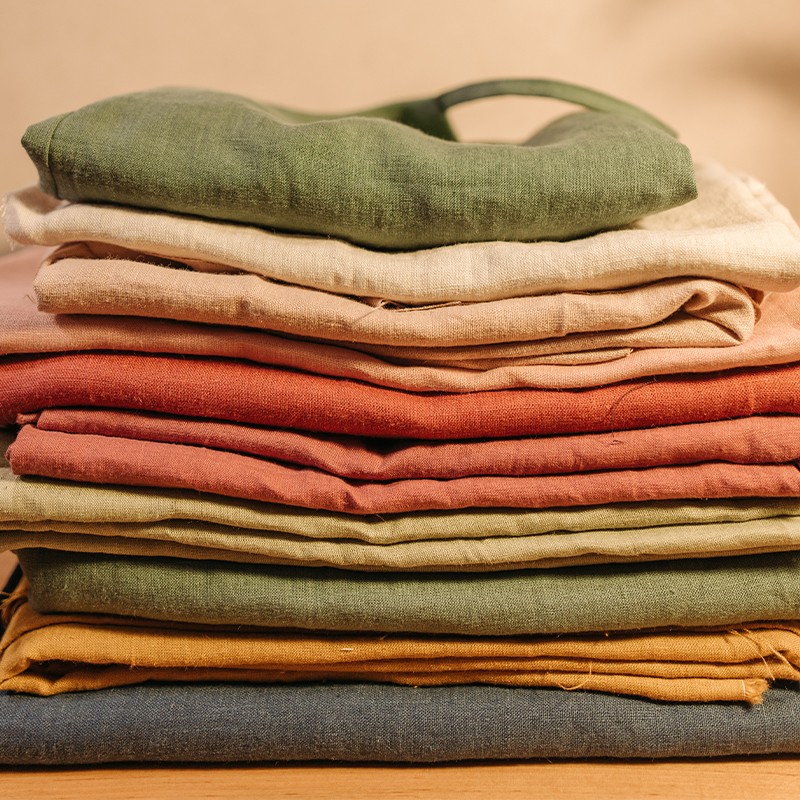
Given its attributes, the viscose/wool 70/30 30S blend finds a natural home in apparel design, from cozy sweaters to elegant office wear. Integrating this fabric into a collection can yield pieces that offer both style and practicality. I recall one of our collaborative projects at SHANDONG ZHINK NEW MATERIAL CO., LTD (https://www.zhinkyarn.com) that utilized this blend to great success; it tapped into a market craving versatile yet comfortable wardrobe staples.
But it's not limited to fashion alone. Interiors, especially premium upholstery and drapery, can benefit as well. Imagine a curtain that both insulates a room and hangs elegantly, or a sofa fabric that combines style with snug warmth. The applications are as diverse as the imagination allows.
However, despite its versatility, challenges remain. The blend can complicate dyeing processes, demanding special attention to achieve uniform color consistency. This was a particular headache during one project where distinct color batches refused to match. Solutions often lie in trial, error, and a few long nights in the lab.
Assessing Practical Challenges
Producing textiles with this blend isn’t without its challenges. Issues like pilling can arise if the manufacturing process isn’t tightly controlled. While wool contributes strength, it can also cause the fabric surface to fuzz, especially if the machinery isn’t calibrated precisely. It's here that the expertise of a company like Zhink New Material proves invaluable. Their experience in the field means they tackle such issues with a nuanced approach.
Then there's the moisture sensitivity of viscose. It’s a factor that necessitates careful handling and storage. Real minutes in my workshop have taught me that too much humidity can warp the fabric, leading to costly wastage. Advanced climate control solutions are often the practical answer, albeit a significant investment.
Finally, consider the environmental footprint. Both viscose and wool bring their own concerns, whether it’s the chemical processes of the former or the demand on natural resources of the latter. Balancing sustainability with performance is a tightrope act that requires both innovation and commitment.
Quality Control and Testing
Leveraging the advantages of this blend demands rigorous quality control. At my own facility, we incorporate multiple testing phases to ensure each fabric bolt meets our stringent benchmarks. This often includes stress tests to measure tensile strength and comprehensive wear simulations.
The focus during these tests isn’t just on the end durability but also on the aesthetic qualities. After all, no one appreciates a fabric that feels coarse or looks uneven. It’s about delivering consistency without sacrificing the inherent beauty of the viscose/wool 70/30 30S blend.
The industry trend towards digital monitoring systems has proven helpful. With real-time data at our fingertips, the ability to swiftly adjust variables to maintain fabric consistency has become a promising advancement. Once you’ve experienced the frustration of manual processes, it becomes clear how valuable these technologies are.
Embracing Innovation for Future Growth
Looking ahead, the potential developments in the viscose/wool 70/30 30S space are promising. From bio-based viscose variants to ethically sourced wool, innovations could redefine the fabric's impact. Collaborating with pioneers like Zhink New Material offers a glimpse into this future landscape.
Such innovation is paramount, not only for enhancing fabric qualities but also for meeting consumer demand for transparency and sustainability. As consumers become better informed, aligning production practices with these values isn't just ideal—it's imperative.
At the end of the day, while the science behind textile production can be complex, the commitment to pushing boundaries is what ensures continued growth and adaptation in a world that values both aesthetics and ethics. It's a journey worth pursuing, with lessons learned along the way that enrich the craft.
Related Products
Related Products