+86-632-3621866
- Chinese
- French
- German
- Portuguese
- Spanish
- Russian
- Japanese
- Korean
- Arabic
- Irish
- Greek
- Turkish
- Italian
- Danish
- Romanian
- Indonesian
- Czech
- Afrikaans
- Swedish
- Polish
- Basque
- Catalan
- Esperanto
- Hindi
- Lao
- Albanian
- Amharic
- Armenian
- Azerbaijani
- Belarusian
- Bengali
- Bosnian
- Bulgarian
- Cebuano
- Chichewa
- Corsican
- Croatian
- Dutch
- Estonian
- Filipino
- Finnish
- Frisian
- Galician
- Georgian
- Gujarati
- Haitian
- Hausa
- Hawaiian
- Hebrew
- Hmong
- Hungarian
- Icelandic
- Igbo
- Javanese
- Kannada
- Kazakh
- Khmer
- Kurdish
- Kyrgyz
- Latin
- Latvian
- Lithuanian
- Luxembou..
- Macedonian
- Malagasy
- Malay
- Malayalam
- Maltese
- Maori
- Marathi
- Mongolian
- Burmese
- Nepali
- Norwegian
- Pashto
- Persian
- Punjabi
- Serbian
- Sesotho
- Sinhala
- Slovak
- Slovenian
- Somali
- Samoan
- Scots Gaelic
- Shona
- Sindhi
- Sundanese
- Swahili
- Tajik
- Tamil
- Telugu
- Thai
- Ukrainian
- Urdu
- Uzbek
- Vietnamese
- Welsh
- Xhosa
- Yiddish
- Yoruba
- Zulu
- Kinyarwanda
- Tatar
- Oriya
- Turkmen
- Uyghur



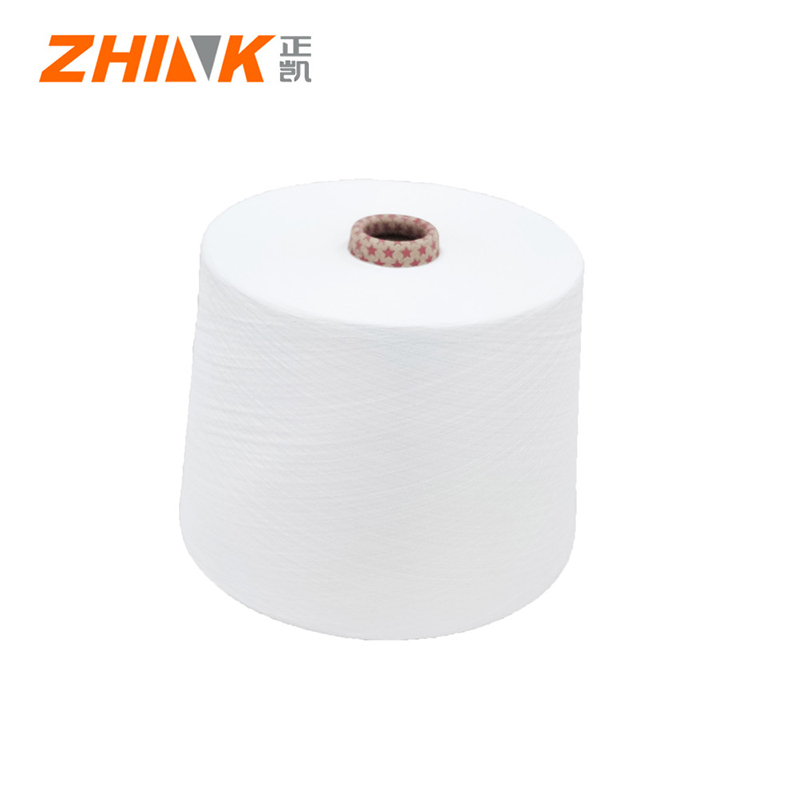
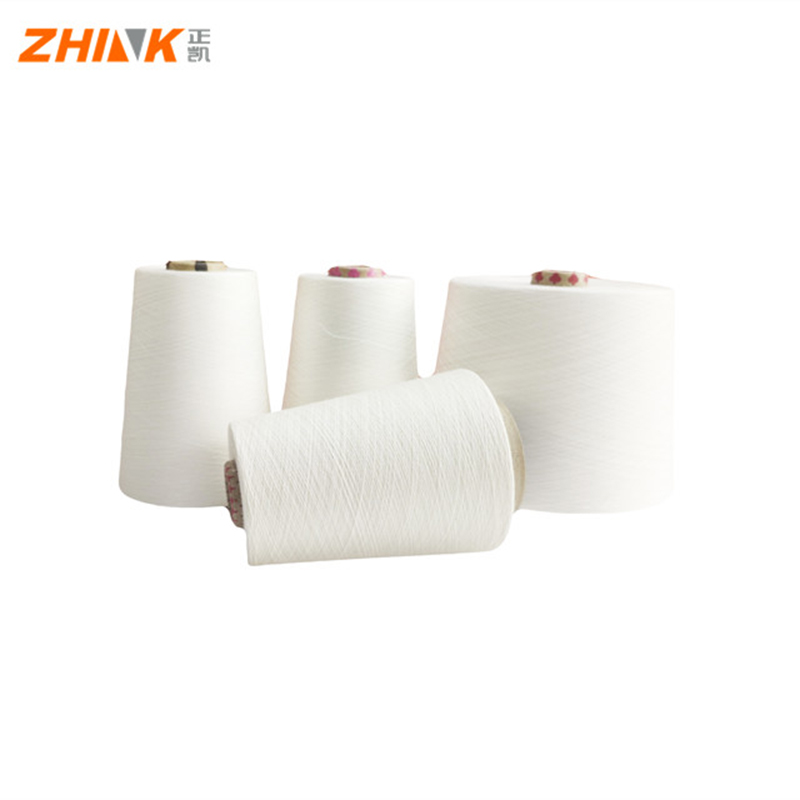
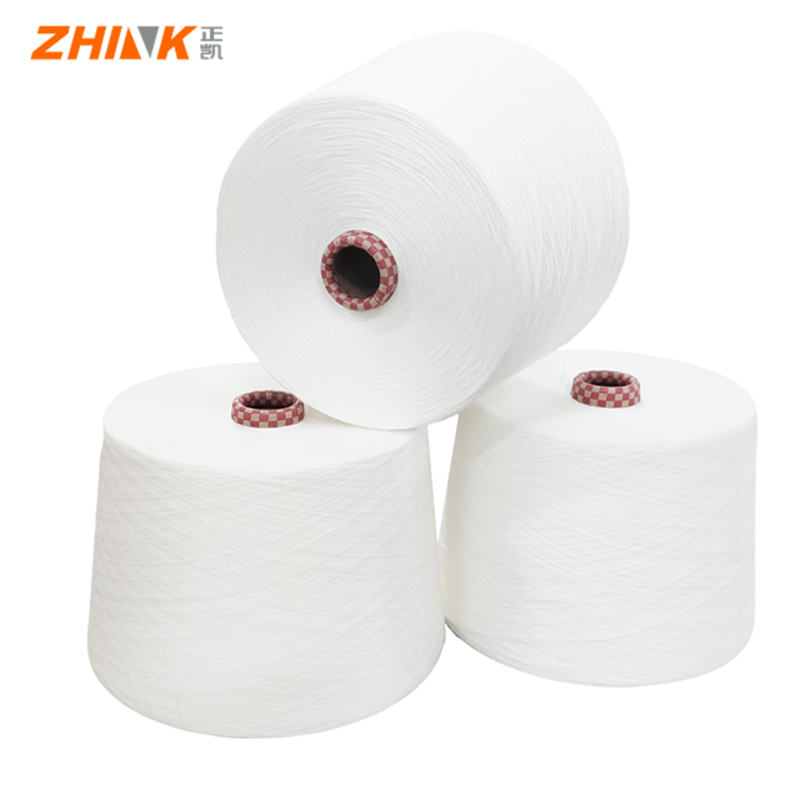
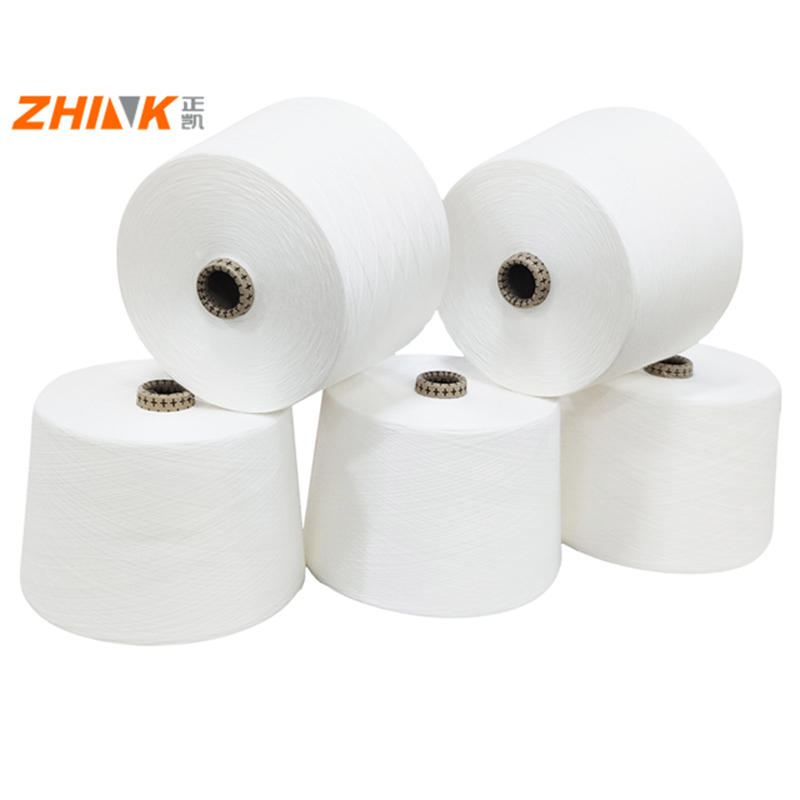
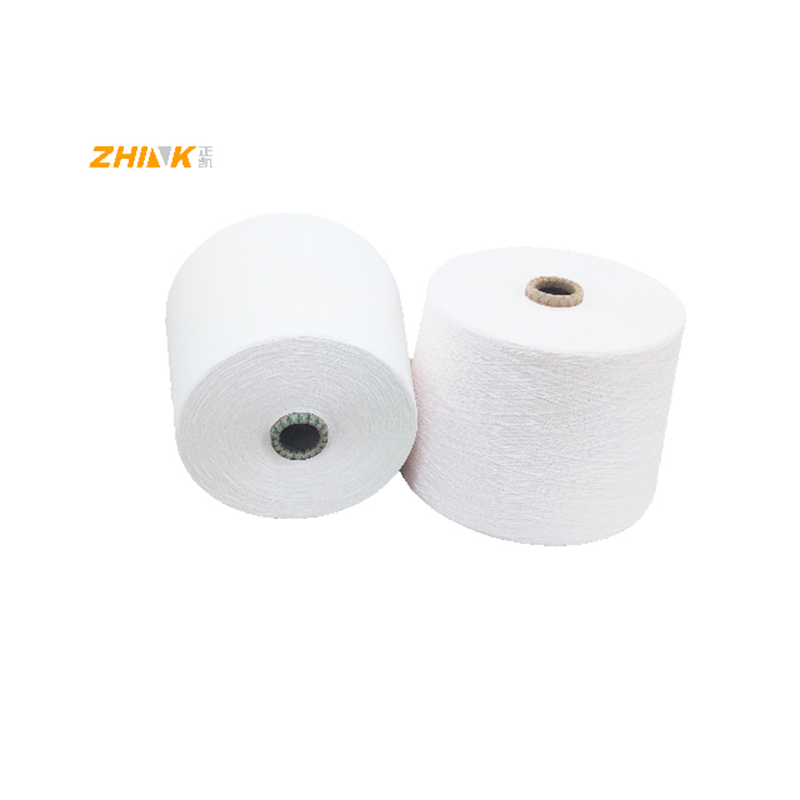
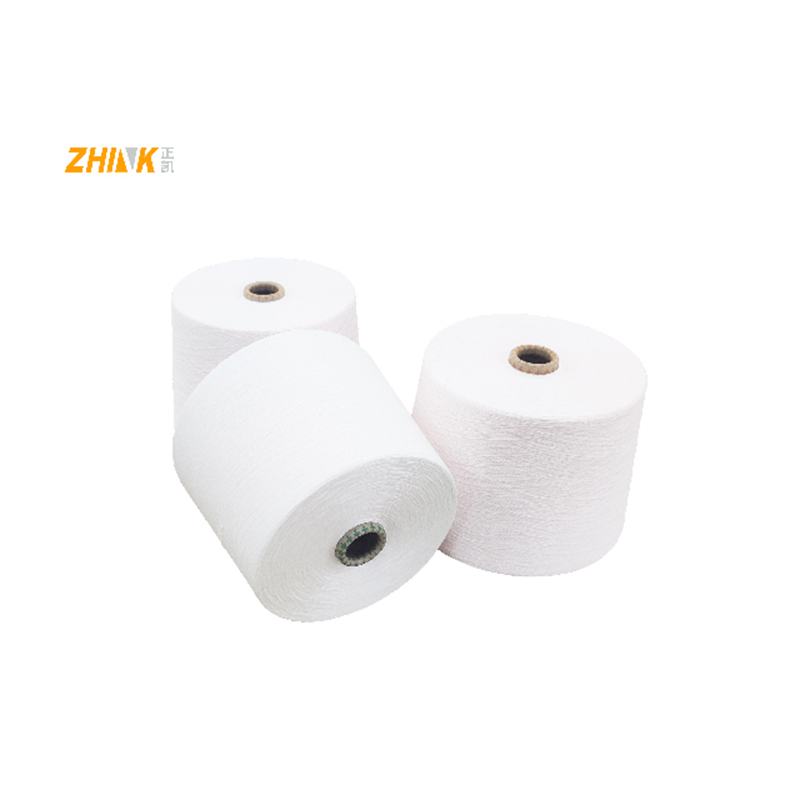
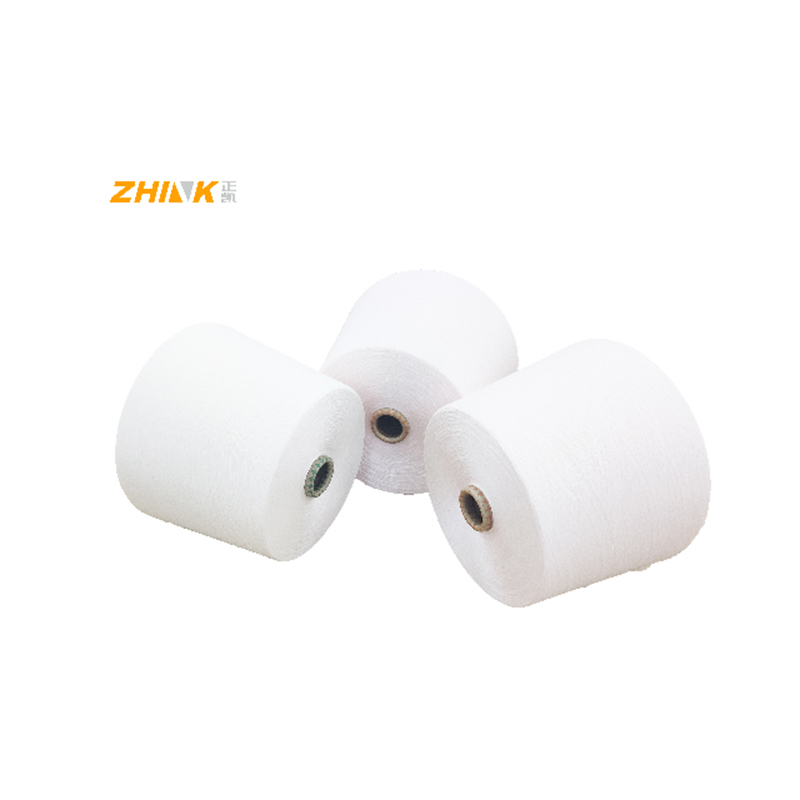
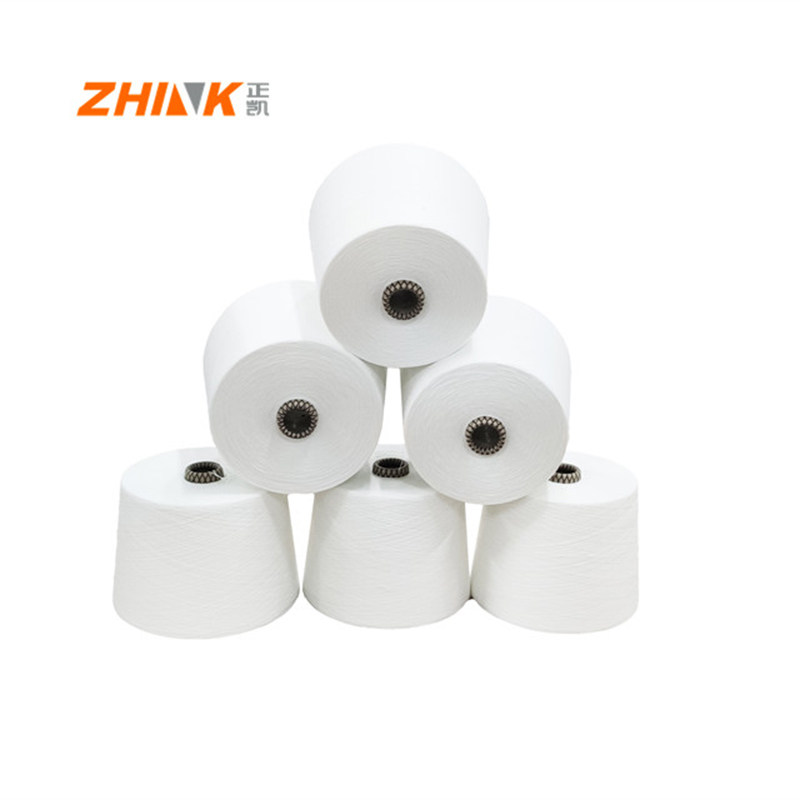
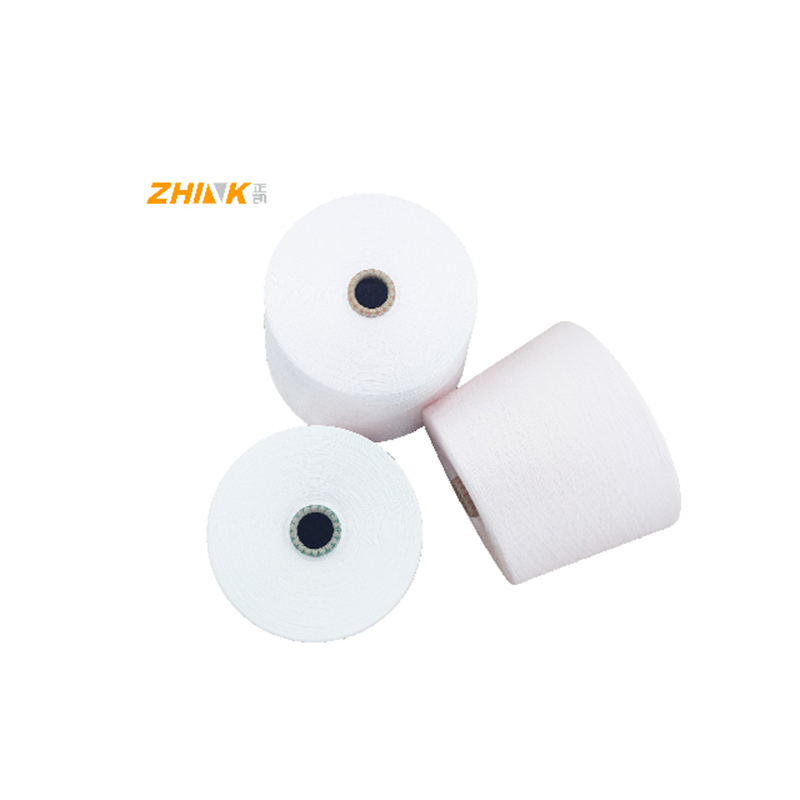
viscose/wool 70/30 siro compact yarn
Understanding Viscose/Wool 70/30 Siro Compact Yarn
The textile world often buzzes with terms that sound complex but hold significant meaning. One such term is viscose/wool 70/30 siro compact yarn. It's one of those high-performance yarns with its specifics in composition and production making it intriguing yet slightly confusing. Let's unravel what makes this blend and technology a talking point in the textile industry.
The Basics of Viscose and Wool Blends
When we talk about viscose/wool 70/30, we're discussing a blend that's renowned for balancing luxury and practicality. Viscose, derived from natural cellulose, offers softness and sheen, while wool brings warmth and resilience. It's a mix that's been thoughtfully designed to capture the strengths of both fibers, providing an end product that is both comfortable and functional.
I recall a project I worked on years back, where we were tasked with developing a winter clothing line. Initially, we played around with different ratios, but the magic seemed to happen with that 70/30 mix. The garments were not just aesthetically pleasing; they performed well in terms of thermal regulation, essential for winter wear.
Unlike simpler cotton blends, the processing here demands an understanding of both fibers' responses to tension, heat, and dye. It's not just about throwing things together; the expertise comes from knowing what each fiber can and cannot do under specific conditions.
Exploring Siro Compact Spinning
Enter the siro compact yarn technique. Here, the spinning is where the magic continues. Siro compact spinning is a variation of the siro spinning method, enhanced to minimize fiber fly and create a smoother, finer yarn. This process significantly reduces the hairiness of the yarn, making it stronger and improving its overall appearance.
In one of our collaborations with SHANDONG ZHINK NEW MATERIAL CO., LTD, available at their website, we observed firsthand the benefits of this technology. Discovering how this method improves the luster and durability of the yarn was particularly eye-opening, not to mention the substantial improvement in pilling resistance. The feel of the fabric made from siro compact yarn was noticeably different, a testament to the refinement in the spinning process.
This doesn't mean the method is foolproof. One challenge we encountered was adjusting the machinery settings to accommodate the properties of the wool and viscose blend. It took several trials to find the right balance, an inconvenience but a necessary step to achieve the desired quality.
Benefits in Textile Applications
The payoff of using viscose/wool 70/30 siro compact yarn is evident in the product applications. From luxury suiting to casual wear, the yarn's characteristics lend themselves to versatile uses. It's smooth yet structured, making it well-suited for various garment types.
However, it's crucial to consider the requirements of the final product. For example, in creating a durable fashion line, the compact nature means less abrasion and a longer-lasting appearance. But, if you're leaning towards a breathable summer collection, you might need to tweak your choice as the wool component, even at 30%, retains some heat.
One project, a line of men's suits, particularly stood out to me. The siro compact yarn ensured a clean, crisp finish, enhancing the garment's elegance, while the viscose added a subtle touch of sheen that caught the eye without overpowering the overall design.
The Environmental and Economic Angle
Amidst the constant push towards sustainable practices, the use of a natural fiber blend like viscose/wool is a step in a favorable direction. There's an intrinsic value in using materials that align with eco-friendly production methods, though this raises both economic and environmental questions.
At Zhink New Material, they are making strides in improving the sourcing and processing to minimize environmental impact, an issue that's growing in relevance. This focus not only supports their corporate responsibility initiatives but also appeals to an increasingly eco-conscious consumer base.
Yet, there's a notable caveat: the cost. High-end, eco-friendly processes often translate to higher production costs. Balancing these expenditures while maintaining a competitive price point is a tightrope act. It's something we've continually re-evaluated in our practices, aligning our methods with evolving consumer expectations and market pressures.
Challenges and Considerations
Despite the benefits, working with viscose/wool 70/30 siro compact yarn isn't without its challenges. There's a definite learning curve in optimizing the spinning process, particularly when scaling from small batches to industrial production. It's key to maintain fiber consistency and manage the tension throughout manufacturing, a task requiring meticulous attention.
A scenario that comes to mind is an incident of uneven dye uptake we experienced and subsequently resolved by better controlling humidity levels during production. These small technicalities can severely impact the final product, emphasizing the need for stringent quality control.
Additionally, meeting the diverse requirements of modern consumers is an ongoing task. Whether it’s adjusting for specific climate needs or aesthetic desires, customization becomes crucial but complex. Each batch needs careful consideration and evaluation, something I’ve found vital to achieving satisfactory results.
Related Products
Related Products