+86-632-3621866
- Chinese
- French
- German
- Portuguese
- Spanish
- Russian
- Japanese
- Korean
- Arabic
- Irish
- Greek
- Turkish
- Italian
- Danish
- Romanian
- Indonesian
- Czech
- Afrikaans
- Swedish
- Polish
- Basque
- Catalan
- Esperanto
- Hindi
- Lao
- Albanian
- Amharic
- Armenian
- Azerbaijani
- Belarusian
- Bengali
- Bosnian
- Bulgarian
- Cebuano
- Chichewa
- Corsican
- Croatian
- Dutch
- Estonian
- Filipino
- Finnish
- Frisian
- Galician
- Georgian
- Gujarati
- Haitian
- Hausa
- Hawaiian
- Hebrew
- Hmong
- Hungarian
- Icelandic
- Igbo
- Javanese
- Kannada
- Kazakh
- Khmer
- Kurdish
- Kyrgyz
- Latin
- Latvian
- Lithuanian
- Luxembou..
- Macedonian
- Malagasy
- Malay
- Malayalam
- Maltese
- Maori
- Marathi
- Mongolian
- Burmese
- Nepali
- Norwegian
- Pashto
- Persian
- Punjabi
- Serbian
- Sesotho
- Sinhala
- Slovak
- Slovenian
- Somali
- Samoan
- Scots Gaelic
- Shona
- Sindhi
- Sundanese
- Swahili
- Tajik
- Tamil
- Telugu
- Thai
- Ukrainian
- Urdu
- Uzbek
- Vietnamese
- Welsh
- Xhosa
- Yiddish
- Yoruba
- Zulu
- Kinyarwanda
- Tatar
- Oriya
- Turkmen
- Uyghur



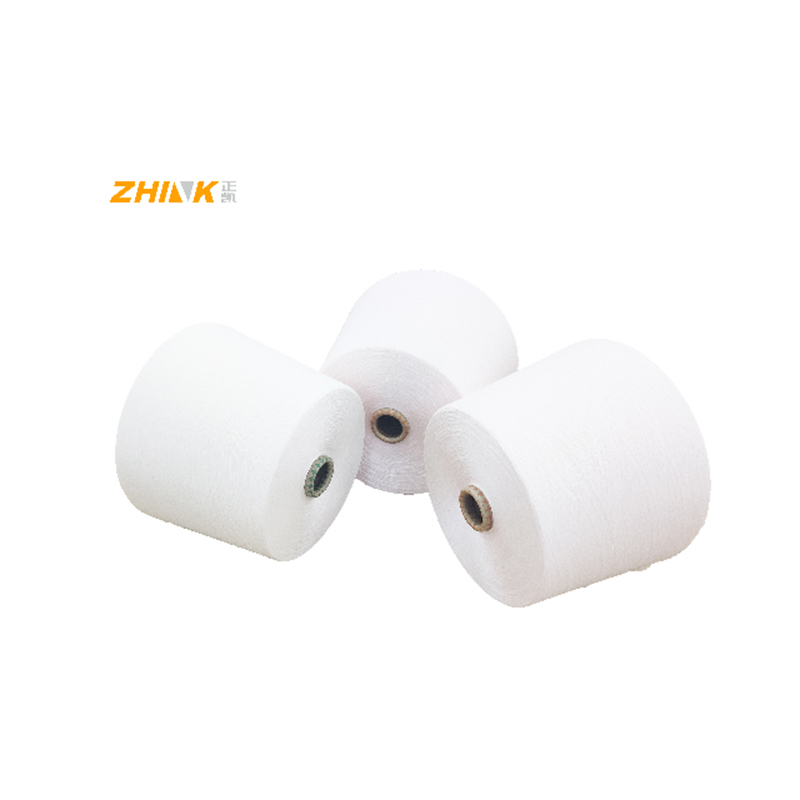
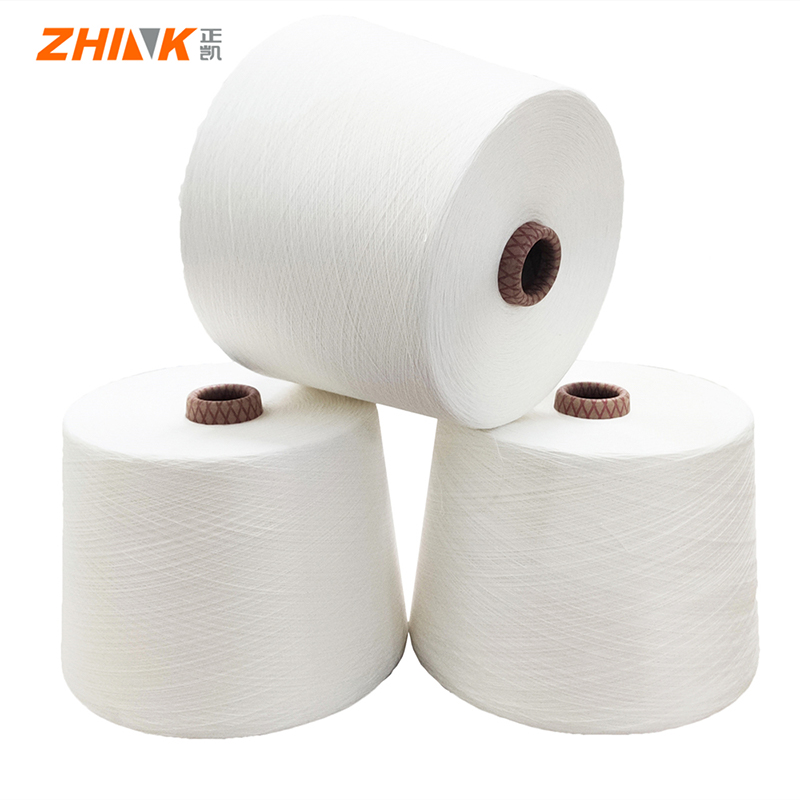
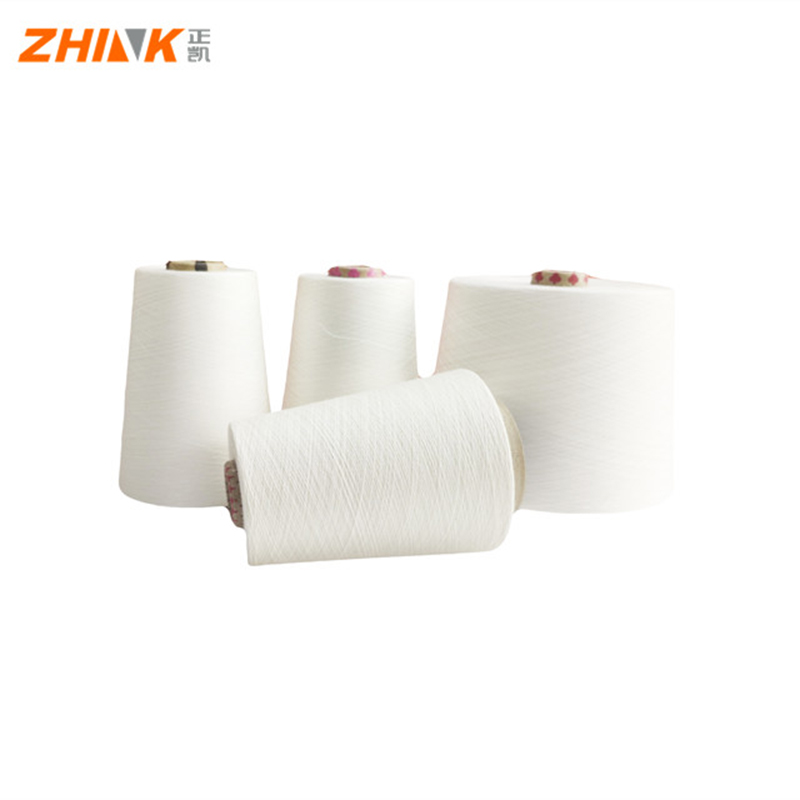
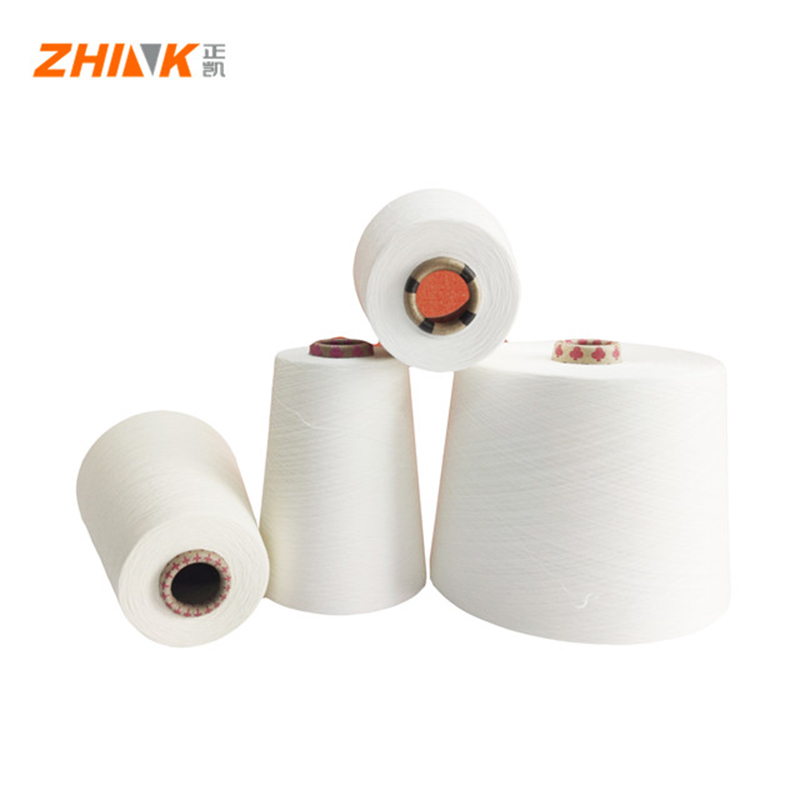
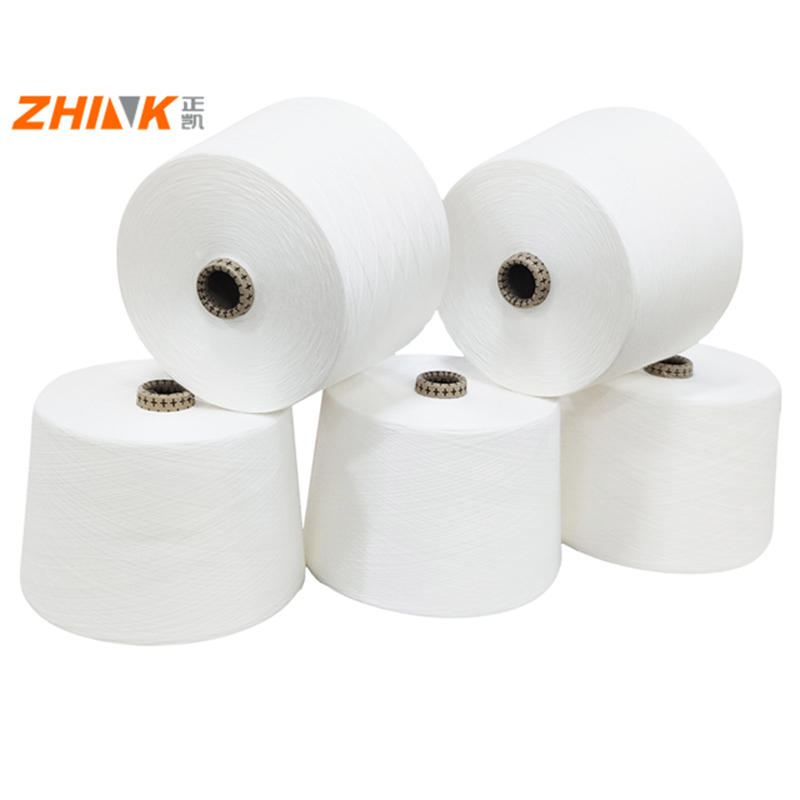
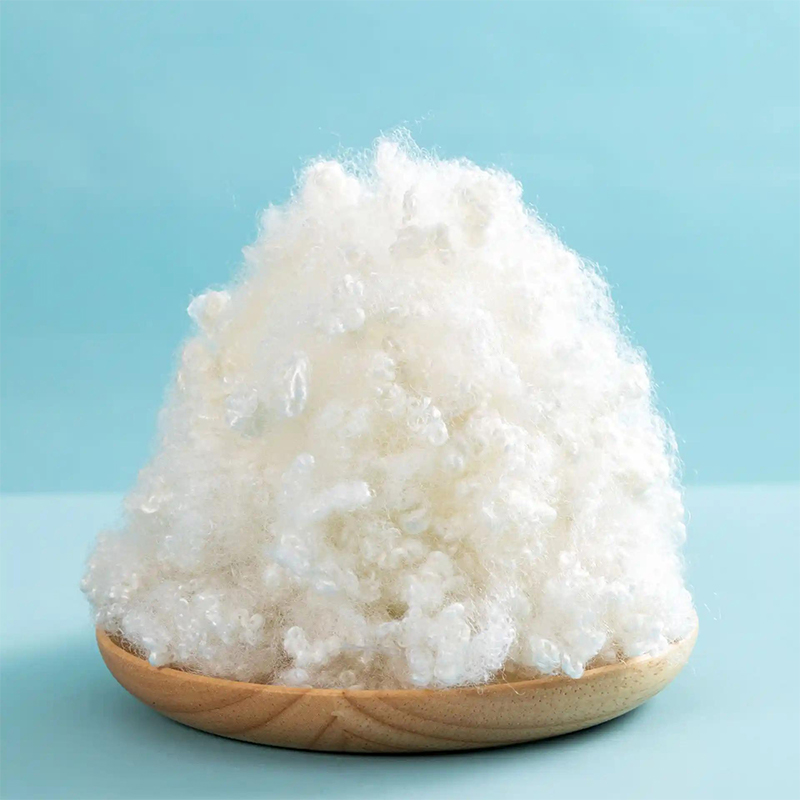
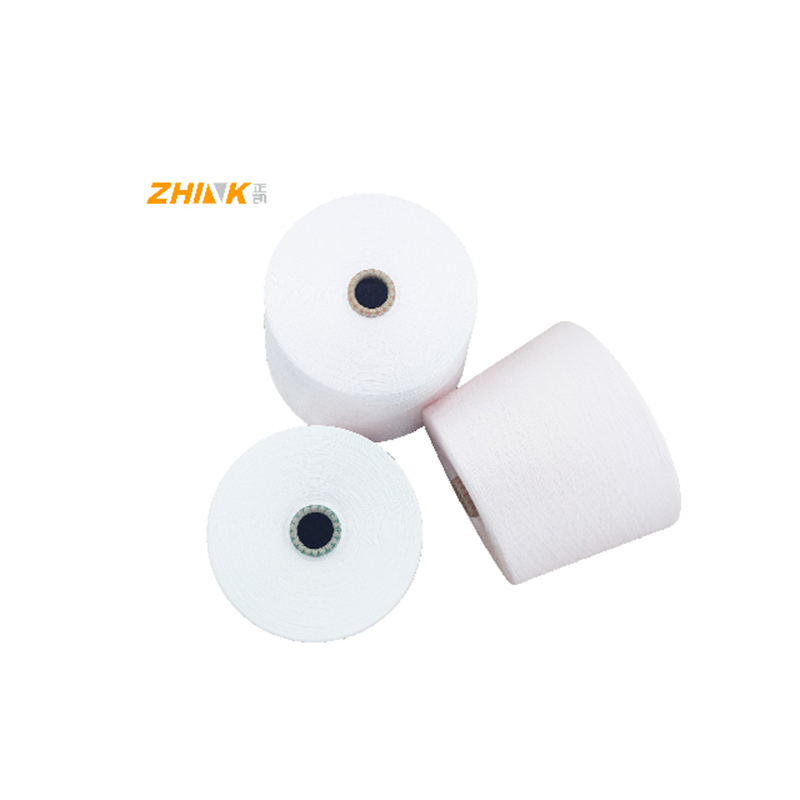
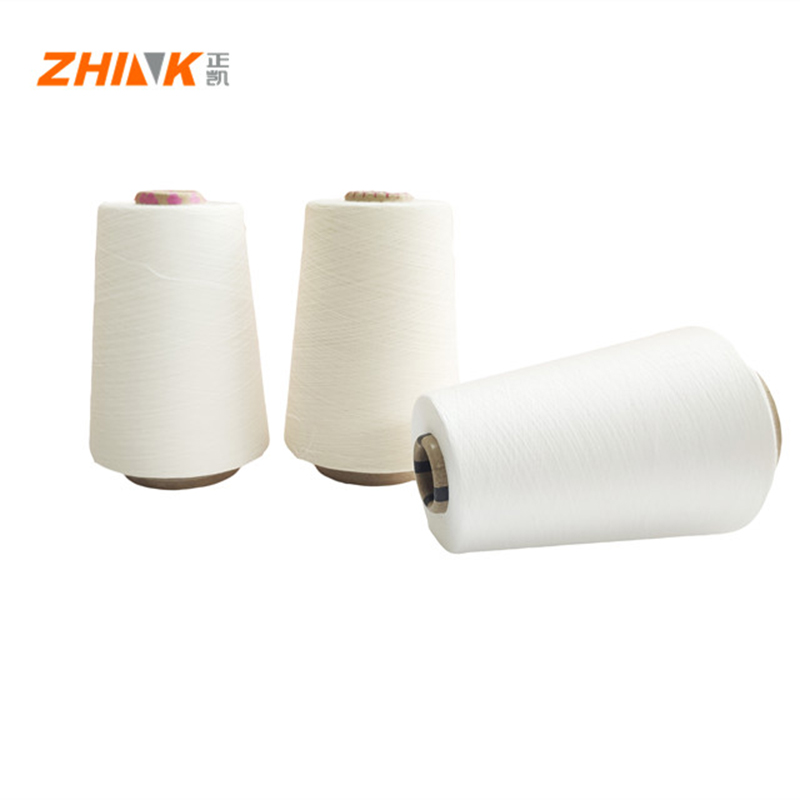
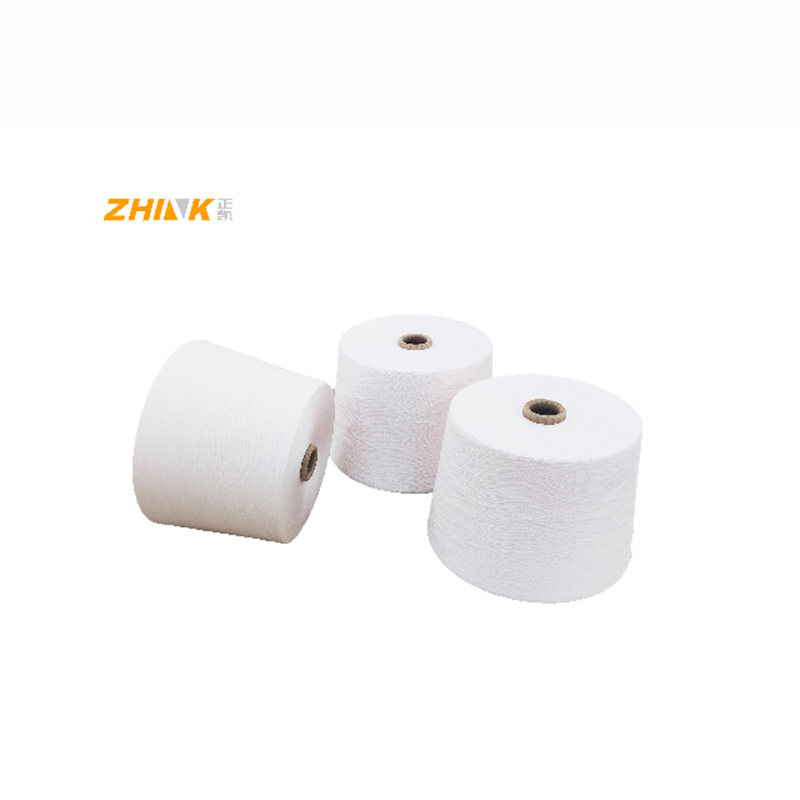
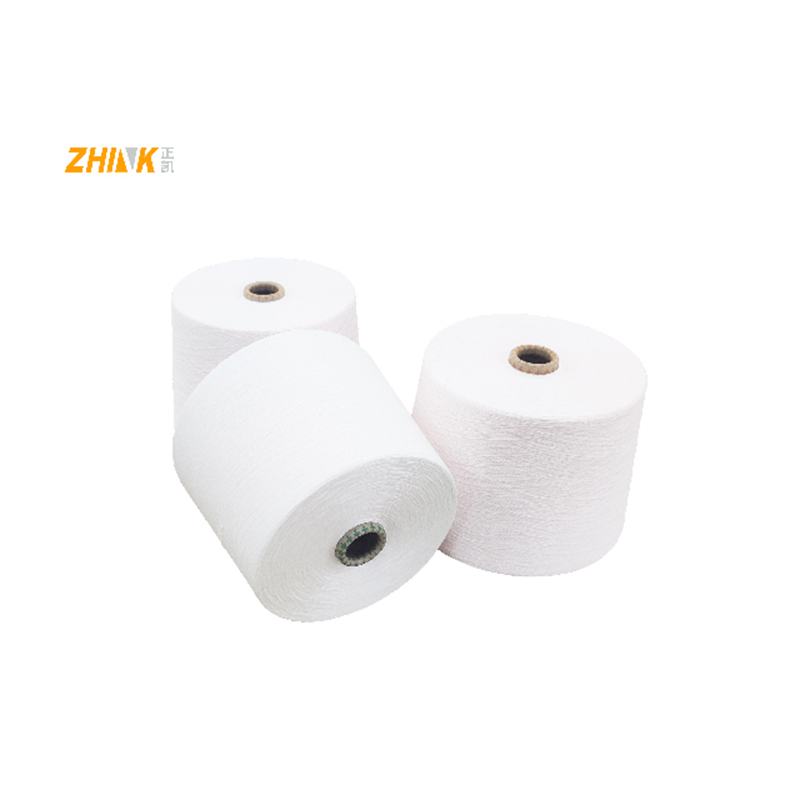
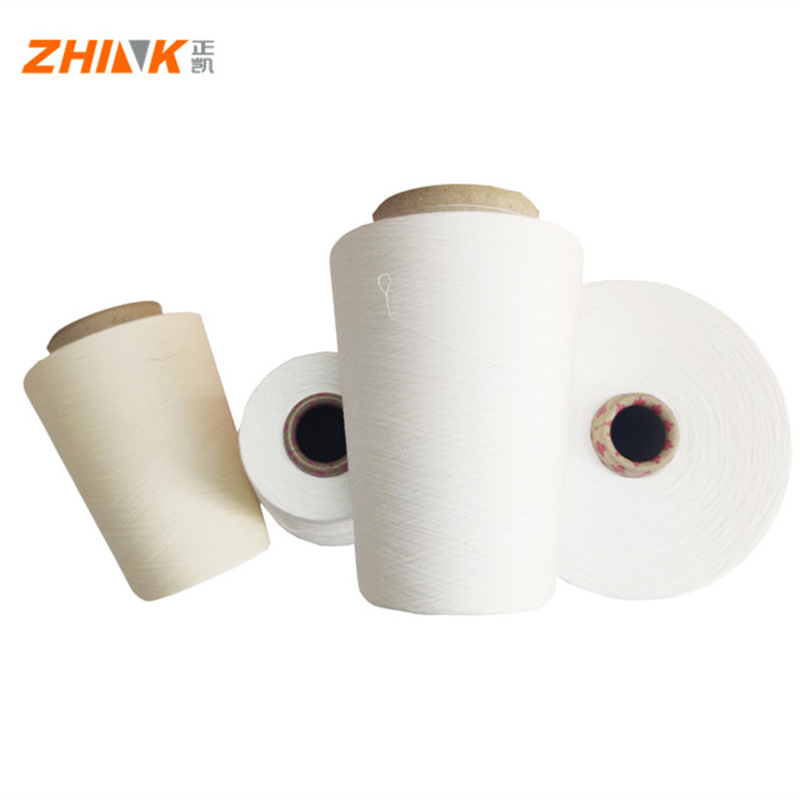
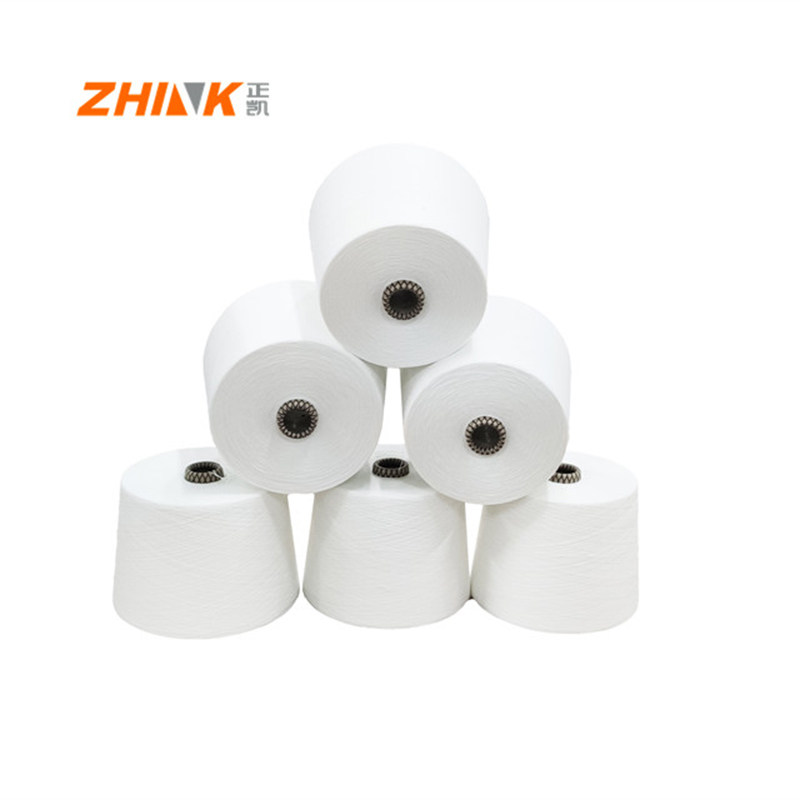
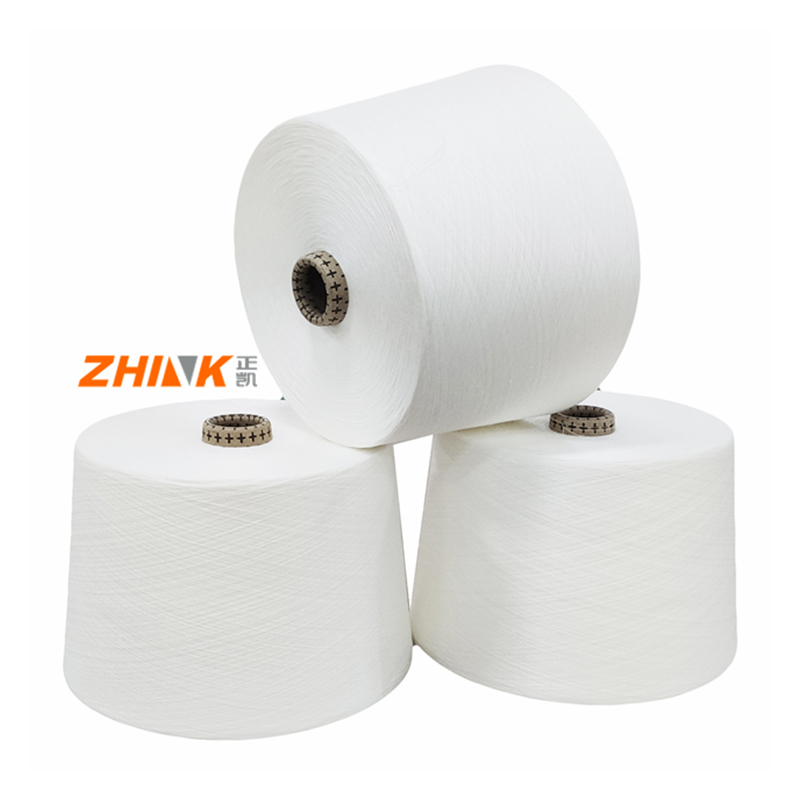
viscose/wool blended yarn
The Versatility of Viscose/Wool Blended Yarn
The blend of viscose and wool in yarn manufacturing offers a fascinating balance of practicality and luxury. Yet, despite its versatility, misconceptions often arise around its application, performance, and cost-effectiveness.
Understanding the Basics of Blended Yarn
The combination of viscose and wool represents more than just a mere mix of fibers. This blend seeks to harness the strengths of both materials: the softness and drape of viscose and the warmth and resilience of wool. From a practical perspective, this blend aims to create materials that are not only comfortable to wear but also durable and easy to maintain.
However, striking the right balance between viscose and wool can be tricky. Manufacturers must consider fiber length, fineness, and blending techniques to achieve optimal performance. This is where companies like SHANDONG ZHINK NEW MATERIAL CO., LTD, specializing in innovative textile solutions, play a crucial role. Their expertise in developing and producing new textile materials is central to the success of such blends.
The perception of blended yarn often skews towards either being too synthetic or overly luxurious, leading to market confusion. Educating consumers about the benefits and applications of this blended yarn can help dismantle these misconceptions.
Practical Applications and Benefits
One of the most attractive aspects of viscose/wool blended yarn is its adaptability. From high-end fashion garments to everyday sweaters and home textiles, the applications are vast. The blend provides better moisture absorption than pure wool, making garments more comfortable in varying temperatures.
In terms of aesthetics, the blend's ability to hold dye effectively results in vibrant colors that remain consistent after multiple washes. This property is especially beneficial for home textiles, where colorfastness is paramount.
Despite these advantages, there are practical challenges. For instance, achieving a consistent yarn quality requires precise monitoring during production. Innovations in textile technology continue to address these issues, enhancing the overall performance of the yarn.
Challenges and Considerations in Production
The production of viscose/wool blended yarn involves several critical factors. Fiber compatibility can be a hurdle, as the natural properties of wool require careful handling. Biodegradability and environmental impact are other considerations that manufacturers must bear in mind.
Companies like Zhink New Material are at the forefront of addressing these concerns through sustainable practices and advanced technology, ensuring that their products meet environmental standards. Their website, zhinkyarn.com, offers insights into their approach to sustainable material production.
Another aspect to consider is cost. While such blends can offer cost advantages over pure wool, fluctuations in viscose supply and quality can impact pricing strategies. Therefore, producers must maintain strong, transparent relationships with their suppliers.
Innovation and Future Trends
With continuous developments in textile technology, the potential for viscose/wool blended yarn is expanding. Advanced spinning techniques and enhanced fiber treatments are leading to yarns that are even softer and more resilient than previous iterations.
Expectations for performance and sustainability will drive future innovations. Companies like SHANDONG ZHINK NEW MATERIAL CO., LTD are investing in research to push the boundaries of what these yarns can achieve.
The growing consumer demand for versatile, high-performance, and eco-friendly fabrics will undoubtedly propel the sector forward, paving the way for new applications and markets.
Conclusion: Embracing the Blend
Incorporating both viscose and wool in yarn blends offers a promising avenue for those seeking comfort, durability, and style. By understanding the balance and complexities involved, manufacturers and consumers alike can benefit from the rich possibilities this blend provides.
As the industry moves towards more sustainable and innovative practices, the role of companies like Zhink New Material in advancing these initiatives highlights the importance of expertise and commitment to quality in textile manufacturing.
Related Products
Related Products