+86-632-3621866
- Chinese
- French
- German
- Portuguese
- Spanish
- Russian
- Japanese
- Korean
- Arabic
- Irish
- Greek
- Turkish
- Italian
- Danish
- Romanian
- Indonesian
- Czech
- Afrikaans
- Swedish
- Polish
- Basque
- Catalan
- Esperanto
- Hindi
- Lao
- Albanian
- Amharic
- Armenian
- Azerbaijani
- Belarusian
- Bengali
- Bosnian
- Bulgarian
- Cebuano
- Chichewa
- Corsican
- Croatian
- Dutch
- Estonian
- Filipino
- Finnish
- Frisian
- Galician
- Georgian
- Gujarati
- Haitian
- Hausa
- Hawaiian
- Hebrew
- Hmong
- Hungarian
- Icelandic
- Igbo
- Javanese
- Kannada
- Kazakh
- Khmer
- Kurdish
- Kyrgyz
- Latin
- Latvian
- Lithuanian
- Luxembou..
- Macedonian
- Malagasy
- Malay
- Malayalam
- Maltese
- Maori
- Marathi
- Mongolian
- Burmese
- Nepali
- Norwegian
- Pashto
- Persian
- Punjabi
- Serbian
- Sesotho
- Sinhala
- Slovak
- Slovenian
- Somali
- Samoan
- Scots Gaelic
- Shona
- Sindhi
- Sundanese
- Swahili
- Tajik
- Tamil
- Telugu
- Thai
- Ukrainian
- Urdu
- Uzbek
- Vietnamese
- Welsh
- Xhosa
- Yiddish
- Yoruba
- Zulu
- Kinyarwanda
- Tatar
- Oriya
- Turkmen
- Uyghur


viscose yarn price
Understanding the Fluctuations in Viscose Yarn Price
The viscose yarn price can be a perplexing aspect for many in the textile industry. It's not just about the numbers; it's about understanding market dynamics, supply chain factors, and sometimes even geopolitics. There's a lot more than meets the eye.
How Raw Material Costs Impact Prices
Raw material costs are one of the most direct influencers of viscose yarn price. Remember the volatility we saw last year due to the spike in cellulose demand? It caught many off guard. Cellulose, primarily derived from wood pulp, has its price tangled with regulations and environmental concerns. Any fluctuation here can ripple through to affect yarn pricing significantly.
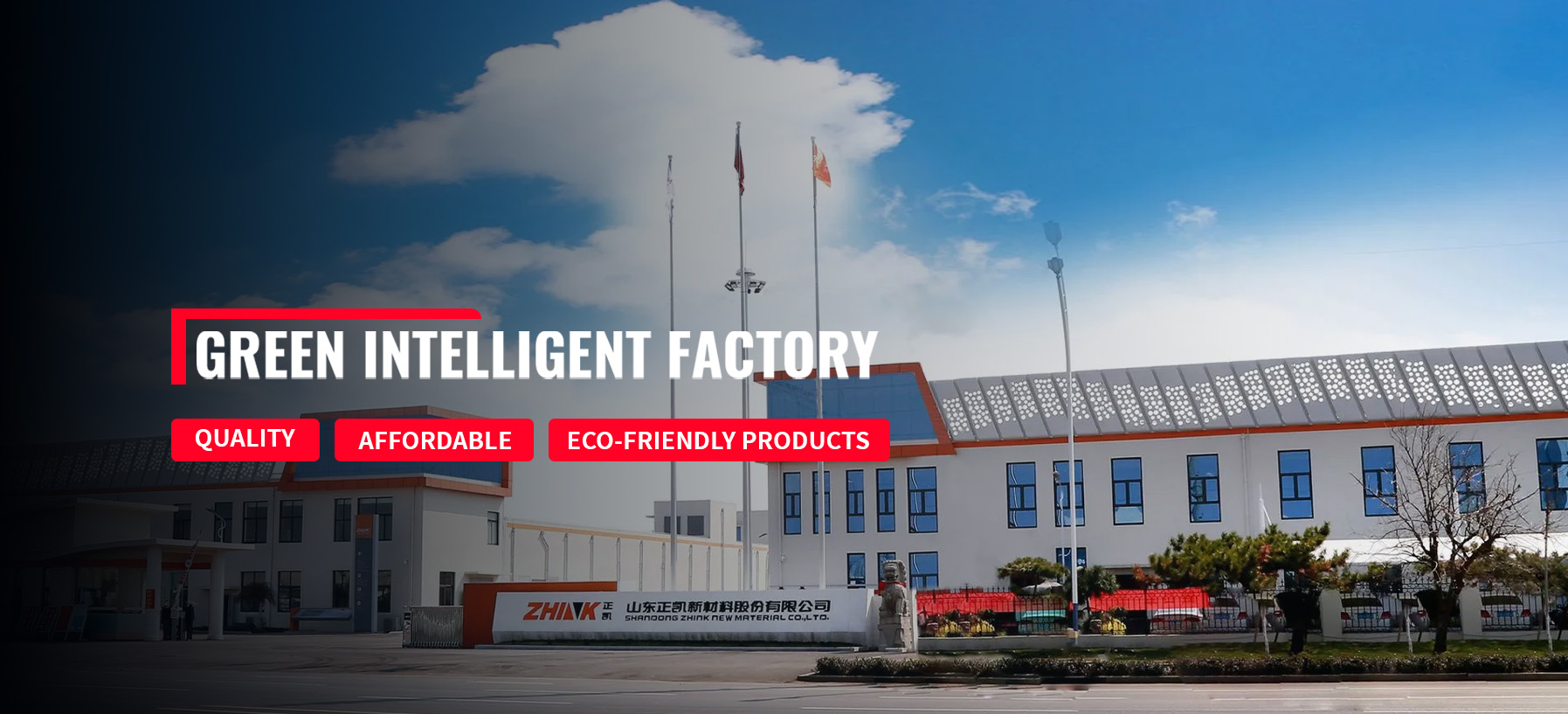
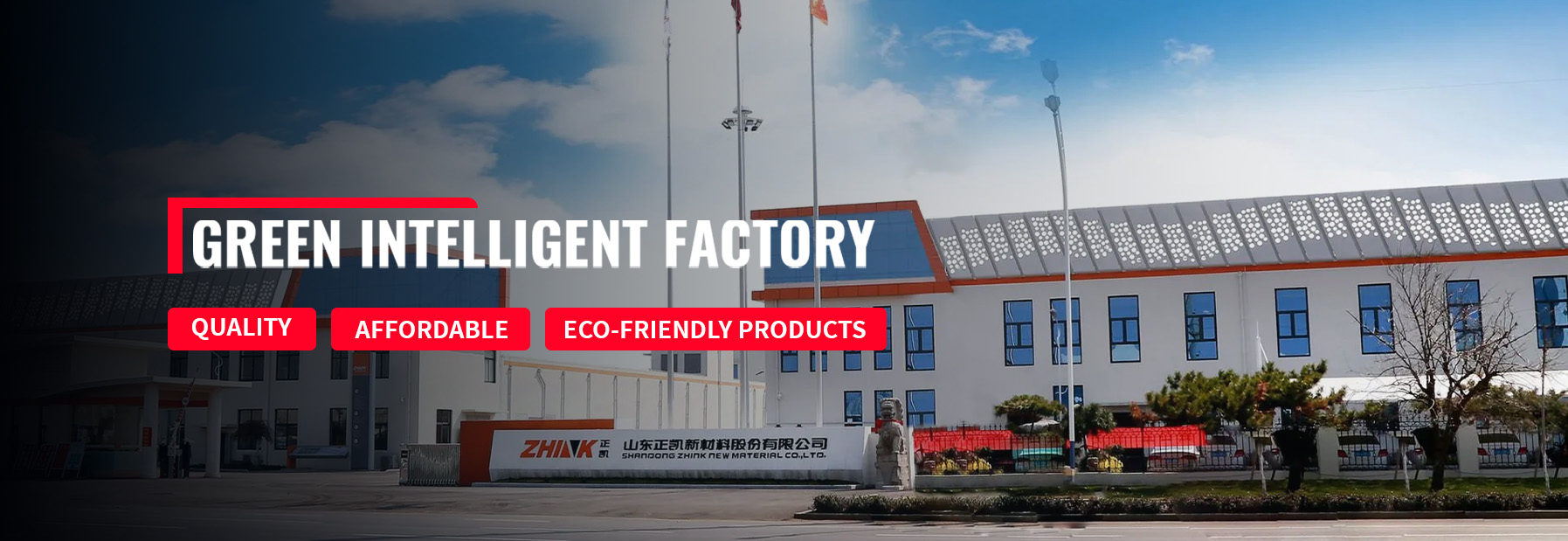
I recall a colleague from SHANDONG ZHINK NEW MATERIAL CO., LTD sharing insights on this. They've faced challenges when sudden raw material cost hikes affected production budgets. Efforts to cushion these impacts involve strategic sourcing and sometimes hedging.
Such strategies are necessary. The team at Zhink New Material, known for their innovation in textile materials, often navigates these waters by continuously researching more resilient supply chains and alternate materials.
Supply Chain Disruptions and Their Role
We've all seen how supply chain disruptions can cause havoc. The pandemic showed us this vividly. At Zhink New Material, they had to implement adaptable strategies to deal with unexpected delays and logistical nightmares. It wasn't just about procurement; it was about redesigning the logistics framework to be more resilient.
For instance, diversifying supplier networks or securing local alternatives can mitigate risks. Yes, it occasionally means higher costs in the short term but stabilizes viscose yarn price through maintained supply continuity.
Interestingly, I found that constant communication and real-time data monitoring were crucial to their strategy. These allow Zhink New Material to anticipate trends rather than react to them, giving them a competitive edge.
Global Demand and Market Trends
Let's talk about demand. Global demand for viscose yarn often throws curves. In recent years, rising consumer awareness for sustainable textiles has shifted the market considerably. This shift, while positive, requires manufacturers to stay ahead of the trend curve.
Over at Zhink New Material, located at zhinkyarn.com, the focus on sustainable R&D plays a pivotal role. They prioritize not just reacting to demand but actively shaping it through innovation in eco-friendly materials.
Experienced eyes can often foresee these patterns. However, it's always a mix of sure-footed planning and sometimes daring to jump into untested waters. That balance defines how well a company like Zhink evolves with global trends.
Environmental Regulations and Economic Policies
Environmental regulations are a massive lever on pricing. Countries rolling out stricter emissions targets or forestry regulations can disrupt the fiber market. This is particularly true for those depending heavily on forestry outputs.
Economic policies, too, play their part. Whether it's export tariffs or changes in taxation, these can have either a stabilizing or destabilizing effect on viscose yarn price. Companies must be nimble, adapting policy shifts into their pricing strategies swiftly.
SHANDONG ZHINK NEW MATERIAL CO., LTD, for example, has a specialized team that actively monitors such regulations. They stress on readiness and flexibility, two traits necessary to navigate regulatory waters cleverly and advantageously.
Final Thoughts and Industry Outlook
In truth, predicting the viscose yarn price is more art than science. It's about piecing together market signals, supply chain realities, and customer demand. In my experience, counting on the expertise and adaptability of your team is what makes the biggest difference.
Zhink New Material's strategy, as I've observed, hinges on innovation, anticipation, and robust internal processes. This isn't just about sustaining business today, but steering it toward future opportunities.
Looking ahead, my bet is on companies that invest in sustainable technologies. The winners will be those who see regulation as a chance for innovation rather than a hurdle. That's how you stay ahead in the ever-shifting textile landscape.
Related Products
Related Products