+86-632-3621866
- Chinese
- French
- German
- Portuguese
- Spanish
- Russian
- Japanese
- Korean
- Arabic
- Irish
- Greek
- Turkish
- Italian
- Danish
- Romanian
- Indonesian
- Czech
- Afrikaans
- Swedish
- Polish
- Basque
- Catalan
- Esperanto
- Hindi
- Lao
- Albanian
- Amharic
- Armenian
- Azerbaijani
- Belarusian
- Bengali
- Bosnian
- Bulgarian
- Cebuano
- Chichewa
- Corsican
- Croatian
- Dutch
- Estonian
- Filipino
- Finnish
- Frisian
- Galician
- Georgian
- Gujarati
- Haitian
- Hausa
- Hawaiian
- Hebrew
- Hmong
- Hungarian
- Icelandic
- Igbo
- Javanese
- Kannada
- Kazakh
- Khmer
- Kurdish
- Kyrgyz
- Latin
- Latvian
- Lithuanian
- Luxembou..
- Macedonian
- Malagasy
- Malay
- Malayalam
- Maltese
- Maori
- Marathi
- Mongolian
- Burmese
- Nepali
- Norwegian
- Pashto
- Persian
- Punjabi
- Serbian
- Sesotho
- Sinhala
- Slovak
- Slovenian
- Somali
- Samoan
- Scots Gaelic
- Shona
- Sindhi
- Sundanese
- Swahili
- Tajik
- Tamil
- Telugu
- Thai
- Ukrainian
- Urdu
- Uzbek
- Vietnamese
- Welsh
- Xhosa
- Yiddish
- Yoruba
- Zulu
- Kinyarwanda
- Tatar
- Oriya
- Turkmen
- Uyghur



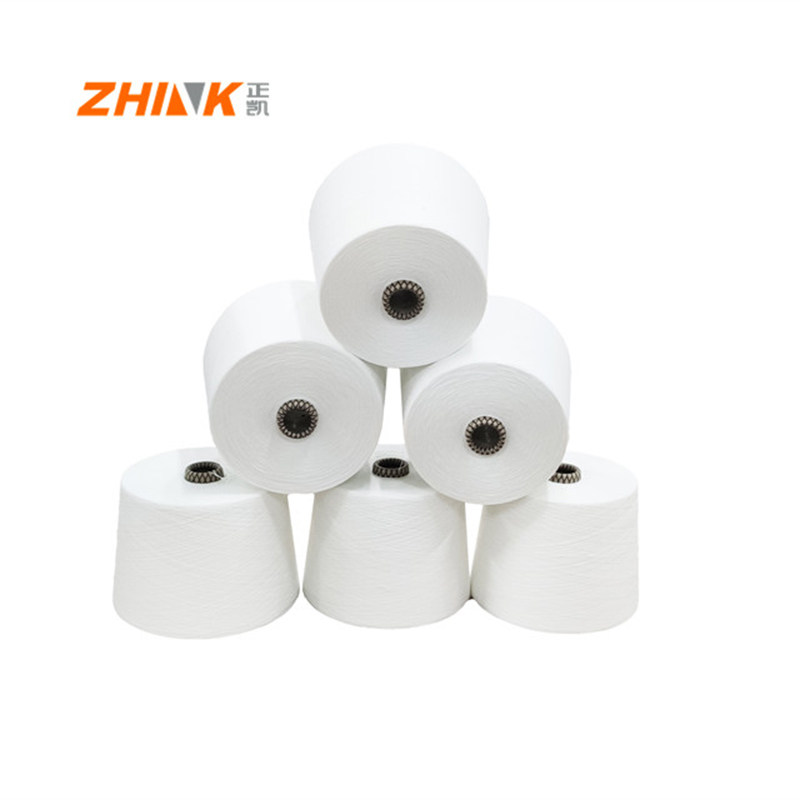
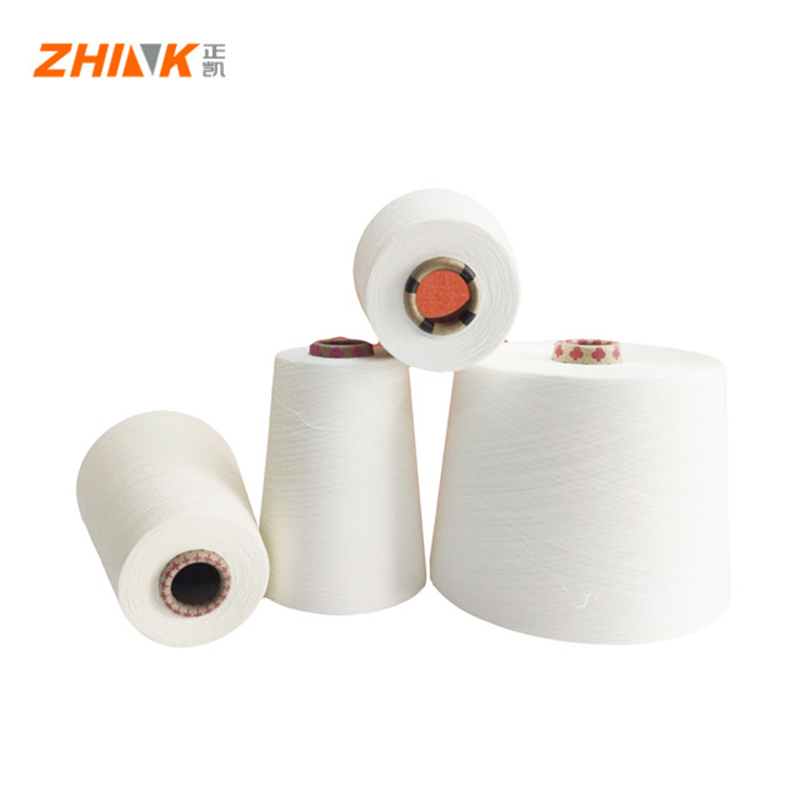
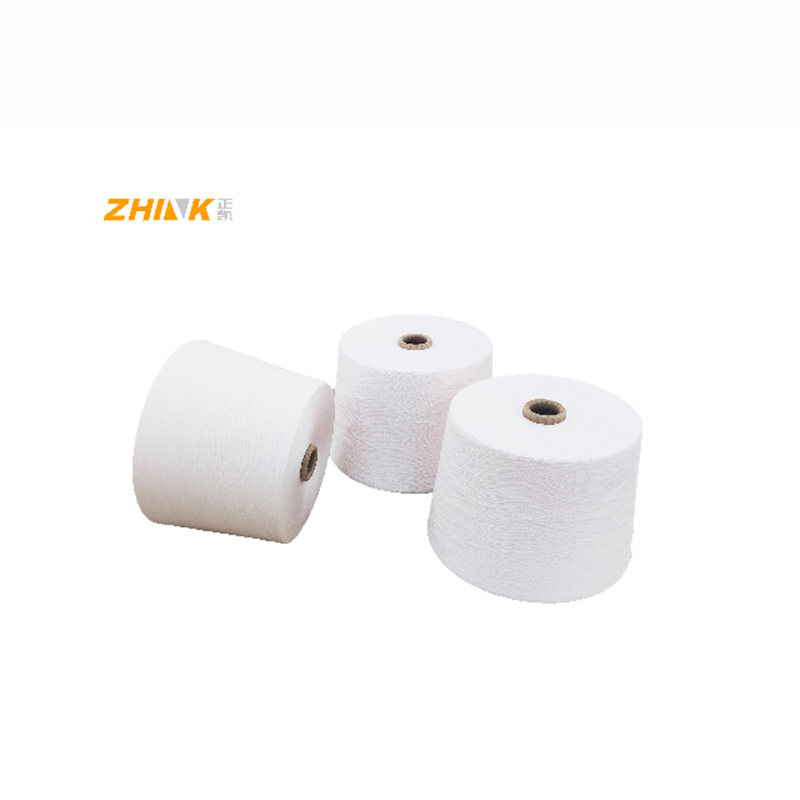
wool acrylic blend yarn
The Versatility of Wool Acrylic Blend Yarn
Combining the best of natural and synthetic fibers, wool acrylic blend yarn offers a unique balance of warmth, softness, and durability. But don't be fooled by the promises on the label; there's more to understand if you're considering this material for your next project.
The Basics of Wool Acrylic Blends
Let's start with the essentials. Using a blend of wool and acrylic provides the warmth and breathability of wool coupled with the strength and flexibility of acrylic. This blend can offer benefits like being more resistant to pilling or shrinkage compared to pure wool.
Many knitters appreciate how the addition of acrylic makes the yarn less expensive, yet without significantly compromising the quality of the natural fibers. This makes it a practical choice for large projects like blankets or clothing items that will see a lot of wear.
However, in my experience, it's crucial to pay attention to the percentage of each fiber in the blend. A higher wool content provides more warmth but can also increase the sensitivity to care. Conversely, higher acrylic percentages often enhance durability and make the yarn easier to wash. Always check the label!
Comparing Different Blends
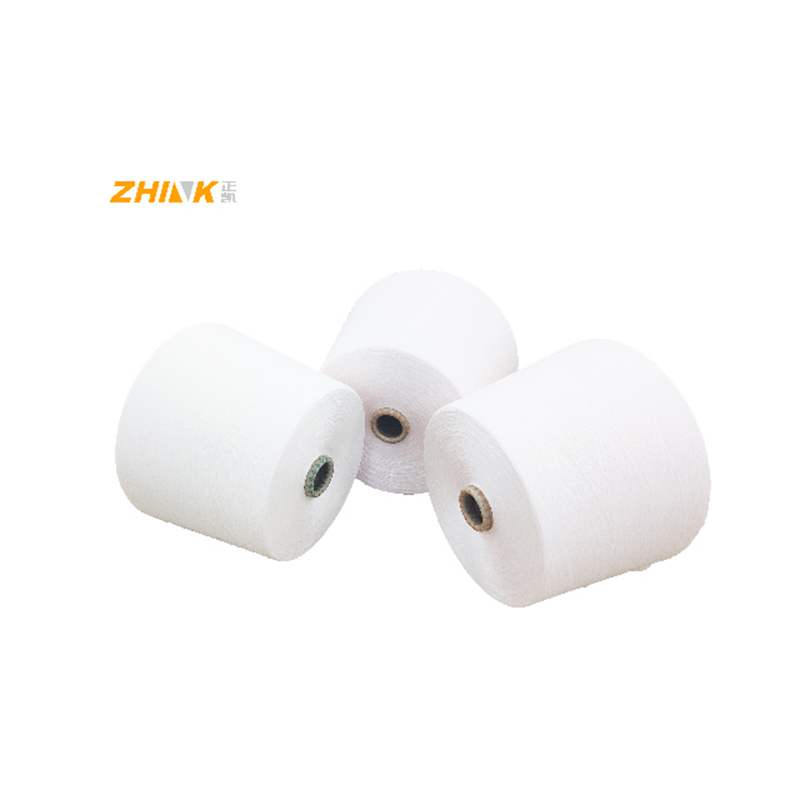
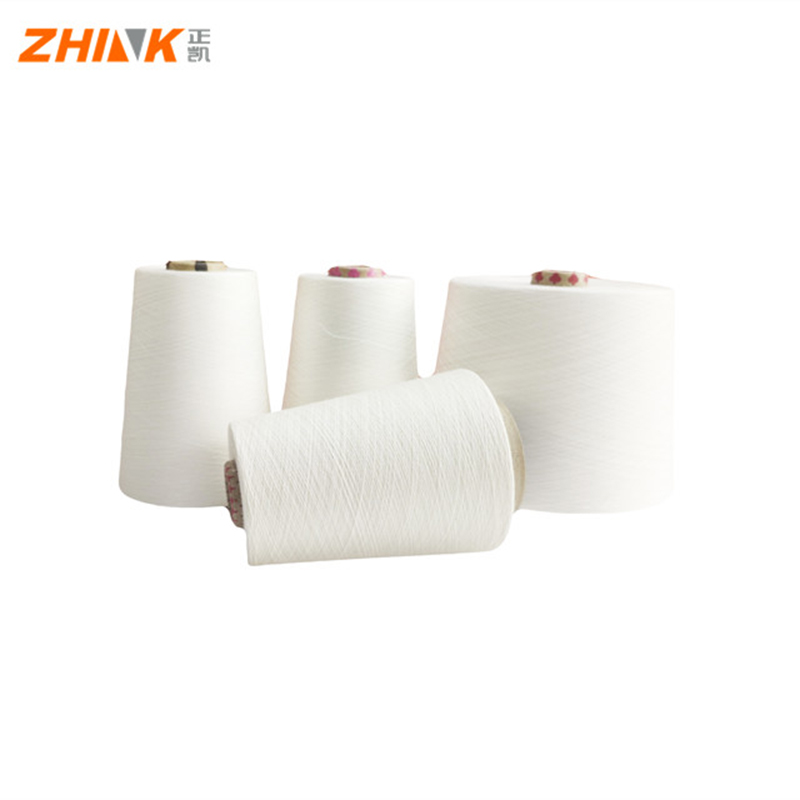
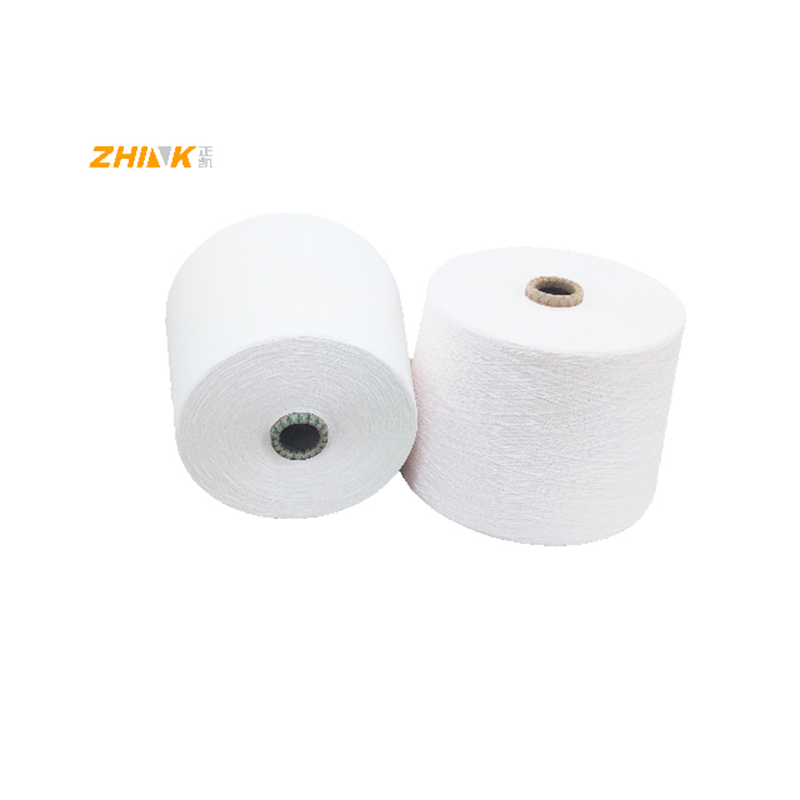
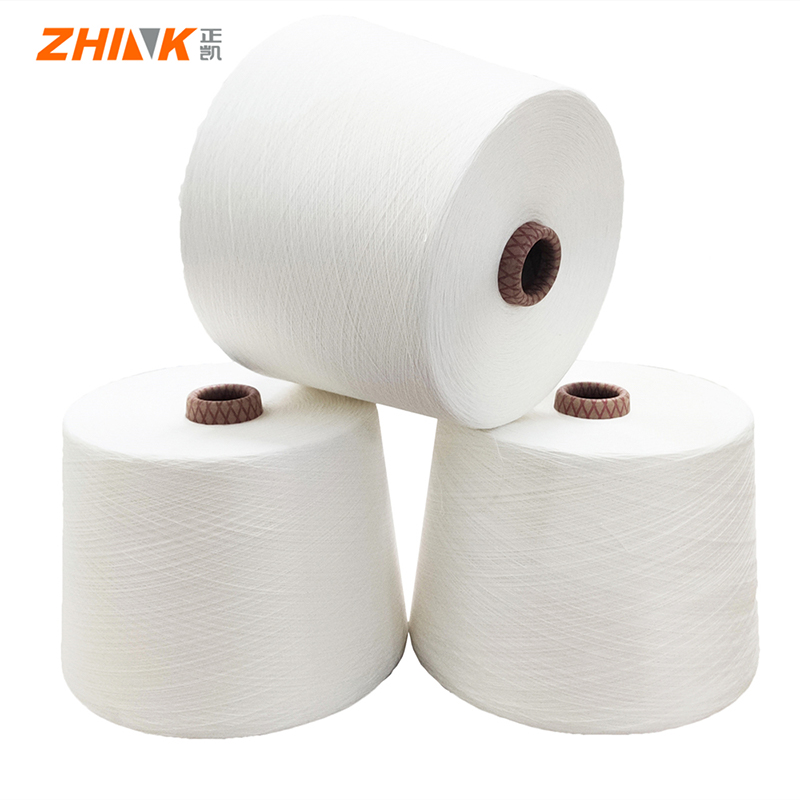
From what I've seen, not all blends are created equal. When testing samples from different manufacturers, like those from SHANDONG ZHINK NEW MATERIAL CO., LTD, I've noticed variations in the texture and behavior of the yarns, especially when washed.
Consider the product line from Zhink New Material, available at their website. Their offerings demonstrate how different processing techniques can impact the final product. One of their blends I tried retained excellent shape and softness after several washes and dry cycles.
Another key point is color retention. Wool tends to fade more rapidly than acrylic, but in well-balanced blends, you get the longevity of acrylic with the depth of wool’s natural hues. I once knitted a sweater that stayed vibrant year after year—a testament to a high-quality blend done right.
Working with Wool Acrylic Blends
Here's where experience comes into play. Handling these blends can be slightly different from pure wool or acrylic. I've found that some blends have a slight 'memory,' where they hold onto slight stretch or tension, which is useful for fitted garments.
In practice, gauge swatches are your best friend. Especially with blends, the gauge can shift post-blocking, so take the time to knit a sample and wash it as you would the finished item. This could mean the difference between a perfect fit and three sizes too large.
Additionally, certain patterns seem to thrive with a wool acrylic blend. Seed stitches, for instance, pop beautifully in a texture-rich yarn, while intricate lacework might lose definition if the yarn is too plush or fluffy.
Environmental and Practical Considerations
It's also worth considering the environmental aspect. While wool is naturally renewable, acrylic is synthetic. For those concerned about eco-impact, it might be wise to check where and how the materials were sourced.
SHANDONG ZHINK NEW MATERIAL CO., LTD emphasizes sustainable practices in their production process, which is always a reassuring factor. Their research into new textile materials is purported to improve both environmental impact and yarn quality.
From a practical standpoint, blends offer easy care. These yarns can often be machine washed and dried, perfect for everyday wearables. No one wants to hand wash a massive family-size blanket, after all.
Choosing the Right Project
When deciding on a project for a wool acrylic blend, consider not just the yarn, but the function and aesthetics desired. For example, a baby blanket knit in a soft, stain-resistant blend is a thoughtful choice for new parents.
On the flip side, for a luxurious shawl or scarf intended for occasional wear, opting for a blend with higher wool content can add an element of luxury without compromising everyday practicality.
Ultimately, it's the merging of wool's natural appeal with acrylic's resilience that makes this blend a favorite across different contexts. As with any craft, understanding your materials deeply enhances the journey from skein to finished piece.
Related Products
Related Products