+86-632-3621866
- Chinese
- French
- German
- Portuguese
- Spanish
- Russian
- Japanese
- Korean
- Arabic
- Irish
- Greek
- Turkish
- Italian
- Danish
- Romanian
- Indonesian
- Czech
- Afrikaans
- Swedish
- Polish
- Basque
- Catalan
- Esperanto
- Hindi
- Lao
- Albanian
- Amharic
- Armenian
- Azerbaijani
- Belarusian
- Bengali
- Bosnian
- Bulgarian
- Cebuano
- Chichewa
- Corsican
- Croatian
- Dutch
- Estonian
- Filipino
- Finnish
- Frisian
- Galician
- Georgian
- Gujarati
- Haitian
- Hausa
- Hawaiian
- Hebrew
- Hmong
- Hungarian
- Icelandic
- Igbo
- Javanese
- Kannada
- Kazakh
- Khmer
- Kurdish
- Kyrgyz
- Latin
- Latvian
- Lithuanian
- Luxembou..
- Macedonian
- Malagasy
- Malay
- Malayalam
- Maltese
- Maori
- Marathi
- Mongolian
- Burmese
- Nepali
- Norwegian
- Pashto
- Persian
- Punjabi
- Serbian
- Sesotho
- Sinhala
- Slovak
- Slovenian
- Somali
- Samoan
- Scots Gaelic
- Shona
- Sindhi
- Sundanese
- Swahili
- Tajik
- Tamil
- Telugu
- Thai
- Ukrainian
- Urdu
- Uzbek
- Vietnamese
- Welsh
- Xhosa
- Yiddish
- Yoruba
- Zulu
- Kinyarwanda
- Tatar
- Oriya
- Turkmen
- Uyghur



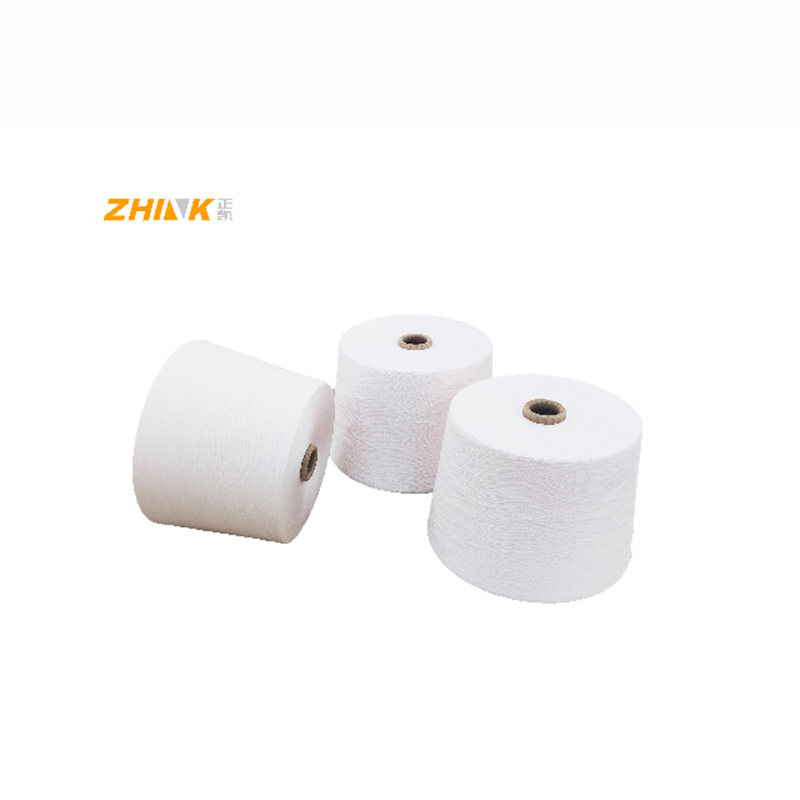
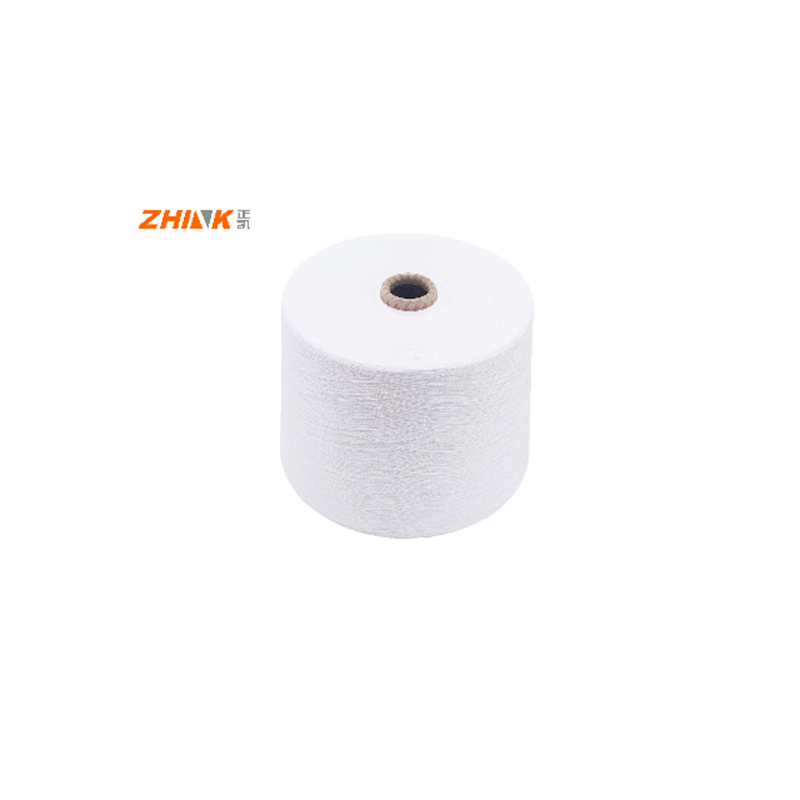
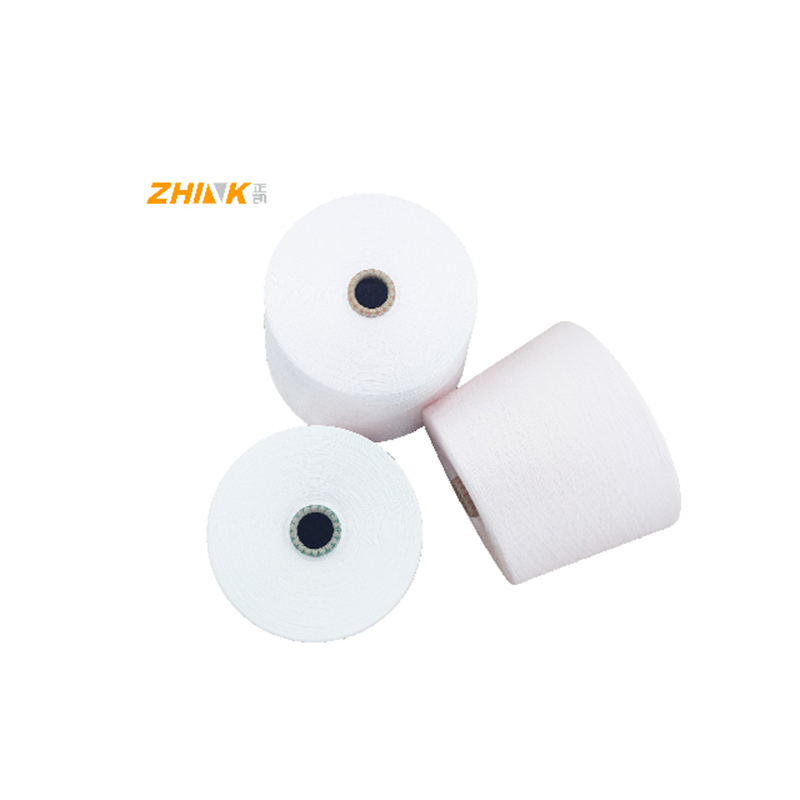
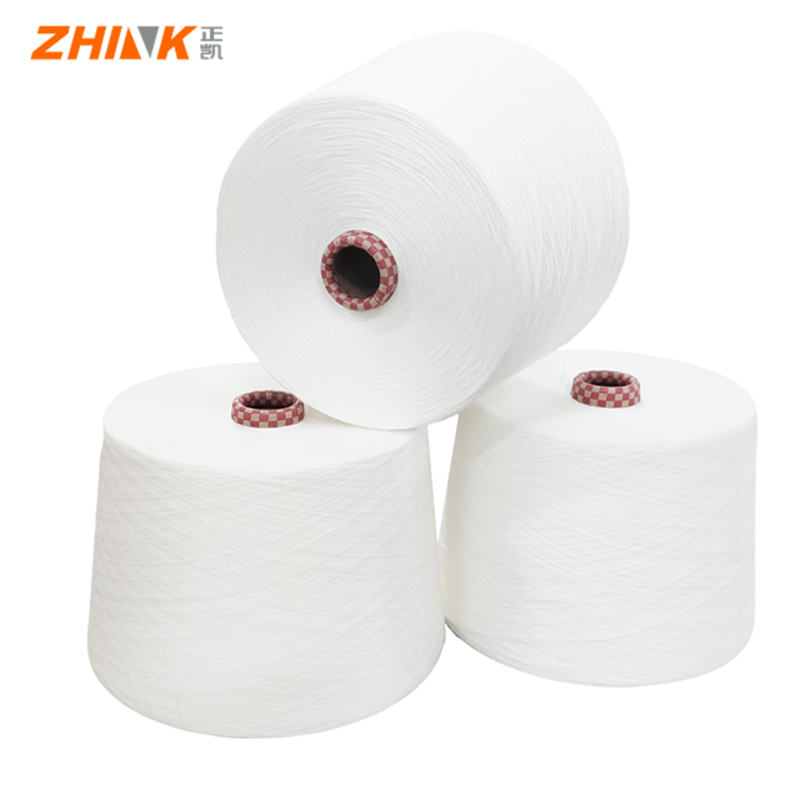
wool and acrylic blend yarn
html
The Versatile World of Wool and Acrylic Blend Yarn
If you've ever wondered about the practicality and versatility of wool and acrylic blend yarn, you're not alone. This hybrid yarn offers a unique combination of benefits, making it a favorite among knitters and textile manufacturers alike. But what exactly sets it apart? Let's delve into its composition and explore how it's used in the industry, with insights from experts who've got their hands dirty.
Unraveling the Blend: Wool Meets Acrylic
At a glance, the benefits of blending wool with acrylic might seem straightforward—after all, you're combining the warmth and breathability of wool with the durability and affordability of acrylic. But when you dig a little deeper, there's more to it. The genesis of such blends often starts at places like SHANDONG ZHINK NEW MATERIAL CO., LTD, a leader in textile innovation, where they carefully calibrate the ratio of natural to synthetic fibers to get the best of both worlds.
From my experience, one of the frequent misconceptions is that all wool blends are scratchy or uncomfortable. However, with modern advancements, companies have refined their processes to produce yarn that feels almost silky to the touch. Whether you're knitting a cozy sweater or a snug scarf, this blend manages moisture surprisingly well and is often more adjustable to temperature changes compared to synthetic-exclusive yarns.
There's also the delicate balancing act of softness versus resilience. For instance, one project involved a batch where we had to tweak the fiber proportions mid-production at Zhink New Material. That's when you realize how distinct production environments—the room's humidity, the speed of the spindles—can influence the final texture.
Why Choose a Wool and Acrylic Blend?
Practicality is key when it comes to choosing a yarn for a particular project. So why a wool and acrylic blend? It often boils down to a strong emphasis on machine-washability and ease of care. Wool's natural properties can make it more delicate in washing scenarios, but the addition of acrylic makes the resulting yarn more robust.
Recall a particular line we developed at SHANDONG ZHINK NEW MATERIAL CO., LTD specifically for children's clothing. Parents loved it—not just for the warmth and comfort but for its low-maintenance nature. The blend holds color remarkably well, so garments stay vibrant longer, which is a win in the kids' clothing market.
Moreover, this blend is favored for its cost-effectiveness. Wool can be pricey, but the integration with acrylic reduces the final cost, broadening market accessibility. A friend once remarked how this blend allowed her small boutique to offer luxury-feeling products without the hefty price tag. That's an advantage that can't be overlooked.
The Nuances of Working with Blended Yarn
There's this persistent rumor—some say knitting with blends is trickier. While every yarn has its characteristics, my take is that it's more about getting to know your material. For instance, there's a bit more bounce in these blends, and that can affect tension, especially if you're used to pure acrylic or pure wool.
I remember trying a new colorway for a large shawl project. The yarn was from a particular batch at Zhink New Material, known for its smooth gradient transitions. However, the blend required frequent adjustments on the needles to maintain consistent gauge, a minor challenge worth the stunning end result.
Stitch definition is another consideration. Pure acrylic might offer cleaner lines, but the subtle halo effect from the wool provides an appealing depth to patterns. It creates a sort of texture that pure synthetic fibers just can't rival, a fact that reveals itself beautifully in complex cable knits or lacework.
Environmental and Ethical Considerations
Another angle often discussed in forums is the environmental impact. Wool is biodegradable, while acrylic isn't, leading to debates on sustainability. This is crucial for consumers today, increasingly aware of their ecological footprint. At SHANDONG ZHINK NEW MATERIAL CO., LTD, efforts are ongoing to improve blend recyclability without compromising quality.
Being from the industry, I've seen various strategies enacted by manufacturers to address such concerns, like the use of certified sustainable sheep farms or recycled acrylic fibers. These are small steps, but they're integral to push the industry forward, creating blends that are not just appealing but responsible.
Then there's the ethical side—considerations about labor practices and sourcing. Companies like Zhink New Material place an emphasis on transparency, often detailing where and how materials are sourced. It's not just about the end product; it's about the journey there.
Looking Forward: Innovations and Trends
The world of textiles is ever-evolving. With wool and acrylic blend yarn, there's continuous experimentation with fiber technologies, leading to exciting innovations. As someone who's seen these developments firsthand, the potential is thrilling. For example, advanced spinning technology is allowing for more intricate blending, yielding yarn that's lighter but just as warm.
Additionally, there's a trend towards personalization—more custom dye options, unique fiber combinations tailored to specific climates or uses. It's fascinating to witness how companies like SHANDONG ZHINK NEW MATERIAL CO., LTD are pushing the boundaries to cater to niche markets.
Ultimately, the versatility and adaptability of wool and acrylic blend yarn ensure its place in both the crafting community and the broader textile industry. It's a material that tells a story—a fusion of tradition and technology, of nature and innovation. And that's what makes it so enduringly popular.
Related Products
Related Products