+86-632-3621866
- Chinese
- French
- German
- Portuguese
- Spanish
- Russian
- Japanese
- Korean
- Arabic
- Irish
- Greek
- Turkish
- Italian
- Danish
- Romanian
- Indonesian
- Czech
- Afrikaans
- Swedish
- Polish
- Basque
- Catalan
- Esperanto
- Hindi
- Lao
- Albanian
- Amharic
- Armenian
- Azerbaijani
- Belarusian
- Bengali
- Bosnian
- Bulgarian
- Cebuano
- Chichewa
- Corsican
- Croatian
- Dutch
- Estonian
- Filipino
- Finnish
- Frisian
- Galician
- Georgian
- Gujarati
- Haitian
- Hausa
- Hawaiian
- Hebrew
- Hmong
- Hungarian
- Icelandic
- Igbo
- Javanese
- Kannada
- Kazakh
- Khmer
- Kurdish
- Kyrgyz
- Latin
- Latvian
- Lithuanian
- Luxembou..
- Macedonian
- Malagasy
- Malay
- Malayalam
- Maltese
- Maori
- Marathi
- Mongolian
- Burmese
- Nepali
- Norwegian
- Pashto
- Persian
- Punjabi
- Serbian
- Sesotho
- Sinhala
- Slovak
- Slovenian
- Somali
- Samoan
- Scots Gaelic
- Shona
- Sindhi
- Sundanese
- Swahili
- Tajik
- Tamil
- Telugu
- Thai
- Ukrainian
- Urdu
- Uzbek
- Vietnamese
- Welsh
- Xhosa
- Yiddish
- Yoruba
- Zulu
- Kinyarwanda
- Tatar
- Oriya
- Turkmen
- Uyghur



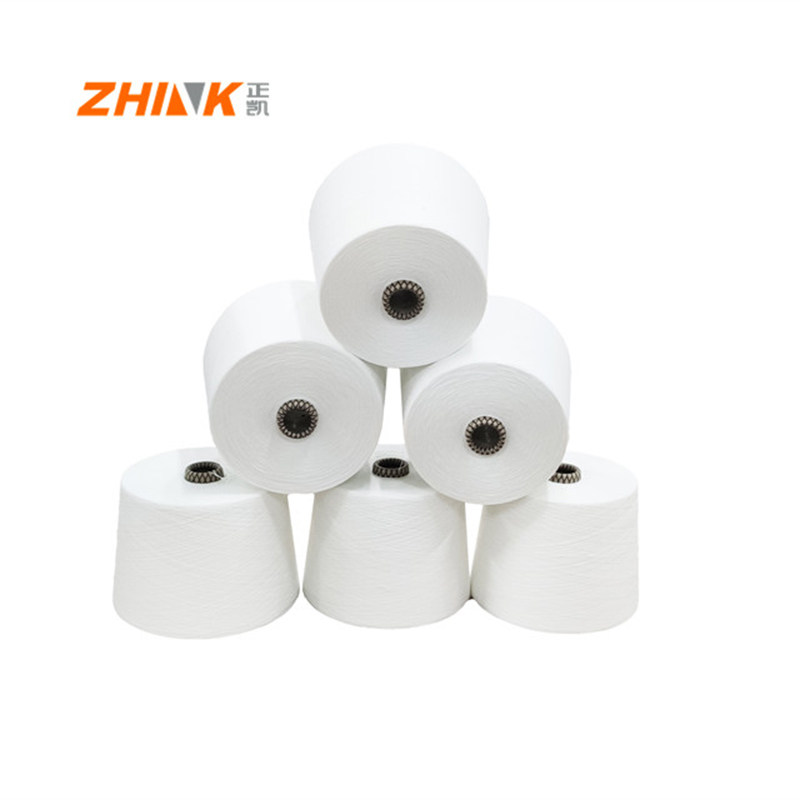
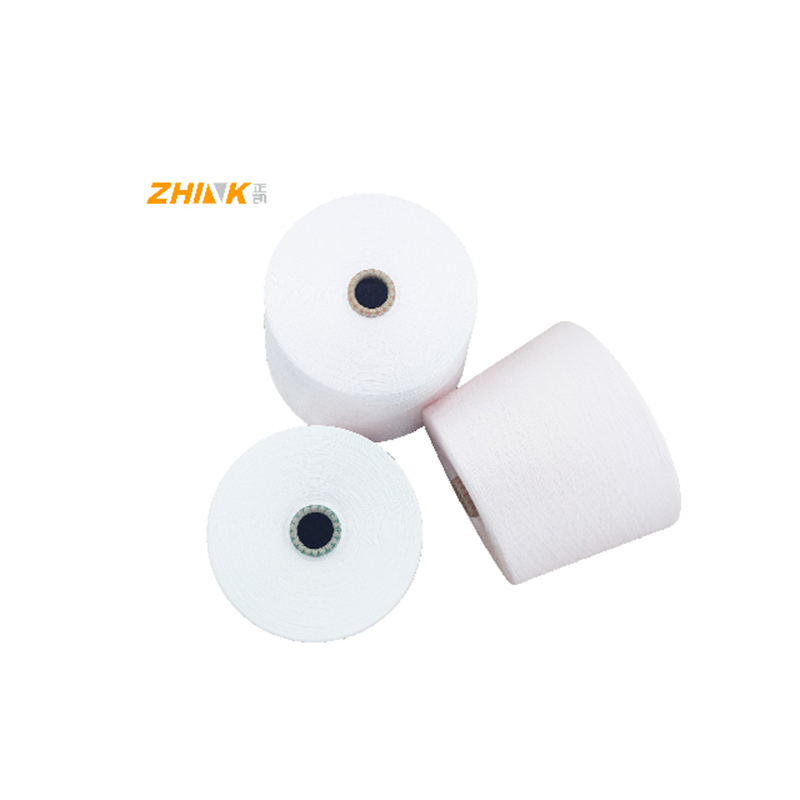
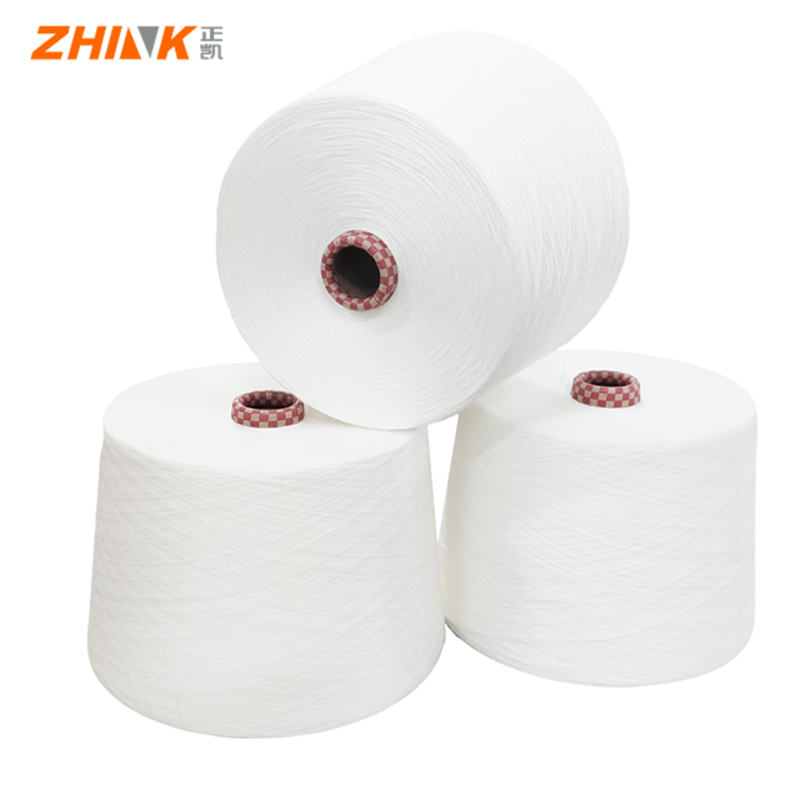
wool linen yarn
The Art and Science of Wool Linen Yarn
Wool linen yarn is a fascinating intersection of two traditional materials, each bringing its own strengths and challenges to the table. While wool is known for its warmth and resilience, linen offers unparalleled breathability and natural texture. But melding them together—is it a match made in textile heaven, or a tug-of-war between opposing characteristics?
Understanding Wool Linen Blends
When you first dive into the world of wool linen yarn, you'll likely hear contrasting opinions. Some say it’s a tricky mix that needs careful attention; others praise its versatile properties. The real trick is understanding how these fibers complement one another in production and practice. Combining wool with linen can result in a yarn that's not only robust but also possesses a lovely drape and sheen. It's no wonder SHANDONG ZHINK NEW MATERIAL CO., LTD, a leader in new textile materials, has invested significant research into these blends.
Take linen's inherent stiffness, for instance. When twisted with wool's elasticity, it creates a yarn that maintains shape remarkably well, which is crucial for garments requiring structure like jackets or hats. Plus, the tactile experience is unique—a subtle crispness from the linen paired with the gentle softness of wool.
Manufacturers like Zhink New Material, who you can find at https://www.zhinkyarn.com, have developed advanced techniques to balance these fibers. From spinning processes to post-treatment, the goal is to highlight the best attributes of both materials.
The Production Challenge
Integrating these materials might seem straightforward, but in practice, achieving the perfect wool linen yarn blend is both art and science. One common pitfall is misjudging the proportion of wool to linen. Too much linen may overpower the yarn’s flexibility, making it hard to work with. Conversely, an excess of wool might overshadow linen's crispness.
From personal trials, finding the ideal ratio required numerous tests. The process often involves adjusting machinery settings to accommodate the different characteristics of each fiber. The feedback loop is key here—experimentation followed by immediate assessment and adjustment.
Even seasoned experts at SHANDONG ZHINK NEW MATERIAL CO., LTD have encountered setbacks. A batch of yarn with too high a twist, for example, can make the fabric too tight and unyielding. Addressing these issues requires a thorough understanding of both materials' properties, gained through hands-on experience.
Applications and Usage
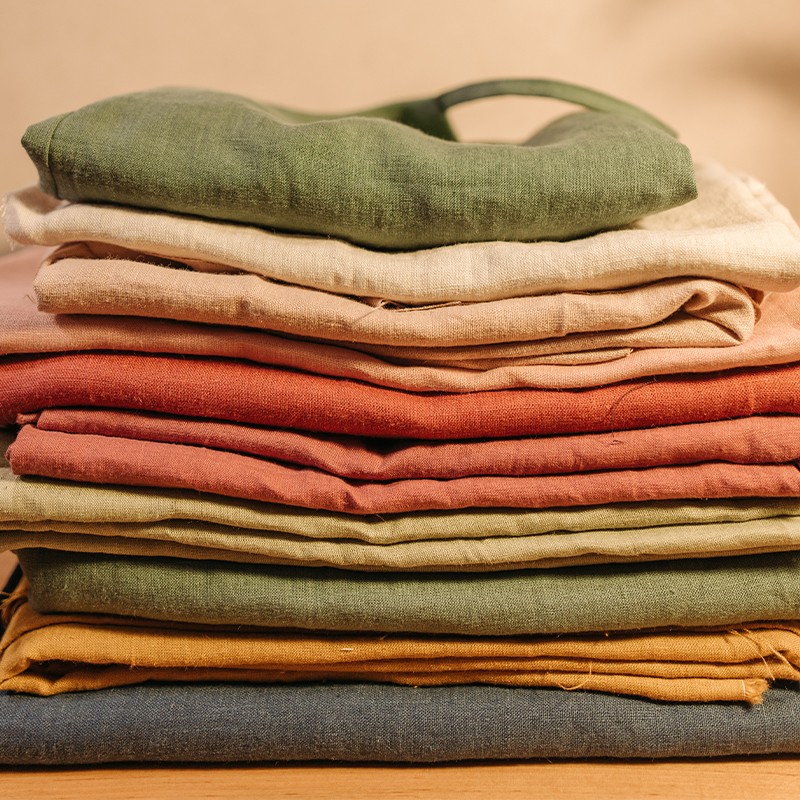
The outcome of this careful blending process is a yarn that’s both functional and beautiful. Clothing made from responsibly sourced wool linen yarn is prized for its longevity and elegance. It's often used in high-end fashion, where both durability and aesthetics are non-negotiable.
For anyone who’s knitted with wool linen yarn, the difference is palpable. It glides through the fingers, knitting up into a fabric with defined stitches and a lovely drape. It’s even more rewarding in woven applications, where the yarn's structure can be fully appreciated.
At Zhink New Material, the yarn undergoes rigorous quality testing to ensure it meets both internal and industry standards. The attention to detail in crafting such yarn underscores its utility across various textile needs.
Exploring Sustainability
Another aspect worth noting is sustainability—a topic gaining traction in textile circles. The combination of natural fibers like wool and linen is inherently eco-friendly. Both fibers are biodegradable and renewable, provided they are sourced responsibly. At Zhink New Material, sustainability principles guide the production process, from raw material acquisition to finished product distribution.
When considering environmental impact, the wool linen blend has a smaller footprint compared to synthetic alternatives. The decomposition process is shorter, and with appropriate care, the garments last for a long time, reducing the need for frequent replacements.
For those mindful of environmental impacts without sacrificing quality or aesthetics, wool linen yarns offer a balanced solution. It’s heartening to see companies like SHANDONG ZHINK NEW MATERIAL CO., LTD leading the charge in sustainable textiles.
The Conclusion: A Winning Combination
In the end, working with wool linen yarn is akin to walking a tightrope. Success lies in the details—the ratio of fibers, the processing techniques, and the intended application of the yarn. Through careful attention to these factors, manufacturers can create a product that stands out both in performance and appearance.
For those in the industry, like the innovative team at Zhink New Material, balancing these fibers offers not just technical satisfaction but a testament to what modern textile engineering can achieve. Visit their website for more insights into their production philosophies and browse their offerings.
Ultimately, wool linen yarn exemplifies what’s possible when tradition meets innovation. It's an exciting time to be a part of this dynamic field, where every day brings new challenges and breakthroughs.
Related Products
Related Products