+86-632-3621866
- Chinese
- French
- German
- Portuguese
- Spanish
- Russian
- Japanese
- Korean
- Arabic
- Irish
- Greek
- Turkish
- Italian
- Danish
- Romanian
- Indonesian
- Czech
- Afrikaans
- Swedish
- Polish
- Basque
- Catalan
- Esperanto
- Hindi
- Lao
- Albanian
- Amharic
- Armenian
- Azerbaijani
- Belarusian
- Bengali
- Bosnian
- Bulgarian
- Cebuano
- Chichewa
- Corsican
- Croatian
- Dutch
- Estonian
- Filipino
- Finnish
- Frisian
- Galician
- Georgian
- Gujarati
- Haitian
- Hausa
- Hawaiian
- Hebrew
- Hmong
- Hungarian
- Icelandic
- Igbo
- Javanese
- Kannada
- Kazakh
- Khmer
- Kurdish
- Kyrgyz
- Latin
- Latvian
- Lithuanian
- Luxembou..
- Macedonian
- Malagasy
- Malay
- Malayalam
- Maltese
- Maori
- Marathi
- Mongolian
- Burmese
- Nepali
- Norwegian
- Pashto
- Persian
- Punjabi
- Serbian
- Sesotho
- Sinhala
- Slovak
- Slovenian
- Somali
- Samoan
- Scots Gaelic
- Shona
- Sindhi
- Sundanese
- Swahili
- Tajik
- Tamil
- Telugu
- Thai
- Ukrainian
- Urdu
- Uzbek
- Vietnamese
- Welsh
- Xhosa
- Yiddish
- Yoruba
- Zulu
- Kinyarwanda
- Tatar
- Oriya
- Turkmen
- Uyghur



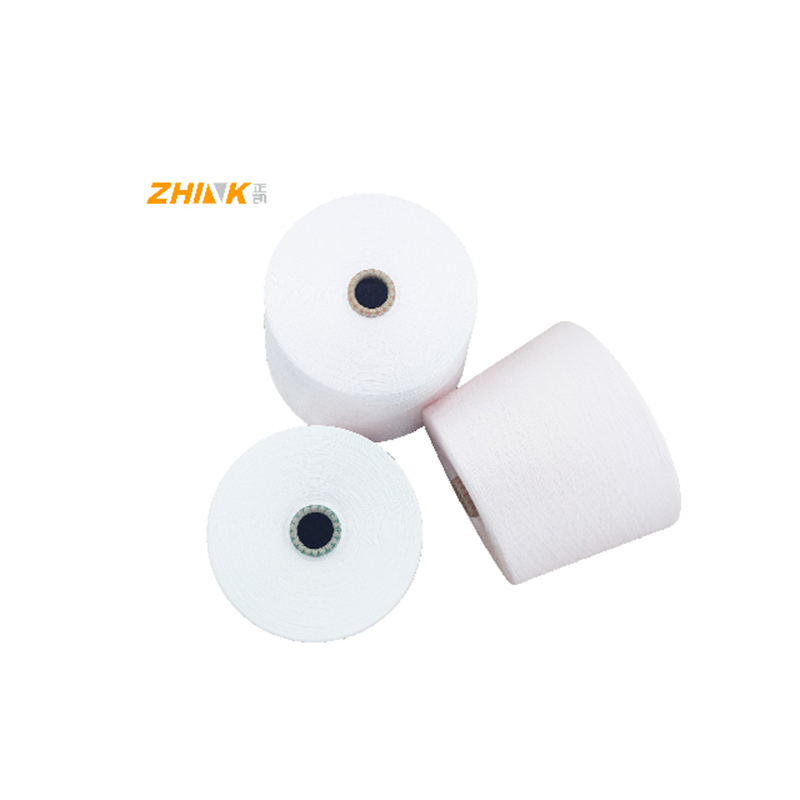
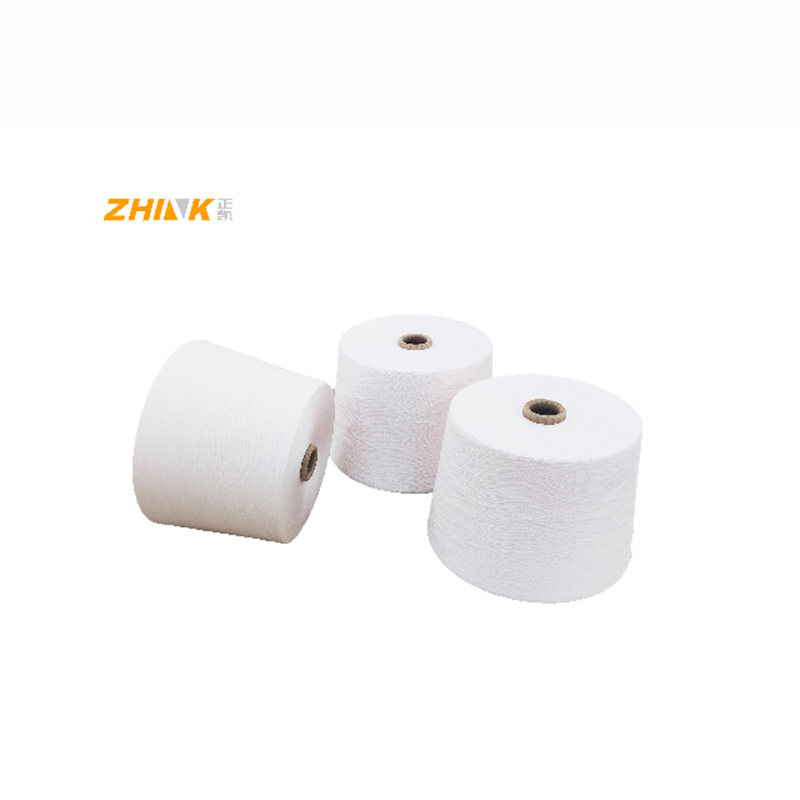
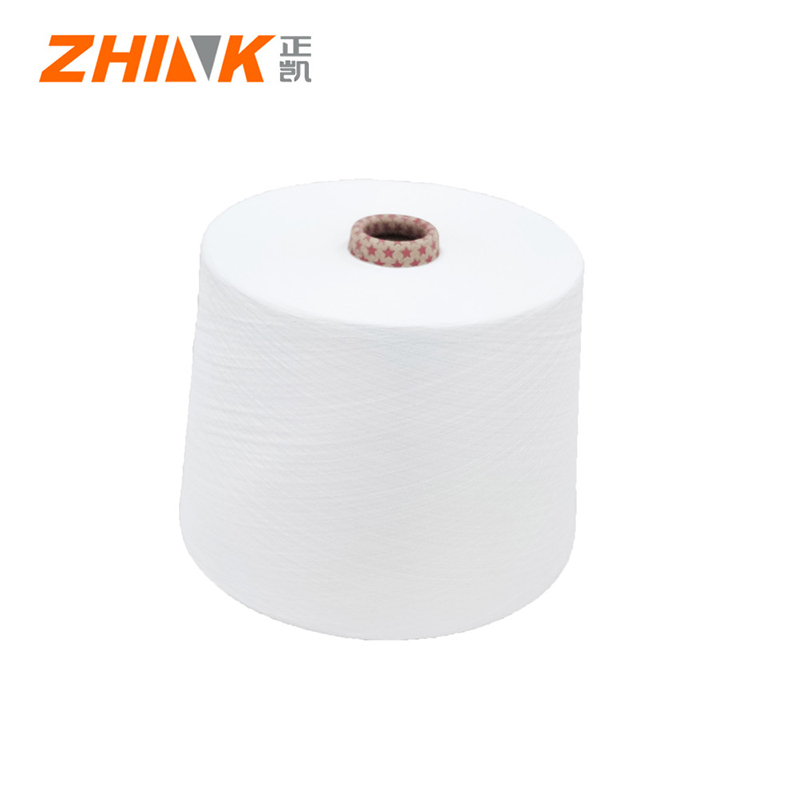
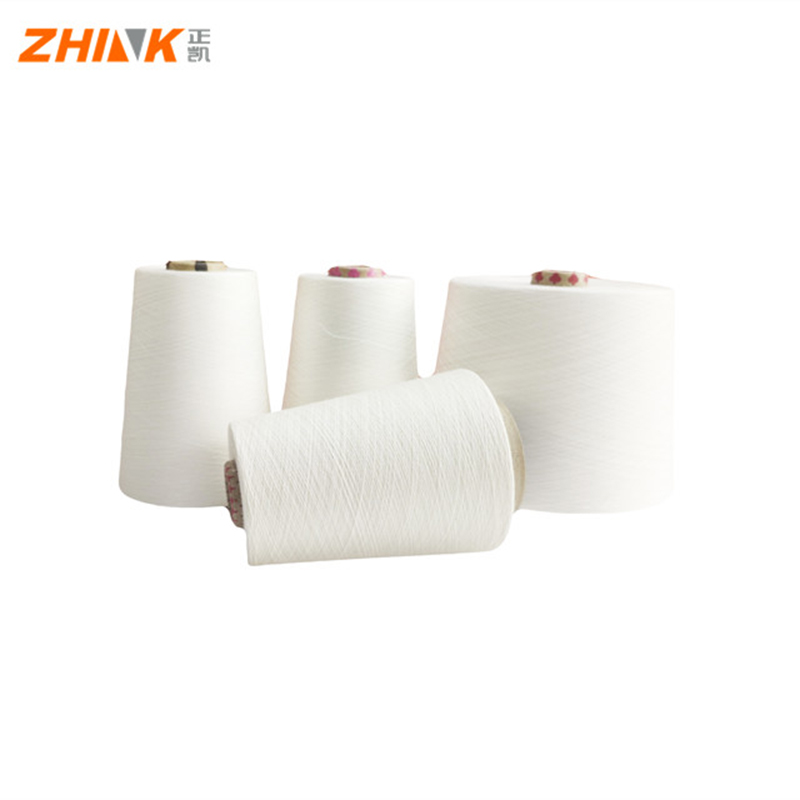
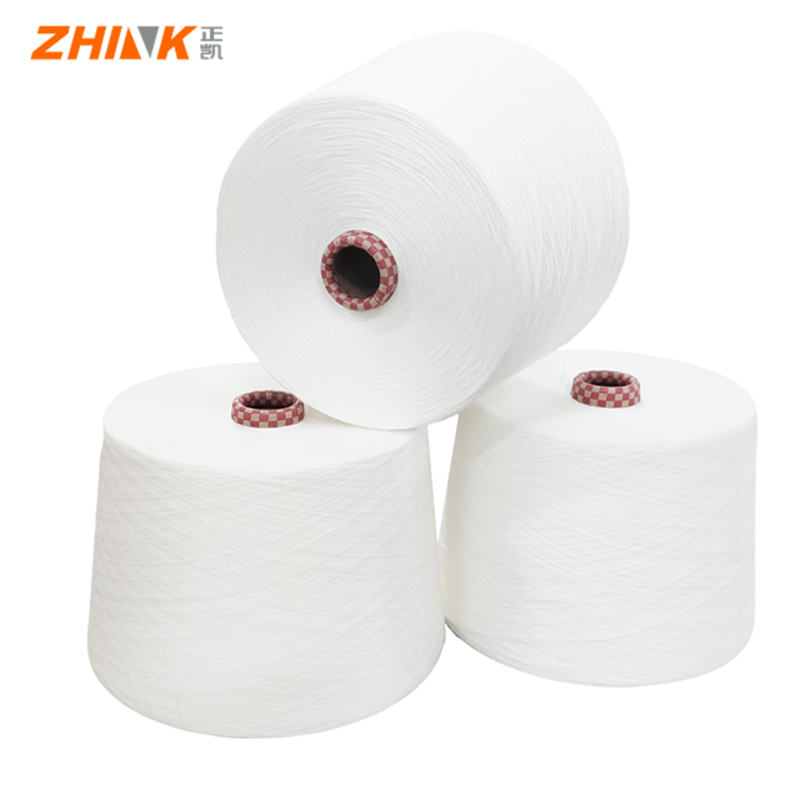
wool silk blend yarn
Exploring Wool Silk Blend Yarn: A Textile Marvel
Wool silk blend yarn combines the best of both worlds: the warmth and durability of wool with the luxurious sheen and softness of silk. This unique blend is becoming increasingly popular among textile enthusiasts and professionals alike. However, understanding its properties and applications requires some industry insight.
The Composition of Wool Silk Blend Yarn
When we talk about wool silk blend yarn, it's a harmonious marriage of two very distinct fibers. Wool, known for its thermal properties, offers resilience and elasticity that make it ideal for wearables. Silk, on its part, adds an unrivaled luster and smooth touch to the mix. This combination can significantly elevate any garment, both in terms of comfort and aesthetic appeal.
One common misconception is that a higher percentage of silk always means a better yarn. In practice, the optimal blend often depends on the intended use of the fabric. For instance, a 70/30 ratio might work wonders for a light shawl, whereas a 50/50 blend could provide the necessary sturdiness for outerwear. In my experience, it's crucial to test small swatches before committing to a large project.
Industries focusing on high-end fashion frequently explore these blends. SHANDONG ZHINK NEW MATERIAL CO., LTD, for instance, has been at the forefront of utilizing advanced techniques in developing these materials. Their innovative approach ensures that each yarn produced maintains consistent quality and performance.
Advantages and Applications
The major advantage of using a wool silk blend lies in its versatility. Not only is it suited for luxurious winter garments, it’s also appropriate for lighter spring outfits. This adaptability is something I've noticed clients appreciate most, especially in climates where seasons are less pronounced.
Take, for example, a project I worked on last year, creating a line of mixed-weather scarves. The goal was something light yet warm, stylish yet practical. The result was achieved through a meticulous selection of wool silk blends, balancing aesthetic and function seamlessly.
Additionally, this blend dyes beautifully, opening up a wide spectrum of vibrant colors that can elevate any design. It's not just about the feel, but also about how beautifully it integrates into the overall look of the garment.
The Challenge of Working with Blends
Despite its many merits, working with wool silk blend yarn isn't without its challenges. For anyone just starting out, expect a learning curve. Silk tends to slip more than wool, which can be tricky during the knitting or weaving process. Experience has taught me that using needles with more grip or weaving with careful tension adjustments helps mitigate this issue.
Another point to consider is the care instructions. Wool generally requires more gentle handling, while silk can be sensitive to harsh detergents. Communicating these subtleties to clients can make all the difference in customer satisfaction.
Some brands, such as those offered by Zhink New Material, provide detailed care instructions, ensuring consumers can maintain their garments' quality over time. Understanding these nuances can often dictate whether a product stands up to everyday wear and tear.
Market Trends and User Insights
Current trends indicate a growing interest in sustainable and natural fibers, with more consumers seeking alternatives to synthetic materials. Wool silk blends fit into this narrative perfectly, offering a luxurious yet eco-friendly option. As someone who has dealt with various textile materials, I can vouch for the increasing demand for sustainable options.
Moreover, the tactile quality of these blends is something seasoned knitters and designers find irresistible. There's a particular joy in working with something that feels both luxurious and natural. It's no surprise then that workshops and fabric exhibitions often spotlight these materials due to their appeal.
Companies like SHANDONG ZHINK NEW MATERIAL CO., LTD are pivotal in this movement, with their focus on sustainable production and innovative textile solutions. Their work contributes significantly to the broader acceptance and enthusiasm for these blends.
Future Directions
The future of wool silk blend yarn is bright, with continuous advancements in processing technologies promising even more refined products. The challenge will be to maintain the delicate balance between innovation and the traditional qualities that make these yarns so desirable.
I see potential in expanding their use beyond fashion, possibly into home textiles where durability pairs with luxury — think along the lines of plush, highly-insulating throws or intricately patterned drapes. Experimenting with these possibilities could open up new markets.
In the end, the key to success with wool silk blends lies in understanding their strengths and limitations — a lesson I’ve learned through many trial-and-error projects. As these blends continue to evolve, they promise endless possibilities for those willing to explore them deeply.
Related Products
Related Products